Italy’s Cost Myth: Expensive Cities, Affordable Streets
Italy’s headline ‘expensive’ tag masks neighbourhood bargains; prioritise lived rhythms and local expertise to align lifestyle with realistic costs.
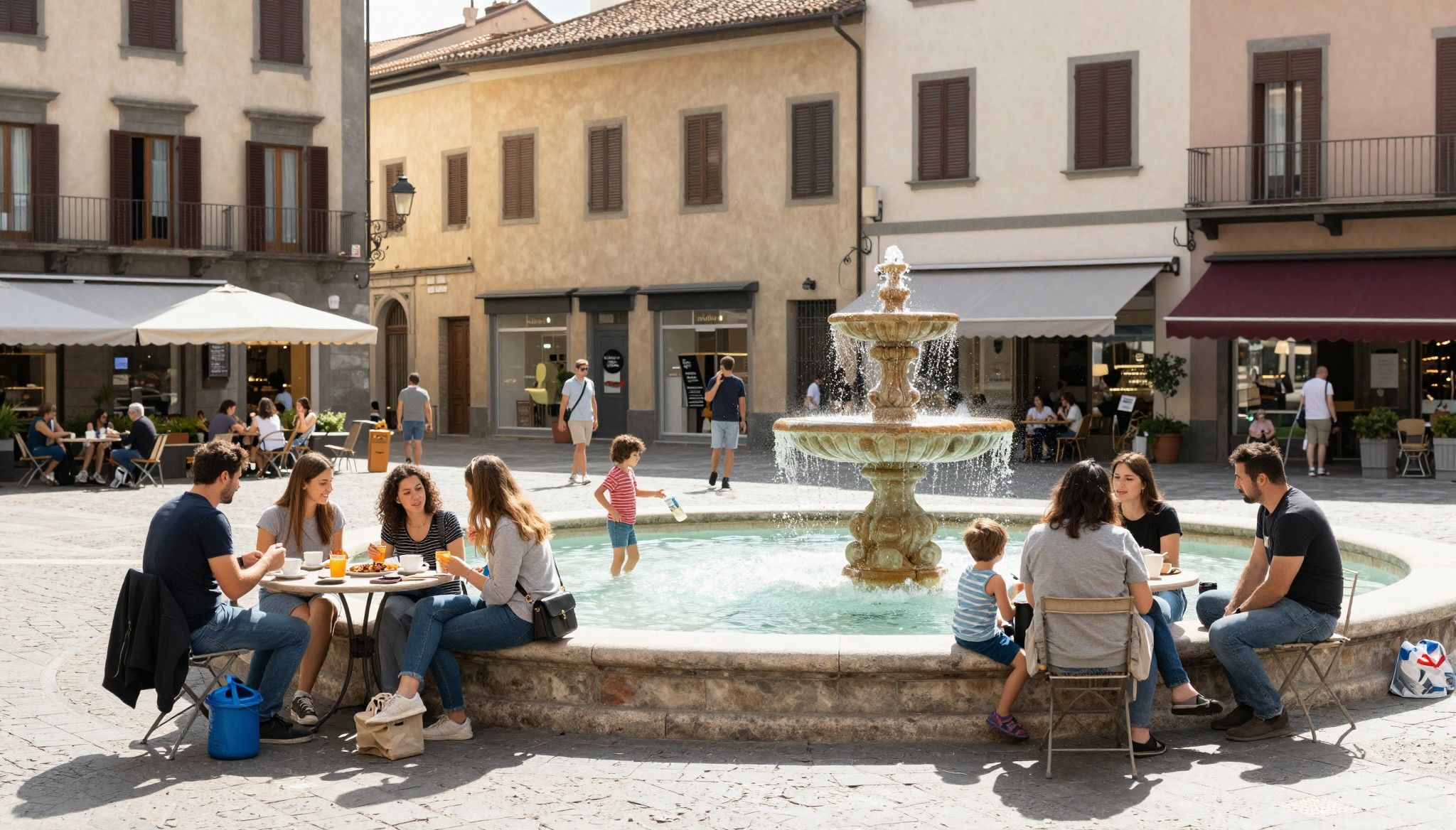
Imagine an early morning in Bologna: narrow porticoed streets, a market stall of artichokes and parmigiano, and a neighbour pausing for espresso before the tram arrives. Italy’s reputation for high property costs often stops at a few headline cities — Milan, Rome, Florence — but those headlines conceal a far more variegated reality where lifestyle and price diverge within the same metropolitan footprint. For an international buyer, that divergence is the opportunity: the streets where life is lived well and budgets are quietly sensible.
Living the Italian Life — Where cost meets character
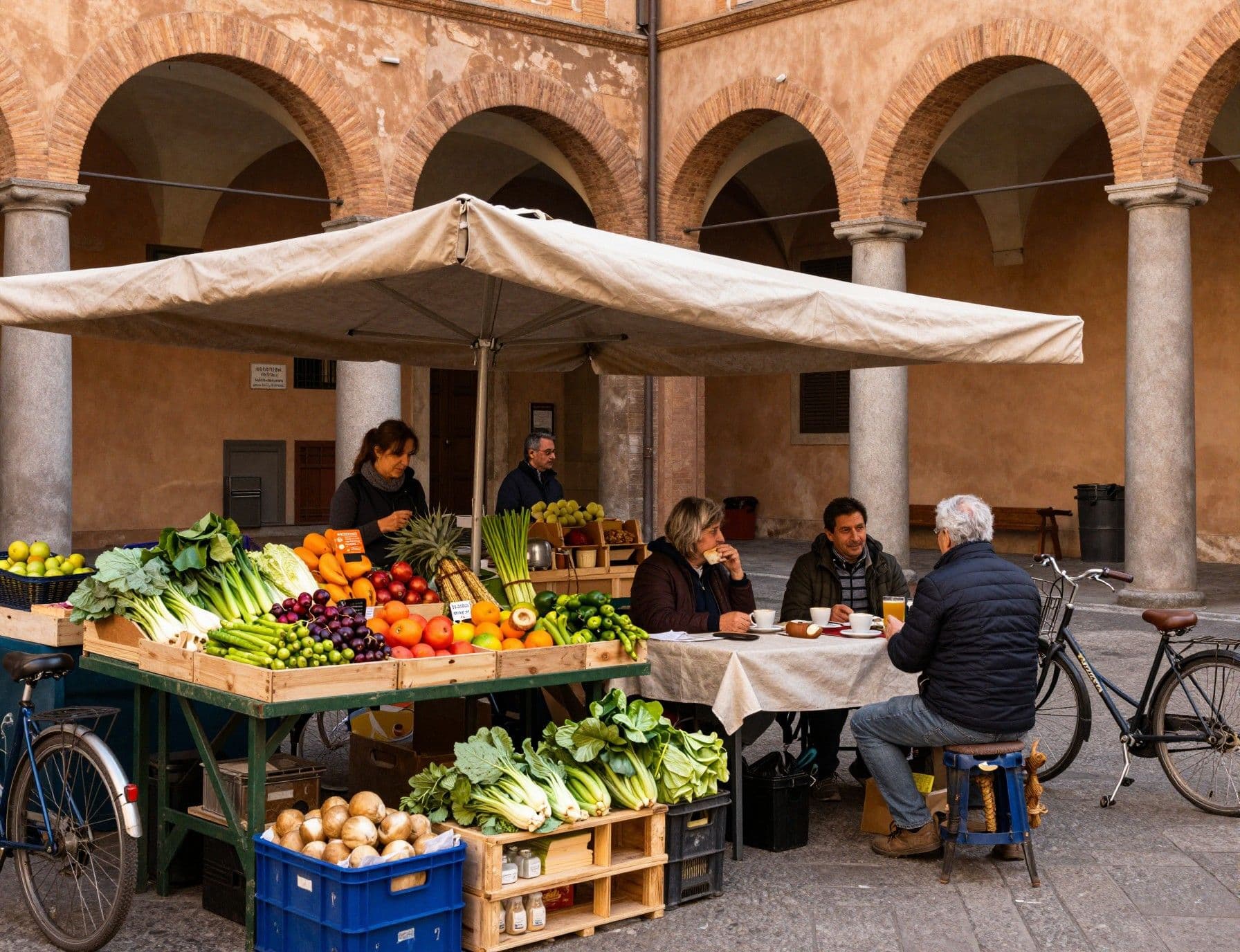
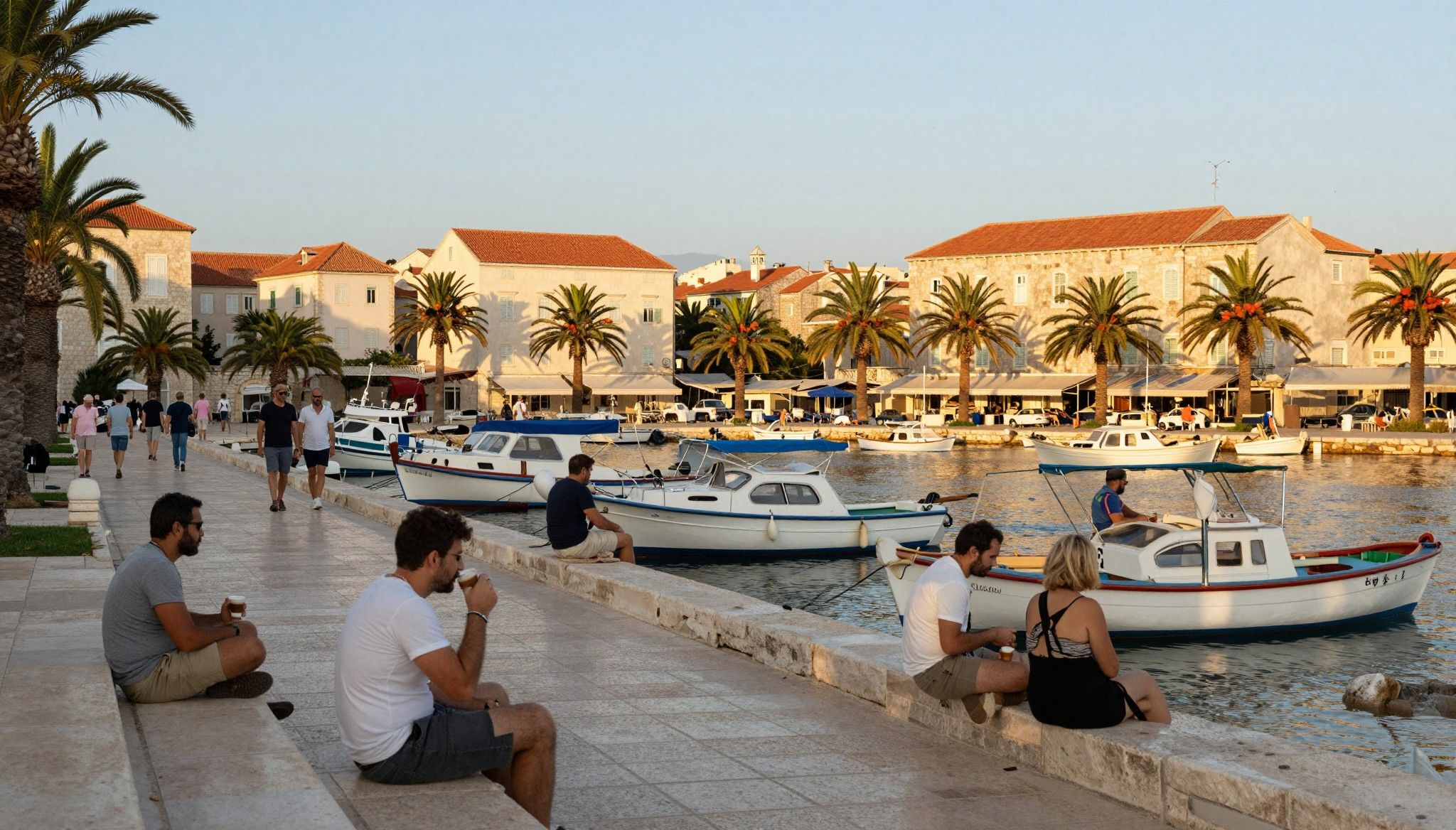
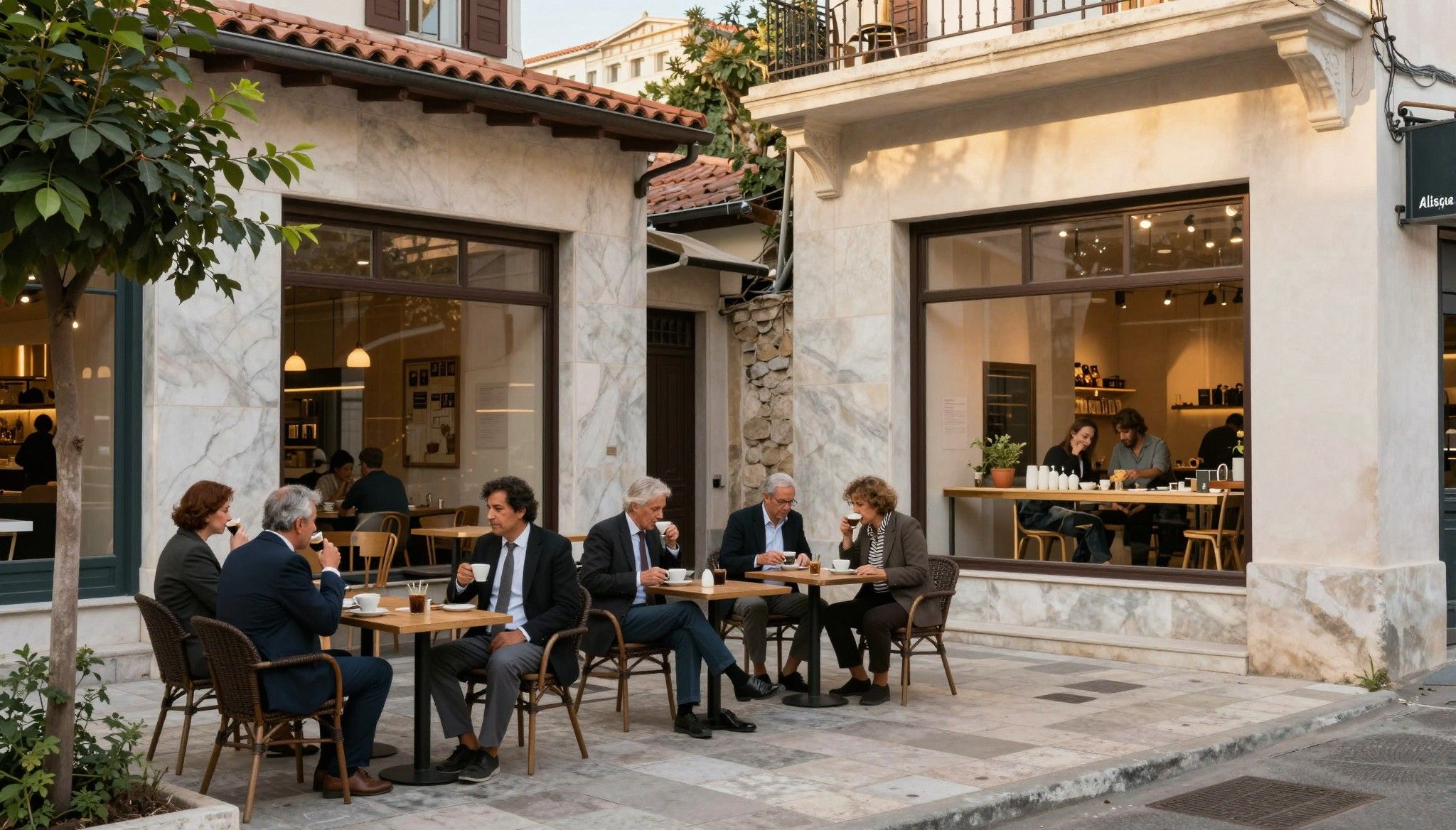
To understand cost of living in Italy, begin with the rhythms: slow breakfasts in neighbourhood bars, weekly visits to market stalls, city parks filled with early walkers and late‑afternoon aperitivi. These rituals shape where people choose to live. In many cities, a short walk to a market and a readable public square delivers disproportionate value compared with a peripheral new build with standard finishes. Consumer indexes show variation by region and city; living cheaply in a way that feels authentically Italian is less about sacrifice than about placing lifestyle priorities correctly. See measured comparisons on national indices for context.
Neighbourhood spotlight: Bologna — porticoes and pockets of value
Walk beyond the city centre in Bologna and you find residential streets — San Donato, Bolognina’s quiet lanes — where handsome early twentieth‑century flats fetch rents and prices well below central districts yet offer the same daily pleasures: morning markets, artisan bakeries, small trattorie. For buyers seeking a lived‑in, neighbourhooded life, these pockets often deliver lower per‑square‑metre prices without diminishing the cultural fabric that made the city desirable in the first place.
Food, markets and micro‑economies: where weekly rhythms reduce household spend
Italian food culture reduces certain living costs: buying seasonal produce at mercato, sharing a bottle of local wine instead of imported alternatives, and using neighbourhood macellerie and panetterie can lower grocery bills while increasing quality. Those habits influence where it makes sense to live: proximity to a market square often beats proximity to a shopping mall if you value both cost efficiency and everyday pleasure.
- Lifestyle highlights that influence cost and quality of life: • Morning markets: Campo de' Fiori (Rome), Mercato delle Erbe (Bologna) • Café culture: Caffè Florian (Venice), historic bars in Palermo’s Vucciria • Coastal escapes: Levanto’s beaches for Ligurian day trips • Architectural character: restored palazzi vs. volume suburban blocks
Making the move: practical considerations that preserve lifestyle
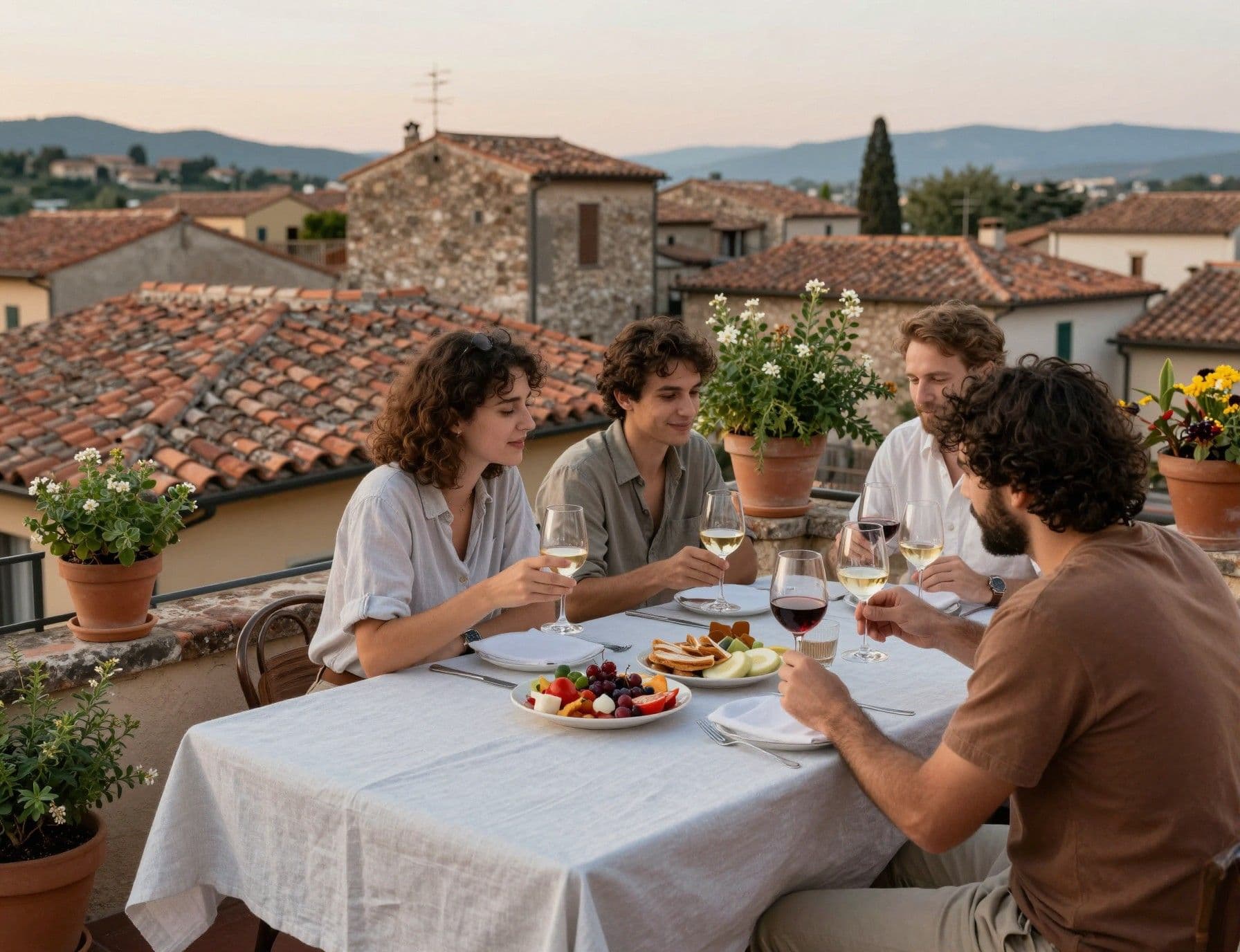
The dream of a Roman apartment or Tuscan farmhouse must meet practical realities: rising national house prices and regional differences in rents and utilities. Recent national statistics indicate house prices rose in 2025 and continued to climb into early 2026. These macro trends matter for timing and negotiation, but they do not erase micro‑opportunities: smaller municipalities, overlooked historic quarters and repurposed village homes often sit outside headline growth corridors.
Property styles and how they shape living costs
An historic palazzo requires different upkeep than a contemporary apartment; a stone farmhouse brings higher maintenance for roofs and utilities but lower communal costs. Buyers should align architecture with intended use: seasonal rental, year‑round living, or gentle renovation. Knowing typical utility and maintenance profiles for each typology informs realistic budgeting and keeps the lifestyle you loved in the brochure after you move in.
Working with local experts who preserve lifestyle value
A curator‑minded local agent helps you read neighbourhood subtleties — which street has morning sun, where winter humidity affects old stone, which local market keeps weekend life lively. Their value is cultural as much as transactional: they translate municipal quirks, seasonal rhythms and artisan networks that underpin daily ease. For international buyers, this is where discretion and deep local knowledge save both time and unforeseen cost.
- Steps to reconcile lifestyle desires with realistic budgets: 1. Map lifestyle priorities (market access, sea views, quiet streets). 2. Identify three candidate neighbourhoods with different price bands. 3. Commission local inspections for humidity, insulation and heating systems. 4. Run a 12‑month household cost simulation including utilities and maintenance. 5. Negotiate with evidence of comparable sales supplied by a local agency.
Insider knowledge: what expats wish they’d known
The most common surprise for newcomers is that living well in Italy is rarely about square metres; it is about connection. A modest apartment on a lively lane with a bakery downstairs often produces a richer daily life than a larger, quieter flat at the city edge. Practicalities — bureaucracy, utility contracts and slower repair timetables — temper expectations, but a thoughtful approach to neighbourhood selection turns those frictions into manageable parts of life rather than dealbreakers.
Cultural integration, language and daily flow
Learning basic Italian opens small economies of trust: a cleaner who understands your rhythm, a produce vendor who reserves seasonal items. Social life is local: after a few months you will recognise where neighbours gather for tennis, which church hosts community fêtes, and which bar closes late into conversation. These details influence where you will feel at home and, by extension, where property costs translate into real ongoing value.
Long‑term lifestyle sustainability and hidden costs
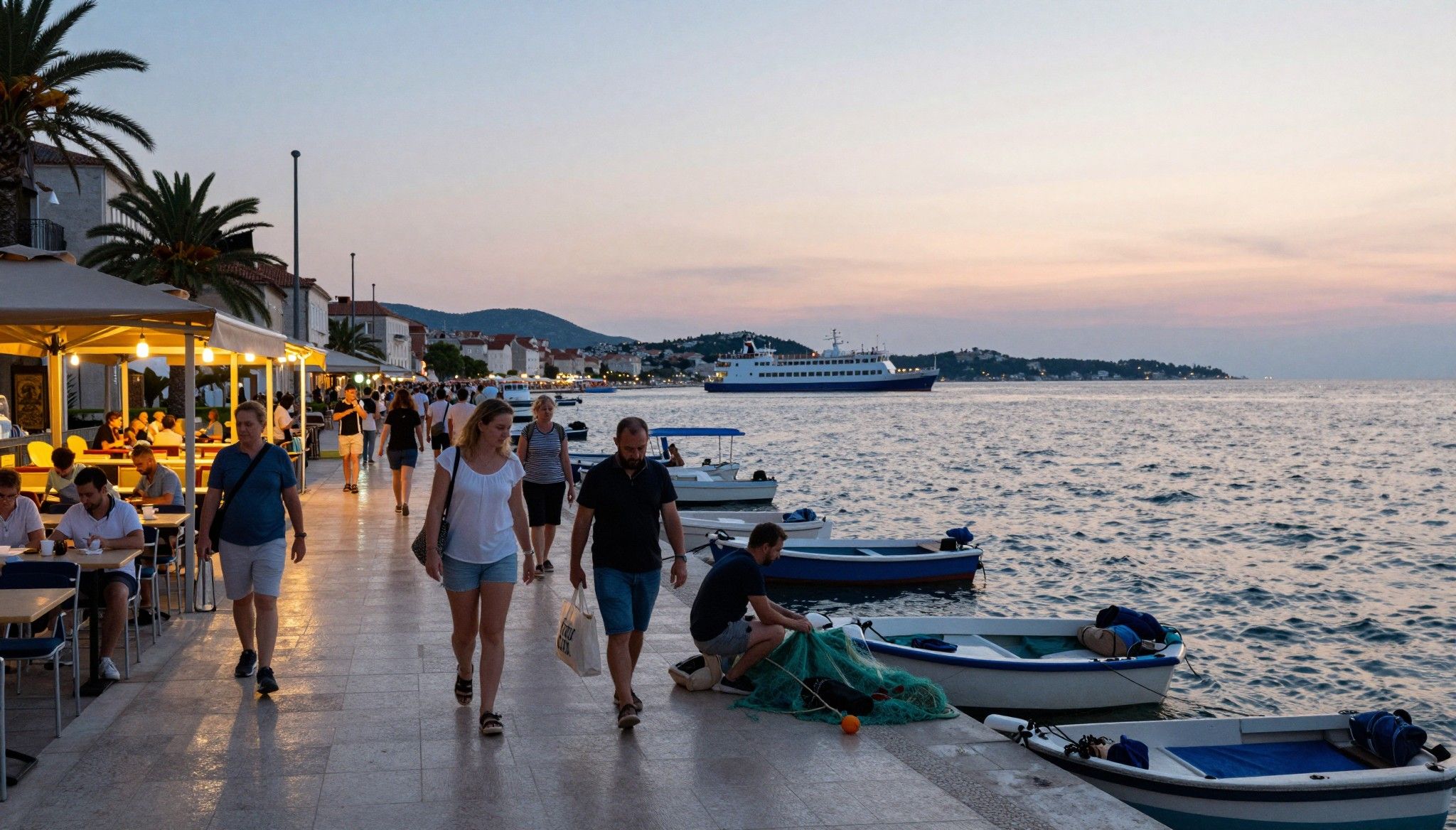
Beyond purchase price, be mindful of energy costs, condominium fees and renovation standards. In many older buildings, energy upgrades create an upfront cost that improves comfort and lowers long‑run bills; in coastal areas, salt air accelerates metal corrosion. Factor these elements into a ten‑year stewardship plan rather than treating them as one‑off surprises.
- Red flags and practical checks before you buy: • Check heating type and insulation (old radiators vs. modern heat pumps). • Ask for recent condominium meeting minutes (unexpected levies can appear). • Confirm water and seismic retrofit histories in older regions. • Verify tourist‑rental regulations if planning short‑term lets.
Italy offers a rare combination: streets that invite slow mornings and neighbourhoods that reward curiosity. For the international buyer who values provenance and a life well made, the smartest purchases come from prioritising lived experience over headline metrics. Start by selecting neighbourhoods that match your daily rituals, enlist a local agent who knows both cadastre and cucina, and build a modest stewardship budget that secures the life you imagine.
If you would like to see how these neighbourhood tradeoffs look for a specific city — whether Florence’s Oltrarno, Naples’ Chiaia, or smaller towns like Lucca and Orta San Giulio — our local advisers can assemble comparable cost profiles and lived‑in itineraries so you can feel the place before you commit.
Relocating from London to Mallorca in 2014, I guide UK buyers through cross-border investment and tax considerations. I specialise in provenance, design integrity, and long-term value.