Cyprus: Life, Titles and Permission to Buy
A sensory guide to living in Cyprus that pairs neighbourhood life with must‑do legal checks: title deeds, Land Registry searches, and permissions for non‑EU buyers.
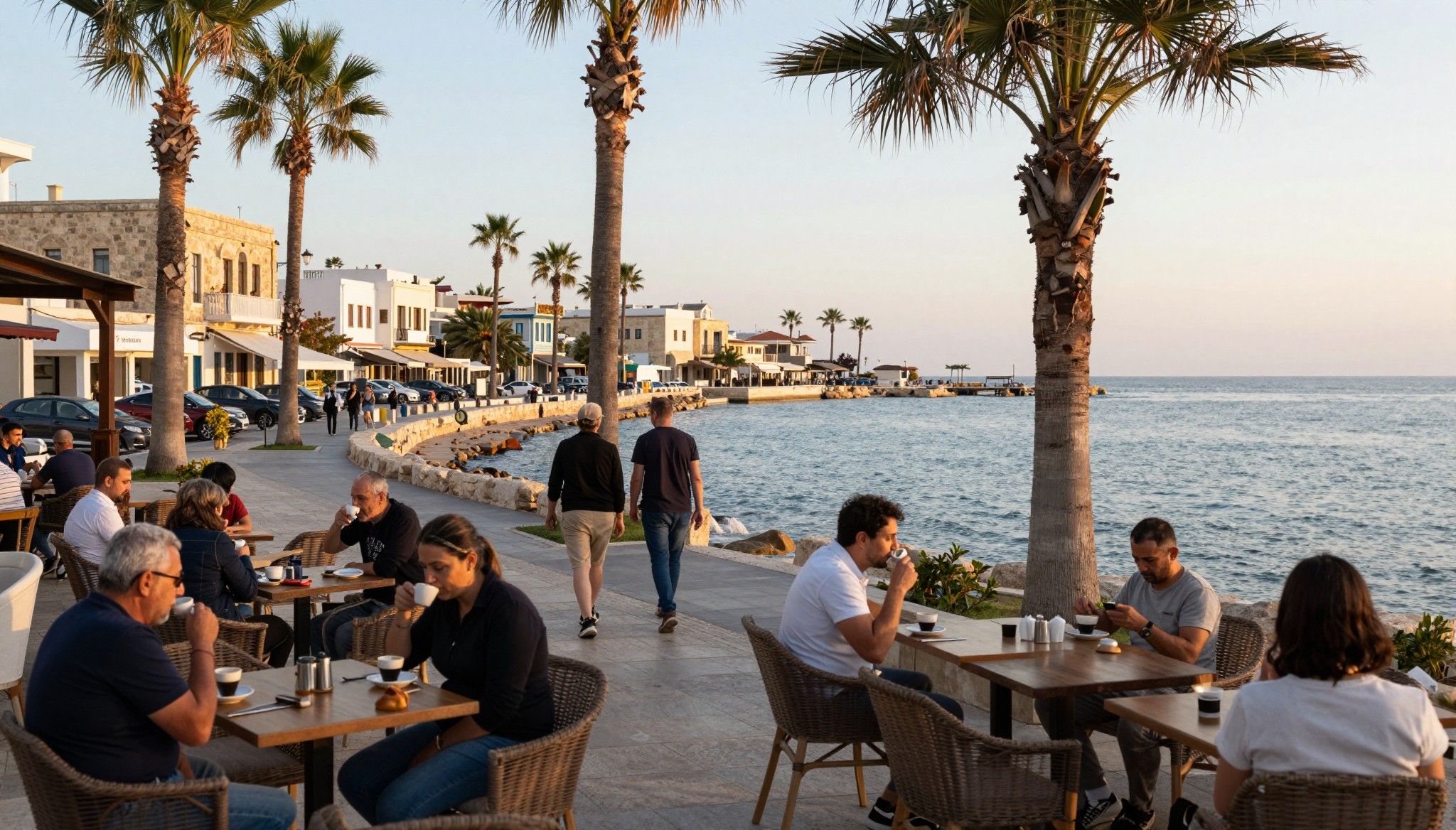
Imagine stepping out at dawn to buy coffee at a stone‑paved kafeneio in Limassol’s old port, then taking the coastal road back past perfumed citrus groves to a terraced house with shuttered windows and a small courtyard. Cyprus rewards a measured life: long lunches, market rhythms, and afternoons that slope into amber light. For many international buyers the island is a promise of ease — mild winters, English widely spoken, and layered histories in stone and Byzantine mosaics — yet the legal path to ownership requires local knowledge and a clear checklist. The pleasure of living here begins with understanding the practical steps that protect both lifestyle and capital.
Living the Cyprus life
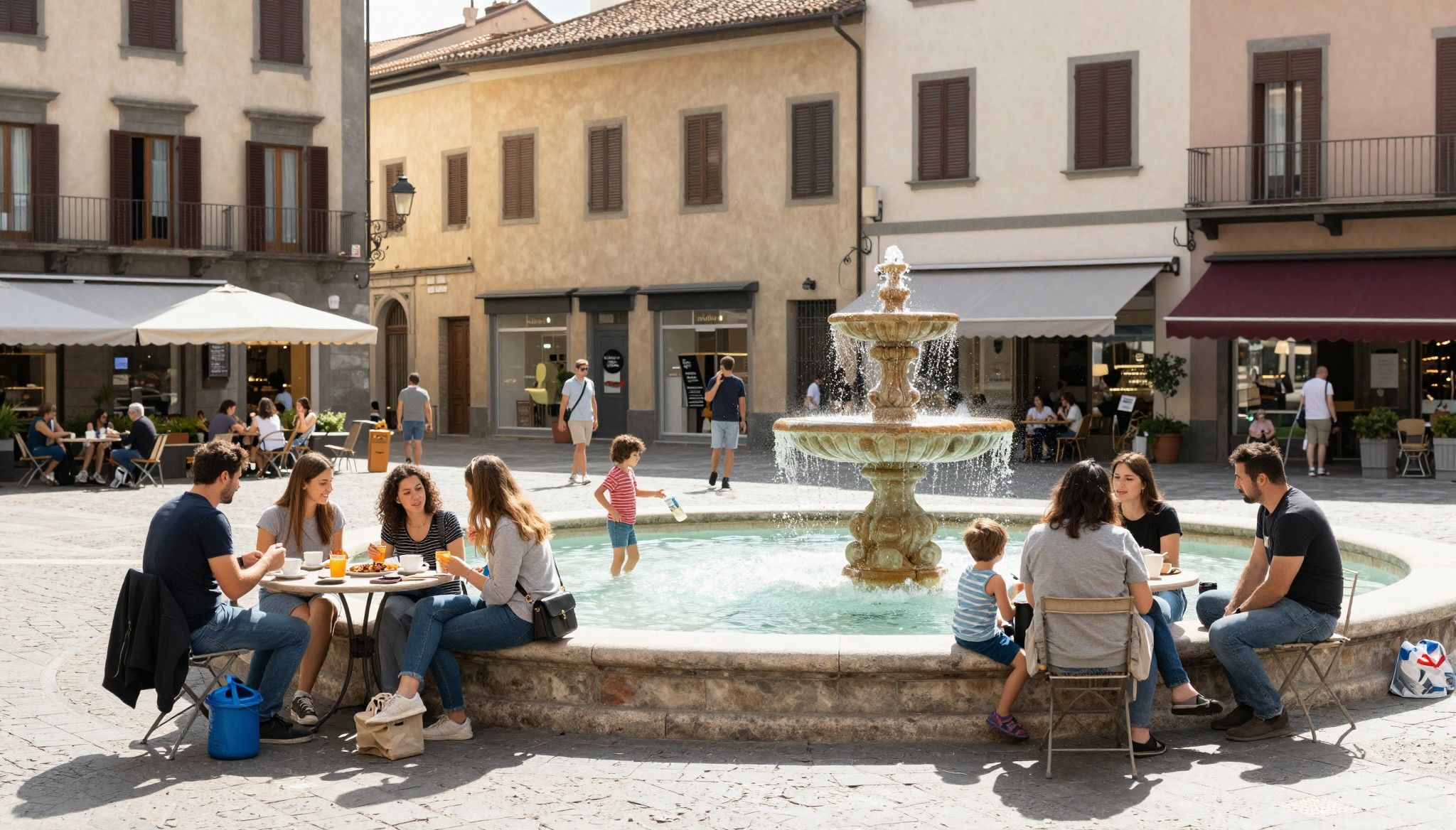
Cyprus is at once coastal ease and village tradition. In Nicosia mornings unfold among narrow lanes and bakery steam; in Paphos you will find archaeological gardens and a quieter coastline where neighbours know each other by first name. Limassol hums with cosmopolitan rhythm — waterfront promenades, design cafés and boutique galleries — while the Troodos foothills offer stone cottages, chestnut festivals and a different, slower cadence of life. These contrasts matter to buyers: what you choose determines commute, community and how you will spend Saturdays.
Neighbourhood textures: where to look and why
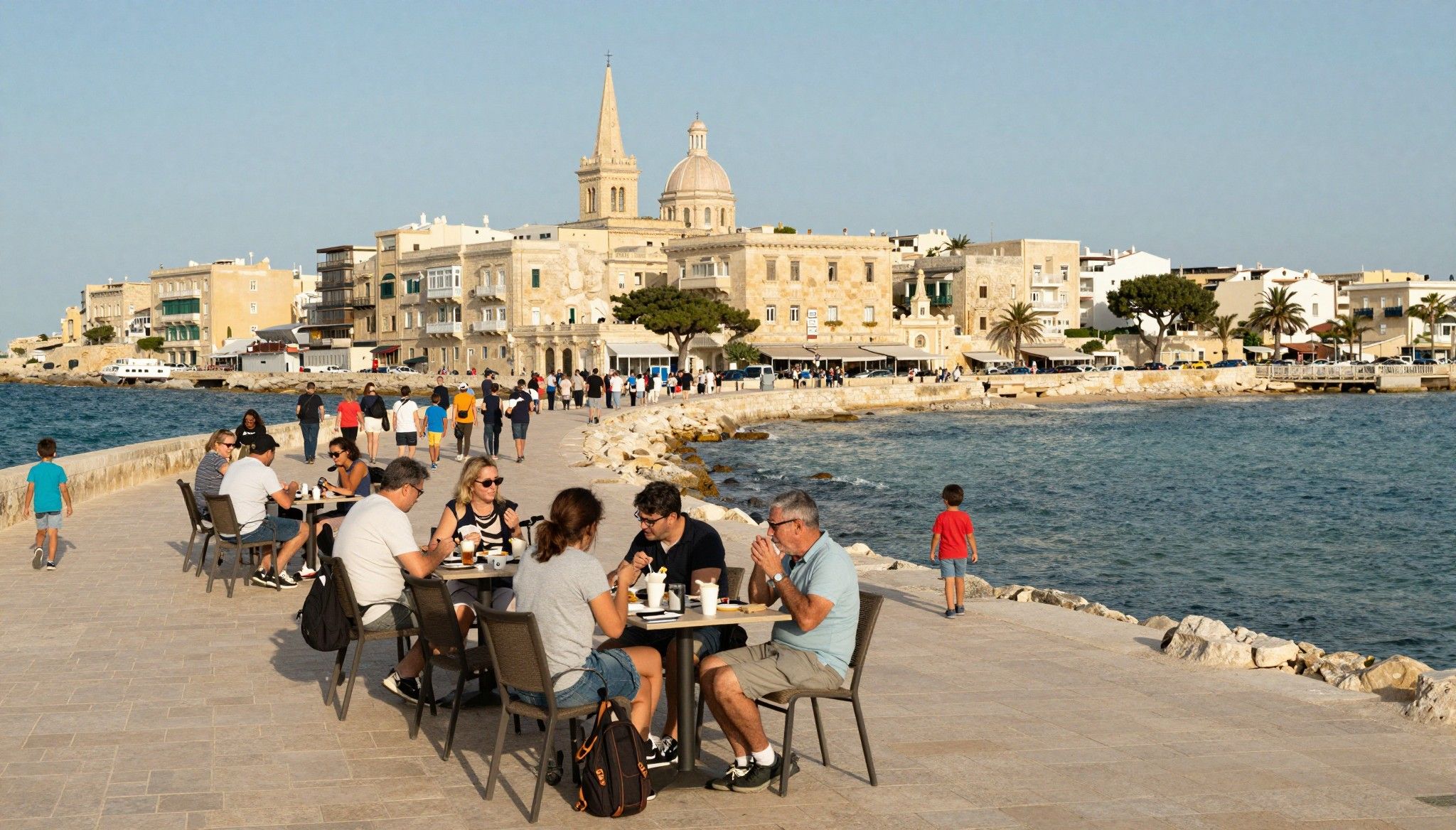
If you prize cafés and a convivial street life, the old Limassol port and Agios Nikolaos quarter offer cobbled lanes, artisanal bakeries and a riverside promenade where architects have sensitively restored warehouses into apartments. For coastal serenity with good resale prospects, try Peyia and Coral Bay near Paphos — villas sit within walking distance of beaches and seasonal tavernas. Families often choose Engomi in Nicosia for schools and leafy streets; meanwhile, enthusiasts of traditional craft seek villages such as Omodos where stonework and communal festivals define social life.
Food, markets and weekend ritual
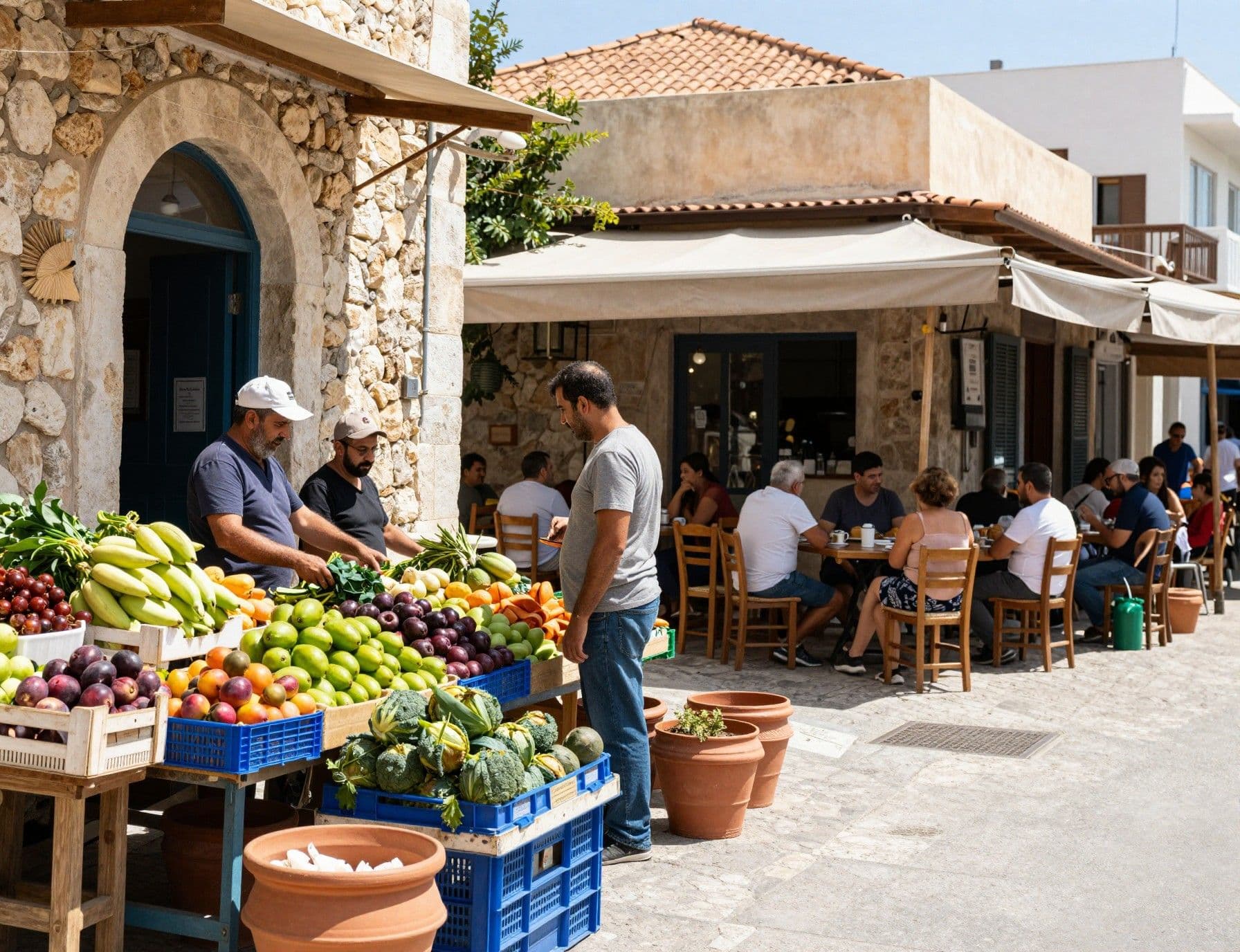
Weekends are built around markets and the sea. A Saturday at a laiki (street market) supplies halloumi, sun‑kissed tomatoes and a conversation about olive yields. Dinners start late; mezze is an invitation to linger. For buyers this rhythm suggests certain practicalities: kitchens for convivial cooking, shaded terraces for evening dining, and storage for wine and preserved produce — features that add immediate lifestyle value and resale appeal.
Making the move: practical considerations
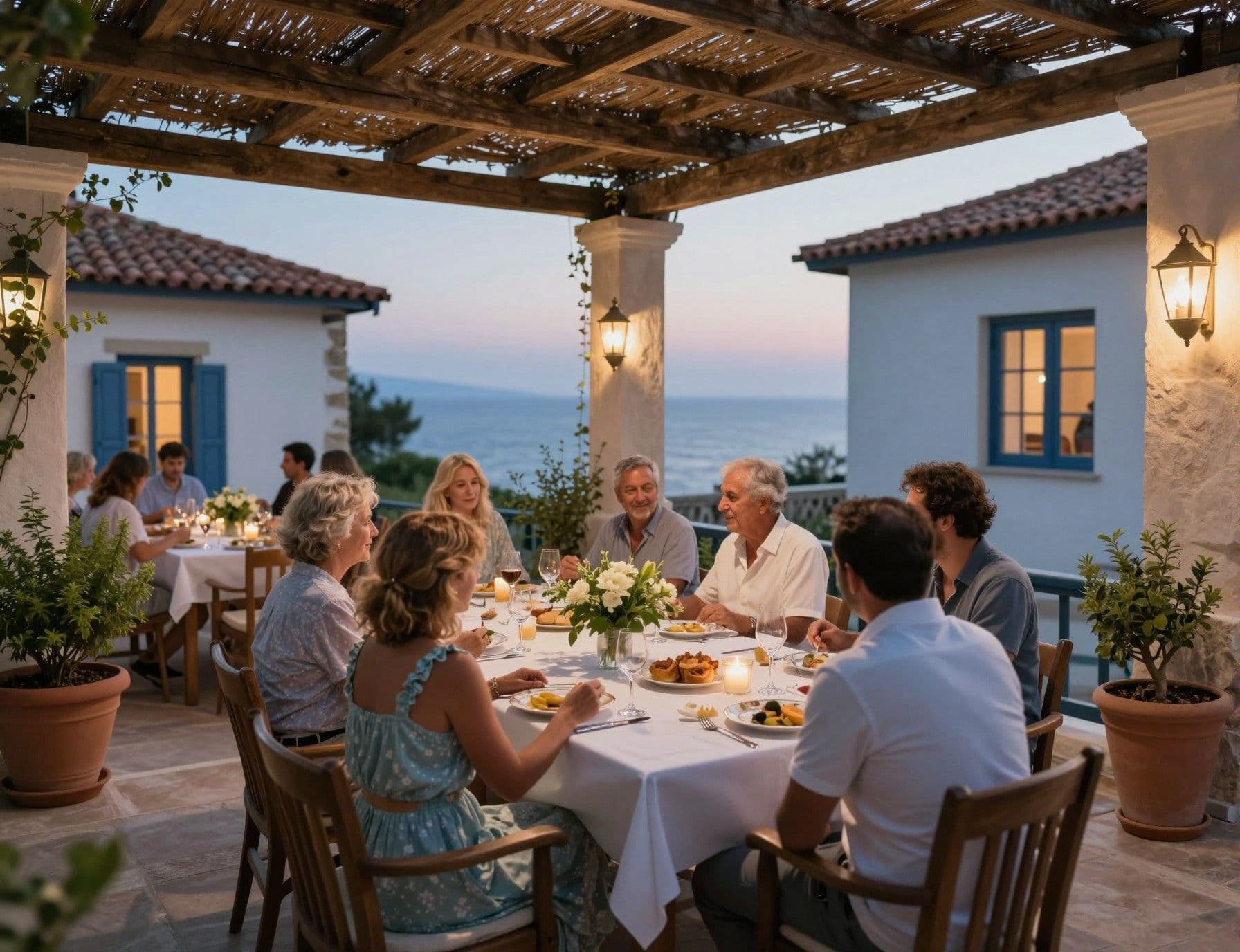
The romance of a courtyard meets the realities of titles, permissions and transfer fees. Cyprus has a clear legal framework, but the details matter: confirm separate title deeds, check for mortgages, and understand whether you, as a non‑EU national, need permission from the authorities to complete a transfer. These are not bureaucratic obstacles so much as protective steps — performed correctly they preserve the island’s enduring value.
Property types and how they shape daily life
A stone village home frames a different life than a seafront apartment. Traditional stone houses in the Troodos require sympathetic heating and roof maintenance but reward with cool summers and provenance; modern coastal developments offer ease of care and amenities but can be seasonal in occupancy. Consider orientation (afternoon sun for terraces), water supply for gardens, and whether an internal courtyard or covered veranda will extend living space across seasons.
Working with local experts who protect lifestyle value
Engage a Cypriot lawyer early; insist on a Land Registry search and planning-permit checks; secure a qualified surveyor for structural and services inspection; use an agency experienced in the neighbourhood’s architecture; and confirm the contract is lodged with the Land Registry to protect your deposit and priority. These steps preserve both the aesthetic life you imagine and the investment beneath it.
Insider knowledge: what expats wish they’d known
Expat buyers often recount one surprise more than any other: the centrality of title deeds. Many sale offers involve developments awaiting separate titles; signing a contract without a clear timetable for deeds can be manageable but requires discounts, escrow protections and patience. Another common note: seasonal markets shape neighbourhood energy — a village that feels sleepy in winter can flourish with festivals and markets in summer, which in turn affects rentalability and living experience.
Cultural integration and community life
Language is rarely a barrier — English is widely used in business, legal documents and healthcare — yet community life rewards curiosity. Attend church festivals, market days and village coffee hours; the informal goodwill established at these moments becomes the social capital that makes a house a home. For buyers, proximity to these rhythms should influence choice: a house two streets from the main square may offer far greater belonging than a larger property on the outskirts.
Longer-term practicalities that sustain lifestyle
Think beyond initial purchase: consider property management for rental seasons, how utilities and insurance respond to coastal salt air, and the implications of inheritance law and succession for a property you intend to keep in the family. These are stewardship decisions: they protect the atmosphere you love and the asset you hold.
Practical checks before you sign:
Verify title deeds and whether separate storey‑easement titles exist
Require the contract to be lodged at the District Land Office to protect your deposit
Check planning permits and whether any regularisation is pending for extensions
If non‑EU, confirm permission timelines under the Acquisition of Immovable Property (Aliens) Law
Step‑by‑step to secure both lifestyle and title:
1. Reserve with a written deposit and a clear schedule for due diligence.
2. Commission Land Registry searches and a structural survey; review planning history.
3. Ask your lawyer to ensure the contract is lodged with the Land Registry; this creates priority.
4. For non‑EU nationals, submit the acquisition application via the Ministry of Interior and confirm timelines before completion.
Conclusion: Cyprus is a place of texture — markets, sea and community — and that texture is both the reason to buy and the test of preparedness. Live‑first choices (neighbourhood, orientation, courtyard) should map onto legal certainty (title deeds, registered contracts, proper permits). Work with a local lawyer, an agency steeped in the neighbourhood and a surveyor who understands Mediterranean building realities. Do this and the island’s light will feel like a reliable reward rather than a gamble.
Norwegian with years in Florence guiding clients across borders. I bridge Oslo and Tuscany, focusing on legal navigation, cultural context, and enduring craftsmanship.