Cyprus: Financing the Life, Not Just the House
Why Cyprus’s lifestyle merits patient financing: market data, lender realities and practical steps for international buyers who value provenance and long‑term stewardship.
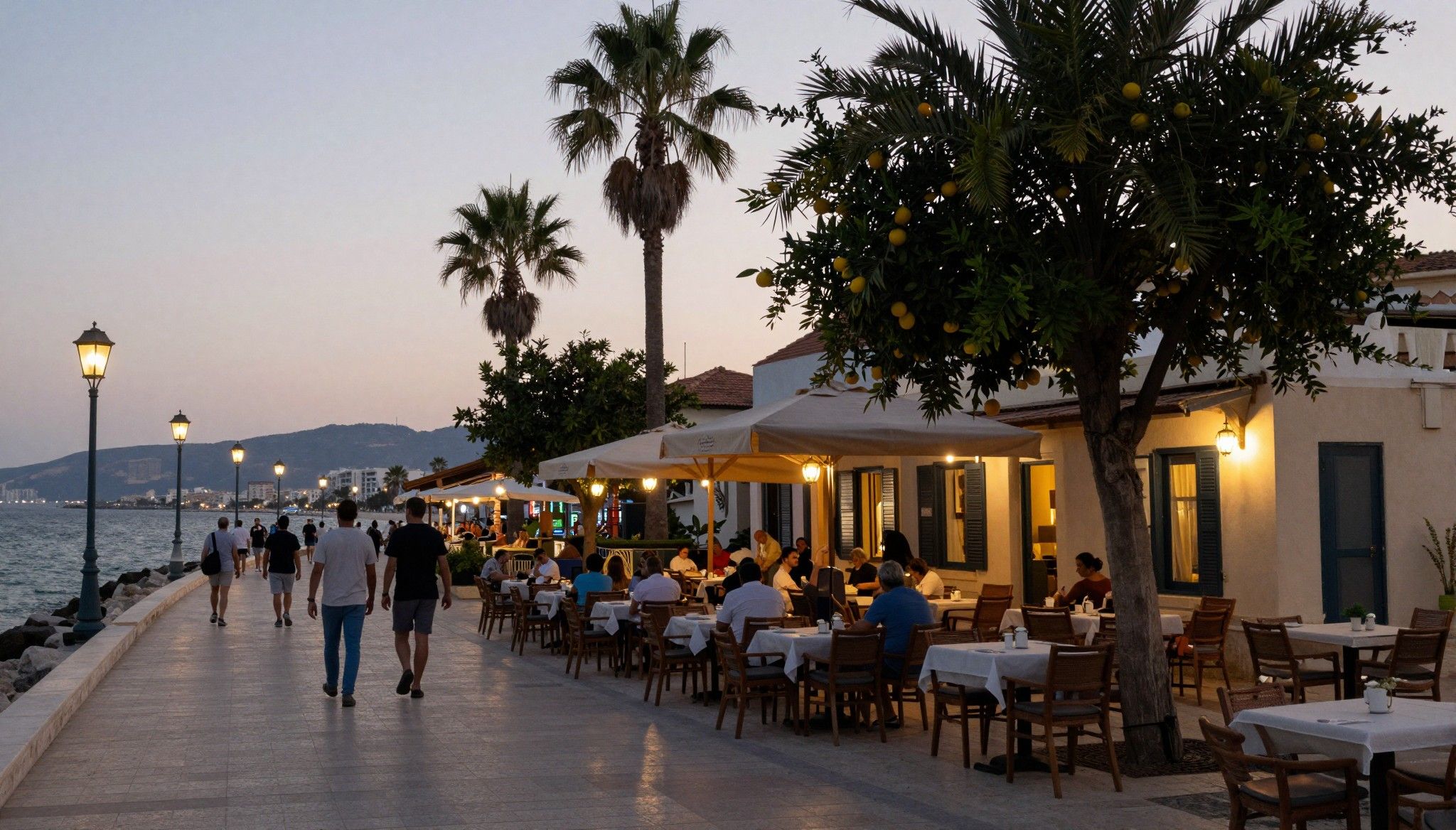
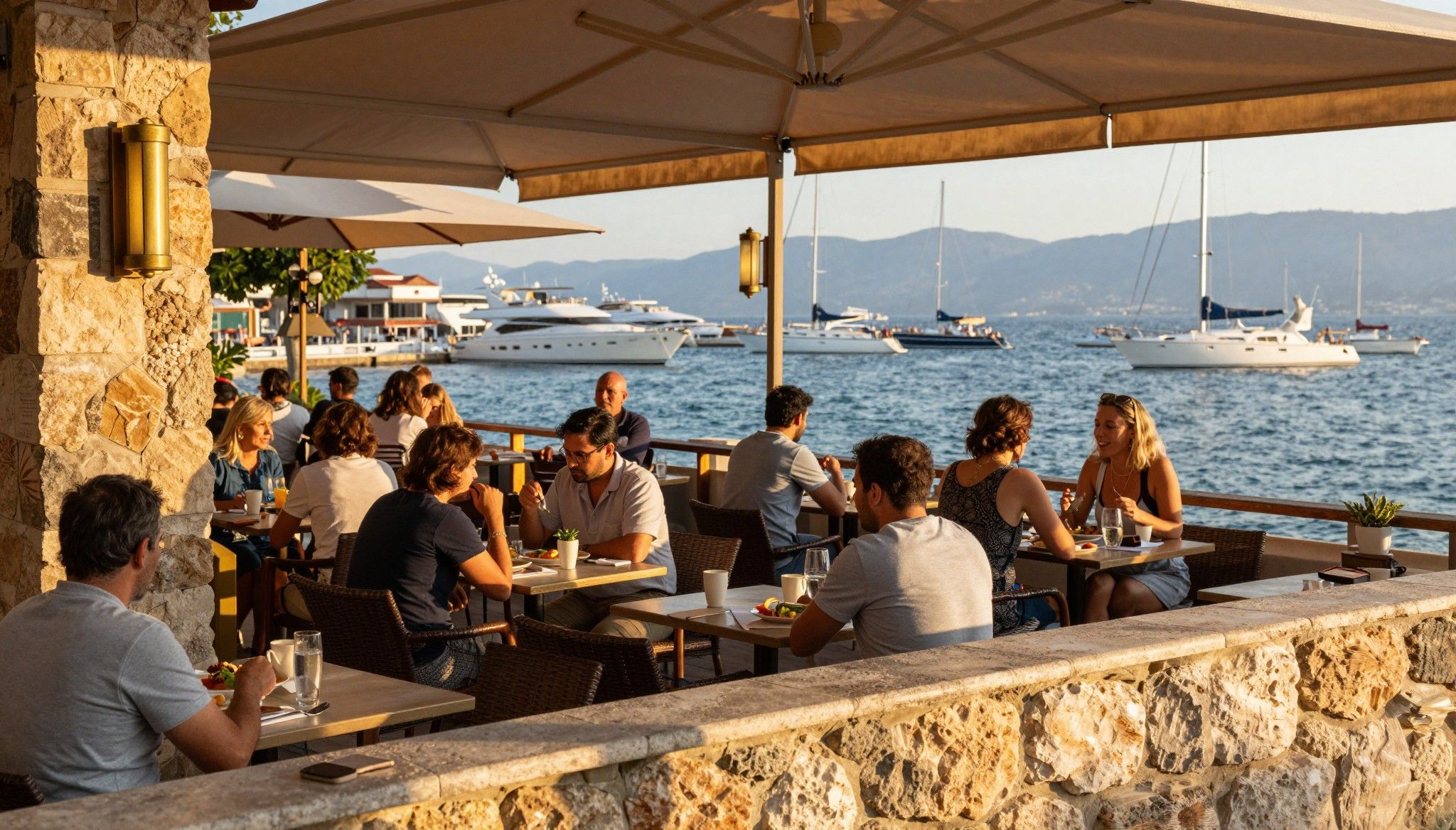
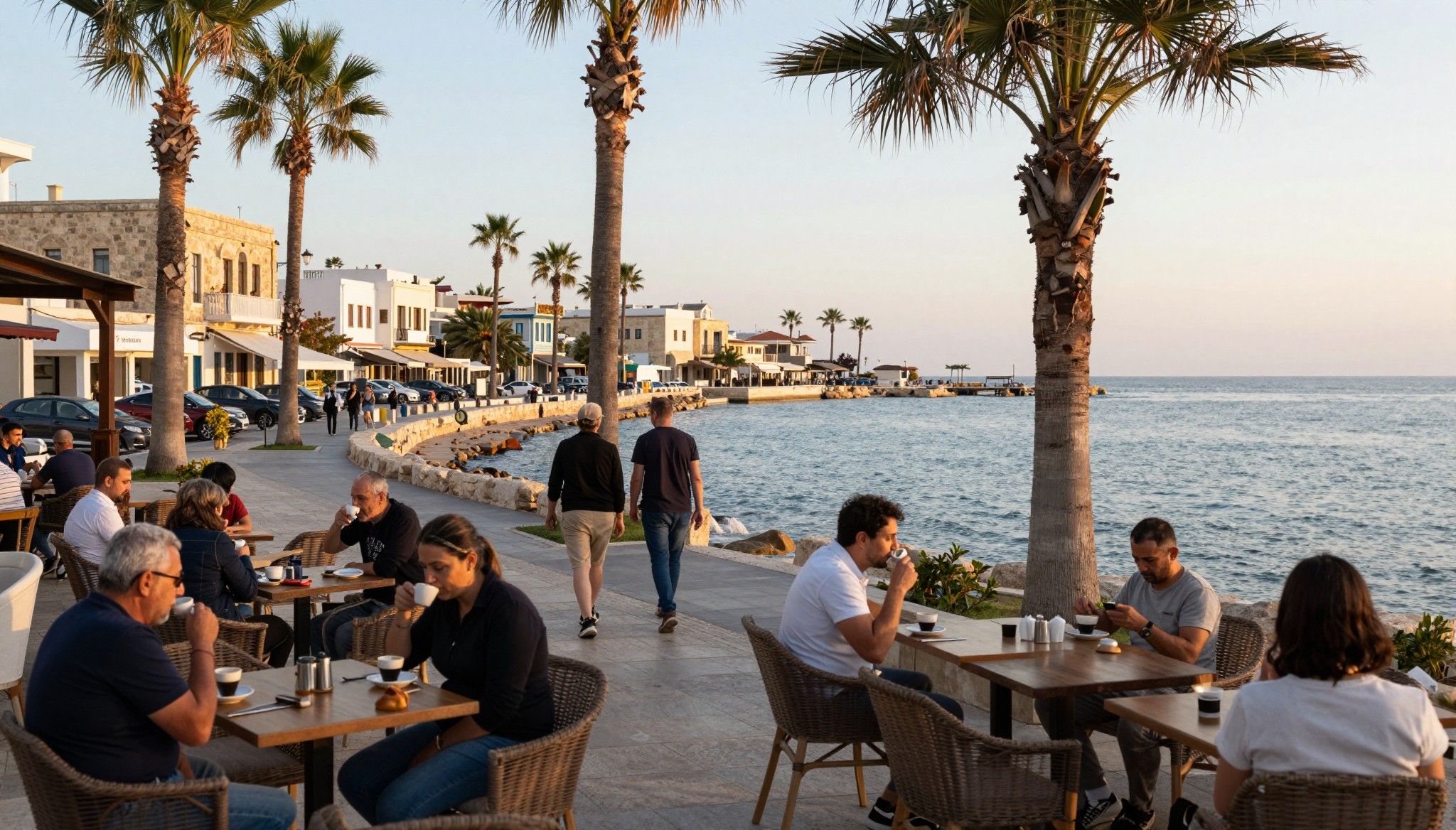
Imagine a slow Sunday in Limassol: espresso at a shaded table on Molos promenade, a stroll past restored neoclassical facades, and the scent of citrus from private gardens mixing with sea air. Cyprus offers a clarity of light and a human scale that reshapes daily life — mornings in village bakeries, afternoons at quiet coves, evenings in tavernas where the conversation lasts as long as the meal. For buyers who prize provenance and habitat over headline returns, the island is seductive; yet the route from desire to deed requires financial discipline and local knowledge. This guide interleaves the life you will gain with the practical financing truths international purchasers must accept in 2026.
Living Cyprus: light, craft and coastal rhythm
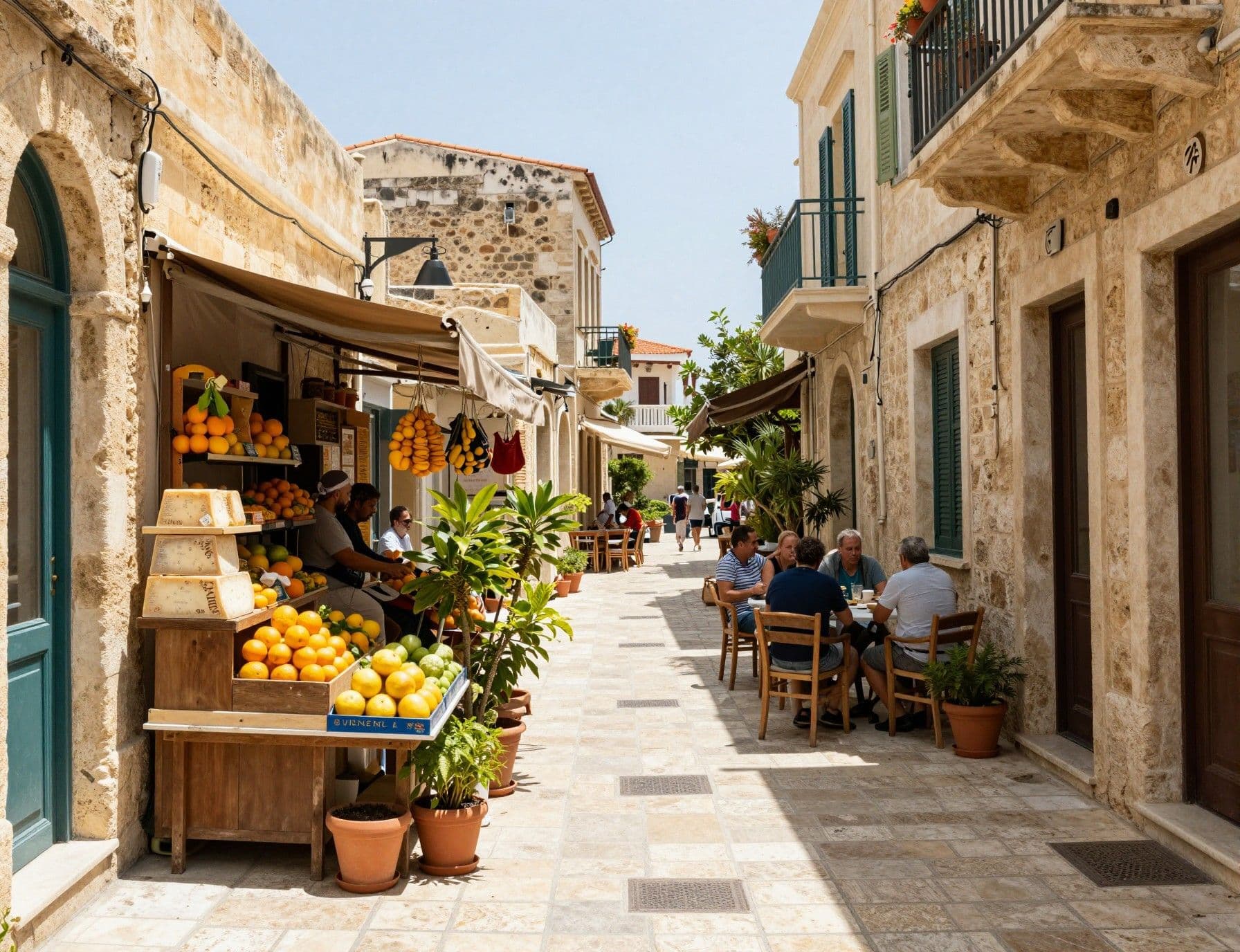
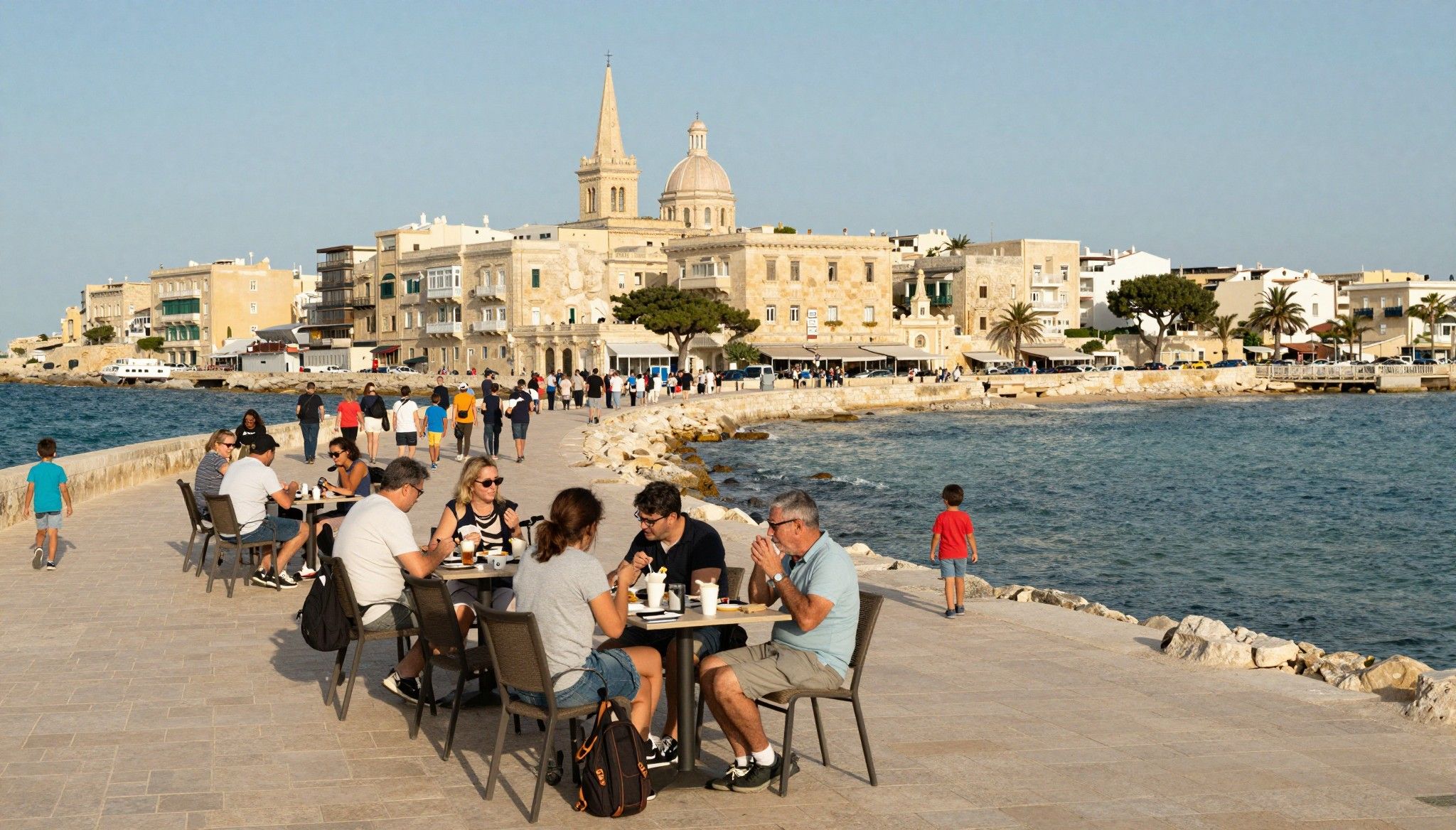
Life on the southern coast moves at a considered pace. In Limassol’s Old Port and Agios Tychonas the mornings belong to slow painters and cafes where fishermen still sell the day’s catch from wooden boxes. In Paphos, afternoons unfurl around archaeological sites and compact streets filled with family-run bakeries, while Larnaca’s palm-lined Finikoudes embeds a quieter rhythm. These tactile everyday rituals shape what you will want from a home: a kitchen suited to convivial cooking, shutters that temper October light, terraces with a westerly view for lingering sunsets.
Agios Tychonas and the Amathus stretch east of Limassol combine archaeological gravity with discreet luxury. Villas here favour mature planted gardens and limestone façades; local tavernas still serve homestyle meze alongside carefully curated wine lists. For buyers who cherish both provenance and privacy, small parcels with established trees trump glass-box seafronts when it comes to long-term character and microclimate.
Food, markets and seasonal life across the island
Weekends are a choreography of markets, harbourside cafes and olive‑grove walks. Head inland and you find mountain villages where coffee is taken very seriously and the market stalls sell halloumi warmed over coals. These routines influence what you prioritise when financing a purchase: proximity to shops and community services, modest maintenance budgets for stone villas, and a readiness to fund sympathetic restoration rather than speculative remodelling.
- Lifestyle highlights to seek when you buy in Cyprus:
- Morning espresso at Molos promenade (Limassol) and short walks to the harbour.
- Weekly markets in Paphos and Larnaca featuring local produce and artisans.
- Village afternoons in Troodos with stone‑roofed houses and community tavernas.
Making the move: practical financing that protects the lifestyle
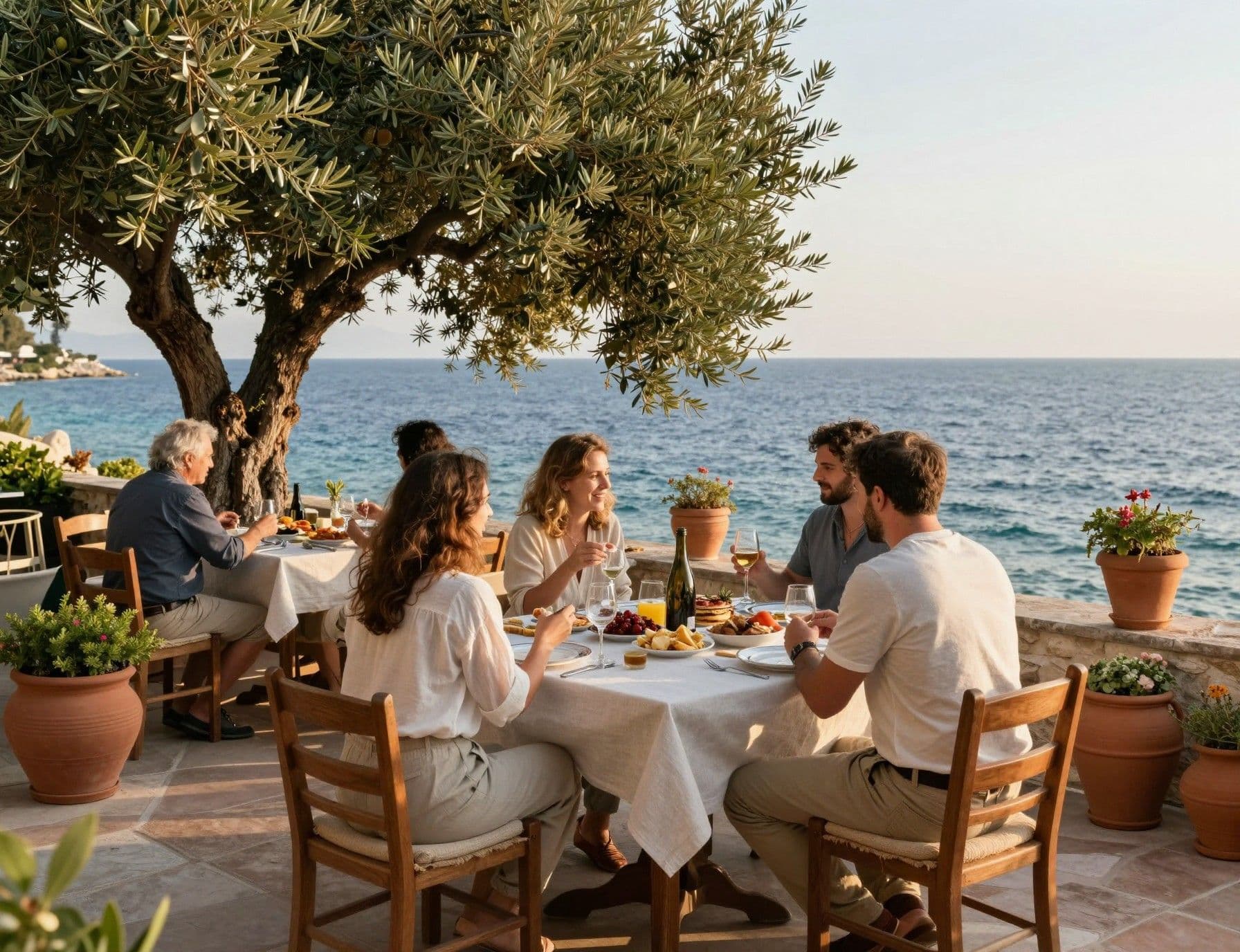
Cyprus’s market has remained resilient: official indices recorded modest price rises through 2025, led by apartment values in urban centres rather than detached houses. That data matters because lenders price risk against recent indices and regional demand; bank appetite for coastal Limassol assets differs from appetite for rustic mountain restorations. Understanding these distinctions will influence whether you pursue a mortgage, the size of your equity injection, and the pace at which you can move from offer to title.
Local banks do lend to international buyers, but the terms are conservative. Typical non‑resident loan‑to‑value ratios sit lower than for residents — often 50–70% depending on nationality and whether the property is new or resale — and interest rates are variable, linked to Euribor plus margin. Expect thorough proof of income, notarised foreign documentation and a timeline for approval that is measured rather than immediate.
Banks will look for clean credit histories, currency stability of your income, and realistic debt‑to‑income ratios. They are especially wary of speculative restorations without clear budgets, and may require independent cost schedules for renovation when a loan is secured against a property needing works. If you rely on rental income projections, expect lenders to discount them heavily when assessing affordability.
- Stepwise approach to financing a Cyprus purchase:
- 1) Obtain pre‑qualification from a Cyprus bank or broker using translated, notarised income documents.
- 2) Commission a local valuation and clear title search before committing the deposit; banks require this before formal offer.
- 3) If renovation is planned, secure a separate works budget and staged drawdown schedule with the lender.
Insider knowledge: what expats wish they'd known
Many expats arrive enchanted by beaches and turn to finance expecting simple mortgage arithmetic. The candid truth is procedural: permit regimes for non‑EU nationals, variations in LTV by bank, and the island’s dual desire for quality over flash mean that patience rewards buyers. Those who misjudge upkeep on a stone village house or underestimate seasonal utility costs find lifestyle friction; those who budget for craft restoration enjoy properties of singular character.
Cultural cues and community capital
Cypriot social life privileges relationship and reciprocity: a local lawyer, a trusted builder and an agent who knows village committees are as valuable as a lower headline rate. Investing time to attend a market, learn basic greetings in Greek and understand seasonal festivities will convert neighbours into advocates who help smooth planning permissions and small disputes. That social capital often proves decisive when lenders or administrators request fast responses.
Longer term, buyers should plan for lifecycle costs: sympathetic conservation of stonework, periodic roof rewiring in older villas, and modest reserves for communal fees in managed developments. If rental yield is part of the rationale, expect local yields to vary significantly by region — Limassol and Larnaca often outperform quieter inland villages — and plan financing with conservative occupancy assumptions.
- Common red flags and how finance helps you avoid them:
- Unresolved title history — insist on an independent title report before deposit.
- Over‑optimistic rental projections — use conservative yield assumptions in your affordability model.
- Underfunded renovations — require staged lender drawdowns and firm contractor quotes.
A practical workflow — engage a local lawyer and mortgage broker in tandem, secure pre‑approval, and reserve only after an independent valuation and title check. Working with an agent who speaks both the language of aesthetics and the language of contracts will keep your acquisition both beautiful and defensible. When in doubt, prioritise clear title and a modest renovation plan over speculative expansion.
If Cyprus feels like a promise of a slower, more tactile life, finance is the instrument that converts aspiration into stewardship. Begin with a clear pre‑approval, calibrate expectations to local lender practice, and choose properties whose maintenance demands match your willingness to engage or to delegate. When patience guides purchase and craft informs restoration, Cyprus rewards owners with a life that feels inevitable the moment you cross the threshold.
Norwegian with years in Florence guiding clients across borders. I bridge Oslo and Tuscany, focusing on legal navigation, cultural context, and enduring craftsmanship.