Greece: Neighbourhood Rhythms That Shape Smart Buys
How Greece’s neighbourhood rhythms, seasonal life and recent policy shifts reshuffle opportunity—practical steps to match the lifestyle you want with a sound property choice.
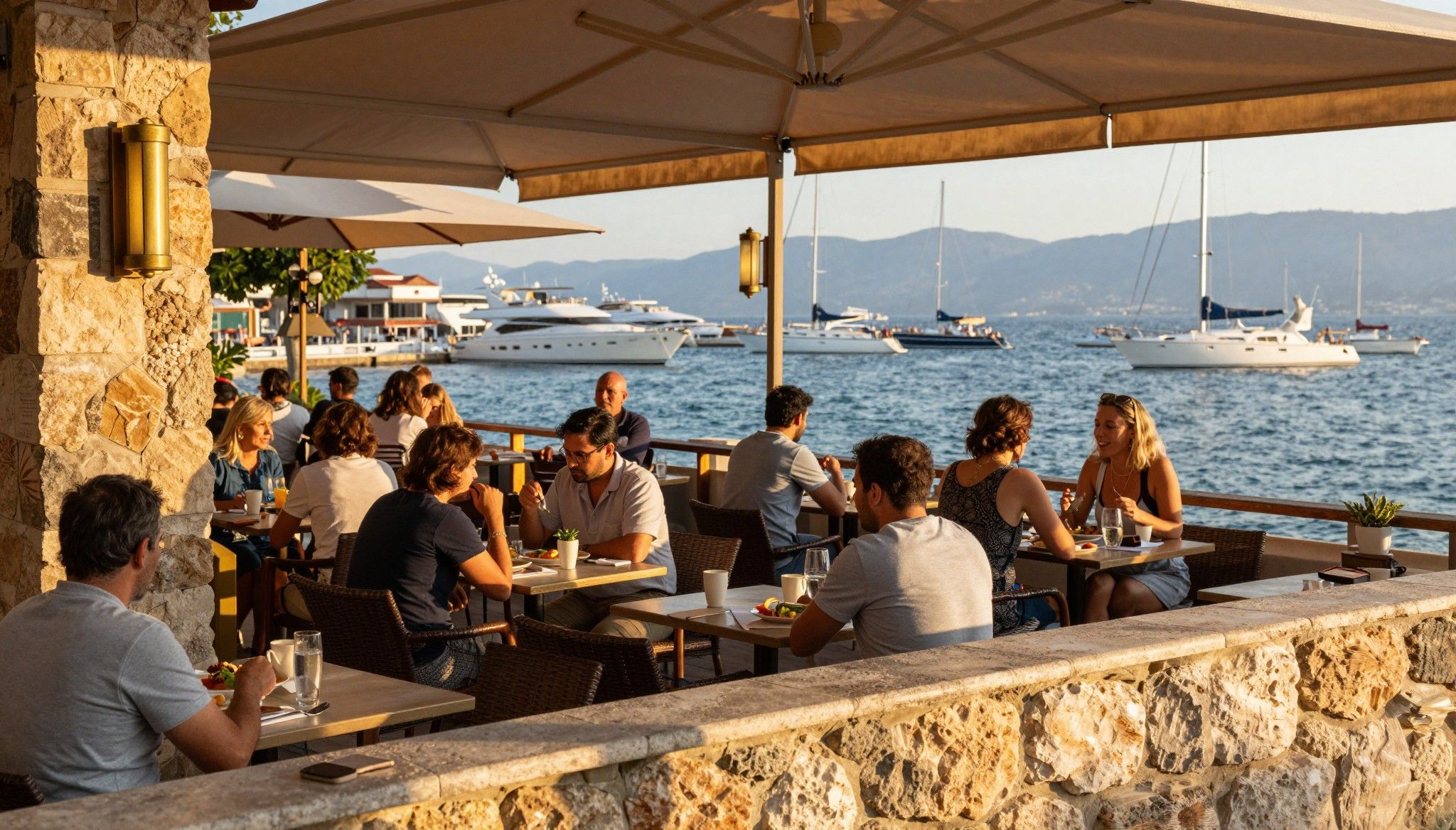
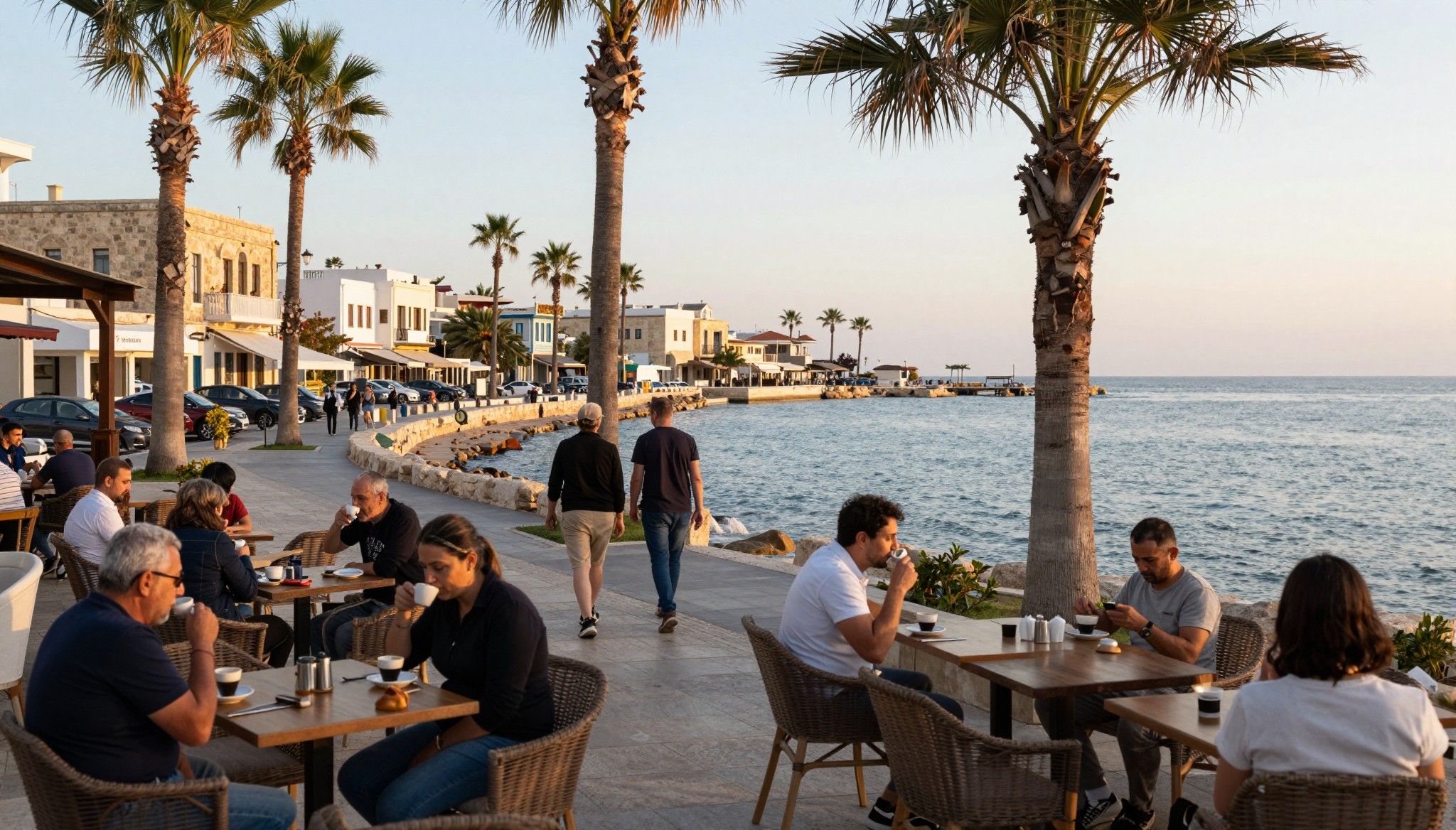
Imagine sitting at a small marble table on a shaded lane in Plaka, espresso cooling while a church bell rings and a local fishmonger arranges the day’s catch. That particular stillness — the bright light, the salted air, the half-hour conversations at the bakery — is what draws buyers to Greece; it is also the nuance that should shape where and how you invest. Recent national indices show steady price appreciation in urban and island markets, but beneath those headlines lie distinct neighbourhood rhythms and practical trade-offs every international buyer must understand. (Source: Bank of Greece property indices.)
Living the Greece life: streets, seas and small rituals
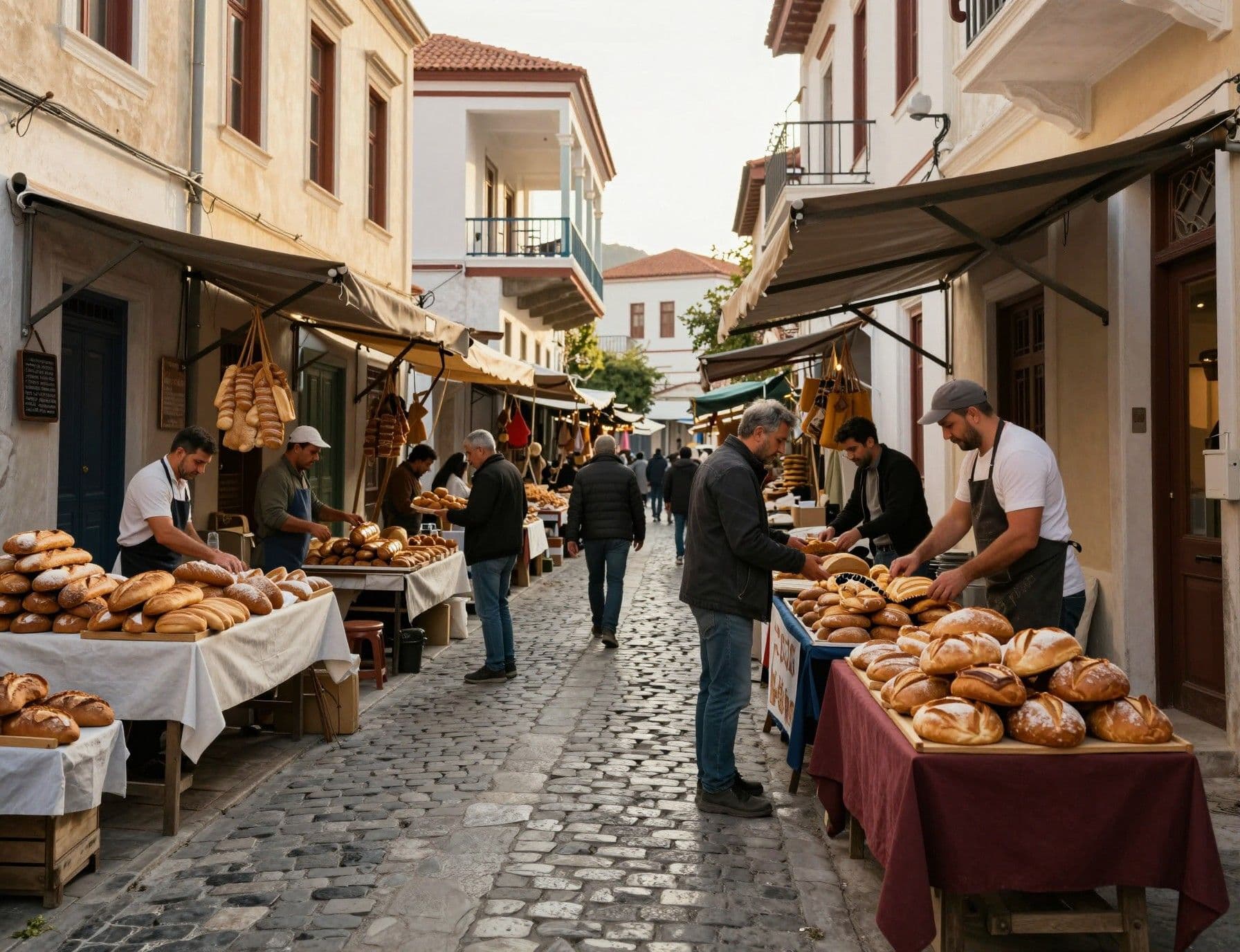
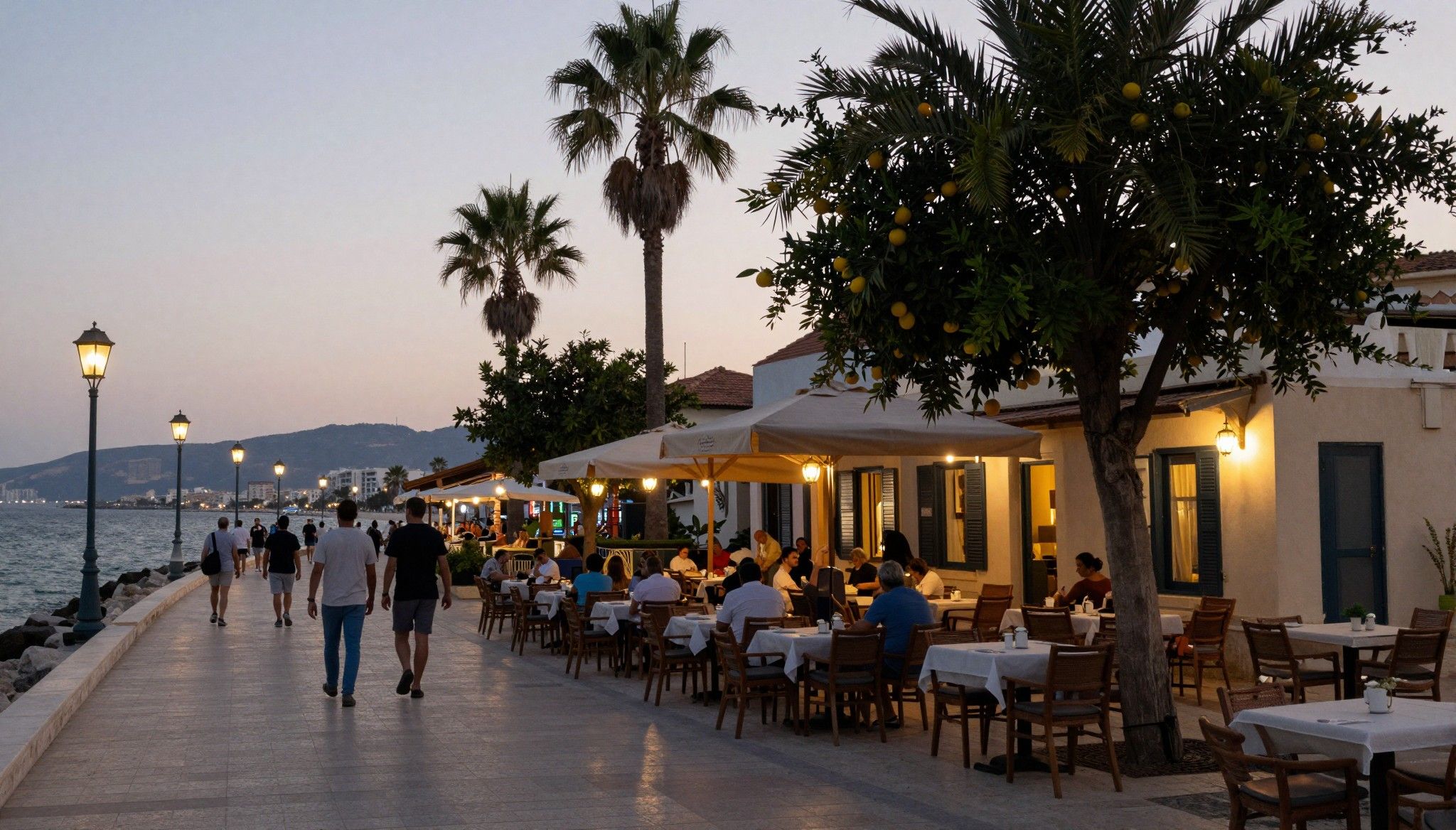
Daily life in Greece is composed of local rituals more than grand gestures. Mornings belong to bakeries and markets; afternoons to siesta or the slow repair of life’s details; evenings to narrow streets animated by tavernas. Architecturally, you find neoclassical townhouses in Kypseli and Kifisia, modernist blocks with generous balconies in coastal suburbs like Glyfada, and whitewashed Cycladic houses with shuttered windows and blue doors on Mykonos and Paros. These differences matter: the way sunlight falls across a façade, the street’s slope, a neighbourhood’s café culture — all affect long‑term desirability and living comfort.
Athens neighbourhoods: from Kolonaki calm to Gazi’s evenings
Kolonaki offers the measured ease of museums, galleries and a tight circle of artisan shops; Glyfada and Voula provide coastal living with marina life and cleaner lines; Exarcheia and Koukaki reward those who want immediacy and a lively street scene. On islands, Mykonos and Santorini command a different tempo — peak-season intensity offset by year-round rental demand — whereas islands such as Naxos, Sifnos and Syros retain more of a local rhythm and calmer ownership experience.
Food, markets and weekend habits
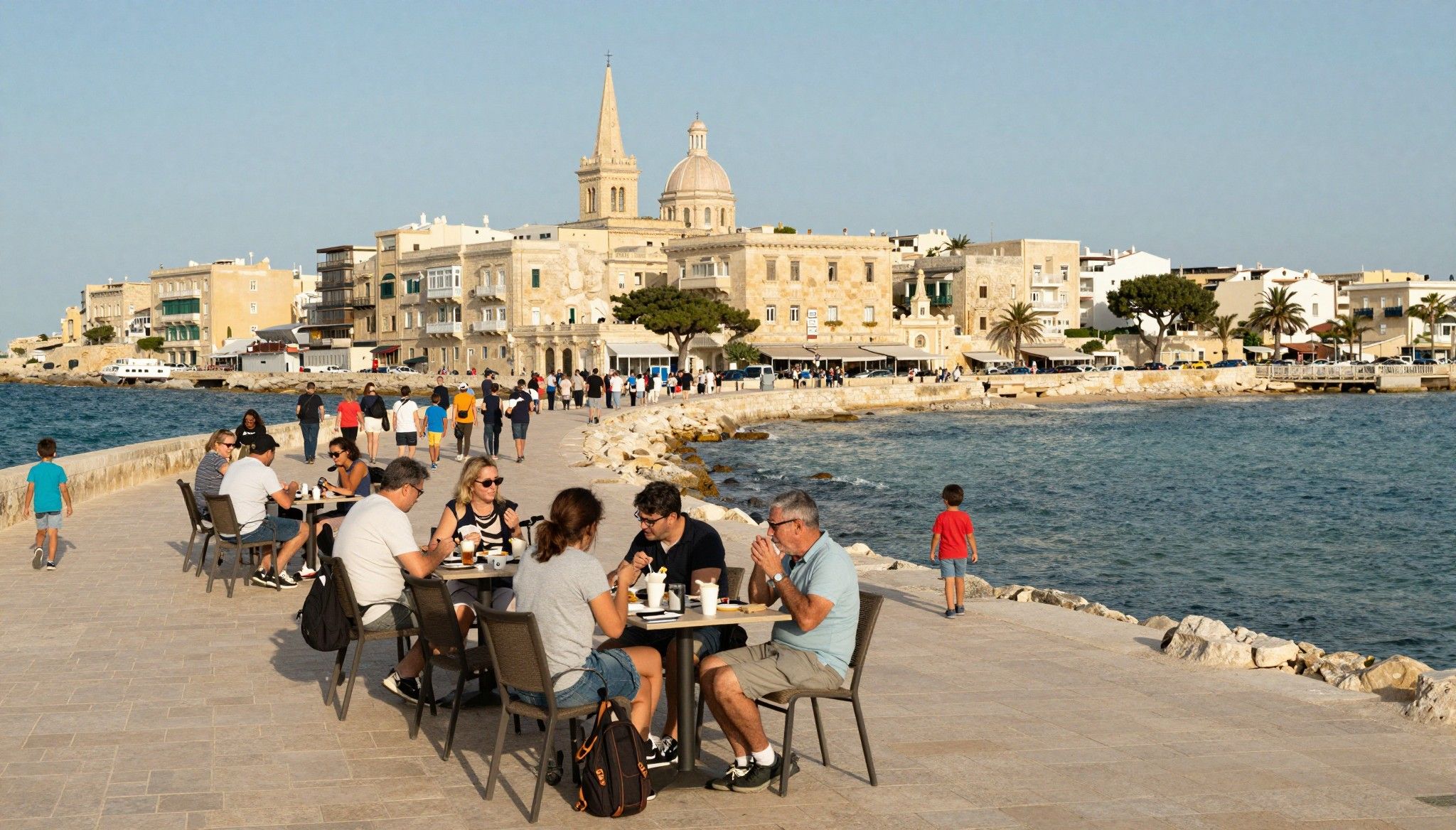
Weekends are defined by markets and family lunches. In Chania, the municipal market hums with fishermen and cheesemongers; in Nafplio, breakfasts spill out onto pedestrian squares. For buyers this means properties near weekly markets or central squares often enjoy livability premiums: ease of provisioning, daily social life, and authentic neighbourhood ties that sustain long-term value.
- Lifestyle highlights to seek in a Greek address
- A shadowed café terrace where neighbours meet (Plaka, Chania, Syros)
- A short walk to a daily market or fishmonger (Athens central neighbourhoods, Crete towns)
Making the move: practical considerations that match the lifestyle
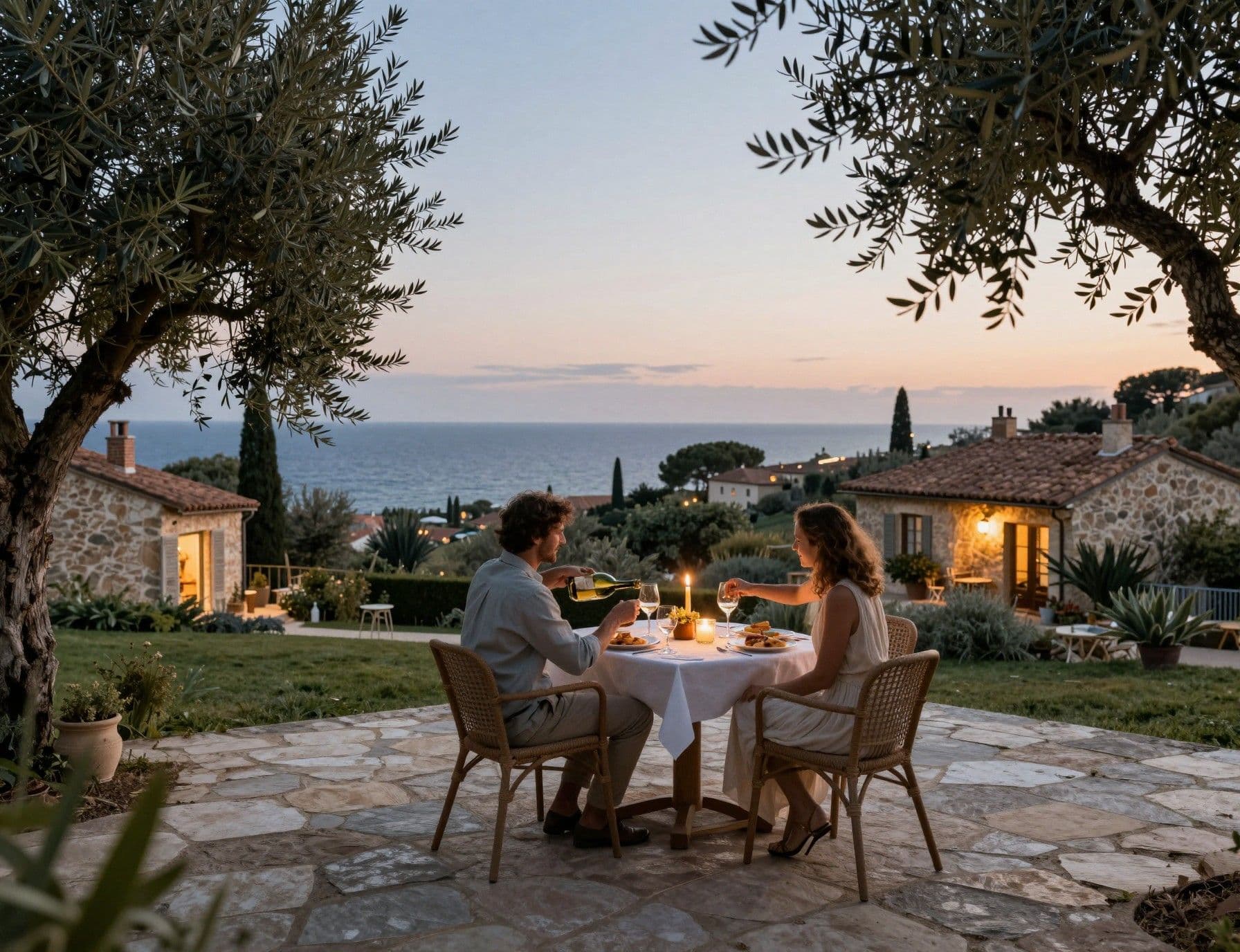
The romance of a sunlit courtyard should be balanced with legislative and market realities. Recent reforms to residence‑by‑investment thresholds and location tiers reframe where overseas capital now flows; policy changes have reduced applications in previously hot pockets and nudged interest toward secondary islands and regional towns. That shift creates fresh opportunities for buyers seeking quieter provenance rather than headline-making hotspots. (See recent summaries of Law 5100/2024 and market responses.)
Property types and how they serve a life in Greece
A restored neoclassical townhouse near an Athens square will deliver intimacy and architectural character; a modern shell apartment in a seaside suburb may offer easier maintenance and passive income potential. Stone-built island cottages provide a particular kind of charm but can require more upkeep and adaptation for rain and humidity. Match the property’s construction and orientation to your daily habits: balcony size for evening breezes, storage for market hauls, and covered outdoor rooms for shade in summer.
How local experts translate lifestyle into a shortlist
- Work with an agent who understands daily life and local vendors; they judge light, street noise and community character as well as legal standing.
- Ask for neighbourhood walk-throughs at morning market time; seeing the rhythms gives you a far clearer sense of suitability than statistics alone.
- Request energy and maintenance dossiers: stone walls, roof condition, and plumbing are determinative in older properties.
Insider knowledge: what expats wish they'd known
Expat life is often more about neighbourly rituals than grand plans. Language matters in small towns — a few phrases open doors — and community integration often begins with recurring purchases at the same bakery or market stall. Seasonality reshapes life dramatically: islands can feel deserted in winter; towns like Chania and Nafplio become quiet and domestic, a feature not a fault for many who prefer steadier year‑round communities.
Cultural integration and everyday practicalities
Expect a learning curve: municipal registration, waste collection schedules, and seasonal hire of local cleaners/gardeners are handled very differently from larger international cities. For families, proximity to an international school matters; for remote workers, verify mobile and fixed broadband speeds in advance. Also consider medical access and seasonal variations in service availability.
Long-term lifestyle stewardship
Think like a steward: seek properties with documented restoration work, original material provenance and a sensible plan for ongoing maintenance. Provenance — a well-documented history of ownership and works — not only preserves value but makes transmission to future generations both simpler and more dignified.
- Red flags experienced buyers watch for
- Unresolved building permits or informal extensions
- Poorly documented restorations (no invoices, no registered contractor)
- Properties heavily, contractually dependent on short‑term rental income in towns where new regulation restricts such lets
- Practical next steps to align lifestyle with purchase
- Spend a week living in a chosen neighbourhood across seasons, ideally during market day and a quiet weekday.
- Commission a structural and systems inspection and request a full restoration dossier for older houses.
- Engage an agent who curates by lifestyle — not merely price — and who can show you comparable living examples, local vendors and a handful of off‑market options.
Greece is less an acquisition than an induction into a particular way of living: measured, sensory and anchored in community. Begin with a neighbourhood you can imagine inhabiting at different hours and seasons; marry that feeling to disciplined due diligence; then allow an expert local agent to protect both the lifestyle you seek and the value you steward.
Having moved from Stockholm to Marbella in 2018, I help Scandinavian buyers navigate Spanish property law, restoration quality, and value through authentic provenance.