When Seafront Prices Mislead: The Value of Malta’s Interior Streets
Seafront prices headline Malta, but interior streets and restored townhouses often deliver richer daily life and steadier long-term value; official indices show steady growth, rewarding careful stewardship.
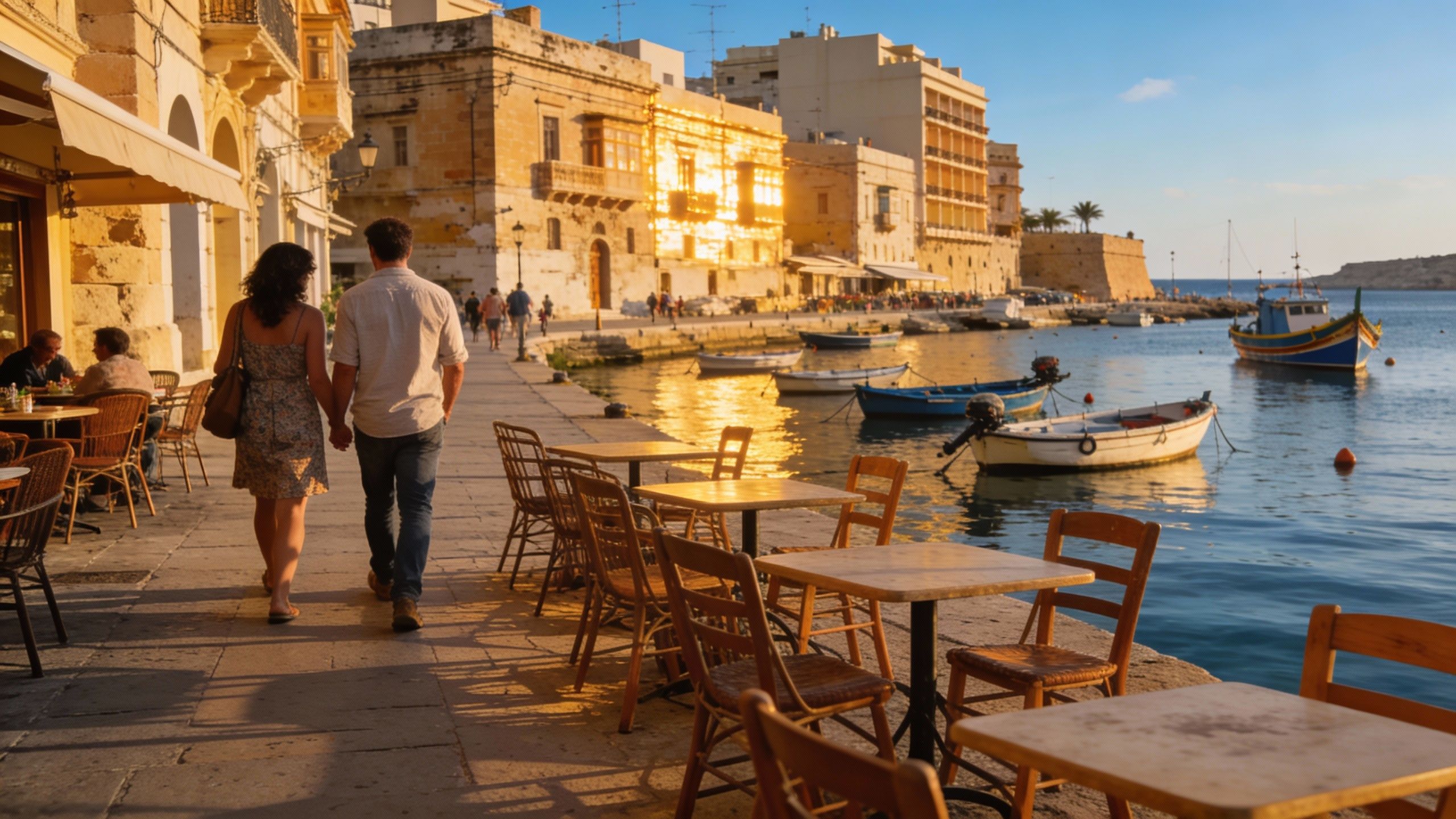
Imagine beginning a morning in Malta with espresso in a small Valletta courtyard, the limestone warmed to a honey hue, while the harbour wakes and fishermen move crates toward the market. That intimate, lived-in quality — narrow streets, terrace life and a short walk to the sea — is what many buyers dream of; yet much of the market conversation centres on seafront premium and headline prices rather than the quieter streets where daily life is made. Recent official data remind us of steady price growth, but they also suggest opportunity for buyers with patience and local nuance.
Living Maltese Days: the texture of place
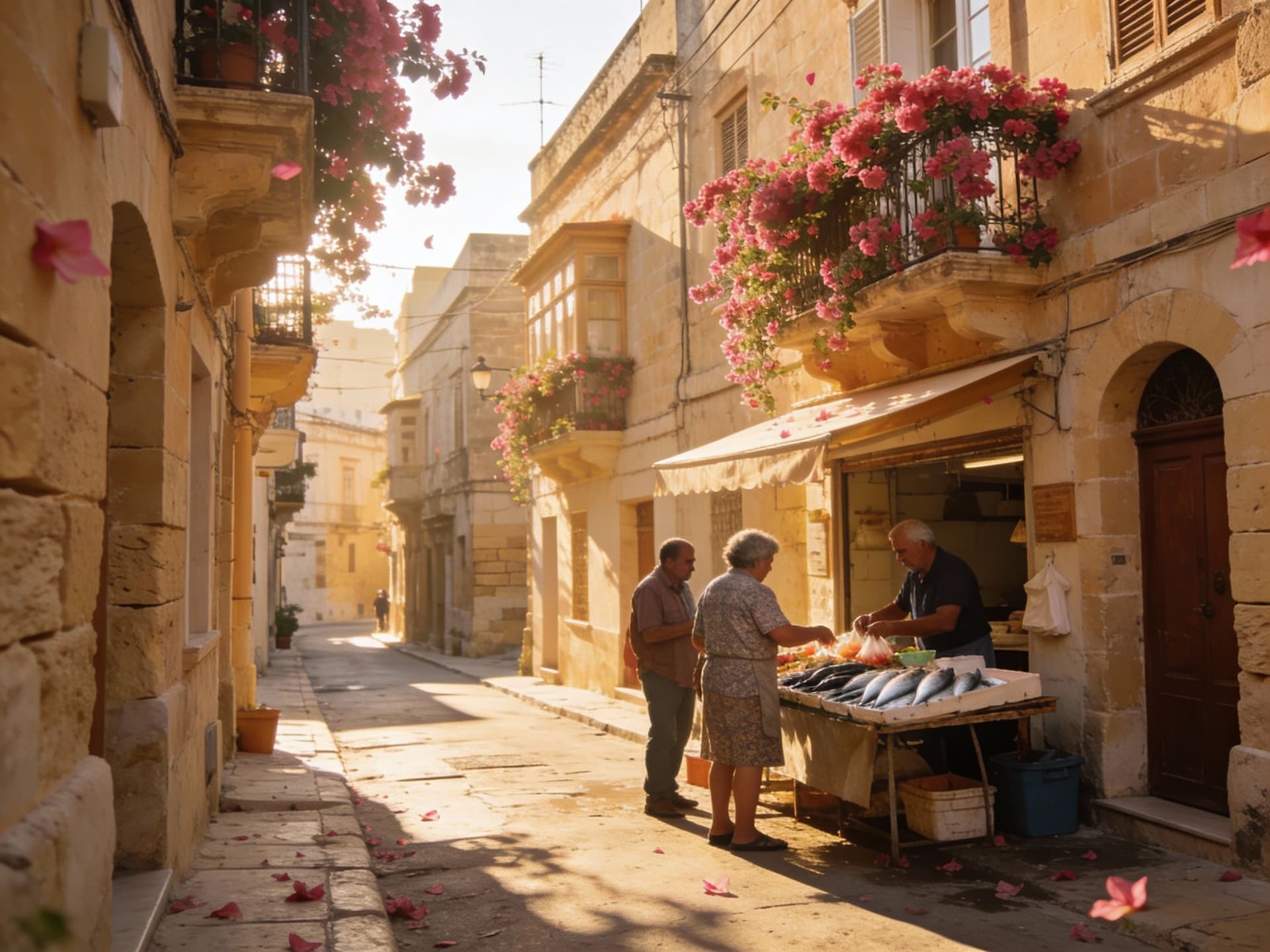
Malta is compact enough that neighbourhood character changes over a 10‑minute walk. Morning routines are theatre: bakeries on Triq San Ġorġ in Żejtun pull crusty ftira, café tables spill onto Republic Street in Valletta, and families stroll along Sliema’s seafront in the amber light before the day tightens. The island’s cadence combines Mediterranean conviviality and British practicalities — English is widely used, clocks run to market hours, and siesta is less common than late dinners. This is the life you buy as much as the building itself.
Neighbourhood spotlight: Valletta’s quiet lanes and the case for the interior street
Walk three streets back from Republic Street and you enter a different pace: narrow lanes, baroque doorways, and terraces layered with bougainvillea. These interior streets are often overlooked by buyers chasing harbour views, yet they offer restored townhouses and traditional maisonettes with provenance and scale that seafront apartments rarely match. For long-term owners interested in stewardship, the architectural fabric here — stone lintels, traditional timber apertures, original cornices — is meaningful and, in many cases, better conserved.
Food, markets and the weekly rhythm
Weekends follow a familiar island script: a morning market in Marsaxlokk, seafood on the quay, and an afternoon passeggiata in Mdina’s silent streets. Chefs increasingly source from local fisheries and small producers; tasting menus in Valletta refer to Maltese verduras and Ġbejna cheese. For buyers, proximity to markets and year-round restaurants matters — it determines how you’ll live, whether you favour a compact, walkable townhouse or a seafront apartment that trades intimacy for panorama.
- Lifestyle highlights: real streets, real life
- Morning espresso at Café Cordina (Valletta) and pastries from nearby bakeries
- Sunday market in Marsaxlokk for fresh fish and sea-air promenades
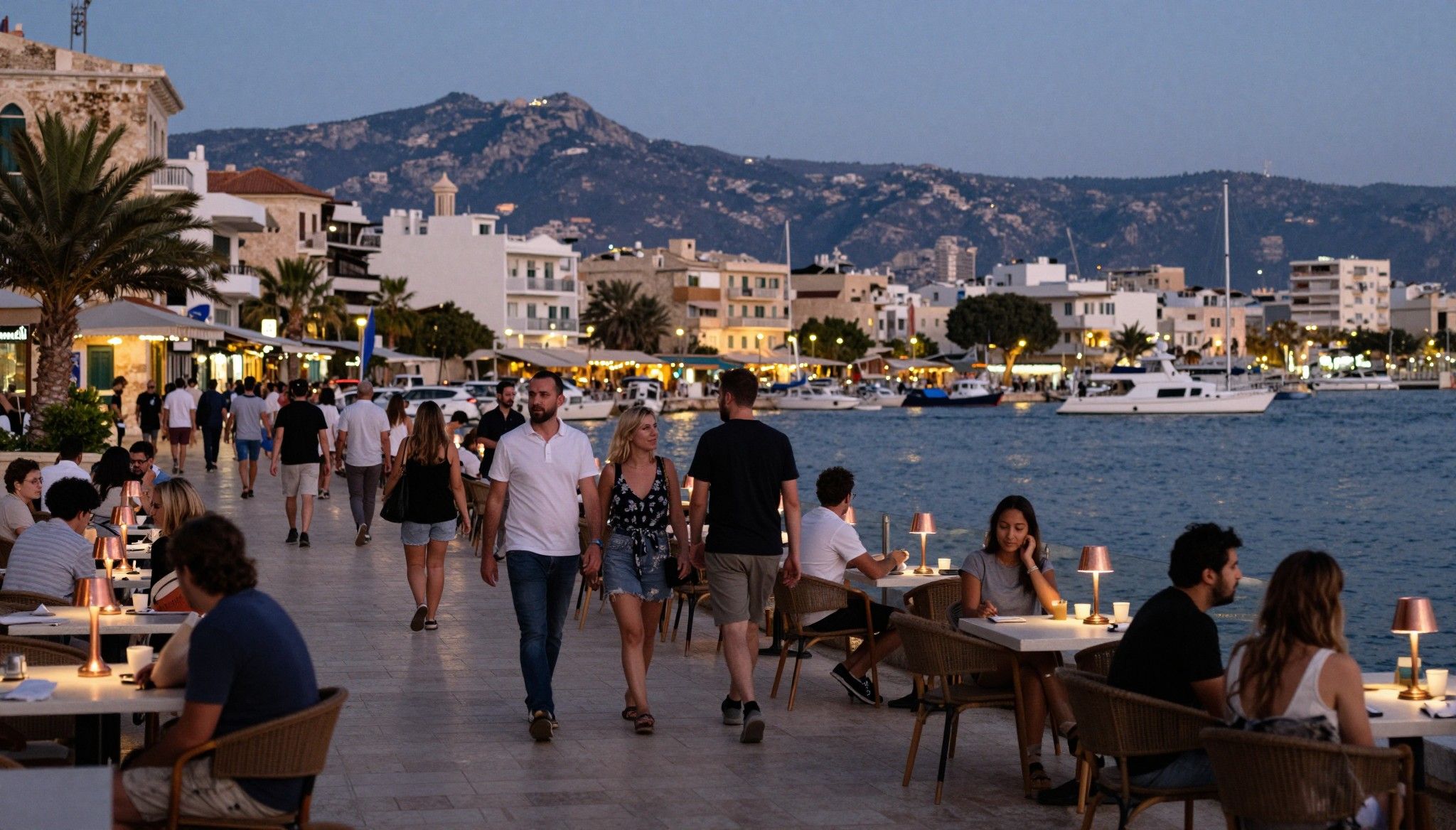
- Late-evening dining in Sliema’s waterfront restaurants; promenades that continue after sunset
- Hidden terraces on Triq Sant’ Ubaldesca (Birgu) offering quiet views and neighbourly life
Making the move: lifestyle needs meet market reality
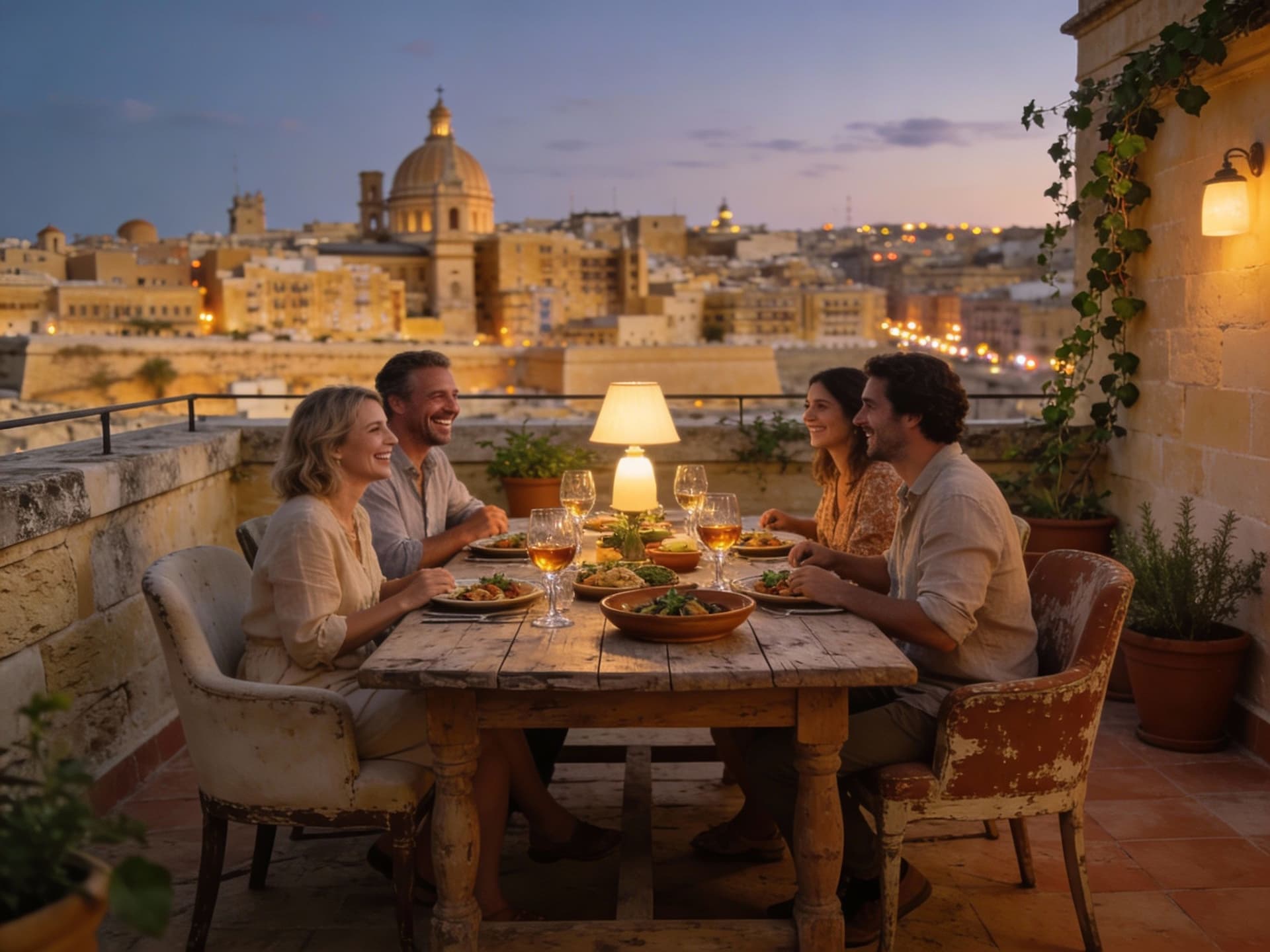
Translating a lifestyle preference into a purchase requires attention to prices and provenance. Government statistics show residential prices rose around 5% year-on-year at the end of 2024, reflecting steady demand rather than a short-lived bubble. For buyers this means two things: expect measured appreciation in centrally located stock, and prioritise properties with clear historical documentation and sensitive restoration that preserve value over time.
Property types: maisonettes, townhouses and modern apartments
Maisonettes and restored townhouses deliver vertical living, private terraces and original detailing; they suit owners who prize provenance and indoor-outdoor moments. Modern apartments on Sliema or St Julian’s provide connectivity and rental appeal but often trade the warmth of traditional materials for efficient layouts. Choose by how you plan to live: entertaining on a roof terrace, quiet reading rooms, or rental income in peak months — each typology answers a different lifestyle question.
Work with local experts who know the rhythm
A local agency fluent in both lifestyle nuance and legal process is indispensable. Seek advisers who can point to recent restorations, explain title histories, and recommend trusted architects and conservators. Agents who know where interior-street townhouses trade more favourably than headline seafront units will deliver better matches for buyers seeking lasting quality rather than immediate spectacle.
- Practical steps that preserve lifestyle value
- 1. Inspect provenance: verify title deeds and previous conservation work.
- 2. Prioritise fabric over view: original stonework and roof terraces age better than fashionable finishes.
- 3. Budget for specialist restoration where appropriate; conservative interventions maintain value.
Insider knowledge: what expats wish they’d known
Many expatriates arrive imagining endless sea views and resort life. In practice, durable satisfaction often comes from quieter choices: a gardened courtyard in Rabat, a maisonette on Triq il-Mina in Vittoriosa, or a third-floor apartment with a well-proportioned living room and consistent light. Official analyses also note land scarcity has pushed values upward in central locations; understanding that dynamic helps you judge when premium is justified and when it is speculative.
Cultural integration: language, community and seasonal rhythm
English is an official language and a practical bridge, but integrating requires curiosity. Join a local festa in Żebbuġ, learn a few Maltese phrases for markets and neighbours, and time your visits to see the island outside the summer radiance — autumn and spring reveal the true daily life, with restaurants and cultural venues at their most authentic.
Longer view: stewardship and resale
Choose properties that invite stewardship: solid masonry, traditional roof construction, and volumes that allow sympathetic alteration. These qualities attract discerning future buyers and ease the practicalities of conservation. For investors with a life-intent as well as return in mind, a well-maintained townhouse in a conserved quarter often outperforms a glazed seafront conversion in reputation and longevity.
If you arrive imagining life by the water, consider a measured approach: spend time in interior lanes, meet conservators and local architects, and insist on documents that explain a property’s past. Government indices show steady appreciation; that is an argument for care rather than haste. An agency that places lifestyle first — guiding you to streets that match the life you want — will protect both daily pleasures and long-term value.
Begin with a short reconnaissance visit in shoulder season, prioritise street walks over showrooms, and request documented examples of recent restorations from any agency you interview. These small steps will reveal where genuine value sits in Malta’s compact market: often not on the headline waterfront, but in the intimate, materially rich streets where life is actually lived.
Dutch former researcher who moved to Lisbon, specialising in investment strategy, heritage preservation, and cross-border portfolio stewardship.