Seafront Hype in Greece? Where Value Quietly Grows
A lifestyle-first comparison of Greek neighbourhoods and coastal markets, blending Bank of Greece price trends with hyperlocal living advice for intentional buyers.
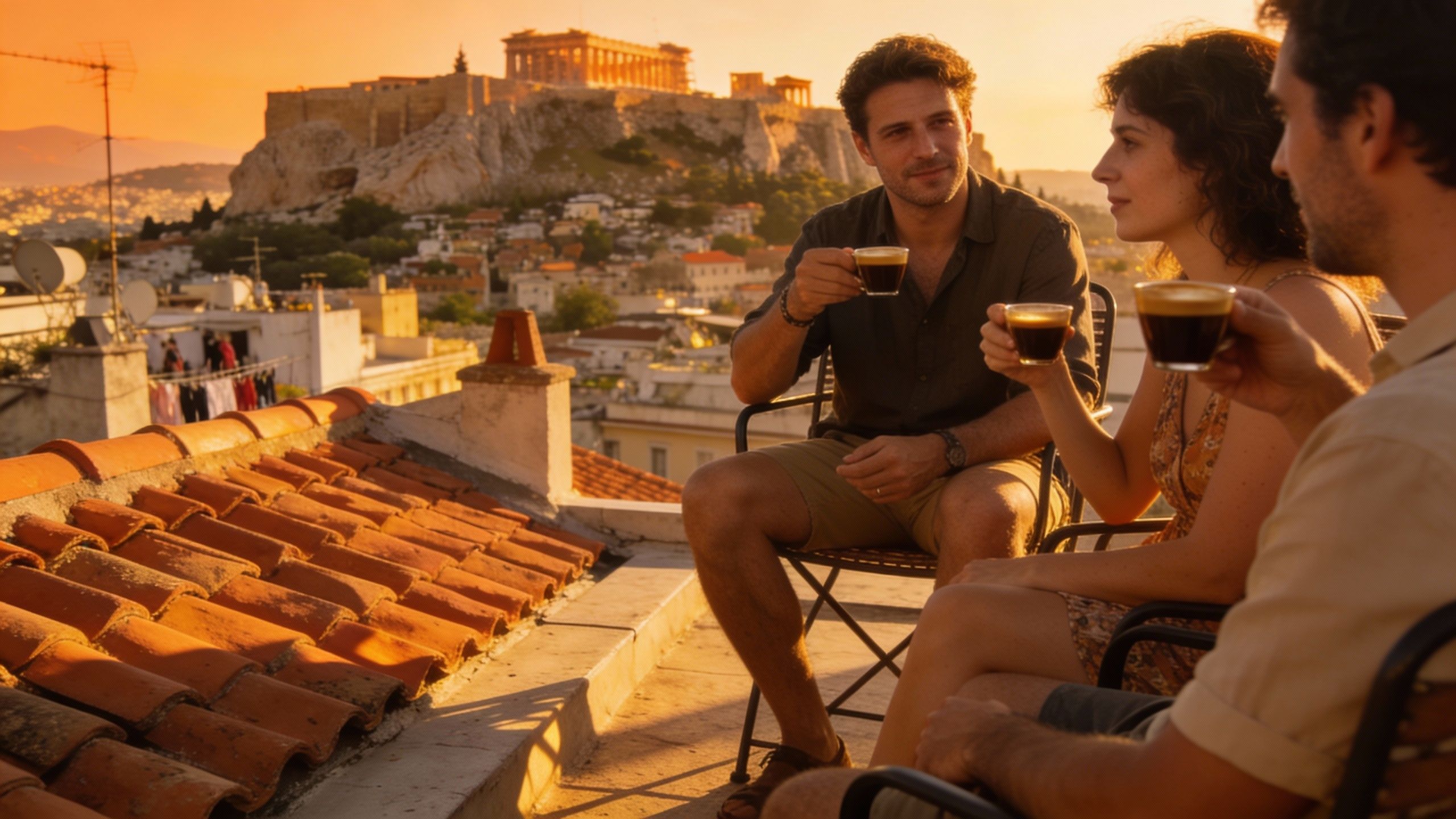
Imagine arriving for an espresso on a narrow lane in Koukaki as the baker lifts a tray of warm koulouri, then walking five minutes to a rooftop that frames the Acropolis at dusk. Greece sells a way of life before it sells square metres: sea-salted afternoons, neighbourhood markets, late dinners that run into the night. Yet the property choices that best preserve that life are often the ones the market talks about least.
Living the Greece lifestyle
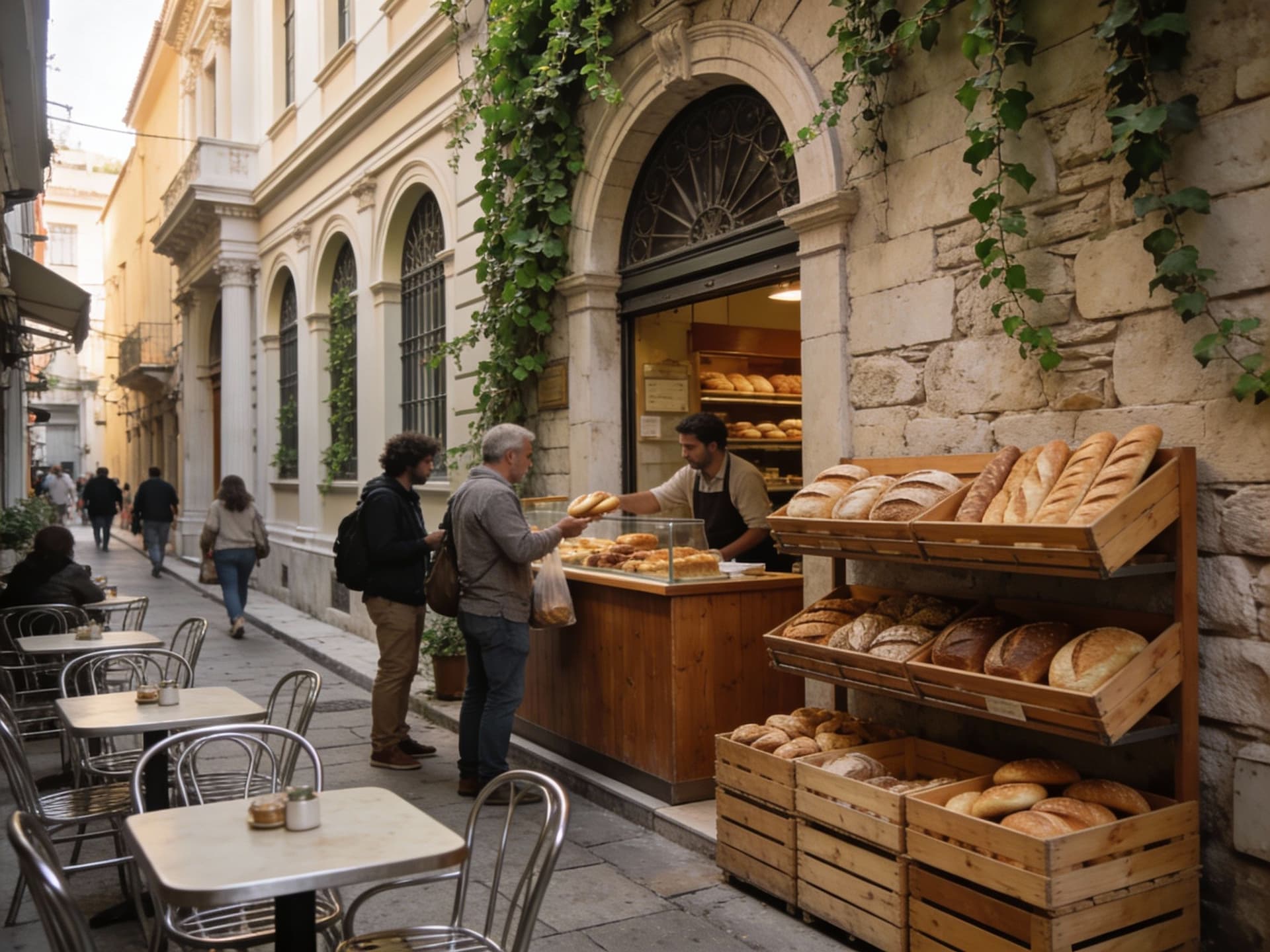
Daily life in Greece is built around neighbourhood rhythms more than property types. In Athens, terraces fill with late-morning coffee, municipal markets pulse before noon, and evenings gather at tavernas where families have eaten for generations. Islands trade the city’s rush for sunlight and seasonal festivals; on Crete or Corfu you will find weekly markets that shape how people cook, trade and socialise. These patterns determine where a home will feel like it belongs, and this matters as much as capital appreciation.
Athenian neighbourhoods that feel like a life, not a listing
Koukaki and Thissio offer that blend of local routines and quiet refinement: corner kafeneia, family-run tavernas, and compact neoclassical façades. Kolonaki sits differently — a pocket of polished boutiques and quieter embassies near Lycabettus — where a refined apartment speaks to collectors and professionals who prioritise cultural institutions and discreet service over sweeping sea views.
Islands and coast: lifestyle trade-offs
The Cyclades deliver cinematic summers; Mykonos and Santorini command premium pricing and short, intense seasons. Yet quieter islands — Naxos, Syros, parts of Lefkada — offer the same Aegean light with gentler seasonality and more sustainable year‑round communities. Price per square metre varies dramatically across regions, so lifestyle and seasonality must guide where you look, not only headline seaside premiums.
- Lifestyle highlights to scout in person
- Early-morning market run: Varvakios Mercato (Athens) or Chania Agora (Crete)
- Neighbourhood cafés: Koukaki’s Plateia and Kolonaki’s Voukourestiou side streets
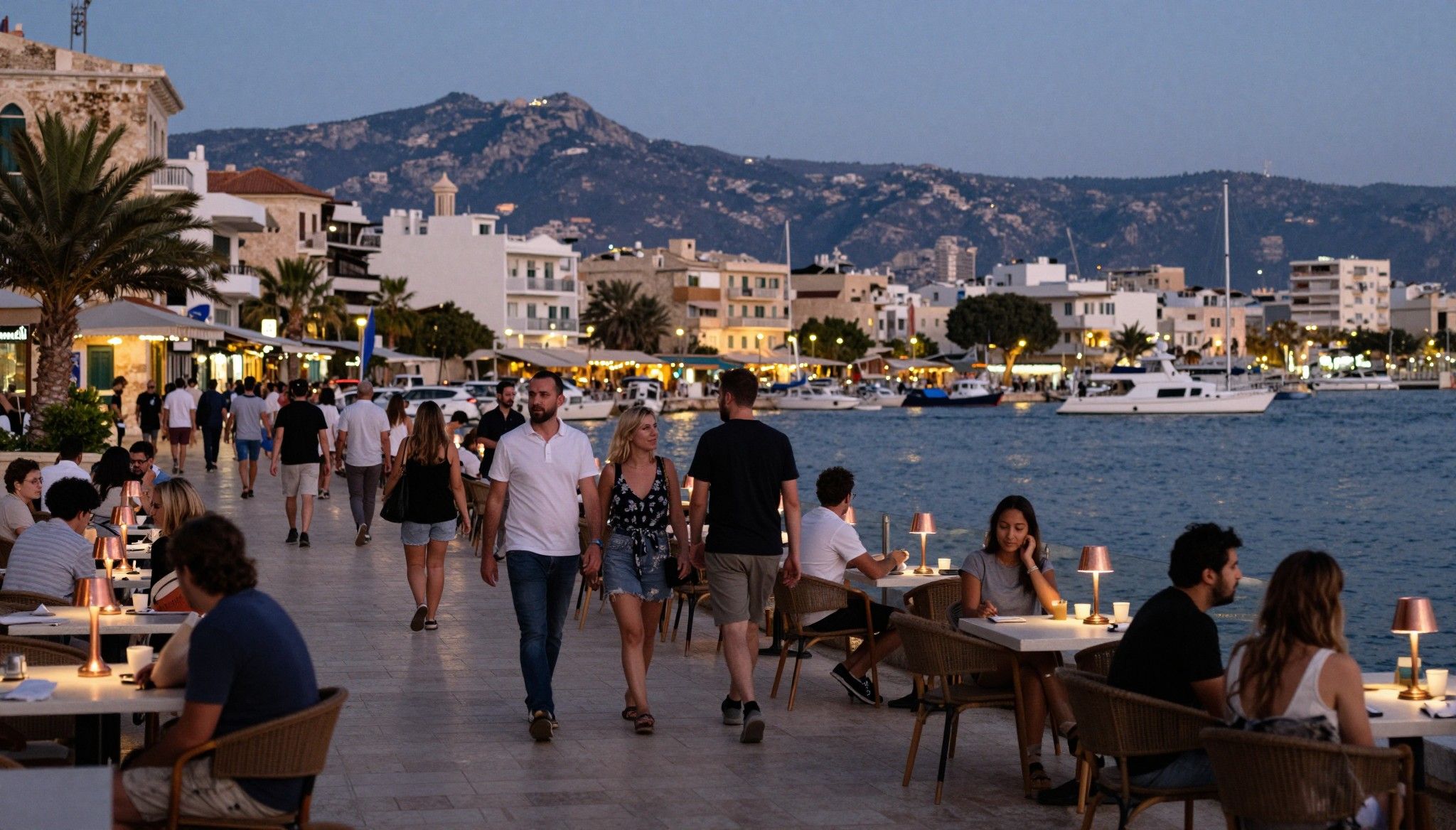
- Seaside promenades with daily life: Paralia (Thessaloniki) and Corfu’s Liston
- Seasonal festivals: Easter processions in small islands; olive‑harvest events in Peloponnese
Making the move: practical considerations
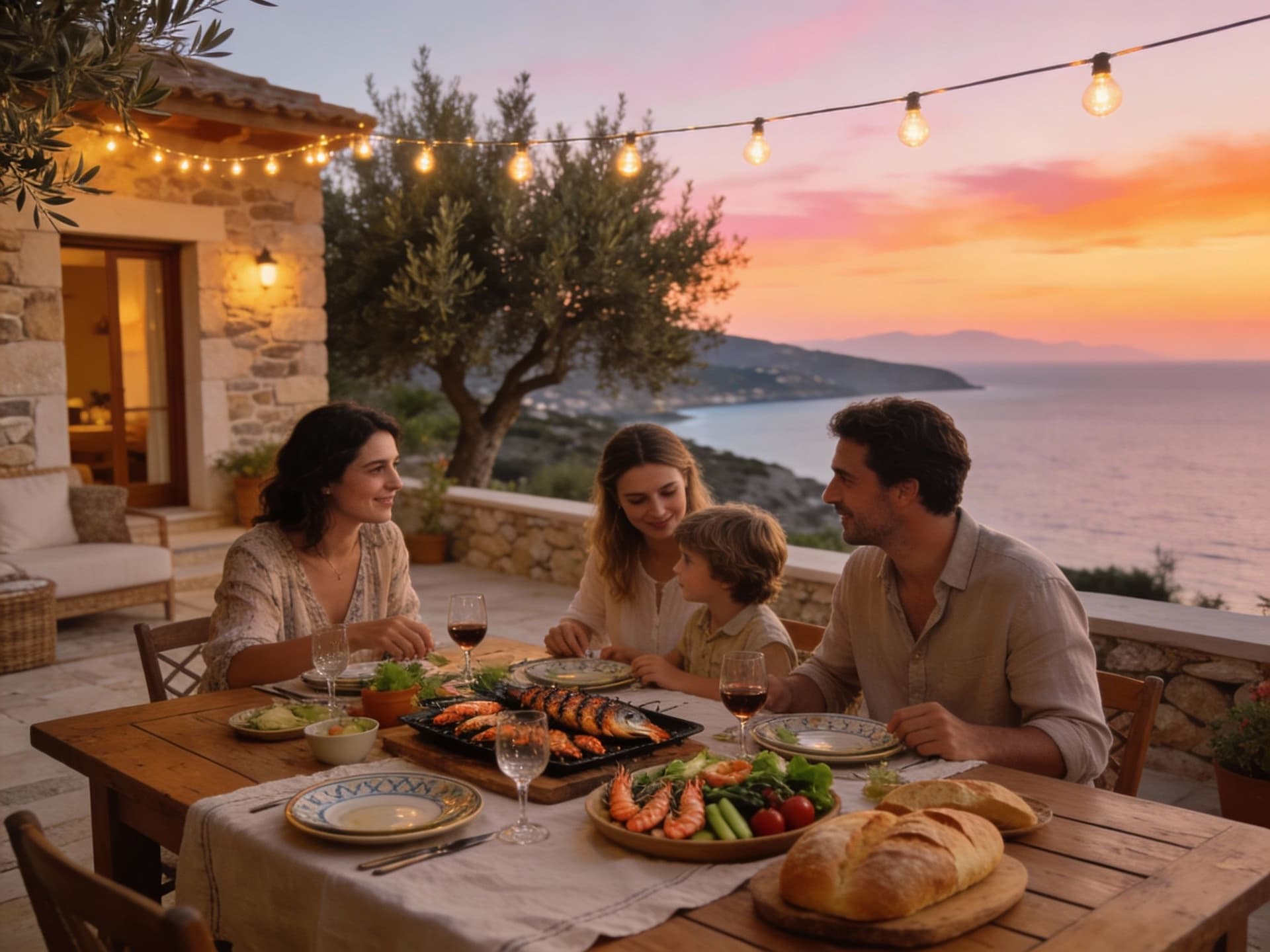
Greece has seen steady price growth across regions in recent years; the Bank of Greece reports continued year‑on‑year increases through 2024–2025, with variation between Athens, Thessaloniki and other areas. That momentum alters the calculus of timing: in tightly supplied urban areas, a well‑located older apartment can appreciate as quickly as a new seafront villa — but it will also demand careful due diligence on title, renovation scope and running costs.
Property styles and the life they enable
A restored neoclassical apartment in Plaka offers high ceilings, original detailing and proximate cultural life; a modern penthouse in Kifisia gives landscaped privacy and room for collectors’ furniture. On islands, a traditional stone house with thick walls moderates summer heat and reduces running costs, while new builds may provide insulation and warranties but often lack local character. Match the fabric of the building to how you intend to live there.
Working with local experts who understand lifestyle, not only listings
- How to blend lifestyle priorities with practical steps
- Visit at least twice in different seasons to assess noise, services and access.
- Ask an architect to appraise renovation scope before making an offer; older buildings often conceal moisture or wiring issues.
- Prefer agencies with local stewardship: they should know municipal plans, zoning quirks and community customs.
- Balance yield expectations with seasonal reality — island rentals can be lucrative but often concentrate revenue into a few months.
Insider knowledge: what expats wish they'd known
The most common surprise for buyers is cultural tempo: services slow in August, local appointments require patience, and social trust is earned through repeated small exchanges. Expats who integrate into a single neighbourhood, learn basic Greek phrases, and patronise local tradespeople find repairs, renovation workers, and community goodwill far easier to obtain.
Language, seasons and social life
Learning conversational Greek opens doors: ordering goods, understanding municipal notices, and negotiating with local artisans. Seasonality affects more than tourism — shops close mid‑afternoon in some towns, and entire villages pause for harvest or religious festivals. These rhythms shape everything from heating costs to the availability of planning permissions.
Long-term stewardship and how life changes after you buy
A house becomes a home through use: neighbours, a vegetable plot, a local coffee order. Buyers who plan for stewardship — a renovation plan that respects original fabric, a relationship with a local conservator, or an agreement with neighbours about shared courtyards — preserve both value and daily pleasure. Consider service providers and community ties as part of the property’s utility, not an afterthought.
Conclusion: Greece sells atmosphere and provenance. Use visits to define which neighbourhood rhythm matches your life, lean on local experts who value preservation and community, and treat neighbourhood rituals — markets, cafés, festivals — as essential amenities. When you pair a clear lifestyle brief with market data and local stewardship, you acquire more than a property: you acquire a place where a life can be patiently lived and carefully tended.
Relocating from London to Mallorca in 2014, I guide UK buyers through cross-border investment and tax considerations. I specialise in provenance, design integrity, and long-term value.