The Malta Neighbourhood Tourists Overlook — and Why It Pays
Discover Malta’s overlooked neighbourhoods — quieter streets where locals live, and why steady demand and modest price growth favour buyers who value daily life over seafront spectacle.
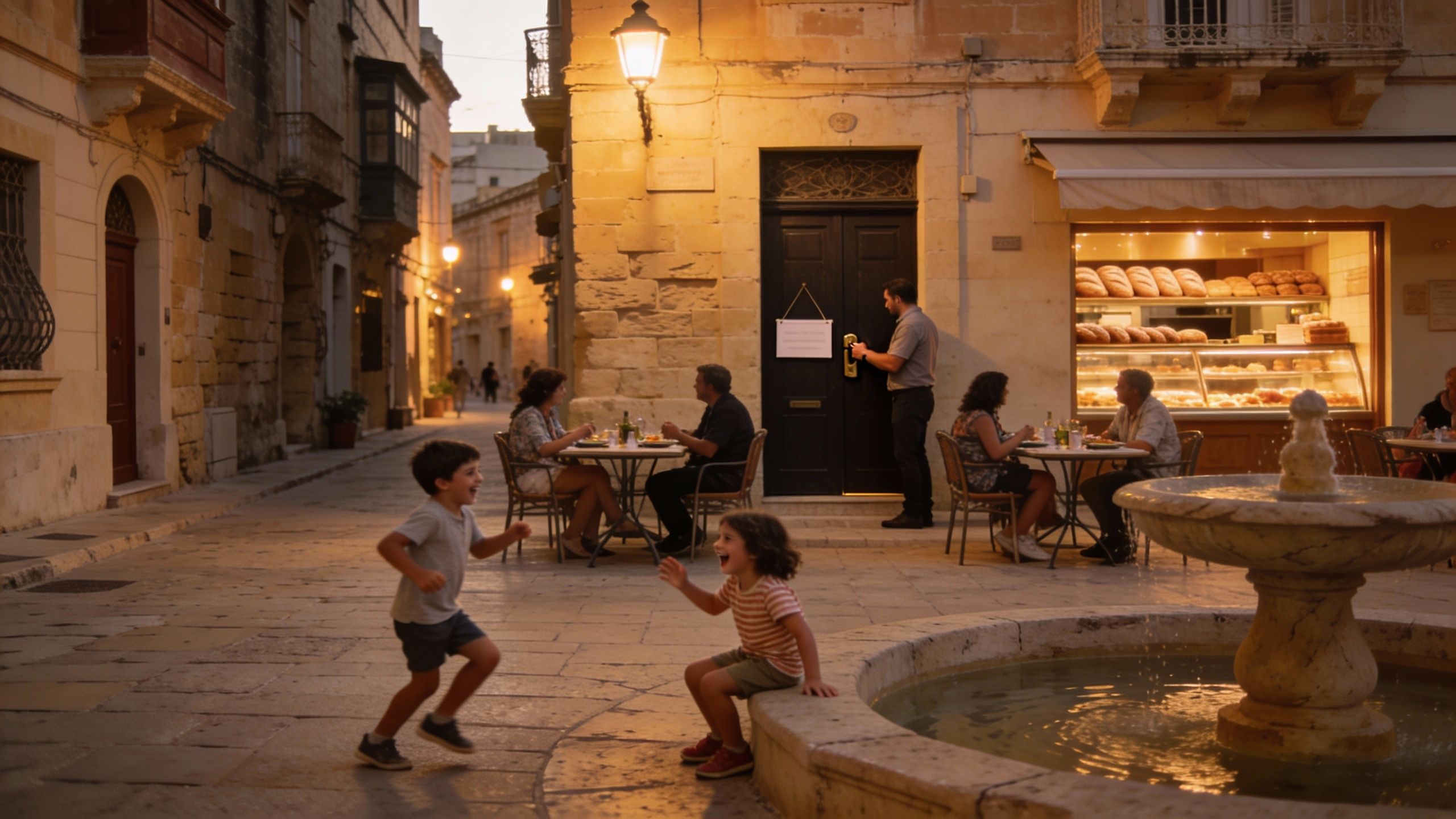
Imagine a late‑afternoon passeggiata along a narrow Valletta side‑street: limestone walls warmed to honey, the muffled clink of espresso cups from an understated café on Merchant Street, and a view that opens onto a small, private piazza rather than a tourist throng. This is the rhythm many buyers seek and few tourists find. In Malta, those quieter corners — streets locals choose for routine life rather than spectacle — are revealing a quieter, steadier value growth that deserves a second look.
Living Malta, Beyond the Seafront Postcards
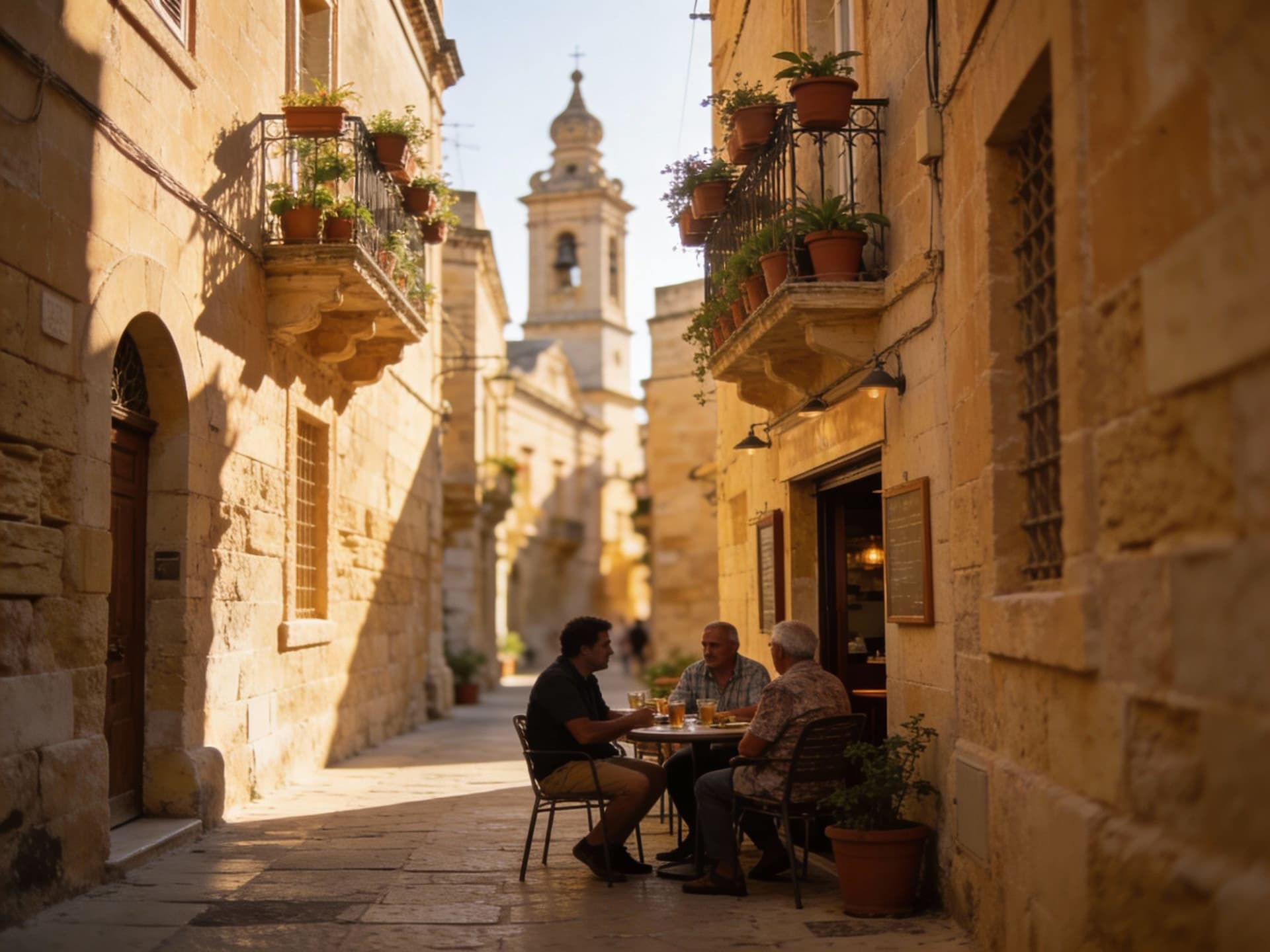
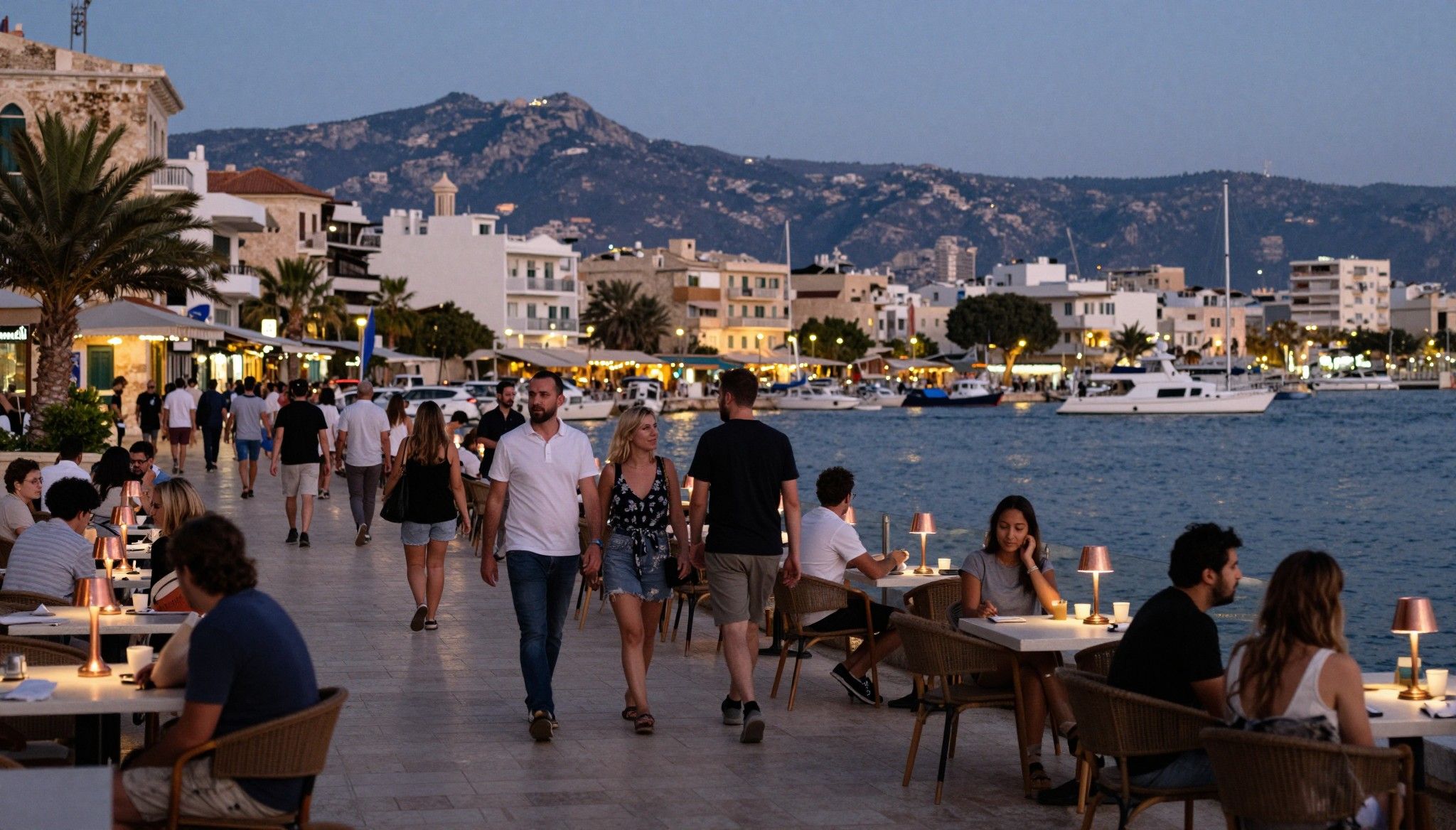
Daily life in Malta folds easily between two scales: intimate streets and a remarkably accessible coastline. While Sliema and St. Julian’s host the obvious vibrancy, other districts — Ħamrun, Paola, and certain pockets of the Northern Harbour — support a sustainable urban life with cafés, small green squares, and year‑round residents. Transaction data across 2024 shows activity spreading through these districts rather than clumping solely in tourist corridors, indicating interest in authentic neighbourhood living.
Why locals favour tucked‑away streets
Local buyers prize walkability, shade in summer, and a reliable neighbourhood grocer over sea views. These streets are quieter, cheaper to maintain and easier to adapt — a three‑storey townhouse with a modest courtyard can be transformed into a family home or a discerning pied‑à‑terre with lower renovation premium than a high‑rise apartment on the promenade.
Food, ritual and small‑scale community
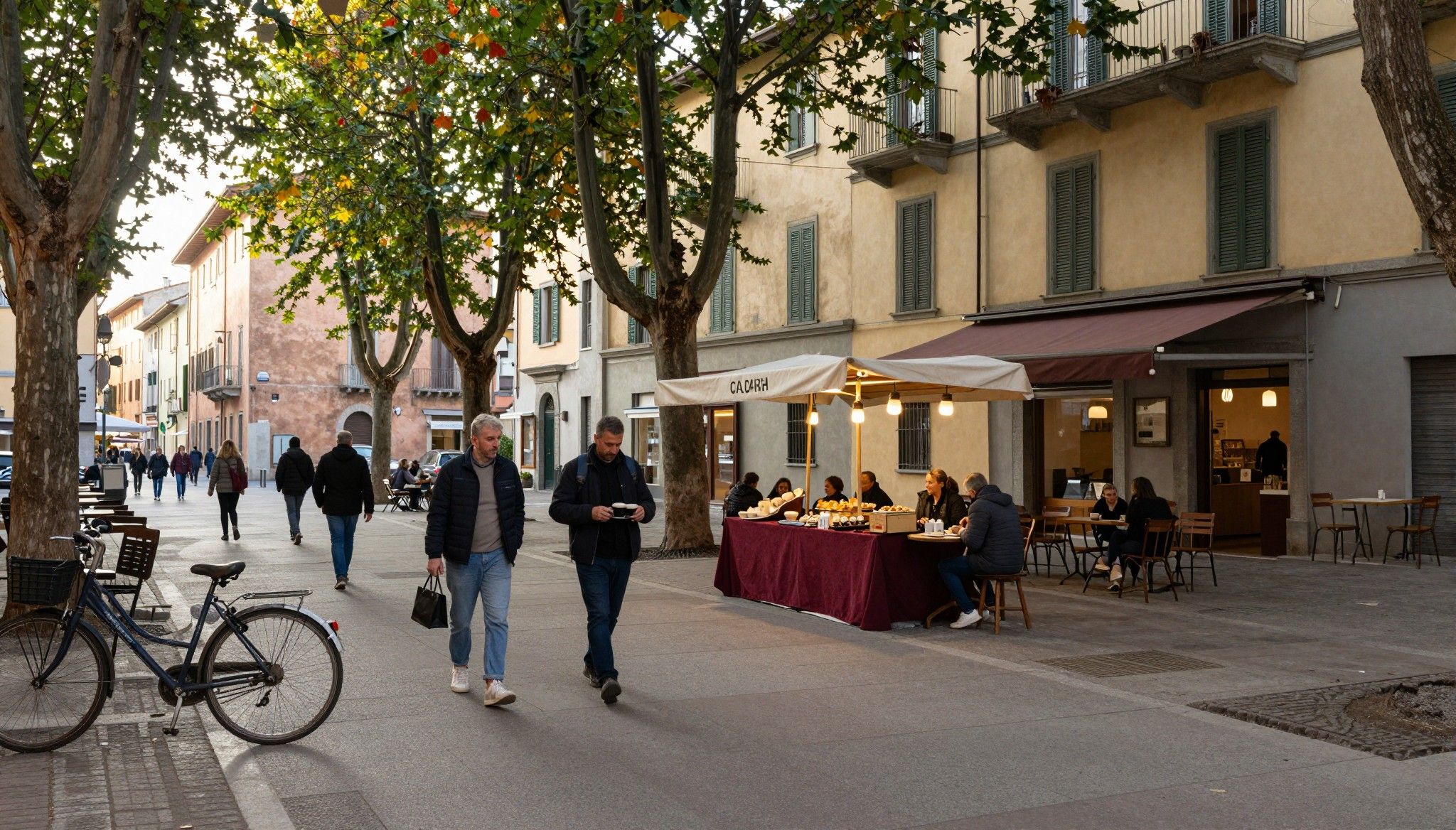
Picture starting a Saturday at Marsaxlokk market for fresh fish, a midday espresso under an awning in Paola, and an evening of neighbourhood theatre in a converted industrial hall. These routines shape property choice: buyers are paying for proximate daily pleasures rather than seasonal spectacle. Choosing a street with a bakery on the corner changes how a home is used — the terrace becomes an extension of routine, not just an occasional amenity.
- Lifestyle highlights in Malta’s quieter quarters
- Morning fish market at Marsaxlokk; breakfast at Café Cordina in Valletta for weekend ease
- An evening passeggiata through Paola’s parish square and modest trattorias
Making the Move: How Market Dynamics Reward Discretion
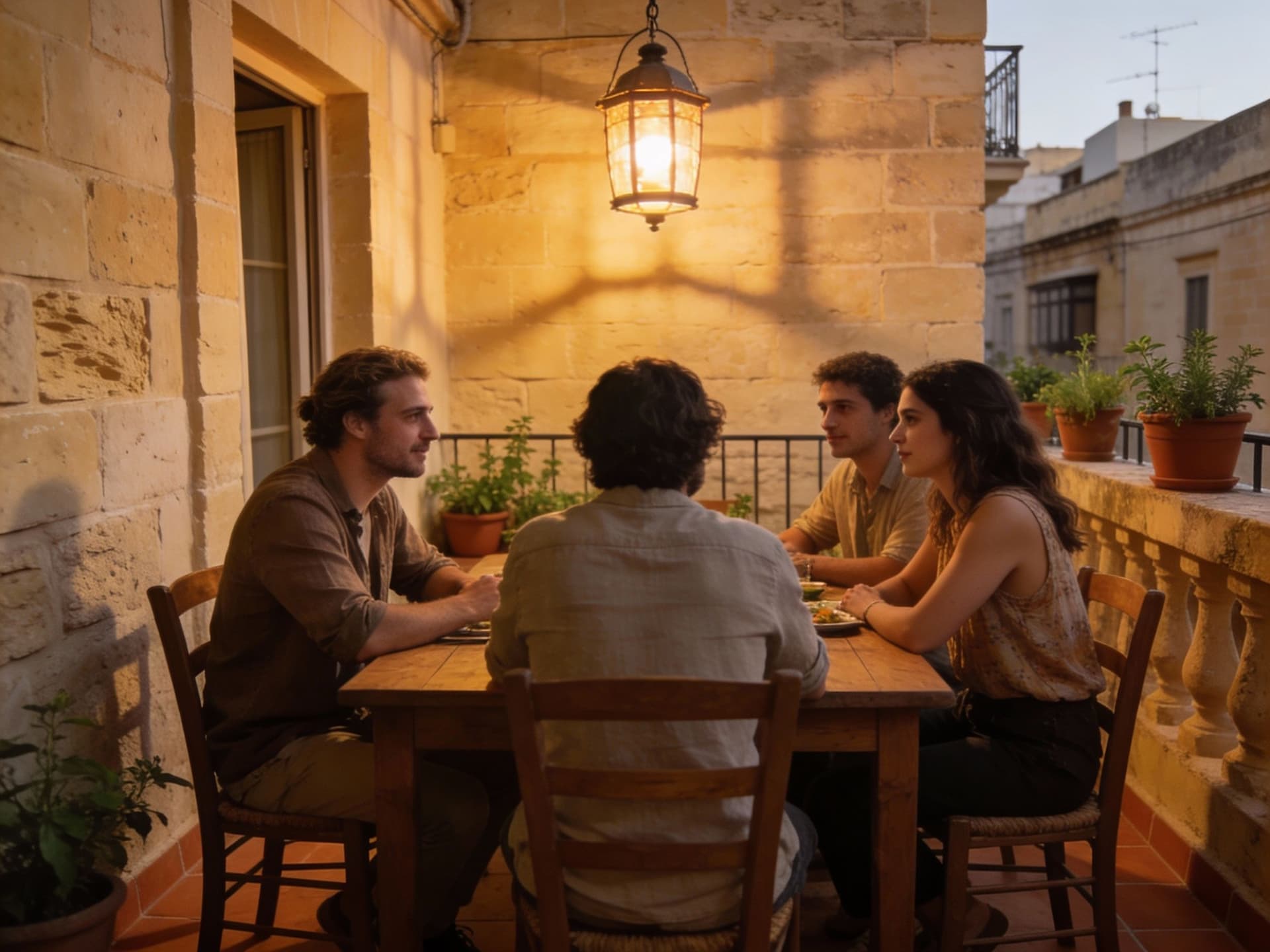
Malta’s Residential Property Price Index rose by around 5% year‑on‑year at the end of 2024, a steady but unspectacular ascent that reflects broad demand rather than short‑lived hype. That steadiness amplifies the case for buying where locals live: lower entry prices, lower churn and consistent rental demand outside high‑season peaks. For a discerning buyer the tradeoff is clear — forsake headline vistas to secure a home that pays in everyday quality and long‑term resilience.
Property types that suit a local lifestyle
Maisonettes and traditional terraced houses remain practical: modest footprints, terraces or internal courtyards, and proportions that suit renovation. Apartments can be excellent in stable districts provided ventilation and sun exposure are confirmed. The hidden premium lies in adaptability — simple structural volumes and authentic materials allow tasteful restoration without resorting to extravagant contemporary inserts.
How an experienced local agency shapes the result
A reliable agent will introduce you to off‑market opportunities, explain owner motivations, and translate neighbourhood routines into measurable living outcomes. Follow these steps when engaging locally:
- Speak with an agent who demonstrates provenance knowledge — history of a building, past restorations and sympathetic interventions.
- Visit the street at different times: weekday morning markets, late‑afternoon quiet, and weekend gatherings to gauge real rhythm.
- Ask for comparable deeds in the same locality rather than broad town averages; local sales evidence matters more than national indices.
Insider Knowledge: What Expats Wish They’d Known
Expats often arrive expecting promenade life; they stay because they discover community. Transaction patterns in 2024 show individual buyers accounted for nearly 90% of deeds in many months, underscoring that Malta remains a place where residents, not speculators, set neighbourhood character. The consequence: properties that support real lives — narrow kitchens, shaded terraces, proximate schools — tend to hold value better than glitzy showpieces.
Language, custom and daily integration
English is widely spoken and public services are accessible, yet social integration favours those who adopt local rhythms: shop at the same grocer, attend parish festivals, and make space for afternoon pauses in summer. These customs inform where one chooses to live; a house near a parish church or a daily market will deliver lifestyle returns that are impossible to quantify but immediately felt.
Long‑term lifestyle and stewardship
Think in terms of stewardship: authentic restoration, use of traditional lime mortars, sympathetic window repair and preservation of original floor tiles. These choices preserve provenance and typically yield both aesthetic satisfaction and measured capital resilience. Investing in material quality and local craft elevates a property beyond a mere residence into a piece of the island’s living heritage.
- Red flags and refinement — what to watch for
- Poor ventilation or inadequate waterproofing in older terraced homes; these create recurring costs and can limit long‑term comfort.
- Over‑restoration that removes original features; preserves character where possible and modernise discreetly.
- Assuming high seasonal rental yields where local demand is steadier than tourist peaks — align expectations with year‑round occupancy evidence.
Conclusion: If you want Malta as a place to be — not merely to visit — look where the island is lived in rather than where it performs. Those quieter streets carry the texture of daily life, craft traditions and community rituals that reward patient buyers. Begin with a local agent versed in history and neighbourhood rhythm, visit at different times, and prioritise adaptability and material quality. The result is a home that feels like it has always belonged to the island and an investment aligned with enduring value.
Former Copenhagen architect who relocated to Provence, offering relocation services, market analysis, and a curator’s eye for authentic regional design.