Why Winter House‑hunting in Malta Often Works Better
Winter house‑hunting in Malta often yields quieter listings, better negotiation leverage and clearer neighbourhood insight—ideal for buyers who value provenance and stewarded living.
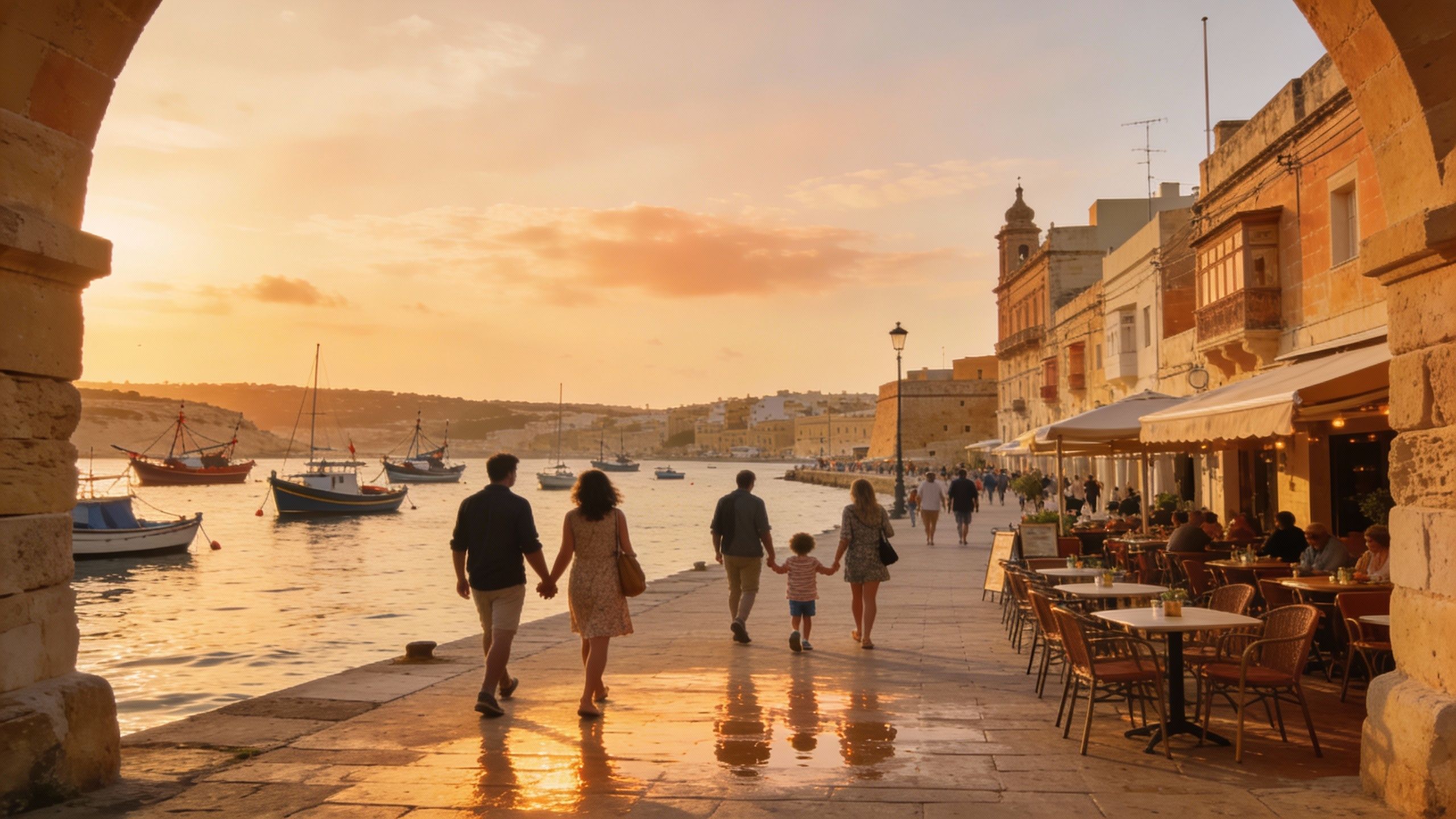
Imagine arriving in Valletta at dawn: a narrow carob‑shaded street, a baker setting out fresh ħobż, and the harbour already catching a pale, brassy light. Living in Malta moves at a coastal tempo—unhurried mornings, convivial late afternoons in square cafés, and evenings that savour food and conversation. For many international buyers the island’s compact scale is the first charm: everything has provenance and most neighbourhoods are walkable. Yet beneath the postcard ease, a heated property market and seasonal rhythms quietly shape where and when you can buy.
Living the Maltese life
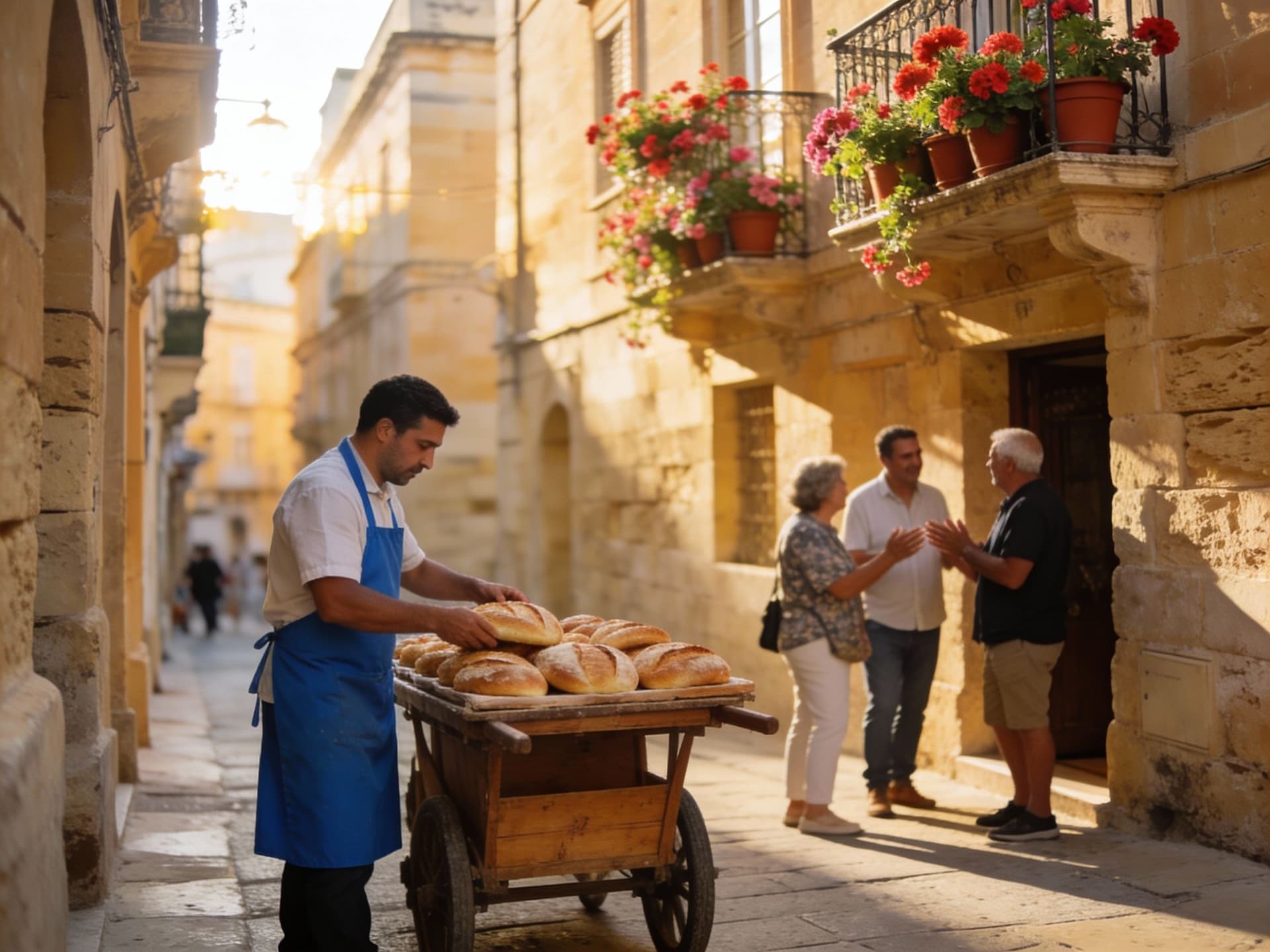
The everyday in Malta is a study in texture: limestone façades warm to honey at noon, neighbourhood festas thread trumpet music through alleys in summer, and the sea acts as a punctuation mark—always visible, sometimes distant. English is widely used in business and daily life, which eases practical integration for many buyers. But lifestyle varies sharply by neighbourhood: Sliema and St Julian’s hum with cafés and seaside promenades; Mdina and Rabat offer measured historic quiet; Gozo trades immediacy for pastoral calm. Choosing a home here is as much about fitting into local rhythms as it is about bricks and mortar.
Sliema & St Julian’s: promenades and pulse
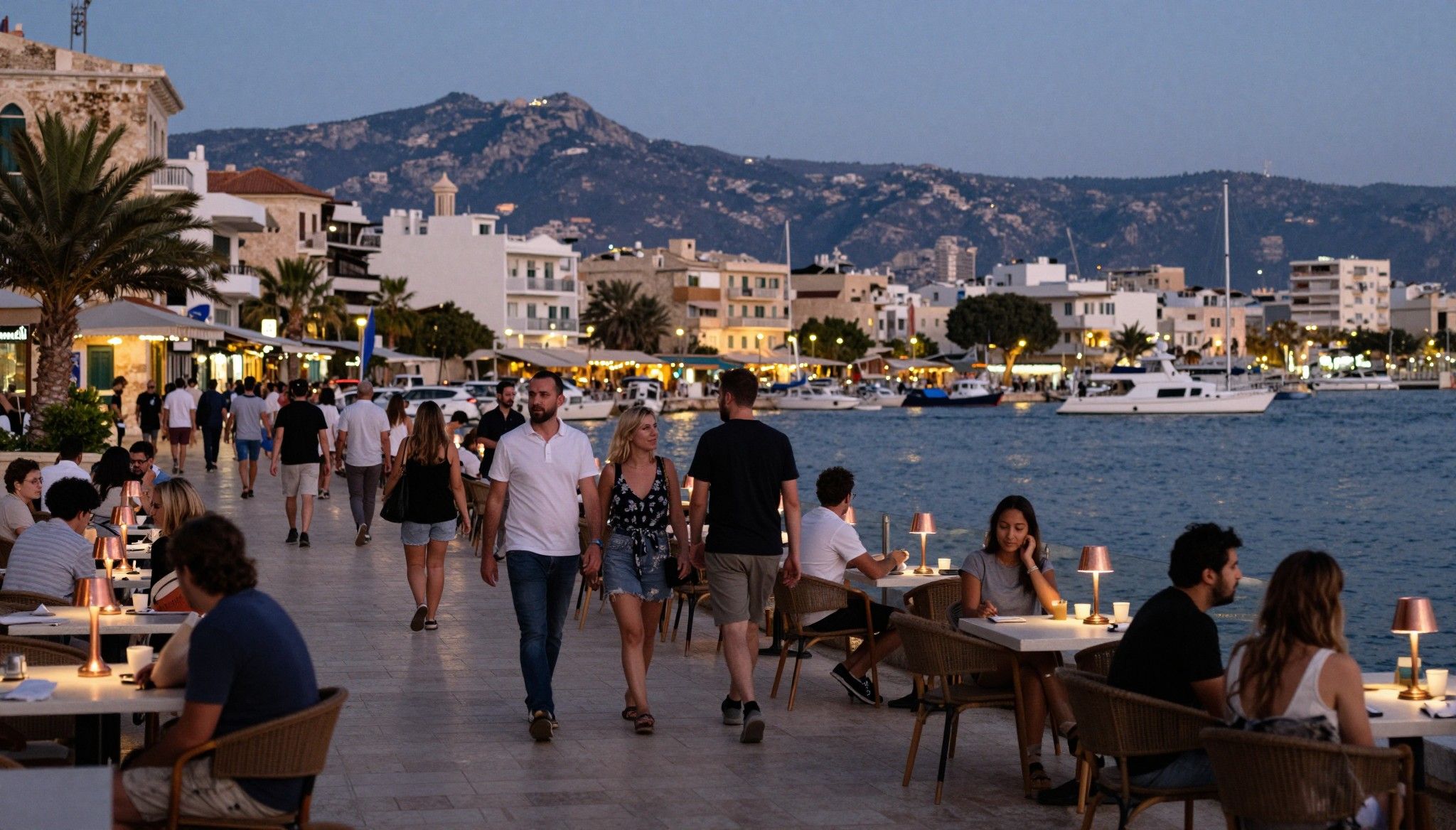
If you prefer a drawn‑out espresso at a sea‑facing table, Sliema’s promenades and the harbour curves of Spinola Bay will feel familiar. Apartments here range from recessed nineteenth‑century façades to contemporary penthouses with glass balustrades; cafes such as Café Sinfonia or Ta’ Kolina define local mornings. St Julian’s—especially the Paceville fringe—shows Malta’s nightlife side, but quiet enclaves like Balluta Bay retain discreet residential dignity. Proximity to international schools, private clinics and ferry links make these neighbourhoods a common first choice for families and professionals.
Mdina, Valletta & the historic interior
Valletta’s baroque streets and vaulted balconies appeal to buyers who prize architectural pedigree and restoration potential. Mdina and Rabat trade bustle for hush: narrow lanes, palazzo‑scale houses, and a close‑knit community that values tradition. Historic homes demand specialist restoration skills—stone conservation, traditional timber shutters, and sympathetic modern interventions—but reward with singular character. For many, these neighbourhoods are less about investment velocity and more about provenance and long‑term stewardship.
- Lifestyle highlights to sample before you buy
- Stroll the Valletta Waterfront at sunrise; savour a ftira in a Sliema bakery; swim at Għajn Tuffieħa before noon; browse the Marsaxlokk fish market on Sunday; join a village festa in July; take the Gozo ferry for weekend pastoral escapes.
When lifestyle meets market: practical timing and choice
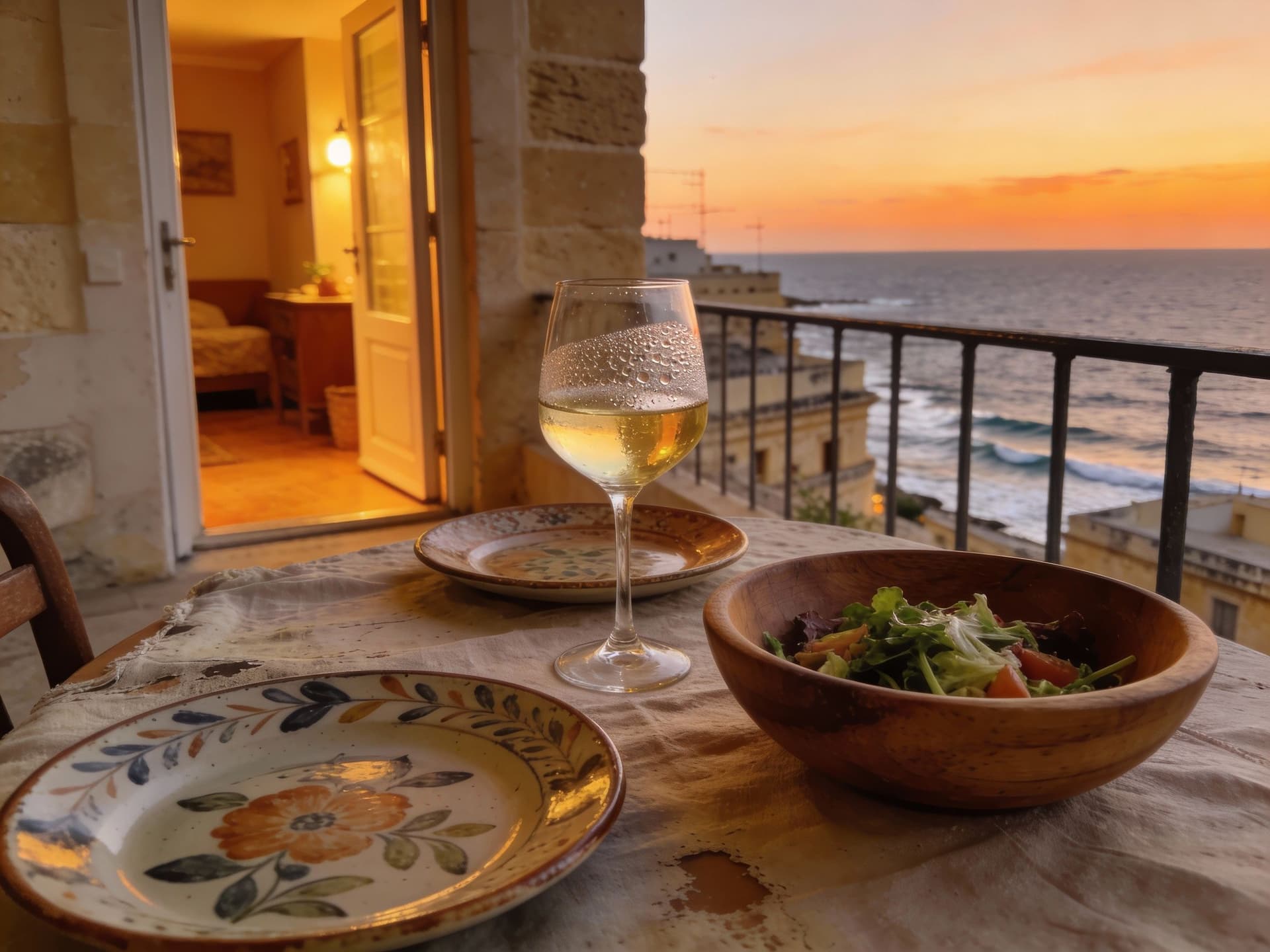
The romance of the island must be measured against recent price shifts. Malta’s Residential Property Price Index has recorded steady annual increases—reports show mid‑single‑digit rises through 2024–2025—so timing your search can materially affect both choice and cost. This does not mean waiting forever; rather, understand the seasonal ebbs, construction cycles and policy headlines that momentarily alter supply and negotiation leverage. In practice, a winter viewing schedule can expose quieter vendor sentiment and more flexible pricing than high‑season weeks.
Property styles and how they shape daily life
Maisonettes and traditional townhouses offer courtyards and a clear Mediterranean indoor‑outdoor life; modern apartments prioritise views and amenity; restored palazzos provide high ceilings, classical cornices and scope for bespoke interiors. Think about maintenance—limestone weathering, timber shutters, and terrace waterproofing are recurring costs—and how each typology supports routines: a terraced house will favour garden life, an apartment will favour promenading and cafés. Matching architectural type to intended lifestyle avoids later regret.
Working with local expertise
A local agent who understands seasonal demand, heritage conservation rules and common title nuances is indispensable. They introduce you to craftsmen, recommend neighbourhood‑specific due diligence, and help translate vendor expectations into market terms. Look for agencies that present restoration examples, explain typical running costs, and offer discreet off‑market opportunities familiar to collectors and long‑term stewards.
- Practical steps to blend lifestyle and transaction (a suggested sequence)
- 1) Visit in low season to observe daily life and speak with neighbours. 2) Commission a local conservation survey for older buildings. 3) Confirm title and permit history via legal counsel. 4) Test short‑term rental potential only if you accept its neighbourhood tradeoffs. 5) Agree contingencies that reflect restoration timelines.
Insider knowledge: what expats say—and rarely expect
Many expats arrive prepared for a sunny Mediterranean life and find that the social rhythm—community festas, local committees and tight urban patterns—demands polite patience and presence. Another recurring surprise is policy: recent rulings on citizenship‑for‑investment programmes have altered investor sentiment and, by extension, pockets of demand. Practical integration often hinges on small rituals—regular café chats, volunteering at a festa committee, or learning basic Maltese phrases—that unlock community belonging more reliably than paperwork.
Language, services and community
English and Maltese coexist in daily life; professional services (law, architecture, surveying) commonly operate in English, which simplifies transactions. Yet social integration benefits from small gestures—learning pronunciations, attending a local mass or festa, buying from the same market stall. Expat groups cluster in Sliema, St Julian’s and parts of Gozo, but purposeful social life is found where you invest time, not only money.
Long‑term stewardship and hidden costs
- Hidden costs and stewardship considerations
- Periodic stone repointing and anti‑damp work; replacement of traditional timber elements; planning permissions for terraces and rooftop conversions; local property management fees for absentee owners; the tradeoff between short‑term rental income and neighbourhood goodwill.
The truth is pragmatic: buy for the life you intend to lead, not the market headline. If your aim is to steward a palazzo, prepare for a multi‑year restoration and find an architect with lime‑mortar experience. If you prefer immediate seaside mornings, accept the compromises of apartment living and align with a manager who maintains high‑quality finishes. Local expertise and patience turn preference into a residence that rewards over decades.
If you leave Malta tomorrow and return five years later, the island will be recognisably the same but with different edges: festivals will persist, façades will patinate, and prices may have moved. Current data show steady price growth through 2025, and policy shifts have recalibrated some investor flows. For a buyer who values architectural authenticity and measured community life, Malta rewards thoughtful acquisition and skilled local partners more than speed.
If Malta feels right, begin with presence: a short winter trip, meetings with two specialist agents—one for historic buildings, one for contemporary stock—and a conservation survey. Ask agents for recent comparable sales, restoration case studies and an annual running‑cost estimate. These modest steps turn enchantment into an informed purchase and preserve the island’s qualities that first attracted you.
Conclusion: Malta asks for stewardship. It rewards with an everyday life shaped by craft, sea and neighbourhood. Approach the market with patience, enlist local specialists who care about materials and provenance, and let the island’s particular rhythms guide when you buy. The right home here becomes, in time, a carefully kept chapter of place.
Dutch former researcher who moved to Lisbon, specialising in investment strategy, heritage preservation, and cross-border portfolio stewardship.