When France’s Tax Map Rewrites Neighbourhood Choice
How departmental fees, non‑resident rules and local letting laws quietly change which French neighbourhoods make sense to own—plan tax-first, live second.

Imagine waking to the click of a boulangerie oven in a narrow Parisian rue, then driving south past vineyards where limestone farmhouses keep cool in summer. In France, everyday life is arranged around markets, mid‑morning coffee rituals and a slower rhythm of service. Yet beneath this lived ease there is a discreet, powerful map of taxes and fees — from departmental transfer charges to rules on non‑resident rental income — that quietly reshapes which neighbourhoods make sense to own. Recent INSEE figures show a growing and diverse foreign population in France, underlining why buyers from abroad should weigh both the life they want and the tax architecture that will sustain it. (See sources below for details).
Living the French Life — and Why Location Still Matters
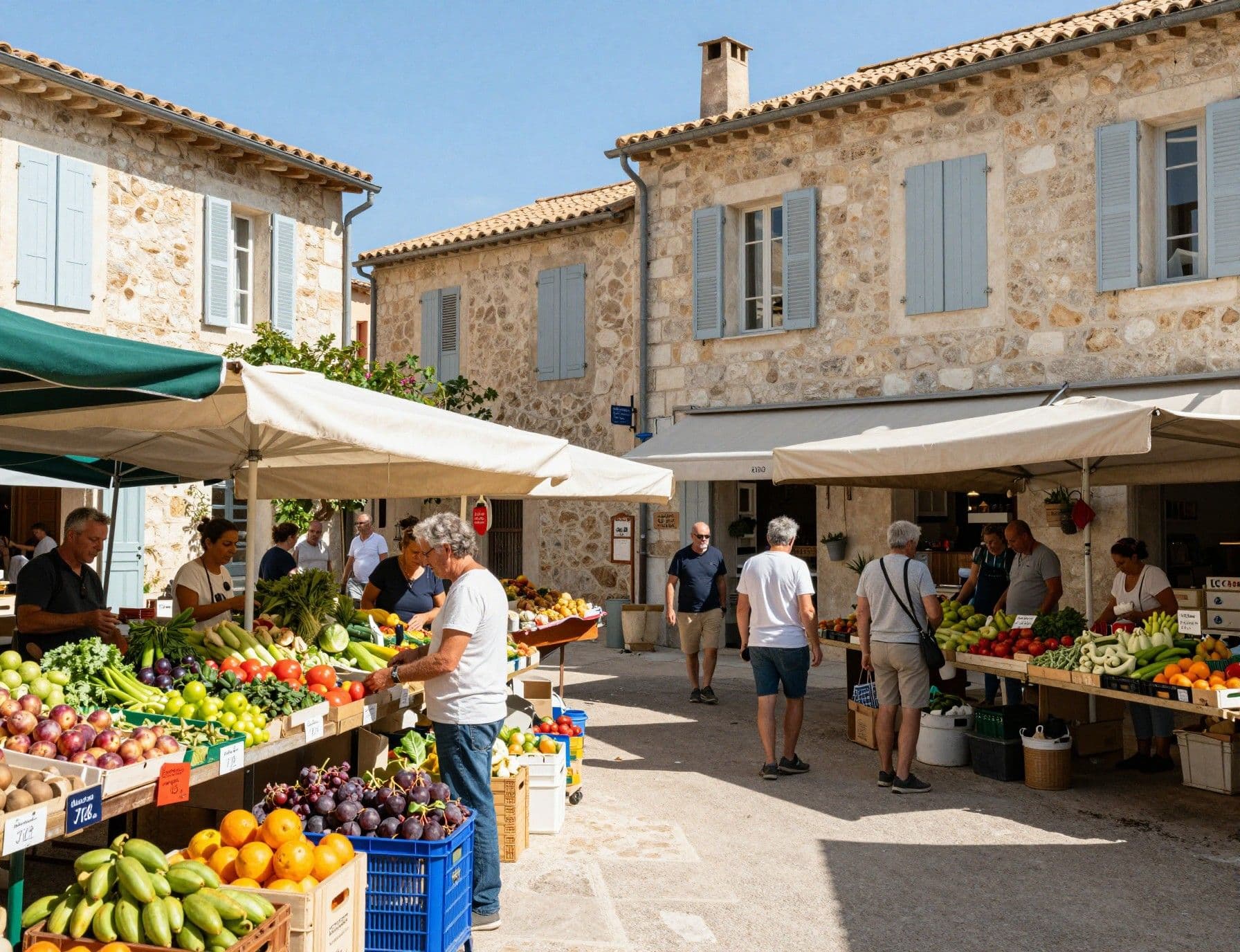
To live in France is to choose an urban cadence or a rural ritual. Parisian arrondissements hum with cafés, galleries and discreet passageways; Provence villages unwind around weekly markets; the Riviera stages a theatre of terraces and late light. These atmospheres determine daily habits — from school runs and boulangerie choices to the simple pleasure of an afternoon aperitif — but they also influence tax realities: municipal and departmental policies, local property valuations and the demand for short‑term lets vary widely, often at the scale of a single canton or commune.
Paris: provenance, precincts and proximate taxes
An elegant Haussmann flat on the Right Bank carries lifestyle benefits — proximity to museums, quiet courtyards and strong resale — yet it also sits inside tax and planning regimes that reward centrality. Local taxe foncière and taxe d'habitation shifts, plus departmentally determined transfer duties, can change the effective cost of acquisition and holding. In practice, buyers looking for culture and short commutes should ask how local rental demand and municipal levies will affect their yield over a ten‑year horizon.
Provence & Luberon: village life, seasonal dynamics
Life here follows a seasonal pulse: market mornings in Gordes, lavender‑scented drives and neighbours who know the harvest calendar. That seasonality can lift short‑let income in summer but reduce year‑round rental reliability. For buyers seeking a second home, the tradeoff is clear: choose villages with steady local populations for quiet continuity, or opt for tourist‑centric communes where higher taxes and stricter short‑term letting rules may be offset by peak‑season returns.
Making the Move: Practical Considerations Where Lifestyle Meets Tax Reality
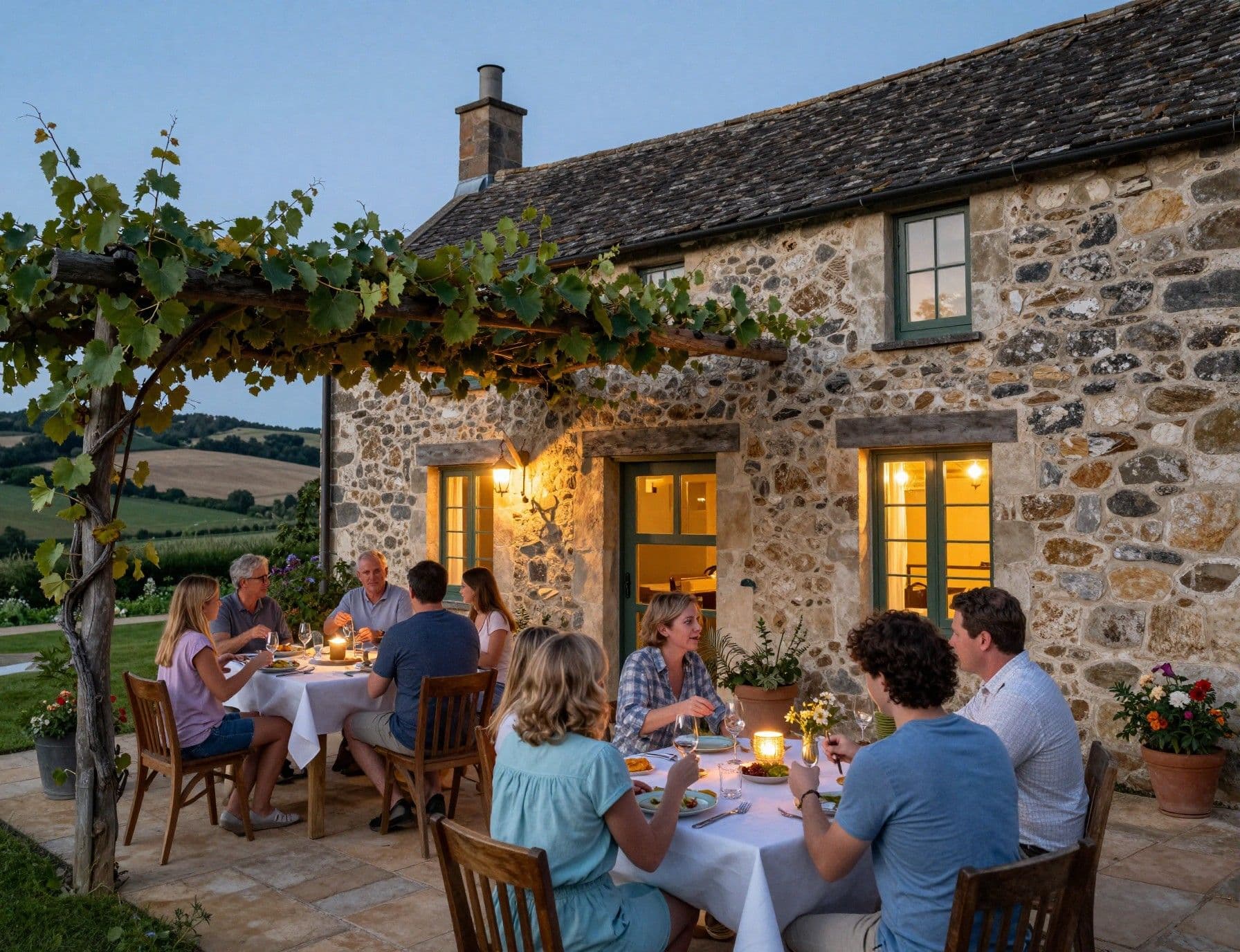
Dreams of terrace breakfasts must be reconciled with concrete transactional costs and recurrent liabilities. Transfer taxes (commonly folded into ‘frais de notaire’), capital gains rules for non‑residents and the property wealth tax (IFI) are not uniform across France; departmental decisions and national reforms alter the arithmetic. Before making an offer, international buyers should map local fees against expected lifestyle use — primary residence, seasonal retreat or investment — and test scenarios for sale, inheritance and rental use.
Property types and what they mean for tax & living
A pied‑à‑terre in central Bordeaux offers walkability and wine bars, but condominium charges and taxe foncière may be proportionally higher per square metre. A stone farmhouse in Dordogne promises land and privacy, along with different VAT and agricultural regime implications when renovating. Understand how the building type dictates not only lifestyle — courtyard breakfasts, cellar restoration, terraces for late suppers — but also tax treatment, allowable deductions and planning constraints.
- How local expertise changes the outcome
Working with a notary experienced in international purchases, an accountant familiar with cross‑border tax treaties and an agency that understands lifestyle intent reduces costly surprises. Agencies that can model yields with local departmental rates, advise on short‑let licensing (authorisations vary by commune) and suggest ownership structures (personal, SCI, company) preserve both lifestyle and capital.
Insider Knowledge: The Tax Moves Nobody Tells You Over Dinner
Expats and seasonal residents often discover three recurring truths: departmental transfer charges can nudge the best value into neighbouring communes; short‑term letting regulations are enforced locally and can alter a seaside town’s economics overnight; and capital gains exemptions depend on residency status and precise holding periods. These practicalities shape whether a neighbourhood remains charming or becomes fiscally inconvenient.
Cultural integration and the taxed everyday
Language matters at the mairie (town hall). Small communes expect in‑person interactions for permits and declarations; a conversational French ability — or a trusted local—makes paperwork quicker and keeps you connected to community life. Many expats report that belonging to local associations or market networks eases both social integration and administrative navigation, from school enrolment to property tax discussions.
- Practical steps to align lifestyle with tax strategy
1. Define use: primary residence, holiday home, or rental. 2. Ask a notary for a full breakdown of departmental transfer duties at the commune level. 3. Test rental scenarios with local agencies to see realistic occupancy and yields. 4. Review double‑tax treaties and non‑resident declaration obligations with a cross‑border advisor. 5. Consider an SCI or corporate structure only after modeling inheritance and rental tax outcomes.
- Key local red flags to watch
Unannounced departmental increases to droits de mutation; stringent short‑term letting rules in city centres; communes with weak year‑round rental demand despite high peak season rates; properties with unresolved urban planning constraints; and homes lacking a clearly declared occupancy status on impots.gouv.fr (which can complicate taxation).
Long‑term living: how the life you imagine evolves with tax choices
Stewardship in France often becomes multigenerational. Choices about ownership structure, renovation scope and classification (historical monument, renovation reliefs, agricultural exemptions) influence estate costs and the ability to pass property to heirs while preserving the life you intended. A considered tax plan is part of good stewardship: it protects both the house and the life lived within it.
Conclusion: Let the life lead the plan. Begin with a vivid sense of where you want to morning‑coffee, market wander and friends’ suppers; then test that picture against departmental fees, short‑let regimes and residency rules. Engage a local notary, a bilingual accountant and an agency that listens first to your life and second to your checklist. With that triangulation you buy not only an address in France, but a sustainable life there.
Having moved from Stockholm to Marbella in 2018, I help Scandinavian buyers navigate Spanish property law, restoration quality, and value through authentic provenance.