How Use, Residency and Season Alter Croatia’s Tax Picture
How a property’s use, your residency and municipal decisions change Croatia’s tax outcome — practical, lifestyle‑centred guidance to plan before you buy.
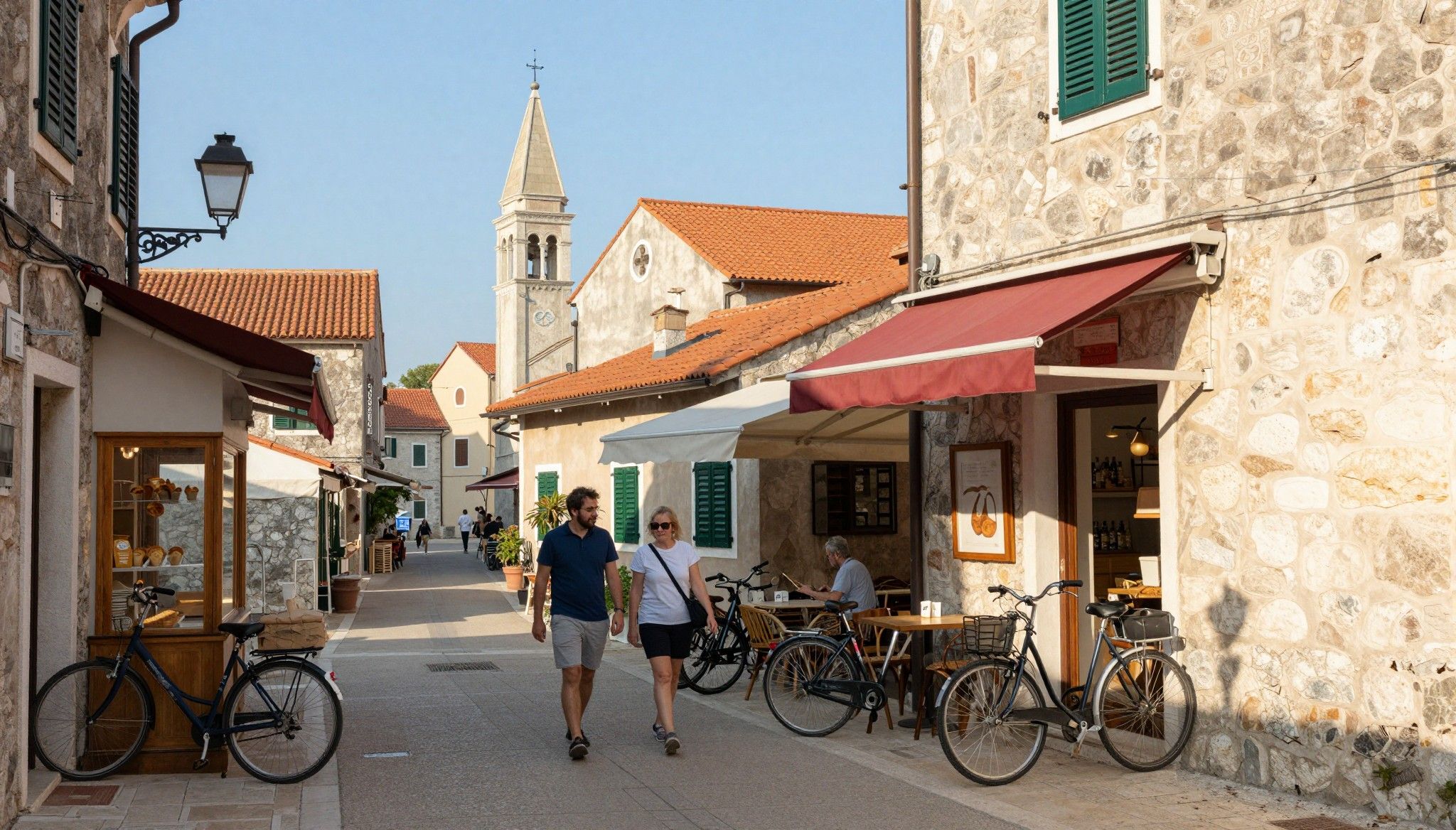
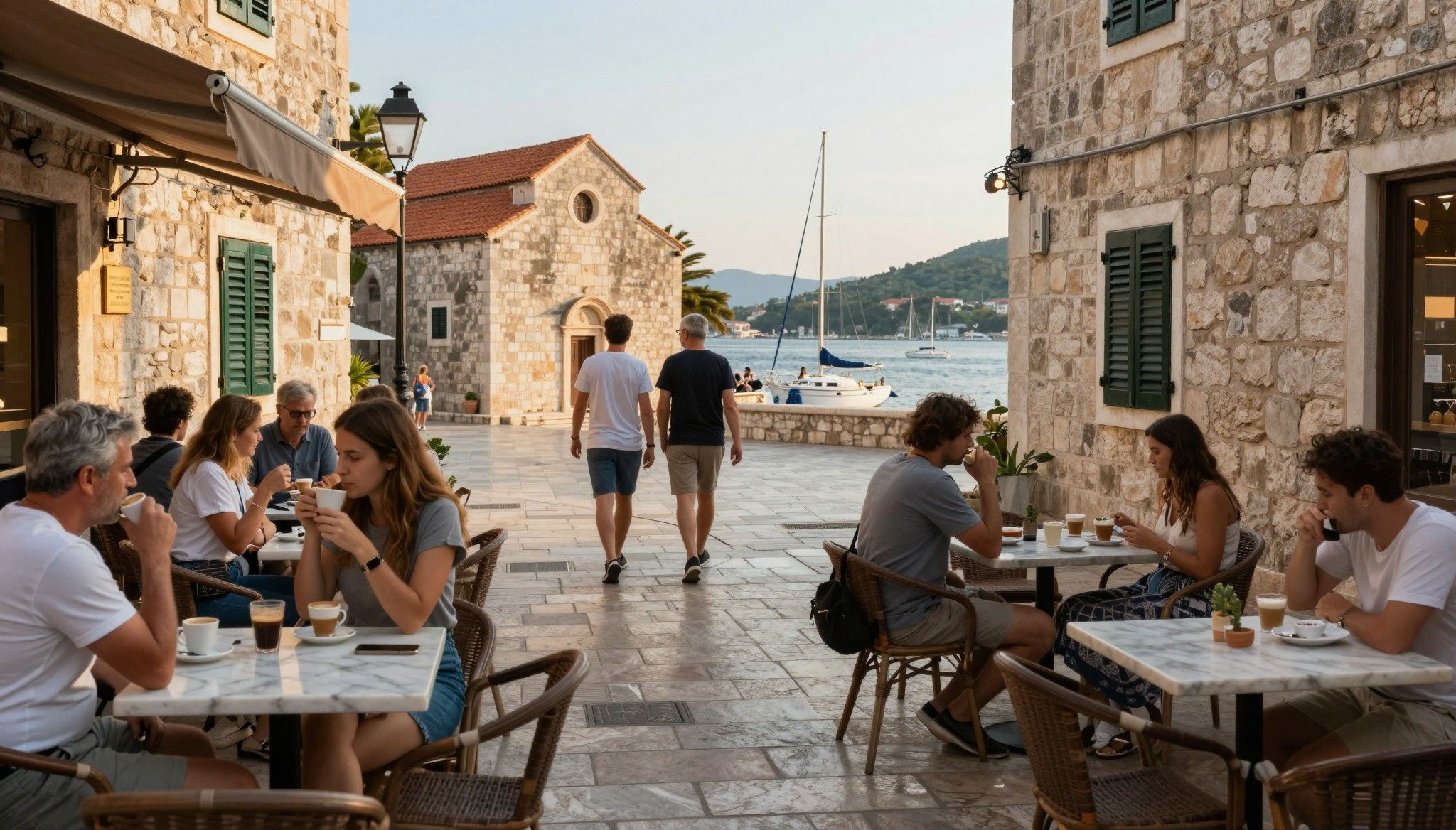
Imagine a late-summer morning in Split: cafés on Ulica Marmont fill with conversation, fishing boats pass beneath the Diocletian walls, and a courtyard window throws soft light across exposed stone. It is easy to fall in love with Croatia for its cadence of light, food and sea. Yet the tax story that follows a purchase here is rarely as poetic — it is shaped less by romance and more by how you use the home, how long you keep it, and where you register your presence.
Living the Croatian life — and why it matters to your taxes
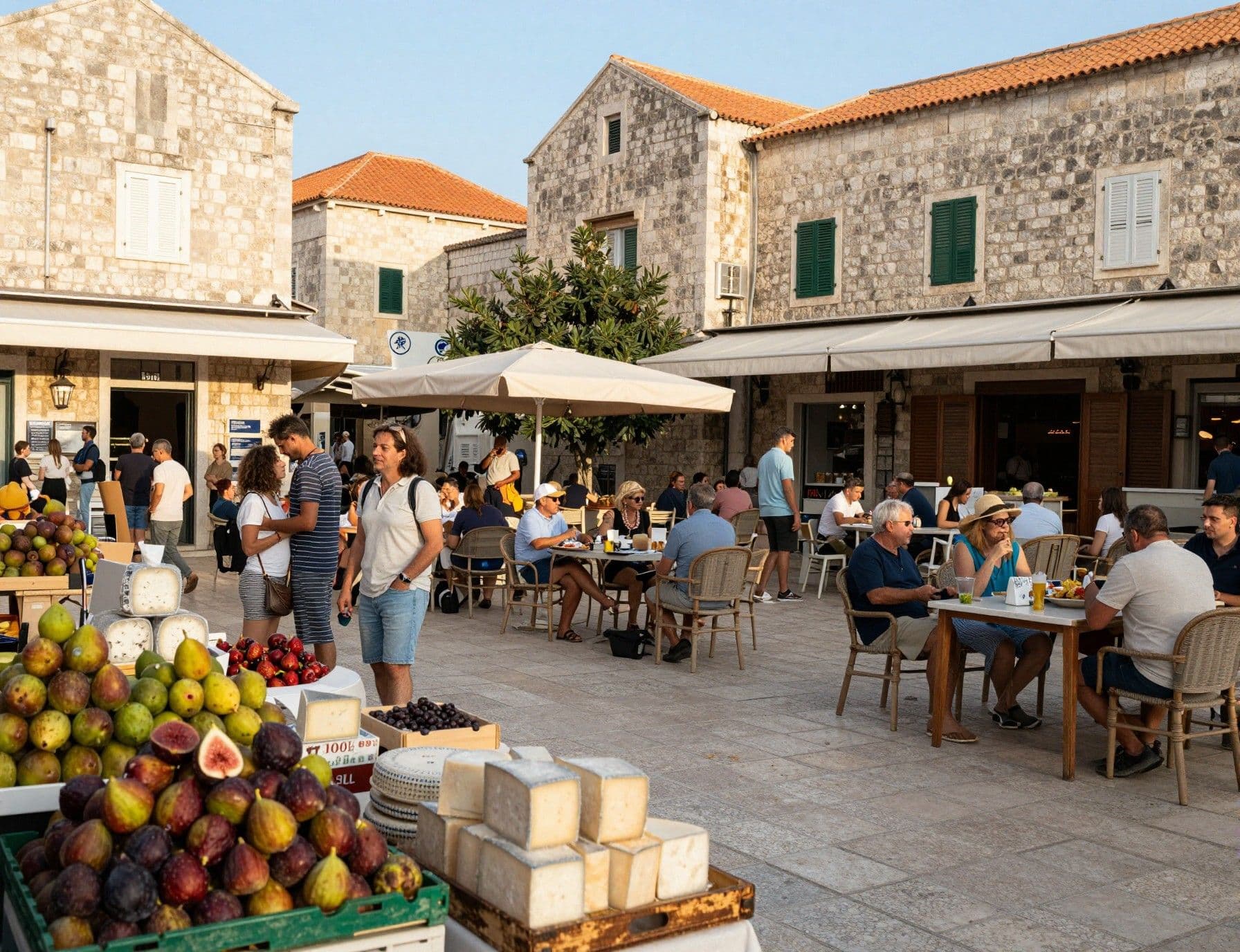
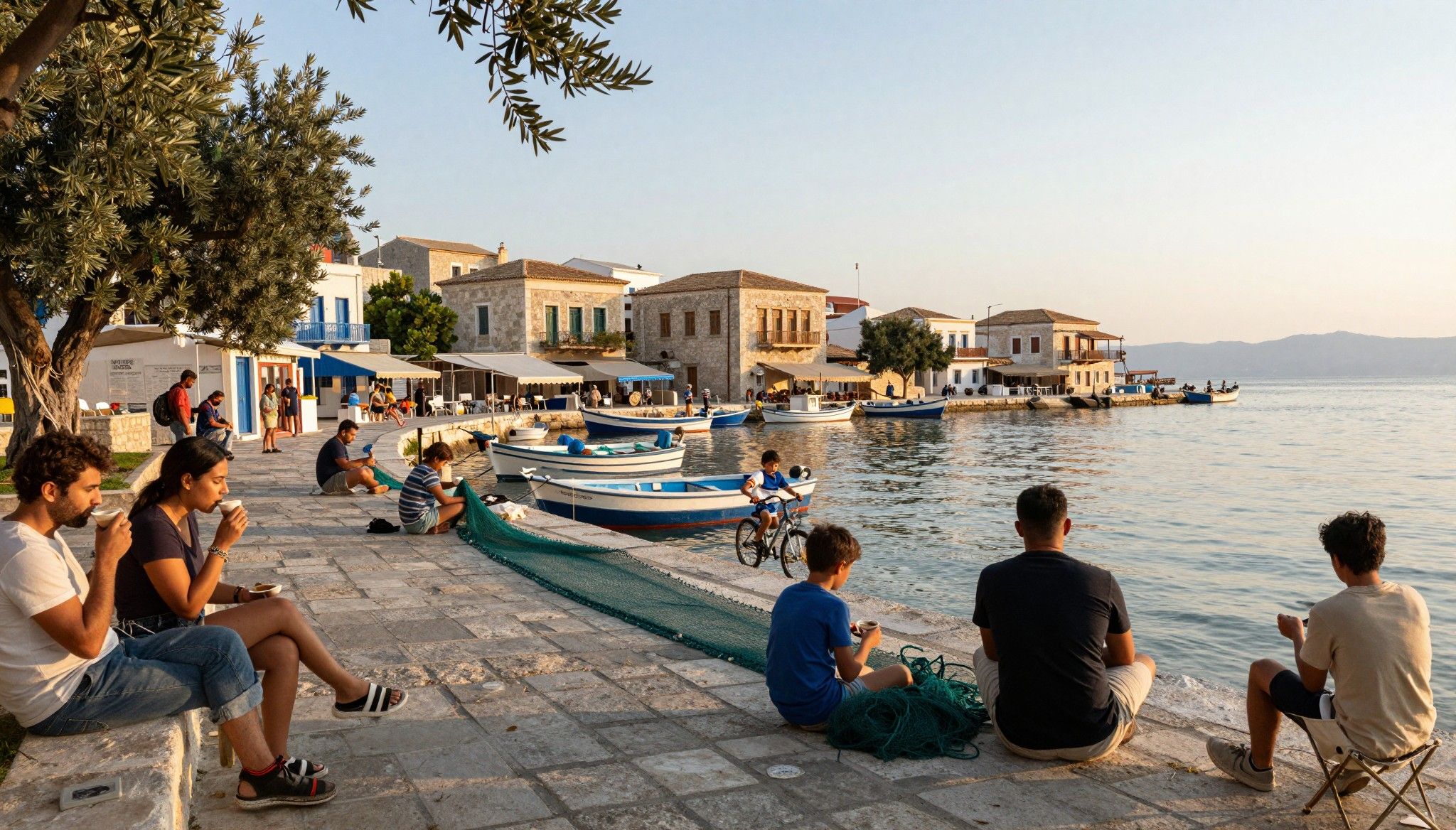
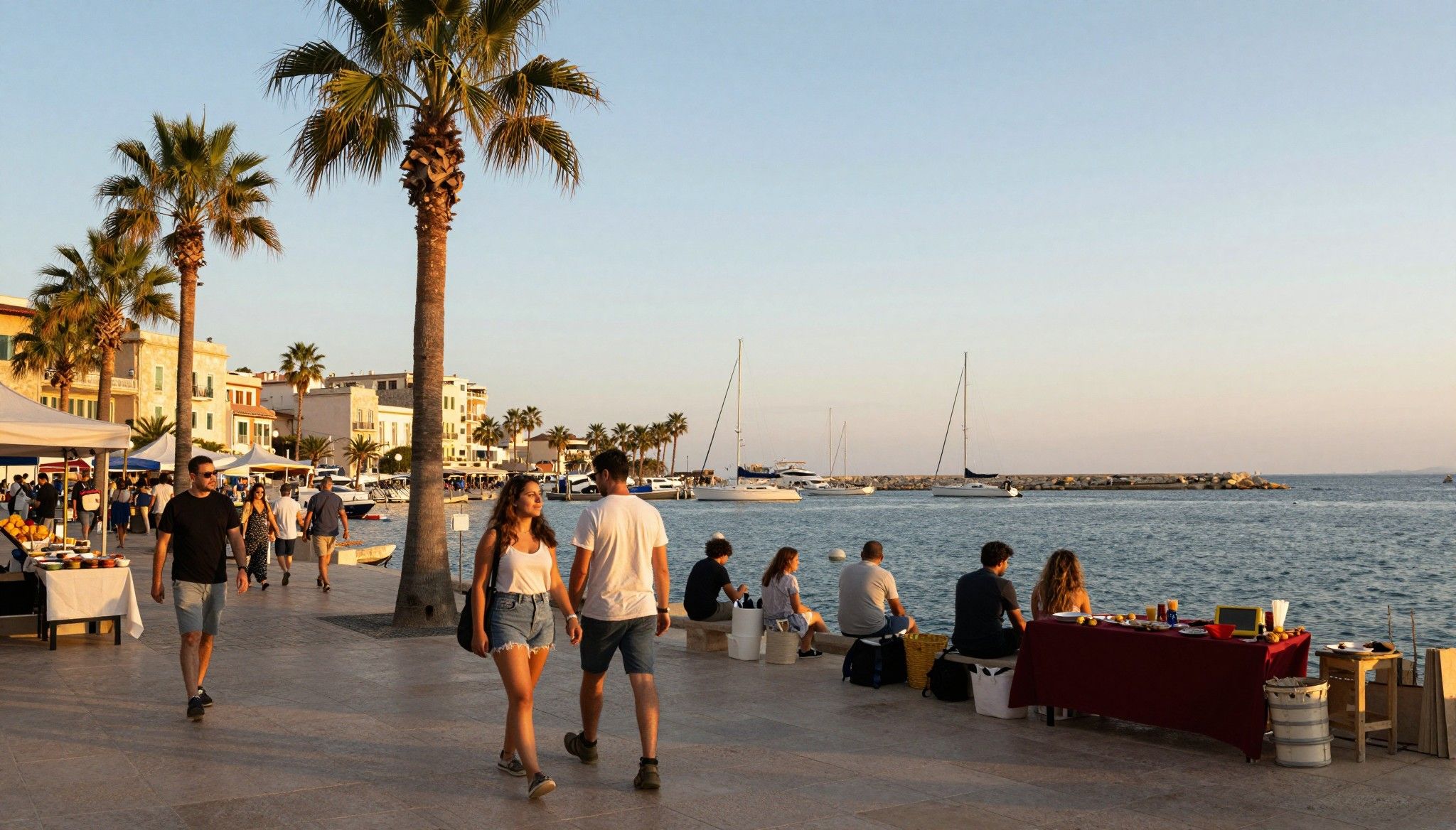
Croatia’s daily rhythms — morning markets in Dolac, aperitifs on Hvar’s harbour, evening promenades (riva) in Rovinj — define choices that affect taxation. Whether you intend a pied‑à‑terre in a walled town, a family house inland, or an income‑producing coastal apartment, the property’s practical use (primary residence, seasonal rental, long‑term let or commercial letting) determines which taxes apply and at what rate.
Zagreb, Dalmatian islands, inland Istria — neighbourhoods with different tax rhythms
A flat on Tkalčićeva in Zagreb is treated differently, in practice and by local administration, than a stone house on Vis or a renovated farmhouse near Motovun. Municipal decisions (local property tax rates and real‑estate tax slabs introduced in 2025) and local tourism economies mean the same square metre can attract distinct tax outcomes depending on municipality and intended use.
How seasonality shapes fiscal reality
Municipalities have discretion over newly introduced real‑estate levies and how they apply to seasonal rentals. A property that earns peak summer income may trigger different requirements — VAT registration for accommodation services, higher local levies, or classification as a commercial activity — all of which alter net yield and administrative burden. Plan with seasonality in mind rather than assuming a static tax position.
Making the move: practical tax considerations that surprise buyers
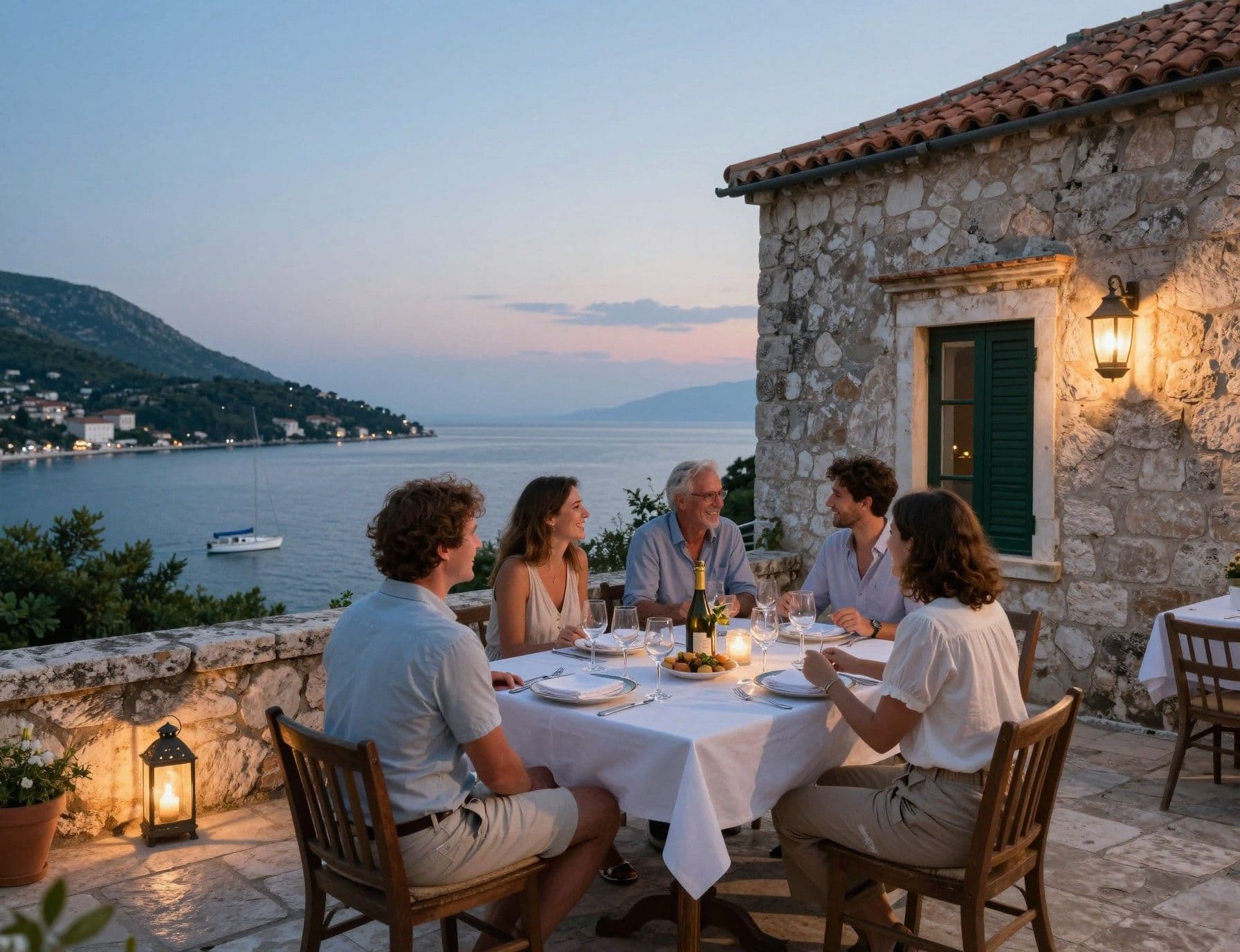
Many international buyers focus on purchase price and sea view when they should be mapping taxable use cases. Three practical distinctions will determine tax outcomes: residency status, length of ownership, and how the property is operated (private use vs short‑term letting). Each axis changes whether you face personal income tax, VAT, local real‑estate levies or capital gains treatment.
Residency, capital gains and withholding — what to expect
For non‑residents, tax on income from Croatian real estate (including rental income and capital gains) is applied at different rates and sometimes withheld at source. Capital gains exemptions and preferential rates often hinge on ownership period — properties held more than 24 months commonly enjoy more favourable treatment — making the holding period a decisive planning tool. Confirm current withholding rates and exemption thresholds before signing.
Property type and VAT: when renovation or new build changes the bill
Buyers often overlook that selling or renting newly constructed properties — or offering accommodation as a service — can attract VAT at 13% or 25%, depending on the service and classification. If you plan to refurbish and rent commercially, build the VAT and deductible input costs into your model.
Insider knowledge: how seasoned buyers shape tax outcomes
Experienced buyers treat tax strategy as part of stewardship. They will: secure clear title and land‑registry searches, align intended use with municipal classification, and engage a Croatian tax advisor before exchange. Owning property does not automatically create residency; it can support an application but cannot replace the legal grounds required for long‑term residence.
Practical checklist — lifestyle decisions that reduce surprises
1. Decide expected annual usage (days) and intended revenues; 2. Confirm municipal real‑estate tax rates and whether property sits in a tourist zone; 3. Clarify VAT exposure for rental and renovation plans; 4. Estimate capital gains exposure given planned holding period; 5. Prefer explicit written answers from notary and tax advisor before contract signature.
When to lean on local expertise — and who to hire
Engage a Croatian notary for title and contract formalities; a tax adviser for cross‑border implications; and a local agent who understands municipal practice. For lifestyle properties, also consult a hospitality specialist if short‑term letting is planned — local interpretation of accommodation services can change VAT and licensing obligations.
What expats wish they knew: three small details that make a big difference
1) Municipal discretion: identical coastlines, different tax treatments. 2) Registration matters: where you register rental income affects withholding and reporting. 3) Mixed use traps: living in part of your property while renting rooms may merge personal and business tax regimes.
Picture life after the purchase: Saturday markets in Split, children learning to sail from a nearby marina, or slow, convivial dinners in Istria’s hill towns. Those experiences are the reason buyers come. With modest homework — municipal enquiries, a clear plan for use, and a tax professional who understands Croatian and home‑country rules — you can protect the life you buy without surrendering the romance.
If you want a tailored read of a specific town or a costed example for a seasonal rental in Hvar vs a family home in Sinj, we can prepare a short briefing: hold period scenarios, likely local levies, VAT exposure and an estimated after‑tax yield. Consider it the map that turns attraction into stewardship.
Having moved from Stockholm to Marbella in 2018, I help Scandinavian buyers navigate Spanish property law, restoration quality, and value through authentic provenance.