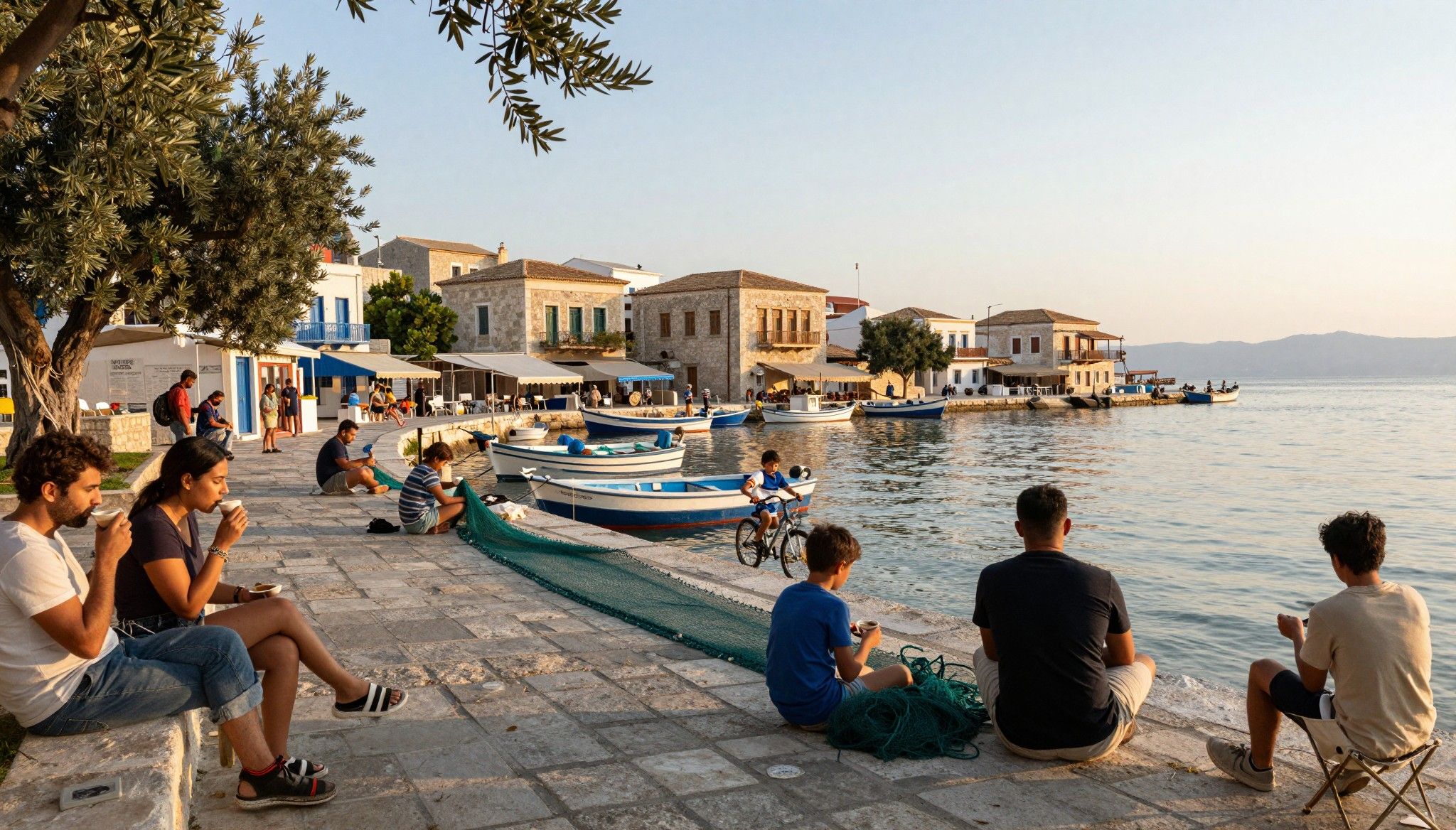
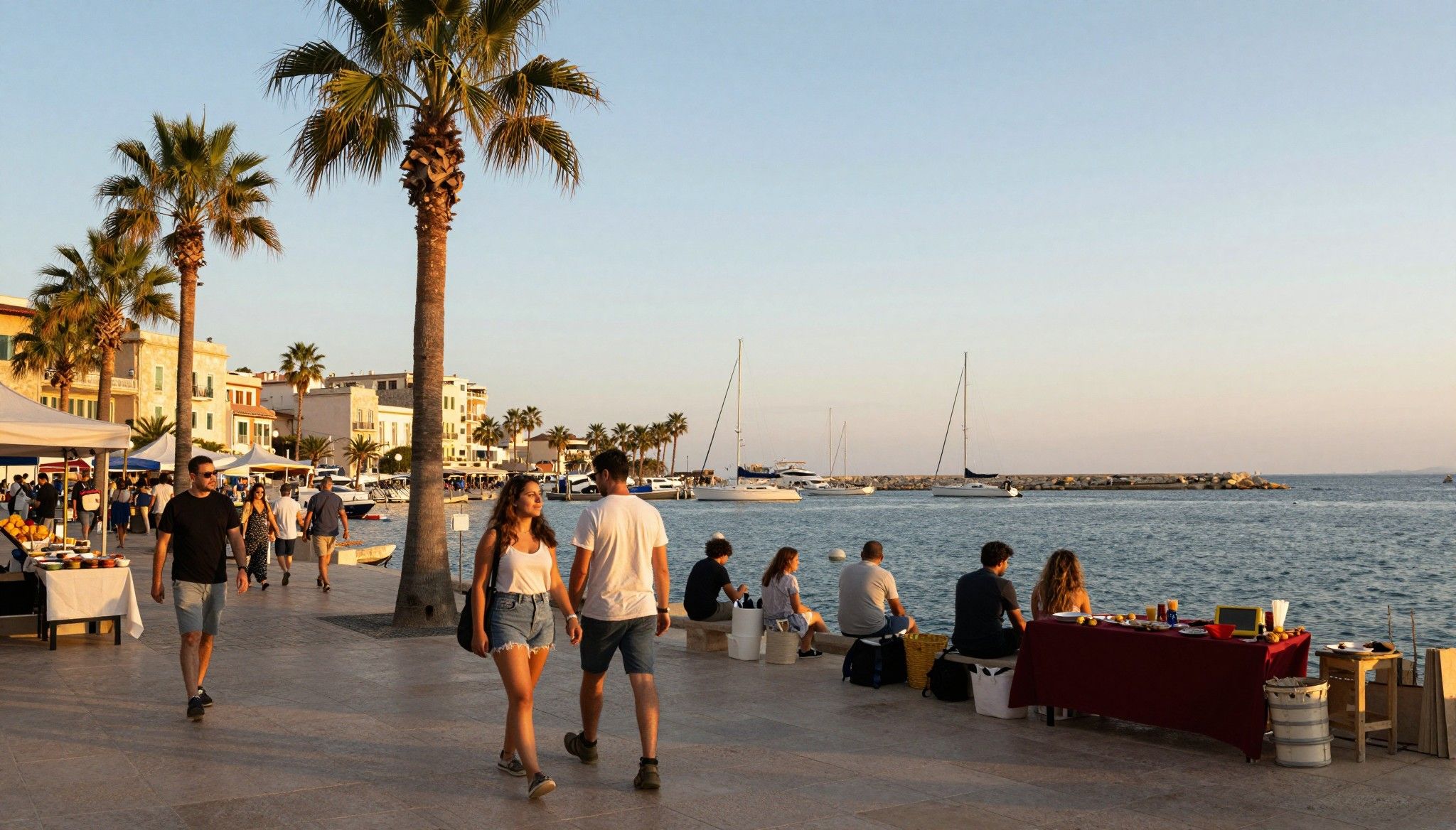
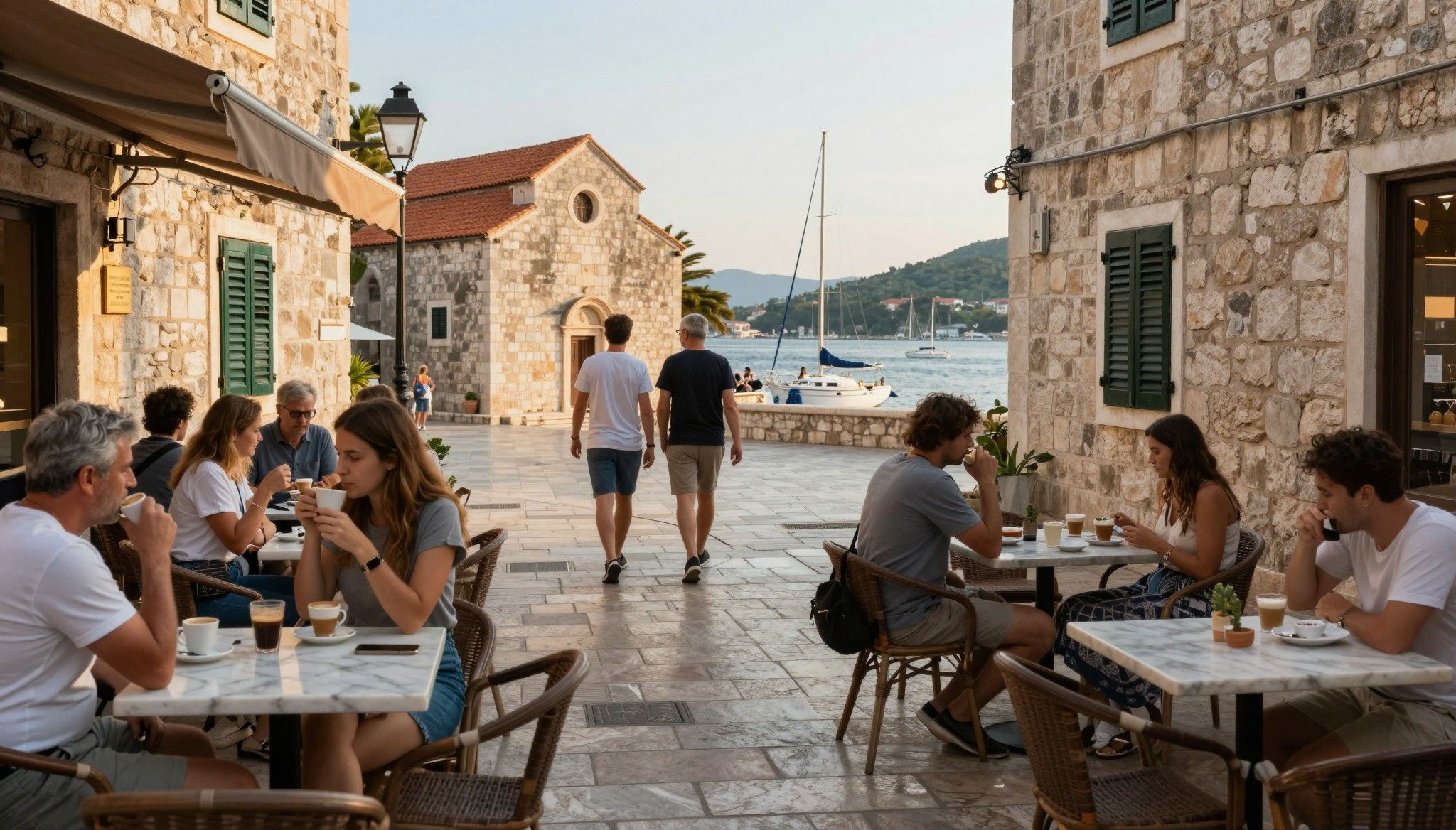
Imagine a morning in Aix‑en‑Provence: steam from an espresso, boulangerie scents along Rue Espariat, and late‑18th‑century façades catching the light. That image is the reason many of us cross borders for France; what surprises most newcomers is how fiscal detail quietly reconfigures those afternoons. This piece pairs the lived pleasures of French life with the tax-minded choices that determine which neighbourhoods, house types and seasons truly reward long‑term enjoyment and value.
Living the French Life — morning markets, narrow streets, enduring craft
France is a mosaic: from the limestone calm of the Dordogne to the narrow, sunlit lanes of Nice’s old town. Days move at a human pace — market runs before work, long lunches in small bistros, evenings that gather friends and neighbours. For an international buyer the rhythm matters: small streets, market access and proximity to a boulangerie often shape daily contentment more than square metres or a view.
Neighbourhood spotlight: Croix‑Rousse to Le Marais — what to listen for
In Lyon’s Croix‑Rousse you will hear chatter about the morning market on Boulevard de la Croix‑Rousse and see apartment shutters thrown open to balconies with planters. In Paris, Le Marais remains a study in layered history — hôtels particuliers, artisan shoe shops and evening promenades along Rue des Rosiers. The lived detail — a particular boulanger, an épicerie open late, the way light falls on a courtyard — matters to how a property performs for life and for tax planning.
The table: food, markets and the social architecture of neighbourhood life
Weekends in France are arranged around food and place. From the covered market at Les Halles de Lyon to the fish stalls at Nice’s Cours Saleya, markets define routines and property desirability. Buyers who prize conviviality choose apartments with compact kitchens that open onto a terrasse or maisonettes with garden courtyards — not because resale is easier, but because the houses are used daily.
- Lifestyle highlights — real places that change how you live
- Morning market breakfast on Cours Saleya (Nice); weekly vegetable runs at Les Halles (Lyon); Sunday strolls along the Ile Saint‑Louis (Paris); village markets in Provence; coastal promenades in Biarritz.
Making the move: the fiscal choreography behind where you buy
Your dream arrondissement or seaside village has a fiscal shadow. Acquisition costs (commonly called “frais de notaire”), local property taxes (taxe foncière) and wealth considerations (IFI) will influence the net cost of ownership and sometimes the neighbourhood you can afford to enjoy long‑term. Understanding these taxes early lets you prioritise life‑defining features — a garden near a market or a compact pied‑à‑terre in a cultural quarter — while avoiding surprises.
Property types and what they mean for lifestyle—and tax
A village house with land offers privacy and the joy of a potager, but land and outbuildings can push you into IFI territory if your French real estate holdings exceed thresholds. An apartment in a historic centre may carry higher taxe foncière and communal levies yet reward you with market access and lower maintenance. Choosing the property type is therefore an act of balancing daily life against ongoing fiscal exposure.
Working with local experts who understand both life and ledger
A French notaire, a bilingual tax advisor and an agency that knows the micro‑markets are essential. Notaires collect and explain acquisition taxes; tax advisors translate bilateral treaties and residency status into practical tax positions; local agents guide you to streets where the lifestyle you crave aligns with favourable fiscal treatment. Together they convert taste into a robust, compliant plan.
- Steps that blend life and tax: a pragmatic sequence
- 1. Map daily life priorities (markets, schools, commute) and list neighbourhoods that match those needs. 2. Ask a notaire for an acquisition‑cost estimate for a typical property in each area (frais de notaire often ~2–8%). 3. Check likely annual taxes: taxe foncière, utilities and any communal levies that affect lifestyle spend. 4. If you hold multiple properties, consult a tax adviser about IFI exposure and treaty protections. 5. Use an agent to identify properties that deliver the lifestyle while minimising recurring fiscal friction.
Insider knowledge — the things expats wish they’d known earlier
Expats routinely tell the same story: they fell for light, markets and a sense of belonging, then learned an unwelcome lesson about taxes. Often the surprise is administrative rather than existential — deadlines, declarations, and the subtle differences between being tax resident, domiciled or a non‑resident owner. Knowing which box you fill changes how the tax rules apply to income, capital gains and property wealth.
Integration, language and the social mechanics of neighbourhood life
Learning the few local rituals — market timings, how to greet shopkeepers, weekend rhythms — unlocks neighbourhood life far faster than mastering paperwork. Clubs, language cafés and market suppliers become informal advisors; they notice when a property is well built, when a roof is sound and when a garage alters utility costs. Social capital often reveals physical capital’s hidden defects and advantages before a survey does.
Longer view: stewardship, inheritance and generational planning
If you intend to keep a property for decades, think of it as stewardship. French succession law and gift taxes differ from common‑law regimes; structures such as a French SCP/SARL or international holding can affect both IFI exposure and inheritance outcomes. Early dialogue with a Franco‑specialist notaire ensures the property’s provenance is protected and your family’s future use is taxed as you intend.
- Red flags and practical checks before you commit
- Unusually low advertised price — confirm excluded common charges and pending works; unclear cadastral boundaries — insist on a notaire‑sourced plan; multiple short‑term lets history — check local regulations and tax treatment; high taxe foncière relative to similar streets — discuss with the mairie; complex ownership (SCI/SNC) — obtain both legal and tax advice before offer.
Conclusion — how to turn a French daydream into a defended reality. Begin with where you want to be at 9am on a Sunday, then let tax and legal advisors help you keep that morning. Retain a notaire for costs, a tax specialist for residency and IFI questions, and a local agent to find the streets where daily life matches aspiration. In France, beauty and prudence are complementary disciplines; the best purchases are those that sustain both.