How Cyprus’s Non‑Dom Rules Quietly Shape Where You Buy
How Cyprus’s non‑dom regime, capital gains and VAT quietly reshape where and how international buyers should buy — lifestyle first, tax second.

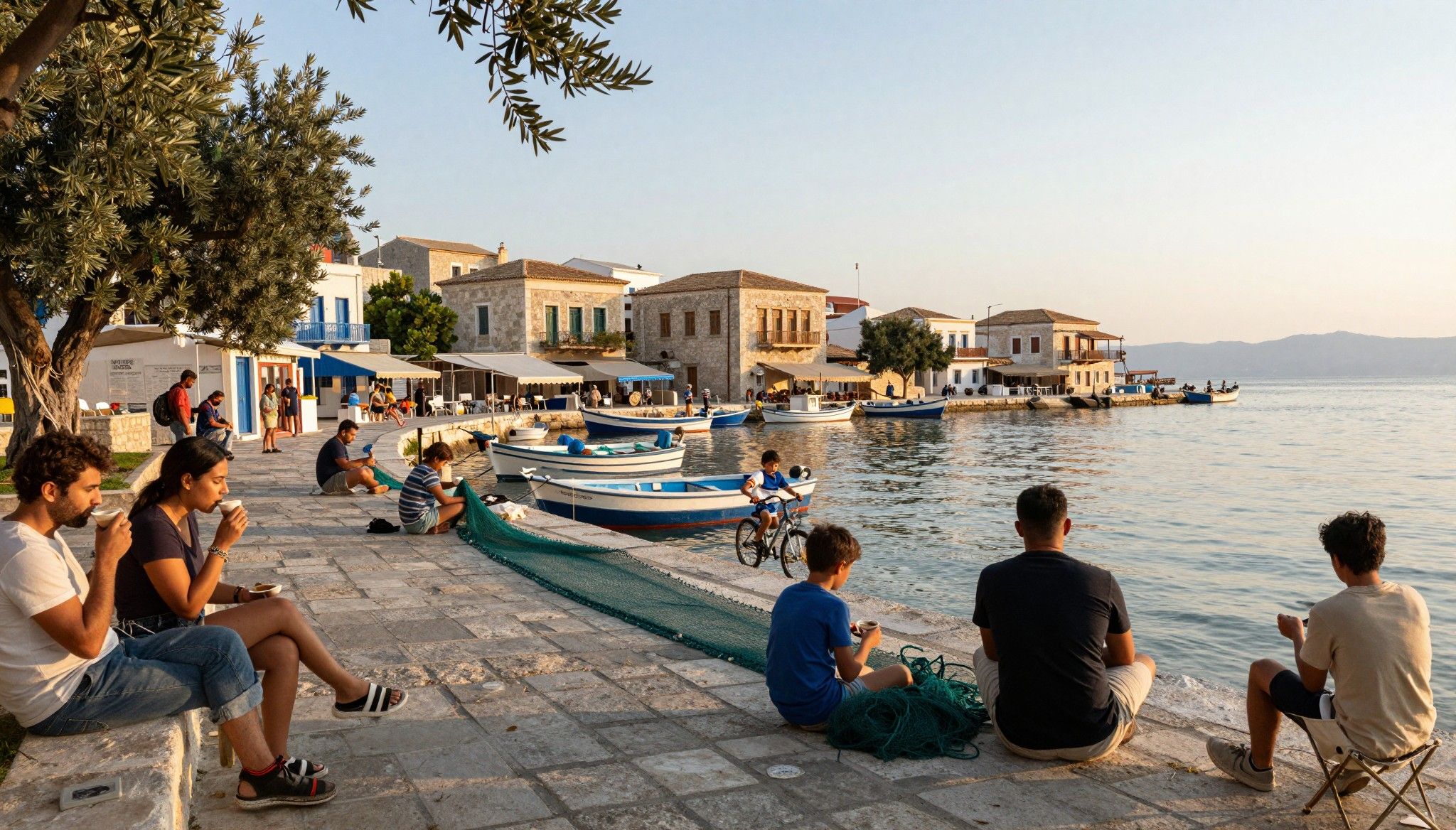
Imagine waking to espresso on a shaded verandah in Limassol, the slow clack of bowls at the municipal market on Monday, and an afternoon walk past sandstone villas on Agios Tychonas. Cyprus invites a life measured by sun, sea and old stones — and, for international buyers, a tax story that rewards planning as much as it does place. According to recent market analysis, tax residency, non-domicile status and the fine print of transfer and VAT rules materially shape whether a purchase is a lifestyle success or an expensive lesson.
Living the Cyprus rhythm
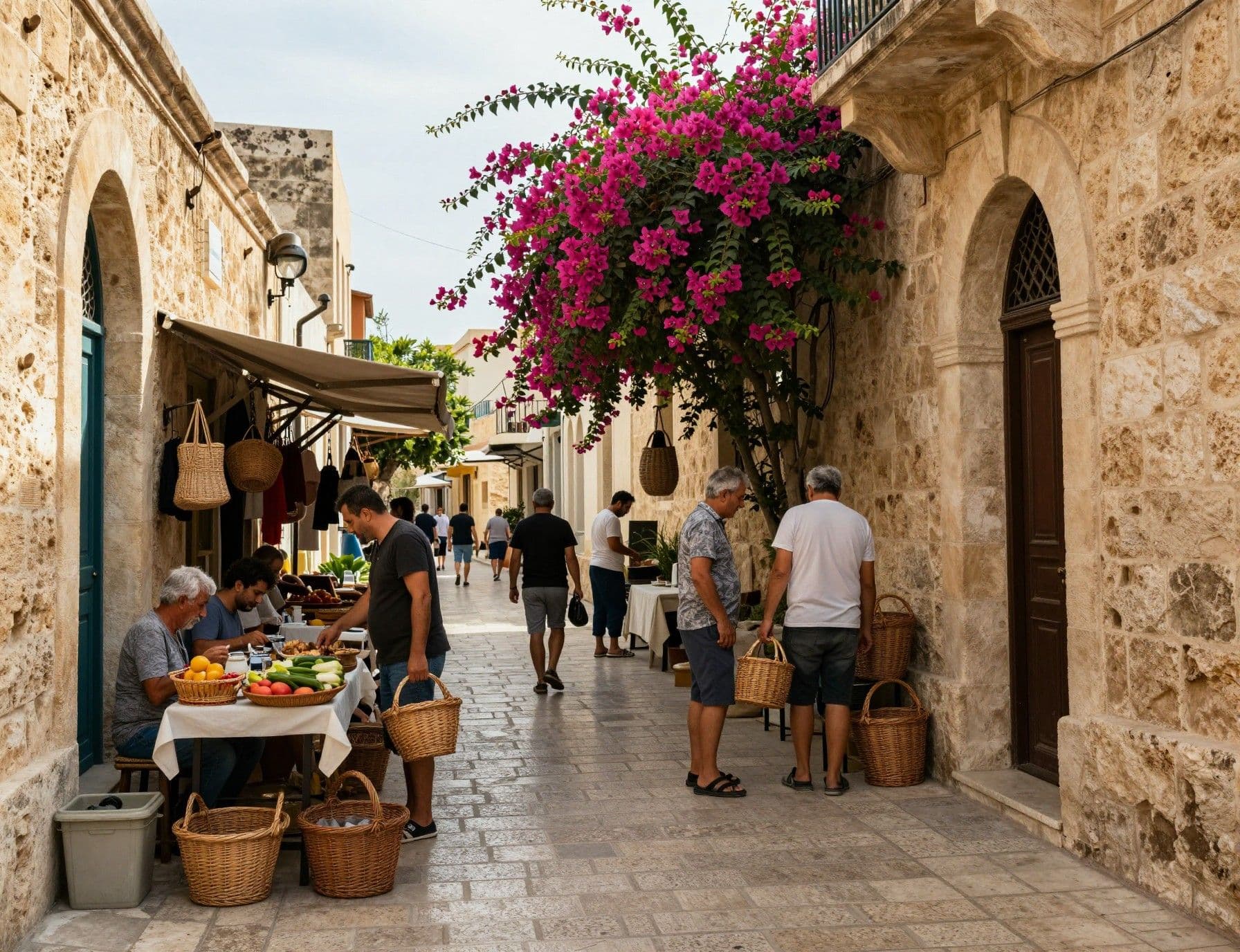
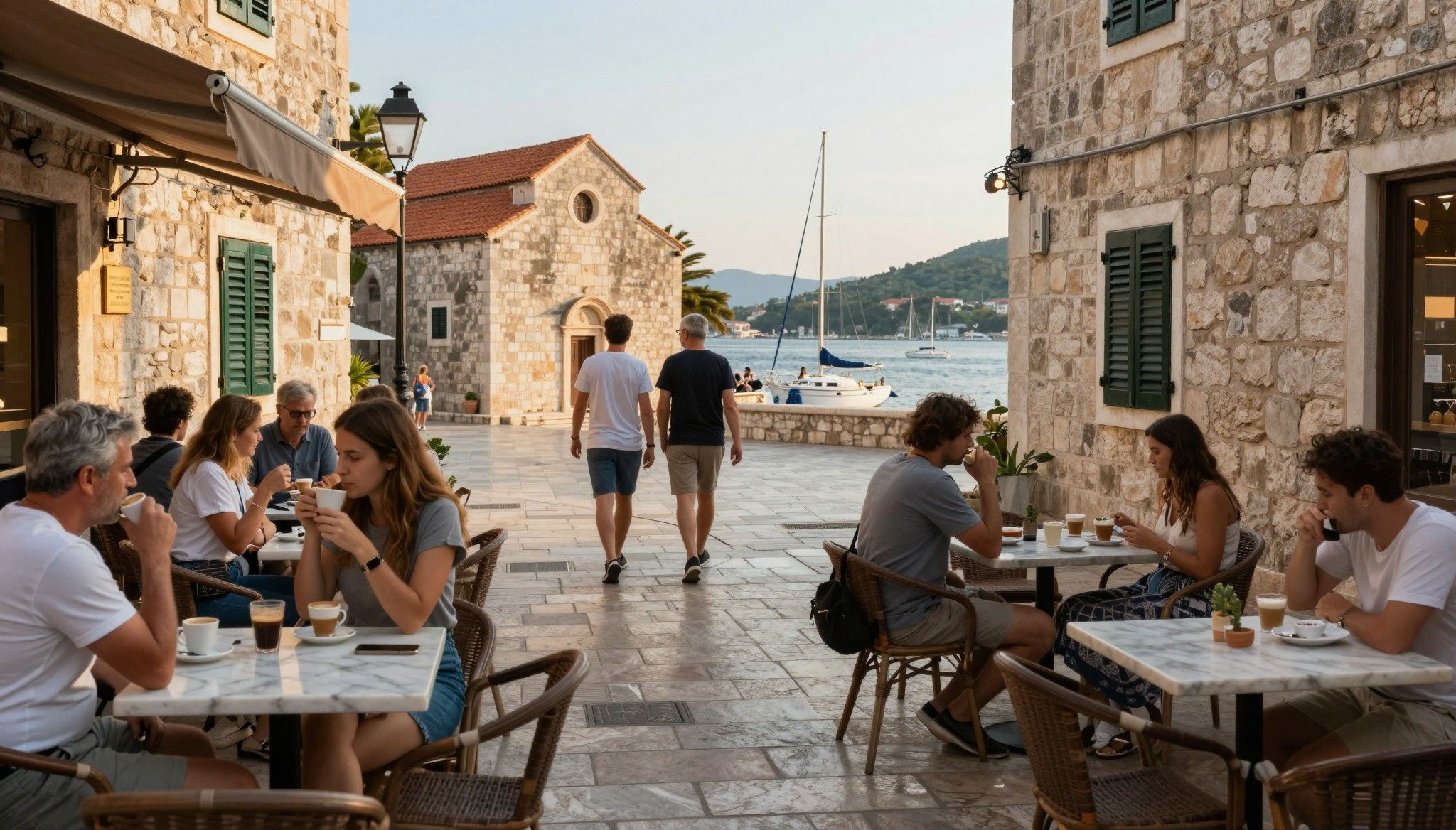
Life in Cyprus moves with clear seasonal cadences: soft winters clustered around tavernas in Nicosia, spring wildflowers in the Troodos foothills, summers that pool around Paphos’s harbours. For buyers, this is not mere romance — neighbourhood choice determines daily rituals, from morning markets to the short commute to international schools or marinas.
Coastal refinement: Limassol and Paphos
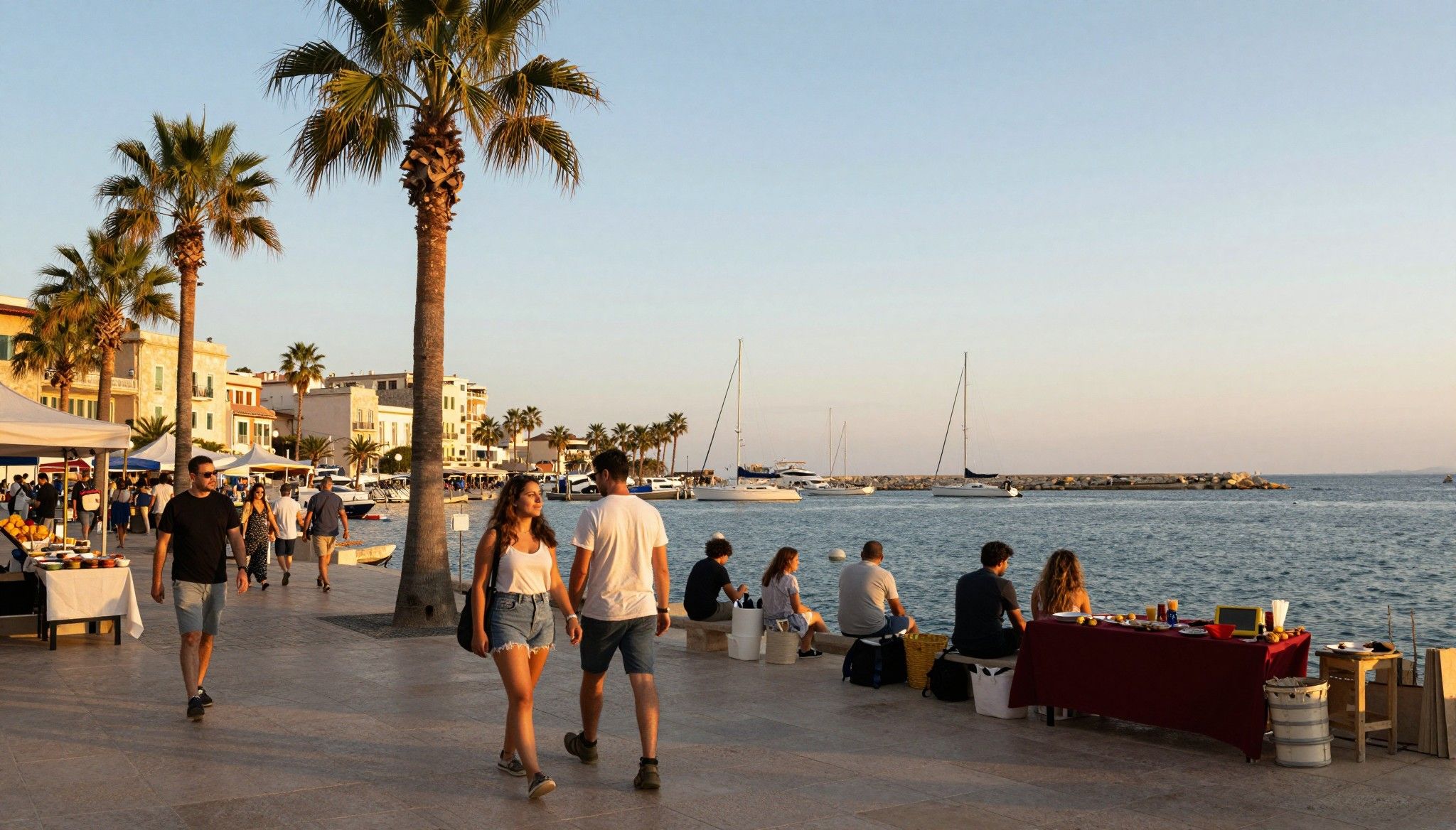
Limassol has a spare, cosmopolitan grace: tree‑lined Promenade cafés, contemporary galleries and discreet villas on Agios Tychonas. Paphos keeps a quieter classicism — UNESCO archaeology, limestone lanes and fish tavernas that open late. Choose Limassol if you want yacht moorings and an active expatriate circle; choose Paphos for measured evenings and neighbourhood familiarity.
Inland and mountain life: Nicosia to Troodos
Nicosia offers layered history and quiet residential pockets such as Strovolos, where tree avenues and family bakeries define daily life. Move higher and Troodos villages give stone houses, narrow streets and a winter light that changes how you use a fireplace and a roof terrace. These choices determine heating needs, renovation budgets and insurance profiles in ways that seaside living does not.
- Lifestyle highlights: Agios Tychonas promenade, Paphos harbour fish market, Nicosia’s municipal bakery on Faneromeni, Limassol Marina’s quiet mornings, Afrodite Hills golf terraces, Troodos Sunday markets.
Making the move: tax realities that shape neighbourhood choices

Your lifestyle preference must be reconciled with Cyprus’s tax architecture. Three features matter most for international buyers: the non‑dom (non‑domicile) regime that can exempt dividends and interest from Special Defence Contribution, the capital gains treatment on immovable property, and whether VAT applies to a purchase. Each influences where in Cyprus a property becomes affordable, and how you structure ownership.
The non‑dom advantage
Qualified non‑dom tax residents — those who meet Cyprus’s residency tests but are not domiciled — can be exempt from SDC on dividends and interest for an initial period (commonly described in practice as up to 17 years). That status changes the calculus for buying company‑owned villas versus holding title personally, and may tilt buyers toward established suburbs where long‑term residency is realistic. Confirm status with a local adviser before structuring ownership.
Capital gains and transfer costs
Capital gains tax is applied to disposals of Cyprus immovable property (commonly at 20% on the taxable gain). Recent policy notes also expanded scope to certain indirect disposals linked to Cyprus property. Transfer fees, seller levies and—where relevant—VAT on a new build can add 4–20% to transaction costs depending on circumstances. These predictable costs should be modelled alongside mortgage, renovation and running costs when comparing neighbourhoods.
- Practical steps to align lifestyle and tax (1) Verify whether you can claim non‑dom status and the residency test you meet; (2) Decide whether to hold title personally, via a Cyprus company or through a trust after discussing CGT and inheritance implications; (3) Ask whether VAT applies to the dwelling (new build vs resale); (4) Budget for transfer fees and the seller’s 0.4% sale levy introduced recently; (5) Factor running costs — local council rates, insurance and maintenance — into neighbourhood comparisons.
Insider knowledge: what expats wish they’d known
A common regret among buyers is treating tax as a postscript. In Cyprus, small planning choices — whether to register children at an international school or to establish a local GP, whether to take a long lease or a freehold — ripple through your tax and residency profile. Local practice matters: agencies that know which municipalities favour expatriate communities, which streets retain title histories, and which vendors are flexible on VAT can save months and significant expense.
Cultural and administrative notes
English is widely spoken in professional services, but formal procedures — deed registration, municipality submissions and tax clearances — follow Cypriot forms and timetables. Allow for paperwork lead times when planning renovations or closing dates, and secure a firm commitment from your solicitor on timing to avoid overlapping tax years or unintended residency consequences.
The long view: stewardship and exit planning
Consider how a property will look in a decade. Cyprus’s tax rules encourage thoughtful exit planning: inheritance and succession laws, potential deemed domicile after prolonged residency, and recent adjustments to CGT scope mean a purchase that suits this season may not suit the next. A modest concession now — structured ownership, a clear will and a documented improvement ledger — often prevents heavy tax friction later.
- Red flags to watch: sellers insisting on quick cash closings without formal deeds, properties with unclear title histories in older villages, ambiguous VAT treatment on ‘partially completed’ developments, and agencies unfamiliar with non‑dom implications for income and inheritance.
- A short checklist before you sign (1) Obtain a local tax residency opinion and non‑dom eligibility check; (2) Secure a written VAT position from seller/agency; (3) Ask for a full title search and municipal clearances; (4) Model after‑tax yields and total cost of ownership for five and ten‑year horizons; (5) Agree a timeline for deed registration with your solicitor and agent.
Cyprus offers a rare combination: sunlit daily life and a tax environment that can reward careful residency and ownership choices. If you come for the markets and the coast, stay for the quiet evenings and the sense that an intentional house can become a tangible legacy. Work with advisers who speak both the language of lifestyle and the language of tax; that dual fluency turns fondness into a durable, well‑structured ownership.
Former Copenhagen architect who relocated to Provence, offering relocation services, market analysis, and a curator’s eye for authentic regional design.