Cyprus: Lifestyle‑First Tax Strategies for Buyers
A lifestyle‑first exploration of Cyprus that pairs sunlit neighbourhoods with practical tax strategies — from non‑dom advantages to transaction realities.
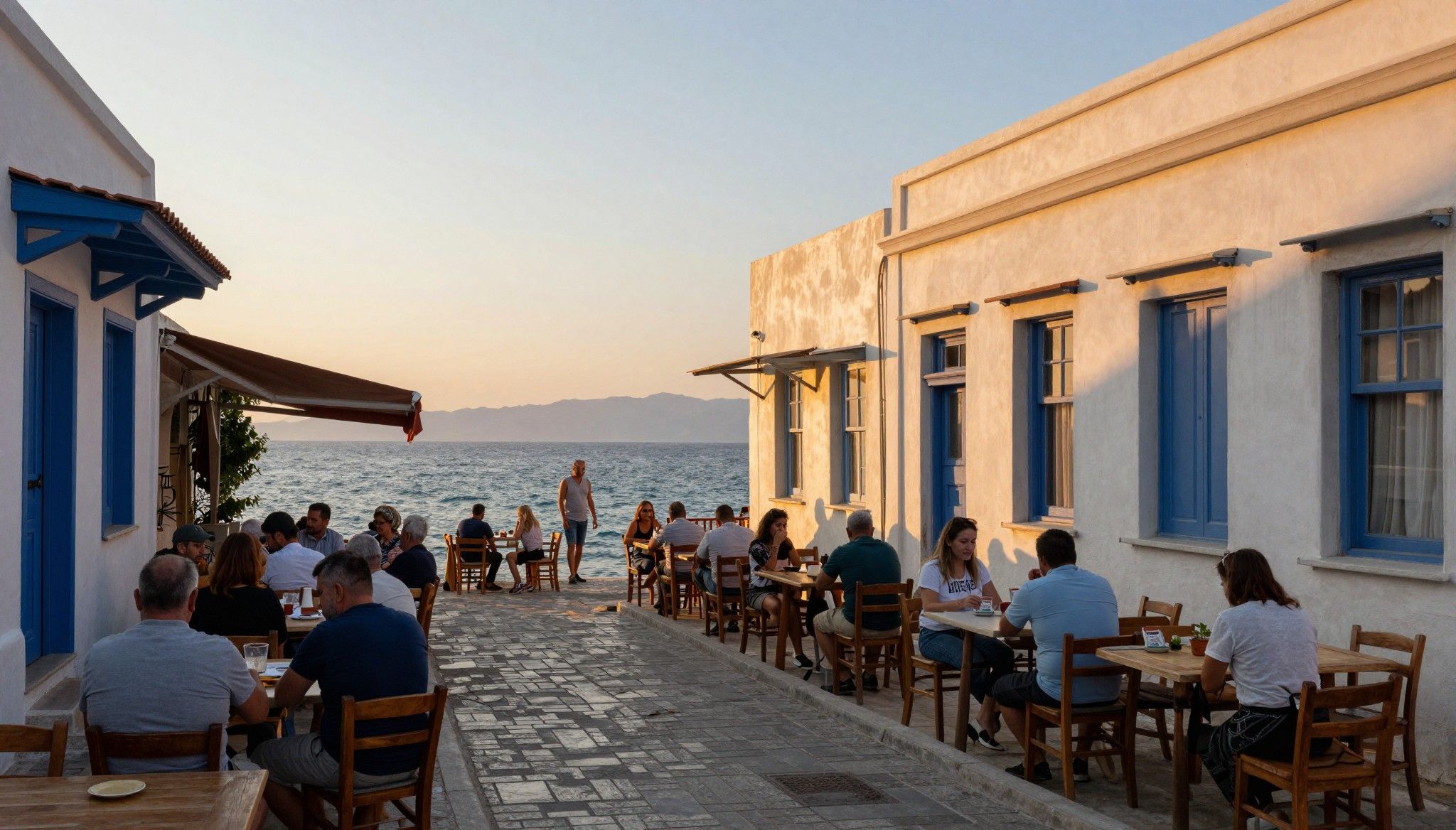
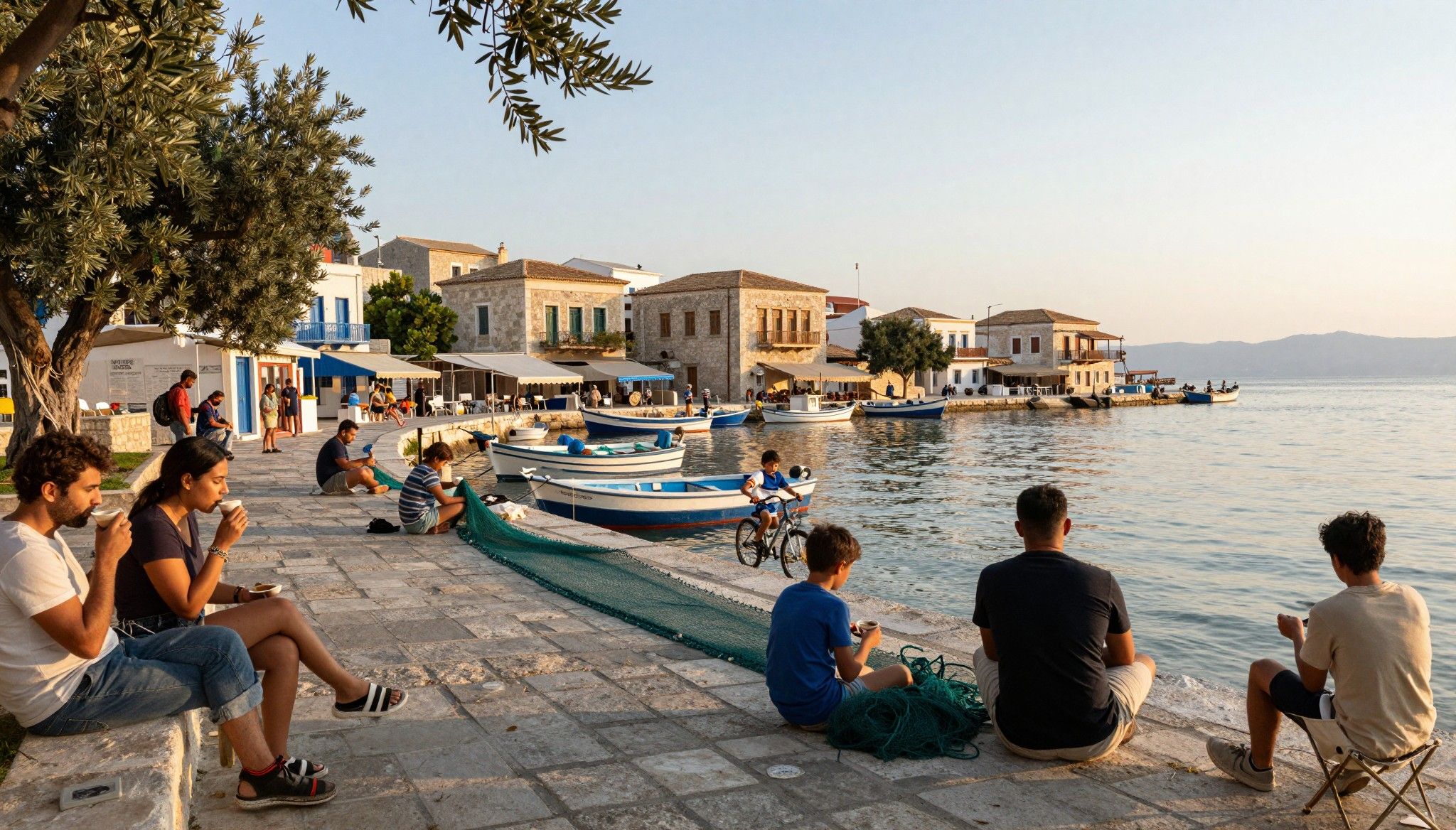
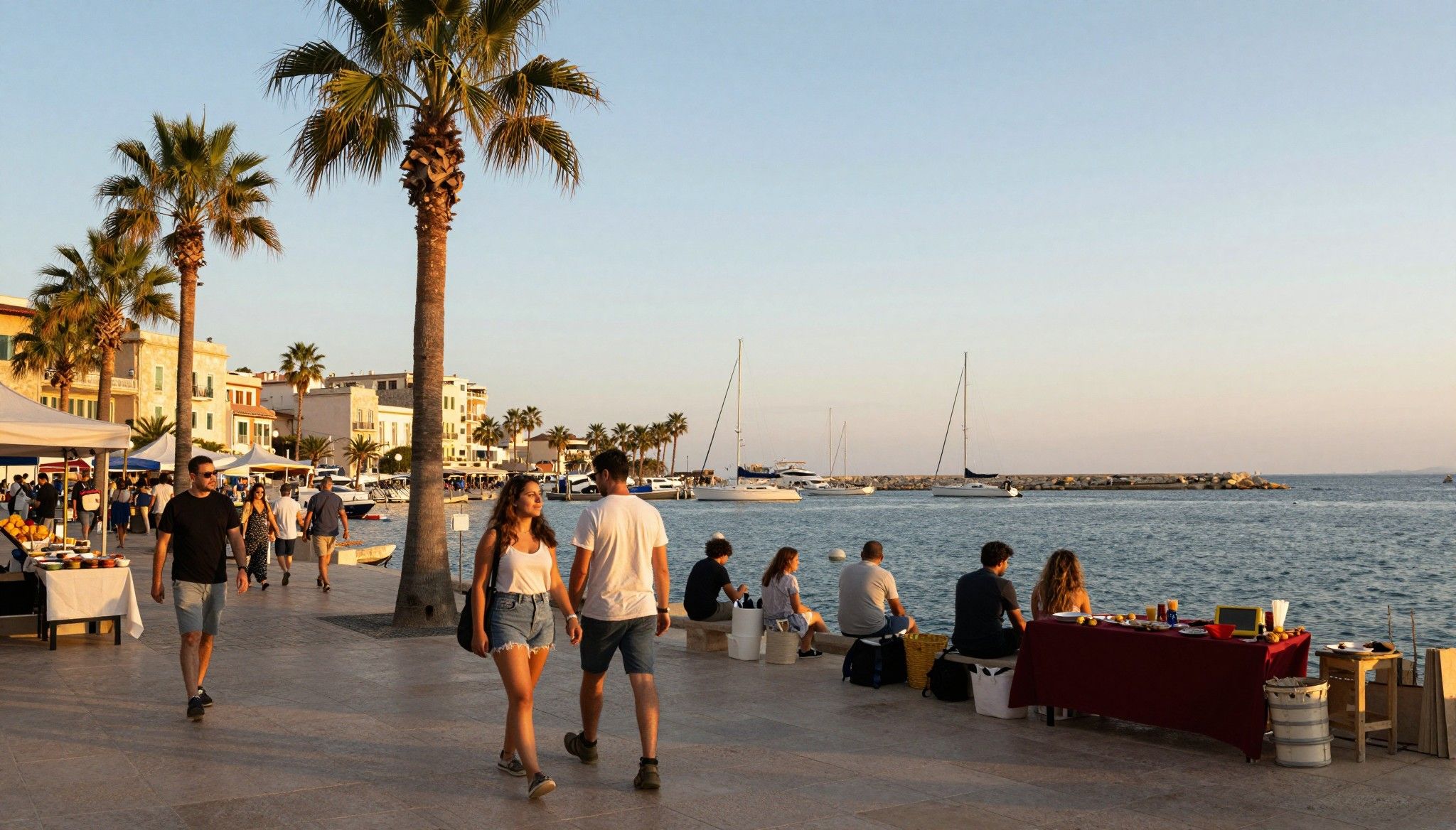
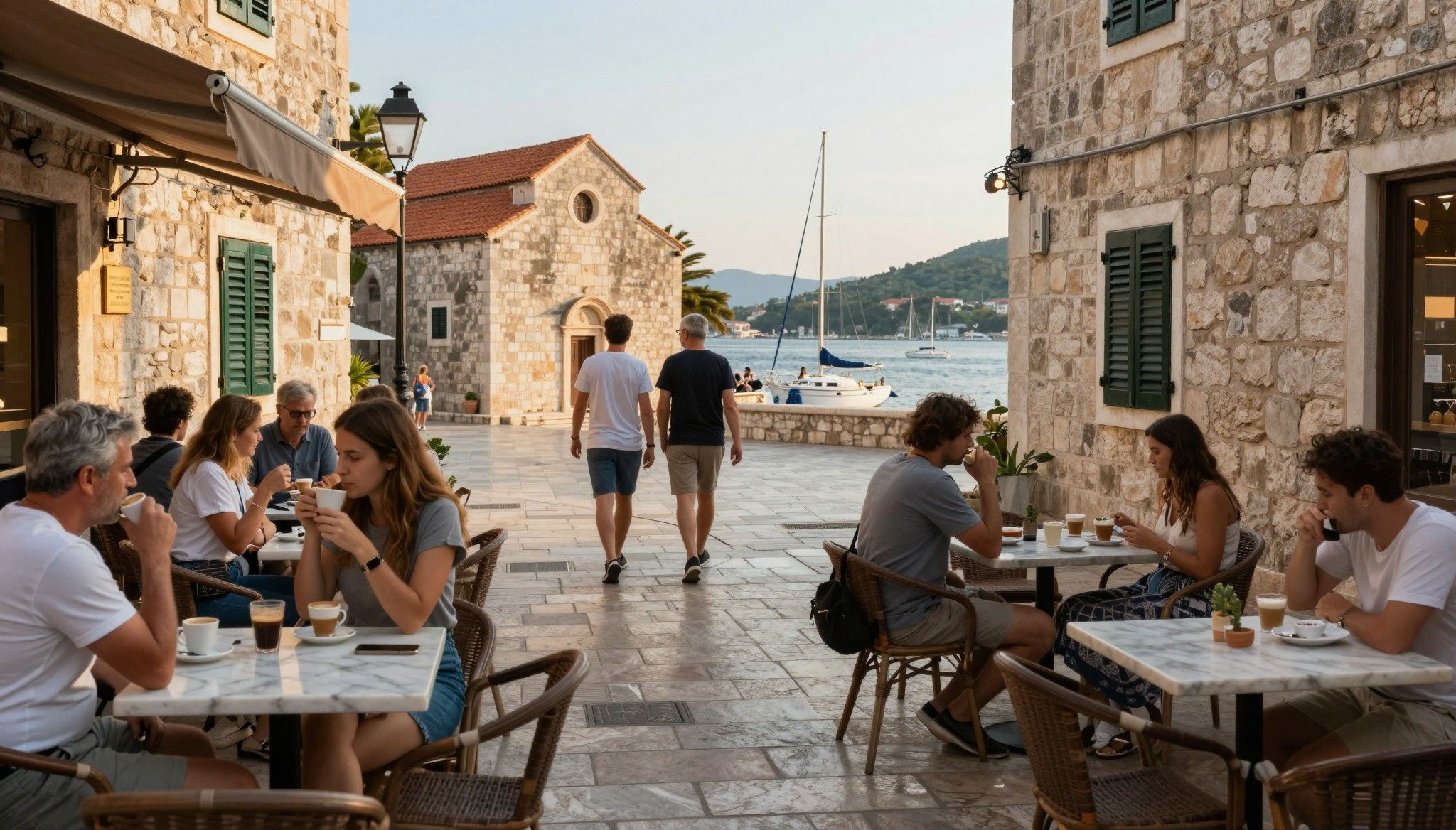
Imagine a late‑afternoon promenade in Limassol: café tables spill onto the pavement, a scent of cardamom coffee and sea salt hangs in the air, and behind the palms a townhouse with shuttered windows waits — provenance stamped into its stone. For many international buyers that sensory promise is the reason to consider Cyprus. Yet the fiscal architecture that frames ownership here can be unexpectedly generous, and — if understood — convertible into a practical advantage rather than a complication. This guide pairs the island’s distinct everyday life with the modern tax realities every deliberate buyer should know.
Living Cyprus: the day-to-day that shapes value
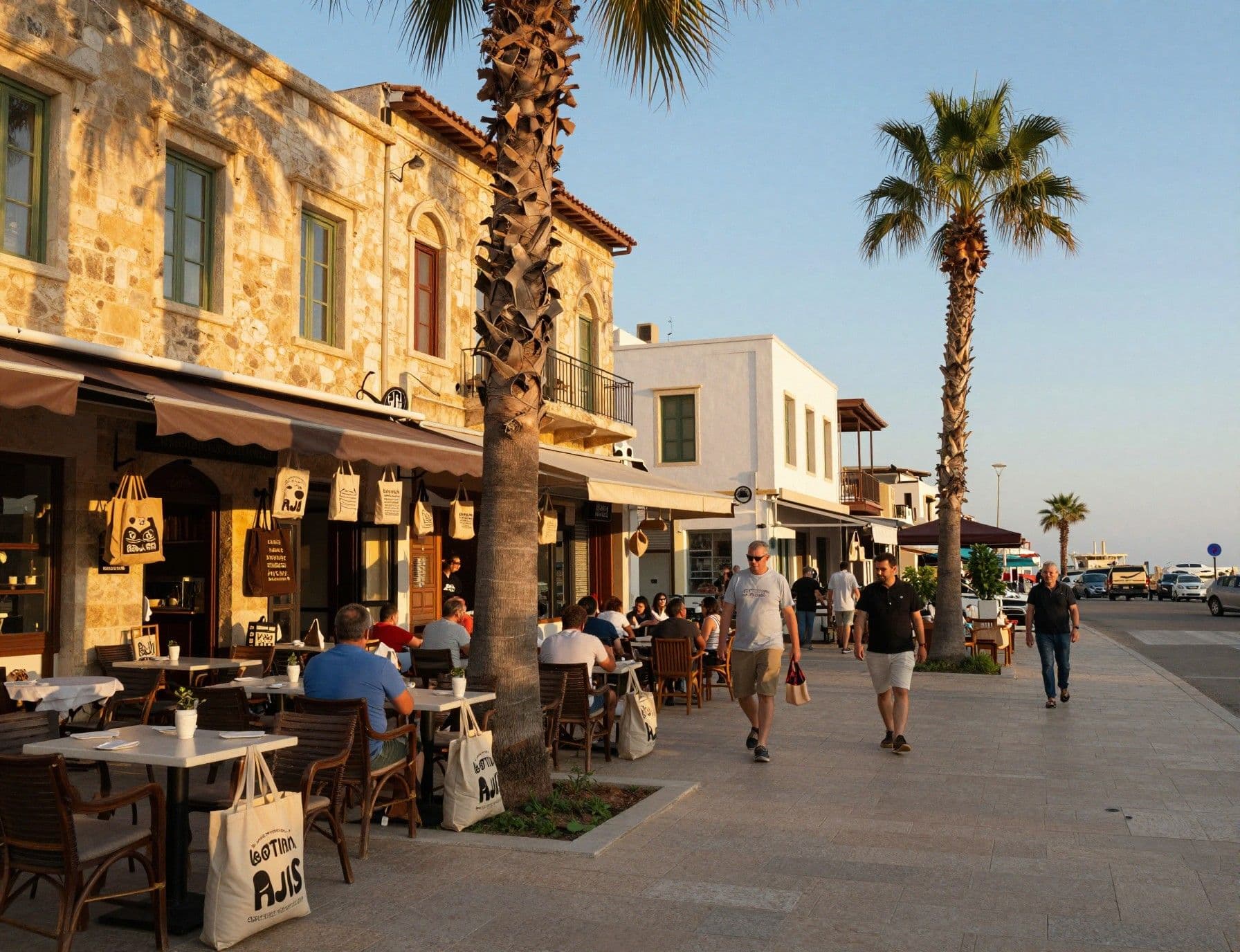
Cyprus is a study in contrasts — Venetian façades in Nicosia, pebbled coves at Ayia Napa, and vine terraces in the Troodos foothills. Days begin with espresso and loukoumades in neighbourhood cafés and end with family‑style seafood dinners beside the sea. These rhythms shape what buyers actually want: a sunny terrace for late afternoons, shade in the high summer, and a kitchen large enough for convivial suppers sourced from the municipal market. Understanding these choices informs the type of property that preserves lifestyle value and long‑term market desirability.
Limassol’s cosmopolitan shore vs. Paphos’ quieter provenance
Limassol’s Molos and old port district hum with contemporary life — boutique galleries, artisan bakeries on Anexartisias Street and evening promenades — making it a natural choice for buyers seeking a blend of refined leisure and rental potential. By contrast, Paphos’ Kato and the backstreets around Kouklia offer quieter authenticity, cobbled lanes and restored stone houses where craftsmanship and slower rhythms matter. Each area carries different tax and rental implications: higher short‑term demand in Limassol versus steadier long‑let appeal in Paphos.
Food, markets and seasons that alter your use-case
Market days and harvest seasons govern how interiors and exteriors are used: summer terraces for al fresco suppers; autumn for truffle‑hunts and mountain hikes in Troodos; winters for long lunches in village tavernas. These patterns influence whether you prioritise short‑term holiday rental income, full‑time residency, or a hybrid use — and that in turn dictates tax treatment and planning choices.
- Lifestyle highlights
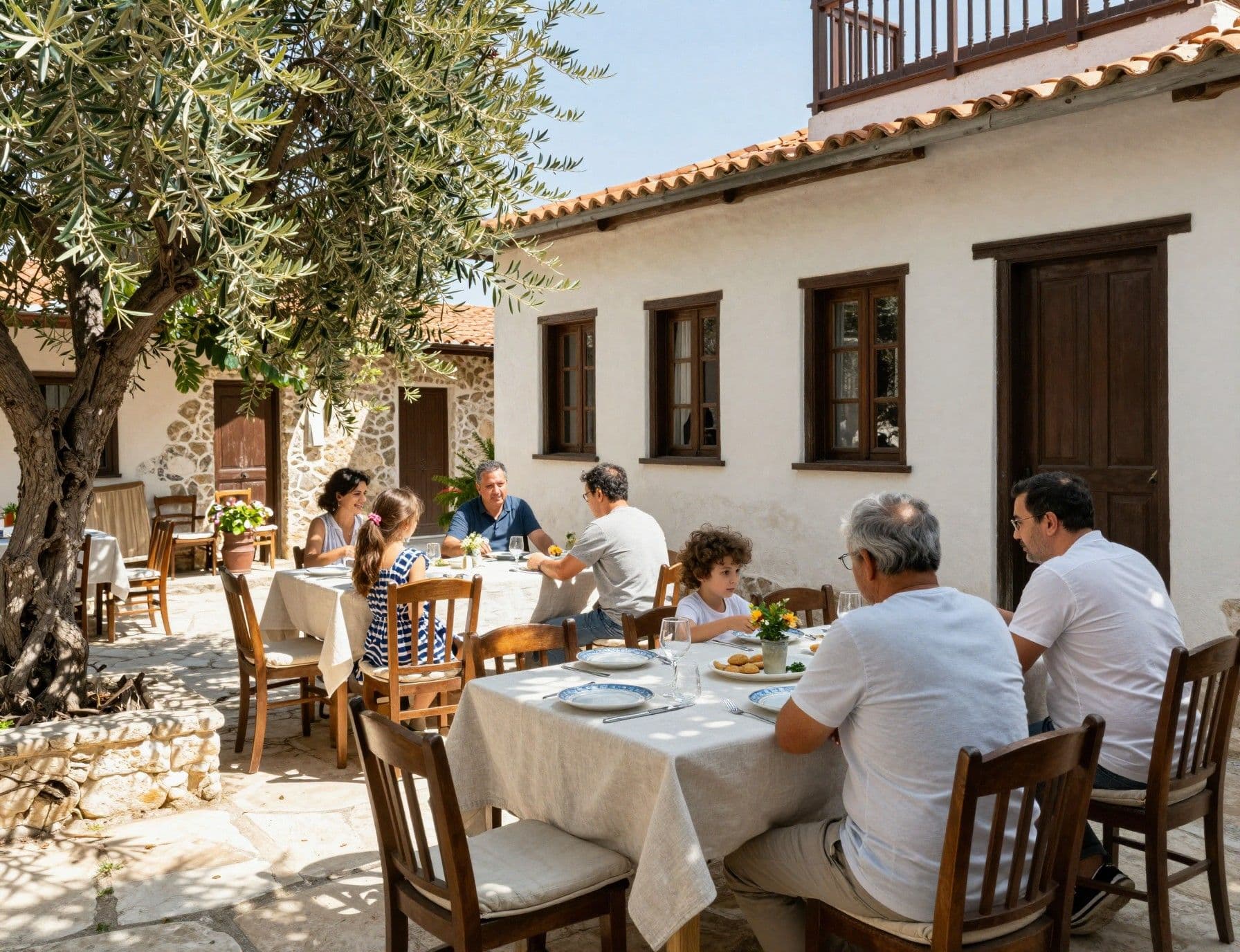
- Morning coffee on Anexartisias, Limassol; afternoon sun on Pissouri Bay; weekend produce at Nicosia Municipal Market; an autumn hike and village lunch in Troodos; a restored stone courtyard in Latchi.
Making the move: how Cyprus’s tax architecture helps — and where it surprises
The island’s tax framework has seen material reforms in recent years. Two practical takeaways matter most for buyers: exemptions that can materially reduce the burden on passive income, and transactional changes — such as the abolition of certain duties — that affect upfront costs. It is essential to pair lifestyle intent (holiday rental, full‑time move, or investment) with a tax posture from the outset.
The non‑dom advantage and passive income
Cyprus offers a non‑dom regime for new tax residents who are not domiciled in Cyprus. Qualifying individuals can be exempt from the Special Defence Contribution on dividends and interest for a significant period, an advantage often overlooked by lifestyle buyers who are primarily interested in where they will spend their afternoons rather than how their passive income will be taxed. For buyers who plan hybrid lives — splitting time between Cyprus and another home — that exemption can influence whether a coastal apartment or a village house makes more sense as a primary residence.
Transactional realities: transfer fees, stamp duty and capital gains
Practical changes have altered the purchase math. Transfer fees remain payable to the Land Registry, and capital gains tax (generally 20% on gains from immovable property in Cyprus) still applies on disposal. Recent reforms have also removed certain stamp duties, reducing upfront friction for some contracts. These technical shifts mean transaction costs can be lower than buyers expect, but capital gains planning and proper valuation records remain essential to avoid surprises at sale.
- Practical steps to align lifestyle with tax outcomes
- Decide intent first: live, rent, or both — this determines residency and tax filing obligations.
- Confirm residency status early: the 183‑day or the 60‑day rule (and non‑dom declaration) have immediate tax consequences.
- Capture acquisition documents, VAT/tax payments and improvement receipts — these reduce the capital gains base on eventual sale.
Insider knowledge: expat realities, red flags and surprising savings
Expats often speak of two surprises after moving here: how quickly one becomes part of local rhythms, and how tax rules that sounded theoretical on a brochure become practically important. For instance, the non‑dom status requires a formal declaration and consistent record‑keeping; without it, passive income can attract different charges. Likewise, municipal fees and utility practices differ by district; the understated maintenance costs of a traditional stone house in a mountain village deserve as much attention as coastal service charges.
Cultural integration and practical language notes
Greek and Turkish are the island’s principal languages, but English serves as the practical lingua franca in business, legal affairs and many municipalities. A local lawyer or accountant who understands both the language and the village rhythms will prevent costly misunderstandings — whether that is confirming title deed histories in Paphos or clarifying municipal planning rules in Limassol.
What buyers commonly overlook
- Hidden-cost checklist
- Title‑deed delays or incomplete registrations; municipal infrastructure levies; VAT exposure on new builds; maintenance of period features; and the tax treatment of mixed‑use rental income.
Working with a local agency that understands both craftsmanship and compliance reduces friction. A measured agent will prioritise provenance and restoration quality for homes where architecture matters, and steer you to tax advisers who can translate how a particular property’s use will be taxed. This is stewardship: buying not just for seasonal pleasure but for generational value.
Conclusion — imagine, then plan: picture mornings at a Paphos courtyard or evenings on a Limassol balcony, and then make tax choices that preserve those scenes. Begin with intent, secure specialist advice on non‑dom and capital gains matters, and treat acquisition documents as part of the design brief for future value. When lifestyle and fiscal clarity align, Cyprus becomes less an exotic purchase and more a considered change of life.
Norwegian with years in Florence guiding clients across borders. I bridge Oslo and Tuscany, focusing on legal navigation, cultural context, and enduring craftsmanship.