Cyprus: Lifestyle‑First Tax Planning for Buyers
A lifestyle-led tax guide to Cyprus: pair neighbourhood nuance with recent VAT, transfer fee and capital‑gains rules to buy with confidence.

Imagine an early autumn morning in Limassol: espresso steam above a sun-warmed pavement, a fisherman mending nets beneath Ottoman-era balconies, and a quietly restored neoclassical townhouse being prepared for viewings. That sensory clarity—the light, the stone, the measured pace—explains why many of us consider Cyprus not merely a destination, but a way of life. Yet the romance of Mediterranean living meets realities of tax law and paperwork. This guide pairs evocative neighbourhood life with concrete, research-backed tax planning that matters when you buy here.
Living the Cypriot Life
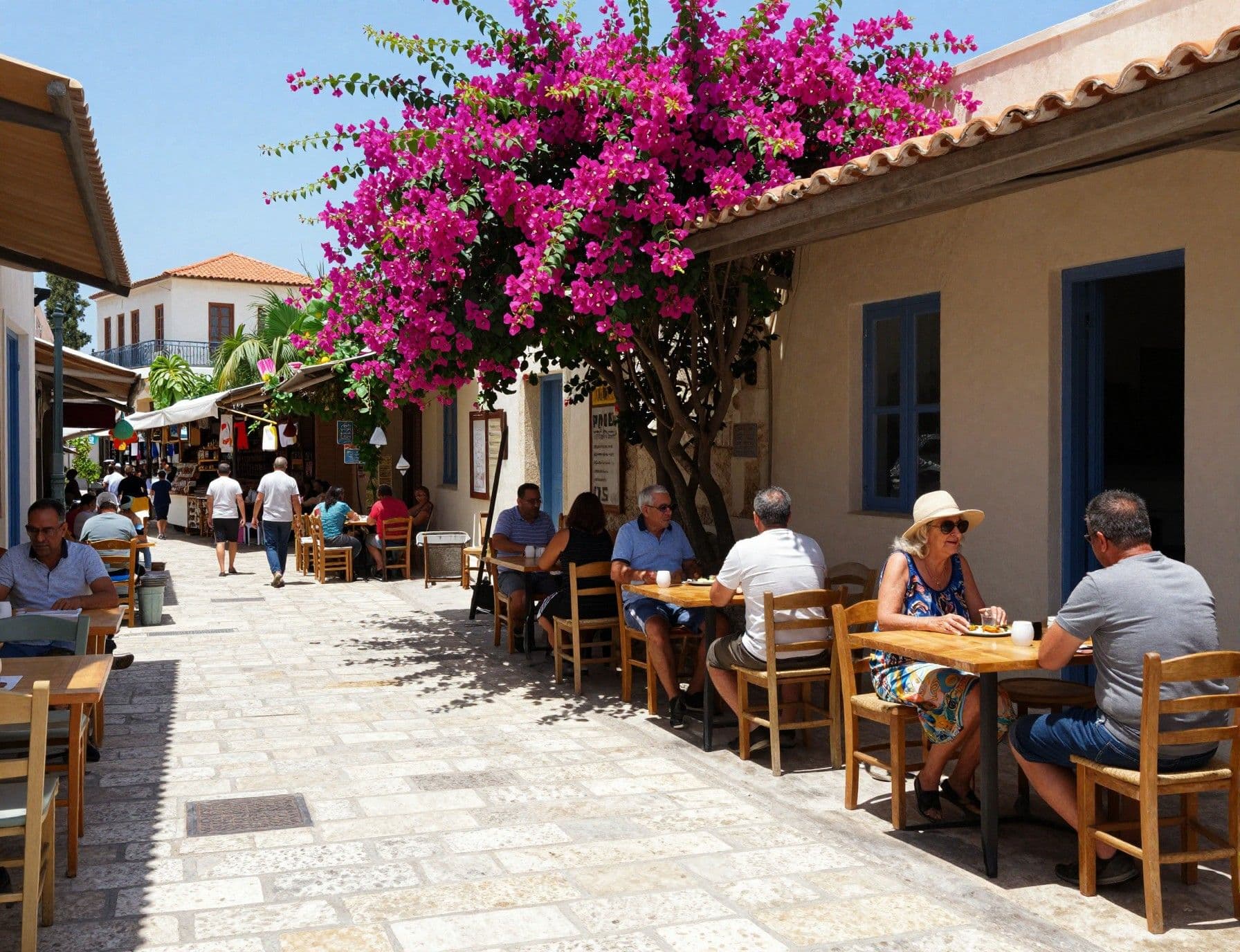
Cyprus is compact in scale and generous in texture: coastal promenades in Larnaca, the maritime bustle of Limassol, the genteel terraces of Platy Aglantzias in Nicosia, and the stone-paved village squares of Paphos’ hinterland. Days are ordered by light—long lunches shaded by vine-laced pergolas, late-afternoon swims on Fig Tree Bay, and evening conversation over meze. For buyers, that variety matters: lifestyle preferences shape tax treatment and the type of property worth seeking.
Neighbourhoods that reward slow observation
Spend an afternoon in Limassol’s Old Port and you’ll understand why townhouses and low-rise villas there appeal to those who prize proximity to cafés and the marina. Conversely, buyers drawn to quiet provenance often choose Tala or Kato Paphos—villages where stonework and centuries-old churches shape daily life. Each address carries tax and planning consequences: residence status, potential VAT relief for new homes, and differences in municipal levies.
Food, ritual and the calendar
Seasonality animates the island: olive harvests in late autumn, pantries stocked with sun-dried figs, and spring festivals that fill village halls. Those rhythms influence how you use a property—and therefore its tax profile. A second home used intermittently differs in treatment from a declared primary residence; that distinction can affect eligibility for reduced VAT and other incentives introduced in recent reforms.
- Lifestyle highlights to seek in a Cypriot address: Limassol’s marina cafés; Paphos’ archaeological promenades; Larnaca’s Finikoudes sea breeze; Kato Drys village tavernas; morning markets at Nicosia’s municipal square; coastal walking routes at Avdimou.
Making the Move: Practical Considerations

The practicalities matter: recent legal changes have reshaped VAT treatment for new homes, altered stamp duties, and clarified transfer fees. For buyers with a lifestyle brief—seaside terrace for family summers or a quiet townhouse for permanent residence—these rules materially affect final cost and long‑term flexibility. Read them alongside neighbourhood choices to avoid surprises.
Property types and tax implications
New-build apartments from developers may attract VAT (standard 19%) but a reduced 5% rate can apply where statutory conditions—use as primary residence, size limits, and duration of occupation—are met. Older, resale homes are generally outside VAT but incur transfer fees and other registration costs. Choose the building type with both daily life and tax treatment in mind.
Working with experts who understand both life and law
A local lawyer and an adviser versed in Cyprus tax law are indispensable. They confirm whether a property qualifies for reduced VAT, estimate transfer fees charged by the Department of Lands, advise on stamp duty (recent reforms removed some duties for contracts after Jan 1, 2026), and help structure ownership to match your intentions—permanent residence, seasonal use, or rental. This is not paperwork alone; it is stewardship of how you will live.
- Steps to marry lifestyle and tax sense: 1) Define intended use (primary vs. second home). 2) Check VAT eligibility early—apply before large payments. 3) Obtain a local tax lawyer to review contract clauses. 4) Budget for transfer fees, CGT contingencies, and municipal charges. 5) Consider ownership vehicles only after tax counsel.
Insider Knowledge: What Expats Wish They’d Known
Expat buyers commonly underestimate the administrative cadence here: title-deed timelines, the need for certified translations, and the interplay between municipal rates and tourism cycles. Many newcomers are surprised to learn that tax choices they make at purchase—declaring a property as principal residence, applying for reduced VAT—carry obligations for years. Those obligations are manageable if anticipated.
Cultural and everyday cues that affect ownership
Language is helpful but rarely a barrier: English is widely used in transactions and services. Socially, Cypriots value long-term relationships; a trusted local advocate—an agent or solicitor—opens doors and clarifies unwritten practices such as informal agreements with builders or seasonal rental expectations. Respect for craft and provenance extends to buildings: restoration quality influences resale appeal and, often, tax treatment connected to allowable renovations.
Long-term lifestyle and tax foresight
Think beyond purchase: capital gains tax applies to gains from Cyprus-situated immovable property; exemptions and allowances change over time. If you intend to rent seasonally, plan for VAT and income tax implications. Stewardship-minded buyers prefer structures that permit careful succession planning while keeping living costs predictable.
- Red flags and practical checks before you sign: • No clear title or delayed deed transfer documentation. • Missing evidence that a new-build developer has applied for reduced VAT. • Contracts that shift tax liabilities to the buyer after signing. • Ambiguous clauses about future maintenance or communal charges. • Unpriced municipal or coastal-zone restrictions limiting use.
If the dream is a slow life—market mornings, late dinners, a terrace where light softens into sea-scented dusk—do not let tax complexity extinguish it. Start with the lifestyle you desire, then assemble the legal and fiscal team to protect that life. An adviser who understands both Limassol’s marina rhythms and the technicalities of VAT or transfer fees will let you buy with confidence rather than concession.
Next steps
Begin with a shortlist of neighbourhoods that match your lifestyle, then ask an adviser to map tax outcomes for each scenario. Request written confirmation of VAT eligibility from developers before signing, check title-deed status, and budget for transfer fees and potential capital gains events. When lifestyle and law align, Cyprus rewards patiently chosen stewardship.
Dutch former researcher who moved to Lisbon, specialising in investment strategy, heritage preservation, and cross-border portfolio stewardship.