When Croatia’s Tax Changes Reshape Your Property Story
How seasonal life, VAT vs transfer tax and recent local levies change the cost of owning in Croatia — and the practical tax moves that protect lifestyle and capital.
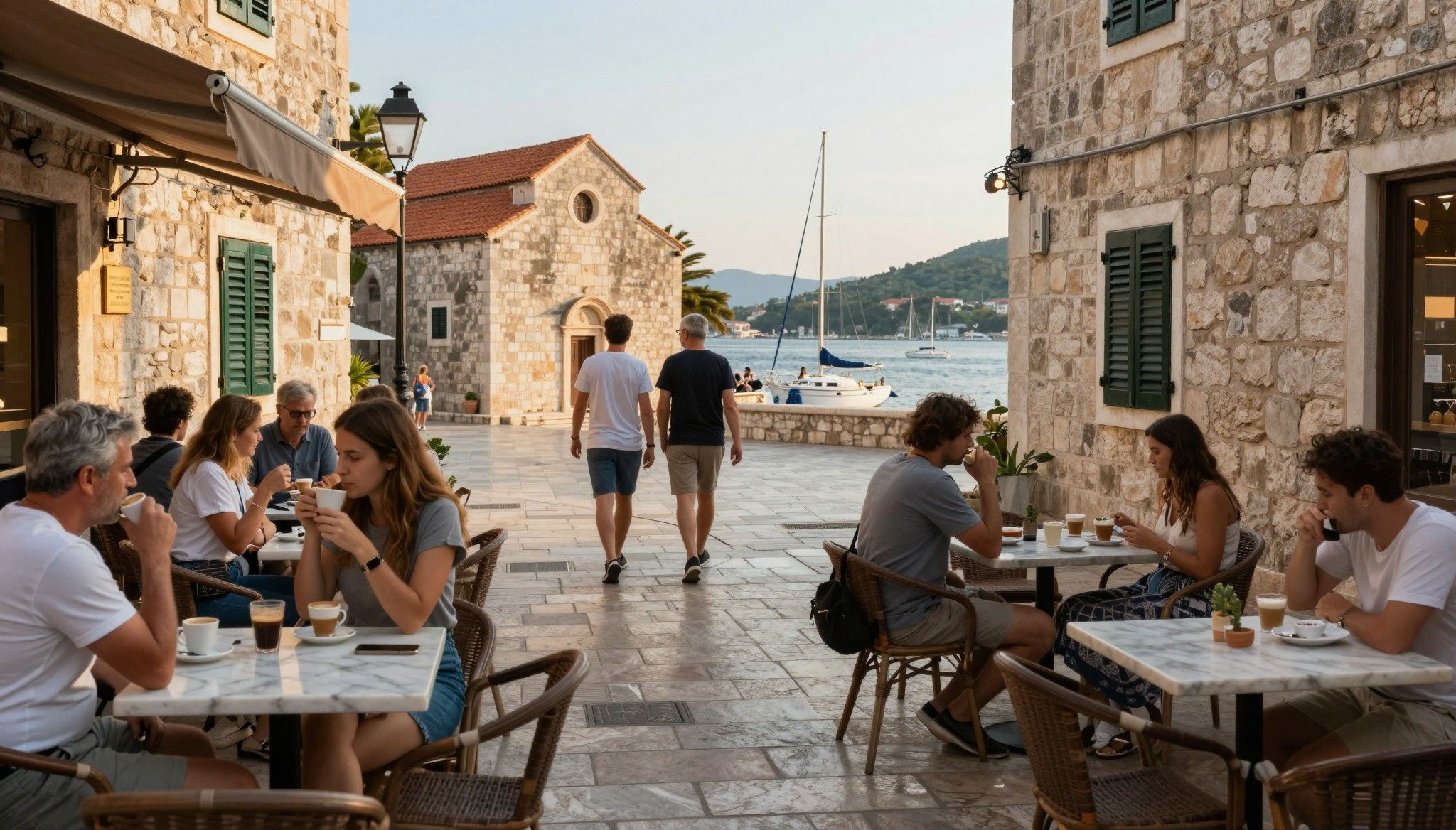
Imagine arriving in Zagreb on an autumn morning: steam from a café at Tkalčićeva, limestone facades warm with low sun, and local markets unloading figs and smoked ham. In Croatia the rhythms of life — island summers, quiet continental winters, weekly market rituals — shape not only how you live, but how your taxes and property stewardship play out across years.
Living the Croatia life — more than a sea view
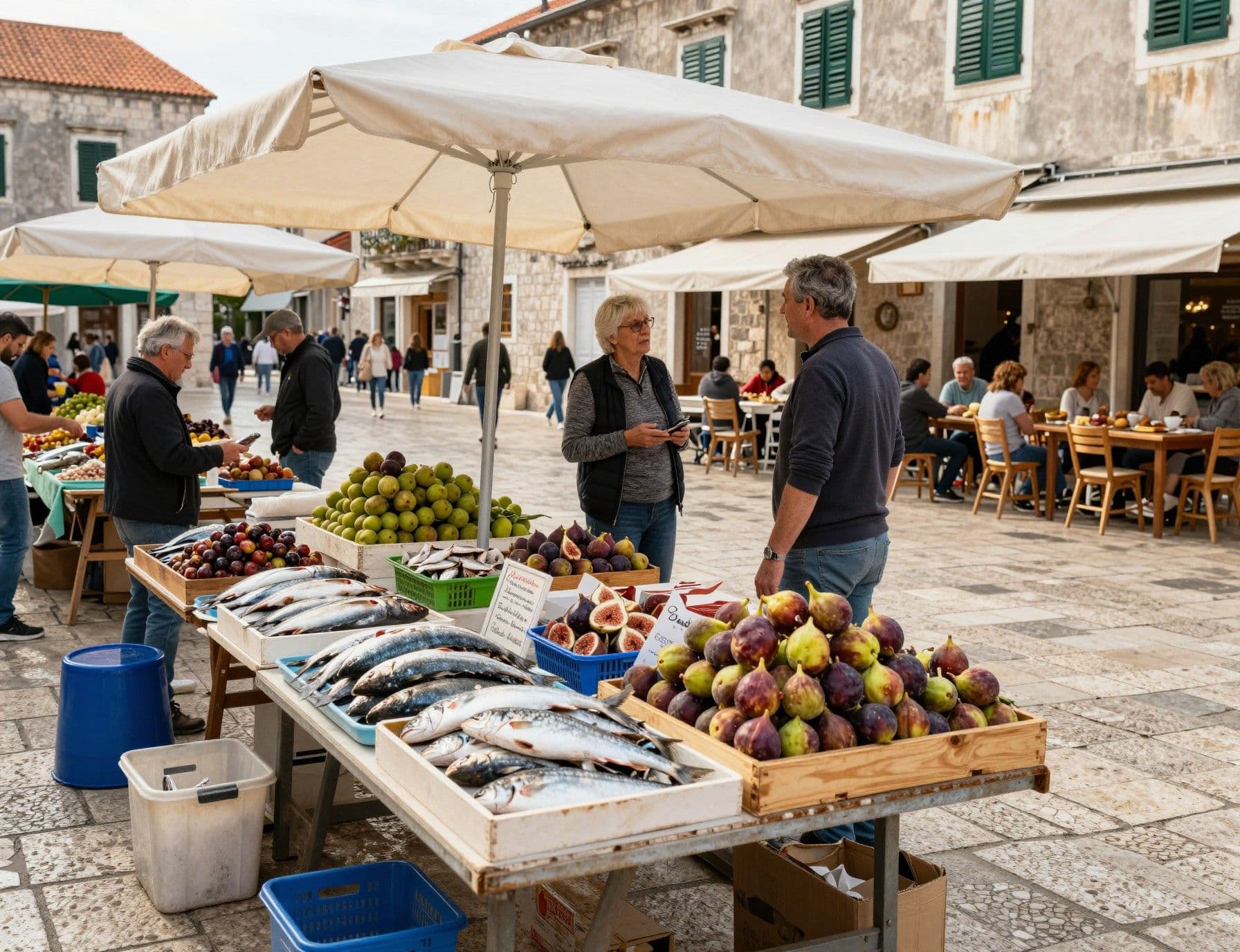
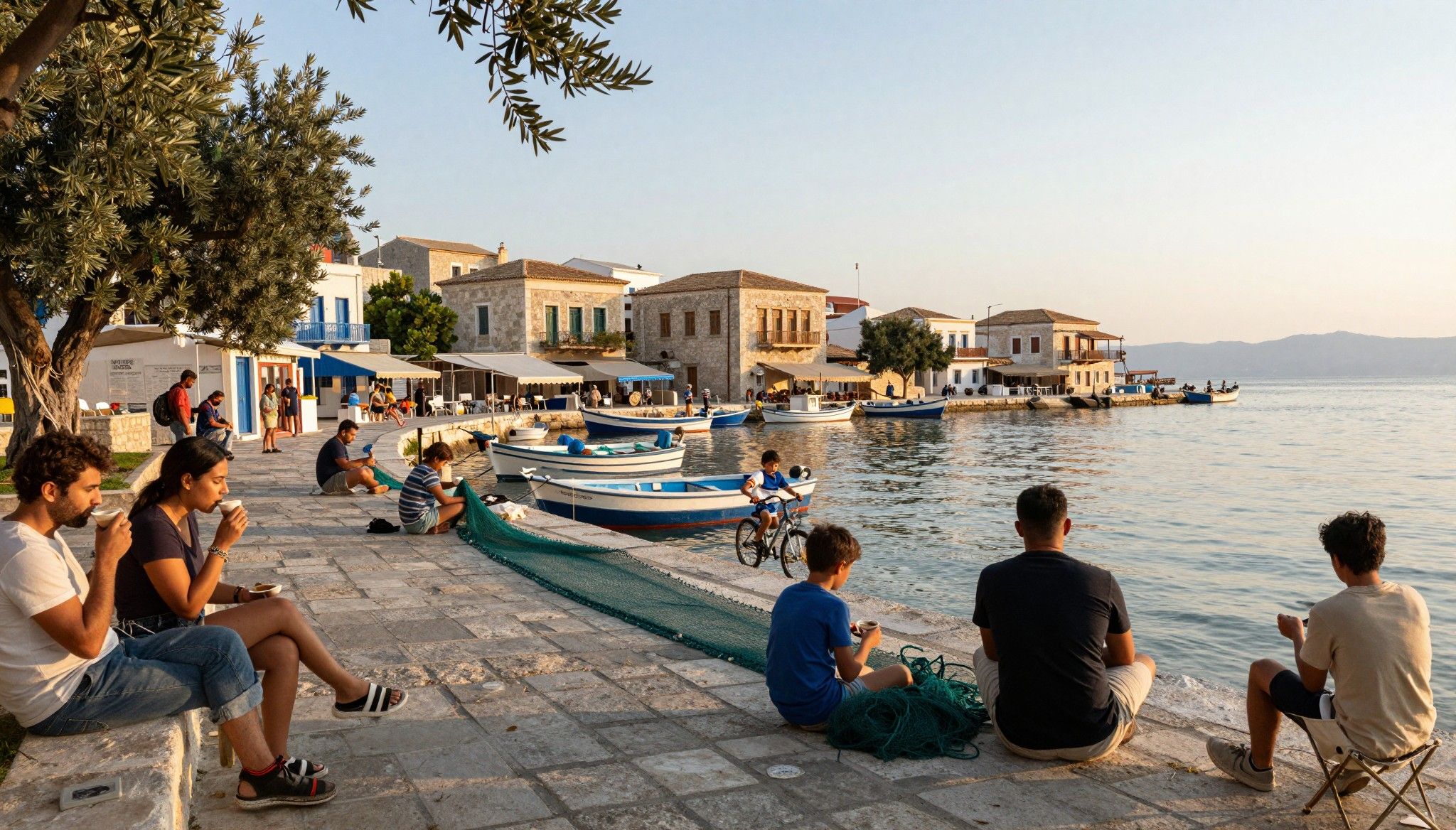
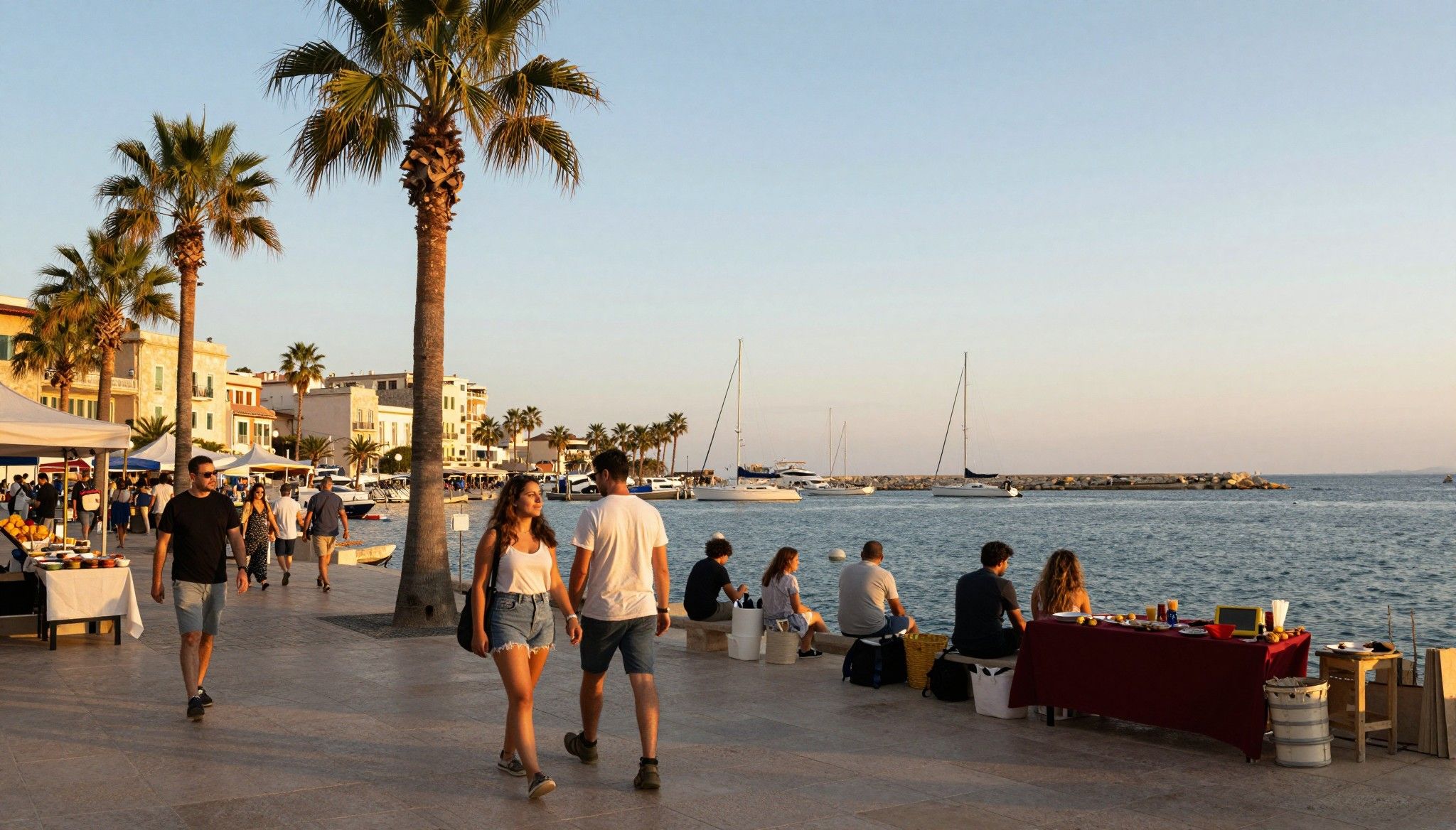
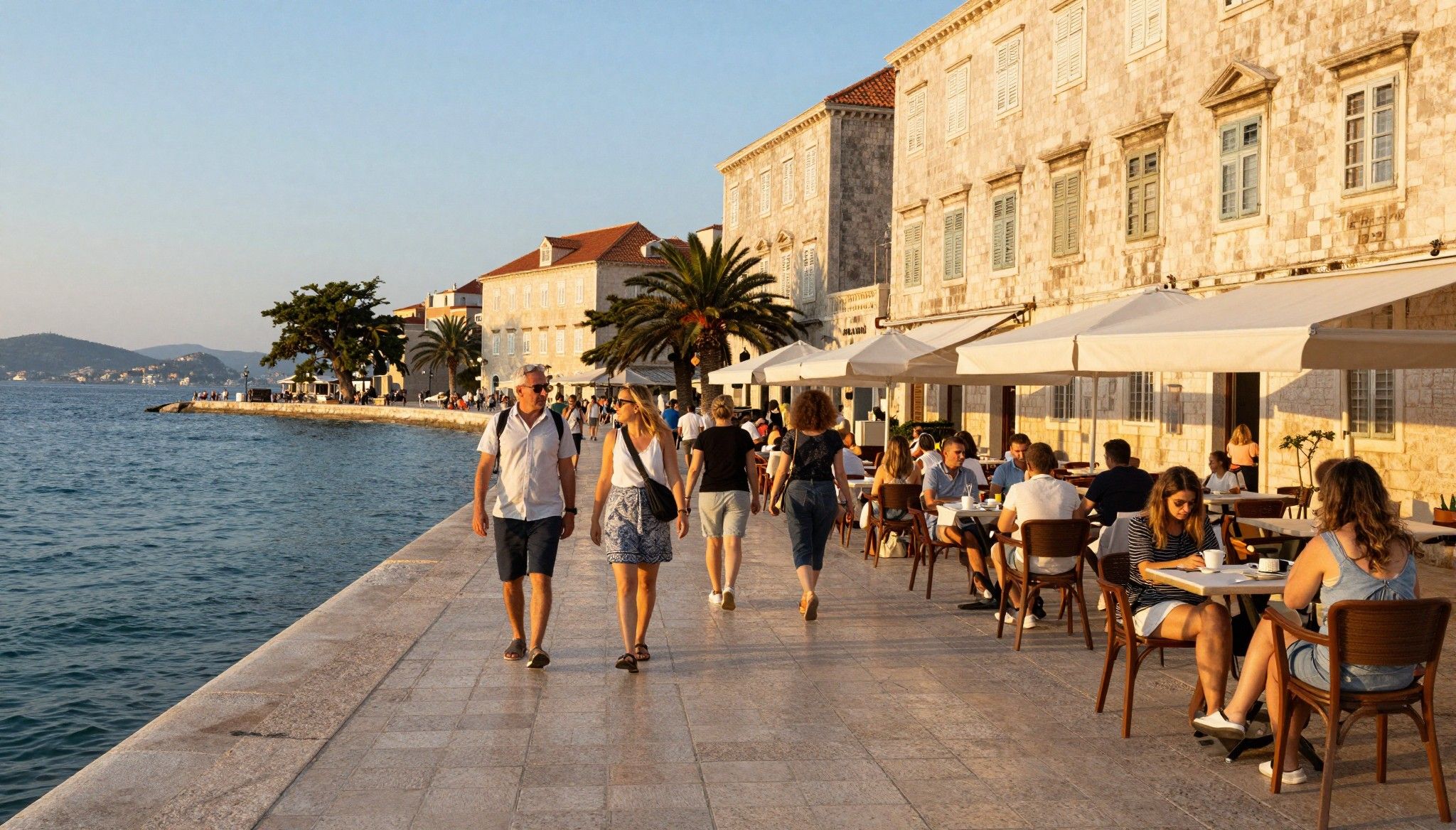
Life here is intimate with place: morning espresso in Split’s Varoš, fishermen mending nets in Komiža, late‑afternoon promenades along Dubrovnik’s Ploče. Recent official data show domestic housing values rising nationally, especially in coastal towns — a fact that delights those seeking lifestyle uplift and complicates tax planning for long‑term owners. (See DZS house price index.)
Zagreb, Dalmatian islands and Istria — contrasting tempos
Zagreb hums year‑round with galleries, restaurants and a settled expat community; Split and the islands move with tourist seasons and fishing schedules; Istria feels Provençal — markets, truffle hunts and slow Sundays. Each tempo alters occupancy patterns, rental potential and the practical tax reality of owning a second home versus a primary residence.
Food, markets and everyday pleasures that shape choices
Picture Saturday at Pula’s market, a table of aged Pag cheese, and an evening of konoba dining under grapevines. Those sensory patterns inform where buyers spend: proximity to markets, quality of local produce and year‑round community activity often outweigh headline sea views when assessing both livability and likely tax treatment of a property.
- Market and lifestyle highlights: morning markets in Dolac (Zagreb), Vela Luka (Korčula), cafés on Split’s Riva, Istrian truffle walks, small harbours in Hvar where locals still mend nets.
Making the move: practical considerations that protect lifestyle and capital
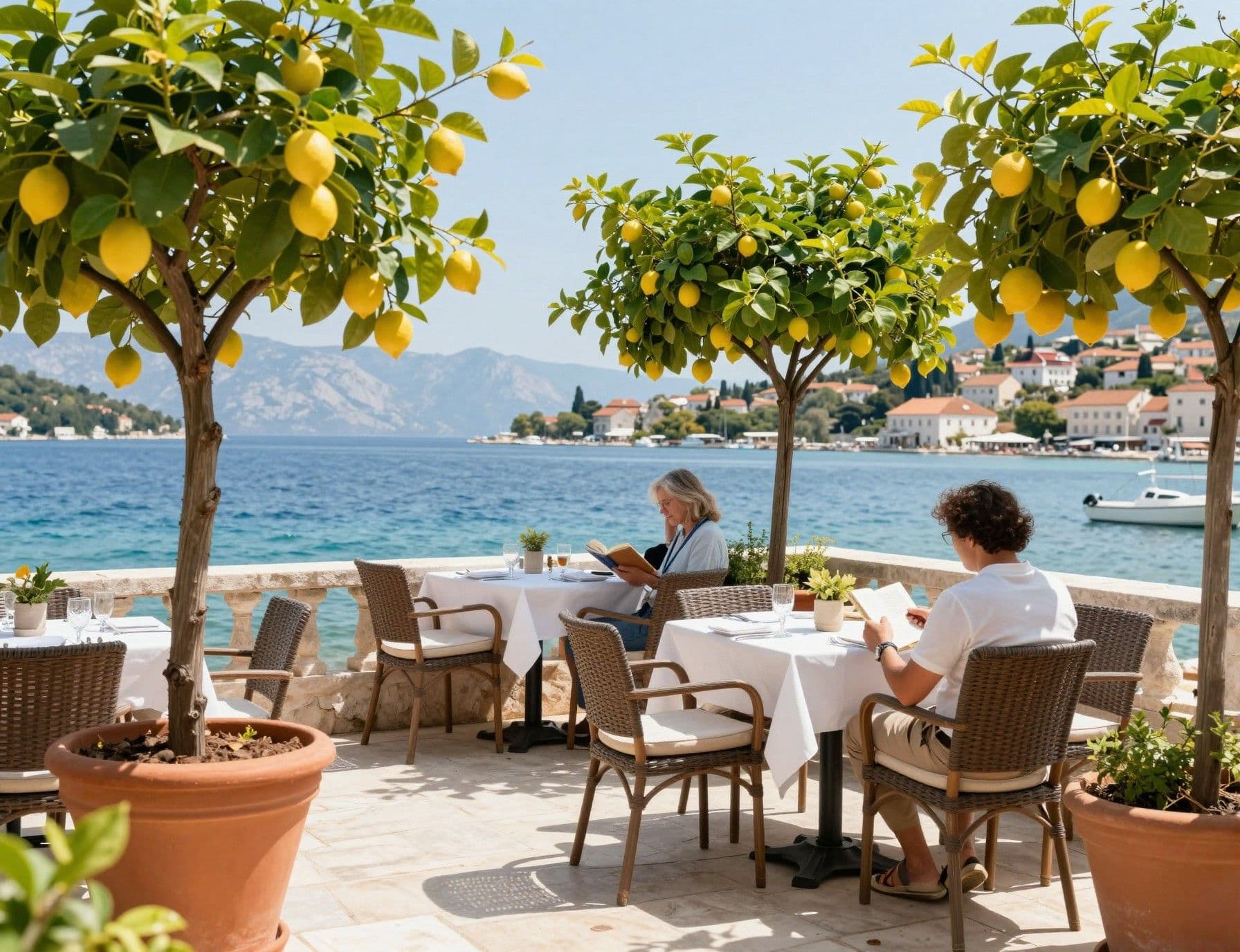
The romance of morning markets must meet paperwork. Tax residence, transfer taxes, VAT on new builds and recent local property levies all influence whether a dream house becomes an enduring asset or a maintenance drain. Understanding how Croatian tax rules classify residents and non‑residents is the first practical step toward retaining the life you imagine.
Property styles and what they mean for tax and living
A stone konoba in a UNESCO town and a new apartment in a developer block are taxed differently at purchase and during ownership. Resale (secondary) transactions typically attract a 3% transfer tax; new builds usually include 25% VAT in the advertised price. These distinctions change negotiation strategy and effective purchase cost — critical if you value craftsmanship and long‑term stewardship over speculative flips.
Working with local experts who protect lifestyle choices
Agents who understand neighbourhood rhythms — which streets fill with locals in winter, which cafés close in November — are also the ones who know the practical tax levers: how to structure purchase contracts, whether a VAT or transfer‑tax route is preferable, and when forming a Croatian company for rental management reduces friction. Local tax counsel and notaries are indispensable.
- Steps that blend lifestyle and tax sense: 1) Confirm your tax residency status early and its timing implications. 2) Decide between new build (VAT) or resale (transfer tax) based on net cost and intended use. 3) Consider a Croatian legal entity when professional lettings are planned. 4) Factor in recent municipal real estate taxes when budgeting annual holding costs.
Insider knowledge: tax myths, red flags and counterintuitive moves
Myth: foreigners pay higher property taxes. Reality: transfer tax and VAT rules apply equally; what changes is administrative approval for non‑EU buyers in certain cases. Red flag: sellers who insist on cash‑only deals to avoid transfer taxes. Counterintuitive truth: sometimes buying a new build (with VAT) simplifies paperwork and avoids negotiation over declared market value, which can reduce disputes at resale.
Cultural nuances that affect ownership and taxation
Croatians prize provenance and clear title — deeds, cadastral maps and provenance papers matter. Municipalities may introduce local property levies; recent reforms allow local units to set annual taxes by square metre. Respecting local customs — hiring a local surveyor, attending a notary meeting in person when required — avoids procedural slowdowns that become costly in tax and time.
- Red flags and practical checks: • Seller reluctant to produce cadastral extracts or recent utility bills. • Unclear ownership history or off‑plan promises without developer guarantees. • Vague language about VAT vs transfer tax in the sales contract. • Municipal notices about new local property taxes or zoning changes near the property.
For many buyers the trade is simple: forgo a little coastal glamour and choose a neighbourhood with year‑round life, clear title and manageable taxes. The result is not merely a house with a sea view but a life that feels rooted, a community you inhabit across seasons and a tax position that does not erode your enjoyment.
- Practical next steps: 1) Ask your agent for recent comparable sales and the tax route used (VAT vs transfer tax). 2) Retain Croatian tax counsel before signing to confirm residency implications. 3) Budget for closing costs (3–8% typical) and for emerging annual municipal levies. 4) Prioritise properties with clear cadastral documentation and evidence of compliant restorations.
If you cherish provenance and quiet craft over fleeting panoramas, Croatia rewards patient stewardship. Begin with a neighborhood — Senj’s stone lanes, Rovinj’s harbour, Šolta’s quiet terraces — then work backward to contractual structure and tax planning. The life you buy should be the life you keep.
Relocating from London to Mallorca in 2014, I guide UK buyers through cross-border investment and tax considerations. I specialise in provenance, design integrity, and long-term value.