Croatia: Lifestyle‑First Tax Planning for Buyers
Practical, lifestyle‑first tax planning for buying property in Croatia: when VAT or the 3% transfer tax applies, seasonal yield realities and a clear checklist for buyers.
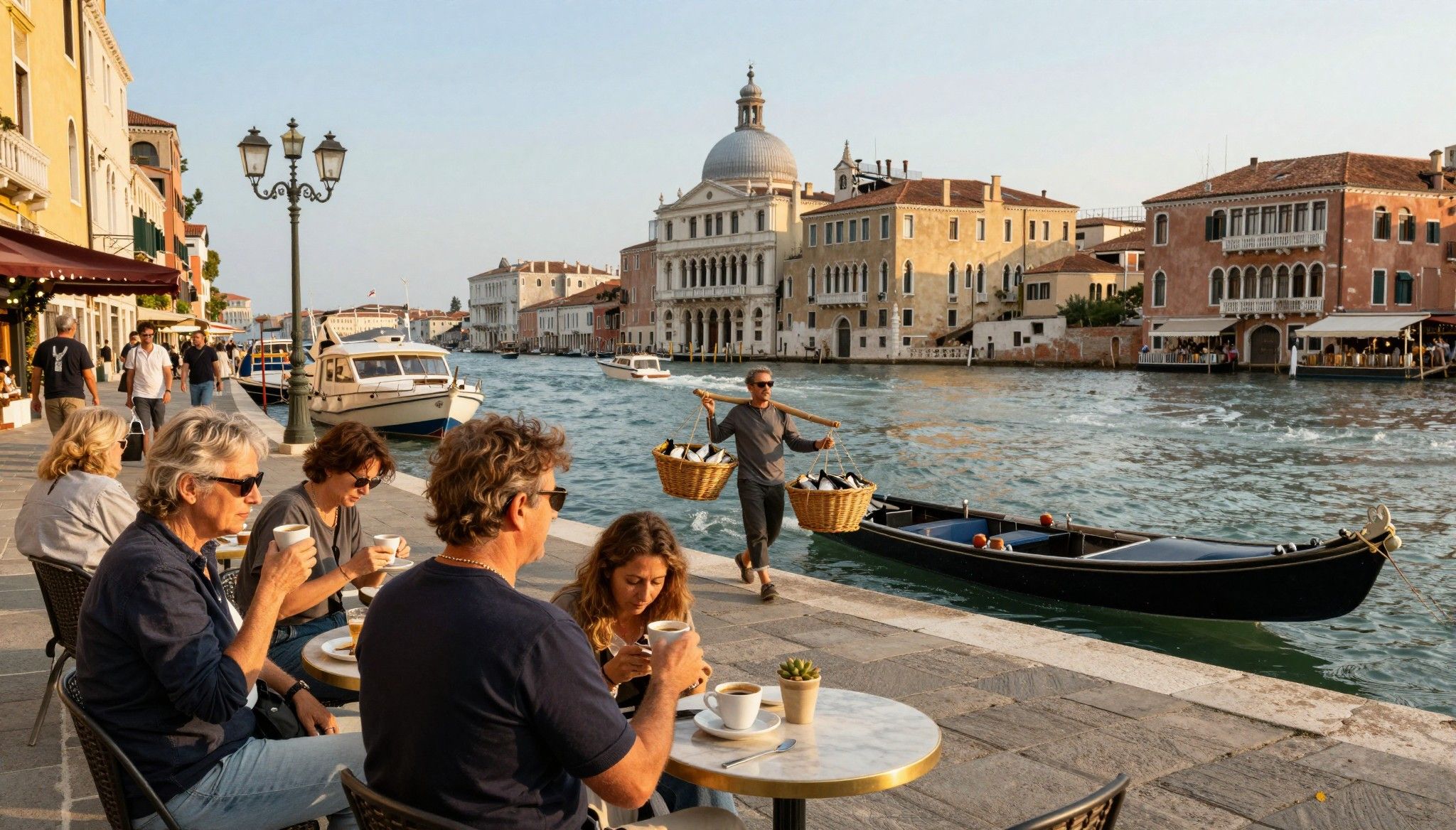
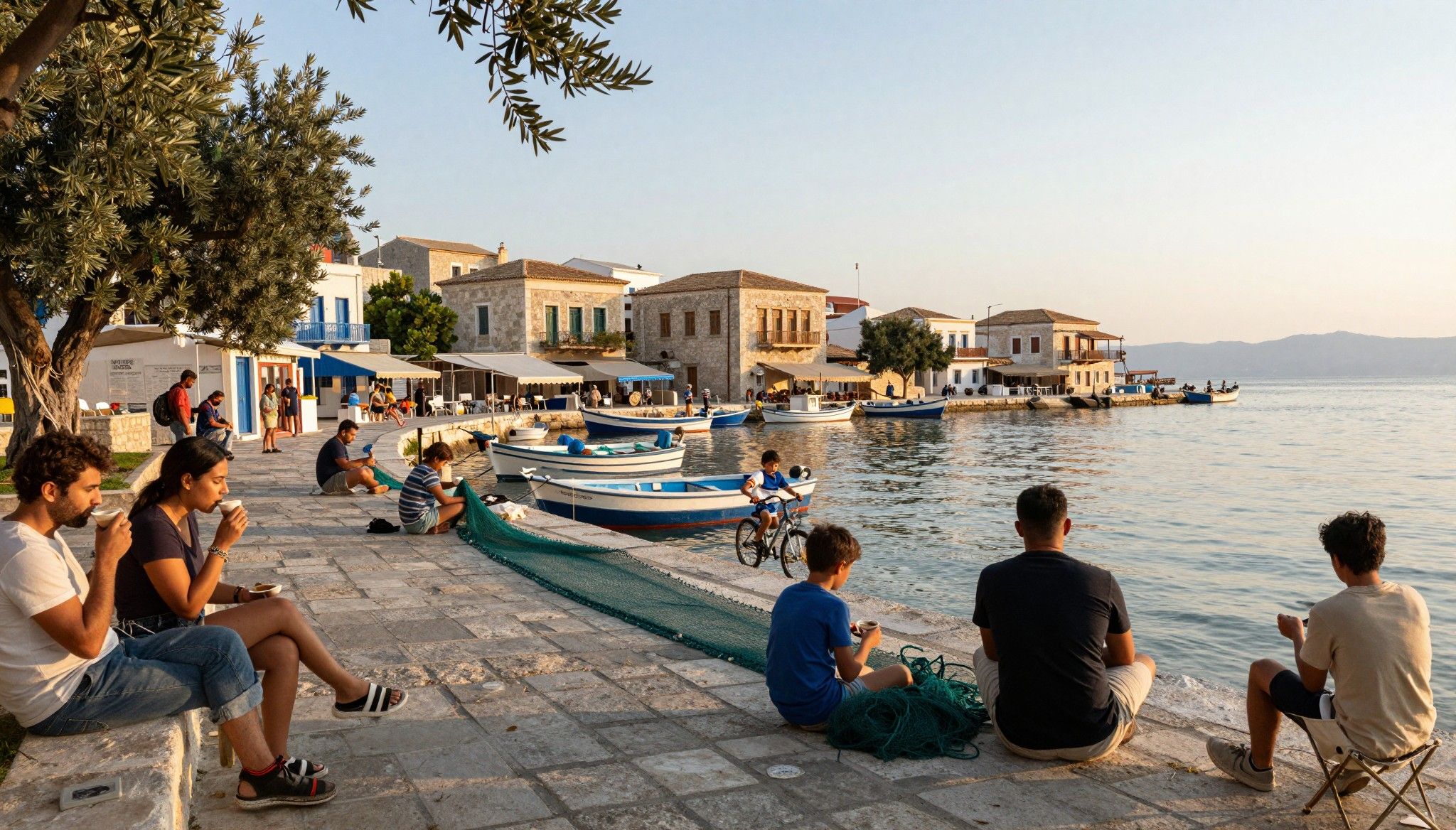
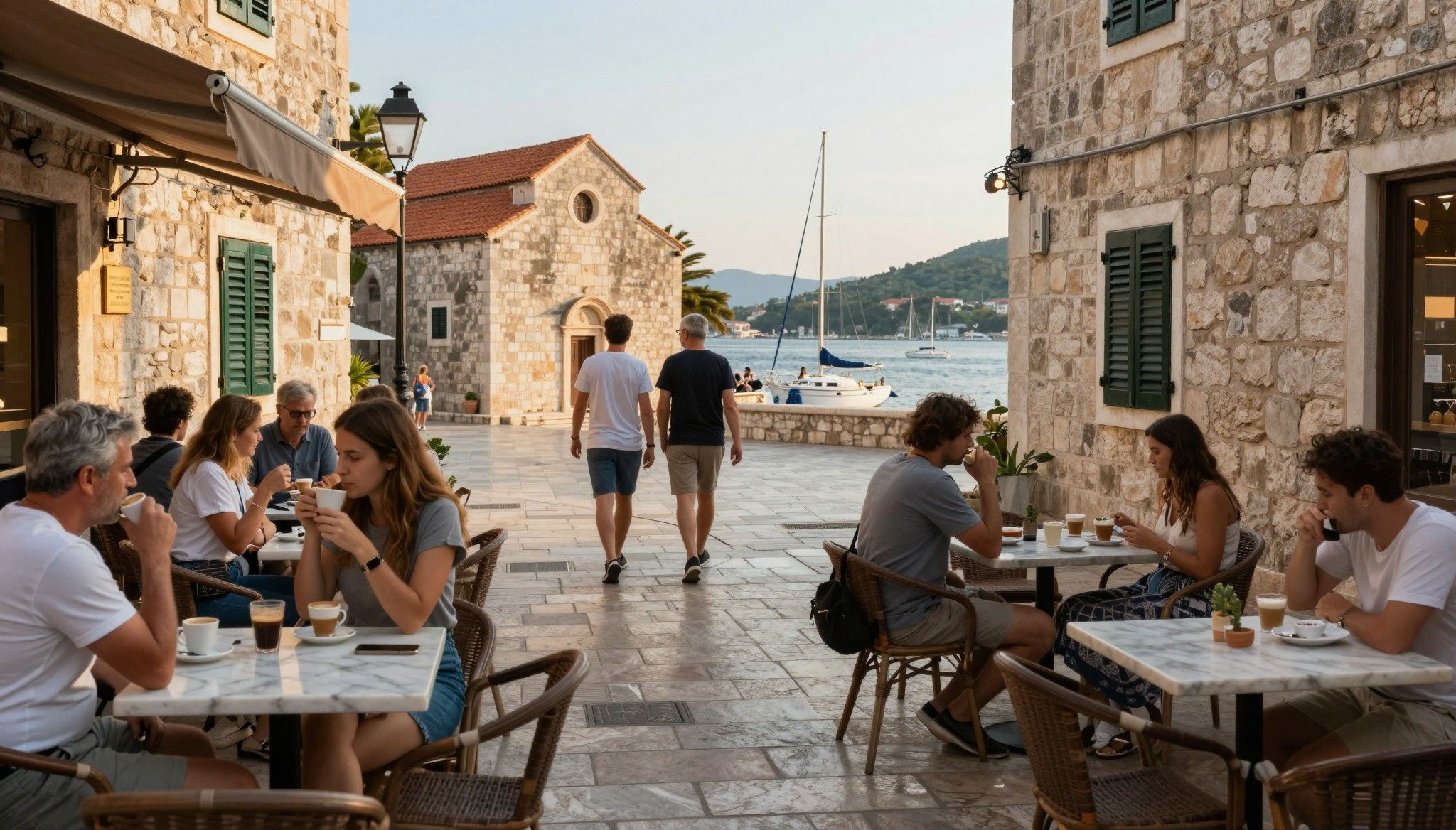
Imagine waking to a soft Adriatic light on a narrow stone street in Hvar town, the bakery door opening two doors down and fishermen mending nets on the quay. In Croatia, everyday life folds around short, perfectly brewed espressos, neighbourhood markets stacked with figs and Paški cheese, and an architectural memory — Venetian palazzos, Austro‑Hungarian façades and Dalmatian stone houses — that rewards the careful eye. For international buyers this is not merely scenery; it is the context in which tax choices, legal steps and stewardship decisions play out. Read on for a close, atypical look at tax planning in Croatia that begins with how people actually live here and ends with concrete actions you can take before you sign.
Living Croatia: neighbourhoods, seasons, taste
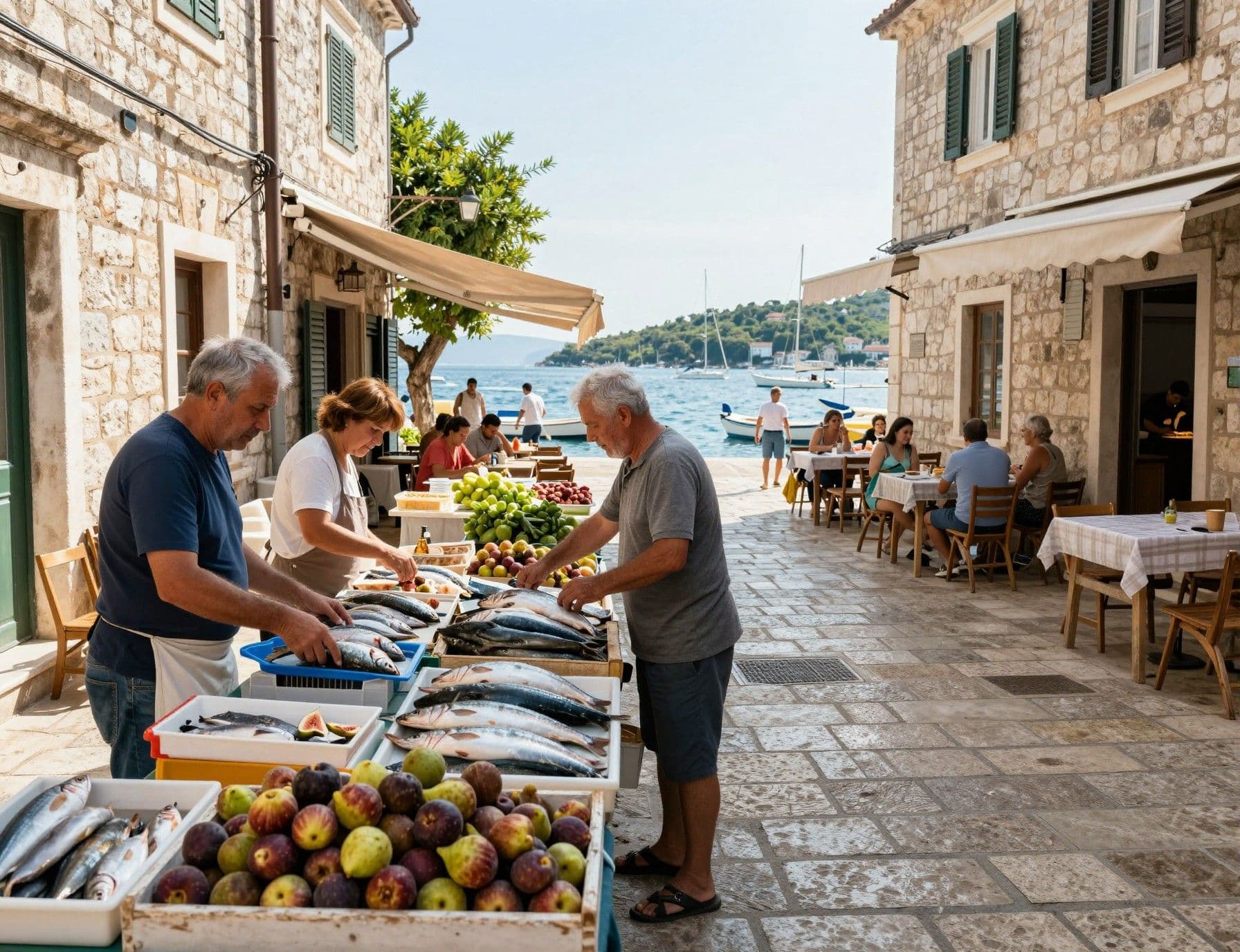
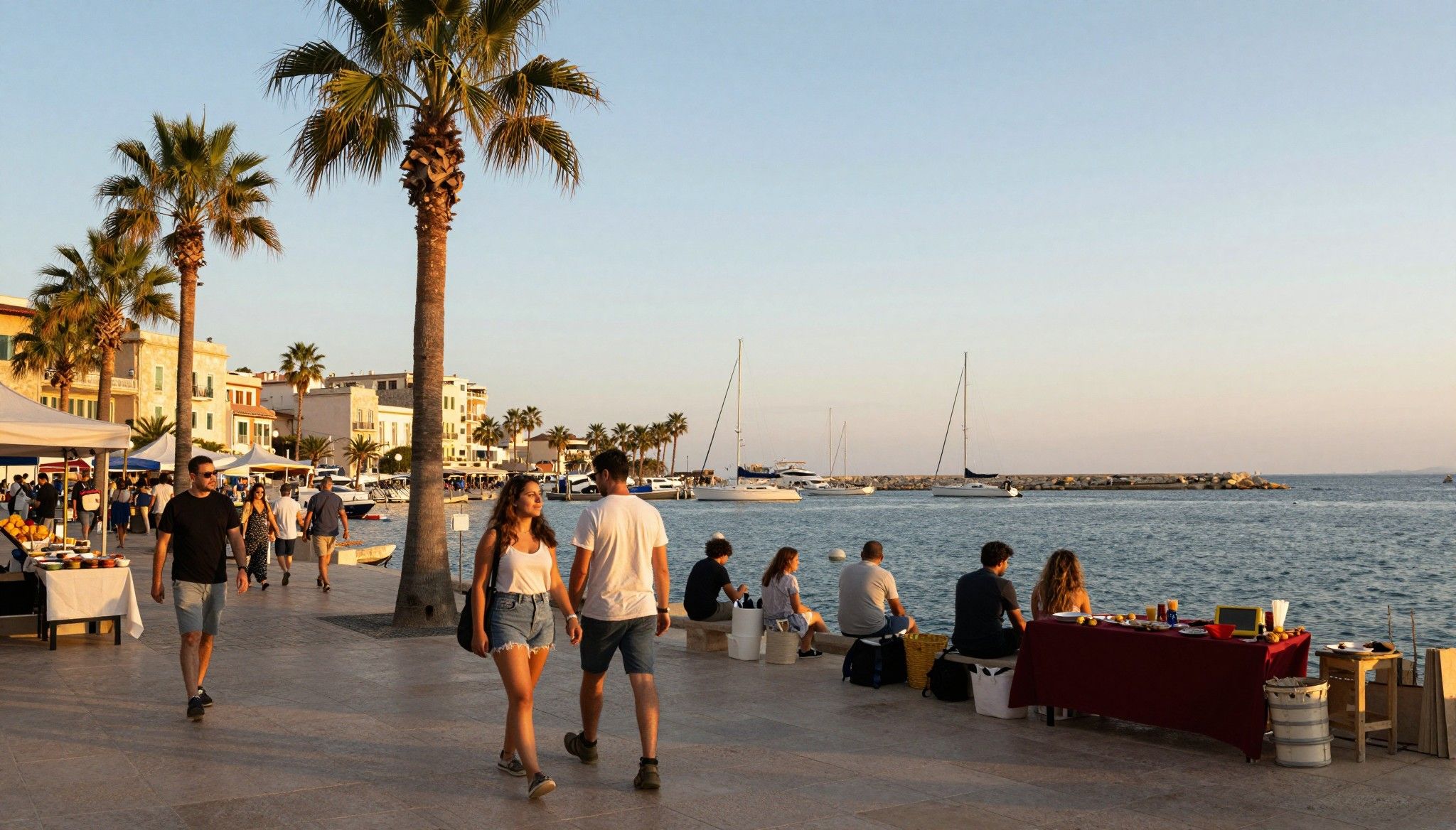
Croatia’s rhythm changes with the seasons. Summers are coastal and social — terraces in Split’s Varoš, late dinners under plane trees in Cavtat, and island hopping from Korčula to Vis. Winters are hushed and interior-focused: Zagreb cafés by Christmas markets, Istrian truffle hunts and quiet afternoons in stone‑floored living rooms warmed by efficient heating. These differences matter for tax planning: rental demand and rates spike seasonally along the Adriatic, while holding costs and municipal charges remain year‑round. Understand where you want to live first; taxes follow lifestyle, not the other way around.
Coastlines and islands: the seasonal economy
If your idea of Croatia is sunlit terraces and a private mooring, focus on Dalmatia: Split (Varoš, Bačvice), Hvar town, Trogir and the quieter bays around Šibenik. These places bring high short‑term rental potential but also higher turnover, local tourist levies and seasonal management costs. For owners who prefer steadier returns and year‑round life, Istria (Rovinj’s old town lanes, Grožnjan’s artist gatherings) and inland continental towns offer calmer rhythms and different tax profiles.
Food, markets and the domestic calendar
Weekend markets — Dolac in Zagreb, the fish market in Split, small island markets on Brač — are civic rituals that shape property life: proximity to markets increases everyday convenience and resale desirability. Seasonal festivals — from Dubrovnik Summer Festival concerts to Pula’s film screenings — create demand spikes for short lets, and these should inform whether a VAT or transfer‑tax approach is preferable when purchasing a new build versus a resale.
Moving from romance to reality: taxes that matter
Three practical taxes typically determine the economics of a purchase in Croatia: the property transfer tax (commonly 3% on resale transactions), VAT on qualifying new builds (the standard 25% rate may apply in specific cases), and capital gains tax rules on disposals. Recent market reports show a sustained rise in domestic house prices, so understanding which tax applies to a transaction — transfer tax or VAT — is decisive. We cite Croatian government guidance and recent market analysis to frame the choices you will face.
Transfer tax versus VAT: a decisive choice
Resale transactions are usually subject to a 3% transfer tax payable by the buyer; however, newly constructed property sales within certain timeframes can be subject to VAT at 25% instead. This distinction affects net cost, financing structure and whether a developer’s price can be negotiated to include VAT considerations. Before you agree terms, ask whether the vendor will treat the sale as VAT‑liable and obtain written clarification from their notary or tax advisor.
- Key tax factors to check before you sign
Confirm whether the sale is a resale (3% transfer tax) or new build (possible 25% VAT), obtain the vendor’s tax status in writing, estimate annual local taxes and tourist levies, model short‑term letting returns against seasonal vacancy, ensure notary will register title promptly to avoid unexpected charges, and factor in agency fees and legal costs into your closing estimate.
Insider knowledge: legal permissions, trusts and local practice
EU citizens generally enjoy the same purchase rights as Croatians. Non‑EU buyers may require a formal permission process (reciprocity rules) though recent policy movement and anticipated OECD‑aligned changes suggest liberalisation for many buyers. For ownership structures, international buyers often compare direct title with holding through a Croatian company or foreign trust. Each structure alters tax treatment on income, inheritance and exit; a focused conversation with a Croatian tax advisor will reveal whether corporate ownership meaningfully reduces transfer costs or merely adds compliance burden.
Common expat missteps and how to avoid them
Assuming coastal yields translate to year‑round income: model off‑season vacancy and local tourist levies; neglecting to confirm whether a sale is VATable: ask the notary for the sale basis in writing; underestimating closing costs: budget 3.5–8% of purchase price for taxes, fees and notary work; skipping a Croatian tax residency check: be aware local tax residency rules can affect global income reporting.
A simple, sequence‑based checklist before exchange
1) Obtain a signed statement from the seller clearing whether VAT or transfer tax applies; 2) Commission a local lawyer to run title, encumbrance and heritage checks; 3) Request a written estimate of local taxes and tourist levies for the first year; 4) Decide on ownership structure with your tax adviser and ensure the notary can register it; 5) Reserve funds for immediate post‑purchase works and annual carrying costs.
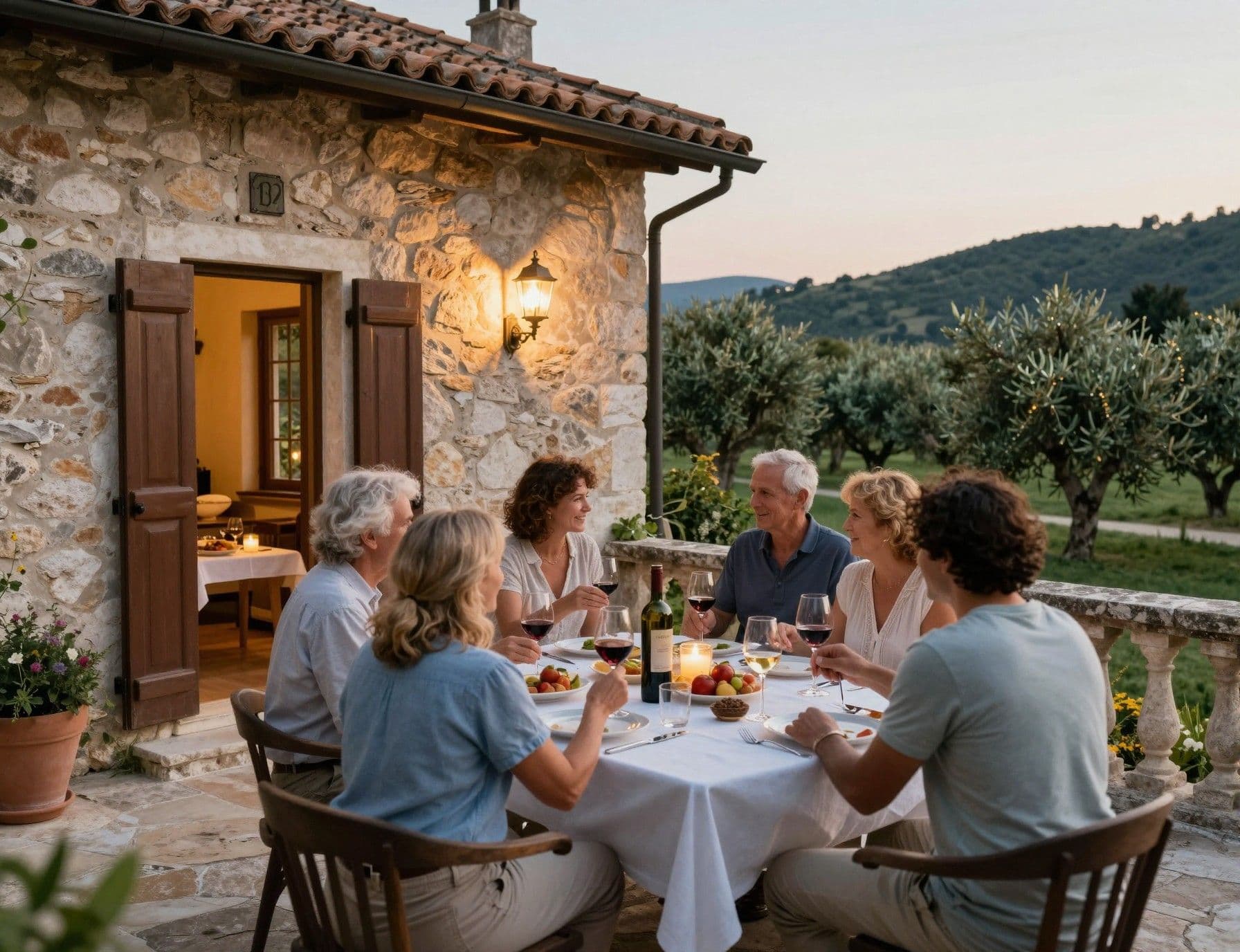
Stewardship is the underlying theme for buyers who favour Croatia: choose a property that fits the life you want — a stone house in Rovinj with a walled courtyard for year‑round living, or a compact flat in Split with strong summer letting potential — and let your tax plan be an instrument of that life rather than an afterthought. Work with a local notary and a Croatian tax adviser early; insist on written clarifications about VAT versus transfer tax and on realistic yield models that include seasonal variations. If you would like, we can introduce local advisers experienced with balancing lifestyle aims and tax efficiency.
Begin by visiting at different times of year, speak with local residents at market stalls, and ask agencies about long‑term neighbours rather than just the glossy short‑term numbers. In Croatia, taste precedes tax: when you know where you truly want to live, the financial choices that sustain that life become clearer and wiser.
Relocating from London to Mallorca in 2014, I guide UK buyers through cross-border investment and tax considerations. I specialise in provenance, design integrity, and long-term value.