When an SCI Helps (and When It Hurts) in France
A lifestyle‑first look at buying in France: how ownership structures, notarial steps and seasonal living shape lasting homes for international buyers.
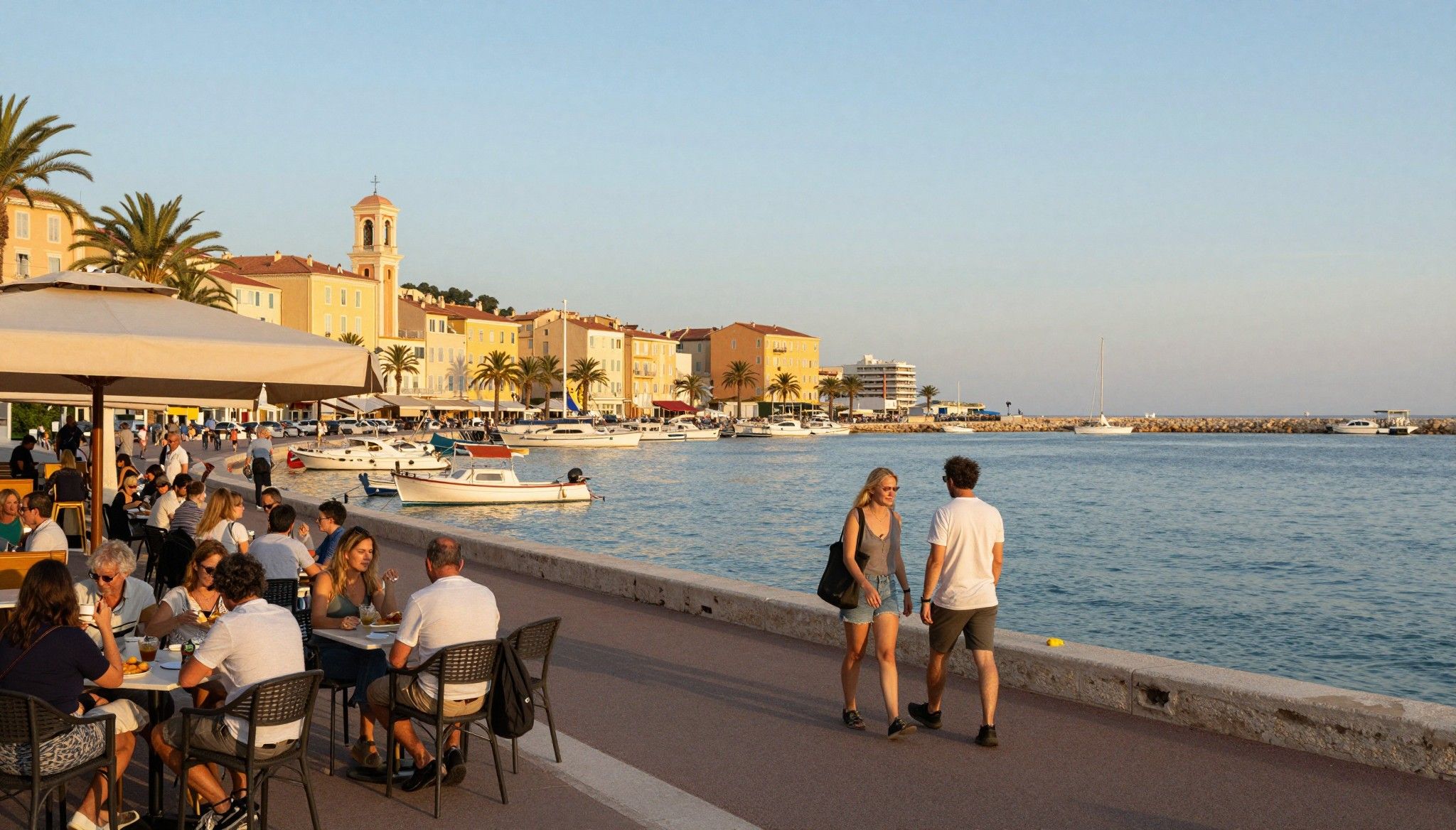
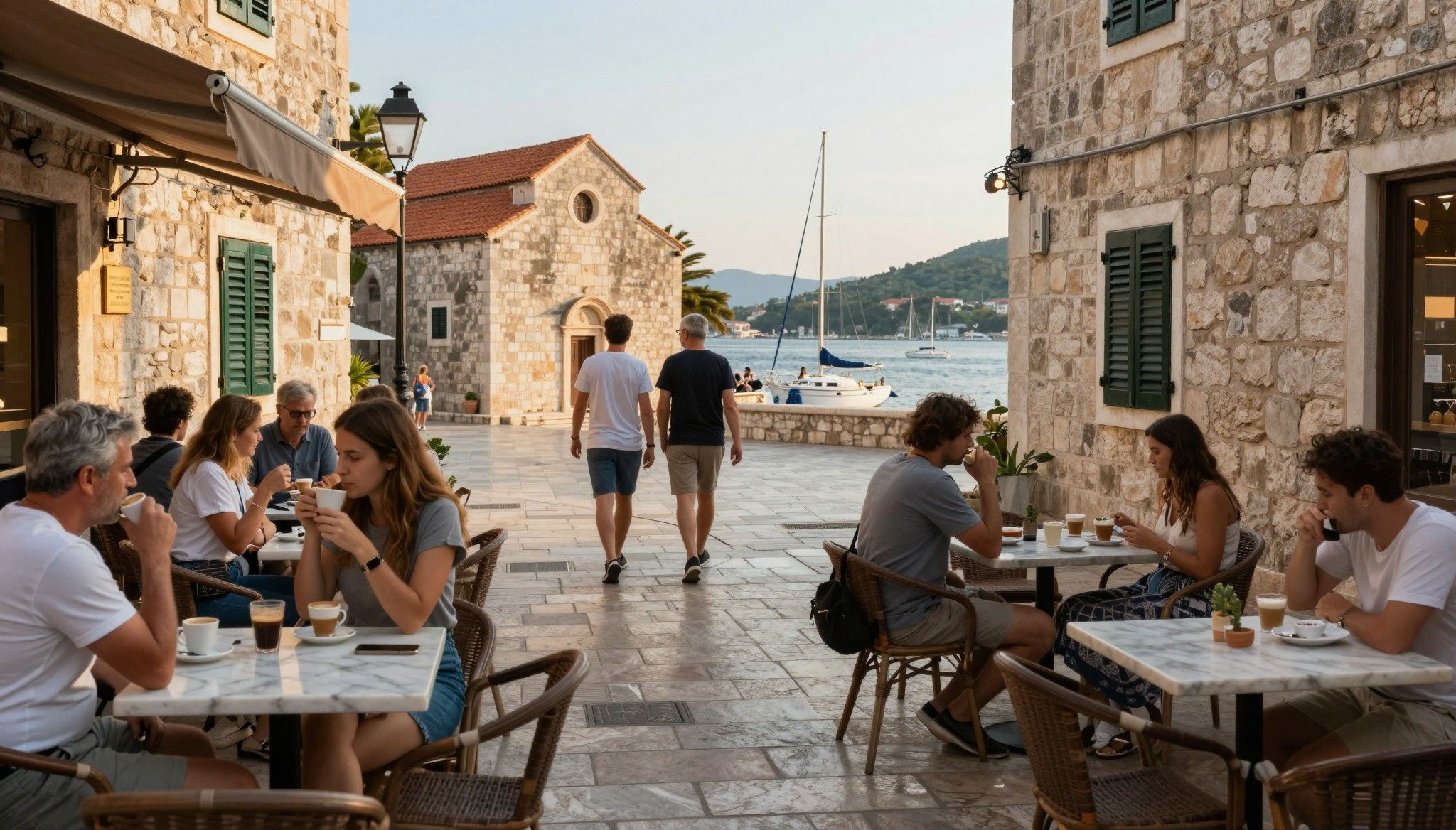
Imagine a winter morning in Aix‑en‑Provence: steam rising from espresso cups at Cours Mirabeau, shutters opening on limestone façades, and a local notaire preparing the title deed for a 19th‑century maison. That scene explains why many buyers fall for France long before they understand its legal logic. For international buyers, the romance of place meets durable legal frameworks — and a few choices you should treat as intentional rather than routine.
Living the France story
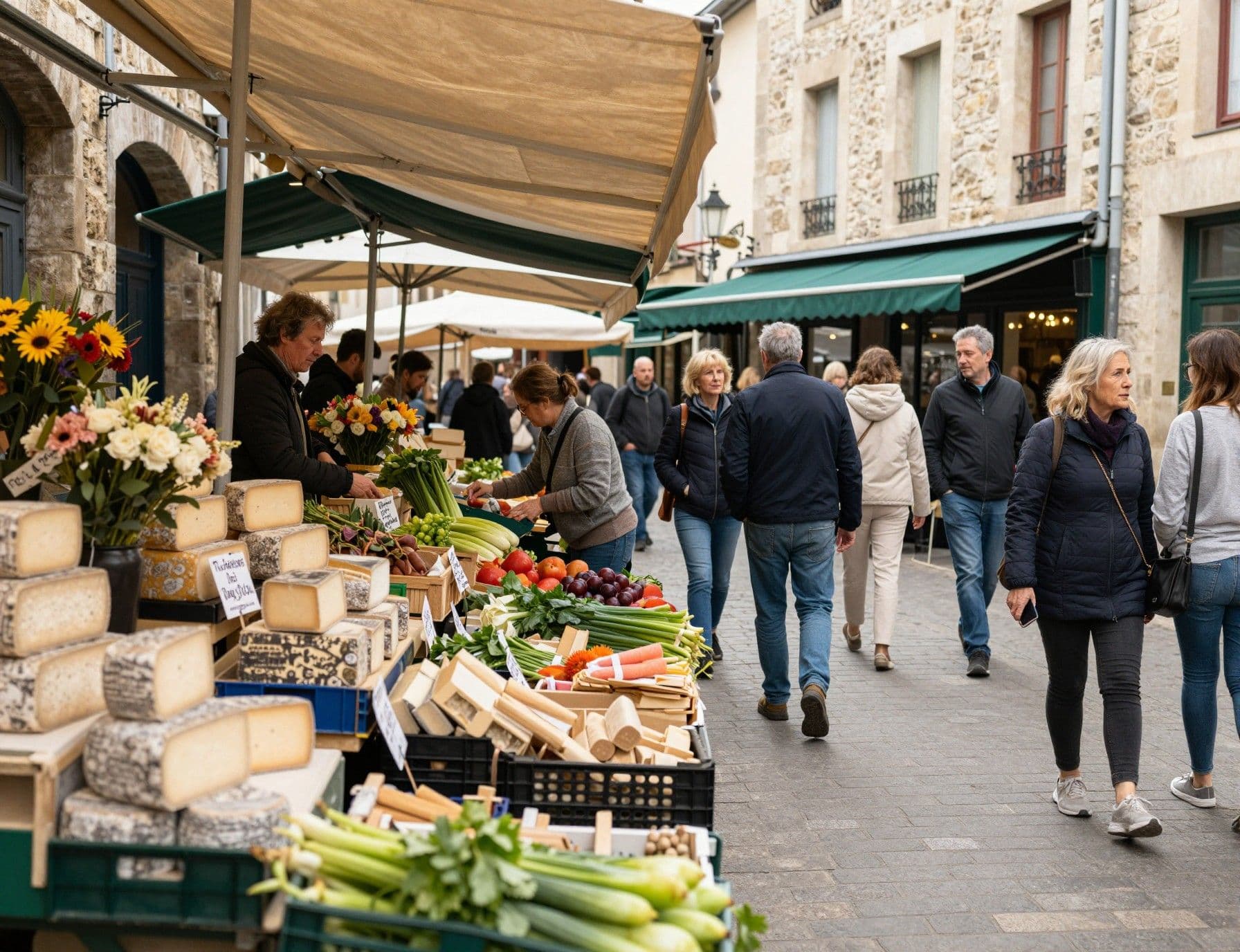
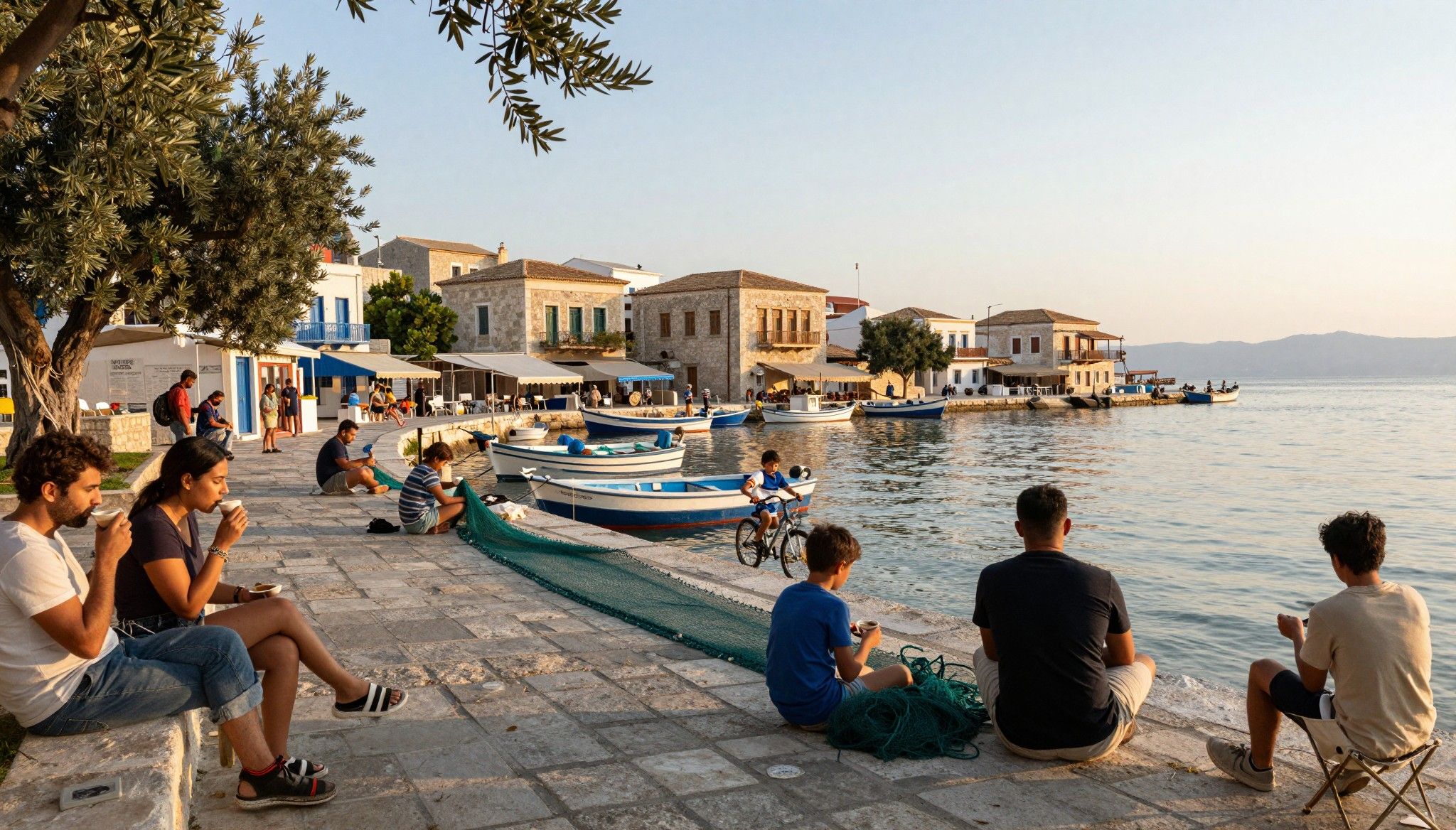
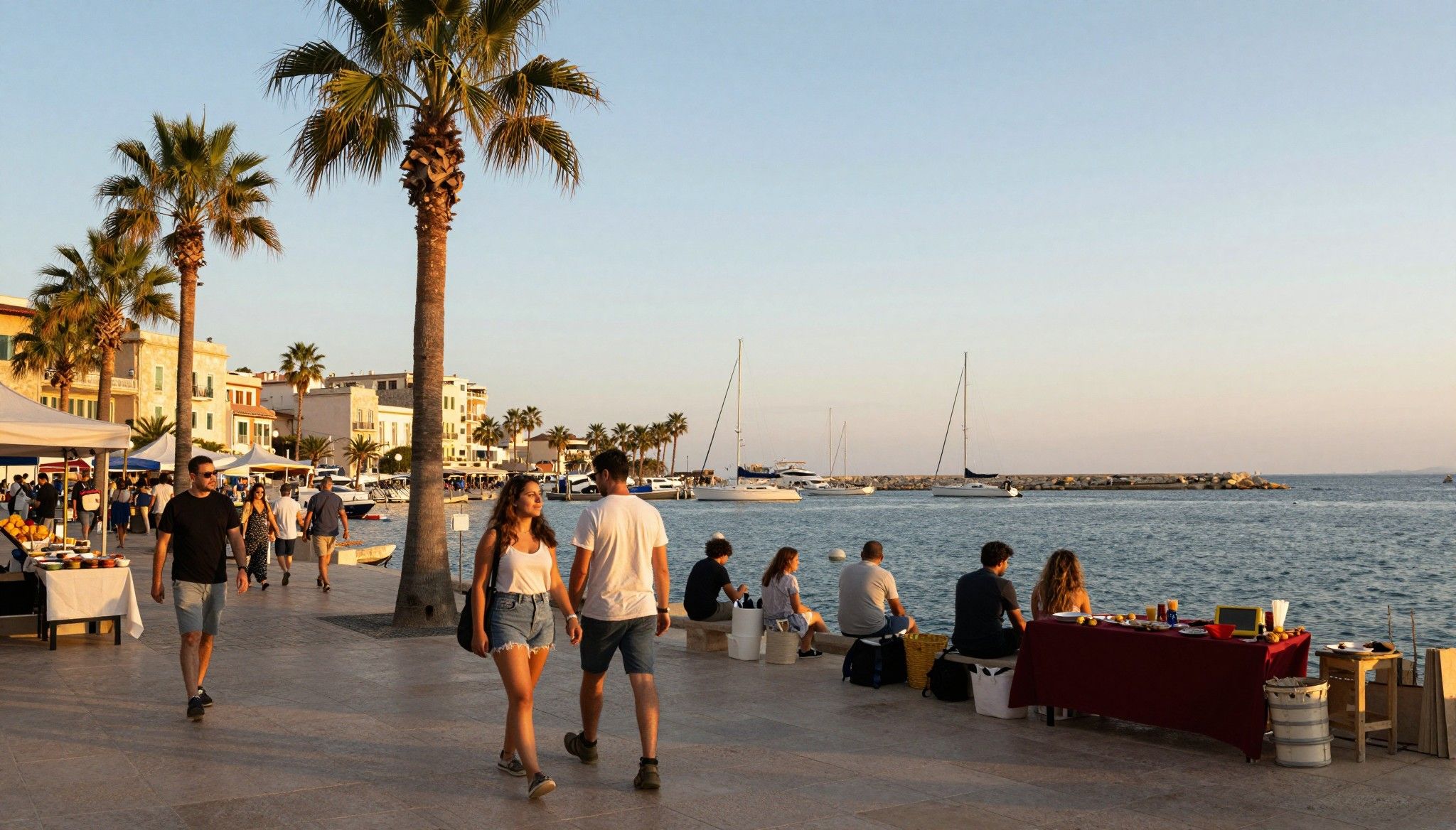
France is a network of lived places. From the narrow lanes of Le Marais to the pine‑scattered avenues of Cap Ferret, daily life is shaped by markets, cafés and municipal rhythms. Weekends mean marché runs—fish stalls at Noailles in Marseille, vegetables at Place du Palais in Avignon—and evenings tilt toward long dinners under lime trees. This is why property matters: homes are anchors for social life, not mere investments.
Neighborhoods that reveal the real France
Seek streets where life happens: rue des Martyrs in Paris for independent shops and early morning cafés; Quai des Chartrons in Bordeaux for wine merchants and restored warehouses; Rue Saint‑François in Nice for late‑day promenades. These are places where buying a home buys you a rhythm of life — and where local rules, copropriété statutes and municipal plans will shape daily use.
Food, markets and seasonal shape
Seasonality is not decoration here; it dictates property choices. A Côte d’Azur terrace sees months of use; a stone farmhouse in Dordogne is lived differently across seasons. When you imagine life at table, consider insulation, heating systems and local planning rules that affect terraces and extensions — all practicalities that influence value and comfort.
- Lifestyle highlights to look for when visiting properties: marché mornings (e.g., Marché Forville, Cannes); a local boulangerie on the corner; proximity to small neighbourhood parks; mid‑week aperitivo culture in port towns; active community associations that maintain public spaces.
Making the move: legal choices that shape life
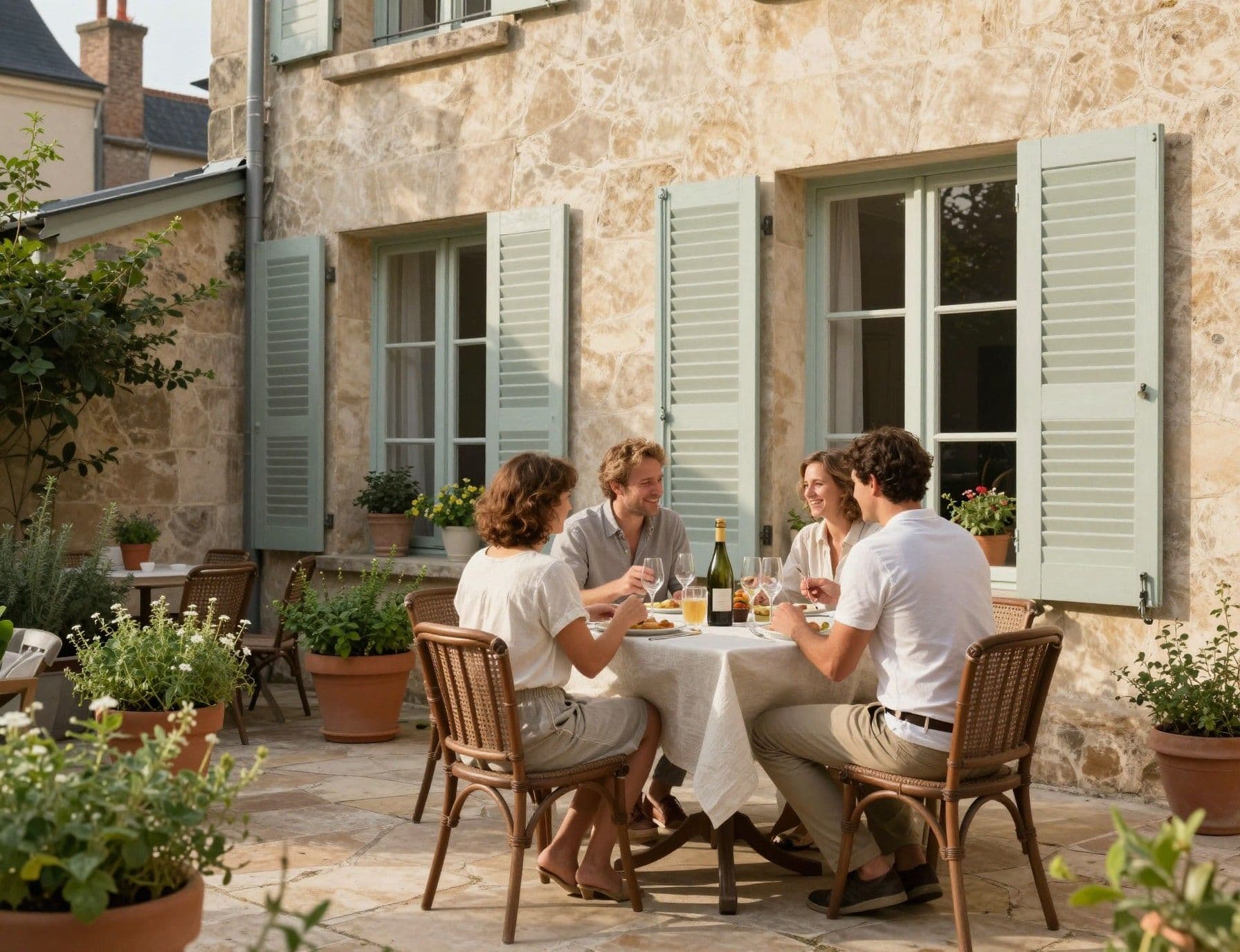
The emotional decision to buy meets a handful of legal crossroads. Which ownership structure you choose — personal title, joint ownership, or an SCI (société civile immobilière) — changes tax filing, inheritance pathways and how you can use the property. Good local counsel will translate your lifestyle intentions into an ownership model that fits both family plans and French law.
Property styles and what they truly offer
An urban apartment in Paris delivers access and scale; a maison de maître in Bordeaux offers representational rooms and a garden; a renovated ferme in rural Normandy brings space and restoration obligations. Each type carries different legal realities — copropriété rules, monuments historiques protections, or agricultural easements — which will affect renovation permissions and recurring costs.
Working with local experts who preserve your lifestyle
An agent who knows cafés is useful; an agent who reads planning cadastres is indispensable. Notaires, local accountants and architects form the team that turns aspiration into compliant ownership. Seek advisors who have handled foreign purchasers and can explain implications for inheritance, taxation and long‑term management in plain terms.
- Steps that blend the dream with the legal: 1) Define how you will use the home (primary, seasonal, rental). 2) Choose ownership structure (personal, SCI, indivision) with tax counsel. 3) Commission local due diligence (title, servitudes, copro minutes). 4) Agree preliminary offer with conditions (financing, surveys). 5) Complete sale at the notaire and register title.
Insider knowledge: what expats wish they’d known
Experienced buyers tell a common story: the small, recurring regulatory details matter more than headline taxes. Non‑resident rental income rules, withholding requirements and social contribution questions can surprise buyers who assumed a single tax outcome. Clear answers come from pairing a trusted local notaire with an adviser able to map French obligations to the buyer’s home jurisdiction.
Cultural and bureaucratic realities
French administration is precise. Expect formal documents, certified translations for foreign records, and patience in processing. Social conventions — coffee before meetings, precise appointment etiquette at the mairie — shape how smoothly introductions lead to legal traction. Invest time in learning these rhythms; they accelerate good outcomes.
Long‑term lifestyle considerations
Think beyond the sale: inheritance law (forced heirship), local property taxes, and copropriété reserves all influence whether a house remains a pleasure or becomes an administrative burden. Many buyers use an SCI combined with clear testamentary documents to preserve both the house and the life it supports.
- Red flags and quick checks before you buy: unclear boundary plans on the cadastre; missing copro minutes for the past three years; unresolved urban planning constraints; unpaid condominium charges; and sellers who resist a pre‑sale technical report.
Practical next steps: visit in person during a season you plan to live there, ask your notaire for an itemised estimate of acquisition costs, and secure an accountant familiar with non‑resident filings. Expect acquisition fees that vary by département and to factor them into your budget early.
If France has seduced you, start with a short list of the life you want — market mornings, nearby schools, a small garden — and translate each wish into a legal requirement: access, zoning, tax treatment, and management. With that blueprint, local experts become stewards of the life you imagined, not merely transaction facilitators.
Dutch former researcher who moved to Lisbon, specialising in investment strategy, heritage preservation, and cross-border portfolio stewardship.