Seven Legal Surprises for Buyers Who Love France
Seven practical legal surprises for international buyers in France—mixing sensory place‑making with must‑do legal checks and authoritative sources to protect your dream home.

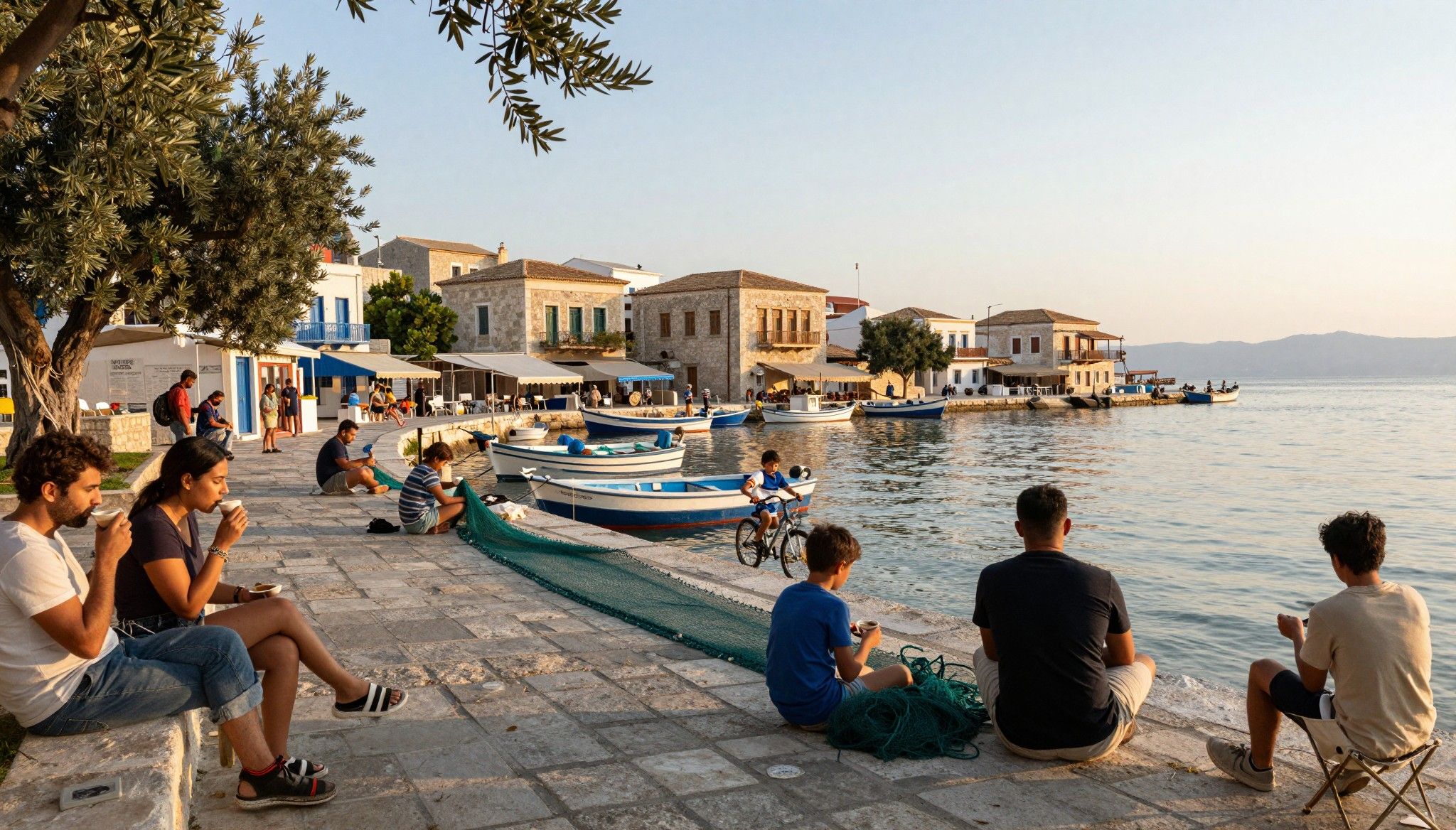
Imagine walking a narrow rue in Aix‑en‑Provence at 10 a.m., coffee steam mingling with the smell of freshly baked fougasse, and the idea of a French pied‑à‑terre becoming more than a fantasy. This is the invitation France offers: a daily choreography of markets, cafés and civic rituals that shape life as surely as architecture does. Yet beneath the terrace light and limestone façades lie precise legal contours that alter what a property actually gives you—rights, obligations, and surprises that matter as much as the view. Read on for seven measured, practical legal revelations that often unsettle otherwise prepared international buyers.
Living France: neighborhoods, rhythms and the promise they sell
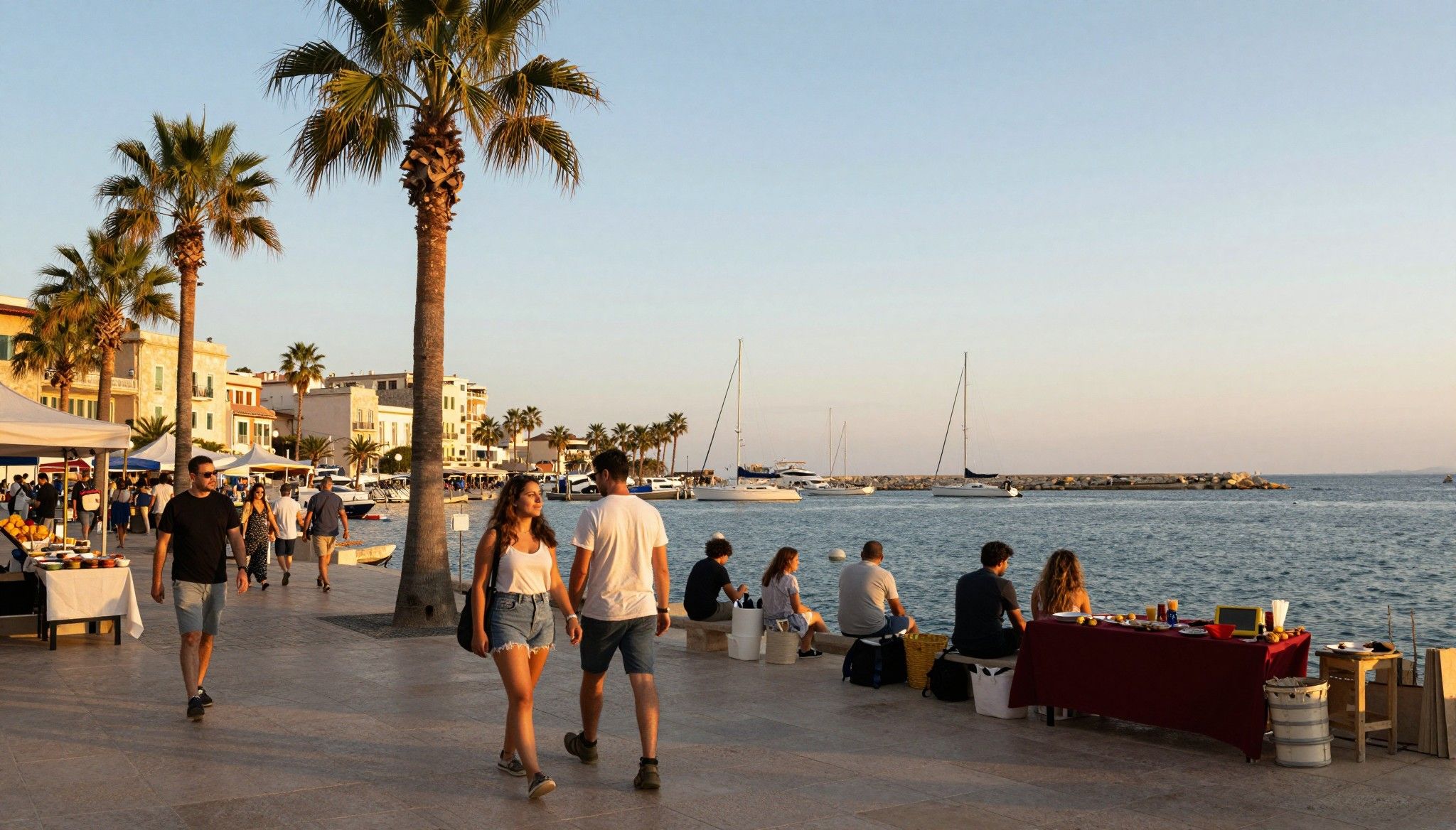
France’s charm is spatial and seasonal: the narrow lanes of Le Marais whisper provenance and townhouses conceal private gardens; Biarritz’s surf culture and light draw a different daily rhythm; villages in Dordogne reward a slow cadence of markets and communal life. These textures are not abstract. They inform your choice of property type—an apartment in Paris implies a relationship with syndic (co‑ownership), while a village maison often carries servitudes, wells and shared chemins to understand. When you fall in love with a street, you must also learn its legal grammar.
Parcels, façades and provenance: what a street tells you
Walk Rue Cler in Paris and you feel municipal order; cross to Rue des Orfèvres and the canal-side atelier life reads differently. Provenance—who owned a lot and how parcels were subdivided—affects boundaries, access rights and sometimes historic protection. Heritage listings, urban planning rules (PLU) and past subdivision deeds can dictate what you may alter, particularly with façades, shutters and rooflines. For any refined purchase, a title‑chain review and land registry search are small expenses that protect a long‑term vision.
Food, markets and the calendar that shapes daily life
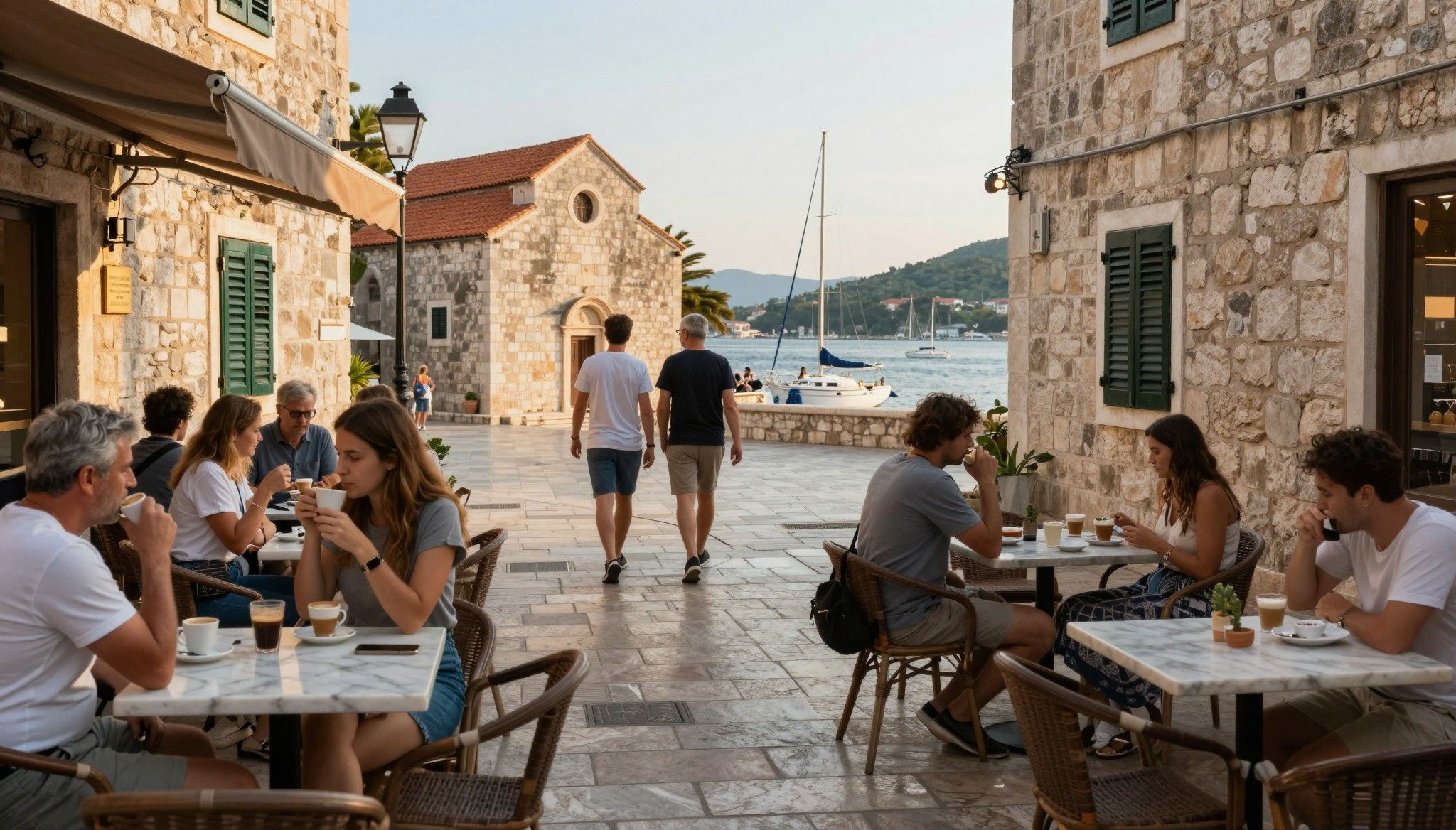
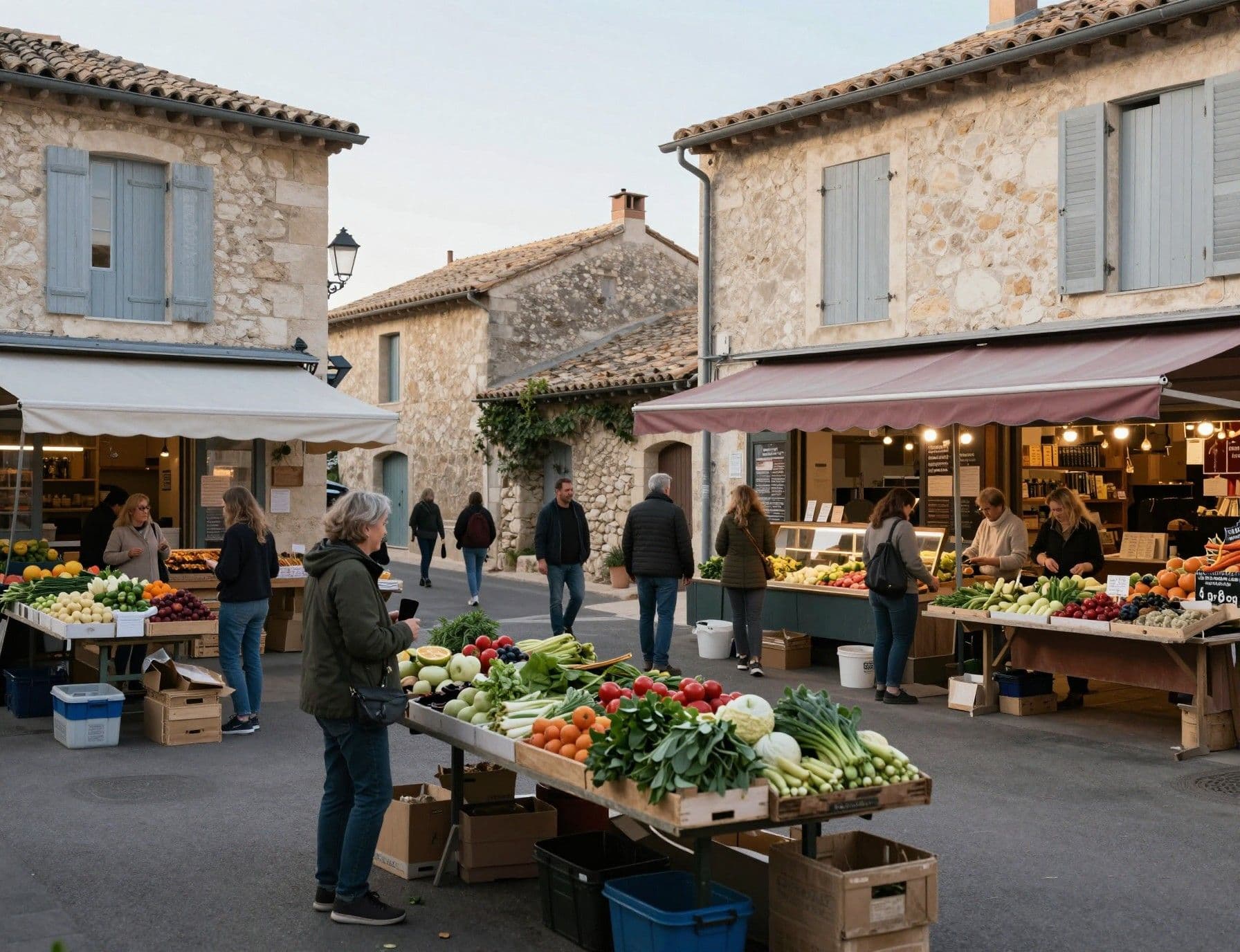
Saturdays at Marché Forville (Cannes) or Sunday marché in Saint‑Rémy are not only pleasures; they are social networks that influence where you want to live. Local markets, boulangeries and cafés create the neighborhood economy that will sustain daily life. Proximity to these places shapes resale appeal and rental desirability; it is a cultural indicator that local agents can measure more reliably than price per square metre.
Making the move: practical legal realities that surprise buyers

Romance must meet paperwork. Outside the stylistic pleasures of living in France, buyers encounter a structured legal process centred on the notaire, disclosure obligations, and taxes that respond to residency and use. Recent notarial guidance clarifies the separation between purchase price, registration duties and the notaire’s role as impartial public officer. Understanding these stages early reassures both lifestyle plans and financial forecasts.
A notaire is not your broker: their duties, costs and limits
Many buyers assume the notaire is an independent validator only; in practice a notaire prepares the acte authentique, collects taxes and registers the title. They do not offer advocacy on price negotiation, which is why a local agent or an independent avocat is often necessary for complex cases. Expect notarial fees and registration duties to be visible early in offers; these are a legal certainty, not a post‑purchase surprise.
Essential legal steps before exchange
1. Order a land registry (cadastre) and request the dossier de diagnostic technique; 2. Confirm any servitudes, copropriété rules or easements with the syndic and notaire; 3. Secure clear financing terms and pre‑approval that reflect non‑resident status; 4. Have an English‑speaking avocat review unusual clauses in compromis or acte.
Insider knowledge: small legal choices that reshape lifestyle value
Here are the practical items expats say they wished they had known before their first French purchase: the way short‑term rental rules vary by commune, how a local PLU can forbid pool covers visible from the street, and how shared drive agreements can limit parking plans. These are not academic points; they alter daily convenience and the property’s future desirability. A considered purchase anticipates how municipal and communal governance will touch your life.
Short‑term rentals, local controls and revenue reality
Comunes such as Paris, Nice and Cannes have strict registration and change‑of‑use rules for furnished tourist lets. If you plan to offset ownership costs with seasonal rentals, verify local registration, taxe de séjour procedures and whether a change of use is required. Failing to do so can trigger penalties or forced cessation of rentals—and a mismatch between expected income and the regulatory reality.
Practical checks your agent should do (and you should insist on)
• Confirm heritage or PLU restrictions affecting exterior works; • Request syndic minutes to expose upcoming copropriété charges; • Obtain recent utility bills and property‑tax histories; • Verify parking, access servitudes and right of way on title; • Check short‑term rental rules and local tourist registration requirements; • Ask the notaire to run a chain‑of‑title search to spot latent claims.
What expats wish they’d known: cultural and legal nuances
A practical reality of French life is that many civic processes are local and paper‑based: municipal planning decisions, application for heritage permits, and even parking authorisations are handled at the mairie. Learning a little French—especially legal and administrative vocabulary—shortens timelines and reduces errors. Expat buyers who integrate with local networks find that a recommended architect or syndic can be the difference between a graceful renovation and a drawn‑out dispute.
Language, trust and the value of local counsel
When a seller uses a clause referencing an ancien régime servitude or an historic easement, the nuance matters; literal translations often miss legal effect. Retain an avocat for complex purchases, and ask your notaire for an English summary of key obligations. This dual approach—local counsel plus a lifestyle‑savvy agent—keeps the purchase aligned with the life you imagine.
A practical 5‑step checklist for an assured purchase
1) Define the life you want (village market, coastal routine, Parisian mornings); 2) Commission title, cadastral and diagnostic searches before firm offer; 3) Confirm local rental and planning rules that affect use; 4) Engage a notaire and an avocat for nuanced clauses; 5) Keep a contingency for unexpected remediation or syndic levies.
France rewards careful attention. The pleasures of a Provençal morning or a Breton beachside walk are inseparable from civic routines and legal formality. By pairing a lifestyle vision with rigorous local counsel—an agent who knows the neighbourhood, a notaire who can explain obligations, and an avocat for contractual nuance—you keep the dream intact and the purchase secure. When you love a place, protect that affection with informed steps.
Next steps: ask for a neighbourhood dossier from your agent, request the last three syndic minutes for any apartment you like, and require a written summary from the notaire of all charges and servitudes before signing the compromis. These measures preserve the sensibility of where you plan to live while neutralising legal surprises. When the paperwork is resolved, the life—market mornings, café tables, and quiet rooms—awaits.
Relocating from London to Mallorca in 2014, I guide UK buyers through cross-border investment and tax considerations. I specialise in provenance, design integrity, and long-term value.