How Reciprocity and Costs Shape Property Life in Croatia
Contrary to myth, Croatia’s reciprocity rules and predictable 3% transfer tax are manageable—pair place‑first thinking with early legal checks to secure the life you want.
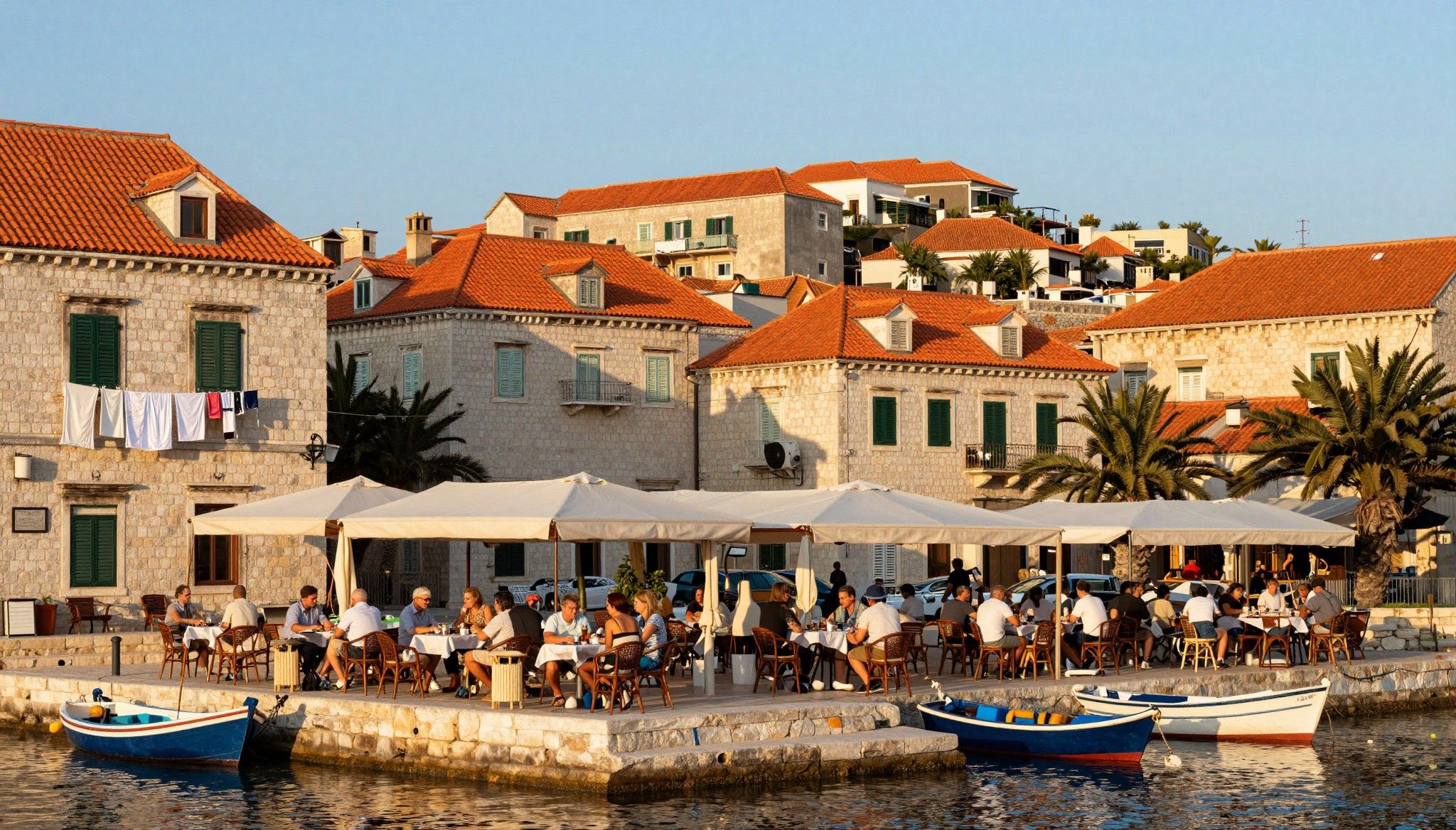
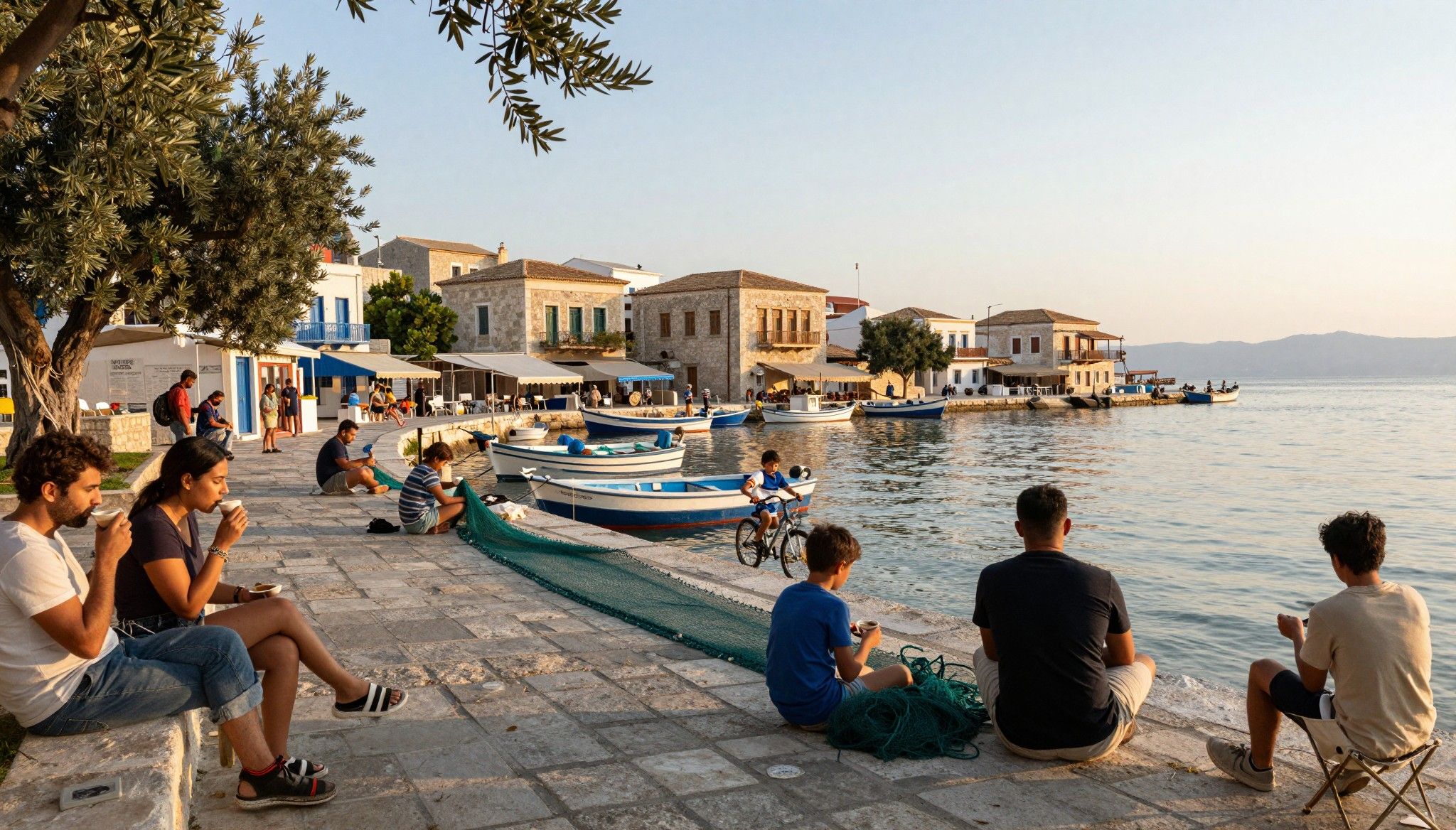
Imagine a late afternoon in Dubrovnik: terrace tables shaded by striped umbrellas, fishermen mending nets beneath stone arches, and the distant sound of a klapa group practising on a quay. Croatia’s rhythms — coastal ease, market mornings, slow restorative summers in Istria and brisk, culture‑rich winters in Zagreb — are what draw many to buy here. Yet for international buyers the first conversation is often legal: can you buy, how quickly, and at what cost. This guide unpacks the myths — reciprocity, taxes, and timing — and shows how sophisticated buyers convert a desire for Adriatic light into durable ownership.
Living the Croatian life
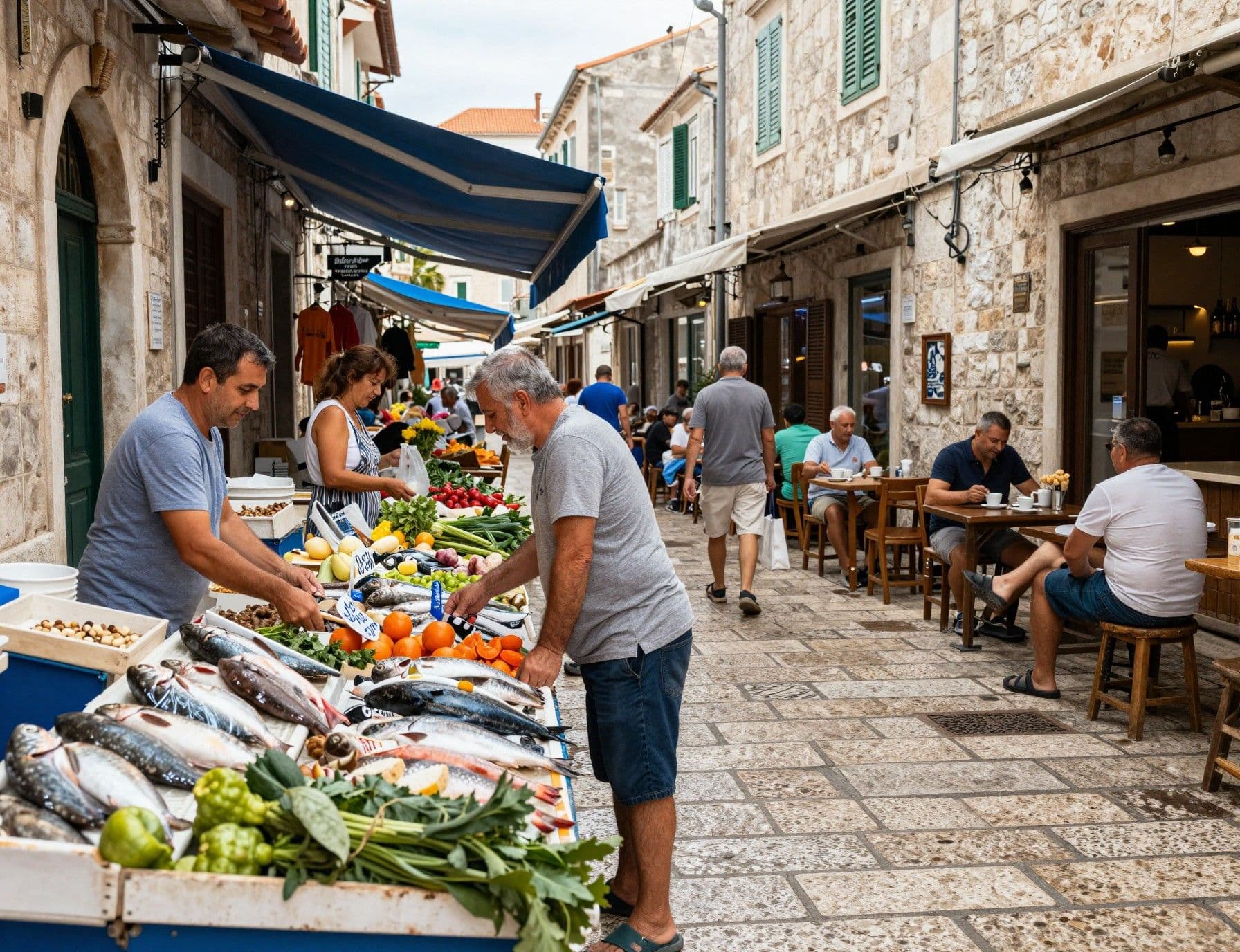
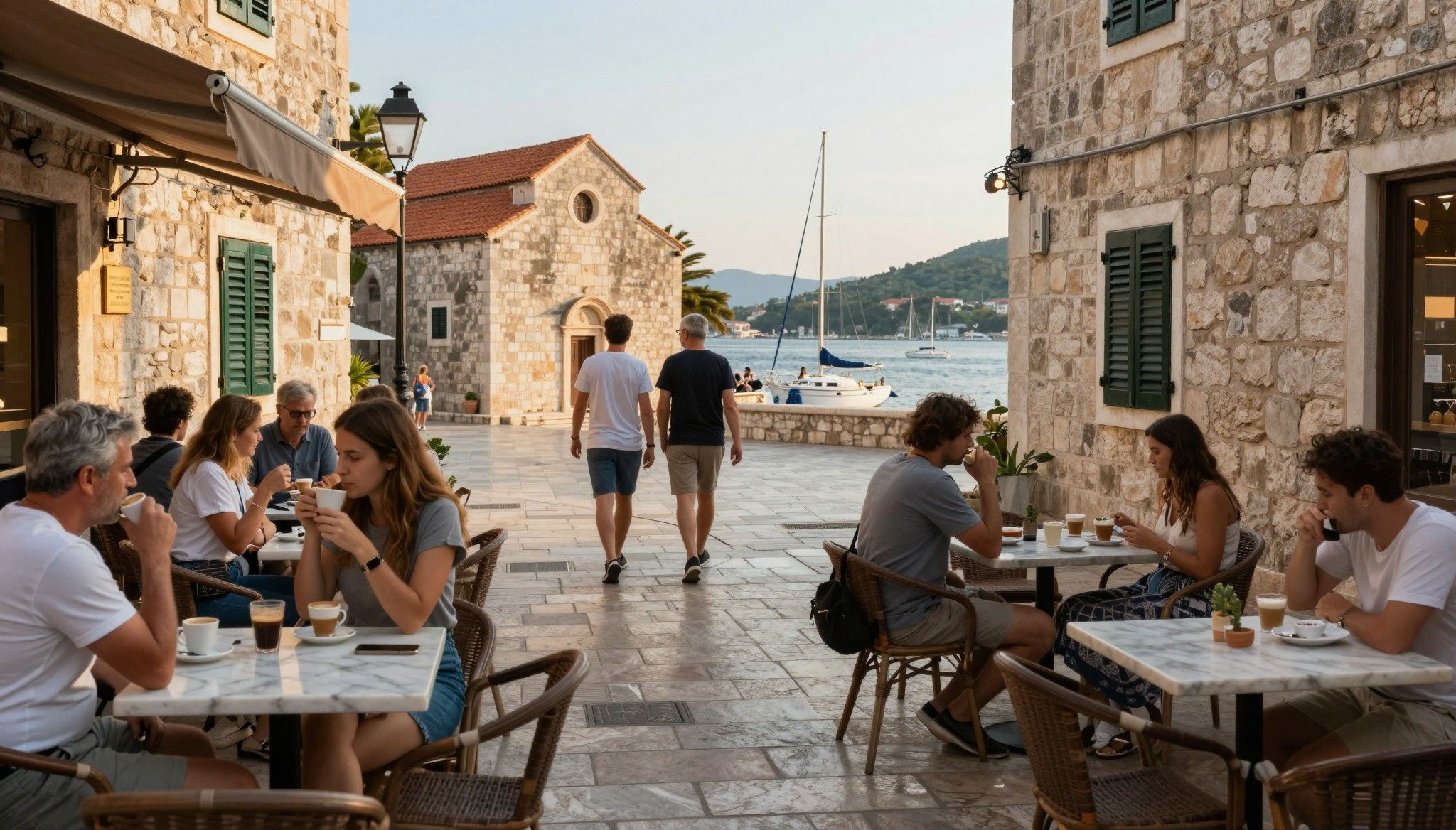
Croatia is not a single lifestyle but a palette. In coastal towns such as Split’s Veli Varoš or Rovinj’s old town, mornings begin at bakeries and end with neighbourhoods gathering on small piers. In Zagreb, mornings are brisk and coffee‑led; galleries and concert halls set the tempo. Inland villages offer a quieter rhythm: weekend markets, truffle hunts in Istria, and slow meals where provenance matters. Understanding these differences clarifies why a property who’s perfect for summer hospitality may feel hollow in winter.
Coastal nuance: Split, Hvar and hidden coves
Think beyond panoramic sea views. In Split, the narrow lanes of Veli Varoš and the two‑tiered promenades of Bačvice reward those who value neighbourhood life — morning pastries at a bakers, spontaneous aperitifs, and proximity to a functioning winter community. On Hvar, the main town’s harbor bustle contrasts with inland hamlets where stone houses and olive terraces define the seasonal rhythm. Small coves and ferry timetables shape how you will live, more than the headline price per square metre.
Food, markets and weekend rituals
Croatian life organizes itself around local produce: fish markets at dawn, Istrian truffle gatherings in autumn, and slowly prepared seafood stews on island terraces. A property with a compact, well‑ventilated pantry and direct access to a market can change daily life far more than an extra bedroom. For buyers, this means matching property attributes — storage, kitchen orientation, proximity to market stalls — to the life you intend to lead.
Market day and lifestyle highlights:
Dolac market, Zagreb — morning produce and a social hub
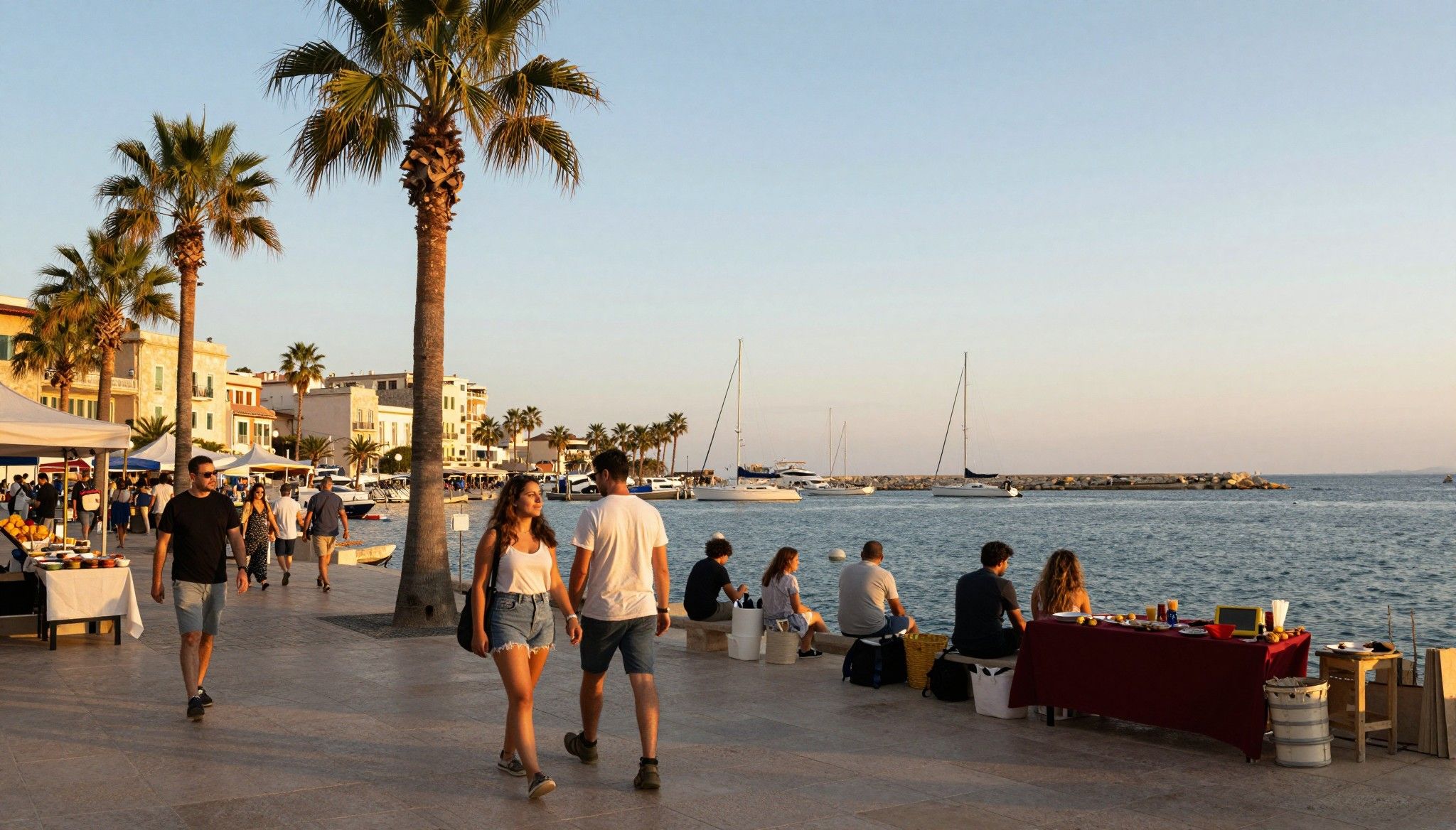
Riva, Split — evening promenades and neighbourhood cafés
Old Town Rovinj — cobbled streets, artisan shops and a compact year‑round community
Making the move: legal realities the lifestyle won’t tell you
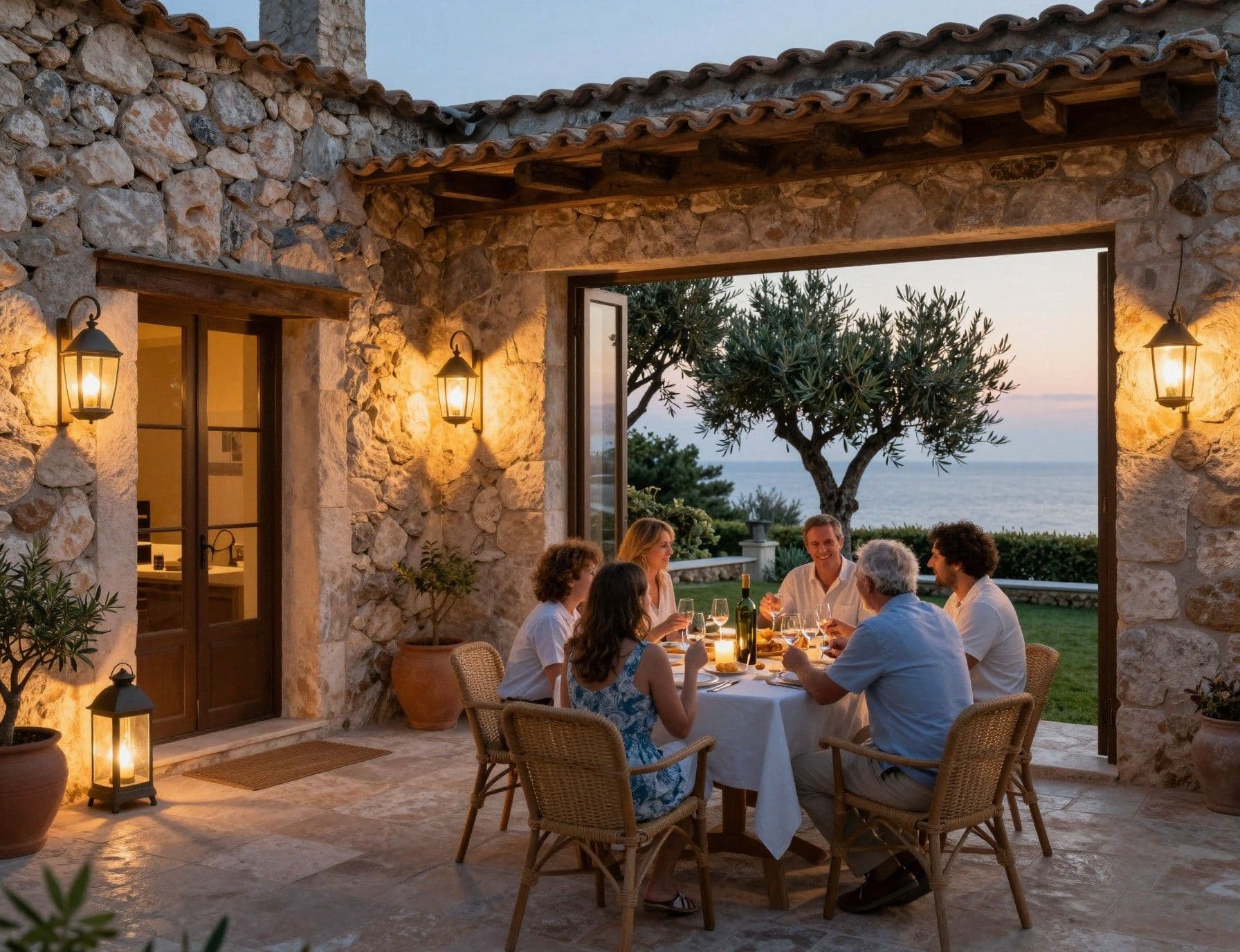
Converting a Croatian daydream into legal title requires understanding three practical levers: reciprocity, transaction costs, and local due diligence. Reciprocity is often miscast as a blanket ban; in practice it is a namespace of rules, exceptions and ministerial consents that differ by nationality and property type. Transaction costs are tangible and predictable once you know the categories: transfer tax, notary and registry fees, agency fees and occasionally VAT for new builds. Finally, diligence — land registry checks, verifying utility encumbrances and local planning — prevents surprises that quietly erode the lifestyle you bought.
Reciprocity and ministerial consent
Foreign natural and legal persons acquire real estate in Croatia under the principle of reciprocity; EU, EEA and Swiss nationals enjoy near‑parity. For other nationals, ministerial consent may be required and rules can change — for example blanket exceptions or temporary restrictions have been applied by year and nationality. The practical takeaway: confirm reciprocity early. A competent local notary or law firm will query the Ministry and advise whether a consent or an exemption (spousal, permanent resident exceptions) applies to your case.
Taxes and predictable costs
The main acquisition cost for most resale purchases is the real estate transfer tax, calculated at 3% of market value. Developers’ sales can attract VAT rather than transfer tax; stamp duties, notary fees and agency commissions add modestly to closing costs. Since 2025 Croatia also introduced a national property tax framework that affects holding costs; assess this alongside market‑specific variables such as tourist‑season rental potential and local municipal levies.
Practical steps to secure ownership in Croatia
1. Verify reciprocity and required consents with a local notary; obtain ministerial clearance if needed.
2. Commission a land‑registry (ZK) extract and cadastral plan to check for encumbrances and exact plot lines.
3. Decide whether buying from a developer (VAT implications) or private seller (transfer tax applies).
Insider knowledge: what expats wish they’d known
Expats often recount the same surprises: ferry timetables that determine island livability, condominium rules that restrict short‑term letting, and the seasonal pivot between a vibrant summer and a disciplined winter community. A tasteful stone house on Korčula may feel perfectly private in July but require practical winter heating solutions and attention to damp in autumn. Local utility registration, waste disposal schedules and municipal upkeep are small daily details that matter when you intend to live year‑round.
Integration, community and language
Croatians value courtesy and local knowledge. Learn a few phrases, attend a market or church fête, and your neighbours will often do more to assist than any contract. For long‑term owners, participating in seasonal rituals — olive harvests, patron saint days, coastal klapa evenings — is as important as understanding bylaws. Agencies that place you in a community rather than a commodity will significantly improve both your day‑to‑day life and long‑term stewardship.
Long‑term stewardship and costs to budget
Beyond purchase, budget for annual property tax, maintenance of traditional materials (stone façades, wooden shutters), and insurance that covers coastal exposures. A conservation‑minded restoration will reduce long‑term costs and preserve value; cheap, inappropriate interventions do the opposite. Consult tax advisors experienced in cross‑border residence to structure ownership in a way that aligns with your intentions — full‑time residence, seasonal use, or a mixed letting strategy.
Key red flags to spot on a viewing
Unregistered extensions — can be costly or impossible to regularise
Ambiguous utility access or easements — ask for cadastral confirmation
Missing land‑registry (ZK) extract or a notary unwilling to confirm title chain
Seasonal isolation — ferries, roads and winter services that affect year‑round living
Conclusion: buy the life, protect the life
Croatia rewards those who buy for lifestyle and steward their purchase with care. Start by feeling the place — markets, cafés, the sound of the sea — then engage local expertise early to resolve reciprocity, confirm title and model tax implications. With prudent due diligence, the stone houses and coastal terraces that first captured your imagination can become durable homes and generational assets. If you would like, we can connect you with vetted notaries, tax advisors and agencies who specialise in situating buyers within the communities they want to join.
Dutch former researcher who moved to Lisbon, specialising in investment strategy, heritage preservation, and cross-border portfolio stewardship.