Reciprocity, Residency & Rhythm: Buying in Croatia
How Croatia’s reciprocity rules, seasonal rhythms and local stewardship shape where and how international buyers should buy and live.
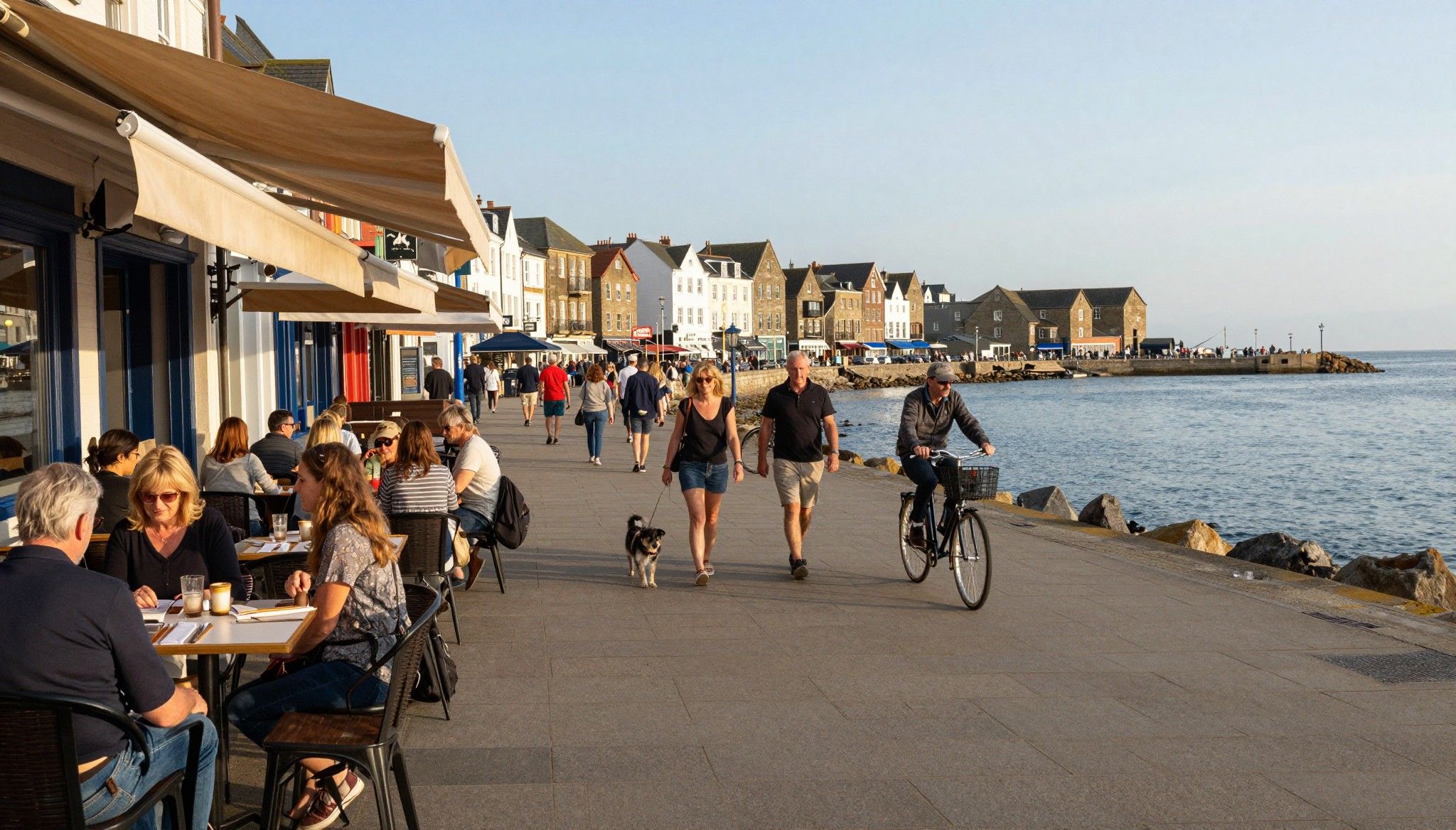
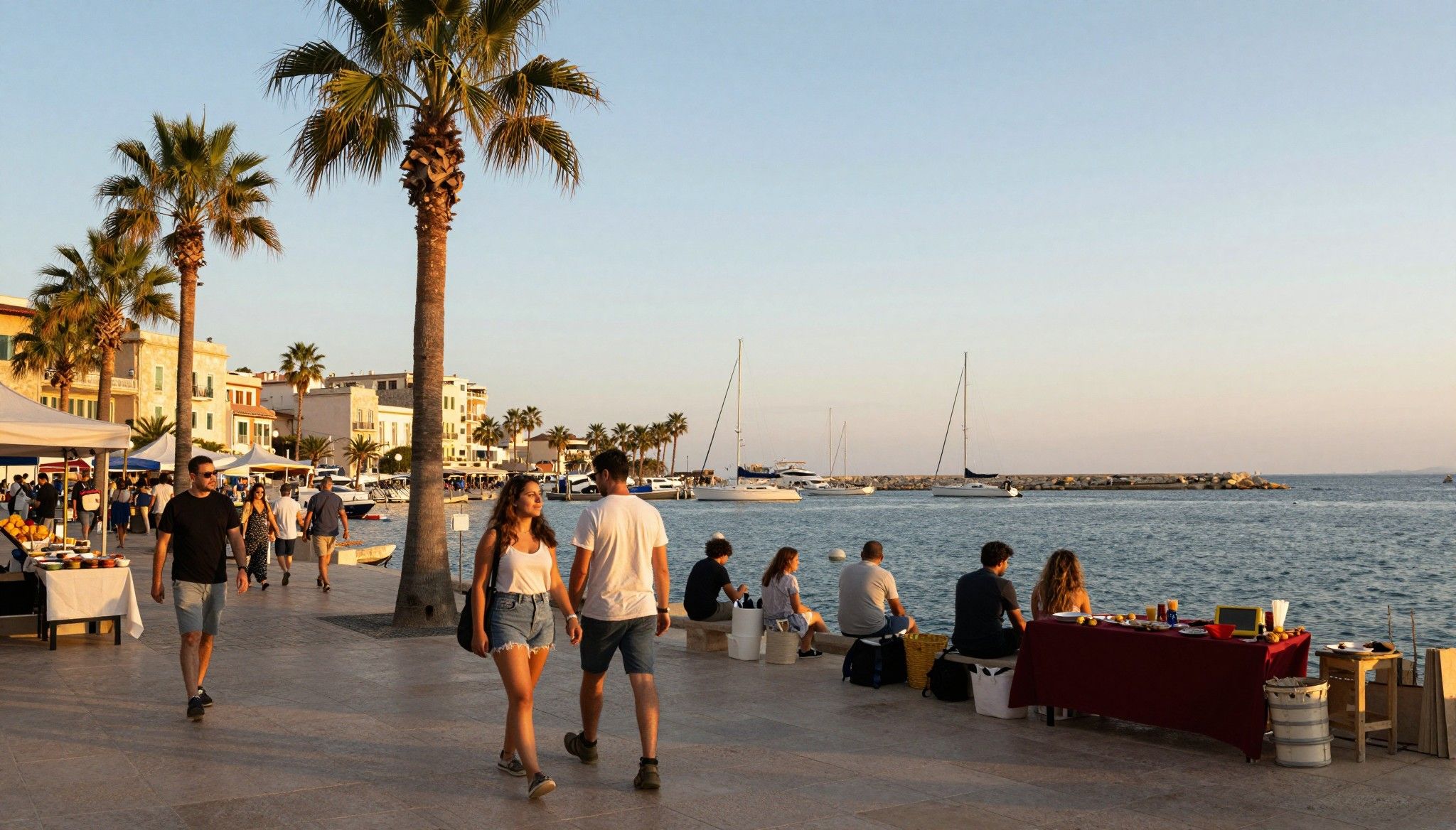
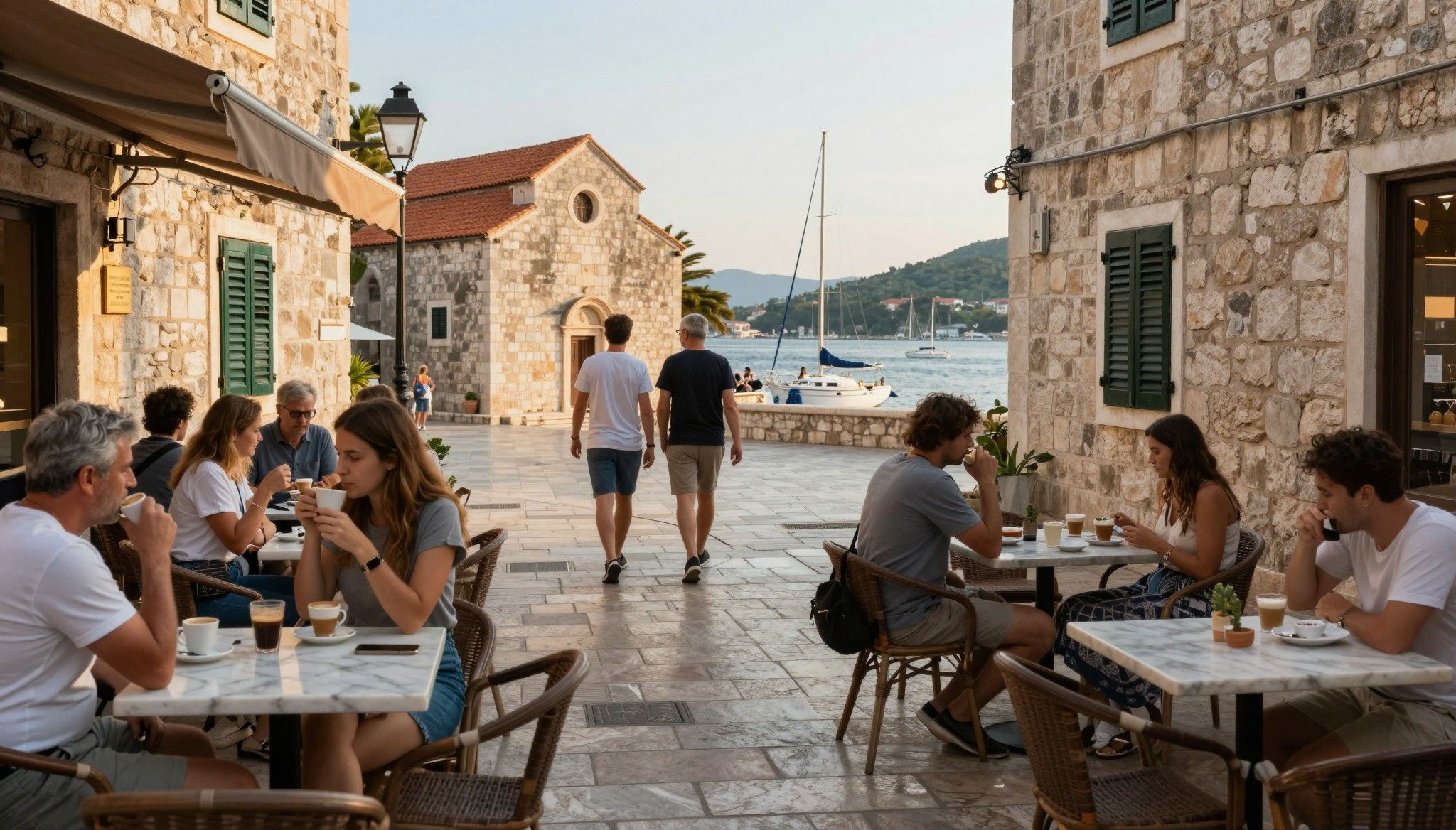
Imagine a late-afternoon espresso on Split’s Marmontova, the Adriatic wind carrying the salt from Riva while a neighbour trims bougainvillea on a stone terrace. In Croatia, day-to-day life moves between piazzas and promenades, markets and small family-run konobas; for many international buyers the first surprise is how inhabitably ordinary — and quietly refined — the lifestyle feels.
Living Croatia: texture, rhythm and neighbourhood character
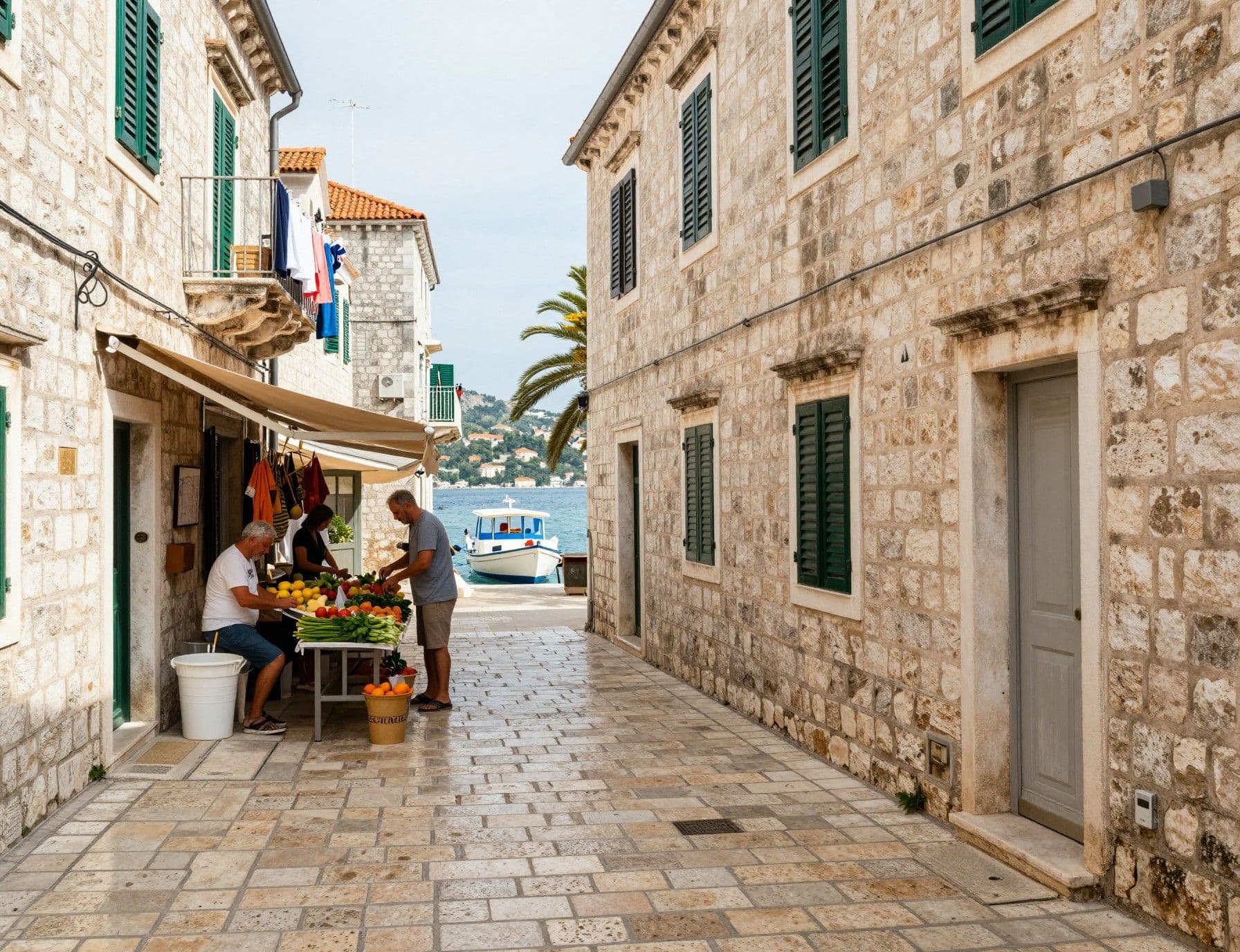
Croatia resists single-word descriptions. In Zagreb there is a rational, café-lined rhythm and art-house evenings; along the Dalmatian coast life is sculpted by tides of tourism, olive harvests and late summer dinners that spill into narrow lanes. Weather, architecture and history conspire to make each place intimate — Dubrovnik’s baroque terraces, Hvar’s lavender-scented lanes and Istria’s hill towns offer different daily tempos that should shape the property you choose.
Zagreb, Dalmatia and Istria: three lives under one flag
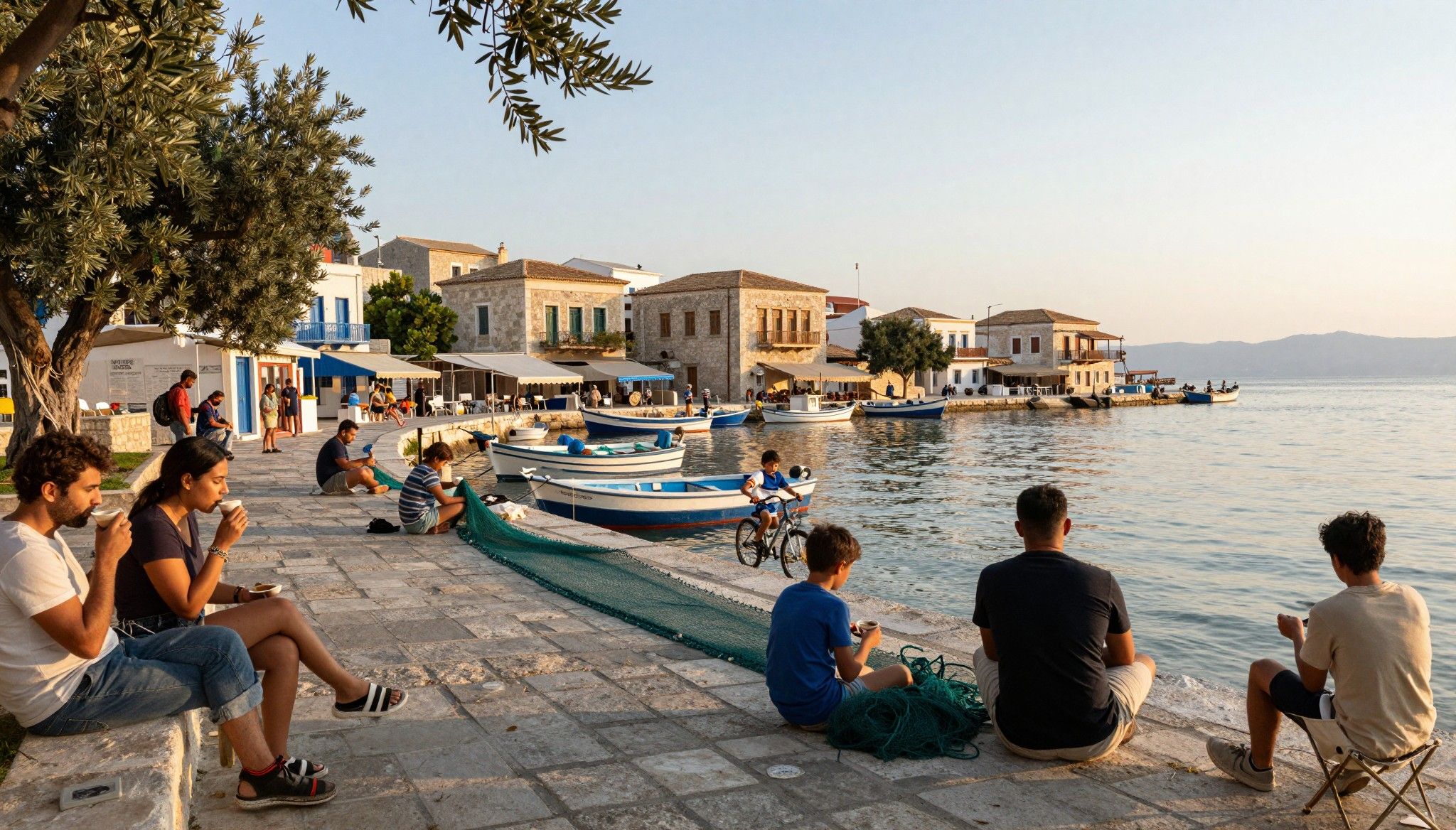
Zagreb’s Trešnjevka and Črnomerec are for those who prize cultured urban routines: morning markets, neighbourhood bakeries and quick tram access. On the coast, Split’s Veli Varoš and Dubrovnik’s Gruž are practical coastal choices where fishermen still arrange nets by the quay. In Istria, Motovun and Rovinj reward owners with slow food culture and stone houses that breathe with centuries of craftsmanship.
Food, markets and the neighbour’s table
Weekend life centers on open-air markets and small producers: think fresh anchovies in Makarska, truffles in Istria and olive oil tasted from a ceramic dish. These rhythms influence property choice — a home with a courtyard or a ground-floor pantry matters if you intend to cook and entertain with local produce. Local customs, from Sunday family lunches to late-night konoba reservations, turn houses into vessels for social life.
- Lifestyle highlights to scout during a visit
- Stroll Split’s Riva at dawn; note which terraces are year‑round and which close in October.
- Visit an Istrian truffle fair (autumn) to experience regional food networks and seasonal rental demand.
Making the move: legal realities that shape lifestyle choices
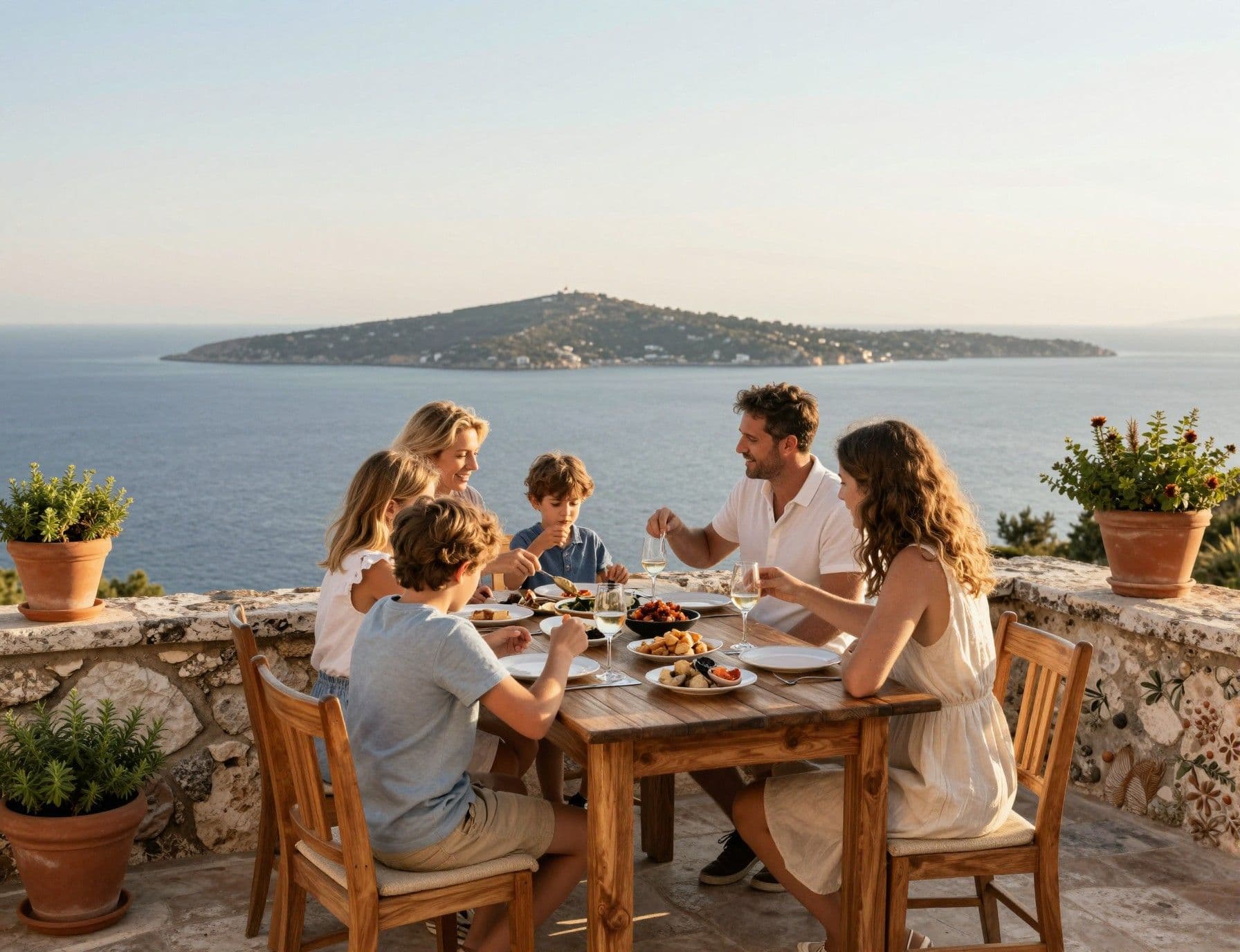
The emotional appeal of terraces and market mornings meets rule‑bound realities the moment you begin a purchase. Croatia treats EU citizens the same as locals, while non‑EU nationals face a reciprocity principle and — in many cases — ministerial consent before registering ownership. These legal contours should influence where you look, how you structure ownership and whether you plan a quick seasonal retreat or a long-term life.
Who can buy what: EU parity, reciprocity, and company routes
If you are an EU citizen or an EU-registered company, you acquire property under the same terms as Croatians. For non‑EU citizens, Croatia applies the principle of reciprocity: your right to buy depends on whether your home country grants Croatians reciprocal rights, and most transactions require approval from the Ministry of Justice. A common workaround is acquiring property through a Croatian company, which sidesteps the reciprocity hurdle but adds accounting and long‑term stewardship responsibilities.
Key fiscal notes that alter the math
Resale transactions typically attract a 3% transfer tax on market value, while new-builds can be VAT-bearing (depending on seller status). Annual property tax is municipal and modest compared with many Western markets, but service costs — utilities, communal fees and coastal maintenance levies in resort towns — accumulate. Factor these ongoing charges into lifestyle budgeting: a renovated stone villa needs different provisioning than a central apartment.
- Steps to align legal structure with lifestyle (practical sequence)
- Confirm nationality rules (EU parity or reciprocity) and whether ministerial consent is likely.
- Decide ownership vehicle: personal title (EU), Croatian company, or trust — weigh taxes and stewardship.
- Conduct land registry and encumbrance checks with a local lawyer before offer; register with cadastre and notary once complete.
Insider knowledge: red flags, seasonal tactics and what expats wish they knew
Experienced buyers learn to read seasonal distortions and community character. A summer of overflowing terraces can obscure poor winter maintenance, while a quiet off‑season reveals a village’s true year‑round population. Equally, offers that look attractively discounted in October can come with deferred repairs that turn honeymoon visits into long renovation projects. Expect local nuance; shops, ferry timetables and refuse collection rhythm will determine daily comfort far more than a sea view alone.
Three red flags to stop and investigate
- Vague boundaries or missing cadastral maps — a precise land registry extract is non‑negotiable.
- Informal promises from sellers about access or parking; verify easements in writing.
- Unclear tax or utility arrears recorded against the property — these can transfer to new owners if not cleared.
What long‑term stewardship looks like
Owning in Croatia is often a multi-decade relationship with a place. Stone houses require cyclical roof, plaster and timber maintenance; olives and vineyards ask for seasonal care. If you plan to rent, choose locations with reliable off‑season demand or adopt a quiet‑season maintenance plan. A good local property manager and an accountant comfortable with cross‑border filings convert aspiration into a sustainable life.
Practical next steps: visit in three seasons (spring, high summer, winter), engage a Croatian lawyer early, confirm reciprocity or company route, and secure a trusted local agent who understands both the market’s character and the legal architecture that enables ownership. These measures protect both lifestyle and capital — and ensure your first morning coffee in Croatia is simply the start of a life here, not the beginning of unforeseen paperwork.
Conclusion: Croatia rewards patience. The country offers varied daily rhythms, a food culture that structures social life and durable properties that age with character. Match the right neighbourhood to how you want to live, and let legal clarity be the scaffolding for the life you imagine. When you pair season-aware visits with local legal counsel and a discreet agency familiar with reciprocity mechanics, you protect the lifestyle you sought — and the home that will hold it.
Norwegian with years in Florence guiding clients across borders. I bridge Oslo and Tuscany, focusing on legal navigation, cultural context, and enduring craftsmanship.