Greece: The Lifestyle That Demands Legal Care
Greece’s daily life — markets, squares and seasonal rhythms — matters as much as title deeds; recent Golden Visa and tax changes make local counsel essential.
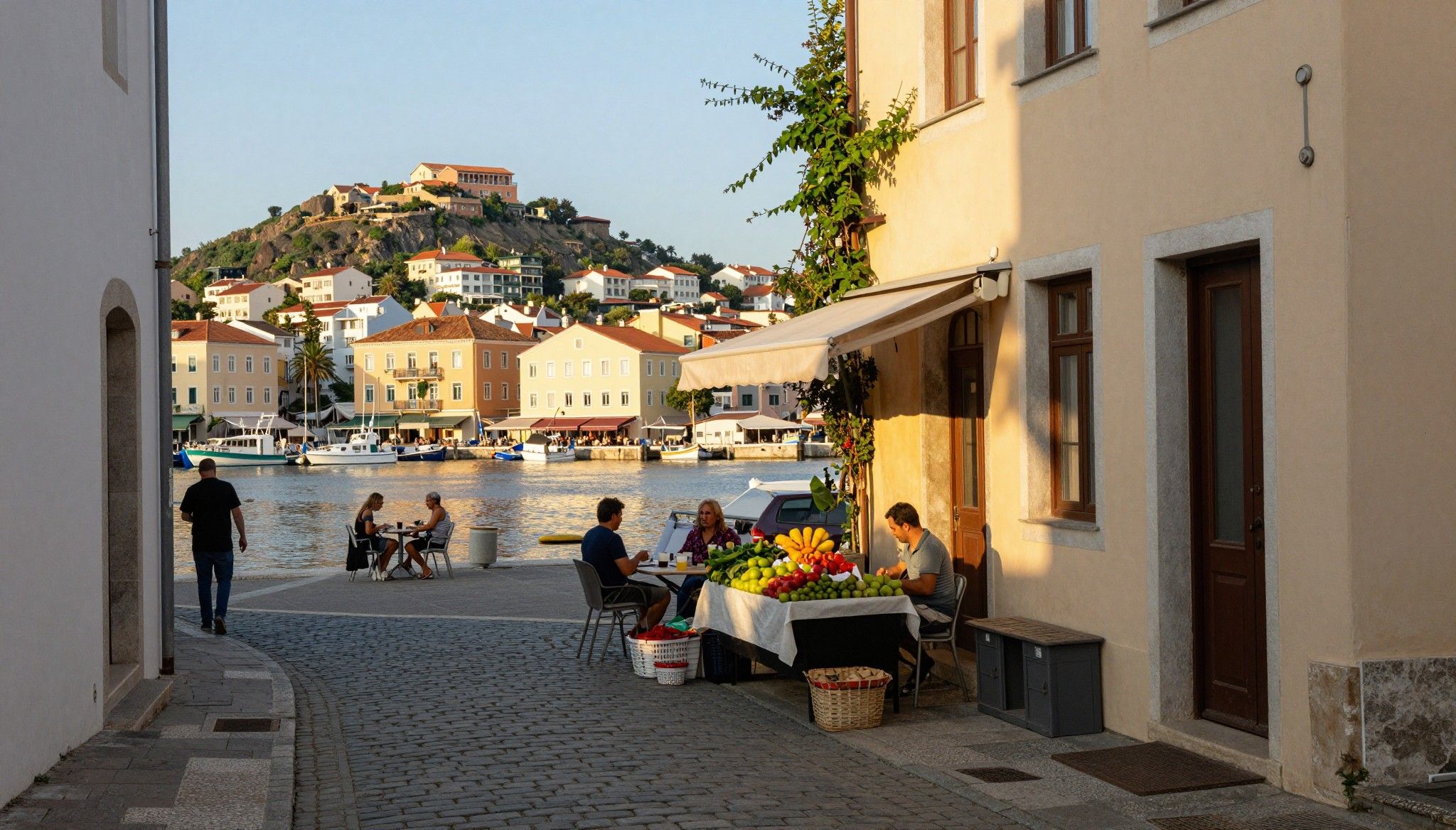
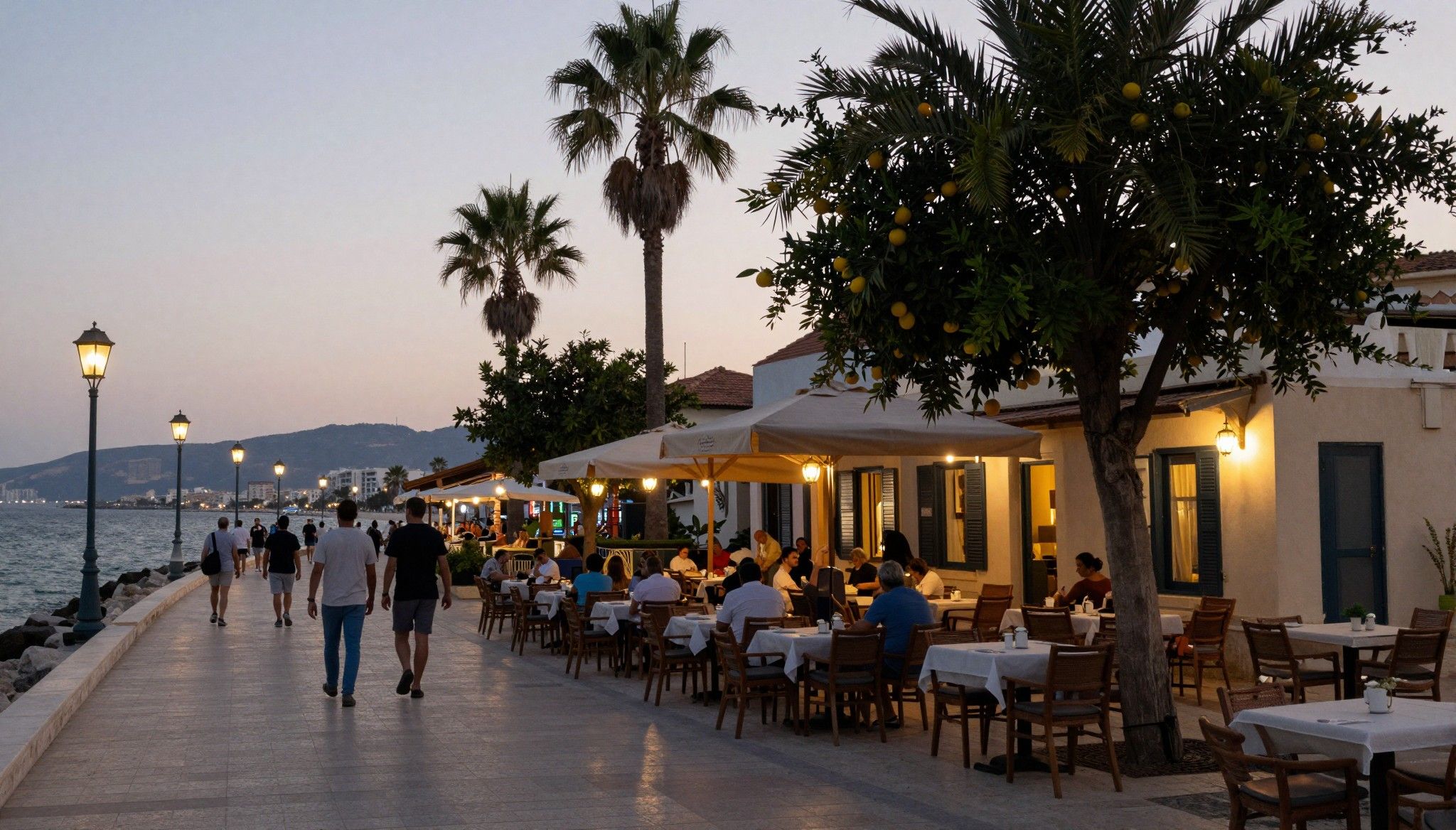
Imagine waking to the sound of church bells and delivery scooters threading narrow lanes, then stepping out for a strong espresso beneath a plane tree on Athens’ quiet corner of Koukaki; or picture afternoon light sliding across a whitewashed terrace on a Cycladic island as neighbours return from the sea. Greece moves in measured rhythms — civic mornings, long lunches, and evenings that unfurl slowly along the waterfront — and it asks that those who arrive learn to live by its tempo. For buyers, this rhythm is both enchantment and a contract with place: the sensuous daily life is inseparable from legal realities that shape what it means to own here.
Living the Greek life — what you'll actually experience
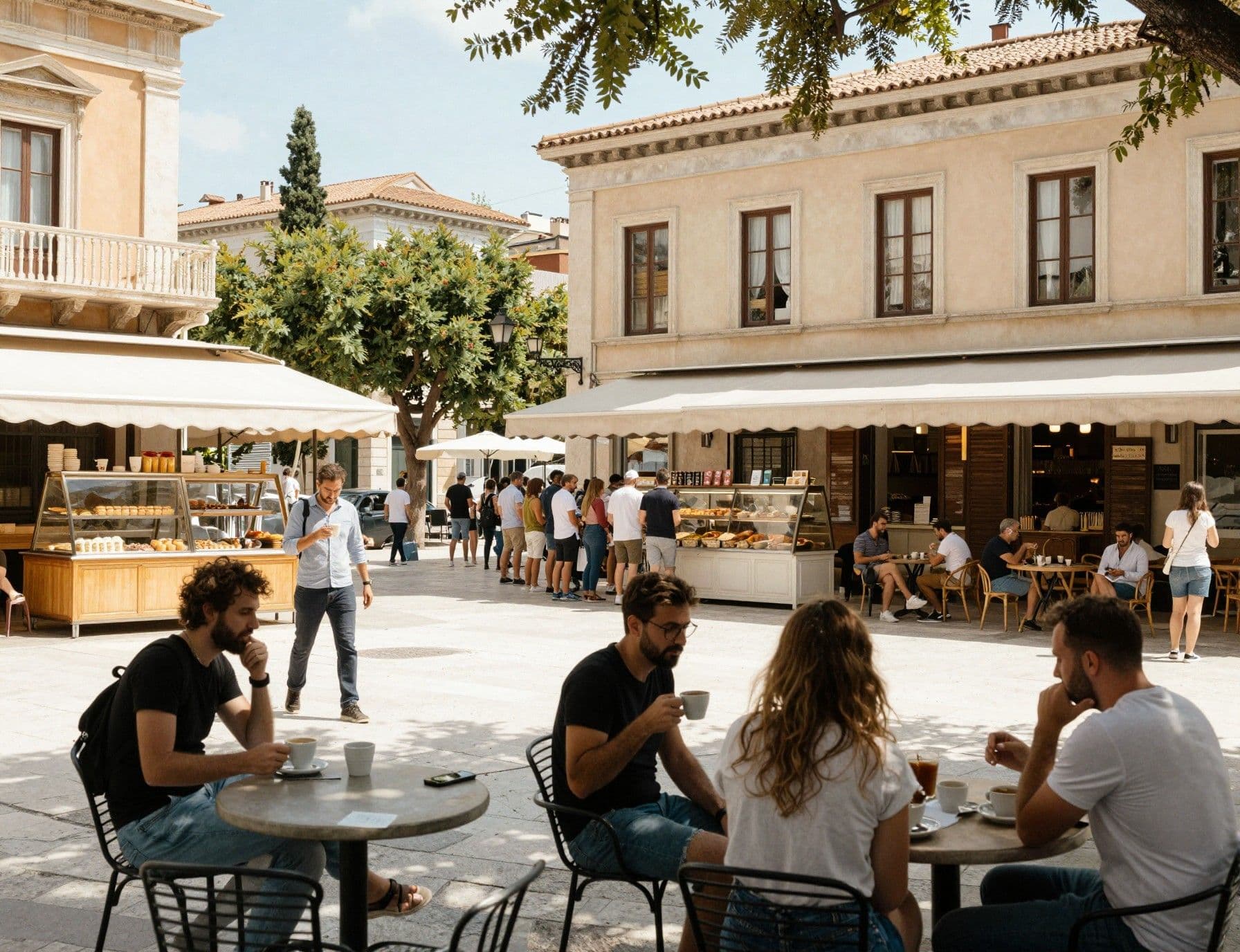
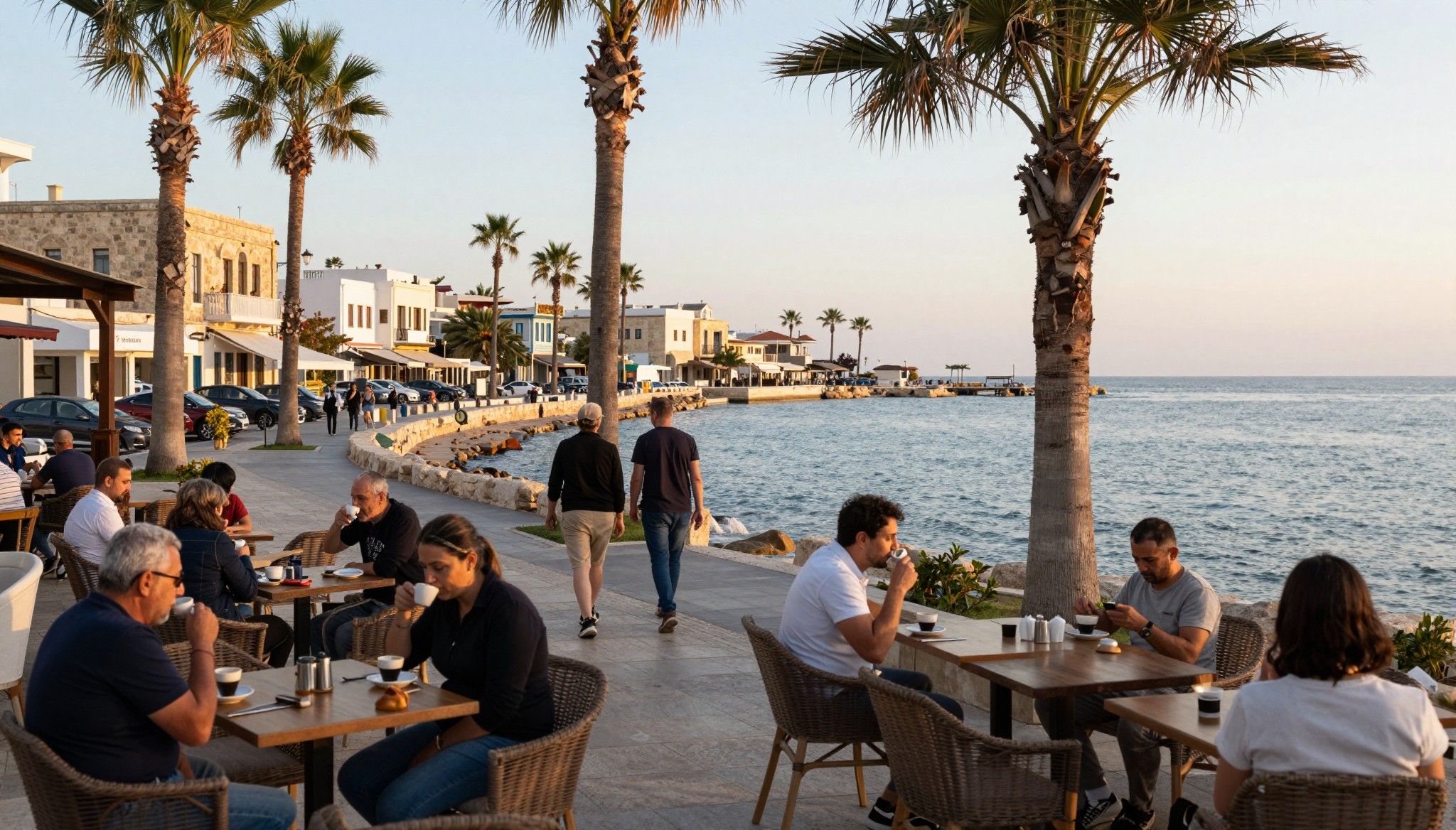
The lived Greece is not a single image but a collage: marble pavements and neoclassical facades in Plaka; the slow coffee ritual of Psirri; a fisherman’s tavern at the head of a small harbour in Mani; a decidedly modern neighbourhood of restored warehouses and galleries in Thessaloniki. Properties here are stitched into neighbourhood life — bakeries open at dawn, municipal markets that pulse on Saturdays, and squares where summers are measured in long dinners. Understanding those daily textures will change what you look for on a property tour more than any headline about price per square metre.
Neighbourhoods that define how you live
Choose Koukaki for intimacy and proximity to the Acropolis; Kolonaki for restrained refinement and galleries; Ano Glyfada for a shore-facing life near Athens’ southern coast; Chania’s old town for Venetian lanes and shaded cafés; or Serifos for island quiet where neighbours still fish. Each address dictates daily habit: whether markets are within walking distance, if terraces get afternoon shade, or whether municipal services — trash collection, building permits — move at a bureaucratic pace that requires patience.
Food, markets and social life — how neighbourhoods breathe
The public market is the social thermostat: fresh fish at Varvakios Market in Athens, herbs and honey stalls in Chania, a seasonal truffle fair in parts of the Peloponnese. These rituals shape lifestyle choices — a buyer who delights in daily market shopping will prioritise ground-floor apartments with lift access and kitchen layouts made for fresh cooking; someone seeking island solitude will value outdoor storage for fishing equipment and shaded terraces. Note also that rising demand and returning tourism have pushed local prices: the Bank of Greece recorded sustained house-price growth in recent years, a trend that changes the balance between lifestyle and investment calculus.
Making the move: practical considerations that preserve the life you want
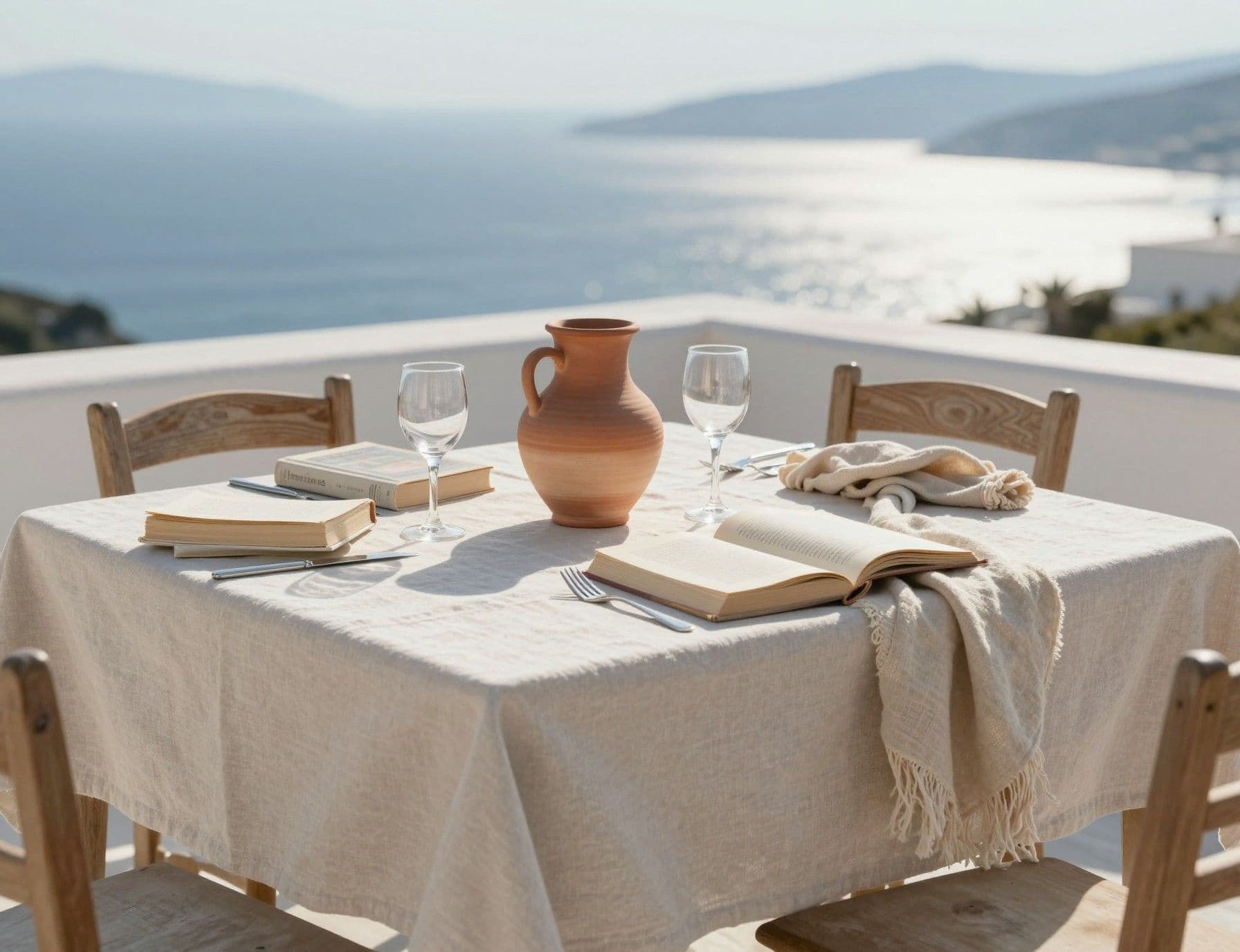
Your first private visit will be sensory; the second must be forensic. Local paperwork — title searches, cadastral checks and tax clearances — is the scaffolding that preserves the life you imagine. Familiarity with recurring local costs, such as the Single Property Ownership Tax (ENFIA) and municipal levies, will keep seasonal delights from becoming unexpected burdens. Good advisers translate those costs into an annual household figure rather than a line item on a sales contract.
Property types and what they actually offer
A neoclassical apartment in Athens delivers ceiling height, timber shutters and proximity to cultural life but often less parking and more maintenance; a stone house in Mani yields privacy and land for a kitchen garden but may demand investment in insulation and seismic reinforcement. New builds offer warranties and modern systems; restored properties give provenance and character. Match the property’s physical story to how you want to live there.
Working with local experts who know the culture, not just the contract
An agent who understands municipal habits, a lawyer who reads deeds in handwritten archives, and an accountant familiar with ENFIA and transfer taxes are indispensable. Recent legislative changes to investment-residency rules make counsel essential for buyers targeting residency through property purchase; local advisers will also know where an estate’s paperwork is complete and where a ‘renovation conversion’ will trigger different rules.
- Lifestyle-led practical checklist buyers wish they had earlier:
- Walk the morning route: confirm where groceries, a pharmacy and a cafe sit relative to the property.
- Request a full ENFIA and tax-clearance certificate from the seller before a preliminary agreement.
- Check the cadastral status — islands and rural plots still show pockets of incomplete registration.
- Confirm building permit history and any unauthorised works; sympathetic restorations often require retrospective approvals.
Insider knowledge: expat truths, seasonal trade‑offs and legal red flags
Expats often speak of ‘the summer illusion’: a property that seems perfect in August — vibrant, full of life — may be isolated in November. Similarly, many first-time buyers underestimate seasonal maintenance (pools, shutters, coastal saline corrosion) and local serviceability (winter ferry schedules, heating needs). Legally, the most frequent red flags are incomplete cadastral registration, outstanding municipal charges, and properties offered off-market with ambiguous title chains. Address those early.
Cultural integration and everyday practicalities
Learning a few phrases, joining the local kafeneio routine, and frequenting the municipal market accelerate acceptance. In smaller islands, reciprocal favours (helping with a harvest, contributing to local festivals) matter more than glossy references. These social currencies often ease bureaucratic interactions too: a well-connected local who can translate or introduce you to municipal officers will save both time and cost.
Longer-term considerations for stewardship and resale
Sustainability in Greek property is practical: good insulation, rainwater collection, and sympathetic restoration of lime mortar rather than cement preserve value. Consider whether the property can adapt — can a heritage house accommodate modern services discreetly? These choices determine whether a property remains a cherished home or a maintenance problem to pass on.
- Steps to close with confidence:
- Engage a notary and ask for a full title search and encumbrance report.
- Obtain ENFIA and municipal charge certificates for the past five years.
- Secure a local lawyer to review the preliminary contract and confirm permit history.
- Confirm utility transfers (water, electricity) and budget for any retrofit work.
- Register the purchase with the cadastral or land registry and obtain the final tax receipt.
A final word on residency: read the small print
If residency through investment matters to you, recent legislative changes have reshaped thresholds and conditions in specific regions. These changes affect the size and location of eligible purchases and have important transitional rules; rely on immigration counsel rather than headline summaries to understand whether a property will qualify.
Conclusion — the life that justifies the paperwork
Greece offers a singular domesticity: streets that remember names, kitchens shaped by local produce, and seasons that order life. To live well here is to steward both material and social inheritance. Start with place — the market you will visit each Saturday, the square where you will meet friends — and then assemble the legal team that protects that life. When paperwork and provenance are attended to with the same care you would give a tiled floor or a restored lintel, ownership becomes an invitation rather than an obligation.
Former Copenhagen architect who relocated to Provence, offering relocation services, market analysis, and a curator’s eye for authentic regional design.