Title Tact and Street Sense: Buying in Cyprus
Cyprus offers village calm, coastal conviviality and strong investment appeal, but title status, VAT/transfer treatment and Council permissions demand specialist legal advice before buying.
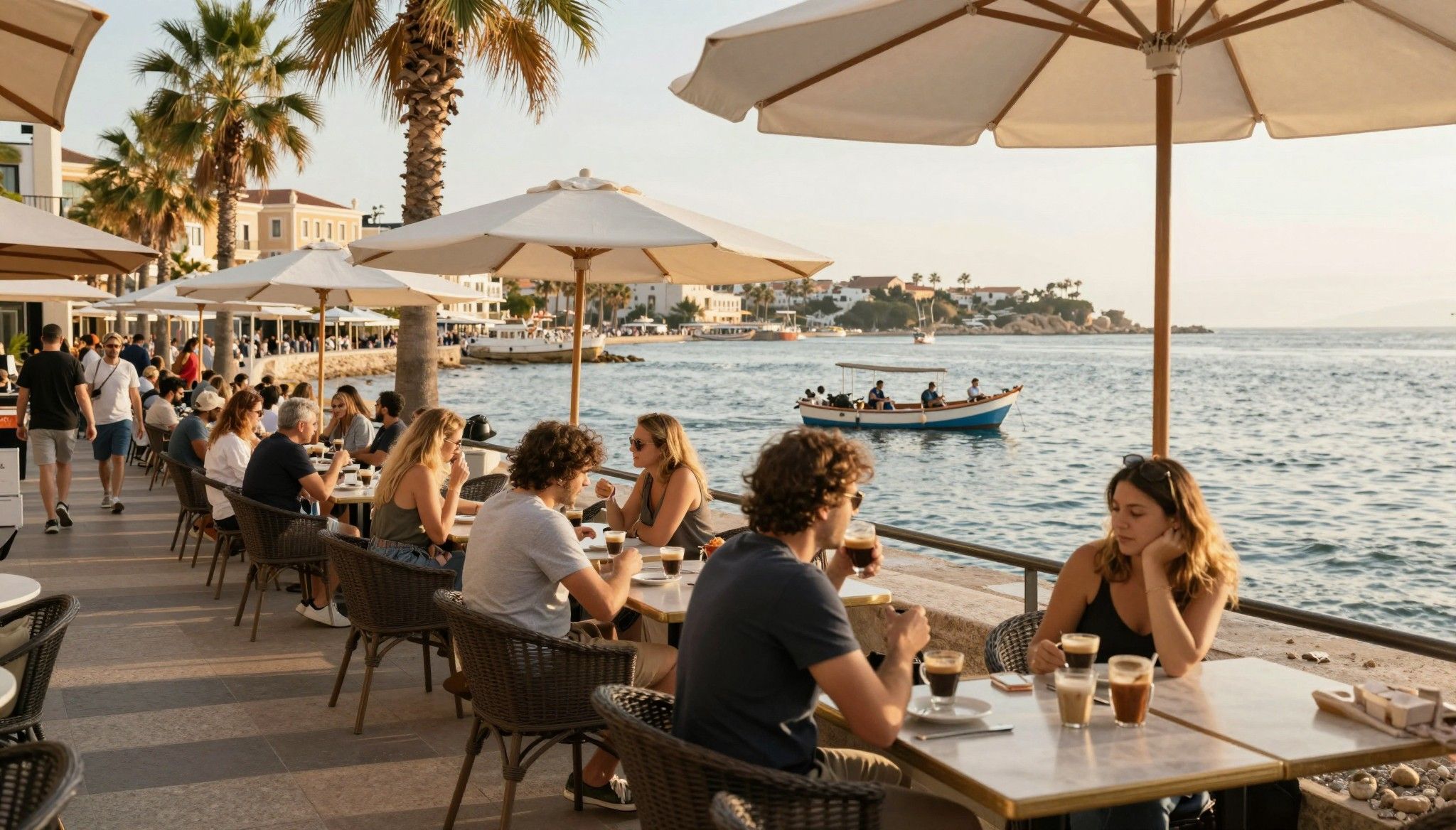
Imagine a blue-sky morning in Limassol: the scent of roasted coffee from Zampelas on Anexartisias, fishermen unloading yesterday’s catch at Larnaca Marina and a late-afternoon stroll beneath carob trees in Paphos’ Ktima district. Cyprus moves with a Mediterranean rhythm that blends village rituals, coastal ease and the occasional bustle of investment activity. That very rhythm shapes how property is bought here—rich in lifestyle possibility but punctuated by legal particularities buyers must respect. These are the practical points that preserve the life you came to buy.
Living Cyprus: how the island feels
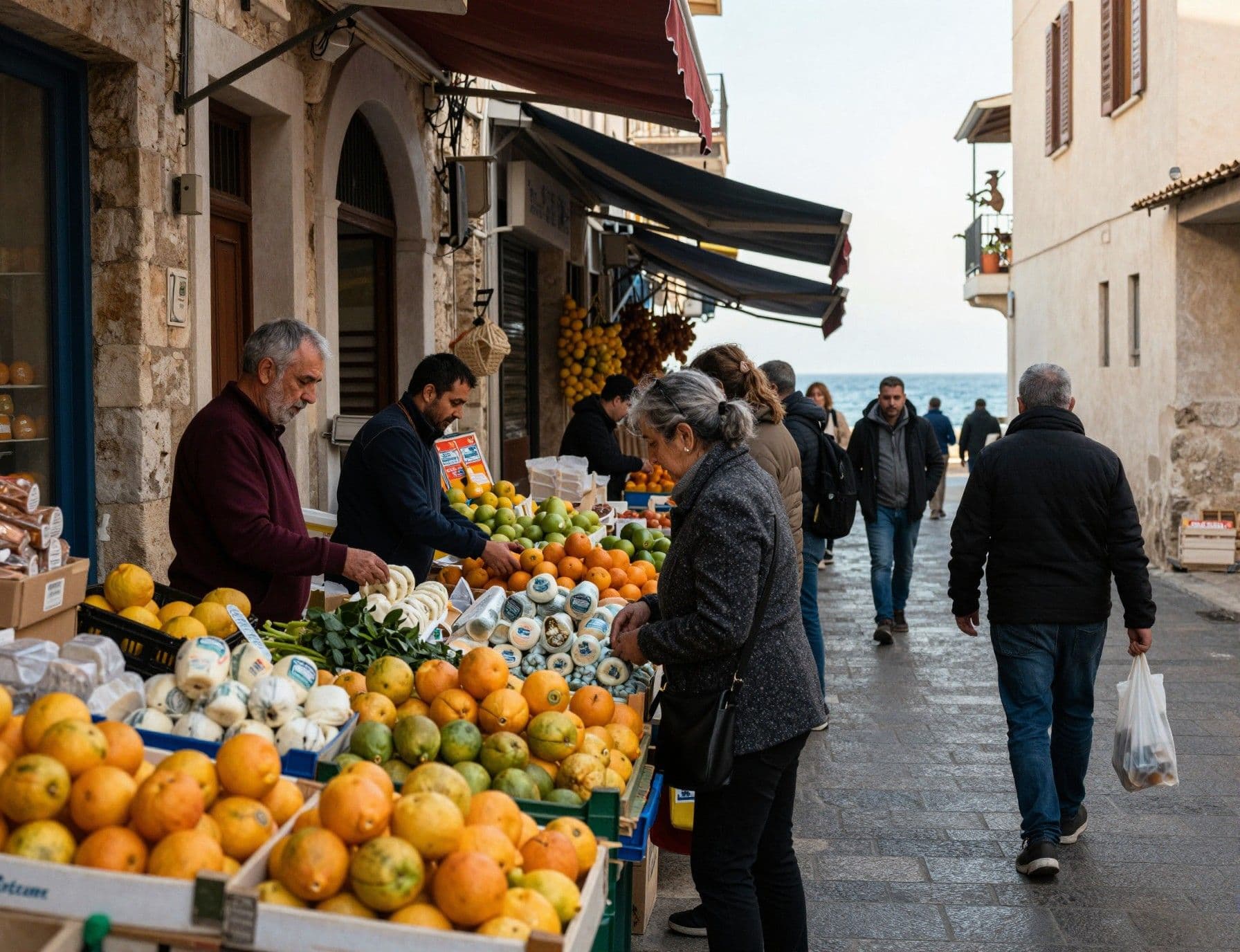
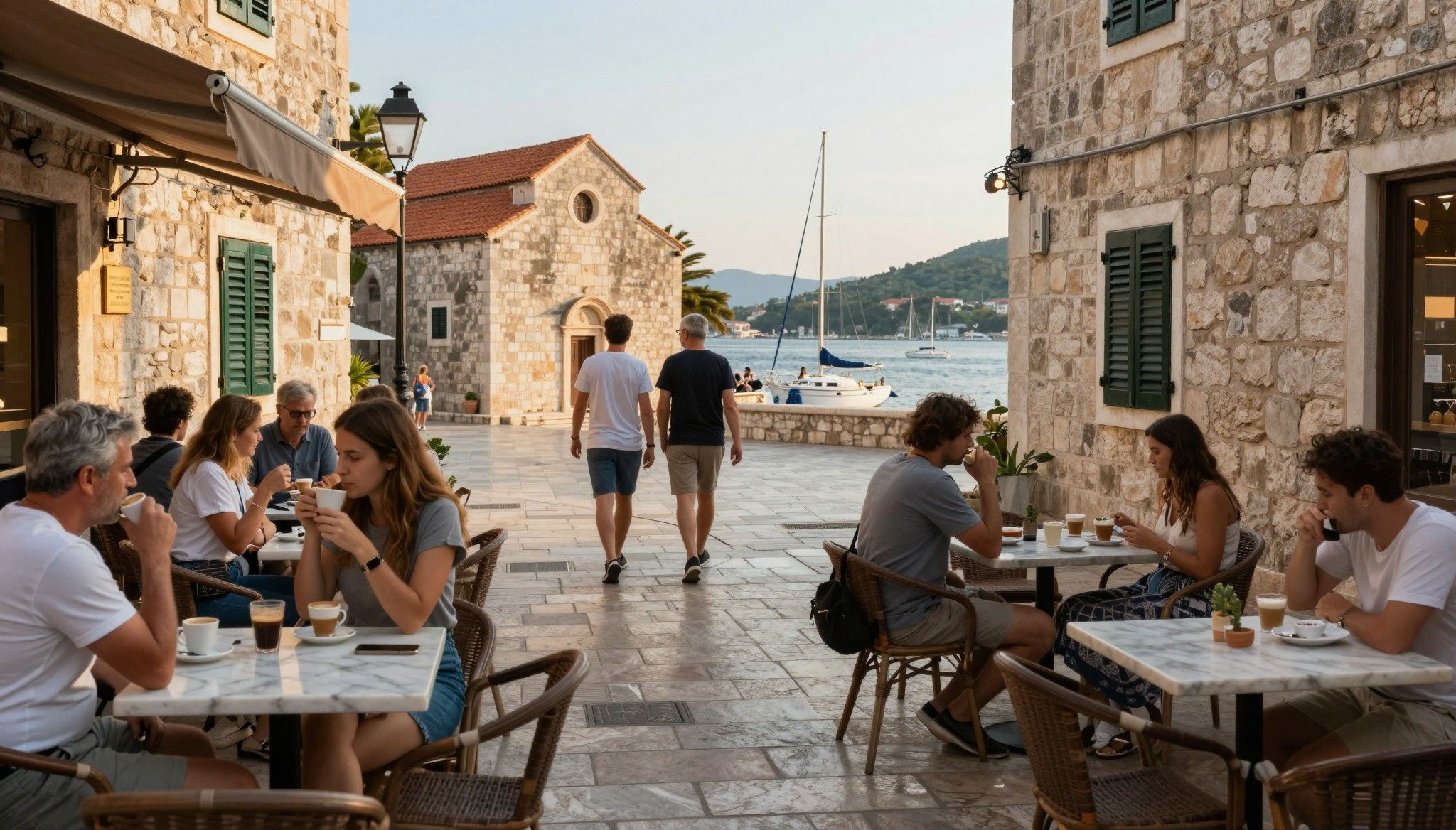
Day-to-day life is quietly cinematic: cafés open early, villages gather around market stalls, and evenings gather at tavernas under ficus trees. Coastal towns like Limassol and Paphos pair maritime leisure with internationally minded social scenes, while Karakoumi and Agios Nikolaos in Limassol feel intentionally local—stone thresholds, mosaics, and family-owned bakeries. Inland, the Troodos mountain villages offer cool refuge and a different tempo: stone cottages, pine-scented air and seasonal harvests that shape communal life. For a buyer, the choice of street, not merely the town, will determine whether you wake to the sound of church bells, a sea breeze or a neighbour’s late dinner.
Coastal towns and their daily rituals
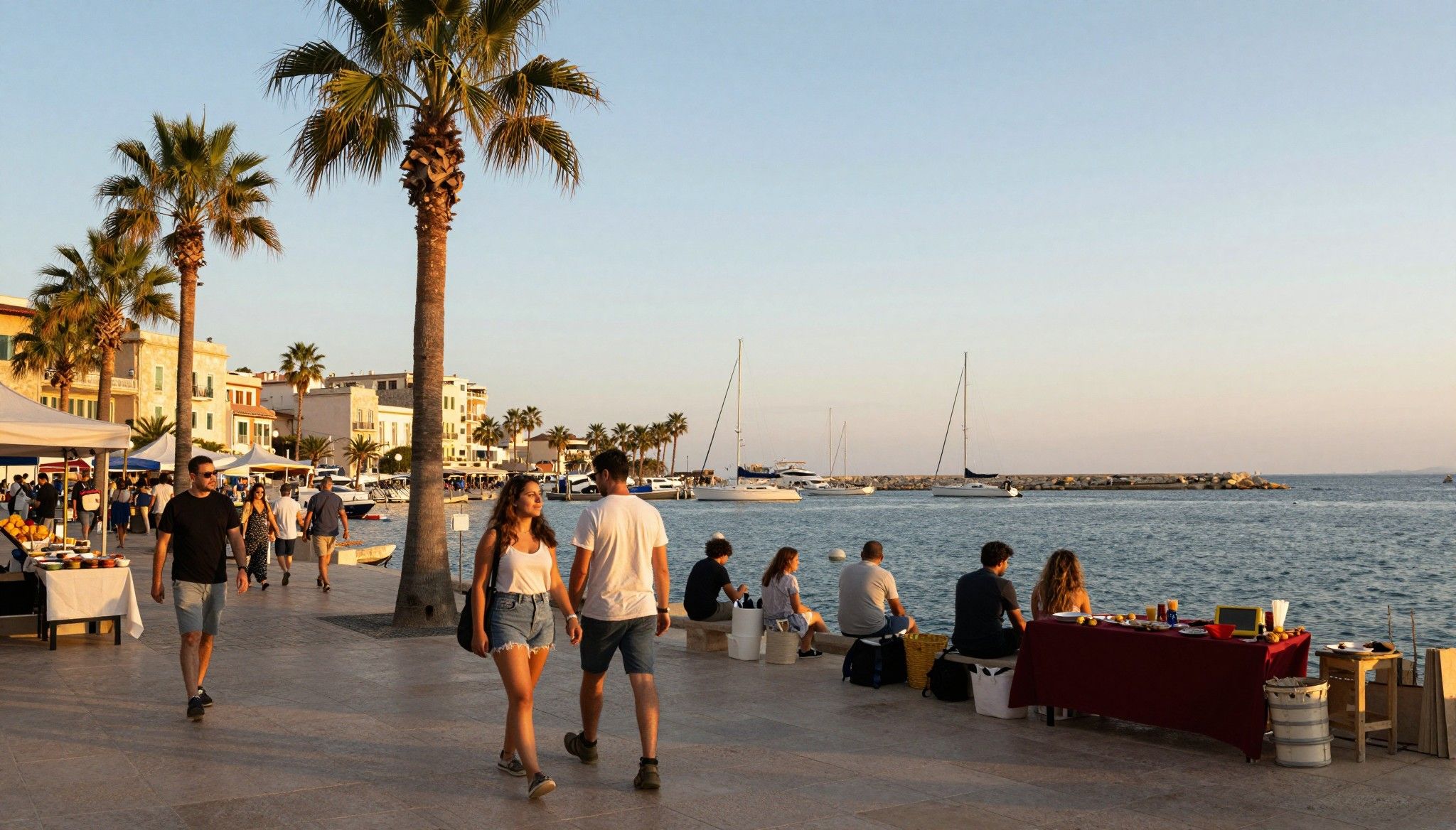
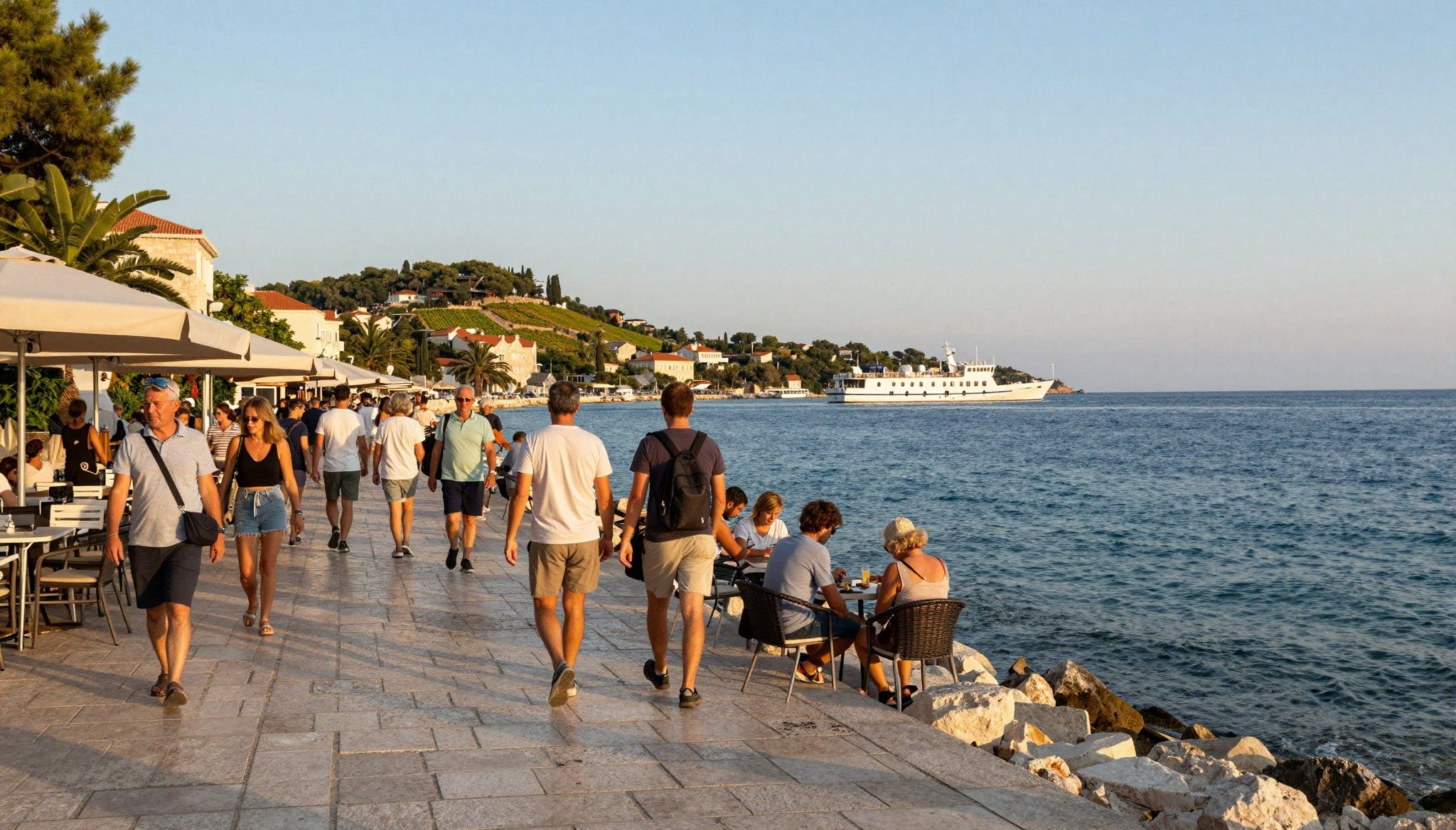
In Limassol, strolls along Molos reveal sculptural promenades, private marinas and quiet early-morning fishermen selling produce at small markets. Larnaca’s Finikoudes blends family promenades with coffee culture and an expanding culinary scene centred around Kennedy Avenue. Paphos’ harbour evenings are low-lit and convivial; buyers who prize evening walks and close-knit cultural programming often find themselves happiest in Kato Paphos or the adjacent Ktima neighbourhoods. Each coastal quarter offers distinct social hours and a predictability of life that should inform where you look and how your property will function day-to-day.
Markets, food and the seasons that matter
Weekends are for markets: orange crates at Nicosia’s municipal market, fish counters at Larnaca’s central quayside and small-scale olive and halloumi producers selling by the kilogram in village squares. The harvest season—late autumn for grapes and early summer for citrus—changes the island: roads scent of ferment and kitchens fill with preserves. Those seasonal rhythms influence maintenance needs for older stone houses, the timing of renovations and the desirability of homes with south-facing terraces. In practice, lifestyle choices—fresh produce, proximity to market life, and how much of the year you plan to occupy the home—should shape the property brief.
Making the move: legal realities that preserve the life you buy
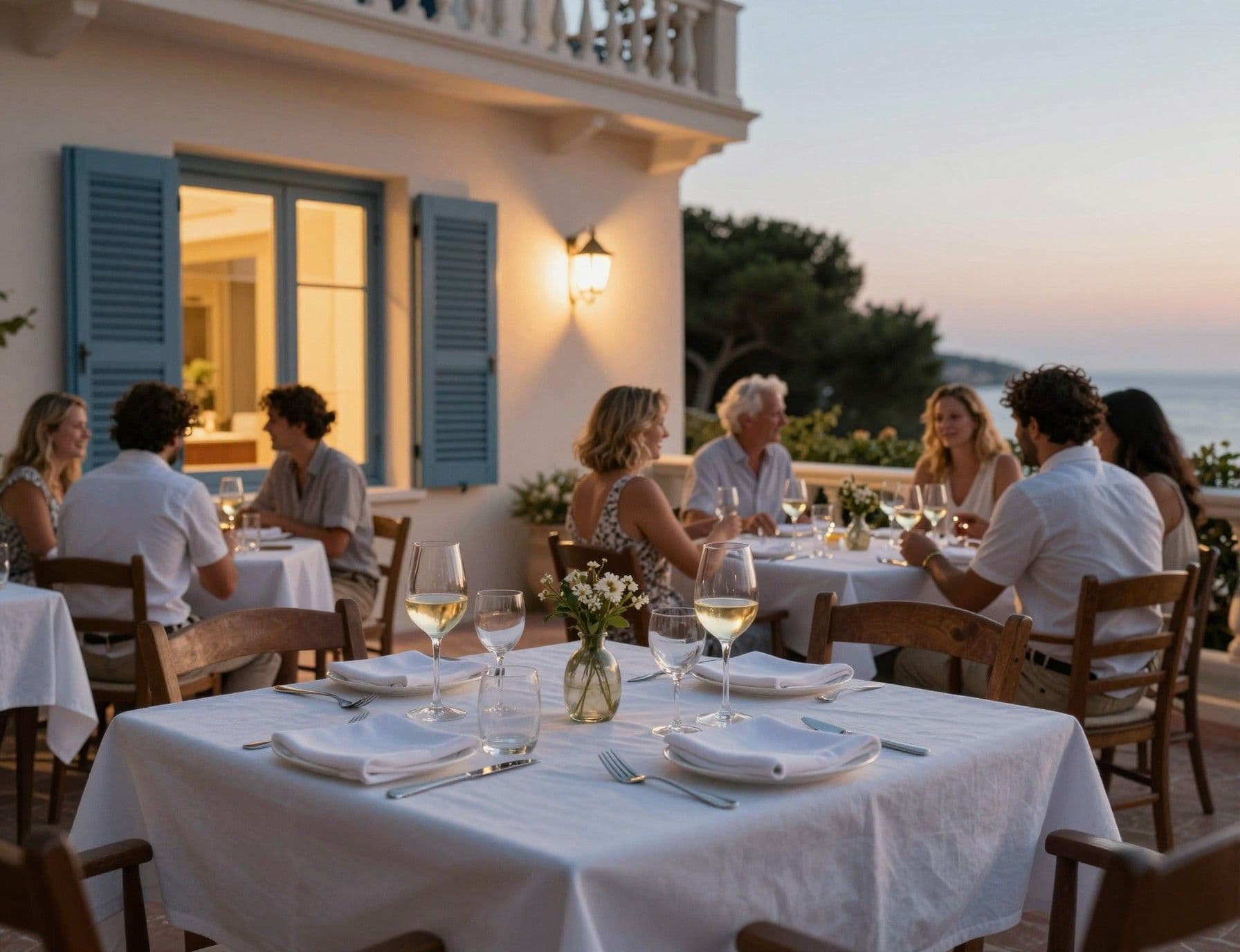
Bring a lawyer early. Cyprus law requires careful steps: sale contracts should be stamped and lodged with the District Lands Office, and non‑EU nationals must secure Ministerial approval before completing acquisition of land or more than limited units. Due diligence—title checks, mortgage searches, planning compliance and developer solvency reviews—translates directly into the quiet certainty you want after purchase. Treat legal fees and clearances not as friction but as guardians of the lifestyle investment you are making.
Property types, title status and what they mean
A defining Cyprus caution: some newer developments still lack immediately available title deeds, creating what locals call “trapped buyers.” The Land Registry has worked through significant application volumes in recent years, but delays persist for projects with developer encumbrances or planning irregularities. For a buyer, a property with an existing title deed is different in kind from one sold on contract alone: the former transfers residential certainty immediately, the latter requires patience and a lawyer who will insist on escrow protections. Put simply: insist on clarity about title status before emotional attachment tightens.
Costs that quietly shape value
Budget beyond price: VAT applies to many new builds while transfer fees apply to resales; stamp duty has been reformed in recent years and other duties apply depending on the transaction. These fiscal details affect whether a seaside renovation or a village restoration makes economic sense once taxes and registration costs are included. Work with a tax-aware lawyer or advisor who can model net cost scenarios and show how tax treatment changes by property type, vendor and whether you intend to rent. The right calculation protects both lifestyle intentions and long-term value.
Working with local experts who value provenance
An agent who knows cafés and cadastral boundaries is worth their weight in stamps. Choose lawyers who specialise in conveyancing, not generalists; select agents who can point to restoration projects, not only the newest developments. Ideally you will assemble a small team: a lawyer for title and permissions, an architect or surveyor for physical and planning checks, and an adviser familiar with Cypriot tax treatment and residency implications. That team turns the island’s character—from courtyard orange trees to limestone façades—into a sustainable lived reality.
Practical steps to commission before making an offer
1. Commission a title search and company checks for developer properties; obtain a written summary of encumbrances and planning status. 2. Order a structural survey and a compliance review against approved plans to avoid costly retrospective fixes. 3. Ask your lawyer to prepare a conditional deposit structure or escrow arrangement when titles are not yet released. 4. Request a tax modelling of VAT vs transfer‑fee scenarios and any applicable exemptions. 5. Confirm whether you need Council of Ministers permission (non‑EU buyers) and who will manage the application process.
Insider knowledge: what expats wish they’d known
Many expat buyers report the same lesson: fall in love with the street, then verify the deed. Social integration is straightforward—English is widely used, and community life rewards quiet participation—but legal impatience is the common regret. Owners who budget extra time and legal cost for title issues, permission letters and permit checks sleep easier and enjoy the island more. In practice, accept that purchase timelines can stretch and plan visits around local seasons so you experience everyday life, not only the showrooms.
Cultural notes that affect where you buy
Villages prize permanence: renovations that respect stonework and rooflines win neighbour goodwill. Coastal buyers should expect a mix of international residents and long-standing Cypriot families, which affects noise, hours and services. Small municipal differences—garbage collection schedule, local market days, and planning enforcement—shape daily comfort more than headline views. If you want year-round life rather than seasonal rental income, verify winter services and community activity before committing.
Longer-term considerations: stewardship and resale
Think of property in Cyprus as a generational object: the defining issues are material durability, planning conformity and provenance of title. Proper documentation and a considered maintenance plan preserve both lived pleasure and resale desirability. If you intend to rent seasonally, factor in local licensing, short‑term rental rules and community acceptance—these can alter both the cashflow profile and neighbourhood character. Above all, stewardship begins at purchase: good legal and technical records ease future transactions and conserve the island’s architectural fabric.
If Cyprus has a central promise, it is the coexistence of collected tradition and an accessible Mediterranean life: tucked courtyards, market rhythms and coastal ease. The practical truth is that safeguarding that life requires attention to title, planning, and the right advisers. Start with a short visit to the neighbourhoods that appeal—sample a market morning, an evening taverna and a quiet walk at dawn—then brief your lawyer and architect before offers. When legal clarity and lived experience align, the island’s invitation becomes a sustainable home.
Next steps: 1) Visit preferred neighbourhoods across seasons. 2) Instruct a specialist conveyancing lawyer immediately. 3) Request title status and a written plan to manage any missing deeds. 4) Model taxes—VAT vs transfer fee—and building compliance before completing purchase. 5) Arrange an independent survey to align romantic appeal with structural reality.
Dutch former researcher who moved to Lisbon, specialising in investment strategy, heritage preservation, and cross-border portfolio stewardship.