Reciprocity & Stewardship: Buying Property in Croatia
Fall for Croatia’s daily rhythms—then close with confidence. Practical legal clarity on reciprocity, ministerial consent and local due diligence turns seaside daydreams into registered ownership.
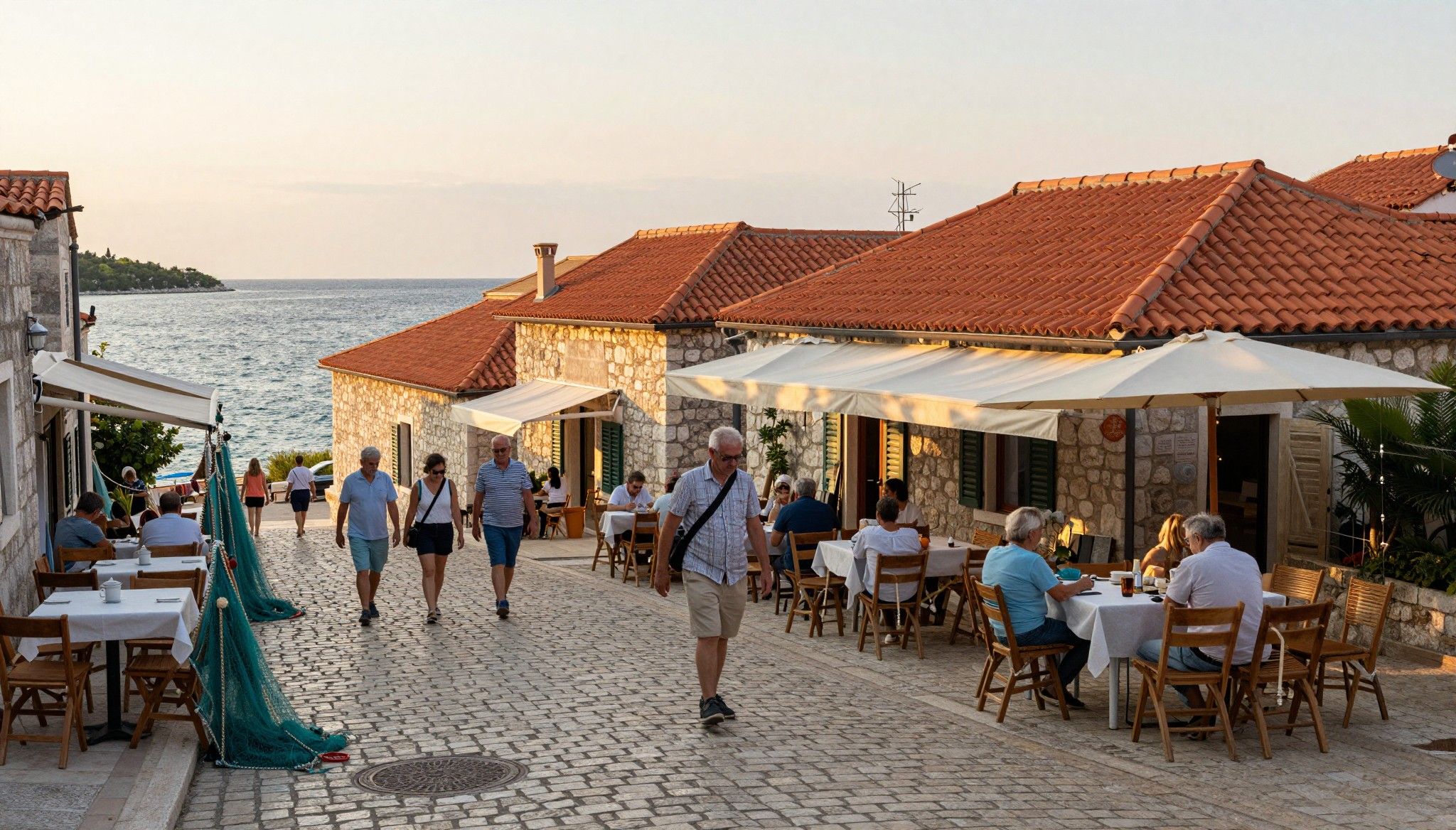
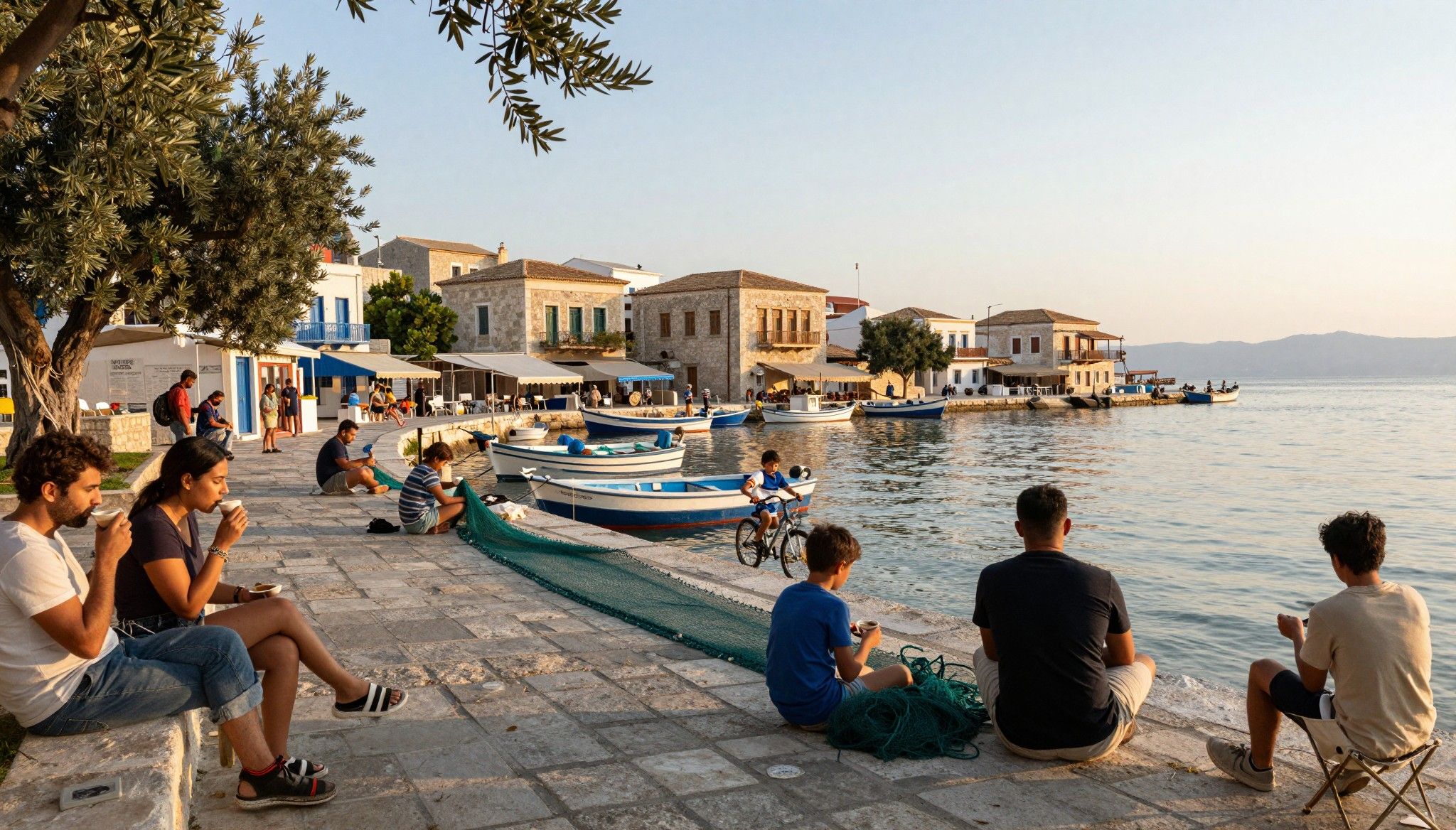
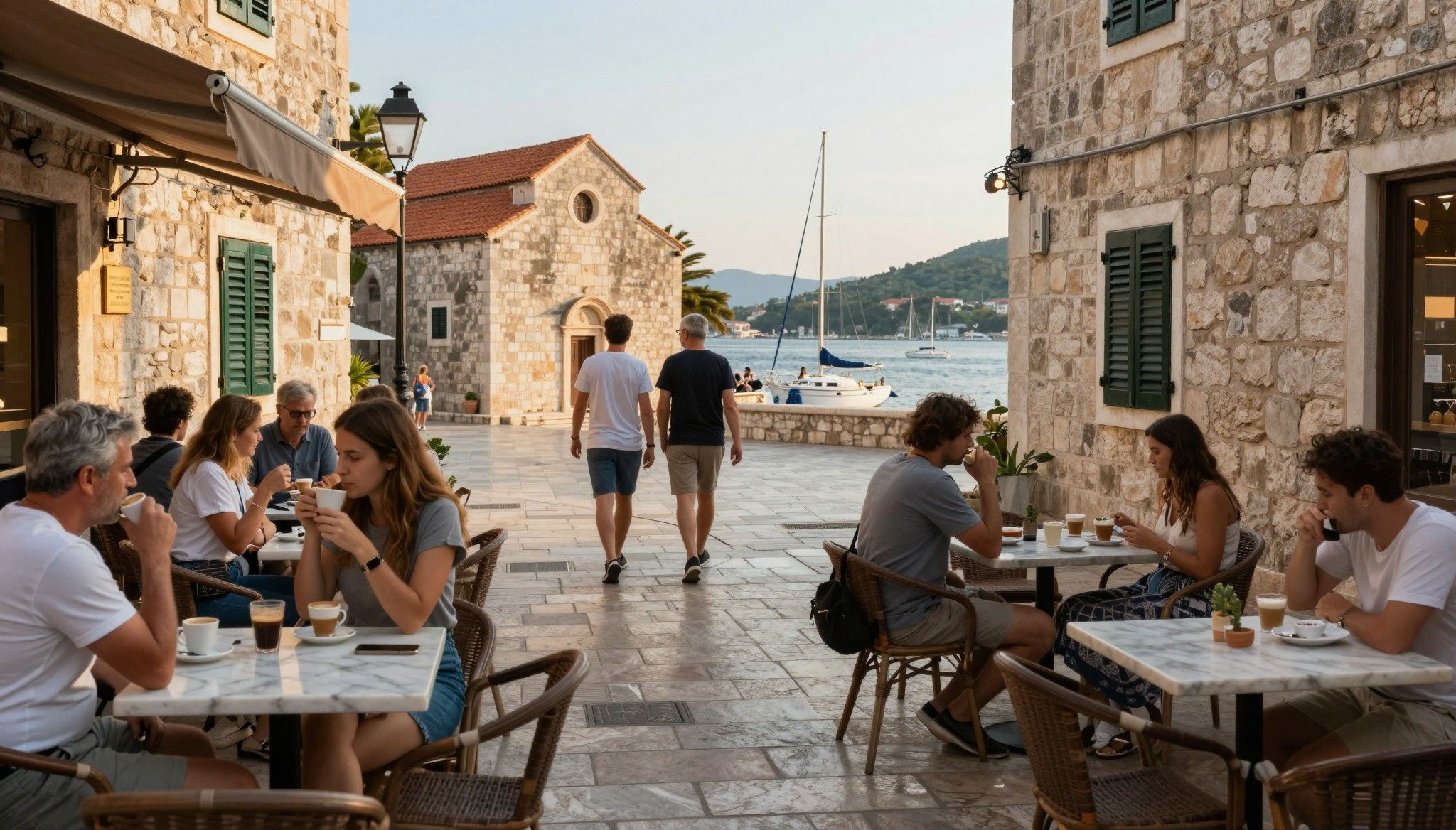
Imagine a morning in Split: espresso cups clink under shade trees on Marmontova, fishermen repair nets at the Riva and a limestone stair climbs to a quiet terrace where light falls in silver. Living here is a choreography of seasons—market mornings in spring, island passages in summer and honeyed light in autumn that makes stonework sing. For an international buyer the romance is immediate; the paperwork less so. This guide places lifestyle first, then gives the precise legal bearings you will need to transform that terrace daydream into a registered address.
Living the Croatian rhythm
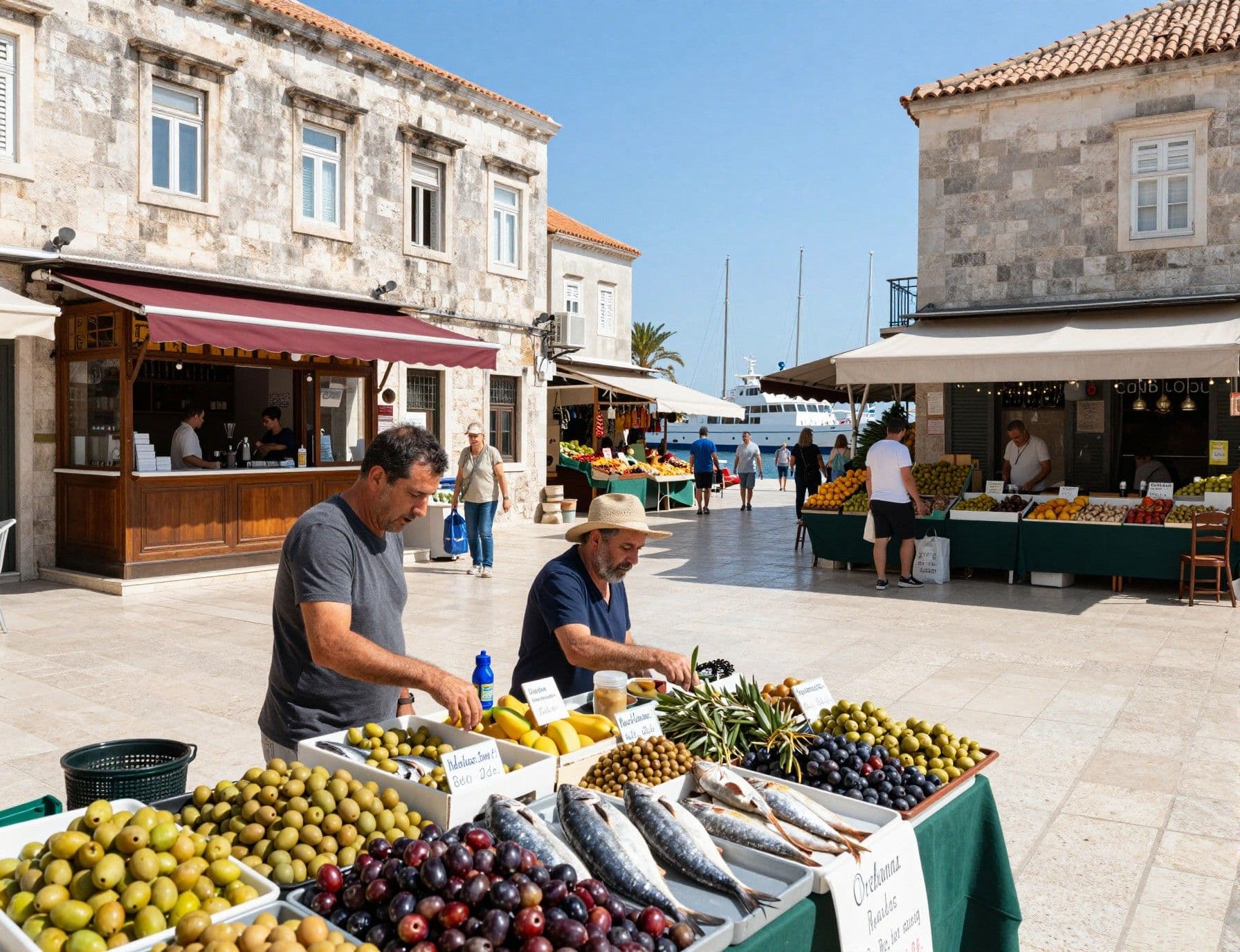
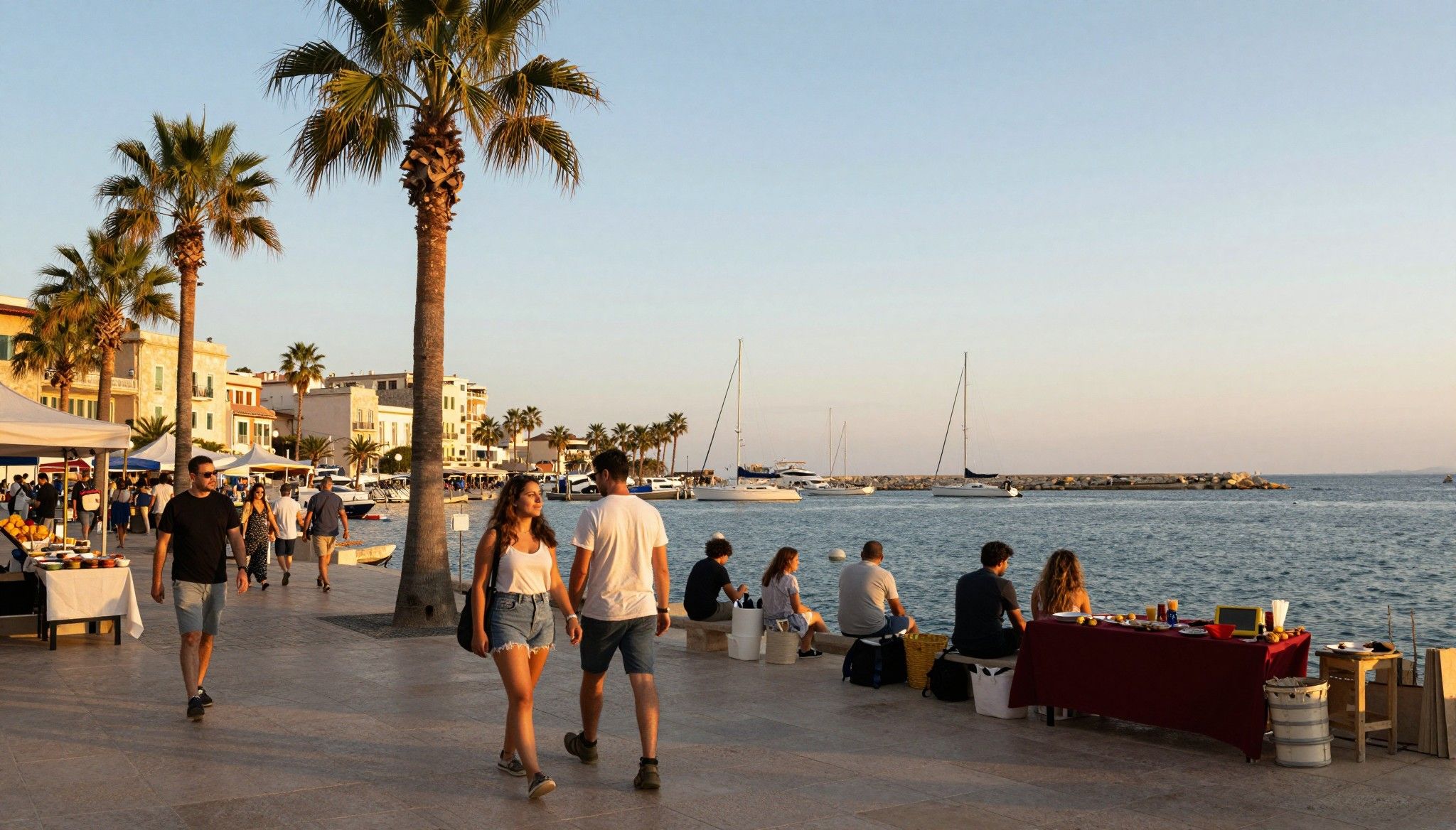
Croatia’s daily life moves at the intersection of Adriatic light and continental seasons. Small squares host coffee culture that begins at dawn and spills into long lunches; markets brim with olives, pršut and fresh shellfish; and coastal towns keep a cadence set by ferries, harvests and festivals. Neighborhoods shift dramatically within short distances: a third‑floor apartment above a café can feel field‑quiet by evening, while a stone villa on a nearby headland offers a different notion of privacy altogether. Understanding these textures is essential because they determine the type of property you should legally and practically pursue.
Coastal towns and island life: Split, Hvar, Rovinj
If your day begins with a ferry timetable and ends with salted terraces, look to Split’s Varoš and Veli Varoš for narrow lanes and authentic neighborhood life, Hvar town for sunlit architectural contrasts, or Rovinj’s cobbled fabric where Istrian stone meets Venetian detail. These locations reward buyers who prize living texture over glossy show; they are compact, walkable and resilient to seasonal swings. Local estate agents such as those profiled in market guides often point out that being close to the quay means steadier rental demand but also seasonal crowds—an important practical trade‑off for ownership and management.
Inland and continental: Zagreb and the wine counties
Zagreb offers an urban life of galleries, cafés and leafy avenues where classical facades sit beside refined new builds; nearby Plešivica and the Zagorje hills present vineyard country and family estates. These areas suit buyers who want year‑round life rather than a summer rhythm. Expect different property typologies—townhouses, renovated bourgeois apartments and small estates—each with distinct maintenance and legal considerations, from heritage constraints to building permits for extensions that respect protected city silhouettes.
Making the move: how law and life meet
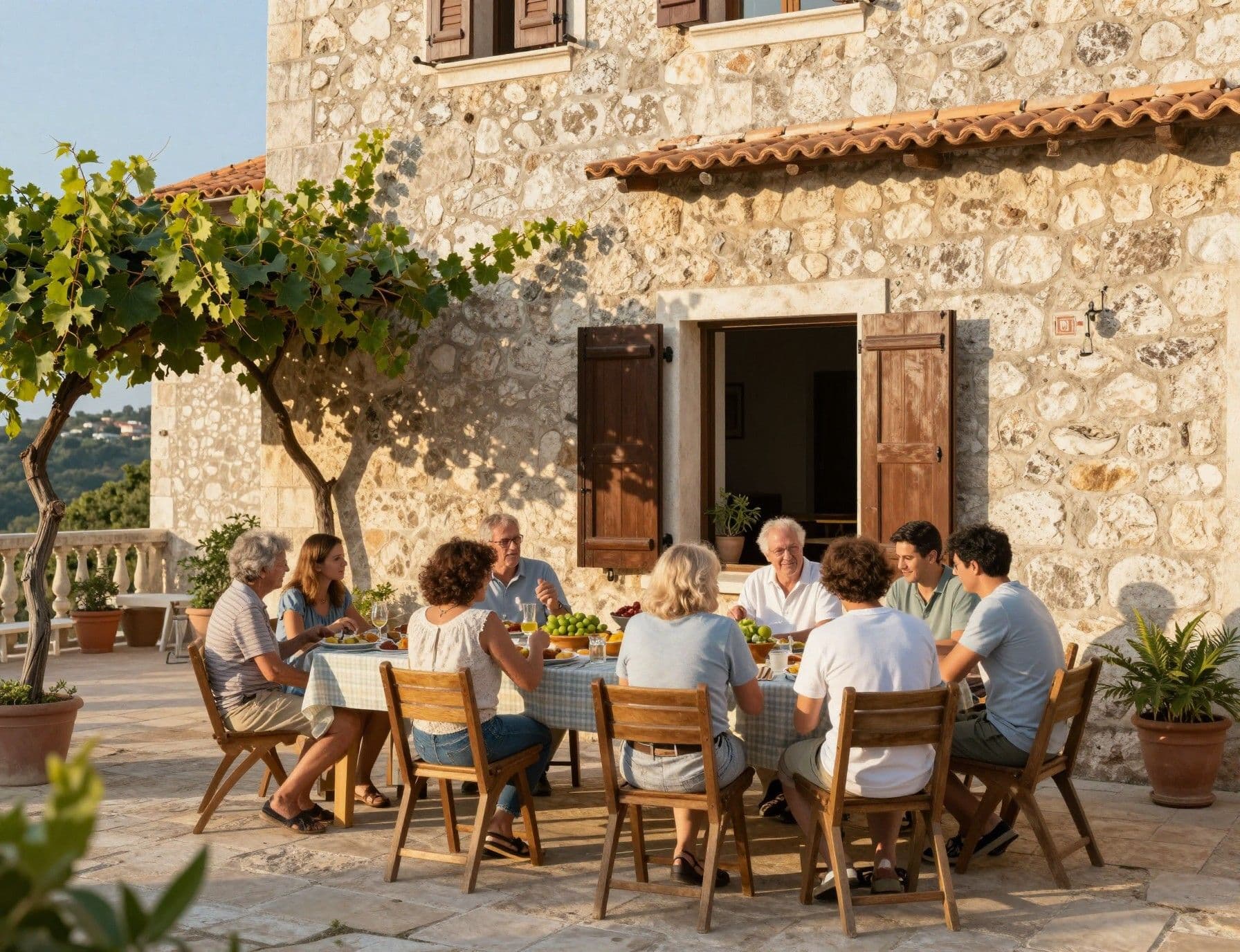
Once the lifestyle is settled, the legal terrain becomes decisive. Croatia separates EU/EEA/Swiss citizens from other foreign nationals: the former enjoy near‑parity in property acquisition, while non‑EU buyers face a reciprocity principle that usually requires ministerial consent. Practically, this means timing, contract structure and the choice of legal vehicle (individual purchase versus a Croatian company) shape both feasibility and cost. Relying on authoritative legal checklists reduces the risk of a conditional sale collapsing at the last minute.
Property types and what they mean for living
A Dalmatian stone house carries different obligations than a modern Zagreb apartment. Heritage facades often fall under conservation rules that limit external alterations, which can preserve provenance but complicate outdoor living upgrades. By contrast, new builds offer contemporary comforts and simpler permitting, yet may lack the patina that makes Croatian homes sing. Choose the property form that aligns with how you intend to live—year‑round, seasonal or rental—and let that choice inform legal structuring and due diligence priorities.
Working with local advisors who know the rhythm
A thoughtful local team—lawyer, notary, surveyor and agent—translates lifestyle wishes into enforceable contract terms. Ask an advisor to make ministerial consent (when needed) a condition precedent in your pre‑contract, and request a clear timeline for registration in the Land Register (Zemljišne knjige). Also verify utility status, planning zones and any ‘plombe’ (encumbrances) listed in cadastral extracts; these practical checks preserve both your lifestyle expectations and the legal title that underpins them.
Insider knowledge: myths, reciprocity and timing
Two persistent myths deserve correction. First: Croatia is closed to non‑EU buyers. In truth, purchases by third‑country nationals are possible but conditional on reciprocity and ministerial consent; many buyers proceed successfully using a Croatian legal entity. Second: sea‑front always means better value. Coastal life commands a premium for views and access, but quieter streets a few blocks inland can offer stronger long‑term livability and steadier off‑season occupancy. Knowing these nuances alters both search strategy and legal structuring.
Cultural and language realities that affect ownership
Croatian civic life values personal relationships and local knowledge. Speaking a few phrases, enrolling in market rhythms and understanding local holiday patterns eases everything from arranging repairs to negotiating with contractors. For legal matters, documentation in Croatian is standard; insist on translations and have a bilingual lawyer review contracts so that subtle clauses—about servitudes, tide‑line rights or shoreline setbacks—are not missed. This cultural fluency often prevents costly misunderstandings during renovation or estate stewardship.
Practical checklist before you sign
Before exchange, ensure the title is clean, planning status confirmed, utilities evidenced and any ministerial consent (for non‑EU buyers) is either granted or contractually conditioned. Confirm the precise tax and fee position—transfer taxes, notary fees and registration costs—and budget for unexpected conservation requirements if the property is listed. Finally, secure an escrow arrangement with clear release conditions tied to registration in the Land Register; this protects both the deposit and the lifestyle you envisaged when you first fell in love with the place.
- Key lifestyle‑legal tips
- Prioritise properties within defined building zones to avoid agricultural‑land restrictions and ministerial hurdles.
- Make ministerial approval (if required) a condition precedent in the pre‑contract to protect your deposit.
- Use a Croatian company only with clear tax and long‑term ownership goals; it eases purchase but alters residency and reporting obligations.
- Insist on cadastral and land‑register extracts, and have a surveyor confirm boundaries before final payment.
Conclusion: the life you buy, the law you respect
Buying in Croatia is a proposition of both pleasure and responsibility: the sensory life of markets, islands and stone streets is matched by clear legal architecture that protects provenance and community. With principled local counsel and an advisor who understands both the Adriatic rhythm and ministerial mechanics, an international buyer can secure a property that is both legally robust and exquisitely livable. When you choose with attention to place and process, you acquire more than a house—you assume stewardship of a small and singular piece of Croatian life.
Former Copenhagen architect who relocated to Provence, offering relocation services, market analysis, and a curator’s eye for authentic regional design.