When a Sea View Isn’t Worth It: Cyprus Insurance & Buyer Protections
A lifestyle-led look at Cyprus: why sea views alone won't protect your investment and how title, survey and tailored insurance keep the life you crave intact.
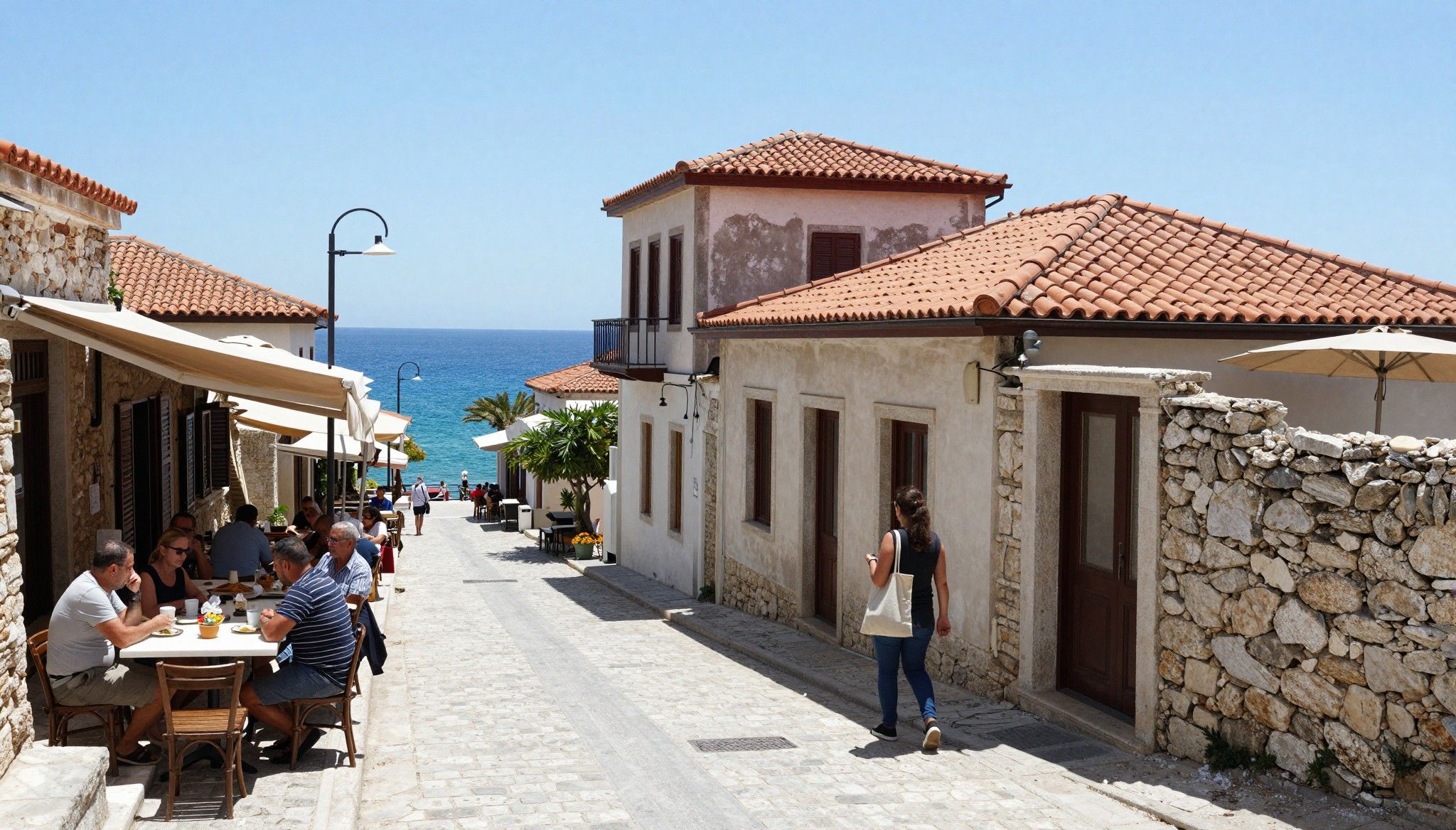
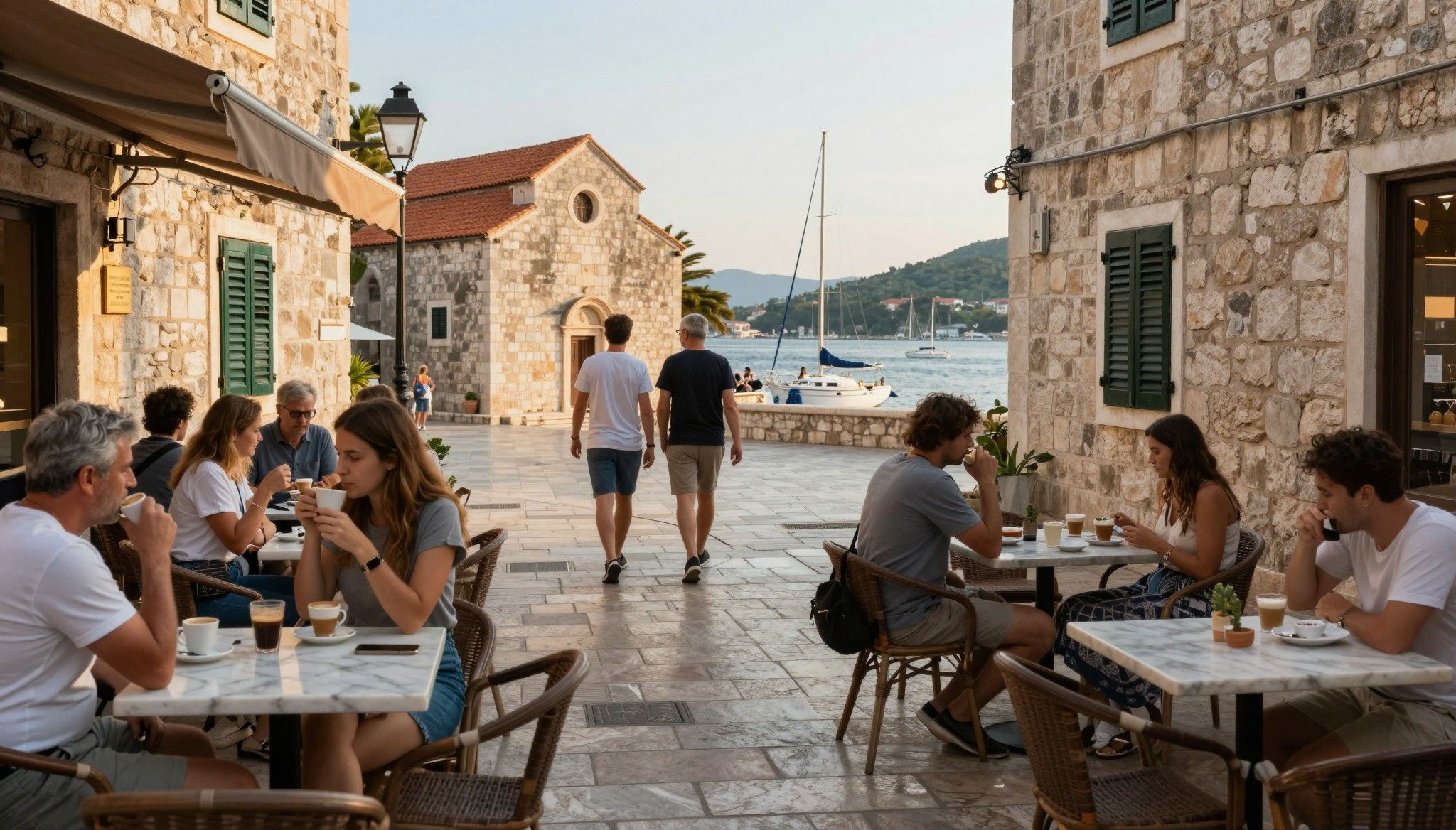
Imagine waking to the hush of a narrow Limassol lane, espresso steam against a limestone façade, and the sea's distant shingle—only to discover the purchase you loved omits a roof warranty and leaves you vulnerable to seasonal storm damage. Cyprus seduces with light, coast and history; good buying protects the life you wanted to start here. Recent market analysis and Land Registry guidance show that lifestyle and protection must travel together.
Living Cyprus: sunlight, streets and the small certainties
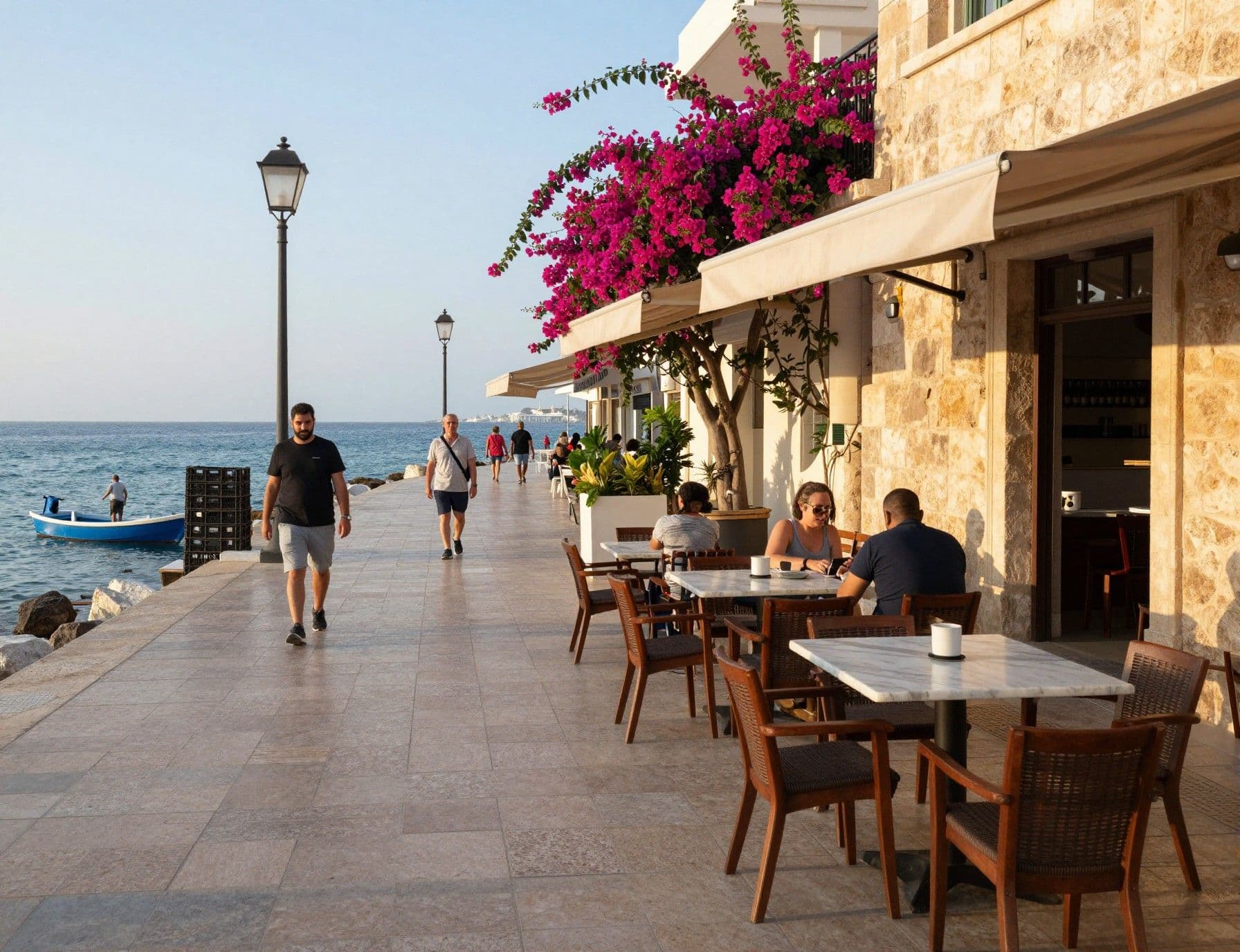
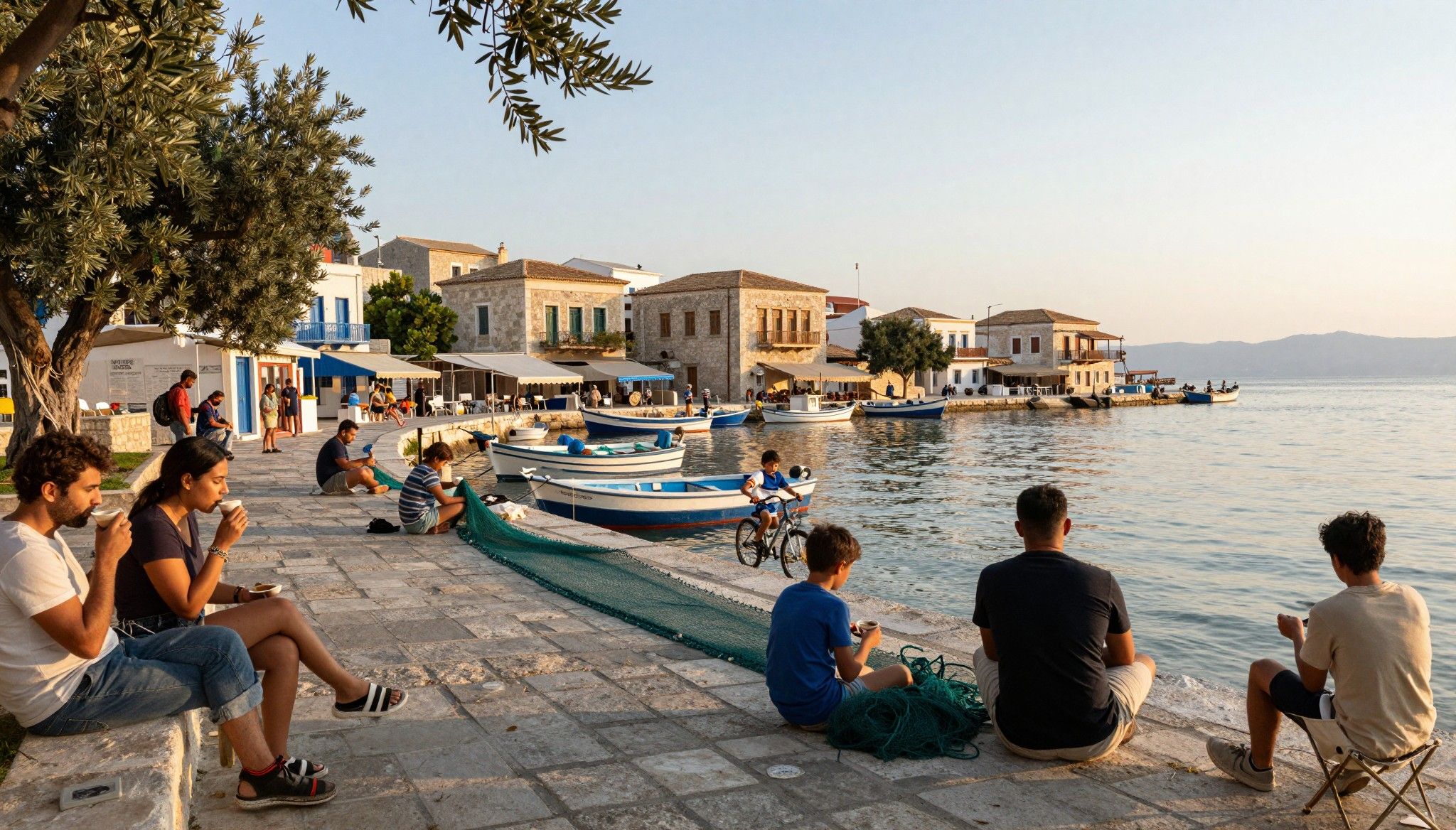
Cyprus moves at a measured pace—markets close early, tavernas fill at dusk, and Sundays are for family. In Nicosia you feel the city’s intellectual reserve; in Paphos, a quieter archaeology-steeped domesticity; on the southern coast—Limassol and Larnaca—life pivots between modern cafés and seaside promenades. These daily rhythms shape what you will need from a property: sun-facing terraces for year-round living, masonry that endures coastal salt, and insurance that recognises seasonal exposures.
Neighborhood focus: Limassol’s Molos and the old port streets
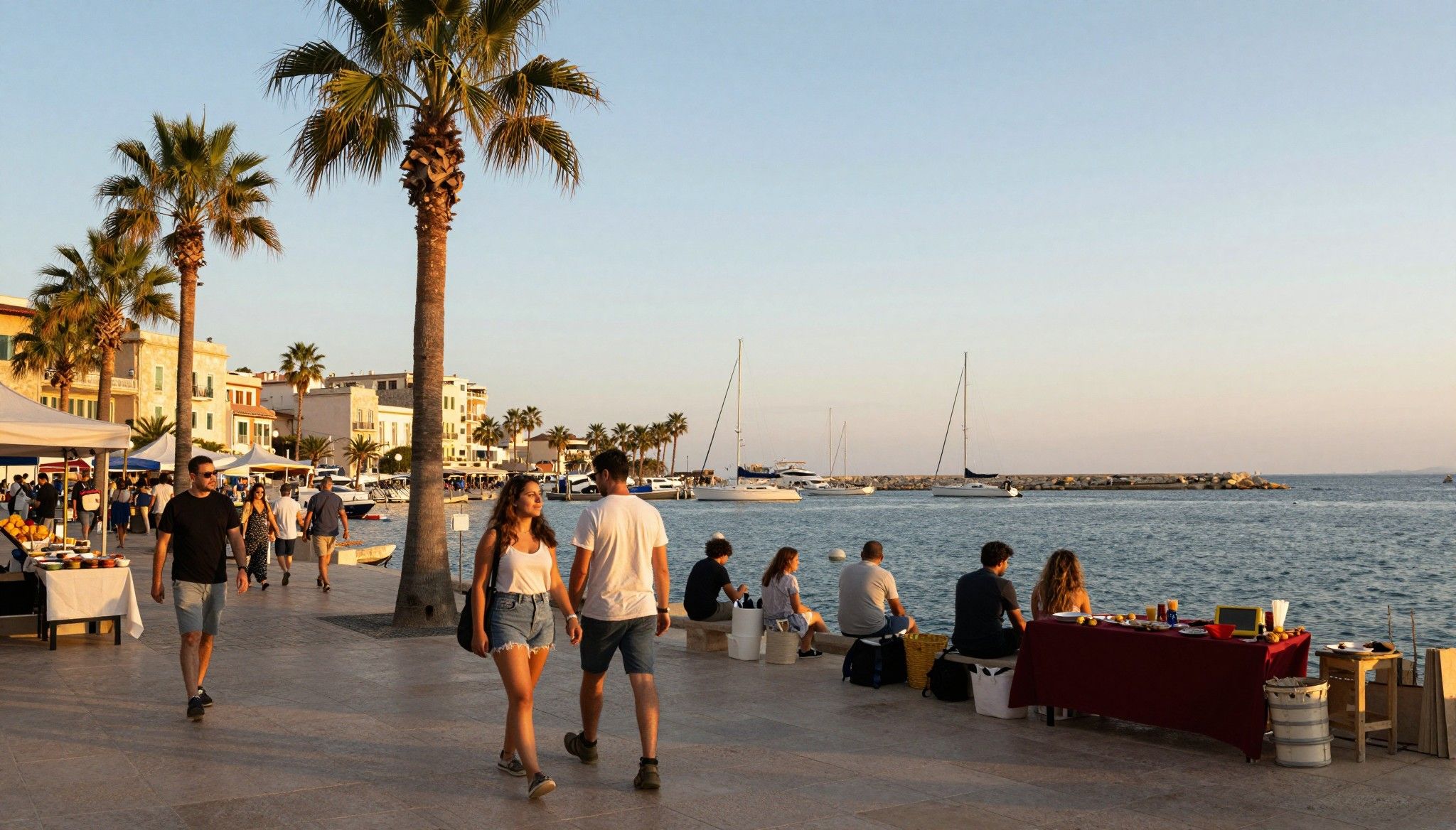
Walk Molos at dawn and notice restored stone warehouses now hosting small galleries, yachts tied beyond a low balustrade, and residents who favour evening promenades. Properties here trade on provenance—exposed timber beams, municipal planning controls and proximity to boutique dining. For buyers this means prioritising insurers and surveyors familiar with seaside microclimates and the local planning regime.
Food, markets and the household rhythm
From the Strovolos market to the fish stalls of Larnaca, Cypriot life orients around fresh produce and communal tables. The architecture of everyday life—courtyards, pergolas, shaded balconies—informs what you will use and therefore what you must protect. A sun-drenched courtyard can double as a guest room in summer; it is also where a neglected rain gutter first shows rot. That practical intimacy is why lifestyle-first buyers should make property protection part of their design brief.
Making the move: how insurance and buyer protection actually work in Cyprus
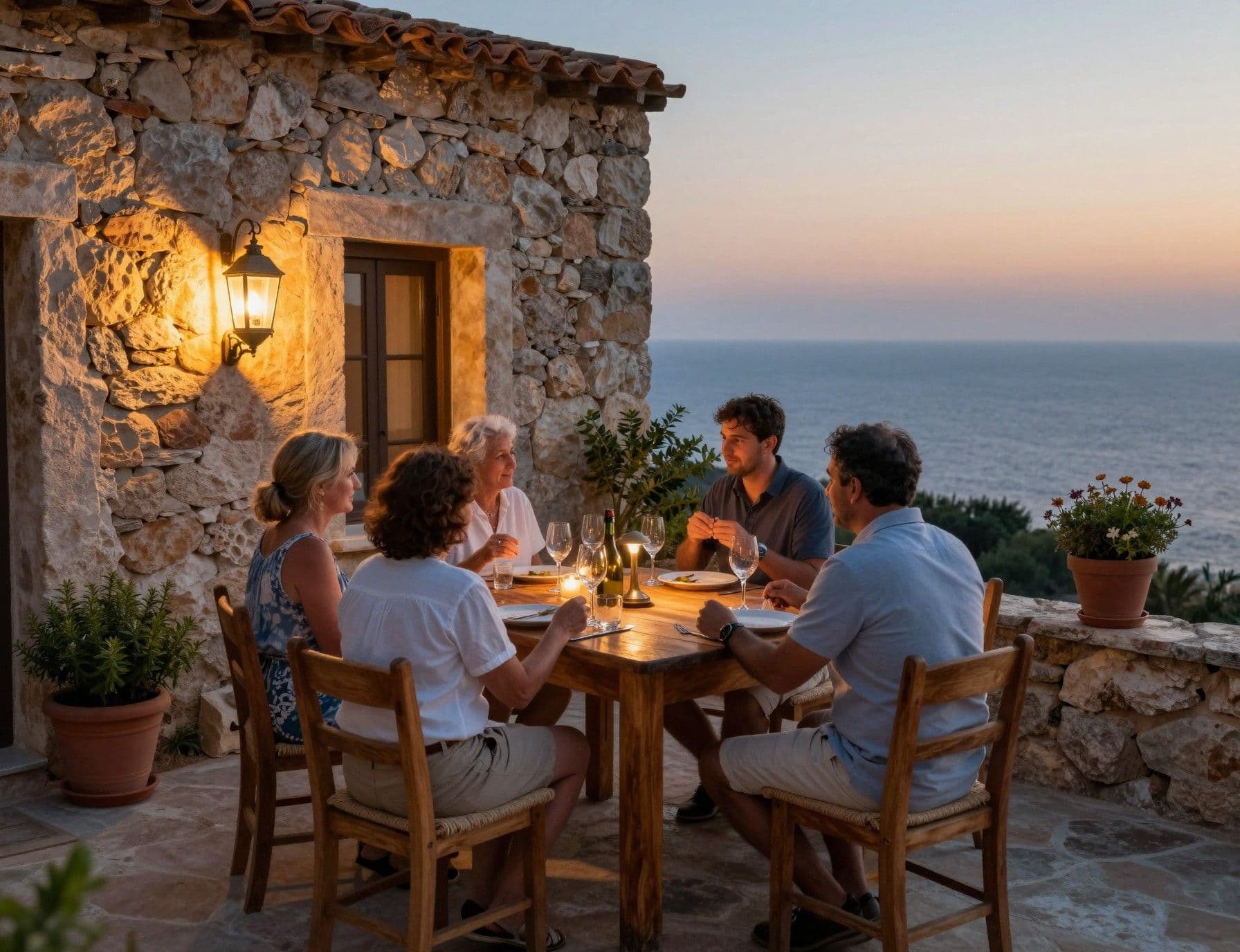
Turning the dream into a defensible asset requires more than a signed contract. Title deeds remain central to ownership security in Cyprus; recent guides explain the steps to secure a Certificate of Registration and the hazards buyers face when deeds are delayed or encumbered. Parallel to title care, property insurance in Cyprus should address coastal salt, seasonal storms, and the island’s seismic modest risk—coverage gaps are where dreams dissolve into repair bills.
Property styles and the protection they require
Modern seafront apartments and restored village houses ask for different safeguards. New builds usually include developer warranties and condominium policies; vernacular stone houses require a focused survey for structural movement, damp and roof integrity. Insurers price by exposure: coastal salt spray increases metal corrosion; terraces and pergolas need clear schedule items. Match the policy to materials and use, not just to replacement value.
Working with local experts who preserve the lifestyle
A lawyer versed in the Land Registry, a structural surveyor who knows Cypriot masonry, and an insurer that issues locally enforceable policies form the triage team for secure ownership. Agents on the ground act as cultural translators—explaining community covenants, municipal drainage norms and seasonal maintenance rhythms—so you buy a property that sustains the life you imagined rather than one that merely photographs well.
- Practical protection checklist when viewing in Cyprus:
- Ask for the Title Deed status and any encumbrances before you make an offer.
- Obtain a full structural survey that assesses coastal corrosion, rising damp and roof membranes.
- Request historical claims data for the building—condominium or insurer-held records reveal recurring issues.
- Compare policies that include accidental damage, liability for tenants/guests, and defined natural perils such as windstorm coverage.
Insider knowledge: myths, red flags and a contrarian buying tip
There is a prevailing myth that a sea view is the single guarantor of long-term value in Cyprus. Coastal vistas command emotion—and price—but they also bring specific risks: salt corrosion, higher insurance premiums, and stricter coastal planning rules. A contrarian strategy many seasoned buyers use is to prioritise microclimate and legal clarity over view: a well-insured, structurally excellent home on a quiet near-coast street often outperforms an exposed cliff-top villa that lacks clear title or adequate coverage.
Cultural and legal red flags to heed
Beware of properties marketed without current registration documents, or those sold through opaque corporate structures—recent reporting notes government moves to clarify acquisition rules for non‑EU buyers and to close circumvention avenues. Also watch for sellers who offer informal guarantees instead of stamped, registered contracts lodged with the Land Registry. These are the moments when local legal counsel is indispensable.
When to buy: a seasonal, insurance-led perspective
- Steps to secure life and asset in Cyprus:
- 1. Commission a survey in the dry months (late spring) to reveal damp and roof issues that winter conceals.
- 2. Verify Title Deed status at the Land Registry and insist on a registered, stamped contract as a condition of payment.
- 3. Obtain comparative insurance quotations that itemise coastal and seismic endorsements; choose policies with transparent excesses and local claims handling.
- 4. Require the seller to disclose prior claims and any outstanding municipal orders; lodge an encumbrance or specific performance protection where appropriate.
What expats wish they’d known: real voices, quiet lessons
Long-term residents tell a familiar story: the house you love will become the life you live, but only if you treat it as a maintained asset. Neighbours in village lanes will repair a shared wall; insurers will not. Budget for annual maintenance, insist on clear condominium minutes, and consider a local property manager who understands winter preparedness—simple tasks that preserve both lifestyle and resale value.
Language, community and the small civics that matter
Greek and English coexist in everyday transactions; many municipal offices operate bilingually. Still, subtlety in contract language and planning notices matters. Spend time in the neighbourhood—order coffee on the same table twice, attend a church or market morning—and you will learn the informal rules that insurance and law do not put on paper.
Long-term living and stewardship
Think in decades. Stonework, timber, and traditional lime render age well when cared for, and such care is central to heritage value—something Villa Curated clients prize. Insurance and legal protections are the scaffolding of stewardship: they allow you to conserve provenance without surrendering the life that makes the property worth preserving.
Conclusion — where lifestyle meets protection: next, the practical steps
If Cyprus feels inevitable, move with care. Commission a local surveyor, secure stamped contracts lodged at the Land Registry, and buy an insurance policy that names specific coastal and accidental perils. Work with advisors who value provenance and long-term stewardship. The result is not merely a house by the sea but a home whose life you can sustain and insure.
Former Copenhagen architect who relocated to Provence, offering relocation services, market analysis, and a curator’s eye for authentic regional design.