When French Home Insurance Isn’t Enough: Protections to Buy
Practical, lifestyle‑first strategies to protect a French home: from assurance habitation to dommage‑ouvrage, learn which covers preserve both life and capital.
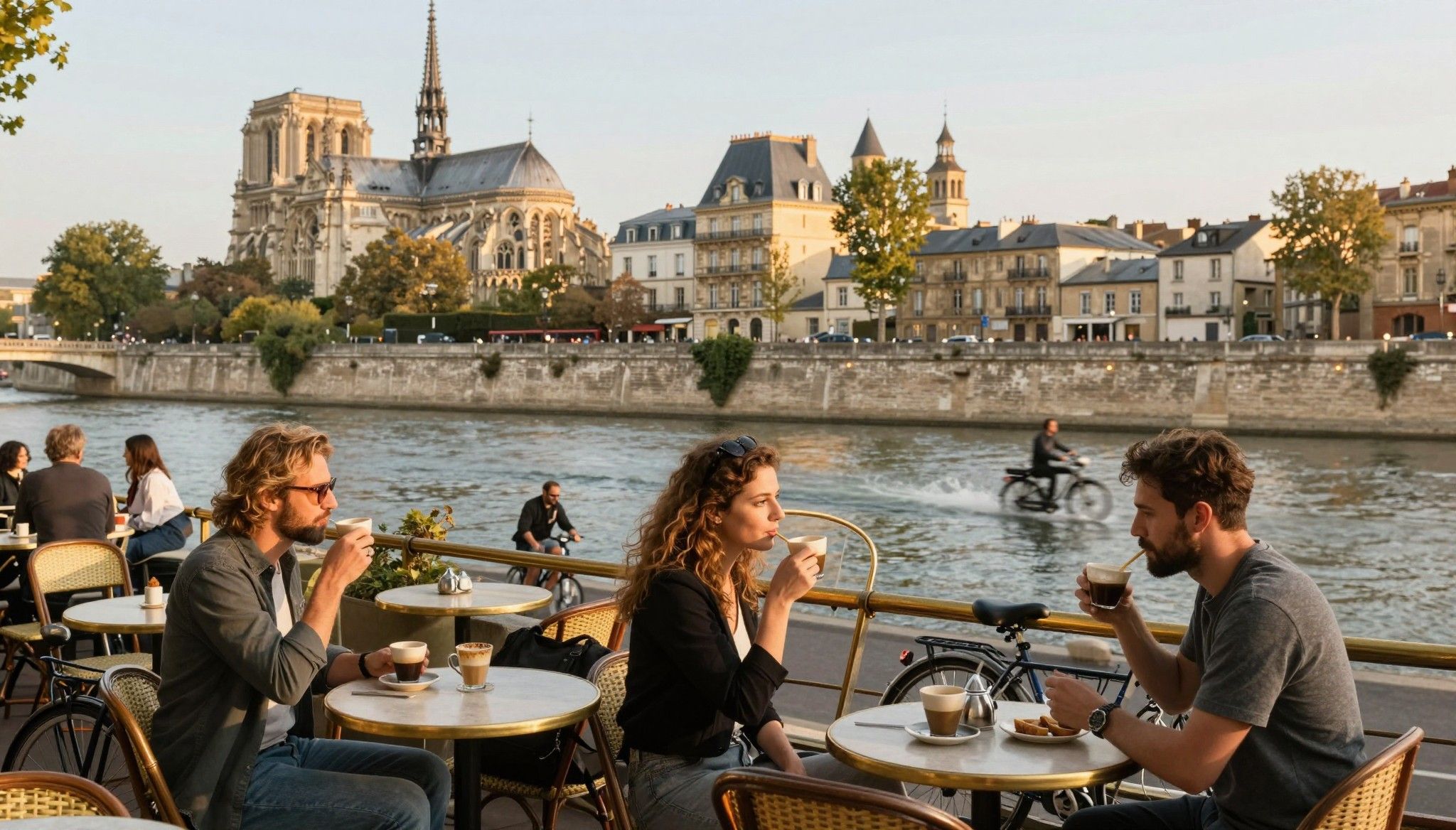
Imagine a cool morning in Aix‑en‑Provence: the boulangerie on Rue Espariat fills the square with warm bread while shutters open slowly on limestone façades. You can already feel the rhythm that draws buyers to France — convivial markets, a measured pace of life and houses that wear their history. Those sensory pleasures are the reason many of us travel halfway around the world to own a pied‑à‑terre or a family maison. Yet the intimacy of daily life here is framed by a legal and insurance landscape that can surprise the unprepared buyer.
Living the France life: place before process
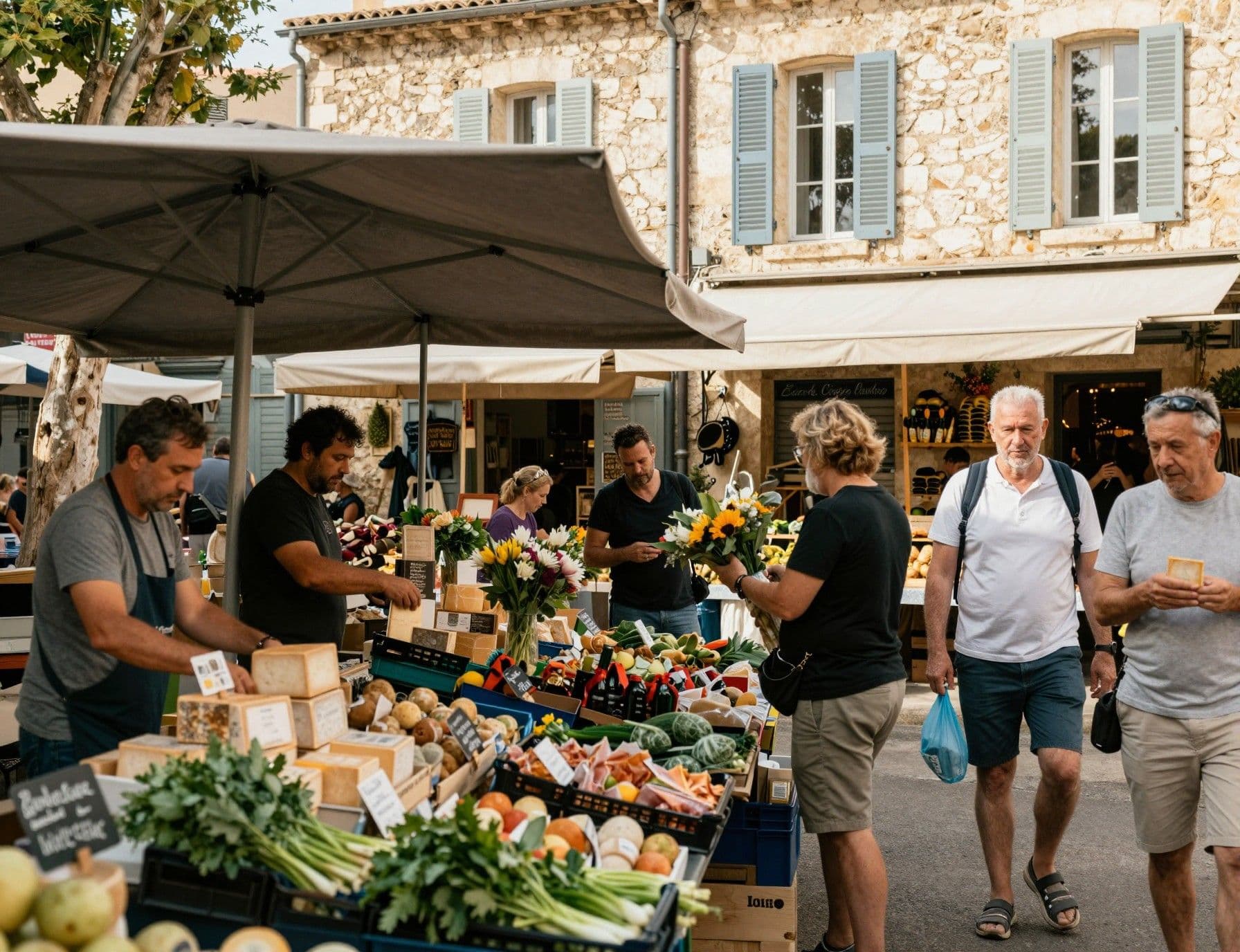
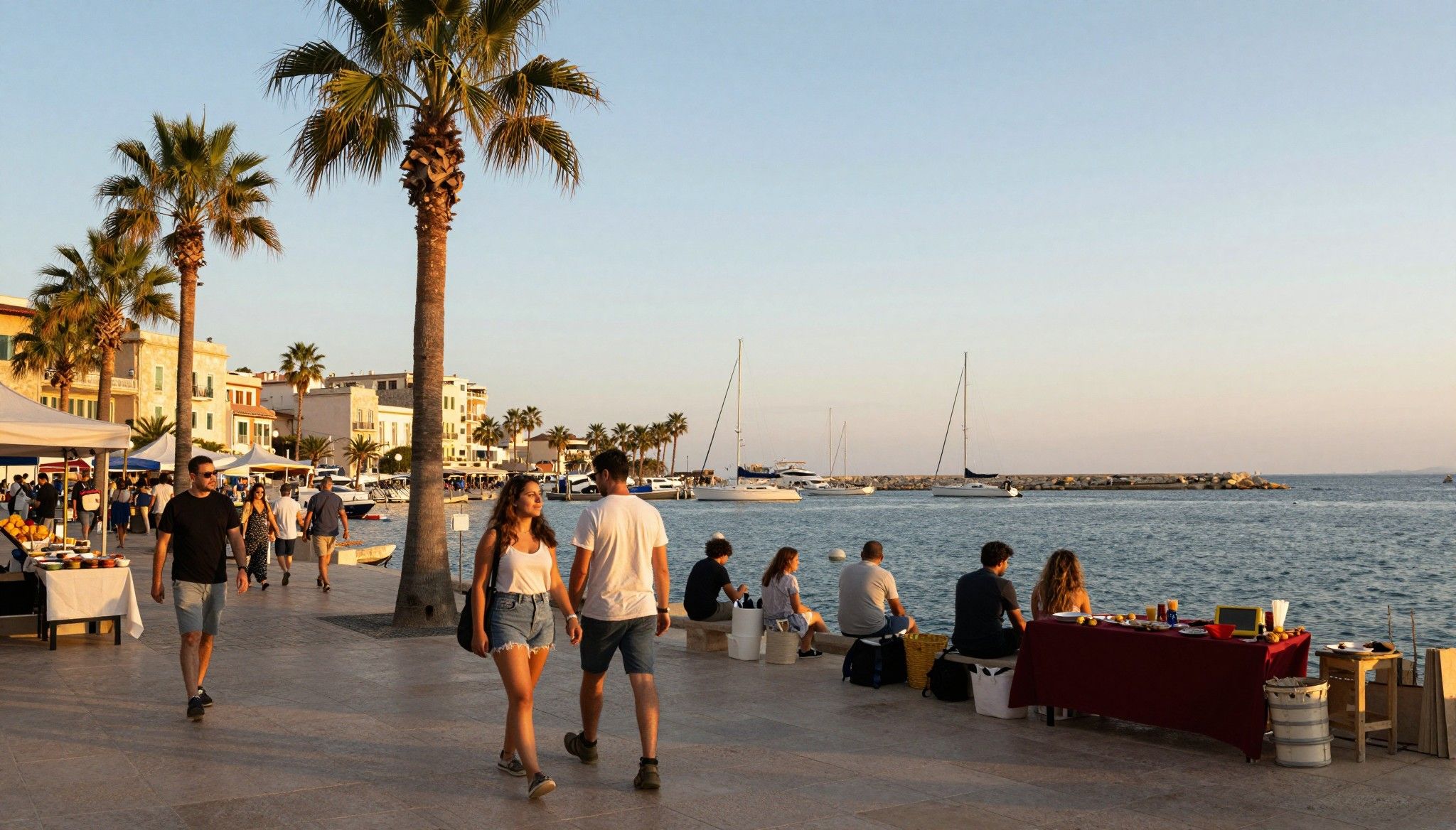
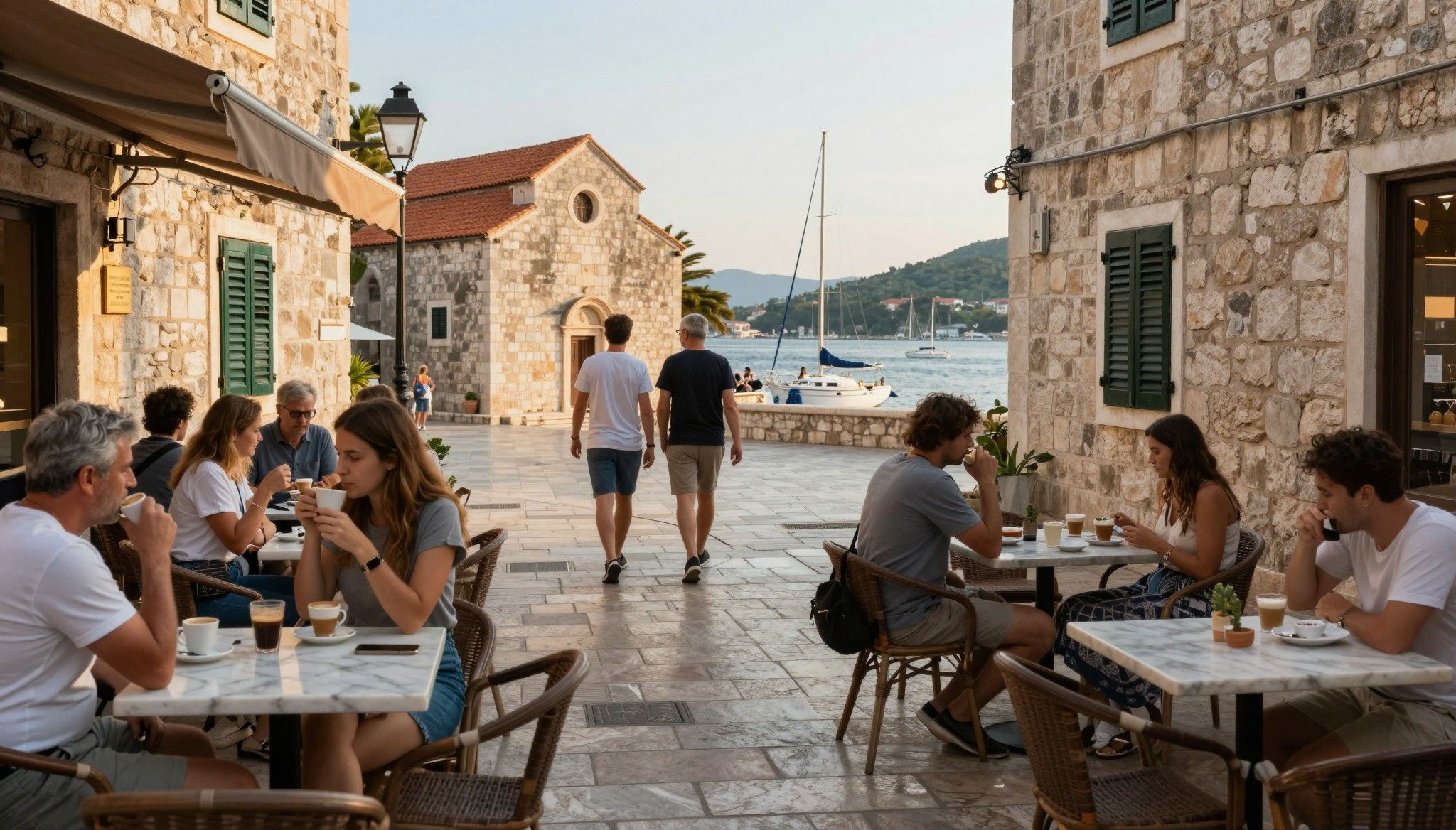
French living rewards attention to detail: morning espresso at Café de Flore, Sundays at Marché des Capucins in Bordeaux, summer swims at Plage de la Salis in Antibes. Streets are scaled for walking and conversation rather than speed, and neighbourhoods keep their characters—Le Marais hums with discreet galleries while Saint‑Germain‑des‑Prés still favours small bookshops and classic brasseries. For an international buyer, these textures define which property type will sustain the life you imagine; a second‑floor Haussmann flat offers proximity and light, while a stone farmhouse in Dordogne promises privacy and a garden worth tending.
Neighbourhoods that shape how you live
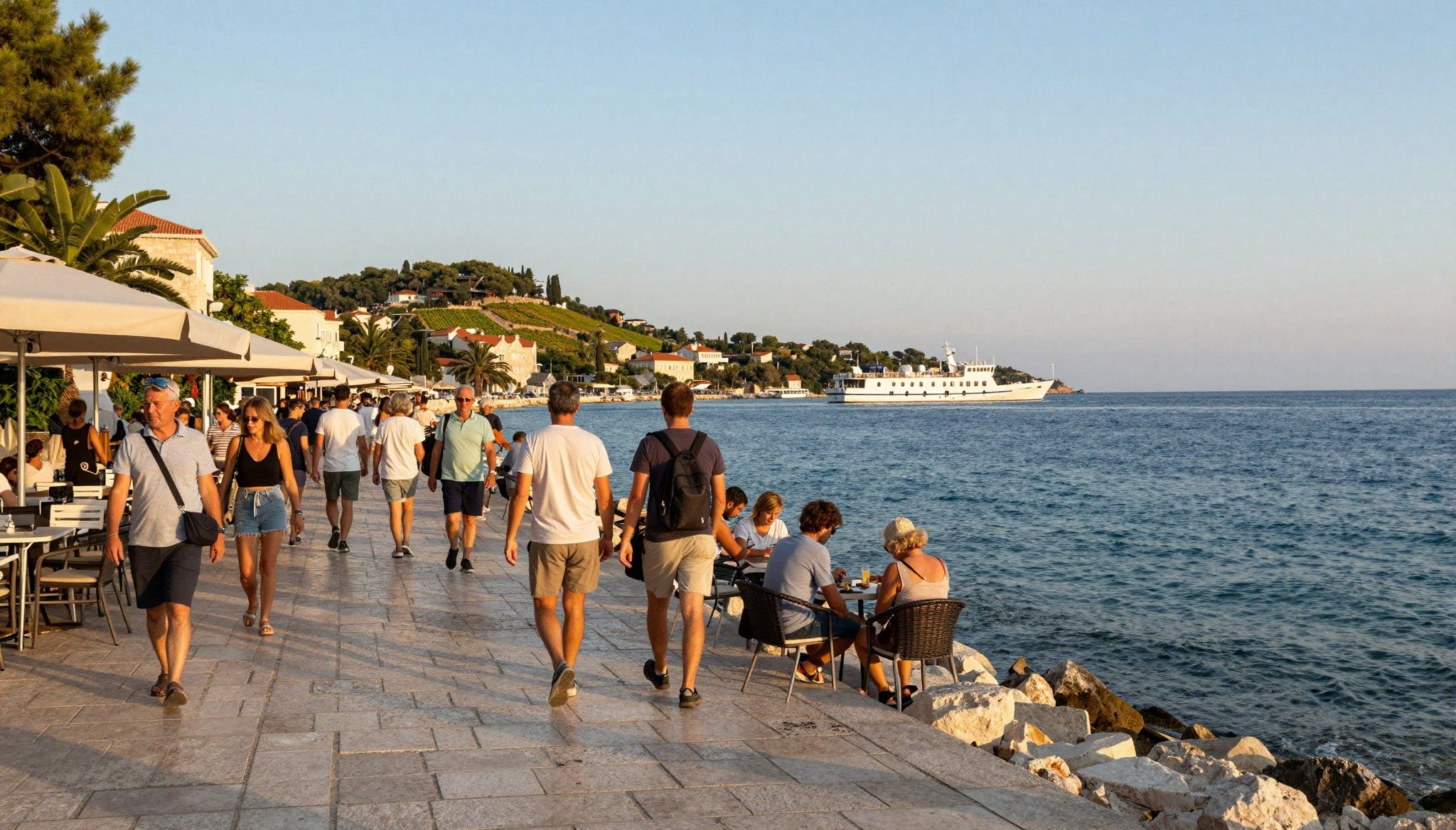
In Paris, consider Rue de l'Université for riverside strolls and access to private schools; on the Côte d'Azur, the old town of Antibes places you within markets and morning fishing life. In Provence, villages such as L'Isle‑sur‑la‑Sorgue reward owners with weekly antique markets and accessible vineyards. These micro‑differences are not decorative — they dictate maintenance expectations, insurance exposures (flood, sea‑spray corrosion) and the local community obligations that will shape your ownership experience.
Markets, meals and seasonal rhythms
Life in France moves with seasons: markets swell in summer, quiet returns in November, and repairs are often scheduled in low season. For buyers this cadence matters — short‑term rental potential peaks, but so do maintenance needs and insurance risks such as winter mould or summer storms on the coast. Understanding these seasonal pulses helps you choose the right insurance cover and the correct level of local oversight when you are away.
Lifestyle highlights to consider when choosing location
Morning market routines: Marché d'Aligre (Paris) or Marché des Capucins (Bordeaux) for fresh produce and neighbourly ties.
Architectural feel: Haussmannian flats versus Provençal mas — each brings distinct costs for upkeep and specific insurance exposures.
Coastal tradeoffs: sea air enriches summer life but accelerates metal corrosion and can affect the cost of building cover.
Making the move: how insurance and protections intersect with lifestyle
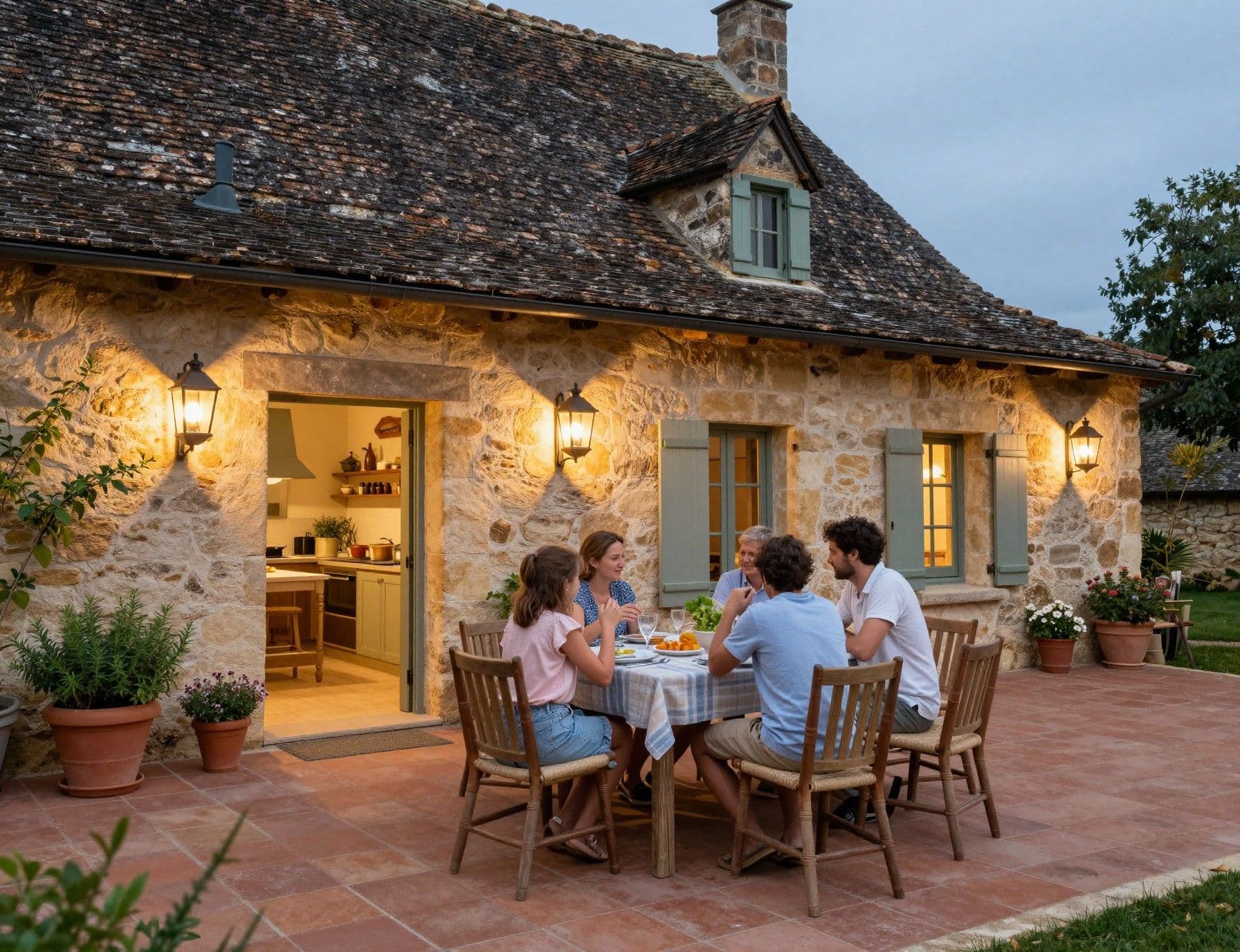
The practicalities of ownership sit alongside the pleasures of place: before you sign the acte authentique, you must be clear which protections are mandatory, customary or simply prudent. French tenancy law makes assurance habitation mandatory for tenants and co‑owners in a copropriété, and many lenders will insist on mortgage insurance and specified covers. Beyond those basics lie specialised protections — décennale for building defects (for new works), dommage‑ouvrage for renovation projects, and tailored cover for holiday‑rental activity — each answering a different risk that would otherwise erode both lifestyle and capital.
What French law requires — and what it leaves to prudence
French law requires tenants and co‑owners to carry civil liability cover and often encourages broader multirisques habitation policies to cover fire, water damage and theft. Owners who live in their property outside a copropriété structure are not legally compelled to hold a full home policy, yet lenders and resale markets treat adequate cover as an expectation. For international buyers this distinction matters — failure to carry appropriate policies can complicate financing, lead to gaps in liability protection, and leave you exposed to restoration costs that erode the joy of ownership.
How local experts help reconcile lifestyle and risk
A local notaire, a bilingual insurance broker and an agency that knows the neighbourhood will translate the lifestyle you want into concrete policy choices. Notaires can flag legal obligations that accompany a property — communal works in a copropriété or historic‑monument constraints — while brokers tailor covers for short‑term rentals, out‑of‑season vacancy, or coastal corrosion. Relying on generalist policies risks both overpaying and discovering gaps; specialist advisers build a protection strategy that preserves the life you imagined.
Steps to ensure insurance aligns with your lifestyle (practical, sequential)
Commission a written condition report and energy diagnostic (DPE) to identify structural, moisture and energy issues that affect premiums and long‑term costs.
Engage a French insurance broker who specialises in expatriate clients to compare multirisques habitation, tenant cover and specific holiday‑rental extensions.
If planning renovations, secure dommage‑ouvrage and check that contractors hold assurance décennale before work begins, so you avoid disputes that interrupt living plans.
For coastal properties, request corrosion and salt‑air endorsements and review material warranties — they are modest additions that protect both comfort and resale value.
Insider knowledge: myths, red flags and the protections expats often overlook
A few persistent myths haunt international buyers: that 'standard' policies cover renovation defects, that coastal corrosion is cosmetic only, or that a property left empty in winter faces no elevated risk. In truth, renovation defects can create years of dispute without damage‑ouvrage cover, salt air accelerates mechanical failure and mould can make a house uninhabitable without early detection. These oversights are lifestyle killers — they interrupt the morning routines you moved for and convert quiet pleasures into administrative burdens.
Common red flags seen by experienced advisers
Absence of a recent état des risques (ERNT) or flood plan for properties in low‑lying zones; this omission can hide flood exposures that dramatically raise premiums.
No clear record that prior renovation contractors carried décennale insurance; without it, claims for structural defects become costly and protracted.
Policies that exclude long vacancy or short‑term rental income; many buyers assume a single policy covers both private and rental use, but exclusions are common and consequential.
A quick checklist every buyer should complete before exchange
Request the copropriété minutes and recent invoices for common works to understand upcoming levies that may affect insurance needs and cash flow.
Confirm any historic‑monument status which can mandate specific materials and insurers; repairs for listed façades often require specialist cover.
Ask your notaire and broker to provide written confirmation of required covers at acte signing to avoid post‑sale disputes about responsibility.
Long‑term life in France is shaped by small habitual safeguards: a trusted locksmith, an agent who collects mail in your absence, and an insurer who understands seasonal vacancy. These measures keep the life you moved for uninterrupted and protect the capital you have placed in a place that matters.
Final thoughts — where lifestyle meets stewardship
Owning in France is an invitation to participate in a living tradition of neighbourhood life, culinary pleasure and considered design. If you pair that invitation with rigorous protections — tailored insurance, clear contractual language and local expertise — you preserve both the everyday pleasures and the property’s provenance for future generations. Start with the lifestyle you want, then ask your notaire and broker how to translate it into cover that quietly keeps that life possible.
Norwegian with years in Florence guiding clients across borders. I bridge Oslo and Tuscany, focusing on legal navigation, cultural context, and enduring craftsmanship.