Stewardship and Shorelines: Insurance Strategy for Croatia
A lifestyle-led approach to protection in Croatia: translate coastal, seismic and seasonal risks into insurance, local teams and stewardship budgets.
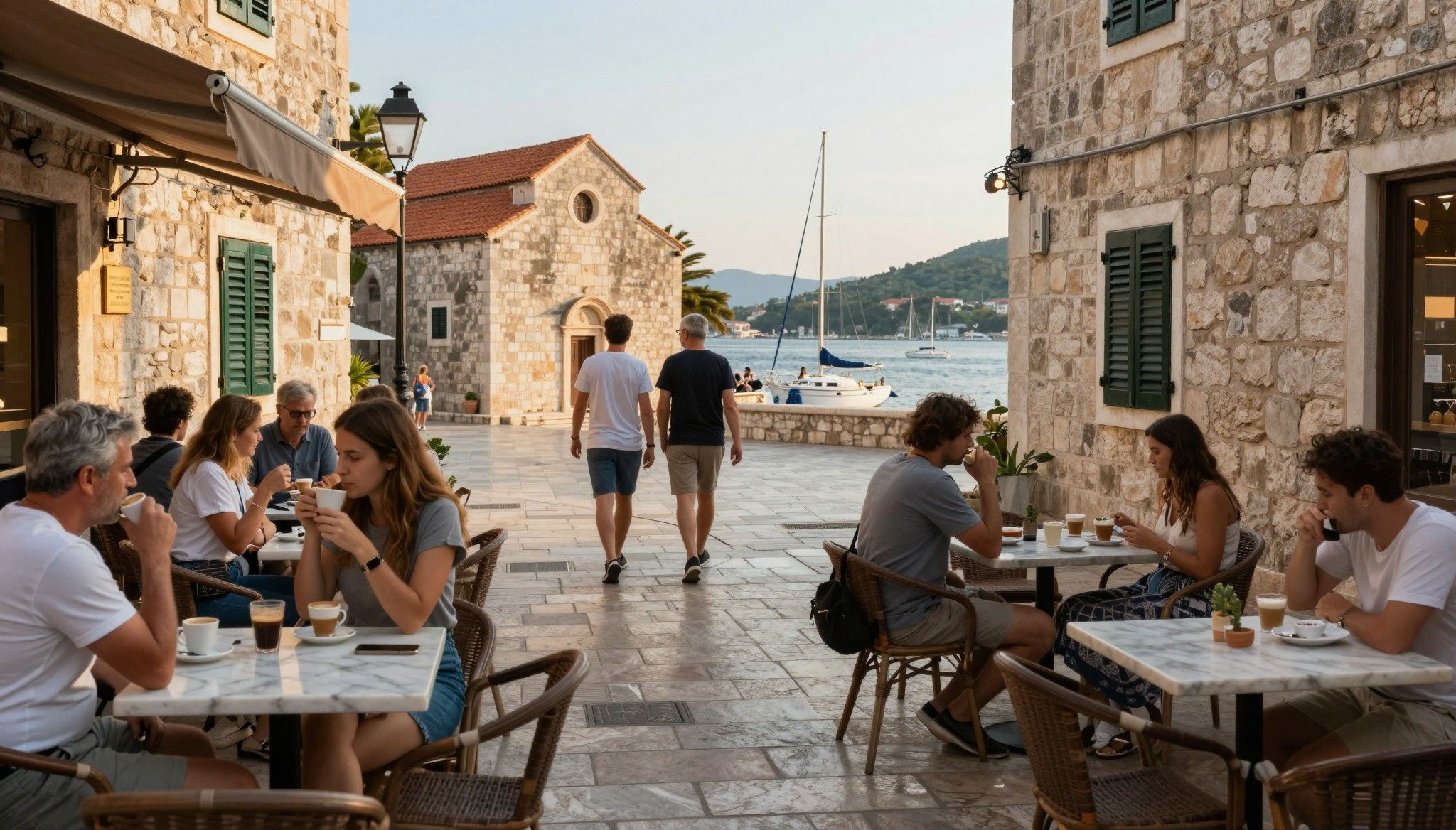
Imagine waking before dawn to the soft clatter of an Istrian market, then crossing a limestone square to a café where neighbours argue gently about the best anchovy. That lived, tactile rhythm is why buyers come to Croatia; it is also why a careful protection strategy—beyond a standard policy—matters. Recent market analysis shows continuing price growth in coastal regions and rising interest from regional buyers, which changes both risk and opportunity for purchases. https://podaci.dzs.hr/2025/en/97570
Living the Croatian Life: Senses, Seasons and Streets
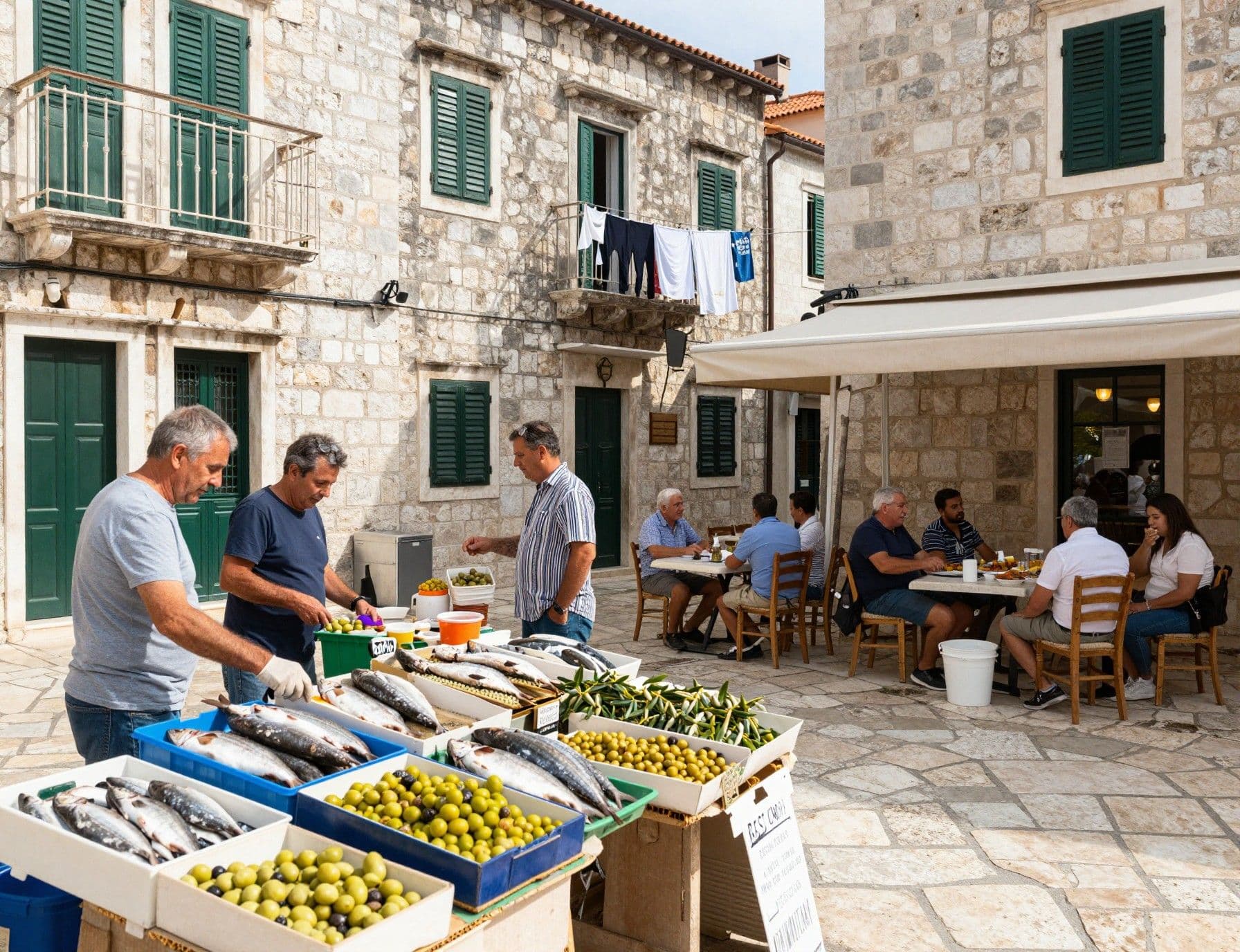
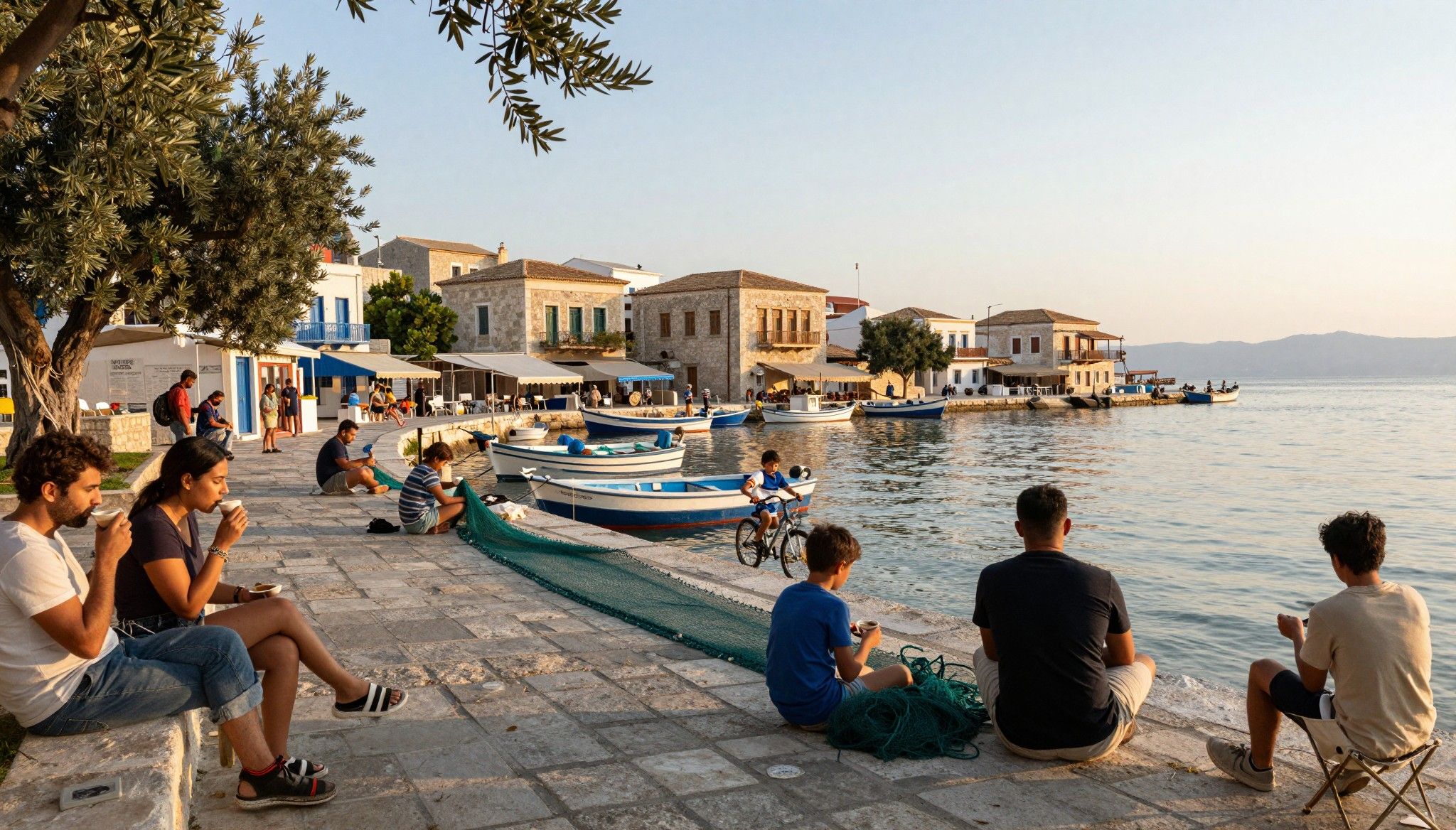
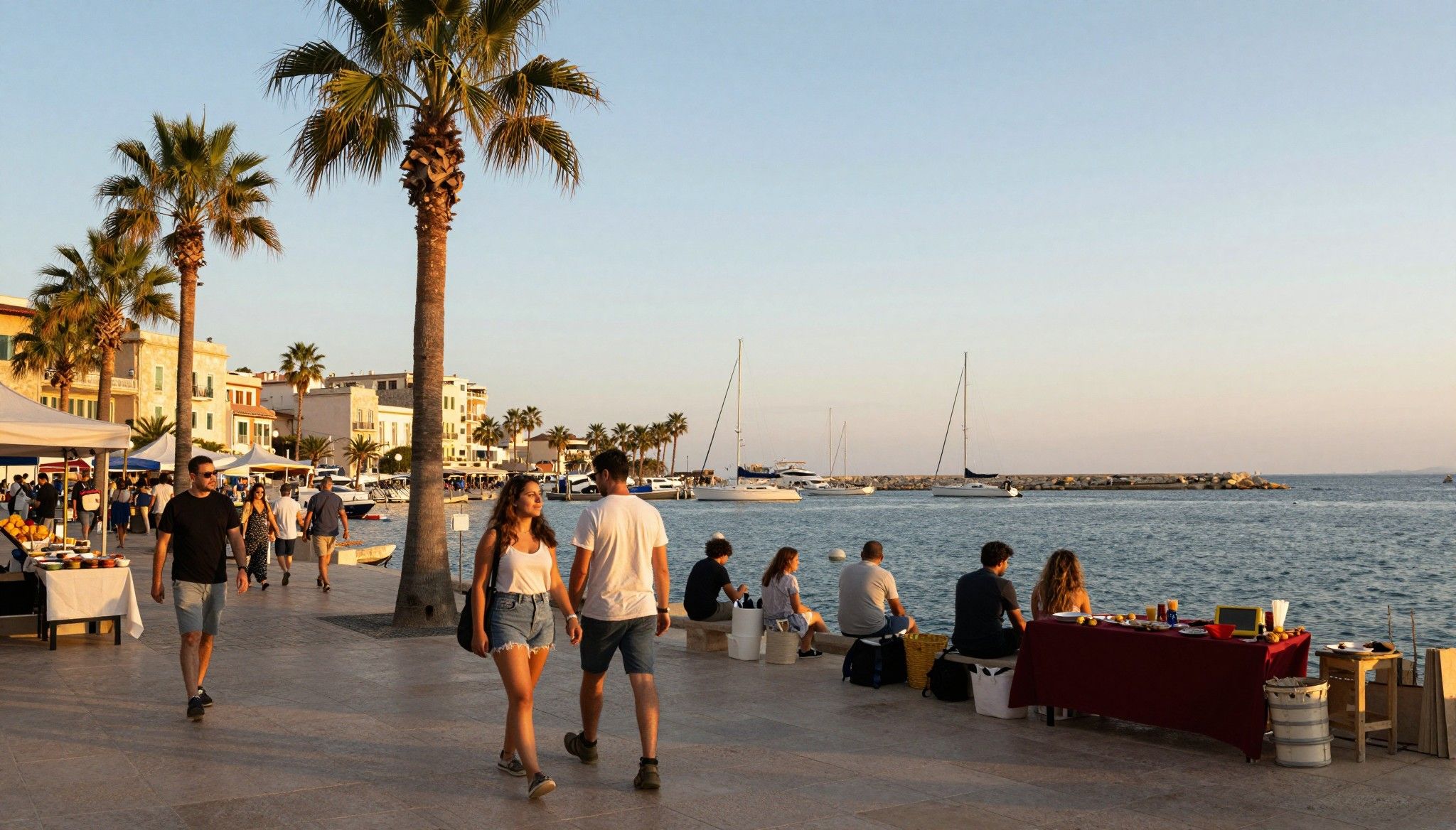
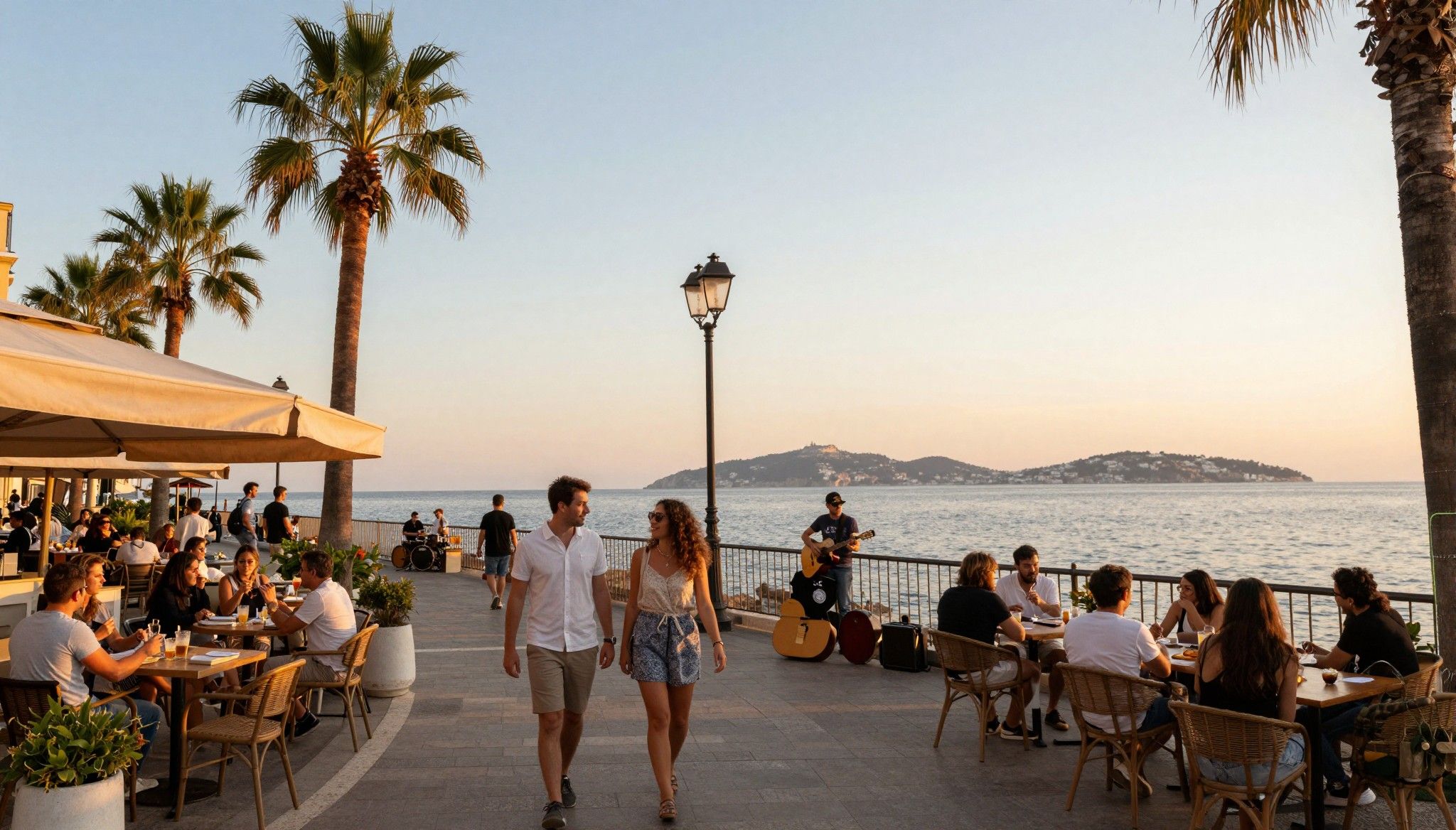
Croatia’s appeal is not a single view but a sequence of scenes: morning markets in Split’s Varoš, mid‑day espresso on Zagreb’s Tkalčićeva, late afternoons along Dubrovnik’s old city walls. The Adriatic coast frames a life that privileges outdoor rooms, sea breezes and stone construction; inland, baroque squares and vineyard-lined roads offer a quieter, provincial pace. These rhythms shape the kinds of properties you seek—stone townhouses with thick walls, terraces overlooking the sea, and renovated manors in Istria that read as both home and investment.
Neighbourhoods that show a city’s character
In Zagreb, Gornji Grad retains a measured, classical air—wood panels in cafés, narrow streets that lead to museums—while the up-and-coming Trnje and Trešnjevka offer quieter residential life with easier parking and modern renovations. On the Dalmatian coast, Split’s Veli Varoš is intimate and lived-in; nearby Meje and Marjan offer a more private, villa-like experience. Istria’s Rovinj rewards those seeking artisan food and olive‑grove living. Each neighbourhood’s texture—its morning market, local baker, and favorite konoba—matters as much as price per square metre when thinking about long-term enjoyment.
Food, festivals and the seasonal calendar
Seasons govern life in Croatia. Summer brings a lively tourist economy—open-air concerts, full harbours and a bright, boisterous energy—while autumn harvests and truffle season in Istria offer quieter pleasures and local connections. Winters are calm and restorative; many communities close for a few months, revealing the year-round residents and giving buyers a clearer sense of neighbourhood life outside the high season. These cycles influence insurance needs (tourist rental exposure, seasonal vacancy) and the tactical timing of inspections and renovations.
- Market, culture and lifestyle highlights: 1) Morning fish market in Split’s Pazar — fresh catch and neighbourhood gossip. 2) Truffle festivals in Motovun and Livade — culinary season with quiet village life. 3) Dubrovnik’s late‑autumn calm — ideal time for inspections. 4) Zagreb’s museum quarter and coffee culture — year‑round urban living. 5) Island life on Hvar or Vis — privacy with seasonal access considerations.
Making the Move: Practical Considerations that Protect the Lifestyle
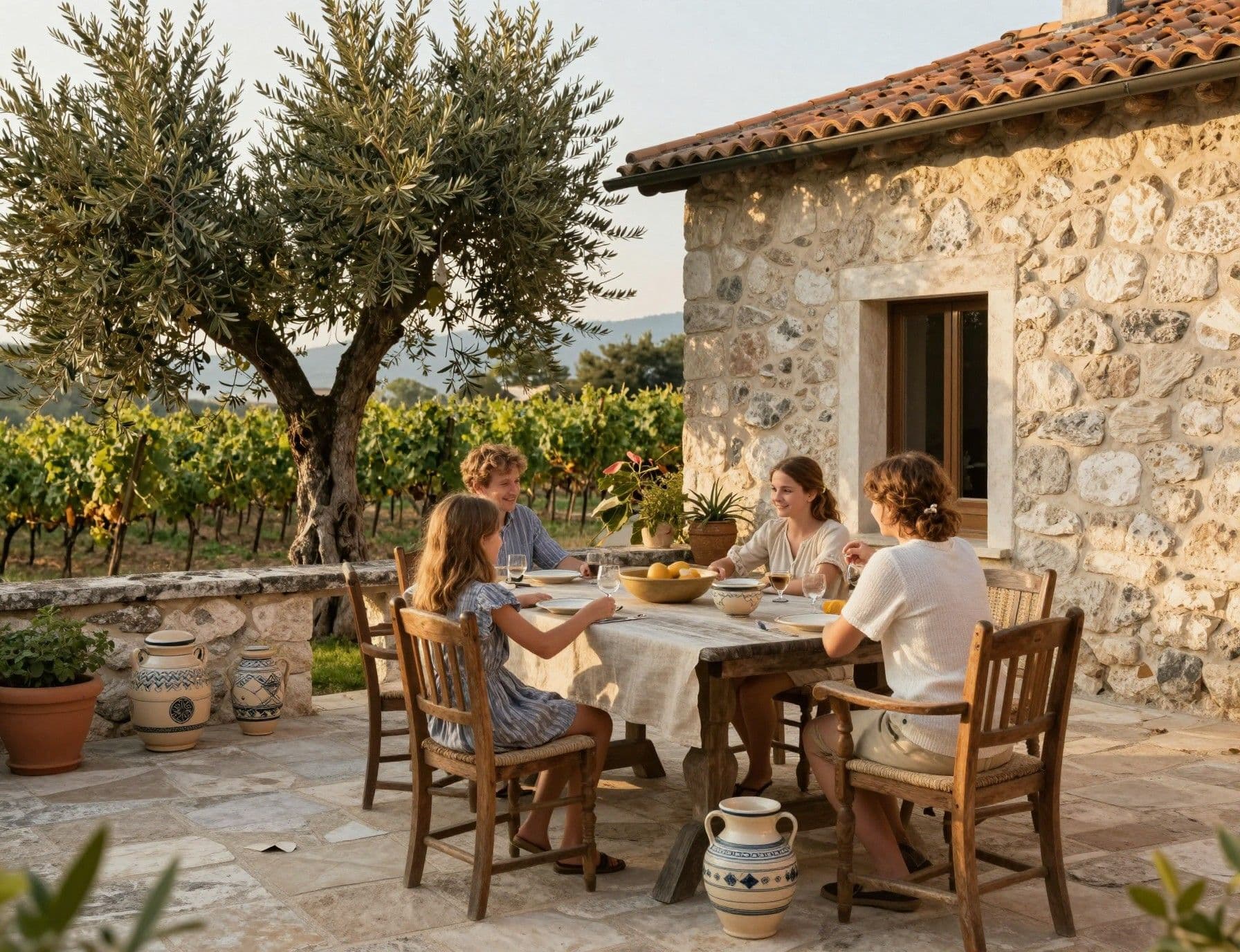
The dream of a coastal terrace requires a mapped plan. Croatia allows EU citizens to purchase freely; non‑EU buyers are subject to reciprocity and sometimes need additional permits. A local attorney will confirm title, cadastral entries and any restrictions. Beyond legal clearance, you must translate lifestyle risks into insurance terms: storm and flood exposure on the coast, earthquake risk in parts of the mainland, and vacancy or short‑term rental liabilities if you plan seasonal letting. https://odvjetnikbasovic.hr/en/buying-property-in-croatia-as-a-foreign-citizen-what-you-need-to-know/
Property types and what they mean for protection
Stone townhouses, modern apartments, restored villas and rural estates all carry different risks. Older masonry needs specialist surveys for damp, wood‑borer and structural settlement; seafront terraces require salt‑air maintenance plans; new builds may offer warranties but limited character. Align your policy and inspection scope to the property’s fabric: structural surveys for heritage houses, engineering reports where slope or erosion is present, and clear definitions of ‘accidental damage’ versus wear in the insurance contract.
Working with local experts who protect your life here
- 1) Engage a Croatian lawyer to check reciprocity rules and title; 2) Commission a conservation-minded surveyor for stone properties; 3) Ask insurers about earthquake and flood endorsements—these are commonly offered but vary in scope; 4) Establish a local property manager for seasonal lettings and winter checks to avoid vacancy‑related claims; 5) Keep a documented inventory and photographic condition report at hand for claims and future resale. https://www.allianz.hr/content/dam/onemarketing/cee/azhr/privatni/hr/files/pdfs/docfinder/dom-i-odgovornost/moj-dom/en/T0247E-09_Benefit_Guide_IMOVINA_ENG_hr.pdf
Insider Knowledge: Myths, Red Flags and Costly Omissions
A common assumption is that standard homeowner policies are sufficient. In Croatia, market dynamics and climate mean standard cover rarely addresses coastal erosion, seasonal rental liabilities or the specific earthquake clauses many older buildings require. Statistics show sustained price growth in many regions, which raises replacement costs and thus required insured sums. Before you sign, verify that the policy uses up‑to‑date replacement valuations and includes necessary endorsements. https://podaci.dzs.hr/2025/en/97570 https://investcroatia.gov.hr/wp-content/uploads/2021/01/Investment-guide-2024-_-web.pdf
Cultural and seasonal red flags buyers overlook
- • Renovation permissions: historic centres often require conservation approvals. • Roofs and terraces: salt corrosion shortens lifespans—budget accordingly. • Winter vacancy: empty units are prime claim risks; local caretaking reduces incidents. • Unregistered alterations: many homes show later additions not on title—clarify before purchase. • Short‑term rental rules: municipal bylaws can ban or limit tourist lets, affecting rental income and insurance eligibility.
Long‑view: how the life you buy changes over a decade
Buying in Croatia is often an act of stewardship. The house you buy may require artisan‑led maintenance, local contractor relationships and periodic conservation investment. Think of insurance as part of a stewardship budget, not merely as a regulatory box. Over ten years, good protection—correct sums insured, specialised cover for seismic or coastal risks, and a trusted local manager—preserves both value and the quiet, everyday pleasures that drew you here.
- 1) Start with title and reciprocity checks; 2) Commission a fabric-sensitive survey; 3) Insure for replacement cost, not purchase price; 4) Add earthquake/flood endorsements if relevant; 5) Contract a local property manager and document condition; 6) Reassess cover each year ahead of high season.
If you can picture yourself opening those café doors in the morning, you can also imagine the responsible steps required to keep that life intact. Begin by assembling a team—lawyer, surveyor, insurer and a local manager—who understand both Croatia’s cultural subtleties and the technicalities of risk. With that framework in place, the country’s stone streets, island islands and vineyard-lined roads become not only desirable but sustainably liveable.
Norwegian with years in Florence guiding clients across borders. I bridge Oslo and Tuscany, focusing on legal navigation, cultural context, and enduring craftsmanship.