Safeguarding the Life You Buy: Cyprus Insurance & Title Tips
A lifestyle‑first guide to buying in Cyprus that pairs village mornings and marina evenings with title diligence and rebuild‑value insurance, citing official market data.
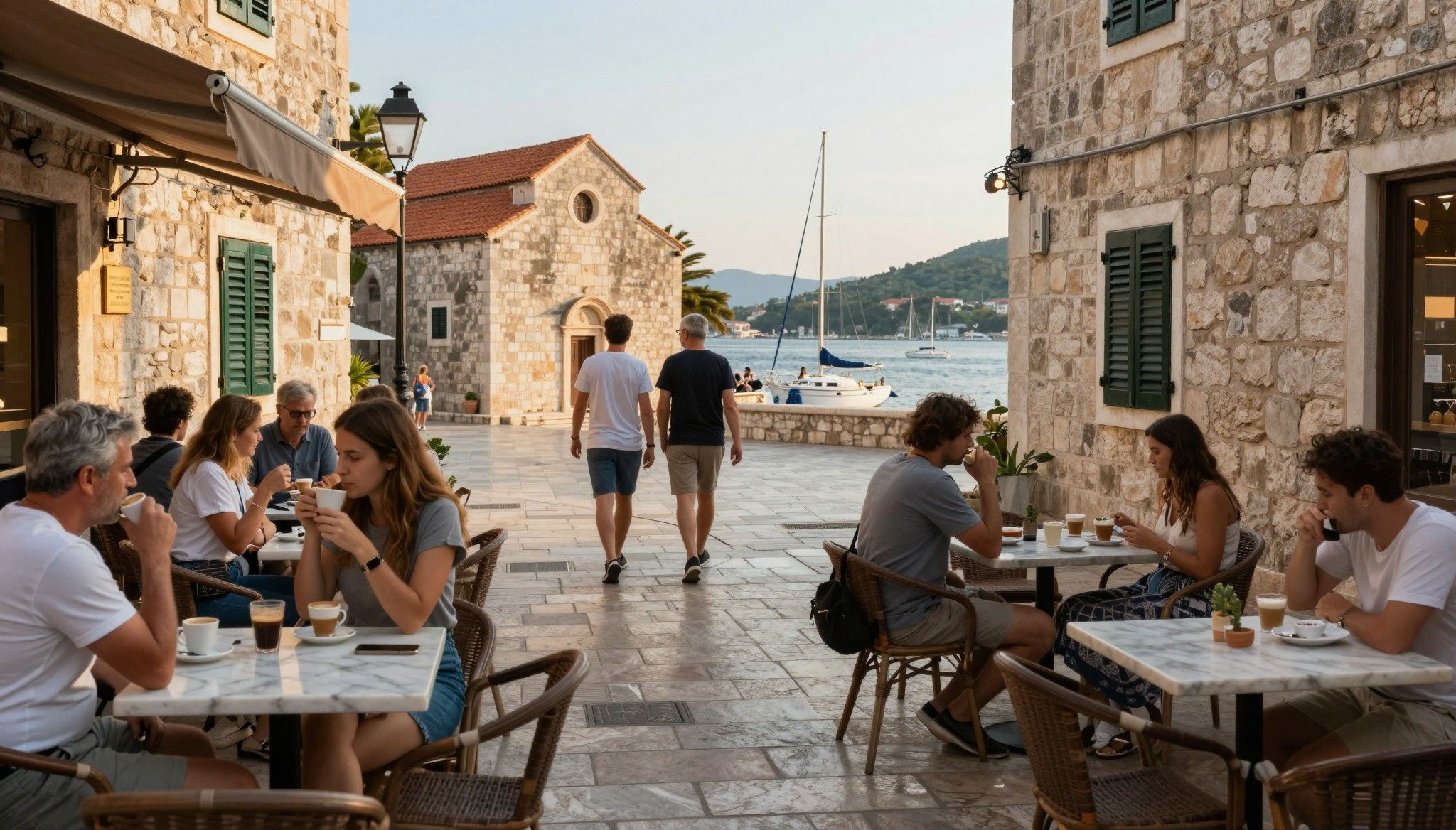
Imagine a morning in Nicosia’s old quarter: copper kettles clatter at a corner kafeneion, a baker on Faneromenis Street slides warm koulouria from a wood-fired oven, and terraces catch the light as the city wakes. Cyprus offers this unhurried rhythm alongside confident coastal towns such as Limassol and Paphos. Yet for many international buyers the question is not only which street to choose, but how to protect the life they will build here — from title peculiarities to insurance choices made for Mediterranean weather and long, sunlit seasons.
Living the Cyprus life
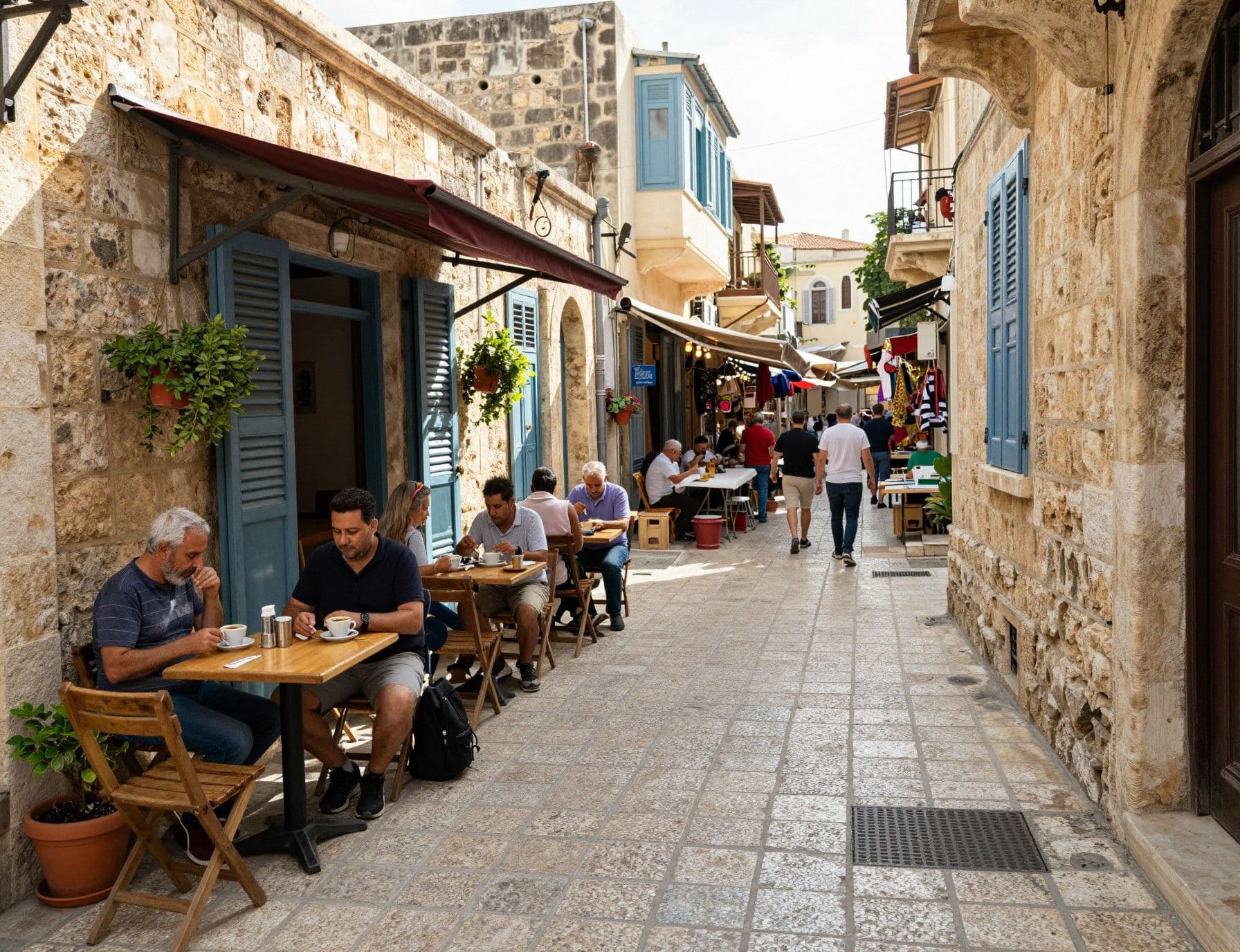
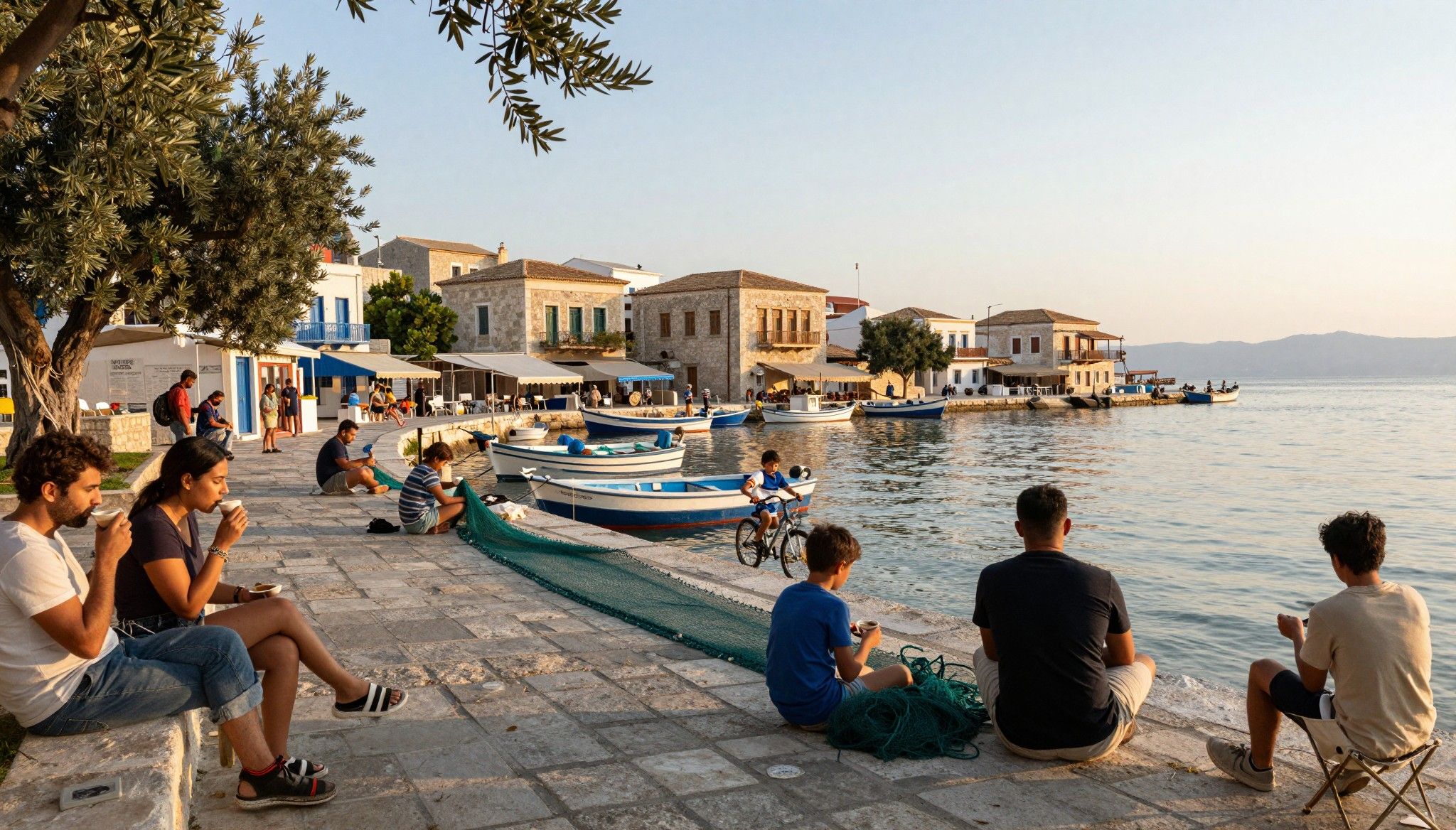
Cyprus balances village scale with cosmopolitan amenities. Coastal promenades host morning runs and late dinners; mountain villages offer olive groves, stone-built houses and a cadence shaped by harvest and church festivals. English is widely spoken in business and daily life, and a visible expat life clusters around Limassol’s marina, the historic lanes of Paphos, and the Melia‑lined bays outside Protaras. These daily textures inform where buyers choose to live — proximity to a weekly market or a favourite taverna often outweighs an extra 10 minutes’ commute.
Limassol: maritime polish and cosmopolitan routines
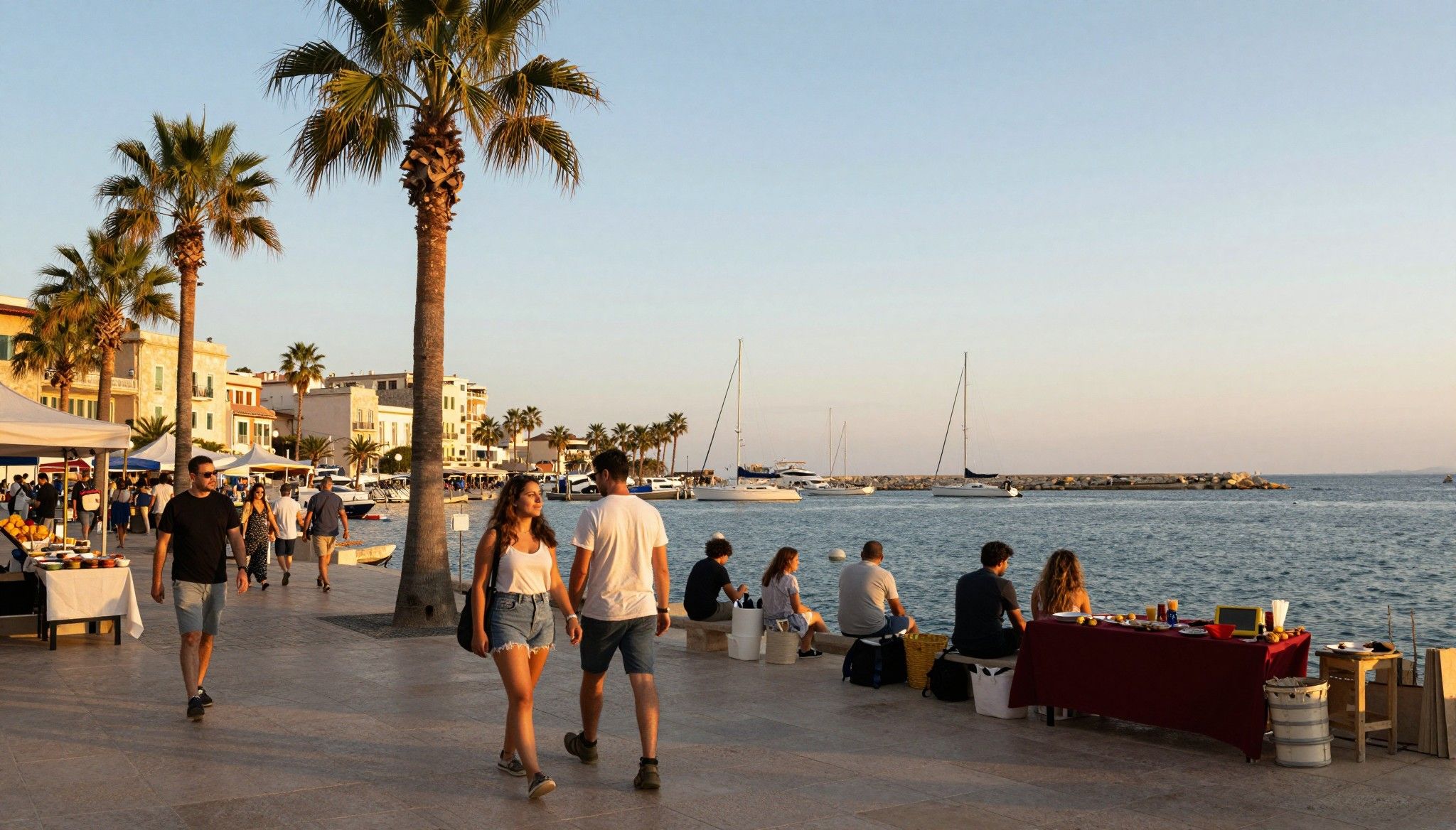
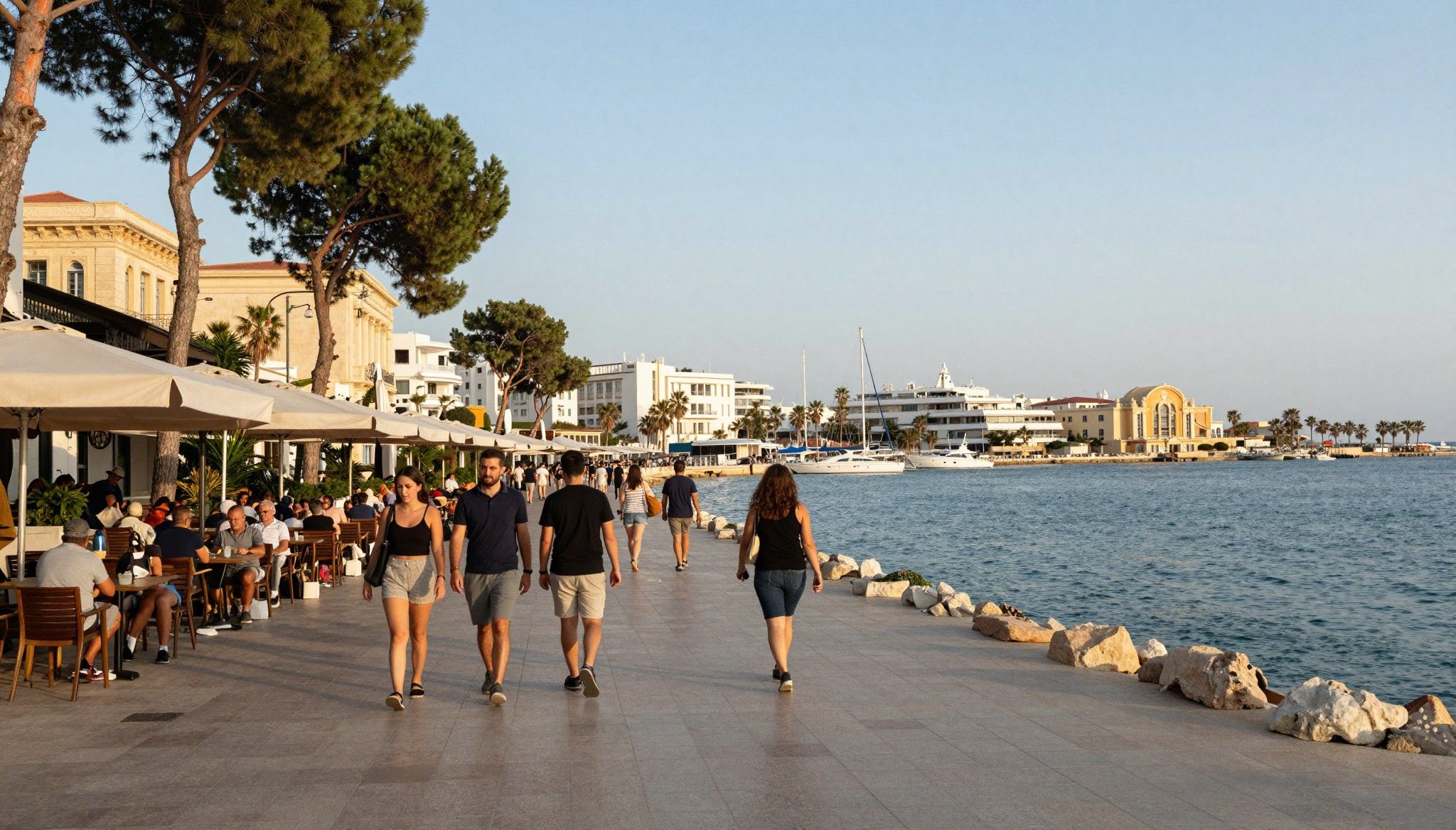
Limassol’s seafront blends marine infrastructure with classical promenades. Picture an after‑work coffee at the marina, then an evening at a family‑run meze restaurant on Anexartisias. Properties near Molos or the old port deliver easy access to private clubs and galleries, but they come with the highest price per square metre on the island — a trade-off of lifestyle for cost that sensible buyers weigh against long‑term stewardship.
Paphos & Troodos: the slower, storied life
Paphos offers a gentler tempo: Roman mosaics, seaside cafés, and a coast where villas step down to secluded bays. Move inland toward Troodos and the air cools; stone houses with timber beams and panelled studies suit those seeking seasonal variation and provenance. For preservation‑minded buyers, these areas reward attention to materials and a willingness to engage with local craftsmen when repairing lime plaster or restoring shutters.
- Lifestyle highlights
- Morning espresso at Kafeneio on Ledra (Nicosia); an afternoon walk along Limassol’s Molos; Sunday market for halloumi in Larnaca; wine tasting at a boutique winery in Omodos; a winter hike through Troodos pines.
Making the move: practical considerations
The dream of mornings in a village or evenings on a marina must be married to local realities: recorded price momentum, the land‑registry system and the insurance conditions lenders require. Official statistics show measured price increases in recent quarters, signalling steady demand rather than speculative spikes; that stability changes how one thinks about insurance—less an afterthought and more a component of stewardship.
Property styles and what they mean for insurance
A hulking, stone‑built village house carries different risks than a seaside apartment. Lenders commonly require buildings insurance based on rebuild cost rather than market value; for older properties you should budget for higher premiums to cover specialist restoration materials and potential roof or structural works. For coastal homes, consider extended cover for storm damage and salt‑corrosion to metalwork; insurers in Cyprus increasingly offer tailored add‑ons for coastal exposures.
Working with local experts who protect the life you want
An architect who understands Cypriot building methods, a lawyer versed in the Department of Lands and Surveys procedures, and an insurance broker who can place rebuild‑value policies make an effective team. Agencies that pair property curation with local specialists save time and reveal hidden risks — an old extension without a permit, or an unregistered title — before they become a burden.
- Practical steps that blend lifestyle and protection
- 1) Commission a local survey that notes materials and climate exposure; 2) Obtain rebuild‑cost insurance quotes before exchange of contracts; 3) Ask your lawyer to verify Land Registry status and any permits; 4) Insist on banks’ exact insurance requirements if taking a mortgage; 5) Consider a specialist policy for rental or short‑term letting.
Insider knowledge: what expats wish they'd known
A commonly missed nuance: non‑EU purchasers may need a permit and certain restrictions can apply to land plots. Many expats discover only after agreeing terms that the transfer cannot proceed without district approval or that historic sales were not registered promptly. Practically, this means patience and paperwork — but also the opportunity to negotiate protections into contracts.
Cultural and procedural red flags
Beware of three recurrent issues: properties sold without registered title deeds, unapproved additions, and under‑insured rebuild values. Titles without registration are not always fraudulent, but they introduce legal friction; a competent solicitor will insist on a clear chain of title and, if needed, escrow arrangements that protect the buyer’s funds until the land registry shows the transfer.
Long‑term living and the insurance choices that matter
Think in terms of stewardship: insure to preserve value and to support repair with appropriate materials. For heritage homes, ensure policies allow for traditional materials; for rental properties, declare short‑term letting to avoid voided claims. Budget annually for premium increases tied to inflation and regional claims experience, and maintain a schedule of works and receipts to speed claims and support resale.
- Quick protection checklist
- Verify registry title; confirm lender insurance conditions; get rebuild and contents quotes; declare intended use (residence, rental); add coastal/earthquake/contents extensions where relevant; retain local specialists for restoration.
If you arrive imagining a single street or a single season, Cyprus will promptly expand that image: summers on the coast, winter chestnut festivals in the mountains, markets that mark both continuity and change. The sensible buyer places that life at the centre of decision‑making and uses insurance, title checks and local expertise as tools to protect it. A local agency that curates properties with architectural integrity and then connects you to a solicitor, surveyor and broker will not only find the house you want, but help you keep the life it makes possible.
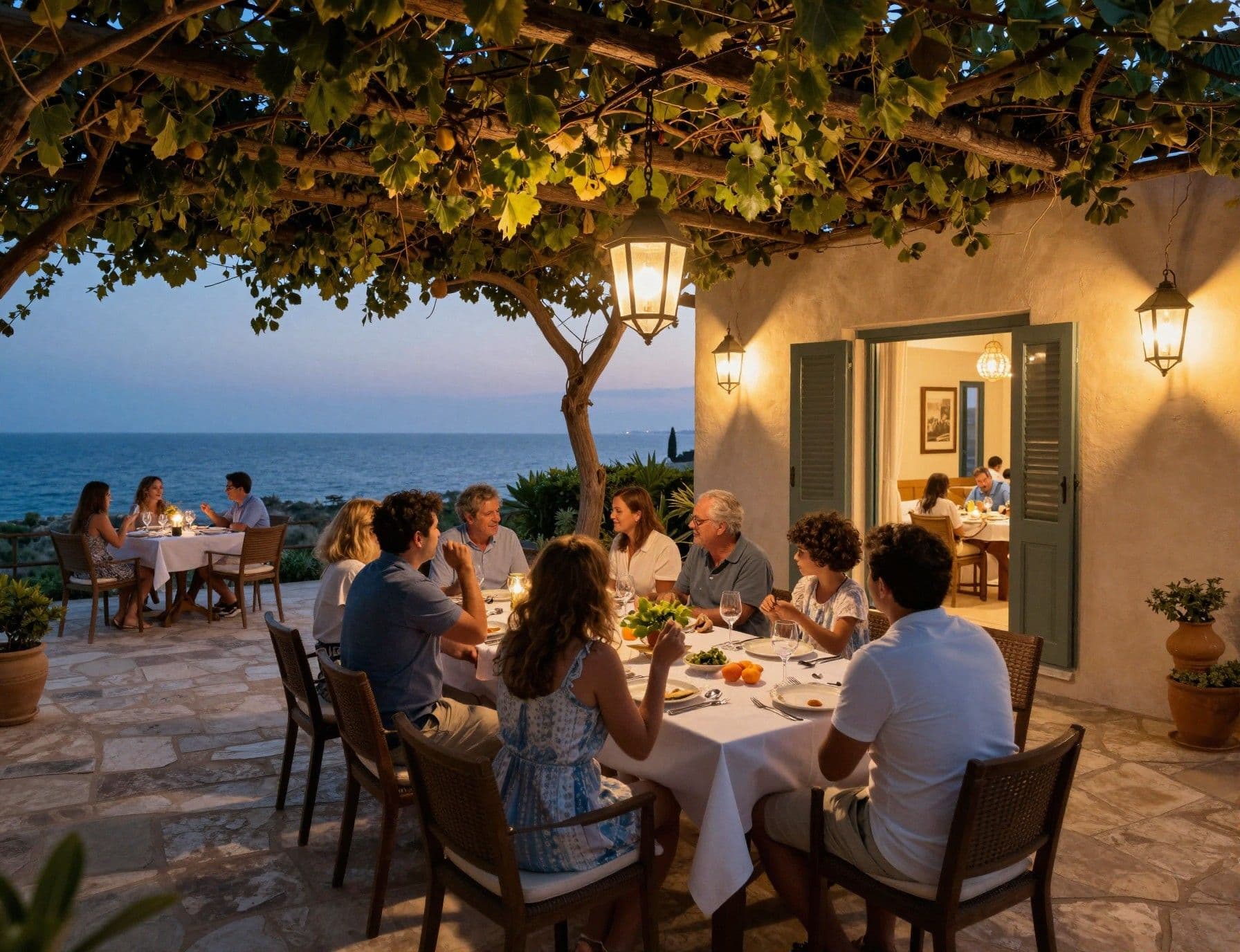
Next steps: commission a site survey, ask your lawyer to review Land Registry records, and obtain two rebuild‑value insurance quotes before committing. When assembled, this team converts an aspiration — mornings at a sea‑facing kafeneio or evenings under a vine‑draped pergola — into a safeguarded, enduring life in Cyprus.
Having moved from Stockholm to Marbella in 2018, I help Scandinavian buyers navigate Spanish property law, restoration quality, and value through authentic provenance.