Protecting the Life You Buy: Insurance Essentials — France
How to preserve the French life you fall for: seasonal, regional insurance rules and practical buyer protections backed by notarial and insurer sources.

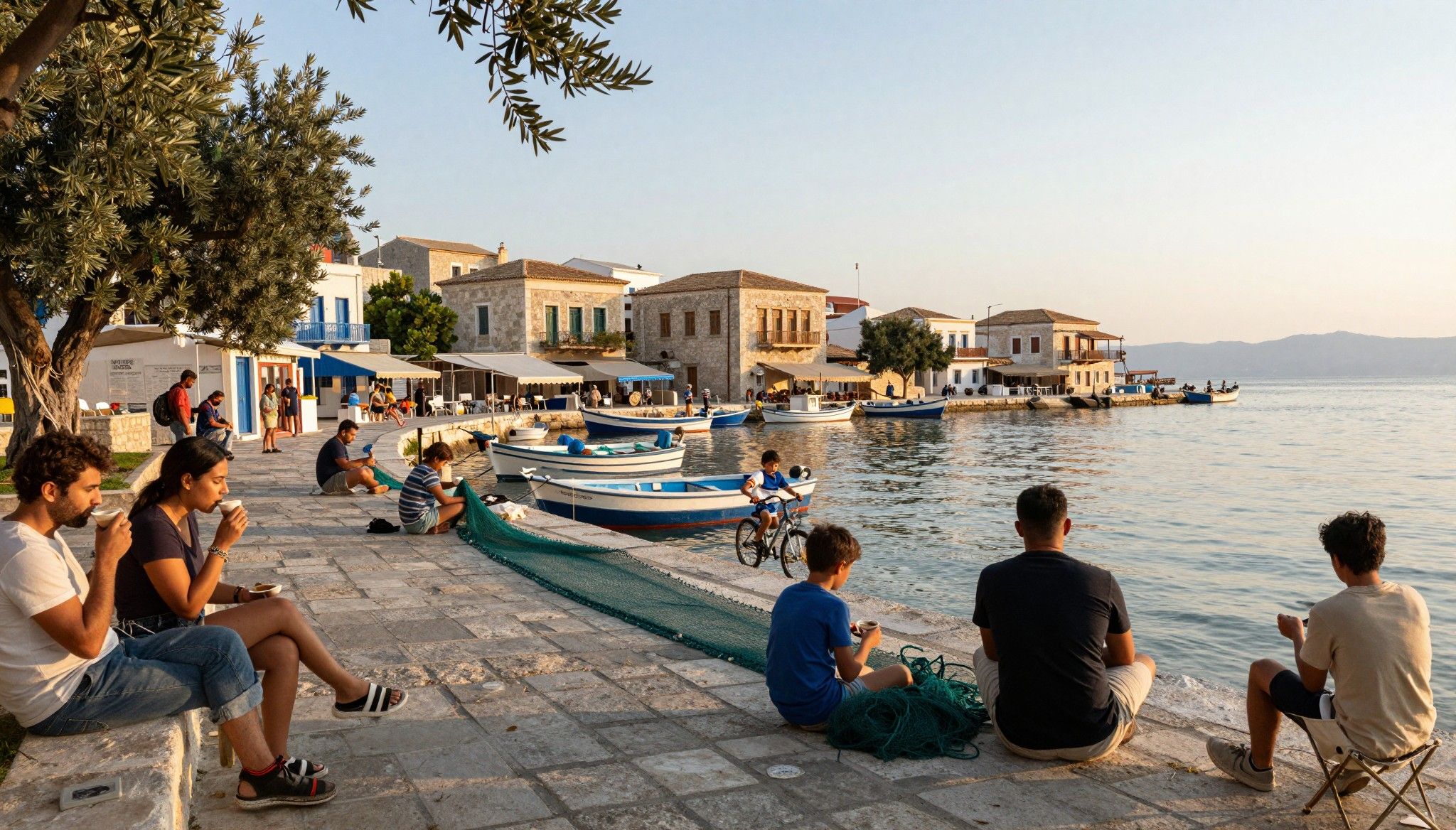
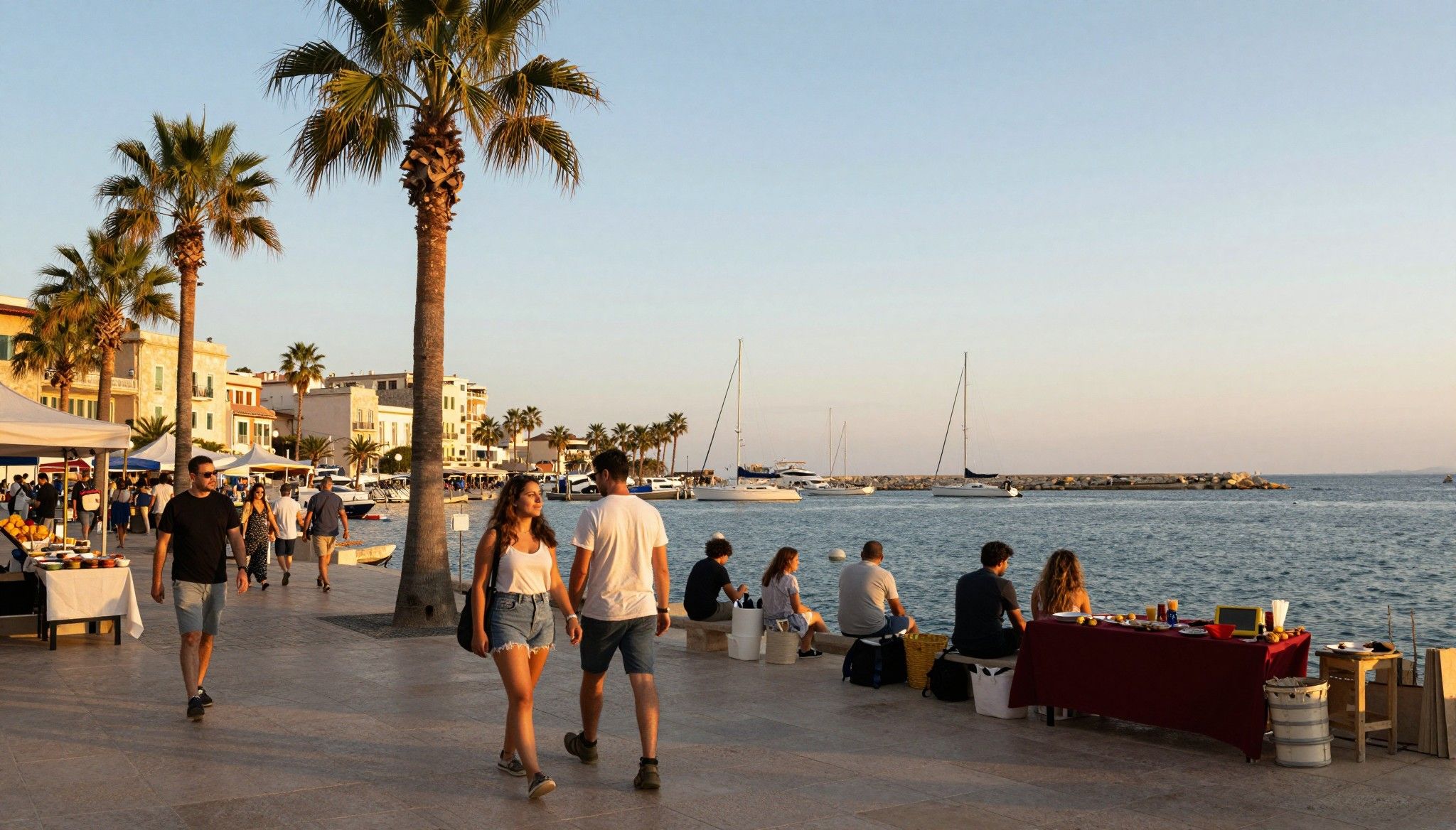
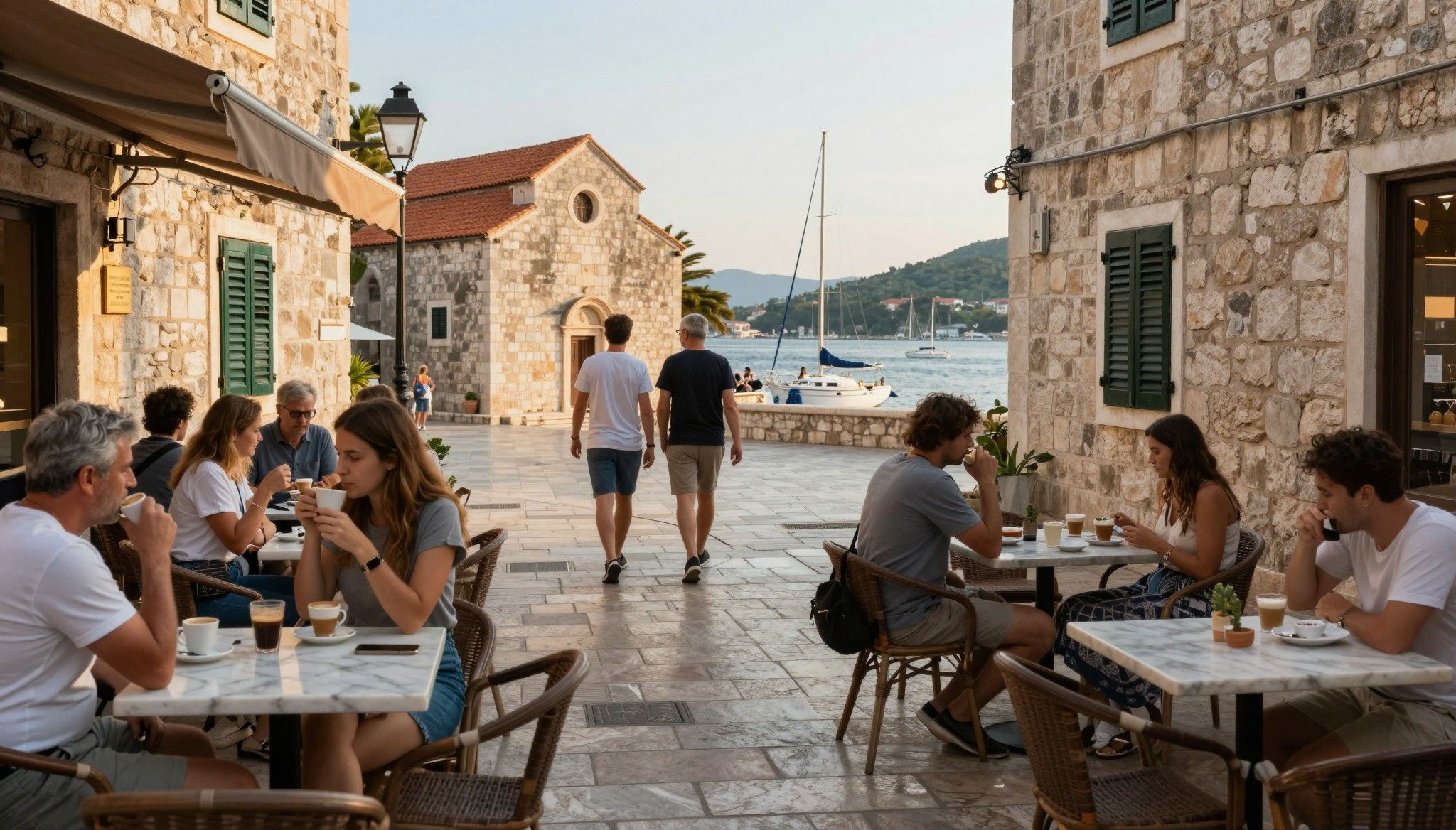
Imagine a late‑morning marché in Aix‑en‑Provence: steam rising from a café, sun striking a limestone façade, and a boulanger chatting with the butcher on Rue Espariat. That sensory clarity — sound, smell, light — is the true currency of living in France. Yet the practicalities of preserving that life — insurance, legal guarantees, prudent buyer protections — are seldom as romantic. This guide threads the lived pleasures of French neighbourhoods through concrete protection strategies so you can embrace the life and safeguard it with confidence.
Living the French Life: Where everyday rituals shape property choices
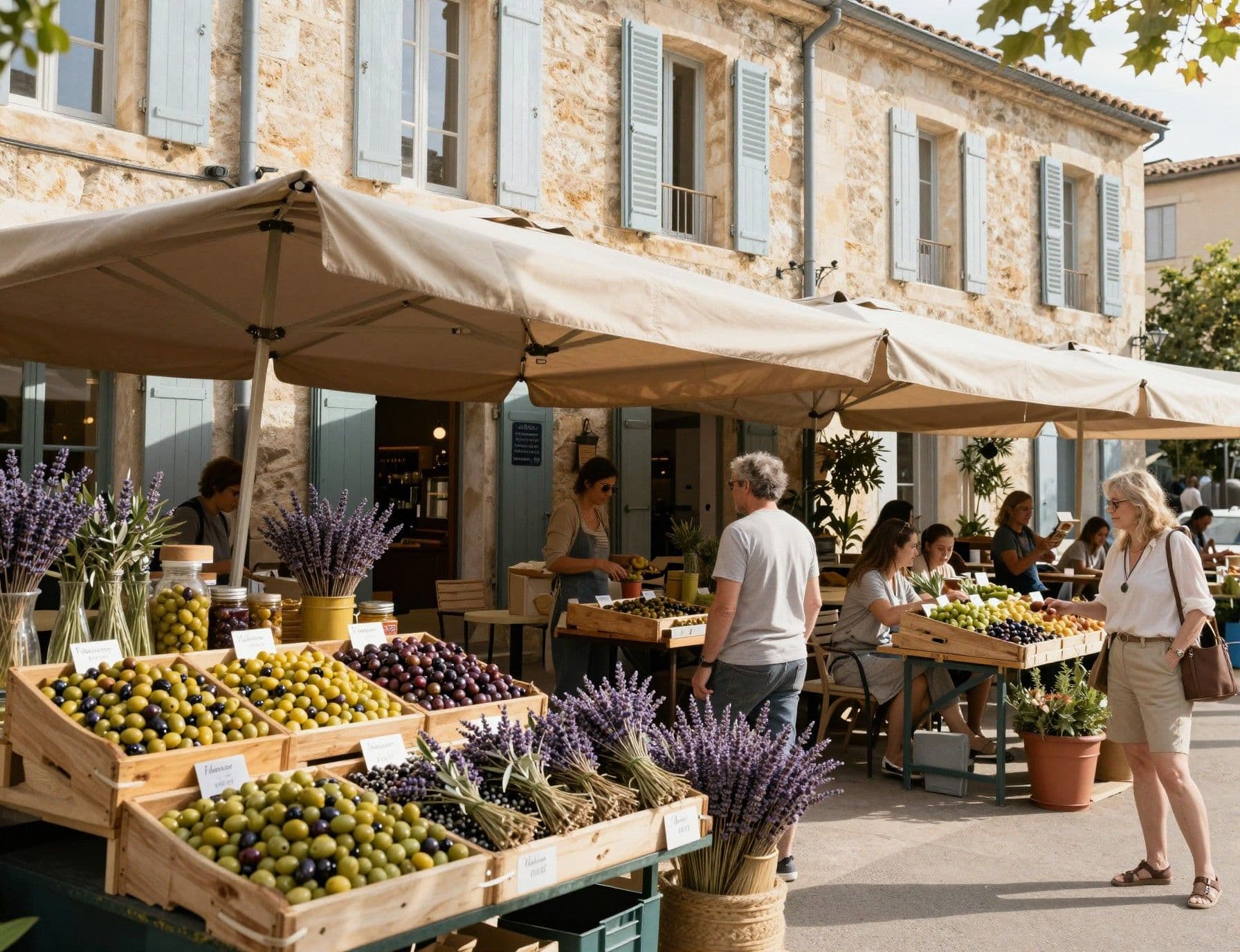
France rewards neighborhoods that stage daily ritual: a quincaillerie that opens at eight, a marché that hums on Saturday, a patisserie whose bread shape announces the morning. These rhythms inform what buyers value — proximity to markets, good daylight for winter months, and masonry that weathers well through Atlantic rains or Mediterranean sun. Market cycles too are local: while national figures show stabilisation and modest price recovery, micro‑markets from Bordeaux to Biarritz move on different tempo and protection needs. Understanding both the rhythm and the rules changes how you insure and protect the life you purchase.
Provence: light, terraces and sun‑borne risks
In Provence the life is alfresco — terraces, shutters, vines — and the insurance conversation often centres on wind, summer storms and increased costs for weather‑related repairs. France Assureurs has tracked rising claims and higher average premiums in recent years, a reminder that lighter, open façades require both preventive upkeep and policy clarity. For buyers this means checking how an insurer treats storm, hail and roof glazing, and ensuring seasonal occupancy clauses match how you will actually use the house. A policy that fails to reflect your lifestyle risks leaving you exposed after a single severe storm.
Paris centre: old facades and strict co‑propriété rules
A Haussmann apartment lives within layers of regulation: syndics (building managers), historical façades, and co‑ownership rules that dictate repairs and special levies. The building’s co‑propriété insurance may cover common‑area risks, but your own contents and personal liability require separate attention. Notaires’ market notes underline how older central properties can carry deferred maintenance — what looks like charm may be an upcoming bill. Ask for the last three AG (assemblée générale) minutes, building reserve studies, and copies of insurance schedules before you sign.
Making the Move: Practical protections that preserve lifestyle
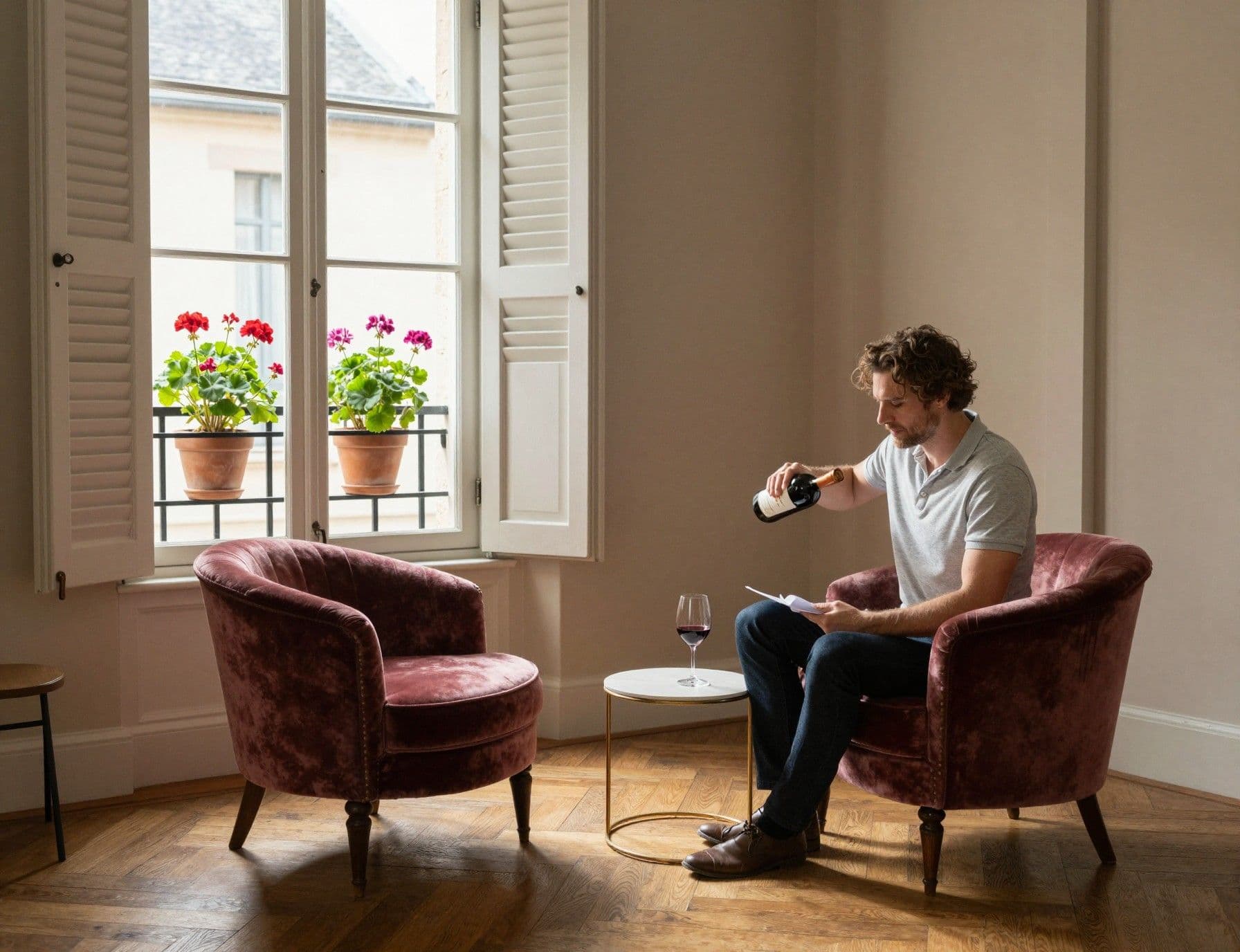
Dreams meet documents when you exchange on a French property: compromis, notaire, diagnostics techniques — each step can reshape risk. Practical protection begins with due diligence: energy and termite reports, lead and asbestos checks where relevant, and clear statements on servitudes (right of way) and urban plans. Notary fees and taxes (frais de notaire) are predictable costs; less obvious are contingent liabilities such as pending co‑propriété works or administrative orders tied to heritage façades. Make these items a checklist, not an afterthought.
Property insurance essentials for international buyers
Begin with multirisques habitation that specifically names the dwelling and lists intended usage (primary, secondary or rental). Ensure the policy covers 'catastrophes naturelles' (natural disaster declarations) and check the premium calculation method for department‑level CatNat surcharges. If you intend to rent — short or long term — confirm incidental rental cover and any exclusions for platforms such as Airbnb. Finally, insist on replacement‑value options for antiques or bespoke fixtures, and document provenance with photographs and invoices.
How to verify insurance before a purchase
Ask for copies of existing building and seller policies; request claims history for the past five years; confirm insurer solvency and policy language in English or your language; and obtain written confirmation of cover start dates that align with completion (acte authentique).
Insider Knowledge: Mistakes expats actually make — and how to avoid them
The most common error is treating France like a homogeneous market; it is not. Some buyers assume a lower premium because a region feels quiet, only to discover department‑level CatNat rates and coastal storm premiums. Others buy in a quaint village without checking resale liquidity or the practicality of seasonal access in winter. A final frequent misstep is relying on cursory translation of policy terms — subtle distinctions in French legal phrasing can alter cover. Learn the language of protections as carefully as you learn the food scene.
Practical checklist: protecting the life you buy
1) Secure a multirisques habitation policy with named use and CatNat cover; 2) Obtain co‑propriété insurance schedules and AG minutes; 3) Commission an independent survey (diagnostic immobilier) before final signature; 4) Register any valuable fixtures or artworks with separate insurance and inventories; 5) Confirm tax and notary liabilities with a bilingual notaire or tax adviser.
Decisions about insurance and buyer protection are, ultimately, stewardship choices. The right policy preserves the daily pleasures — a marché morning, a quiet terrace in October — and protects the asset for future generations. Work with a notaire who understands cross‑border taxation, an insurer experienced with second‑home and rental use, and an agent who knows where lifestyle and risk intersect. Begin with curiosity about the place, then match it with rigorous protection: that is how the life you fell in love with endures.
Next steps: collect the building’s insurance schedules, request the last three AG minutes, commission diagnostics, and ask your notaire for a written summary of fiscal exposure. If you would like, we can introduce you to French bilingual advisors who specialise in heritage properties and international ownership. Protecting a life in France begins before signature — and a careful start makes for decades of quiet, considered living.
Norwegian with years in Florence guiding clients across borders. I bridge Oslo and Tuscany, focusing on legal navigation, cultural context, and enduring craftsmanship.