Protect the Life You Buy: Insurance & Safeguards in France
Fall in love with France, then protect the life you buy: how local insurance, notaire safeguards and renovation guarantees secure lifestyle investments.
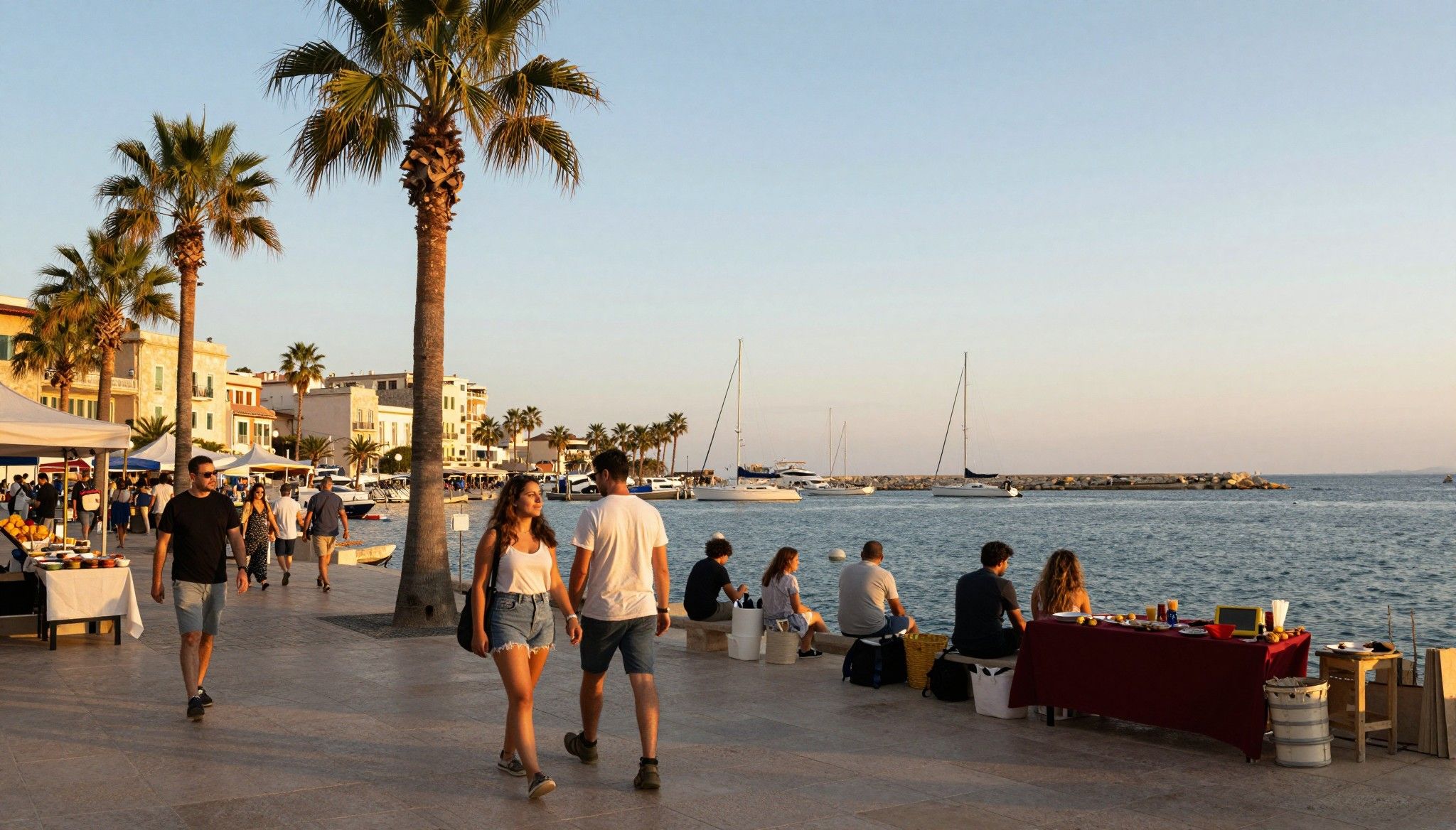
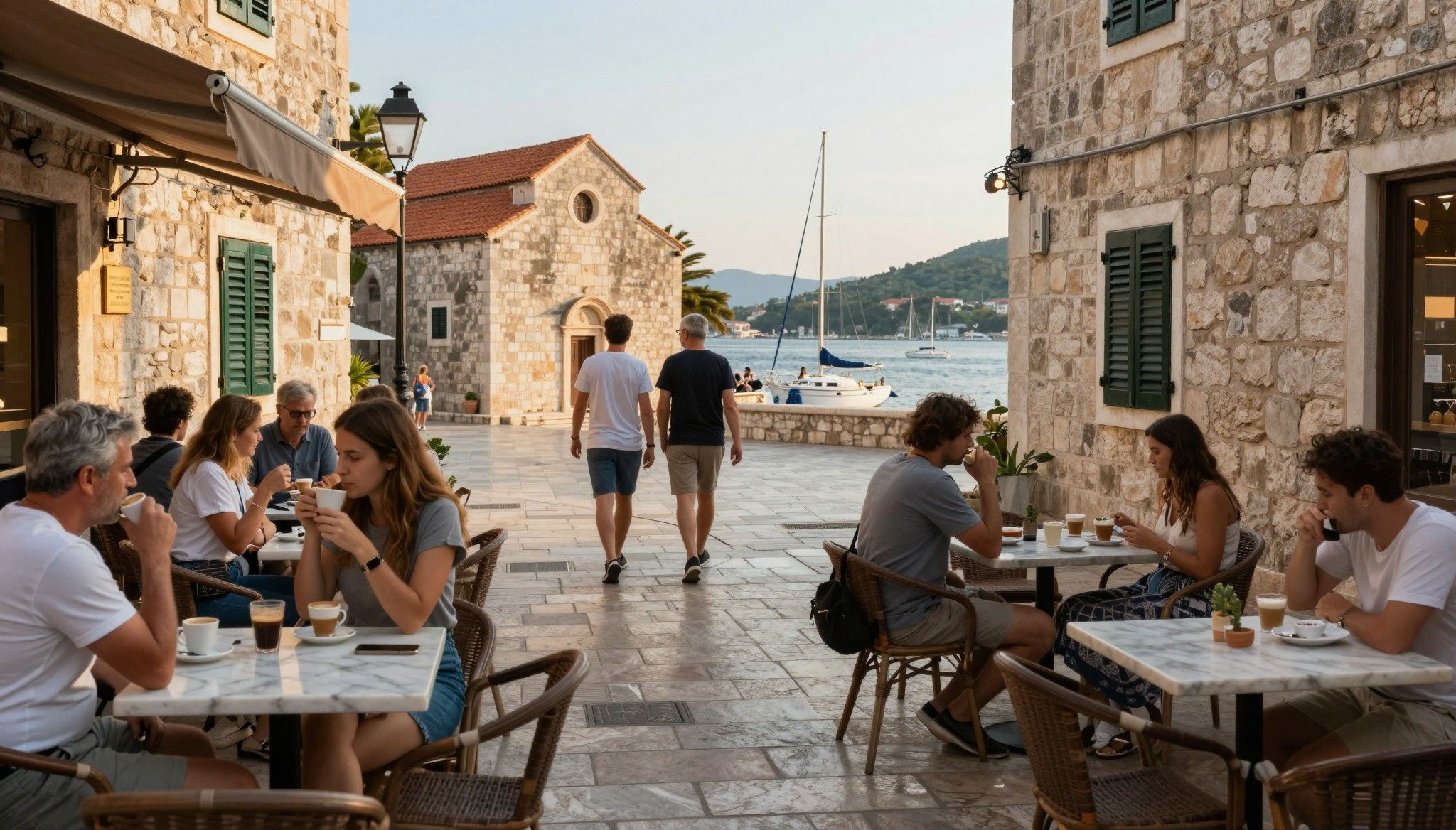
Imagine a late‑morning marché in Aix‑en‑Provence: stalls of lavender and olives, a boulanger with a steady stream of locals, and a shaded terrasse where conversations drift from politics to property. For many international buyers that scene is the point of the purchase — yet the paperwork and protections that follow are what make that life secure. Recent market analysis shows that while lifestyle draws buyers to France, buyer protections and the right insurance quietly determine whether the dream endures. https://www.estatefy.com/important-to-know-if-you-buy-a-home-in-france
Living the French life — texture, rhythm, address
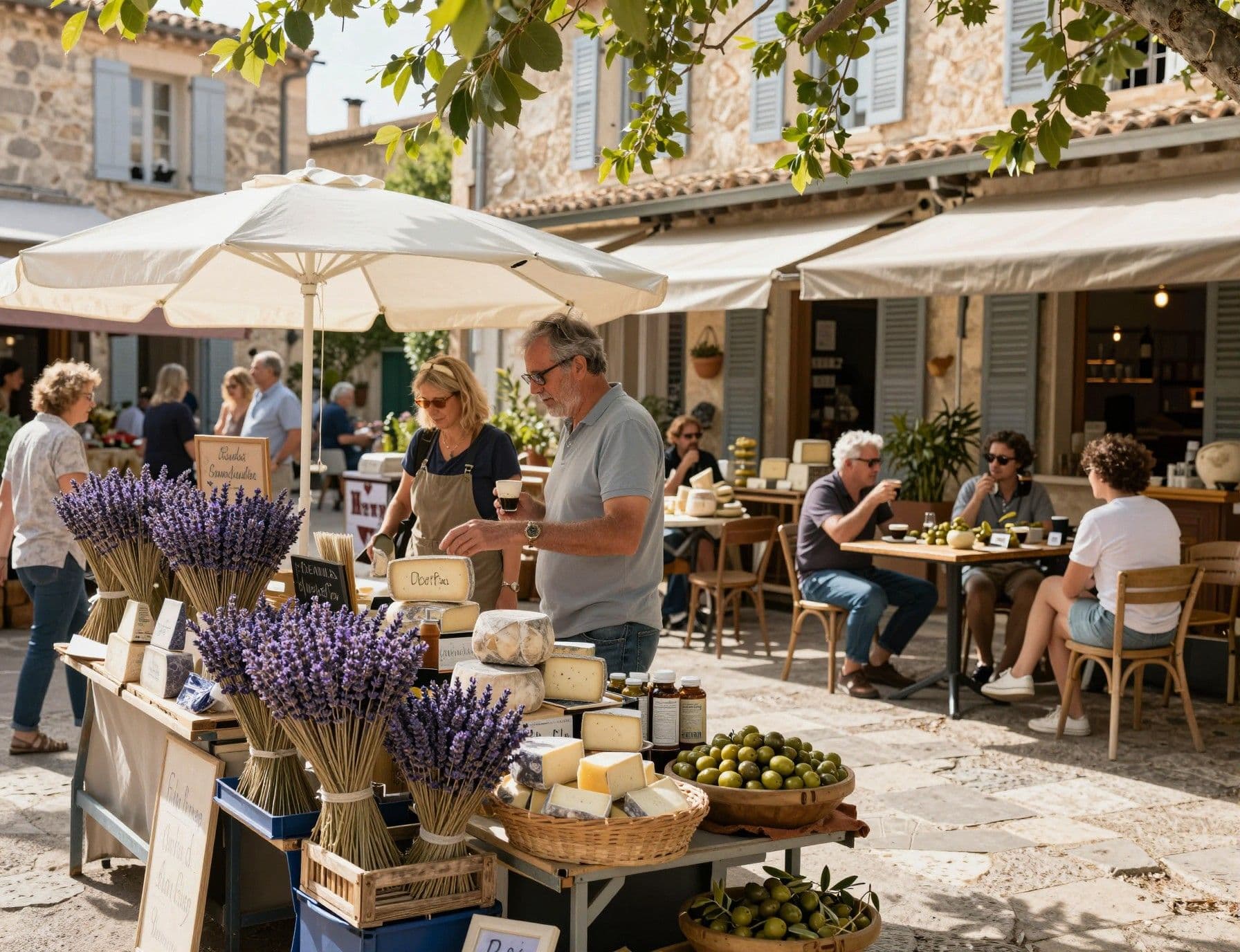
France is less an address than a way of living: café rhythms in Paris’s 6th, market mornings in Provence, late dinners on the Côte d’Azur. The quality that draws international buyers is not merely architecture but the layer of daily rituals — boulangeries, local marchés, municipal fêtes — that make a place habitable. When you buy here, you acquire a neighbourhood cadence as much as bricks and beams.
Neighbourhood notes: arrondissement and village specifics
Choose wisely. In Paris, the 7th and Ile‑Saint‑Louis offer measured quiet and architectural distinction; Le Marais is compact and social; Saint‑Germain retains a literary calm. On the Riviera, Villefranche sur Mer and Antibes balance tourist energy with residential grace; in Burgundy the villages around Beaune offer vineyard life and century‑old stone houses. Each micro‑address changes the insurance, management and refurbishment calculus.
Food, markets and daily life that shape property needs
A home by a weekly market needs storage for harvests and a well‑ventilated kitchen; a stone farmhouse in Provence requires roofing oversight and pest management; an apartment above a café may warrant soundproofing and different liability considerations. These lifestyle details inform what you insure and how you protect your investment.
Making the move: the protections that matter

Practical protections in France begin with the compromis and the notaire. The deposit (often 5–10%) is normally held in escrow; conditions suspensives (mortgage, planning, diagnostics) are your legal safety net. If a condition fails, the deposit should be refundable — a critical safeguard for an international buyer arranging finance from abroad. See guidance from Notaires de France for typical practice.
Insurance products you will meet (and why they matter)
Assurance multirisque habitation (home insurance) covers fire, water damage, theft and civil liability and is mandatory for tenants; owners commonly take out multirisque or a Propriétaire Non‑Occupant (PNO) policy for vacant or letted properties. For new construction or major renovations, consider assurance dommage‑ouvrage to secure rapid repair of defects covered by the décennale guarantee.
Lifestyle‑led checklist: what to insure first
Start with liability and water damage cover — these are the most frequent claims and the ones that disrupt daily life. If you plan short‑term rentals on the Côte d’Azur, add specific cover for seasonal lets and loss of rent; for large renovations secure both contractor insurance (garantie décennale) and owner‑side dommage‑ouvrage.
- Key protections to discuss with your broker or notaire:
- Assurance multirisque habitation for broad property and liability risks
- Propriétaire Non‑Occupant (PNO) for non‑resident owners or vacant periods
- Assurance loyers impayés (GLI) if you intend to let long‑term
- Dommage‑ouvrage and evidence of contractor’s décennale for renovations
Insider knowledge: mistakes I’ve seen and how to avoid them
A friend bought an 18th‑century house near Bordeaux, enchanted by the spiral stairs and millstone sink. He delayed a structural survey and later discovered rising damp and rot; insurers excluded pre‑existing defects. An early, specialist diagnostic — and an insurer familiar with heritage properties — would have changed the outcome. Heritage charm carries hidden maintenance obligations.
Cultural and administrative nuances that change risk
Local administrative rhythms matter: planning permissions in coastal communes, syndic rules in Parisian copropriétés, and seasonal flooding maps in river valleys all affect premiums and eligibility. Work with a local notaire and an insurer who understands the particular commune and its risks.
Step‑by‑step protection plan for the international buyer
- Arrange a local notaire to hold any deposit in escrow and draft clear conditions suspensives.
- Commission heritage and structural surveys before exchange; obtain explicit insurer confirmation of what is excluded.
- Secure multirisque habitation or PNO cover effective from the day you accept keys; add GLI or short‑term rental endorsements if relevant.
- For renovations, require contractors’ preuves d’assurance (décennale) and take dommage‑ouvrage to expedite repairs.
- Establish a local property manager or trusted agency to handle claims, tenant checks and seasonal checks while you are away.
Conclusion: France is a life of place and material. Protecting that life requires precise, local insurance and legal scaffolding. Begin with a notaire‑held deposit and conditions suspensives, secure the right multirisque and PNO cover, and if you plan work, insist on dommage‑ouvrage and contractor décennale proof. These modest steps preserve mornings at the marché and long evenings on the terrasse — the true returns of a French purchase. For further reading and practical checklists consult Notaires de France and regional insurer guidance. https://www.notaires.fr/fr/article/compromis-de-vente-sort-du-depot-de-garantie-en-cas-de-non-realisation-de-la-vente
Having moved from Stockholm to Marbella in 2018, I help Scandinavian buyers navigate Spanish property law, restoration quality, and value through authentic provenance.