Secure the Seaside Life: Title & Insurance Realities in Cyprus
Fall for Cyprus’s seaside rhythms — then secure them: practical title checks, tailored insurance and neighbourhood intelligence protect the life you buy.

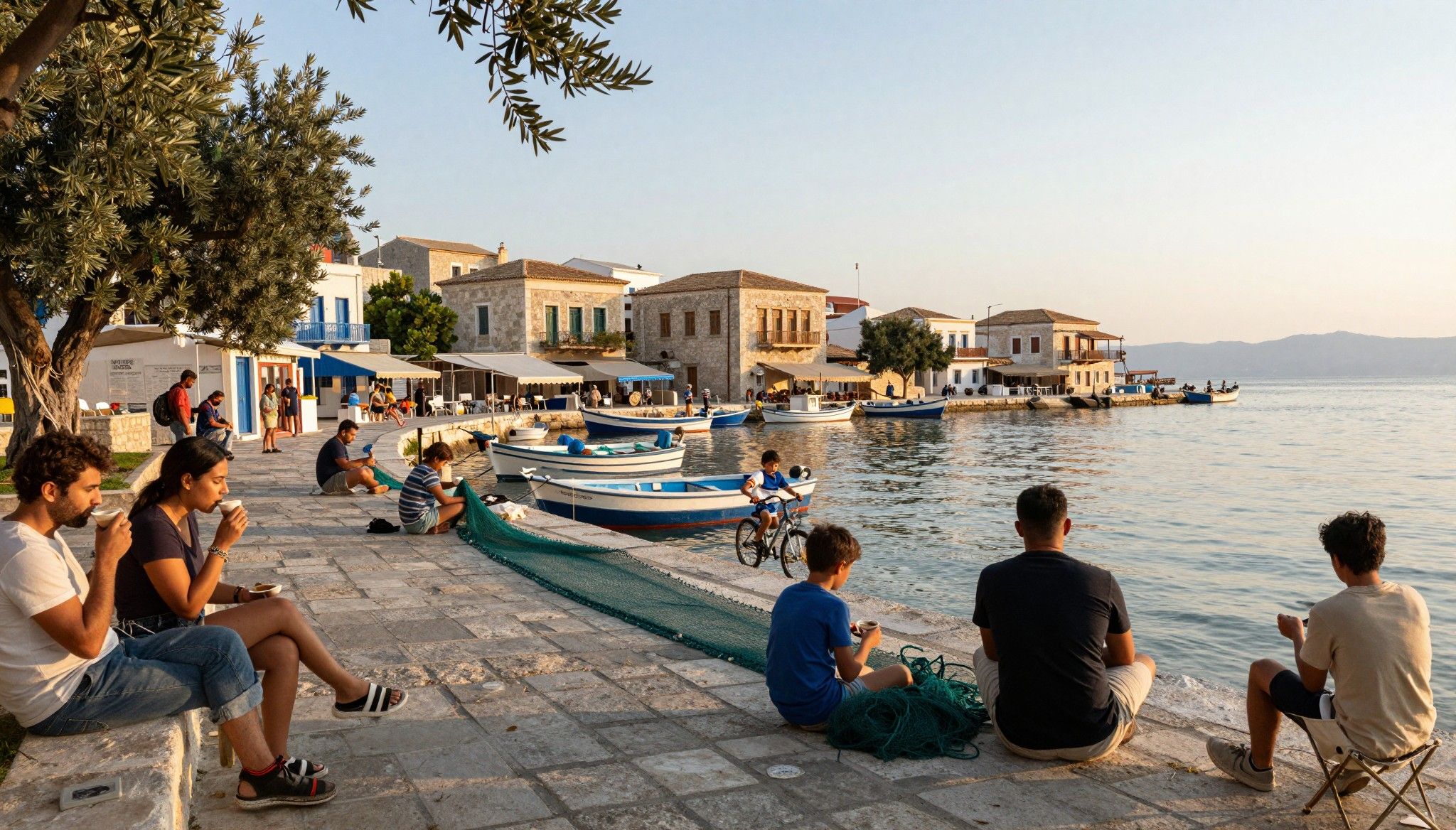
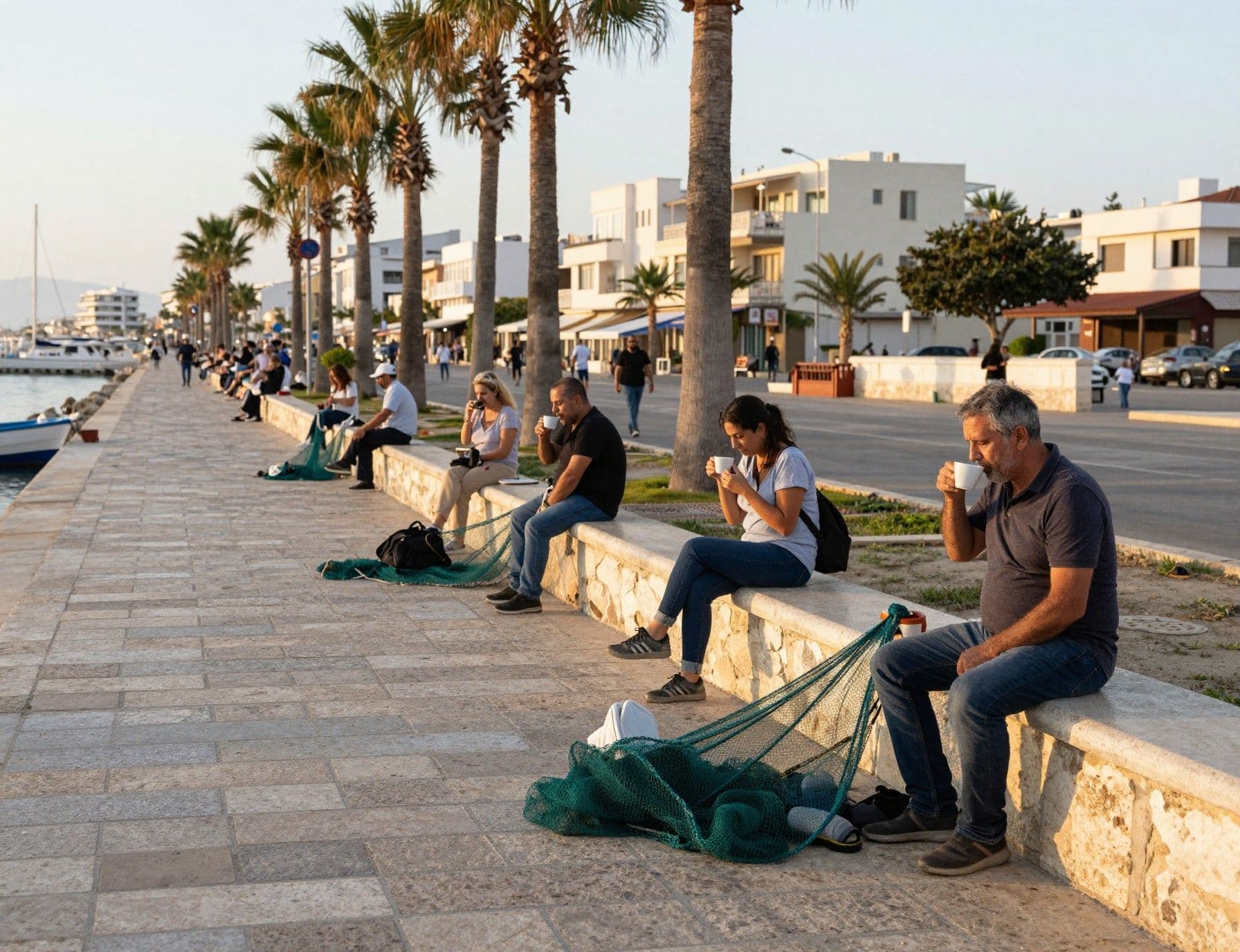
Imagine a late‑morning espresso at Molos, Limassol’s sea‑front promenade: the air carries salt and jasmine, fishermen mend nets nearby and a terrazza of shaded tables hums with local conversation. That sensory ease — proximity to the sea, the cadence of neighbourhood life, small‑scale markets and a discreet but steady international community — is what draws people here. Yet behind that idyll sits a set of protections every buyer should understand before signing: title clarity, appropriate insurance cover and buyer safeguards that match Cyprus’s distinctive legal rhythms.
Living the Cyprus Life
Cyprus condenses Mediterranean living into walkable neighbourhoods and compact towns. From Limassol’s polished marina to Paphos’s layered archaeology and the quieter villages of the Troodos foothills, daily life balances outdoor conviviality with purposeful calm. The island’s residential market has been resilient — the Central Bank reports steady price growth in recent quarters — which means international buyers increasingly arrive with both lifestyle and investment intent.
Limassol & Molos: refined seaside routine
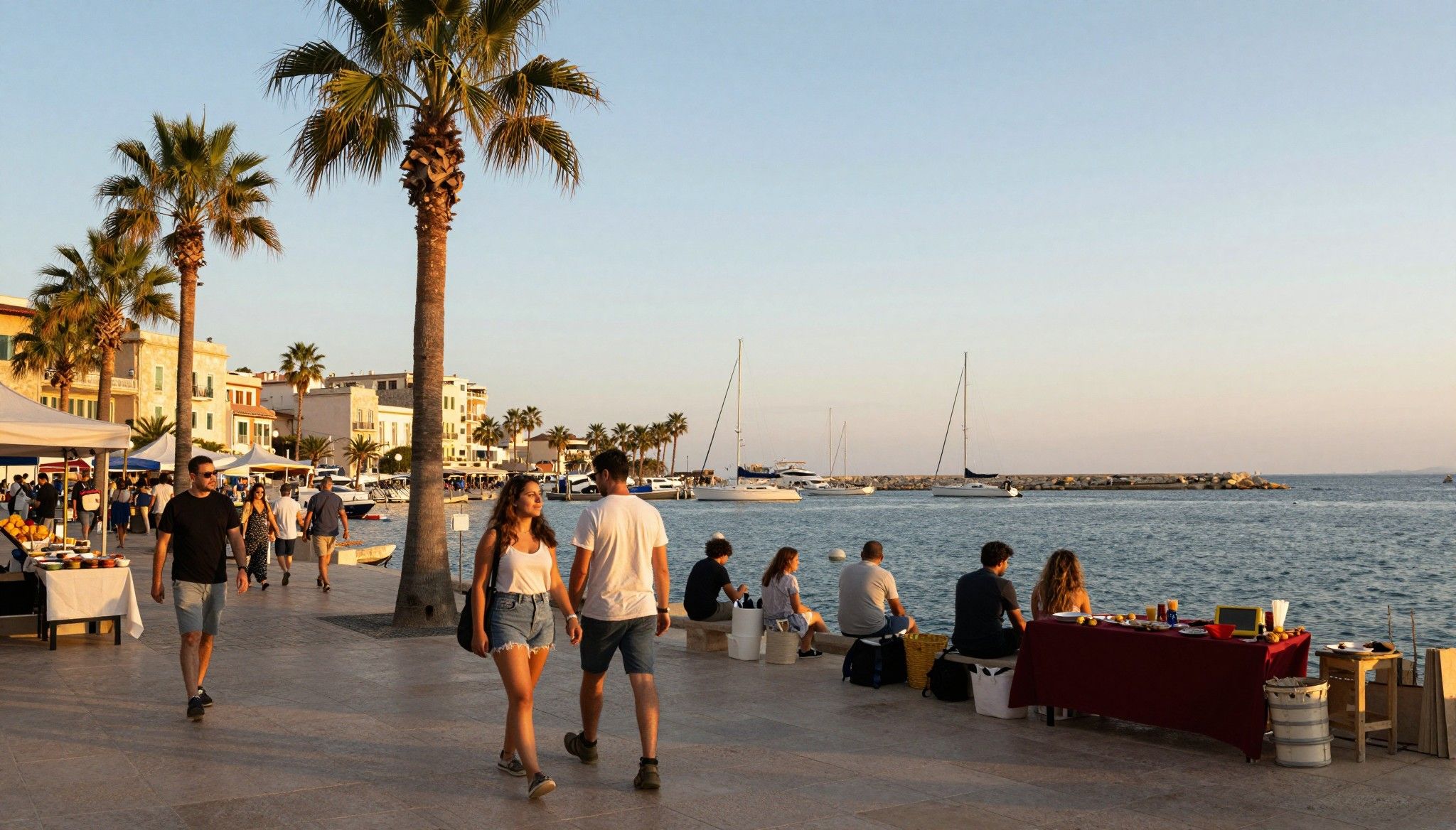
Picture weekday mornings cycling along Molos, weekend lunches at Karatello, and evenings in the old port where small tavernas compete with contemporary wine bars. Apartments near the seafront offer terraces and breeze‑cooled rooms; inland, restored town houses on Anexartisias and Franklinou add historical texture. For buyers, this is a choice between a waterfront, maintenance‑intensive lifestyle and quieter, low‑rise town living with proven rental demand.
Paphos, Larnaca & village life: scale and pace
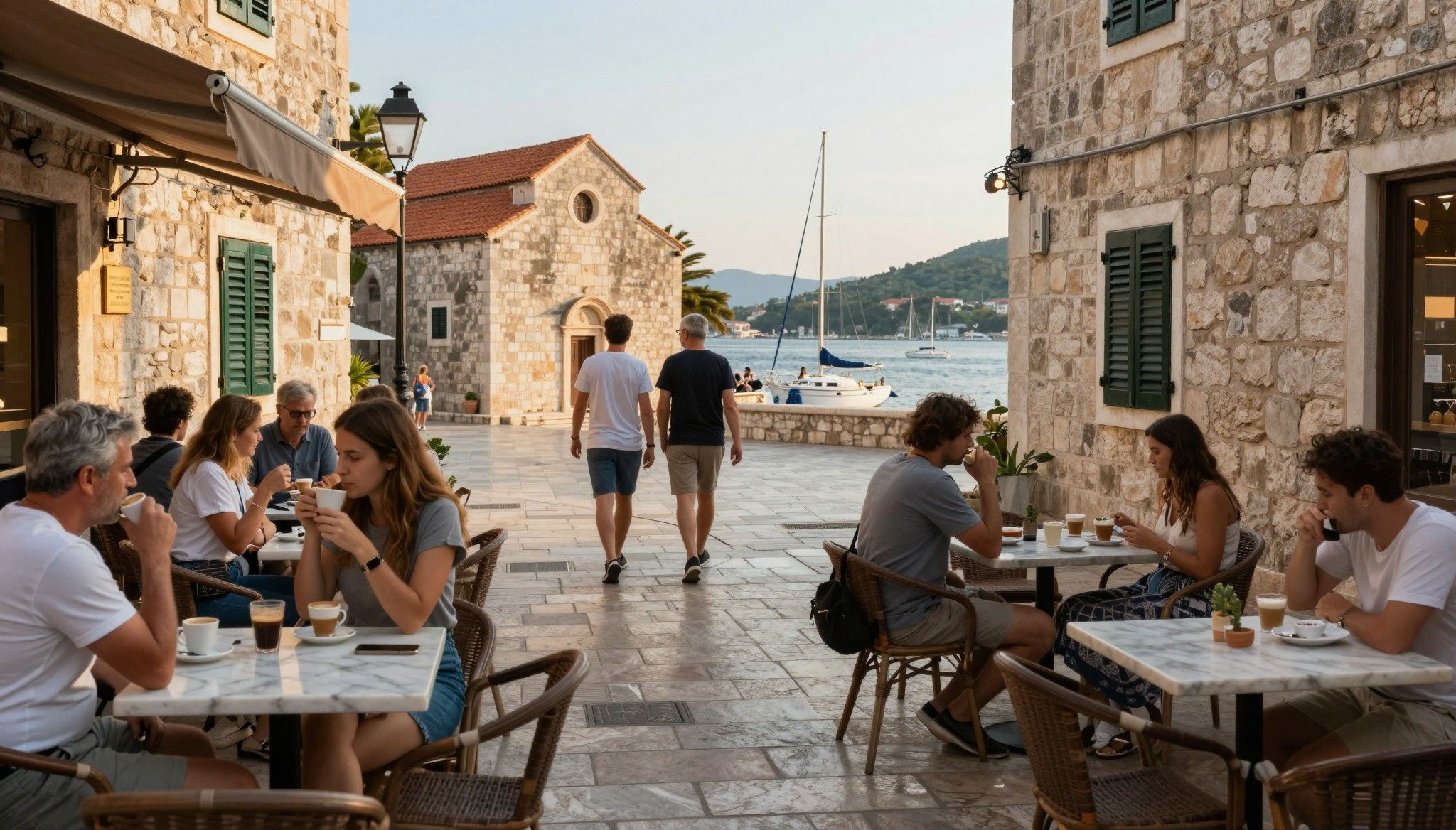
Paphos feels antique and domestic — archaeologically rich streets, fish markets and evenings on Kennedy Avenue. Larnaca’s Palm Tree Promenade and quiet suburbs attract families and remote workers; inland villages such as Kakopetria offer stone cottages and a slower calendar of village festivals. These locations offer different maintenance profiles and insurance priorities: coastal salt exposure versus inland winter damp and mountain weatherproofing.
- Lifestyle highlights: Limassol’s marina dining; Paphos archaeology walks; Larnaca’s weekly farmers’ market; Troodos village tavernas; Agios Georgios beach mornings; the Sunday coffee culture in Nicosia’s old town.
Making the Move: Practical Considerations
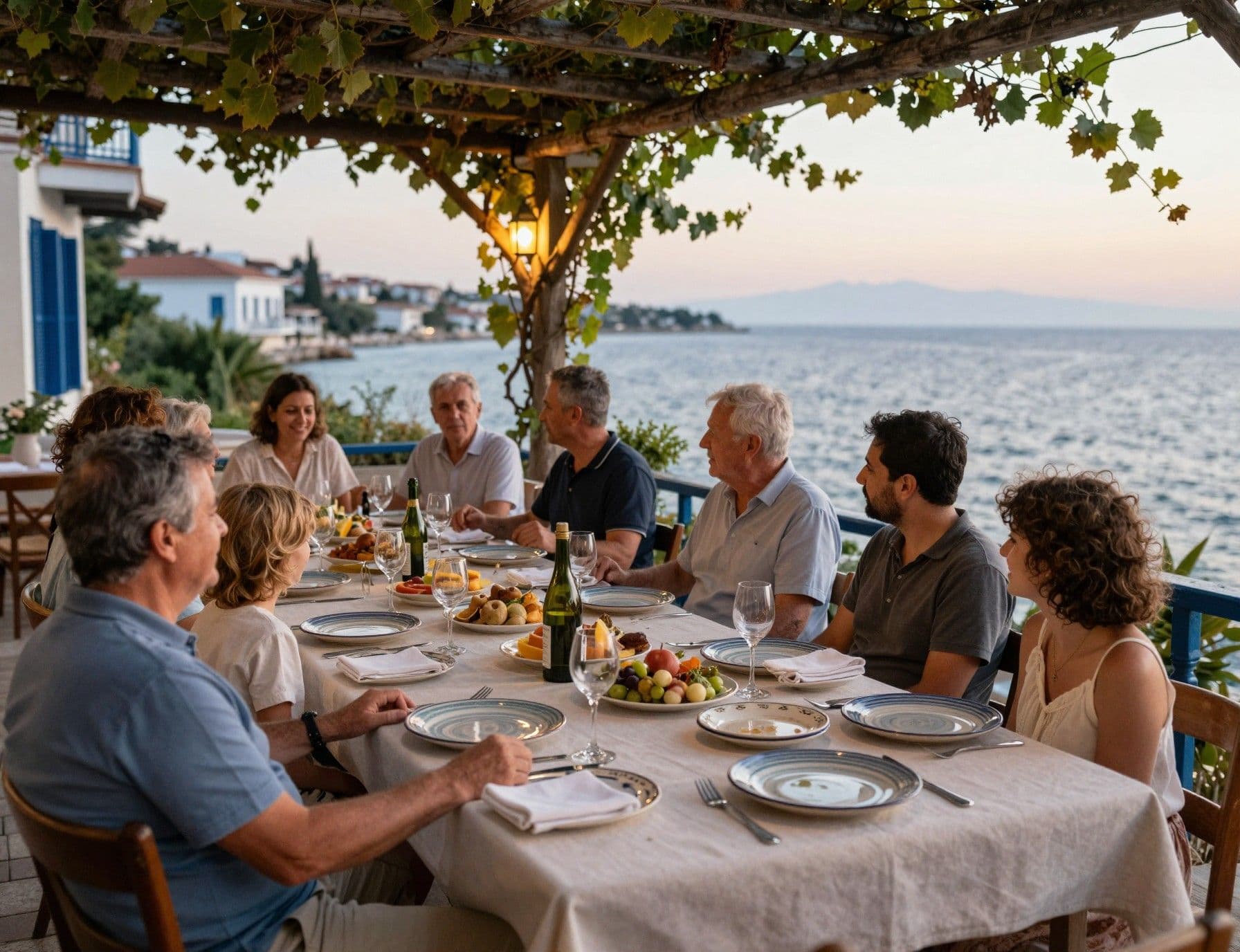
The romance of place must be matched with due diligence. Cyprus has a well‑established conveyancing process and a live land registry, but two recurring issues deserve attention: incomplete title deeds on older properties and accurate risk assessment for coastal versus inland homes. Official channels such as the Department of Lands and Surveys and recent market reports help frame risk, but an on‑the‑ground advisor and tailored insurance remain indispensable.
Property styles and the protections they require
New developments near Limassol and Larnaca typically carry full title documentation and developer warranties, while village restorations and older coastal houses may show gaps in paperwork. For stone houses, check structural reports and historic renovation permits; for apartments, confirm management company insurance and sinking‑fund arrangements. Each property type demands a different mix of cover: buildings, contents, liability and, where applicable, landlord or rental interruption insurance.
- Six steps to align lifestyle and protection
1. Request official title searches and recent registry extracts; 2. Commission structural and damp surveys tailored to neighbourhood exposures; 3. Ask for developer warranties and proof of planning approvals for newer builds; 4. Obtain comparative insurance quotes that include coastal perils and rental interruption if you intend to let; 5. Insist on a clear liabilities clause in contracts assigning responsibility for pre‑sale defects; 6. Work with a bilingual lawyer who understands local custom and international contract norms.
Insider Knowledge: What Expats Wish They’d Known
Expats often arrive enchanted by day‑to‑day life and later discover the small frictions: seasonal maintenance on salt‑exposed facades, the cadence of municipal services in village settings, and the paperwork rhythm when transferring utilities or registering residency. The most common regret is assuming standard home insurance abroad mirrors what they had at home; Cyprus’s insurers price coastal risks differently and require explicit cover for things like storm damage or subsidence in older stone properties.
Cultural integration and practical neighbourhood wisdom
Neighbourhood life in Cyprus rewards patience and participation. Small practical gestures — learning a few phrases of Greek, turning up for the church festival, buying from the weekly market — open doors to trusted local contacts who will recommend reliable craftsmen, insurers and property managers. A local agency that knows which streets flood in winter or which terraces need reinforced shutters can save both time and cost.
Longer‑term stewardship
- Think in generational terms: maintain a maintenance calendar, budget for cyclical repairs (roofing, external render), keep detailed invoices and warranties, and consider title consolidation where historic plots have fragmented ownership. These steps protect both lifestyle and long‑term value in a market where foreign demand remains an influential factor.
Conclusion: Cyprus offers a rare combination of lived‑in charm and investable stability. To translate the island’s light and ritual into a secure home, pair the sensory research — streets you love, cafés you could occupy — with exacting legal checks and bespoke insurance. A concise team (bilingual lawyer, local surveyor, trusted insurer and an agency familiar with Limassol, Paphos or Larnaca micro‑markets) preserves the life you imagined and the asset you acquire.
Dutch former researcher who moved to Lisbon, specialising in investment strategy, heritage preservation, and cross-border portfolio stewardship.