Insure the Life You Buy: Cyprus Risks, Red Flags & Protections
How to protect your Cyprus home and lifestyle: tailored insurance needs, title clarity and local expertise to preserve value and everyday life.
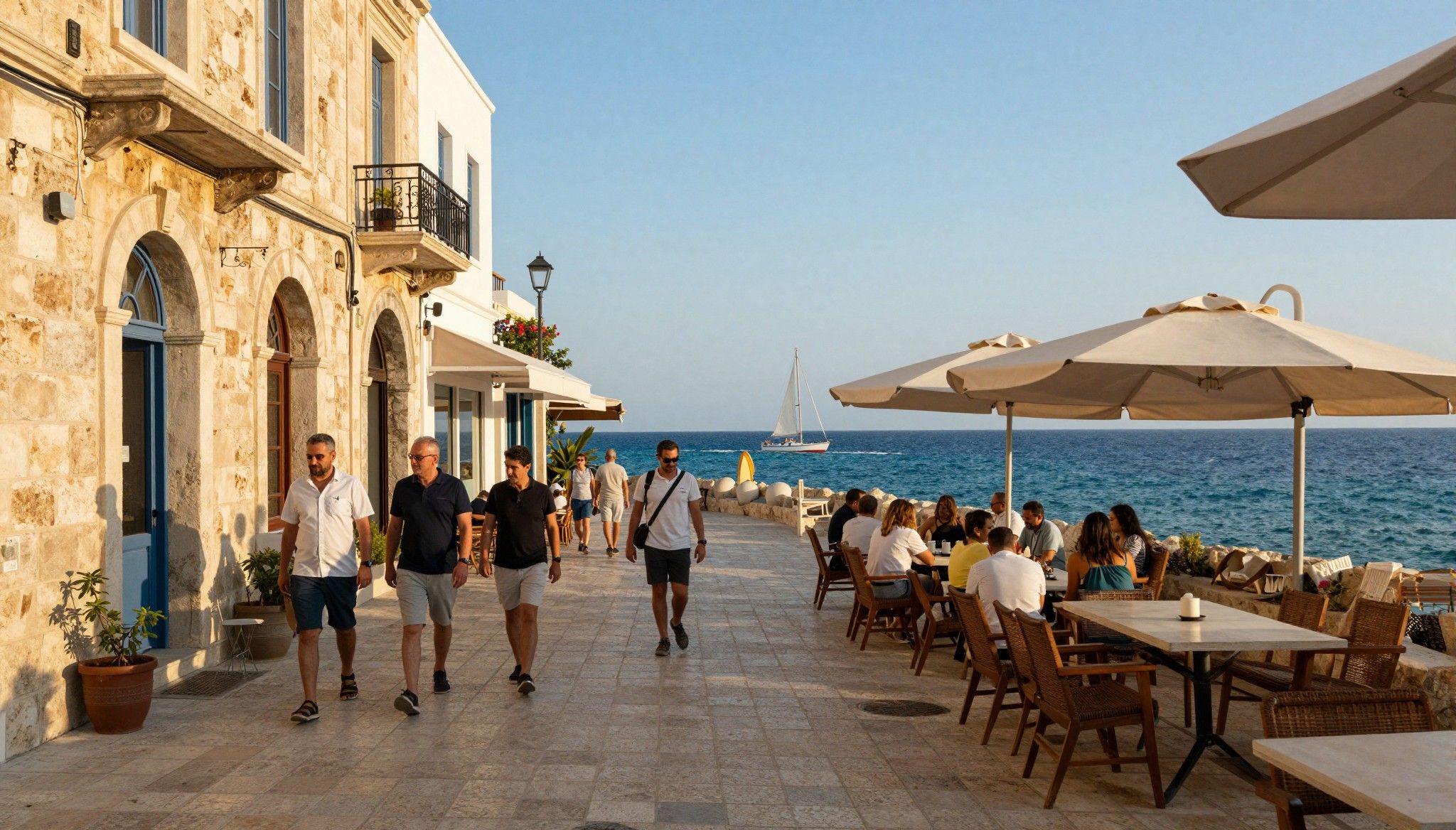
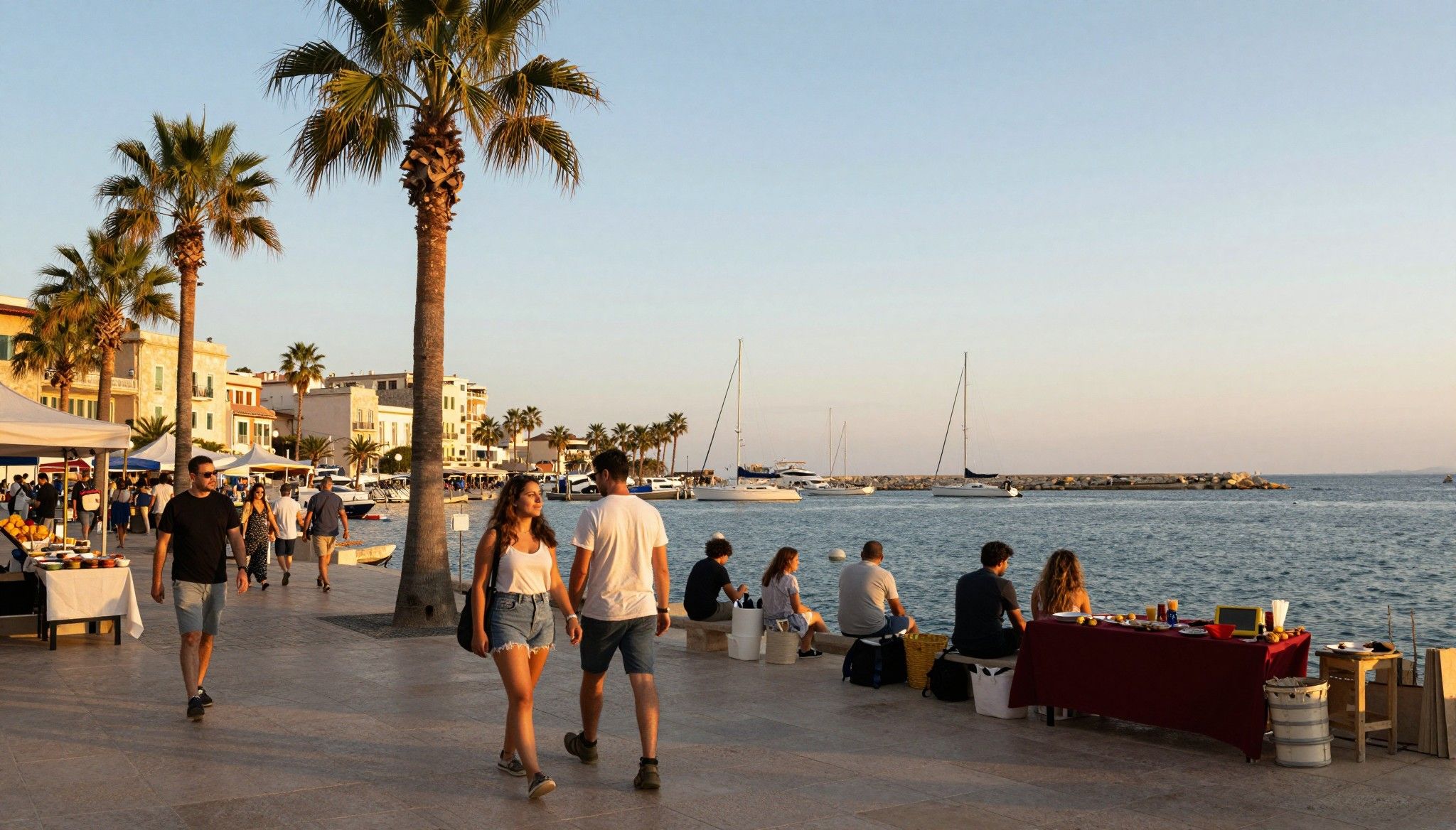
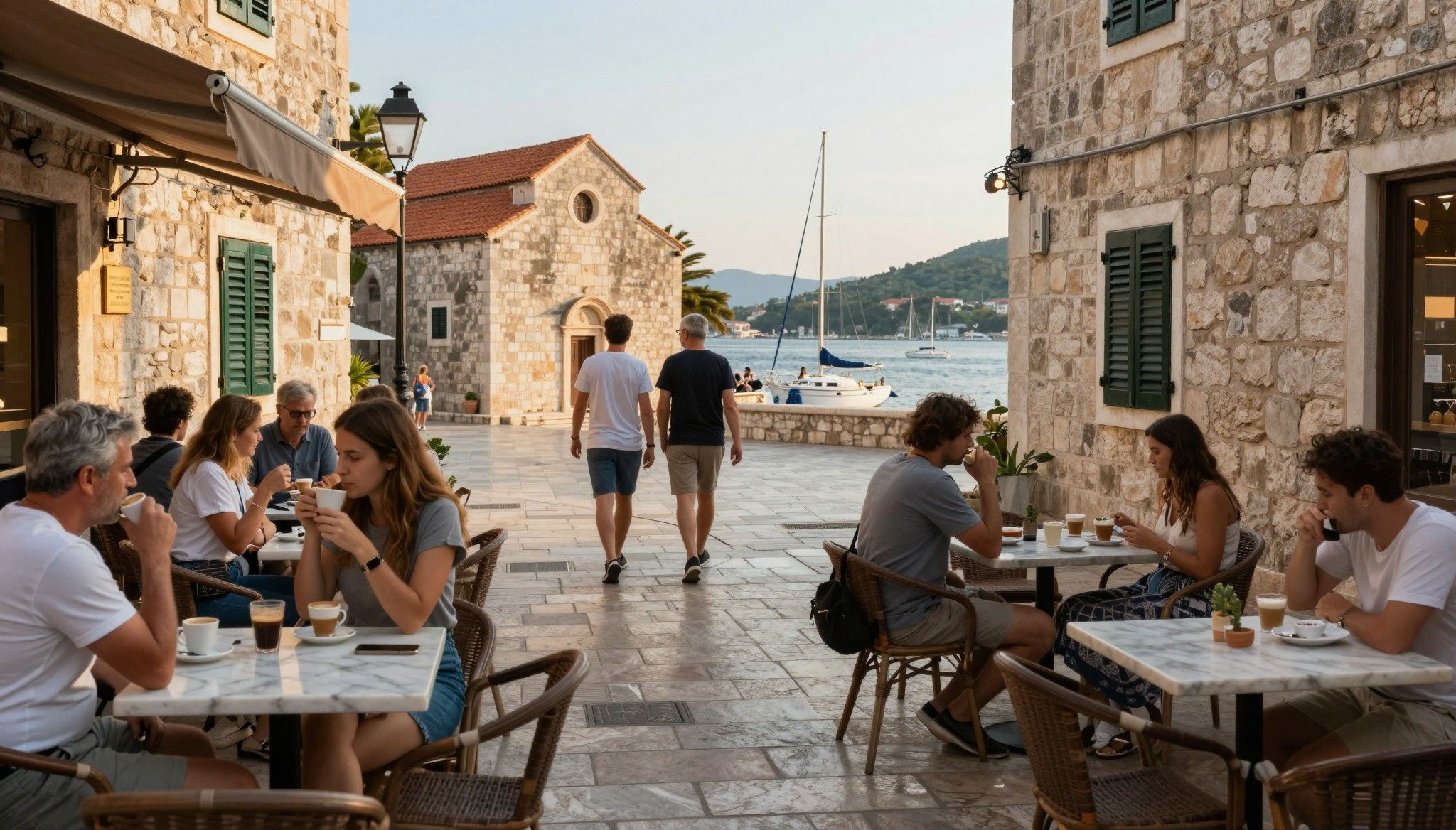
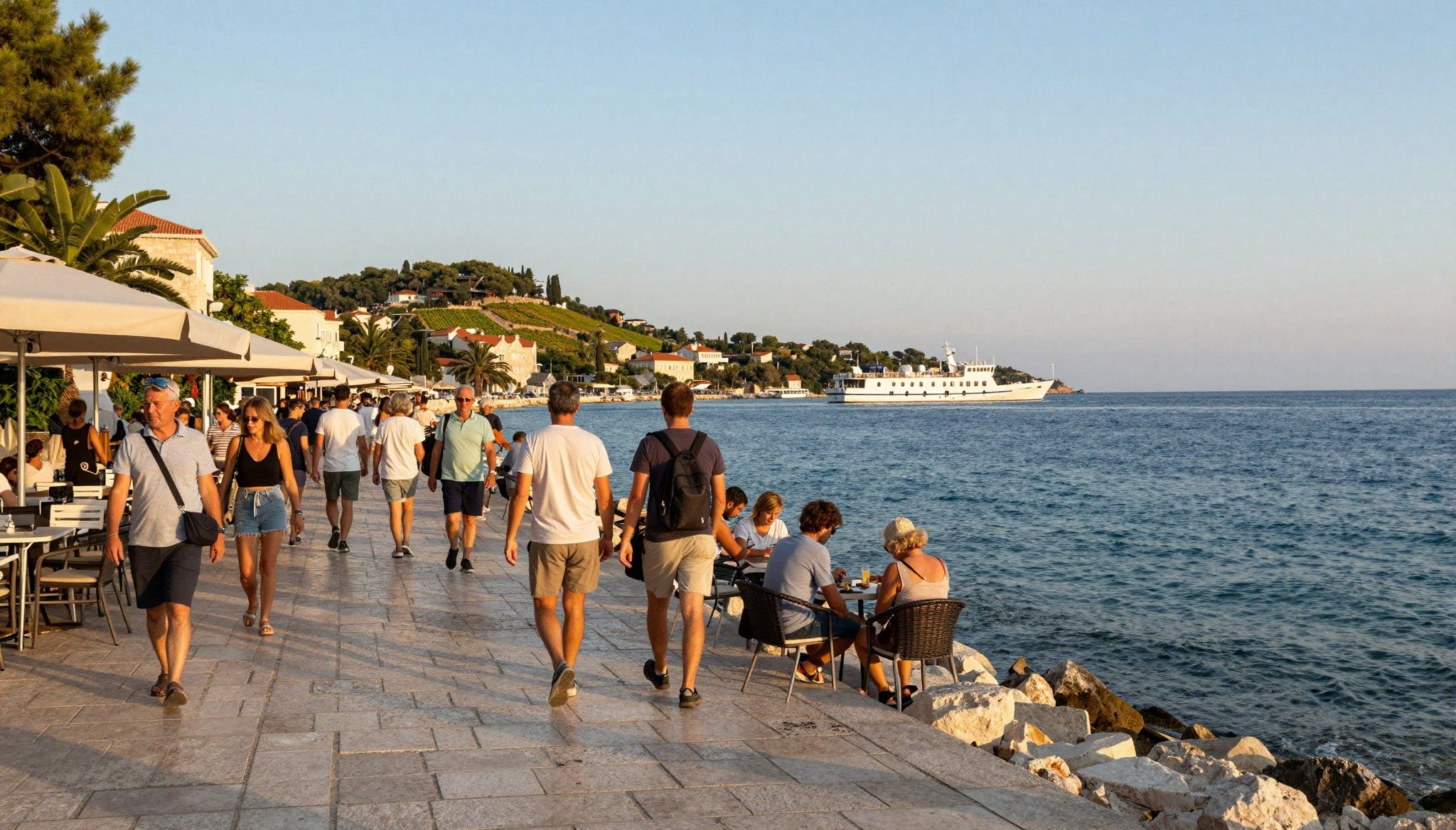
Imagine a morning in Limassol: an espresso at the corner kafeneio on Anexartisias, sun warming limestone façades, a ferry of small fishing boats bobbing off Dasoudi beach. In Cyprus, the light makes stone glow and living here feels like stewardship of a bright, measured life. But that light also reveals the risks international buyers sometimes overlook — the paperwork that lingers, the policies that exclude flood or earthquake by default, the neighbourhood quirks that shape long‑term value. This guide pairs the sensual pleasures of Cypriot life with concrete insurance and buyer‑protection thinking so you can move here with confidence.
Living the Cyprus life
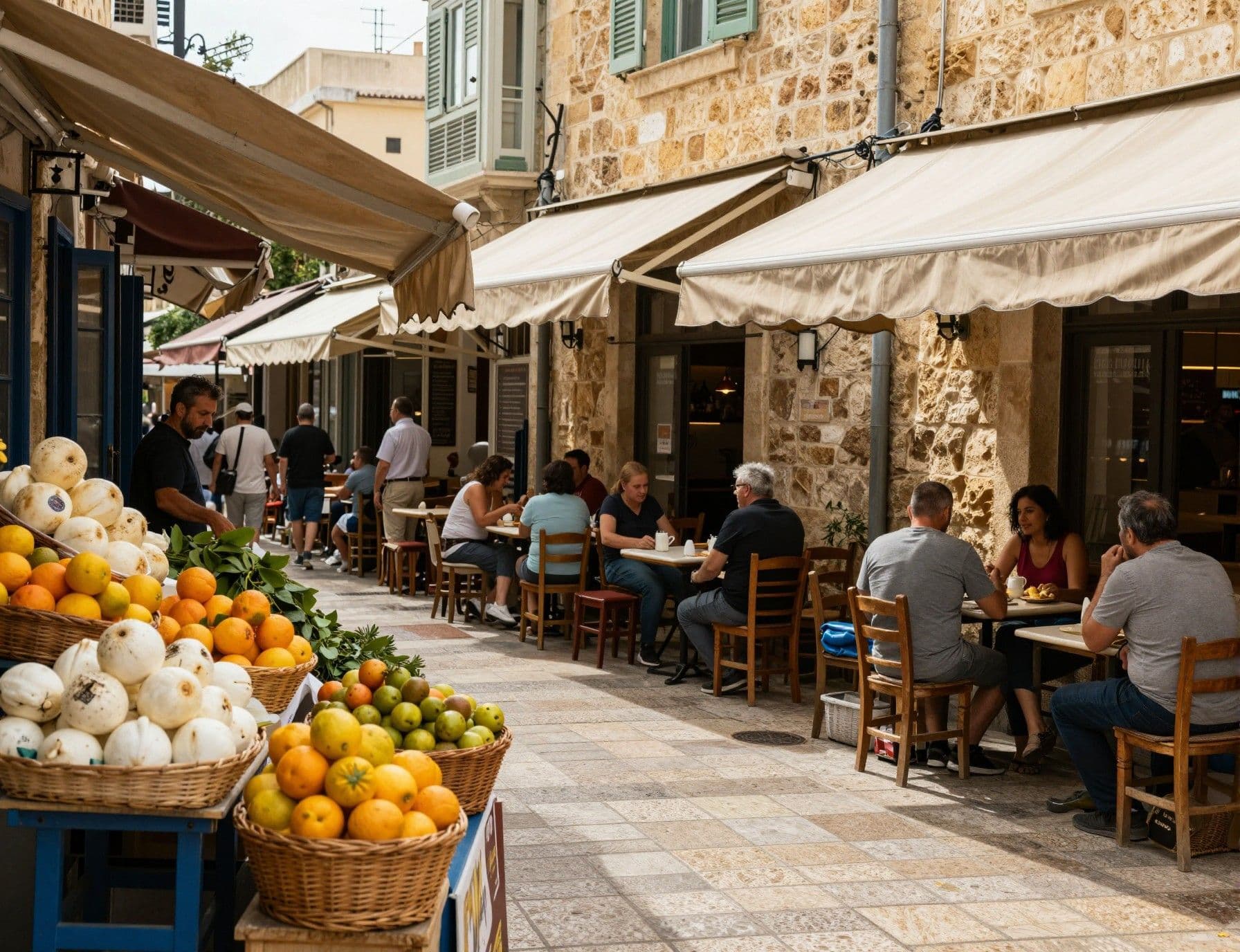
Walkable afternoons in old Nicosia, seaside dinners in Paphos, and mountain villages like Omodos where stone lanes still lead to family vineyards — Cyprus is a study in intimate contrasts. Days begin with market citrus and end with long, deliberate dinners; community life centres on parish festivals, café terraces and small‑scale artisans. For an international buyer the appeal is elemental: a climate that favours outdoor rooms, neighbourhoods with layered histories, and a pace that rewards thoughtful conservation over rapid turnover.
Neighborhood spotlight: Limassol promenade to Agios Nikolaos
Between the regenerated marina and the older Agios Nikolaos quarter you feel Cyprus’ dual nature: polished new developments and modest, lived‑in streets where older families keep small gardens. On Anexartisias, boutique tailors and cafés coexist with traditional bakeries; a short walk inland reveals courtyard houses with thick walls and timber shutters — the kind of fabric that rewards careful restoration.
Food, seasonality and weekend rhythms
A Saturday in Cyprus often means the municipal market before lunch: halloumi sellers, trays of loukoumades dusted with honey, and fishmongers displaying early morning catches. The island’s seasons reframe property use — verandas are living rooms in spring and terraces are used late into autumn. Those rhythms should inform which insurance covers you choose: contents kept outdoors, harvests from a kitchen garden or a rented villa used for short lets require bespoke policy extensions.
- Lifestyle highlights in Cyprus
- Morning coffee on Anexartisias, Limassol
- Winemaking afternoons in Omodos village
- Sunset walks at Paphos harbour and archaeological sites
Making the move: practical considerations
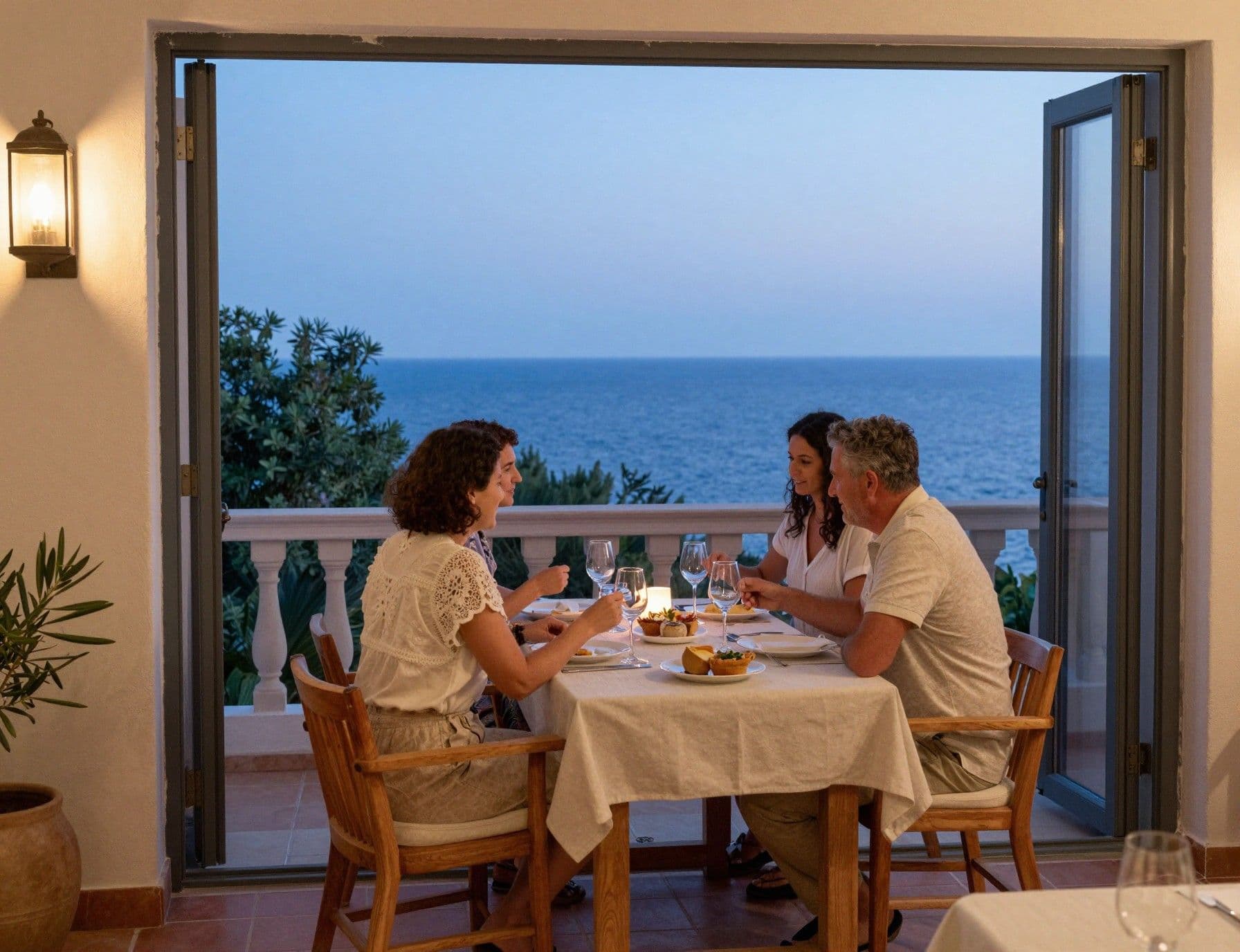
The dream of island life must be married to clear, practical steps. Cyprus’ property market has seen steady demand in recent years; the Central Bank’s residential property price indices are essential reading for timing and valuation. For international buyers, the practical checklist narrows to three priorities: title clarity and deeds, the right insurance structure for coastal and seismic risk, and contractual protections when buying off‑plan or through an overseas seller.
Property styles and how you’ll live in them
Stone village houses demand different protections than coastal apartments. A traditional stone house in the Troodos needs restoration insurance and careful structural surveys; a Limassol apartment demands thorough building insurance plus clauses for balcony and terrace contents, and clarity on communal sinking fund arrangements. Think of insurance as a way to preserve lifestyle: indemnities that let you keep al fresco dinners after a storm or restore a lime‑plastered wall after subsidence.
Local expertise: agencies, lawyers and loss adjusters
A reputable local agency will introduce you to lawyers versed in Cypriot conveyancing and to surveyors who can flag construction defects. Equally important is an insurer with local claims experience and independent loss adjusters who understand island‑specific perils. Insist on introductions: a trustworthy agent will have longstanding relationships with licensed insurers and the Land Registry, easing title checks and deeds transfer.
- Practical steps that blend lifestyle and protection
- Commission a structural survey that relates defects to restoration budgets and insurance excesses.
- Obtain a tailored buildings and contents policy that explicitly lists earthquake, storm and flood cover; ask which perils are optional and which are included.
- Require clear seller warranties in the contract for off‑plan purchases and a schedule of finishes so insurance valuations match eventual replacement costs.
Insider knowledge: what expats wish they’d known
Expats often speak of two surprises: the time it takes to clear title deeds and how standard policies treat coastal risk. Many assume coastal views automatically mean higher value and easier resale; in truth, properties facing the sea sometimes attract higher premiums for wind, salt corrosion and flood extensions. Similarly, an old house with partial deeds can be a treasure for the eye and a headache for the insurer — restoration clauses and indexed sums insured must be negotiated upfront.
Cultural integration, language and local bureaucracy
English is widely spoken in Cyprus, which eases dialogue; yet formal documents, municipal records and some older deeds are in Greek. Hiring a bilingual lawyer pays dividends. Approach municipal offices with patience, and expect procedural steps — planning permissions, utility transfers, connection of alarm systems — to be slower than in major European capitals. Insurers will often require local contact details and may ask for proof of property management if you plan to be absent for long periods.
Long‑term stewardship: how to keep the lifestyle intact
Think in decades. Choose materials and investment in maintenance that preserve stonework and timber against salt, sun and moisture. Maintain up‑to‑date inventories and receipts — insurers often reduce disputes with clear documentation. Finally, maintain an on‑island steward or management company; local representation smooths claims and keeps a lived‑in property comfortable for first arrivals.
- Red flags and quick checks before you sign
- Unregistered alterations or extensions without municipal permits.
- Insurance quotes that exclude named perils common to your micro‑location (sea‑spray, subsidence, basement flooding).
- Vague transfer timelines for title deeds; insist on explicit completion milestones.
If you encounter any of these, pause. A discreet, methodical pause protects both your capital and the quiet life you sought here.
- A simple insurance checklist to request from providers
- A clear schedule of perils covered and those excluded (flood, earthquake, subsidence).
- Replacement cost valuation for buildings and contents, not nominal sums that will underinsure.
- Claims handling times and local loss adjuster names; ask for a recent claim example.
Insurers vary. Some include earthquake and flood automatically; others treat them as optional riders. Compare policies by exclusions and excesses, not price alone.
When to involve a specialised insurance broker
Engage a broker when you have a heritage property, a property used for short‑term rentals, or a multi‑unit investment. A broker will place layered cover — primary policy, parametric flood or wind extensions, and professional indemnity for ongoing management — so the lifestyle you buy is protected against both commonplace mishaps and the less probable catastrophic events.
A final note for those ready to act: Cypress light flatters stone, but it also shows omission. Buy the life you want, and buy the protections that let it endure. Start with a local surveyor and lawyer, ask for named loss adjusters and replaceable‑value valuations from insurers. Then, find a neighbourhood whose weekday rhythms feel right — whether that is the measured lanes of Kaimakli in Nicosia or the terrace life of Limassol’s central promenade — and steward it with the care it deserves.
Having moved from Stockholm to Marbella in 2018, I help Scandinavian buyers navigate Spanish property law, restoration quality, and value through authentic provenance.