Insuring the Adriatic Life: Protection for Croatia Buyers
How buyers pair the Adriatic lifestyle with practical protections: insurance, survey priorities and contract clauses that safeguard Croatian property dreams.
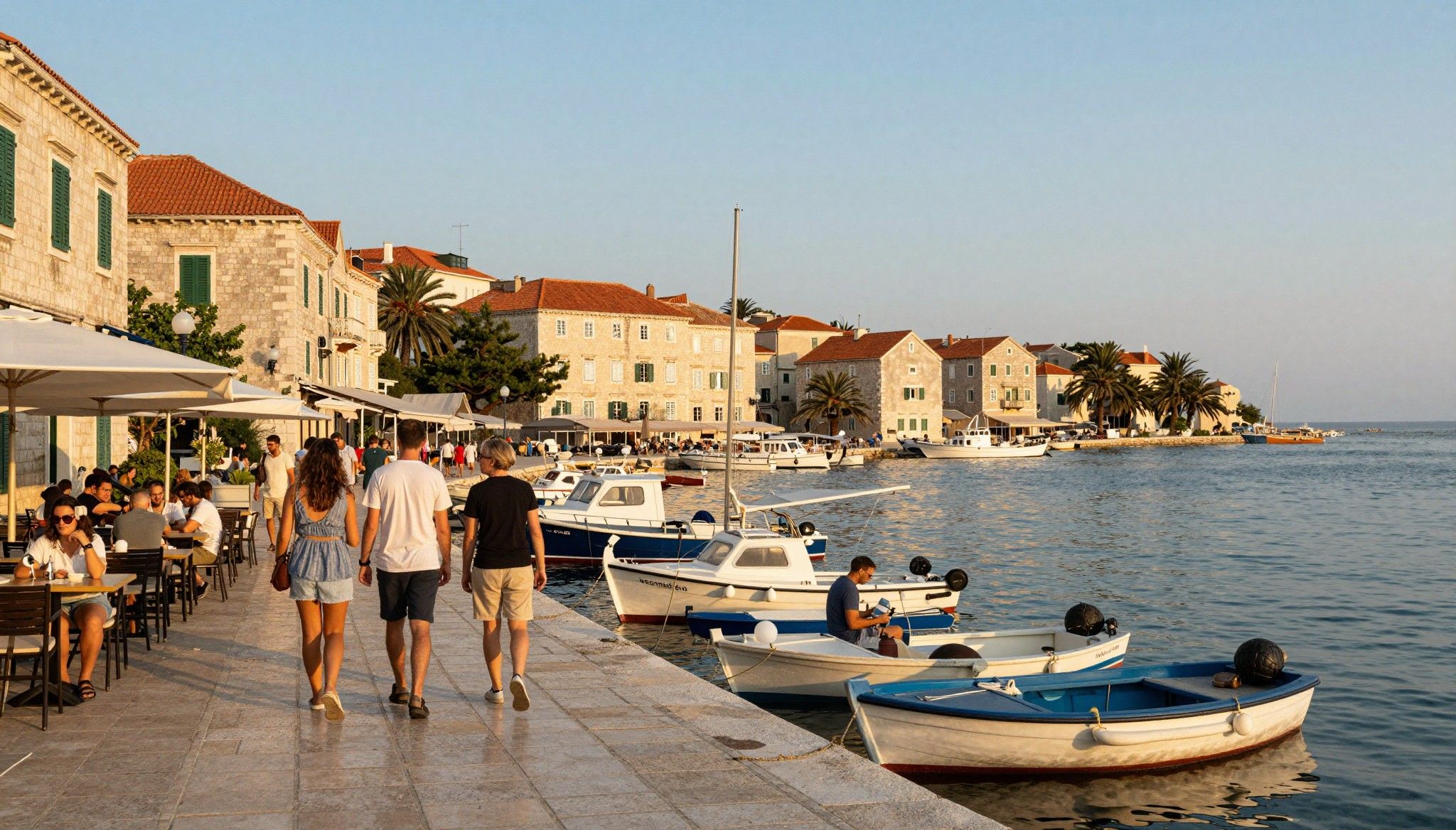
Imagine waking to the call of a bakery in Split’s Varoš, passing a fishmonger in Dubrovnik’s Gundulićeva poljana, and ending the day on a terrace in Rovinj where wine and light last an hour longer than you expected. Croatia moves at the tempo of the Adriatic—sunlit mornings, convivial long lunches and a late, gentle evening life—but beneath that ease lie practical risks and protections every discerning buyer must respect.
Living the Croatian life: texture and rhythm
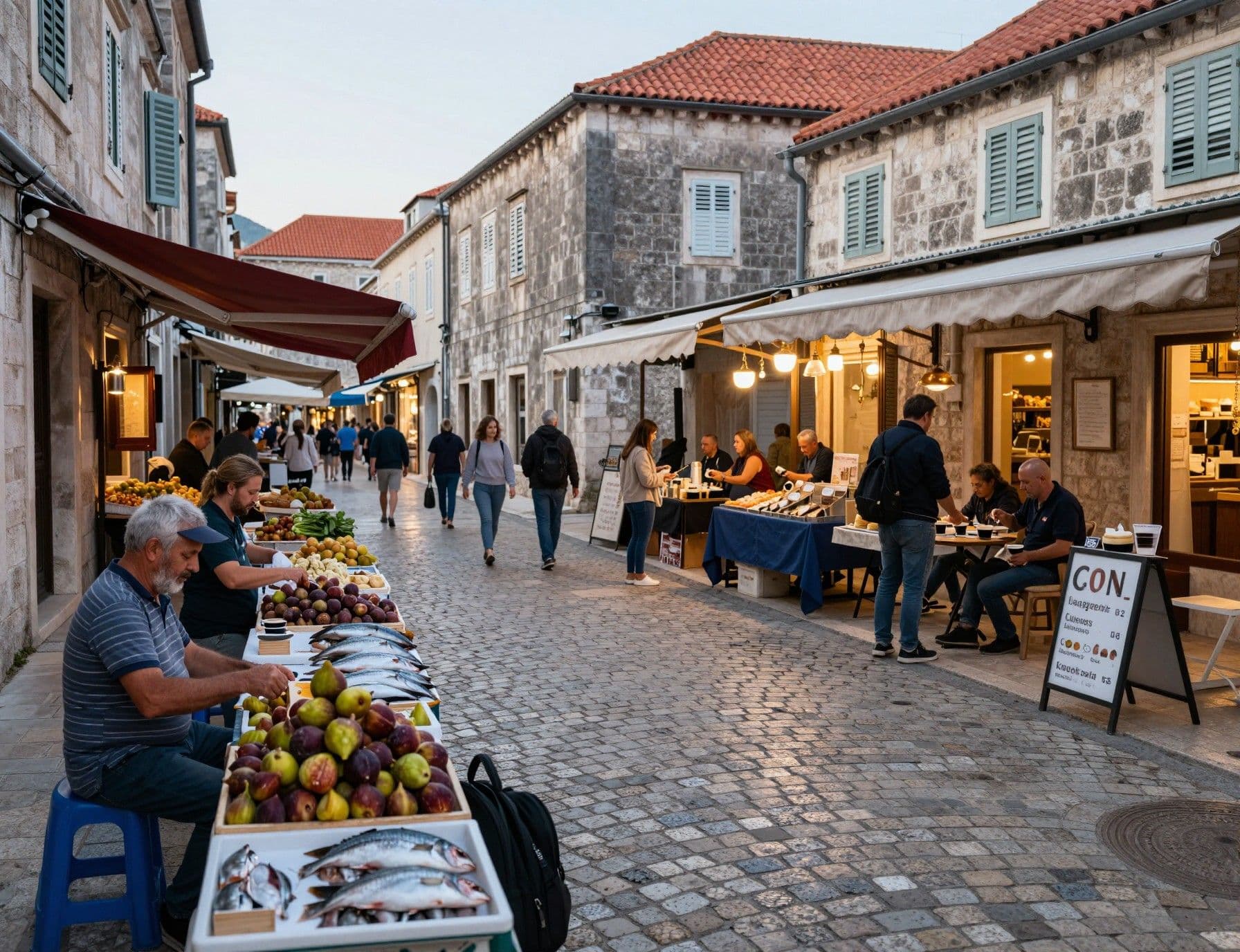
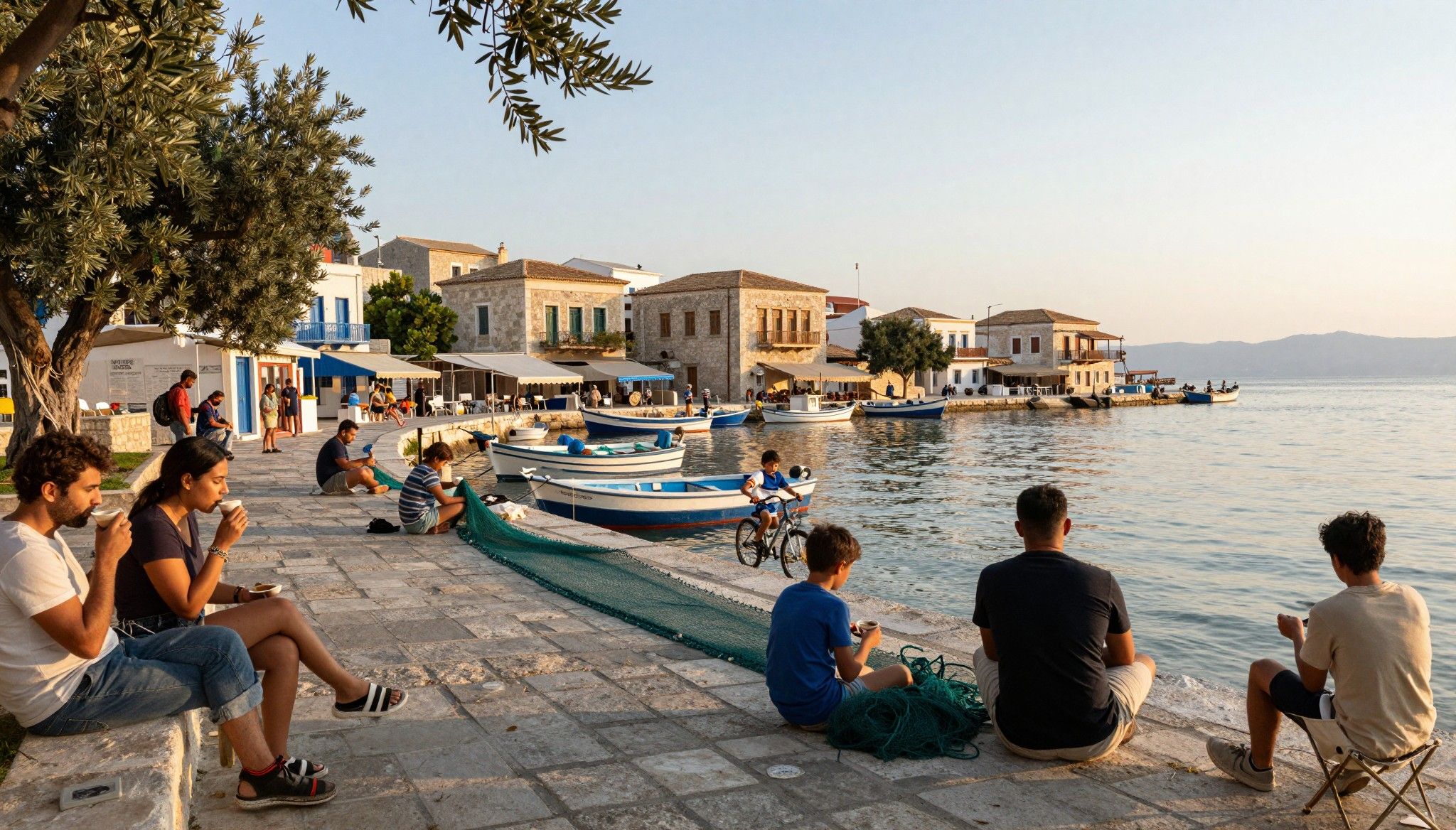
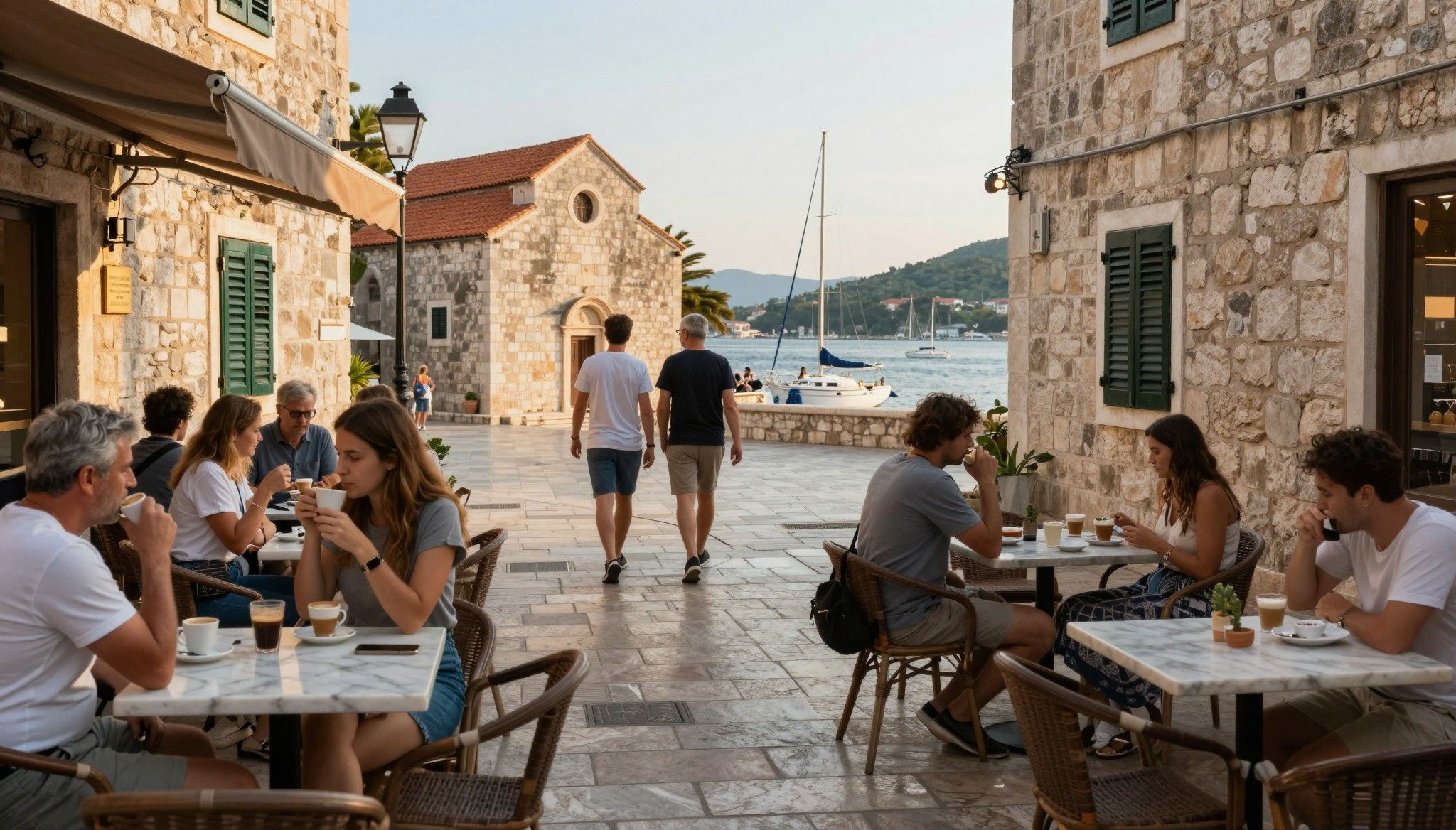
Day to day in Croatia is architectural theatre and seasonal choreography. In Zagreb, Gründerzeit façades frame sidewalks where cafés fill with students and lawyers. On the coast, limestone alleys, red-tile roofs and maritime pines define mornings; fishermen tie nets while neighbours gather at the market for octopus, figs and cold white wine. That sensory consistency—food markets, patterned stone, public squares—shapes where you want to live and what you must protect.
Neighborhood notes: Split’s Varoš, Rovinj’s Old Town, Zagreb’s Maksimir
Varoš in Split grants quick access to Riva mornings and quiet stairways that reveal vaulted stone rooms—properties here carry age, charm and a maintenance profile that demands specialist insurance and restoration clauses. Rovinj’s Old Town is intensely touristic in summer yet achingly quiet in winter; that seasonality matters for short‑term rental considerations and vacancy risk. Maksimir in Zagreb offers leafy, residential steadiness with proximity to parks and schools—an environment where household insurance against storm damage and liability cover are often sufficient.
Food, markets and micro-rhythms that shape protection needs
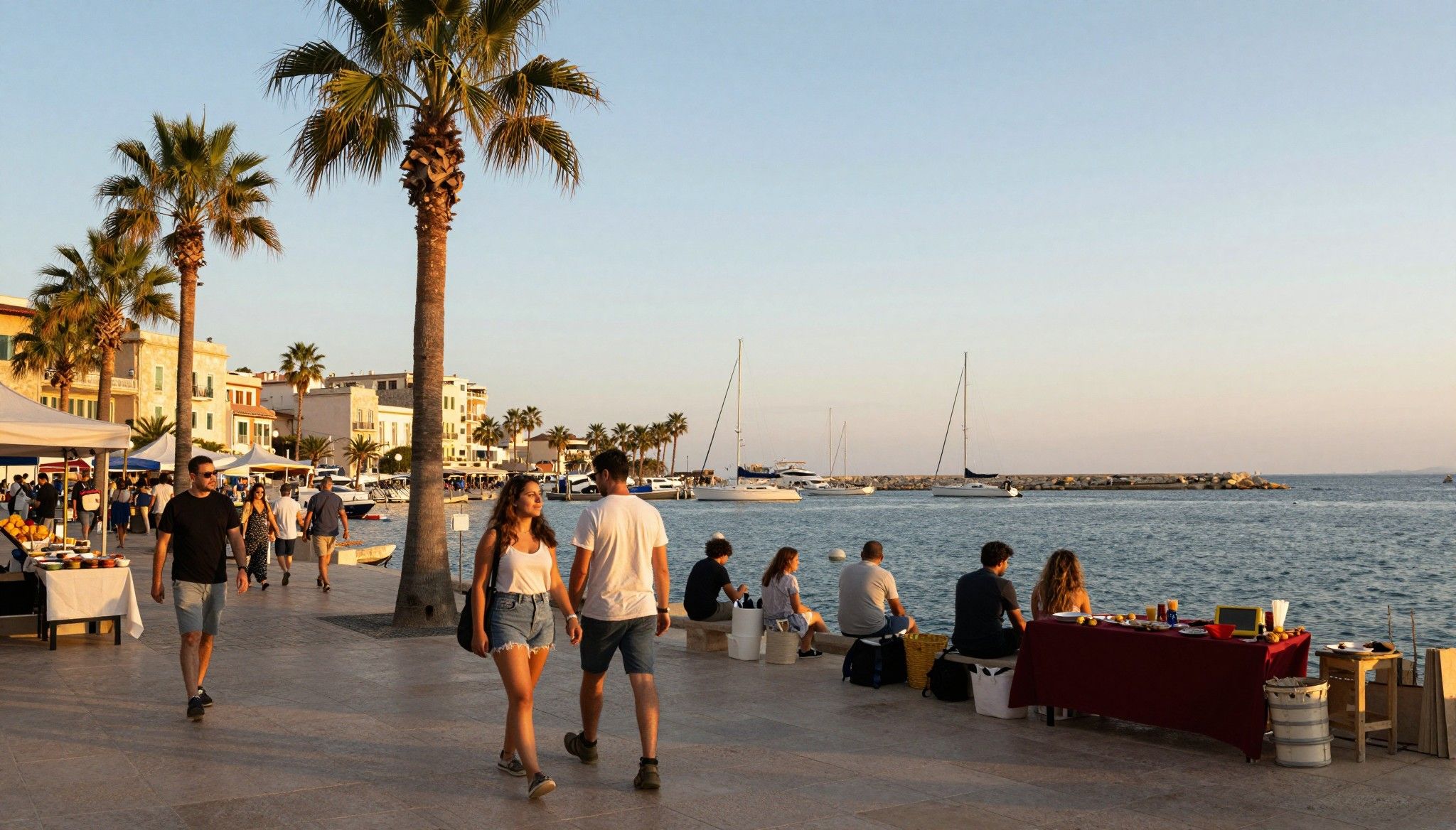
Markets—Dolac in Zagreb, Pazar in Split, the fish stalls of Zadar—are more than places to buy ingredients. They are social infrastructure that keeps neighbourhoods alive and properties resilient. If you plan to rent seasonally, understand how a neighbourhood transforms across months; the commercial uplift of summer brings wear, and insurance profiles and inventory clauses should reflect that annual intensification.
- Morning markets, limestone streets, seasonal rental rhythm, sea salt on masonry, neighbourhood cafés, local artisans and boat traffic
Making the move: practical considerations that respect the lifestyle
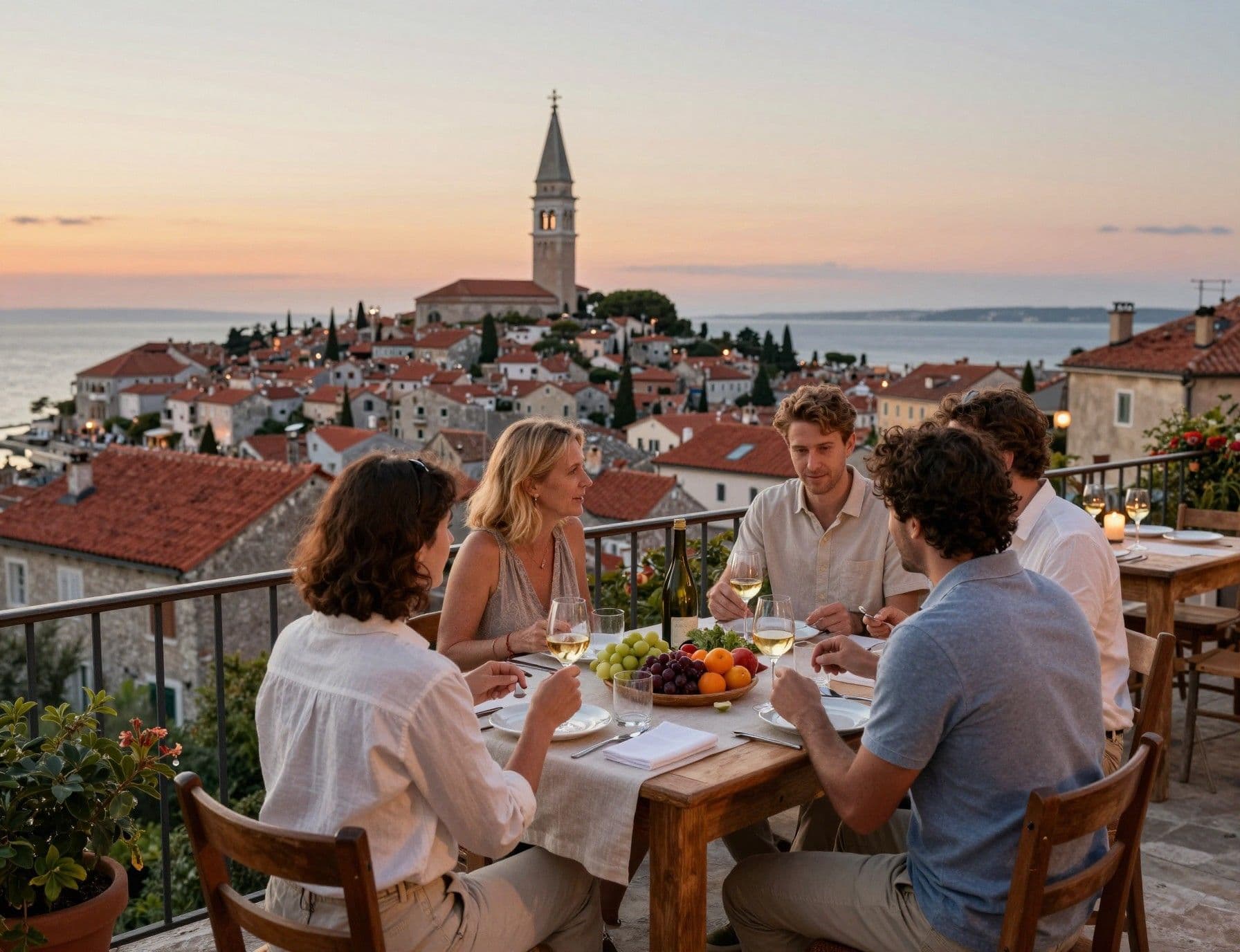
The romantic draw of Croatian towns meets a real market: prices and transaction volumes have shifted notably in recent years, altering where value lies and how much protection prudent buyers require. Recent official statistics show movement in the housing index, and industry reports note a tighter market in certain coastal pockets—facts that should inform insurance limits, vacancy planning and the scope of legal warranties you insist upon.
Property types and how they shape insurance need
Stone restorations, seafront modern apartments and inland villas each carry distinct exposures. Coastal masonry requires salt‑resistant material schedules and maintenance endorsements; historic urban apartments often need specialist building‑works coverage for vaulted ceilings and timber beams; new builds demand clarity on builder’s warranties and latent defects cover. Match the policy to the material story of the house.
How local experts translate lifestyle wishes into protection
- 1. Procure a Croatian‑law solicitor to attach specific warranty clauses to contracts and to verify Land Registry entries. 2. Engage an importer and restoration surveyor for stone or heritage properties and document pre‑existing conditions to avoid disputes with insurers. 3. Ask local brokers for combined packages: household, liability, and short‑term rental extensions if you plan to host seasonally. 4. Insist on declared replacement values and catastrophe endorsements for seismic risk in Zagreb and parts of inland Croatia. 5. Build vacancy and maintenance clauses into leases and insurance to keep premiums realistic, especially on islands and highly seasonal towns.
Insider knowledge: risks, red flags and protections expats often miss
Expats who move quickly on romance sometimes miss structural and regulatory subtleties. Earthquake exposure (notably around Zagreb), rising coastal humidity and salt corrosion, and recently introduced tax measures on unused or short‑term‑rented properties can affect net returns and insurance obligations. A small clause—an inventory of fixtures photographed and notarised—can prevent large disputes later.
Cultural and administrative nuances that alter protection strategy
Administrative practice in Croatia remains paper‑forward: notary‑centric conveyancing and precise land registry extracts are decisive. Local customs—neighbours expecting long family presence, seasonal caretakers for island homes, municipal rules around terraces and façades—mean that liability cover and neighbours’ indemnity clauses should be negotiated at contract stage, not added afterwards.
Red flags to watch for before you sign
- Unregistered extensions or outdoor terraces; ambiguous communal building minutes; lack of documented maintenance on stone façades; missing coastal setback permits; valuation gaps between insurer replacement cost and market price
Practical next steps for the discerning buyer: a concise plan
- 1. Visit in two seasons to understand wear and neighbourhood tempo. 2. Commission a structural and restoration survey; retain photographic evidence of pre‑sale condition. 3. Request specific insurance endorsements for salt, storm and seismic per the property’s exposure. 4. Negotiate contract clauses for vacancy, subletting and inventory; involve a Croatian notary. 5. Ask your local agency to introduce you to specialist insurers and bilingual legal counsel who understand island and coastal idiosyncrasies.
A final word on stewardship and the life you buy
Buying in Croatia is less an acquisition than a promise—to a place, to neighbours and to a material fabric that ages with use. Insurance and buyer protections are instruments of stewardship: they allow the light of an Adriatic evening to remain an everyday pleasure rather than a liability. Begin with curiosity; finish with certainty.
Dutch former researcher who moved to Lisbon, specialising in investment strategy, heritage preservation, and cross-border portfolio stewardship.