When the Adriatic’s Calm Hides Risk: Insurance & Protections
How to preserve the Adriatic life: local insurance, title clarity and buyer protections that turn Croatian lifestyle into a durable asset.
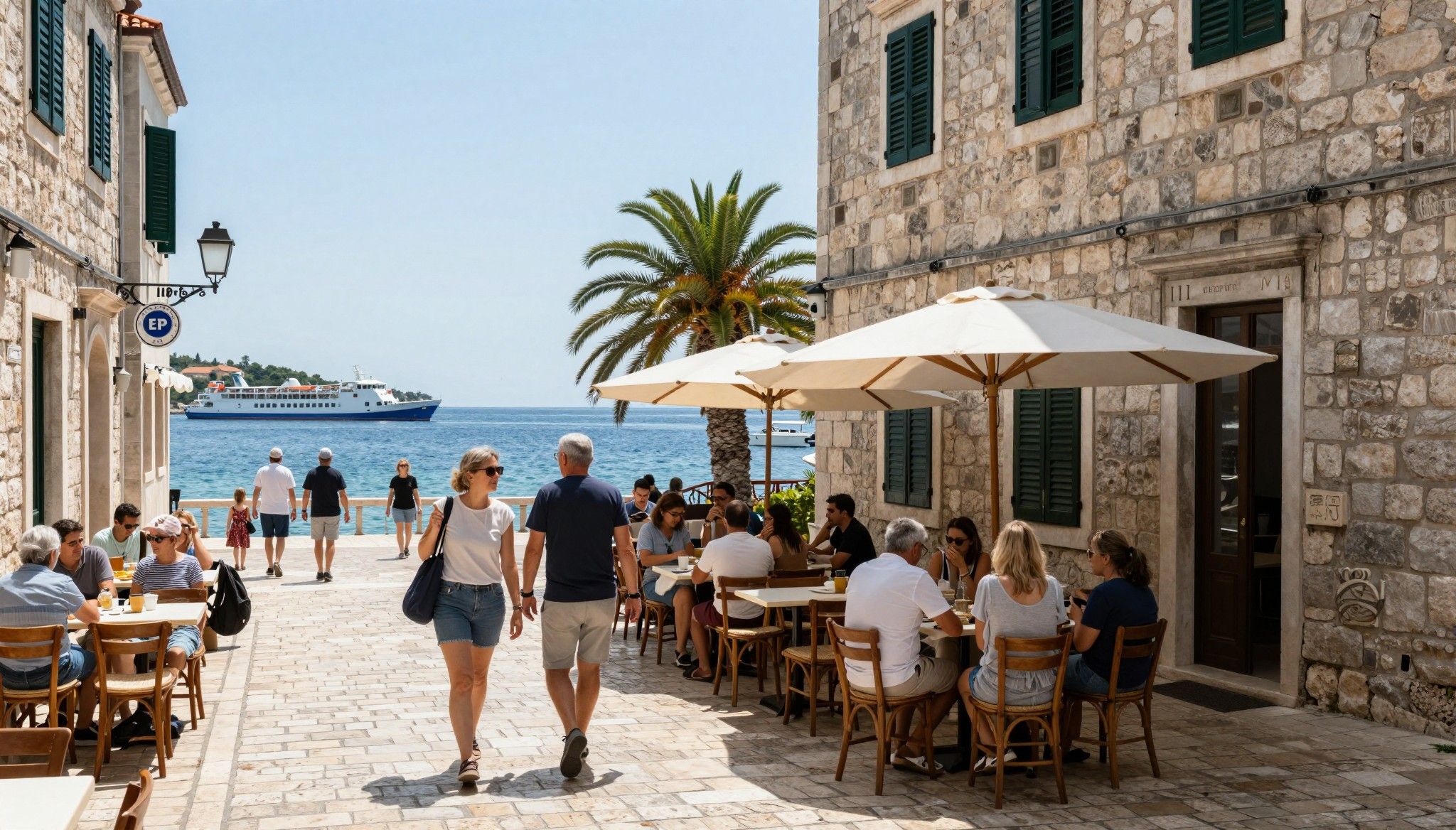
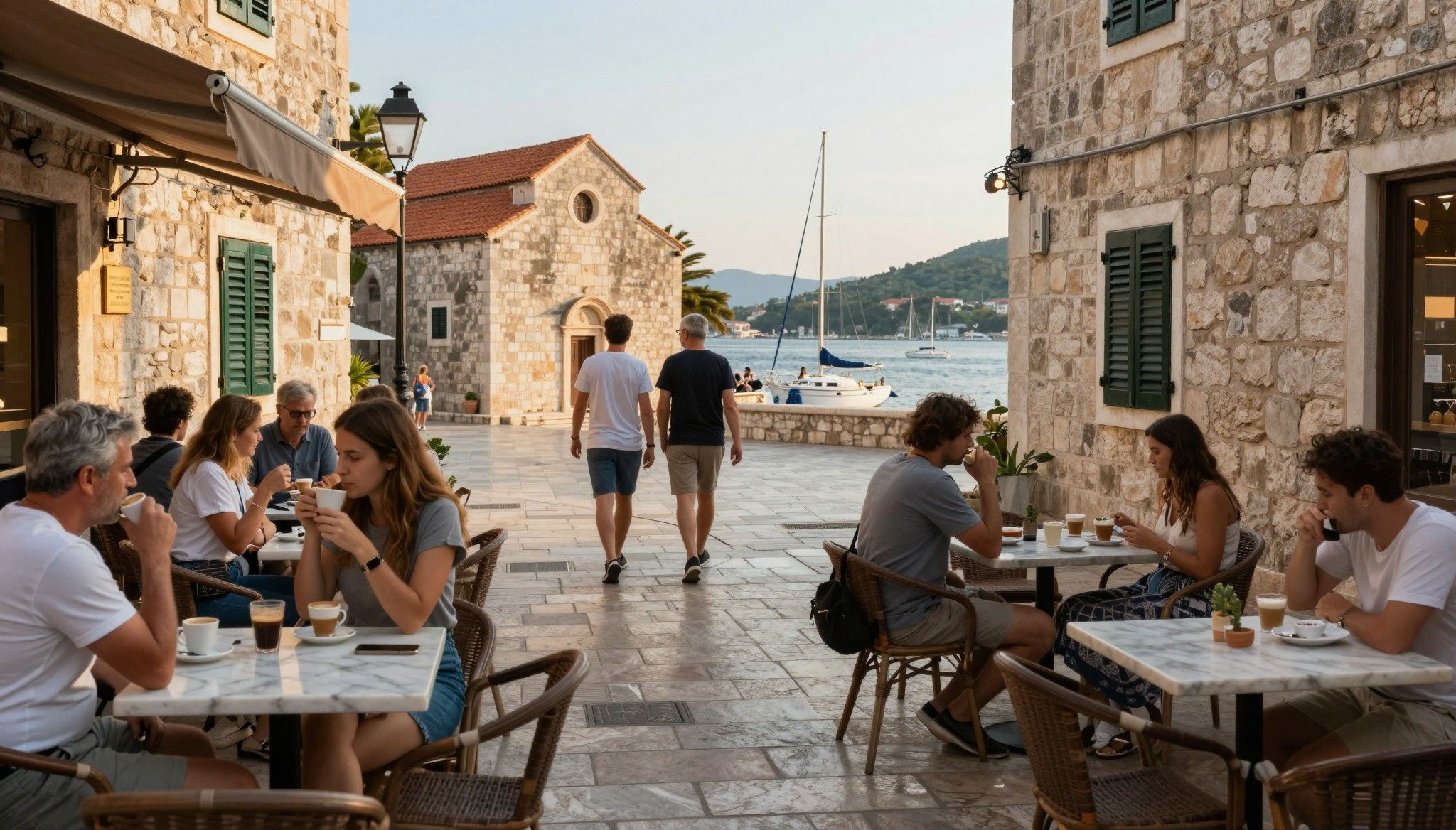
Imagine waking to late‑morning light falling across a stone terrace in Dalmatia, the smell of espresso from the kafic nearby and fishermen hauling in the day’s catch — and then learning that a single seismic event or an unclear title could upend that serene morning. International buyers arrive wanting that quotidian Adriatic life: fresh markets in Split’s Varoš, a quiet espresso in Rovinj’s old town, summers on Čiovo or Brač. This guide is written for those who buy with a sense of place as well as prudence: it weaves lifestyle observation with the insurance and buyer‑protection moves that preserve the life you’ve come to cherish. Below you will find concrete steps, local realities, and cited sources so you may pursue the Adriatic dream with composure.
Living the Croatian Life — what you should expect
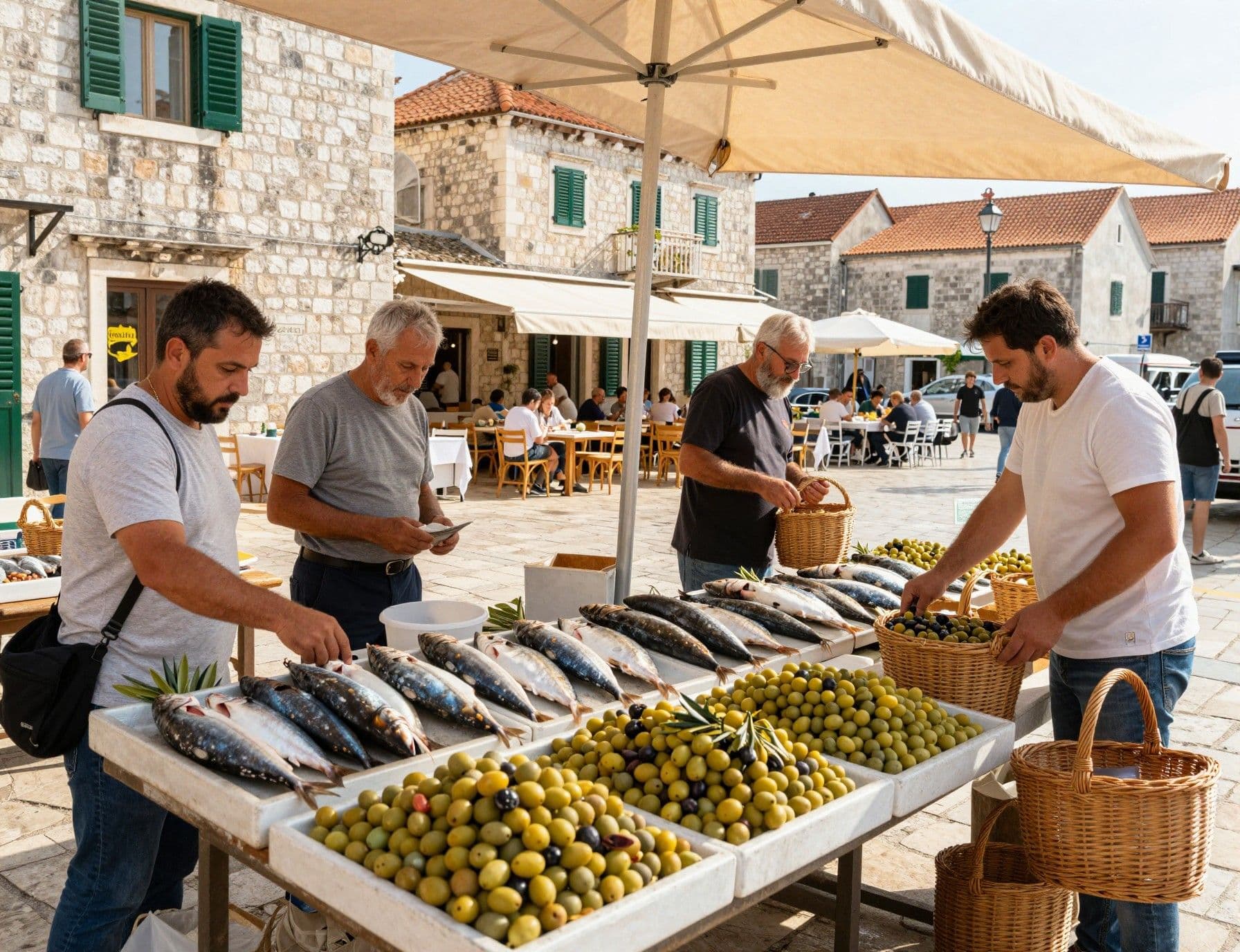
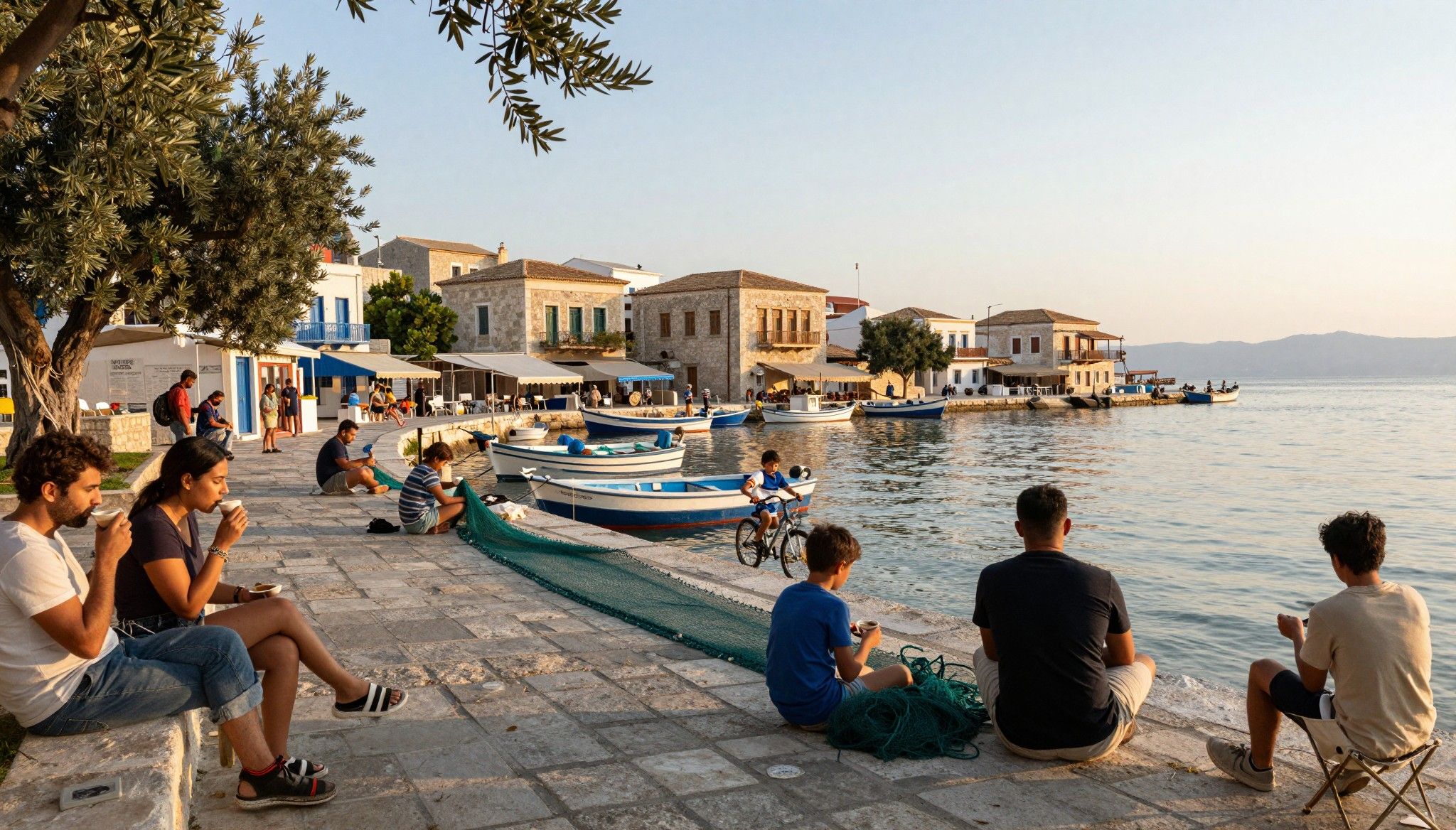
Croatia’s daily rhythm privileges seasons, neighbourhood rituals and material texture. In coastal towns the day unfolds around the market (dolac or tržnica), the harbour, and modest street cafés where life is held at an intentional pace; inland, small towns centre on family‑run konobas and tree‑lined squares. Properties carry their history — stone facades, carved lintels, and shuttered windows — and with these come maintenance realities: salt air corrodes metalwork, roofs require attention after winter storms, and older masonry behaves differently in an earthquake. The lifestyle is the attraction; the practical work of preserving it is the buyer’s responsibility.
Coastal moods and neighbourhood specifics
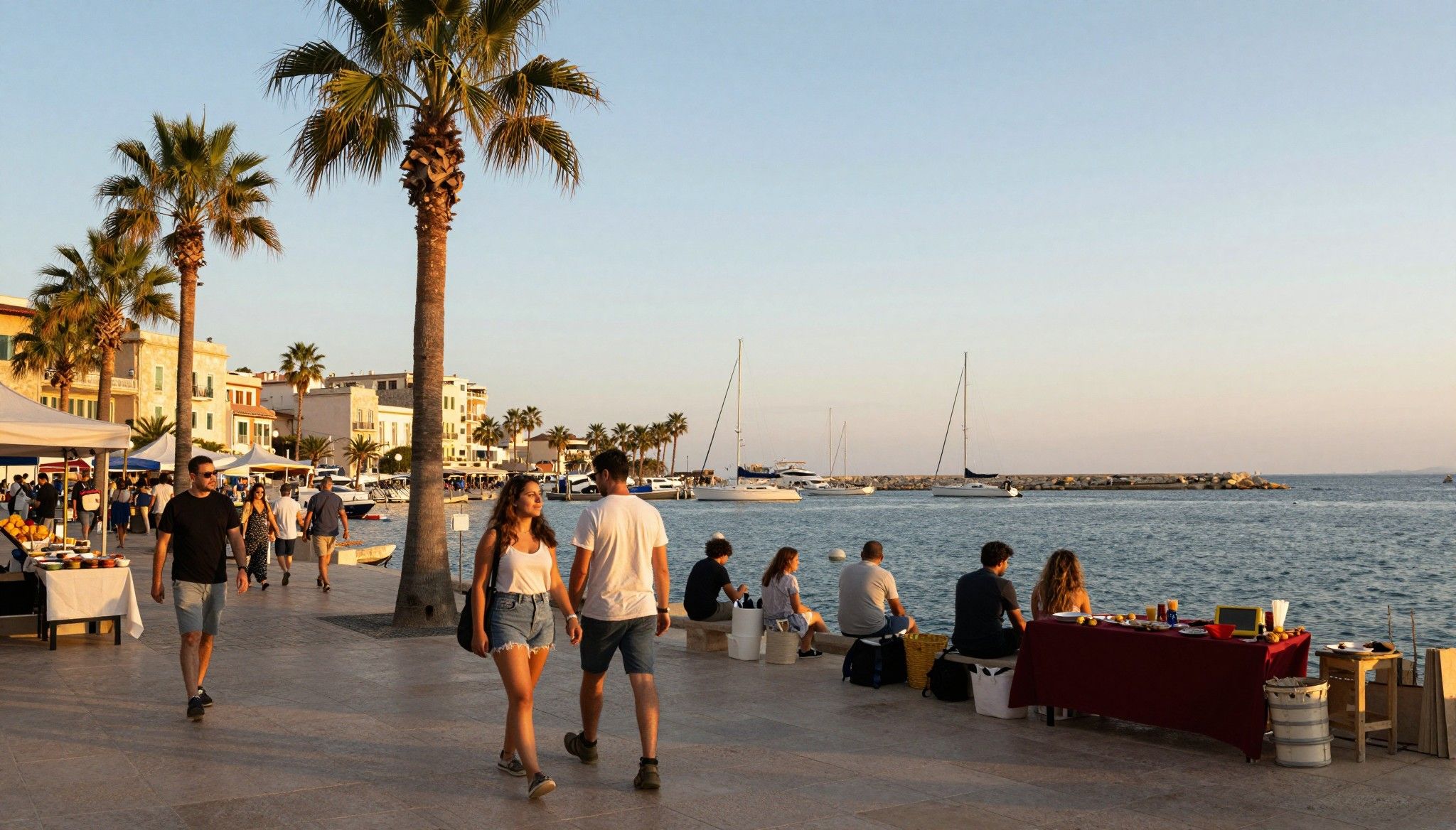
Walk Rovinj’s Carera at dusk and you understand why buyers prize proximity to narrow streets and piazzas; choose a house on the seaward flank and you pay a premium for those steps to the water. In Split, Varoš and Matejuška reward those who want neighbourhood life; Marjan Hill offers the restorative weekend runs. On islands such as Hvar and Vis, small harbours and stone courtyards dictate a different tempo — deliveries by boat, local artisans, and summer‑season swings in occupancy. Each micro‑location brings distinct risks: salt‑air wear, flood or surge risk in low coves, and in older cores a higher chance of unclear historical titles or shared‑ownership complications.
Food, festivals and the year in practice
From spring truffle fairs in Istria to summer jazz on the Dalmatian coast, local events set the calendar and influence rental demand for owners who plan to let. Markets — like Split’s Pazar and Zagreb’s Dolac — define weekly life and occasional weather extremes can interrupt them. Understanding seasonality helps decide property type: a restored stone house in an island village lives beautifully in summer but may prove costly to winterize and insure for long‑term vacancy. For buyers, lifestyle choices must be reconciled with upkeep, insurance coverages, and the rhythms of local service providers.
Making the move: practical protections that honour the lifestyle
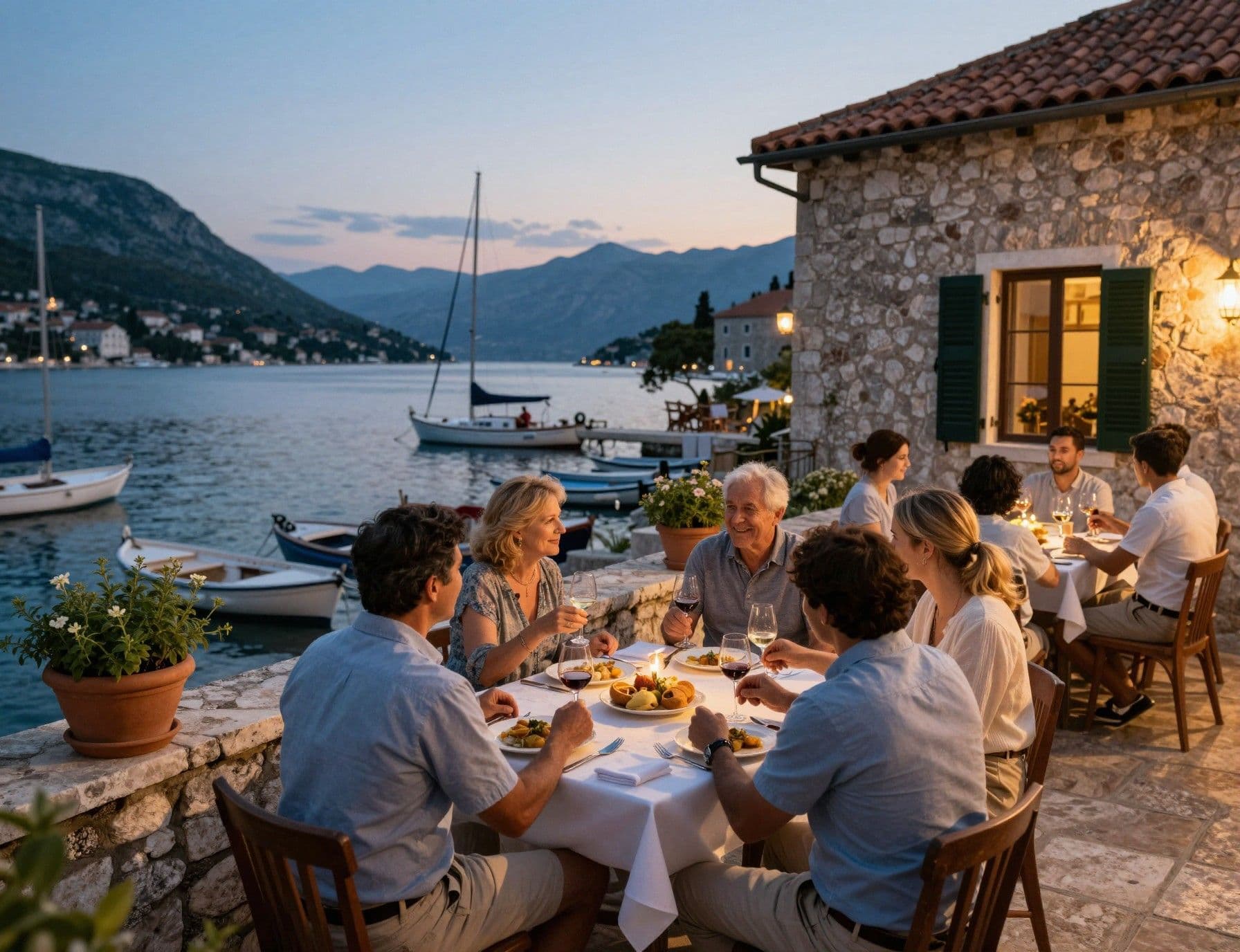
For many international buyers the romance of Croatia is immediate; the legal and insurance architecture that protects that romance can be less visible. Transfer tax, land‑registry clarity, reciprocity rules for non‑EU buyers and the availability of specialized insurance products shape whether a purchase remains a blessing or becomes a liability. Croatian guidance published for investors and government notes that a 3% real estate transfer tax typically applies on resale transfers, while foreign buyers should confirm reciprocity for their nationality before exchange. Treat these as baseline fiscal and legal facts; the recommended actions below convert them into protection.
Property types and their insurance realities
A renovated stone townhouse in Dubrovnik’s upper town demands different coverage than a new apartment block in Zagreb. Older masonry often lacks modern seismic reinforcement; in the wake of recent earthquakes, uptake of earthquake cover in Croatia rose but large gaps remain. Salt corrosion and the cost of replacing traditional roof tile or wrought iron detailing should be priced into sum‑insured values rather than relying on nominal market price alone. Speak with insurers about ‘all‑risks’ domestic policies augmented with natural peril extensions (flood, storm surge, seismic) and ensure reconstruction costs, not just market value, are the basis for cover.
Working with local experts who protect both life and asset
A competent local agency will do more than show properties: it will introduce you to notaries, cadastral surveyors (zemljišna knjiga and katastar), and reputable insurers who understand coastal specifics. Because ownership transfer is registered with the land register, a careful title search and notarial escrow are essential to avoid surprises such as pre‑emption rights or unresolved communal claims on shared walls. For non‑EU buyers, your agent should confirm reciprocity approvals or ministerial consents required under Croatian law; for all buyers, insist on a conditioned purchase contract that makes the sale contingent on clear title and agreed insurance arrangements.
Insider knowledge — what expats often learn the hard way
Expats tell a recurring story: they fell in love with a terrace or sea view and later discovered the cost of maintaining the life they loved. Shared courtyards require formalised condominium rules; historic façades need approved conservation methods; a property on a tidal cove may be subject to communal access restrictions during summer. Many buyers undervalue the administrative rhythm — annual property tax changes, municipal planning approvals, and seasonal service availability — all of which affect the lived experience of a home. These realities are not intended to discourage but to reframe desire into stewardship.
Cultural and administrative nuances that affect protection
Language and procedure matter. Contracts and insurance policies drafted in Croatian require reliable translation and often a local notary’s interpretation; casual verbal assurances from sellers or agents do not substitute for written encumbrance searches. Community expectations—how neighbours manage shared walls, drainage, or access—are often informal but enforced in practice; written agreements protecting such rights reduce later disputes. Practically, learn the rhythm of municipal offices and plan timelines around local holidays and the summer slowdown.
Practical checklist: protections to arrange before completion
Before you sign, arrange: a certified title search registered with the zemljišna knjiga and katastar; a structural and technical survey that identifies seismic, damp or salt‑air vulnerabilities; a written insurance quotation covering reconstruction cost, storm/flood and seismic perils; and a conditional payment schedule held in notarial escrow until registration. Finally, verify tax obligations (transfer tax, potential local property tax) and confirm any reciprocity approvals if you are a non‑EU national. These steps convert romance into a durable, well‑protected life.
Actionable steps — a numbered path to a protected purchase
Follow this sequence to protect both lifestyle and capital when buying in Croatia. Each step blends a lived‑experience decision with an enforceable protection, designed for buyers who want an assured life as well as a prudent investment.
- Commission a local title and encumbrance search (zemljišna knjiga and katastar) and make clear the registration moment that transfers ownership.
- Order a technical survey that prices realistic reconstruction costs including traditional materials and specialist craftsmen.
- Obtain written insurance offers that itemise cover for seismic events, flood/storm damage, and coastal corrosion; sit with the underwriter to align sum insured with rebuild cost.
- Use a notary escrow and make payment conditional on both title clearance and evidence that an appropriate policy is in force from completion.
- Plan for ongoing stewardship: a winterisation schedule, an annual review of insurance limits, and a local property manager who understands seasonal risk.
Final note: the life you buy is worth protecting
Croatia rewards those who value place and continuity. By pairing local knowledge — neighbourhood rhythms, craftsmanship, municipal expectations — with disciplined protections (title searches, tailored insurance, notarial safeguards) you will preserve both the daily pleasures and the long‑term value of a Croatian home. If you would like, we can introduce local notaries, surveyors and insurers who specialise in the coastal and historic properties that attract discerning buyers. The Adriatic life is tangible; protect it with the same discernment with which you chose it.
Dutch former researcher who moved to Lisbon, specialising in investment strategy, heritage preservation, and cross-border portfolio stewardship.