When the Coast Isn't King: Croatia's Value Off the Waterfront
A lifestyle‑first look at Croatia that challenges the ‘coast always wins’ myth—practical financing and place advice for buyers who want a life, not just a view.
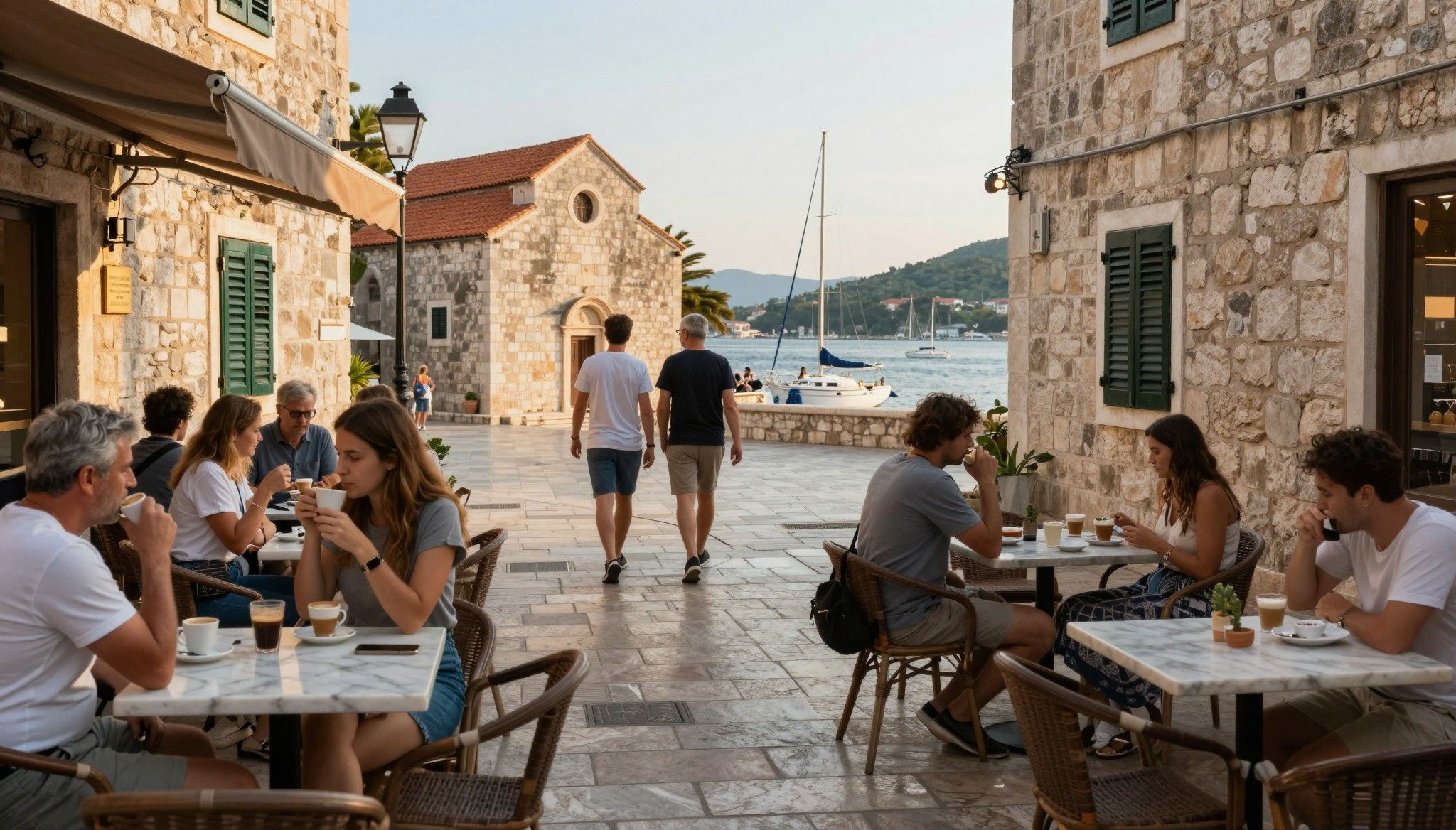
Imagine an early morning in Zadar: espresso steam mingling with sea salt, a baker unloading loaves on Zadarska ulica, and a restored 19th‑century apartment with original floor tiles waiting above a quiet coffee bar. Croatia is this kind of place—small streets that reward attention, coastlines that shift from dramatic cliffs to pine‑fringed coves, and inland towns where stone façades and market mornings set the pace. Yet for many international buyers the question isn’t whether to love Croatia—it’s where to buy so that the life you see in travel photos becomes your everyday. Recent market analysis shows uneven price growth across regions and a persistent premium along the Adriatic.
Living the Croatian Life
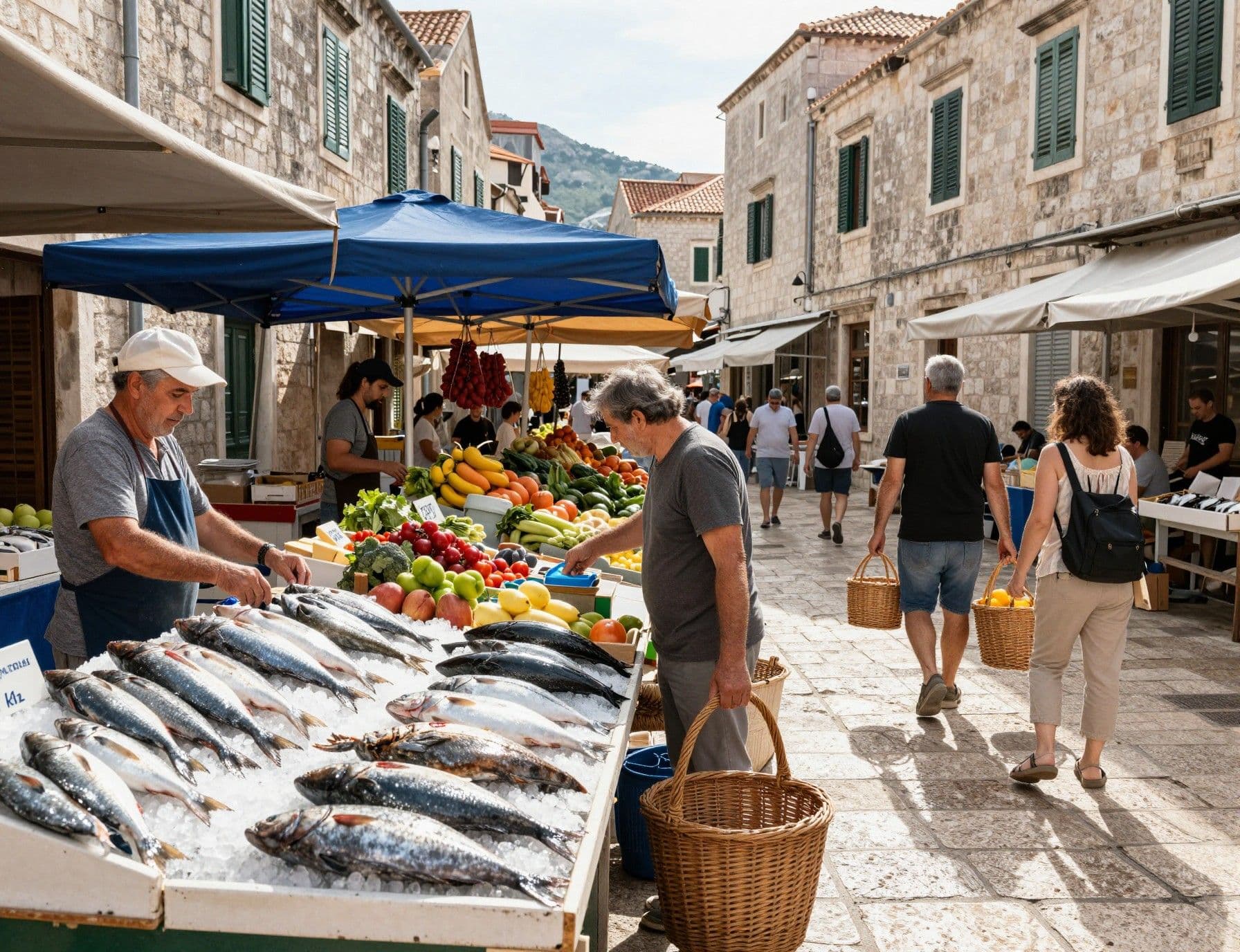
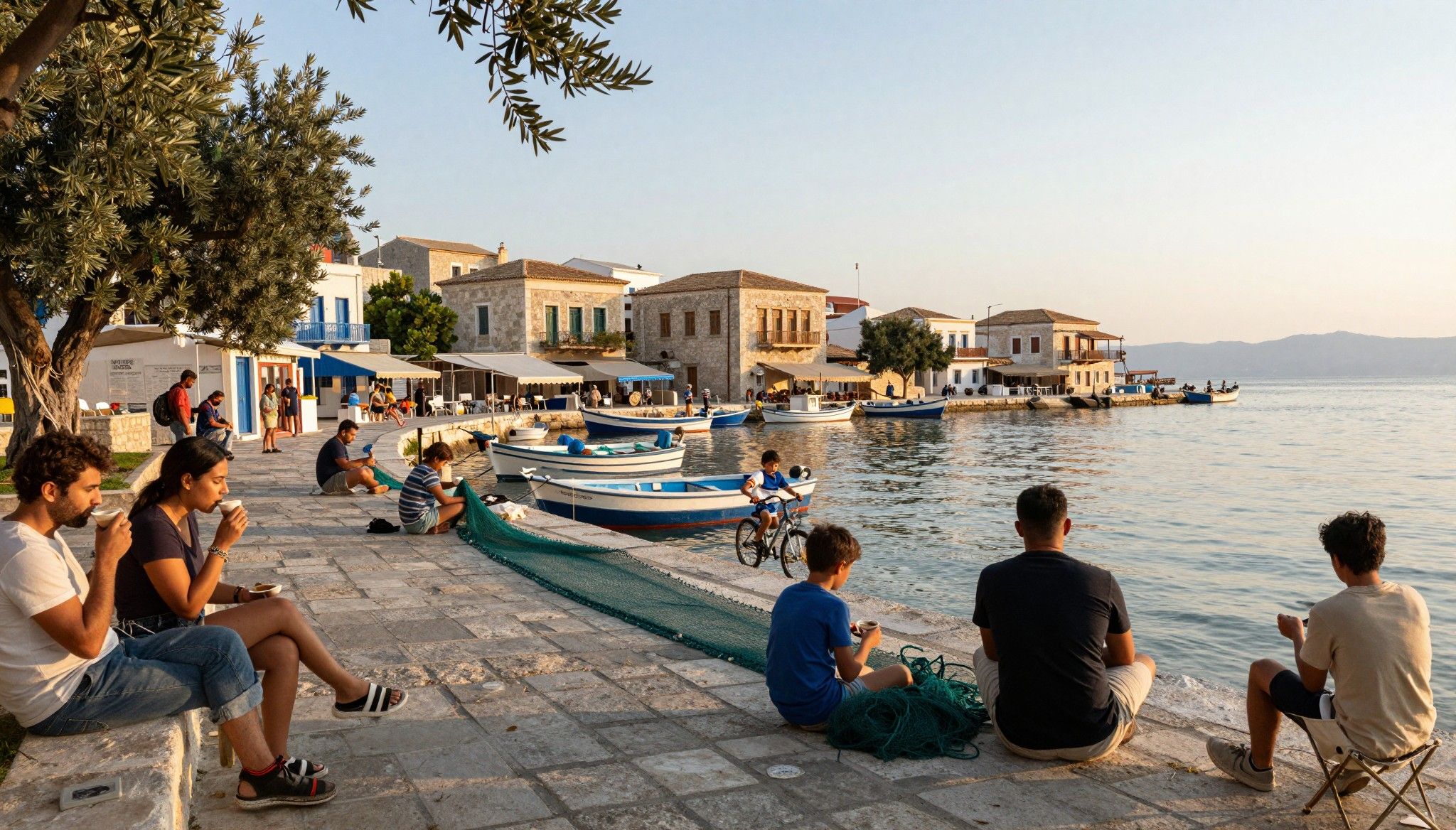
Living in Croatia feels like a choreography of seasons: long, gentle summers on the coast; productive autumns in Istrian olive groves; quiet, restorative winters in Zagorje and Slavonia. Days begin with markets—Dolac in Zagreb or the fish stalls in Split—and end with slow dinners where local wine matters as much as company. The rhythm informs what you’ll want from a home. A compact apartment on a shaded, cobbled street places you in the middle of daily life; a stone house inland gives room for a garden and a harvest; a seafront terrace trades intimacy for spectacle. Which rhythm you choose will determine financing needs, maintenance expectations and the kind of local specialists you’ll want on your team.
Neighborhoods that feel like home
In Zagreb, find narrow avenues around Gornji Grad where libraries and small galleries shape weekends. In Split, Vetar—the Riva and the lanes off Diocletian’s Palace—gives a constant public life. For quieter coastal living, Kaštel Novi and the white stone lanes of Rovinj reward patience; inland, the vineyards of Plešivica and the restored manor houses of Hrvatsko Zagorje offer space, provenance and a different calendar. Each micro‑location carries its own service map—cafés, small markets, seasonal ferry schedules—that will influence how you finance and maintain a property.
Food, markets and weekend rituals
Saturdays are for markets: pickled anchovies in Split, Istrian truffles in Pazin, and fresh sourdough in Zagreb. Evenings favor long dinners—peka in Dalmatia, hearty stews inland—often accompanied by local Pošip or Malvazija. These rituals matter because they shape the way you live at home: outdoor kitchens, storage for preserves, and generous terraces are not luxuries but practical investments. Consider how a property’s layout supports seasonal living before committing; that choice will also affect the type of mortgage and the collateral profile required by lenders.
- Lifestyle highlights
- Morning espresso at Cogito Coffee, Zagreb; weekday markets at Dolac.
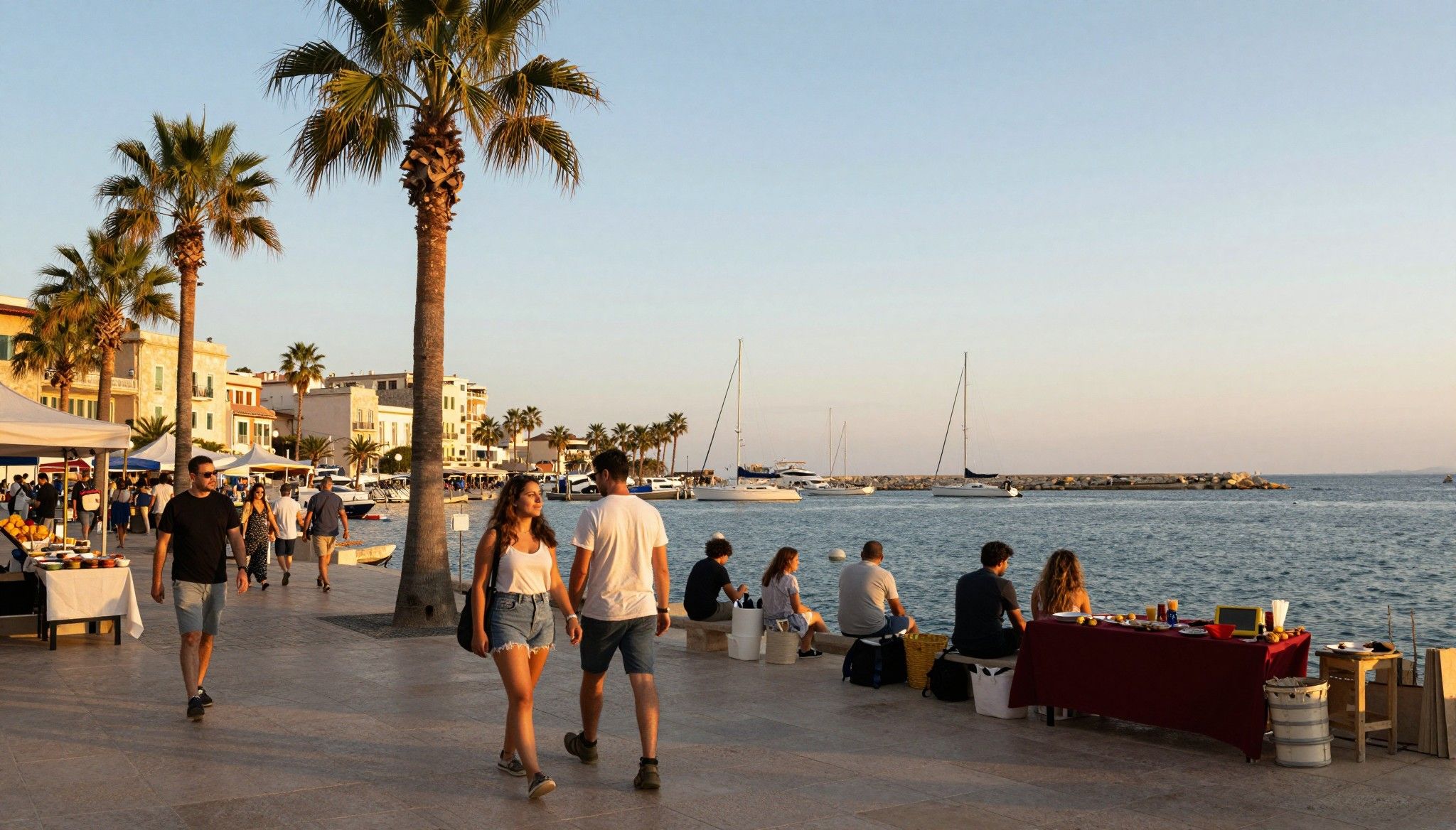
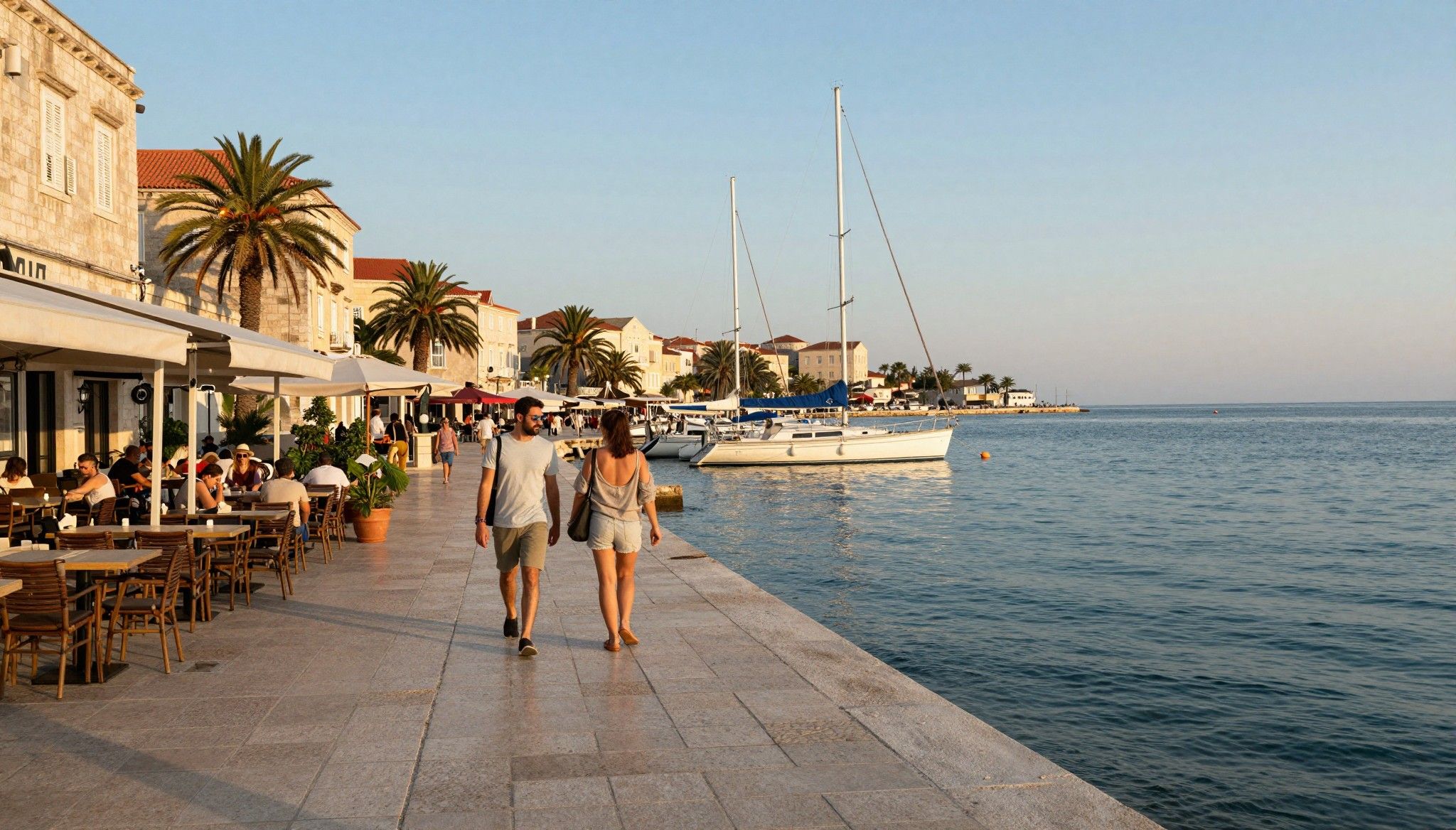
- Sunset walks on Split’s Riva and aperitivi near Diocletian’s Palace.
- Weekend truffle hunts in Istria and winery visits in Pelješac.
- Village markets in Hrvatsko Zagorje and cycling routes through olive groves.
Making the Move: Practical Considerations
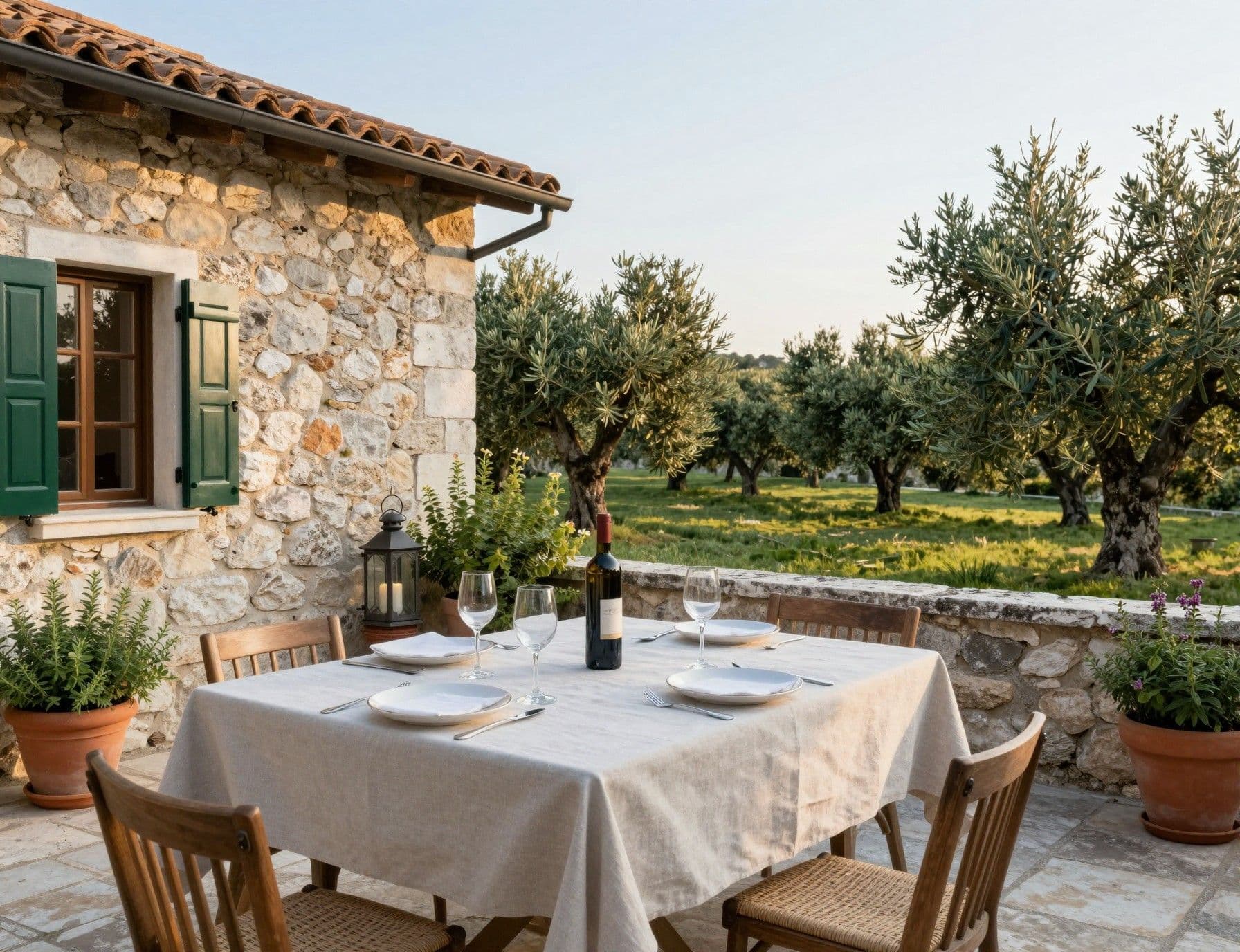
The romantic image of Croatian life must be tested against market reality. House price indices show growth concentrated in prime coastal towns and Zagreb, while inland and lesser‑known coastal towns can offer more restrained price trajectories and different financing options. Lending criteria remain conservative since euro adoption and banks favour clear income documentation and local collateral. A clear, place‑based strategy—what neighbourhood rhythm you want and what maintenance you can realistically oversee—will guide whether to pursue a local mortgage, bridge finance, or a larger cash equity position. Colliers’ regional analysis underlines this divergence between coastal prime and secondary markets.
Property types and how they shape finance
Stone villas with terraces require different lending and insurance profiles than central Zagreb apartments. New builds may qualify for more straightforward valuation and bank funding; historic restorations often need specialist appraisals and may require staged disbursements. If you plan to rent seasonally, expect lenders to scrutinise projected revenues more carefully since short‑let income is volatile. Factor in renovation budgets—maîtrise of local craftsmen and material sourcing are part of stewardship and will affect cash‑flow assumptions used by banks.
Working with experts who know both life and the ledger
- Partner with a Croatian‑registered lawyer for title checks and a notary for contract formalities; choose an agency experienced in your micro‑market; seek valuation from an independent chartered surveyor; secure pre‑approval from a bank that has lent to non‑residents before; and engage a local accountant for tax residency and rental‑income modelling.
- Key practical steps (ranked): 1) Clarify your seasonality: will the property be lived in year‑round or used seasonally? 2) Decide financing mix: how much local mortgage versus home‑country funding is realistic? 3) Commission a local valuation and technical survey early to avoid surprises. 4) Prepare for transaction timing: county land registries and notary appointments can add weeks. 5) Consider currency exposure and ask your bank about euro‑denominated products post‑euro adoption. Recent data show transaction volumes cooling even as prices remain elevated in prime areas, making timing and due diligence more important than ever.
Insider Knowledge: What Expats Wish They’d Known
Straight talk from buyers who made the move: the things you do wrong are rarely dramatic—more often they are assumptions about seasonality, about services being “like home,” or underestimating maintenance of older stone properties. Expats also tell a different myth: that coastal always equals better value. In truth, smaller coastal towns can demand a premium with limited rental upside; places like Sisak‑Moslavina or parts of Slavonia offer quieter living and surprisingly reasonable prices while delivering authentic seasonal life and easier stewardship.
Cultural integration and daily life
Croatians value directness and hospitality. Small courtesies—learning a few phrases, using the market vendor’s name, joining a local feast day—open doors. Language matters less in tourist hubs but becomes decisive in inland communities. Practicalities—waste schedules, municipal permits for restorations, and community associations—operate on local logic; a trusted local fixer or agency will be your most valuable ally when a council meeting or permit procedure arises.
Long‑term lifestyle and stewardship
Think generationally. Quality of materials, roof and drainage works, and masonry repairs in coastal climates matter more than cosmetic finishes. If you buy a historic property, budget for ongoing artisan maintenance; if you buy new, request warranties and supplier provenance. Over five to ten years, neighbourhoods that preserve material quality and community life sustain value better than those that chase short‑term tourist income.
- Expat lessons (practical and lifestyle): hire local craftsmen early; prioritise water management for coastal homes; plan for seasonal staffing if you let; register with local health services; and visit in each season before committing.
Conclusion: Croatia offers a rare synthesis—lived historic towns, vivid seasonal life and diverse property types. The secret for the discerning buyer is to match the life you want (market mornings, vineyard weekends, or Adriatic afternoons) with a financing and stewardship plan that respects local rhythms. Begin with a small, place‑specific team: a Croatian lawyer, an agency attuned to micro‑neighbourhoods, an independent valuer and an accountant. Together they translate the romance into contracts, valuations and practical timelines so you may trade a holiday impression for an everyday life that endures.
Having moved from Stockholm to Marbella in 2018, I help Scandinavian buyers navigate Spanish property law, restoration quality, and value through authentic provenance.