When France’s Notaire Rise Helps the Right Buyer
How France’s fees, local taxes and lender habits shape the neighbourhoods you can truly call home — with lifestyle-led financing steps and cited data.
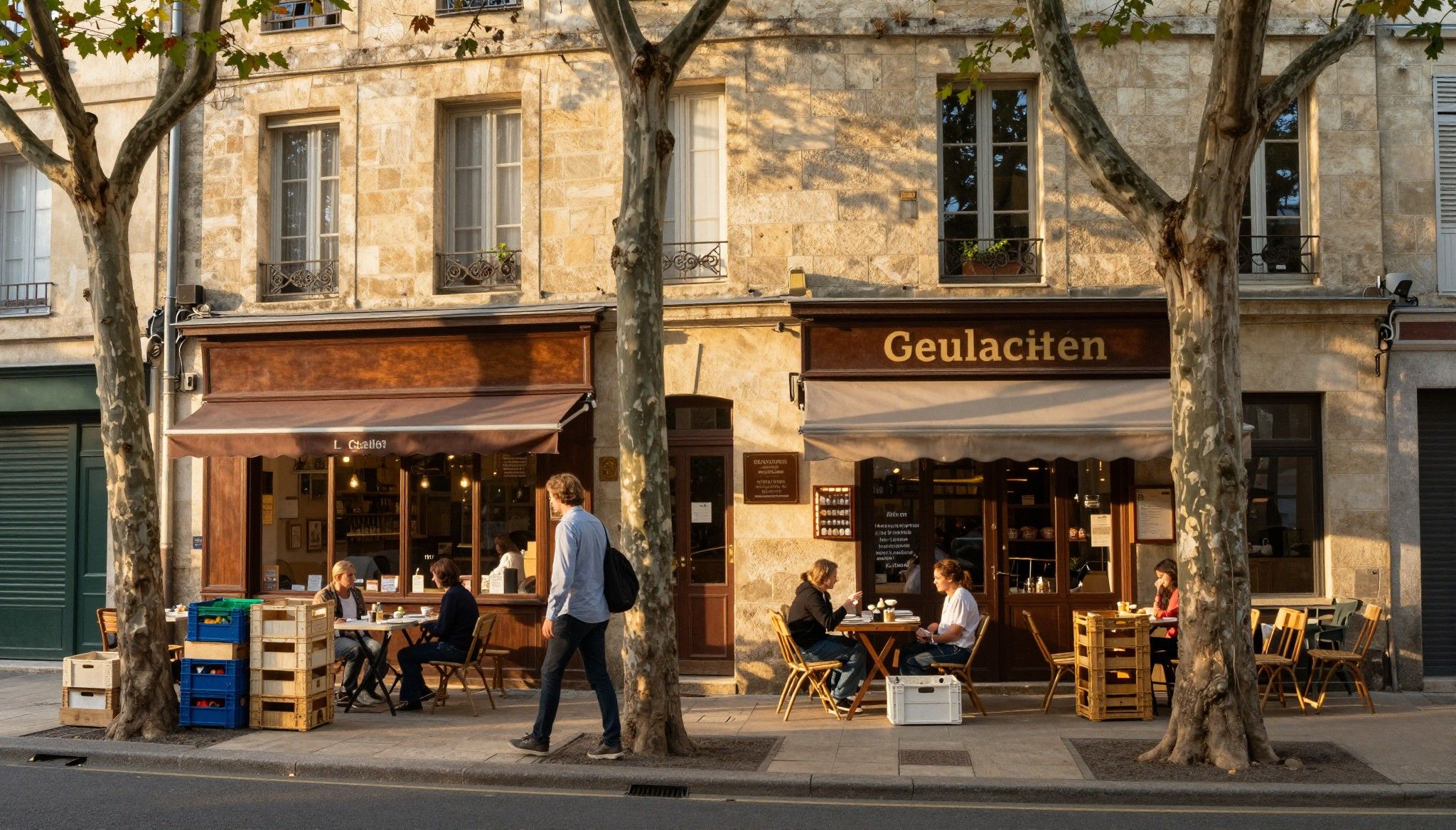
Imagine an autumn morning in Aix‑en‑Provence: a boulanger at Rue Espariat lifts a tray of warm croissants, shutters open to frame limestone façades and a couple exchanges a quiet greeting over espresso. This is the everyday cadence that draws people to France — the particular rhythms of markets, cafés and late‑afternoon light — and what most of us mean when we talk about “buying into French life.” Yet behind that sensual promise lies a set of financial rituals and rules that shape which neighbourhoods you can afford, how you finance a purchase, and how the lifestyle you imagine is maintained.
Living the French life: senses, streets and seasons
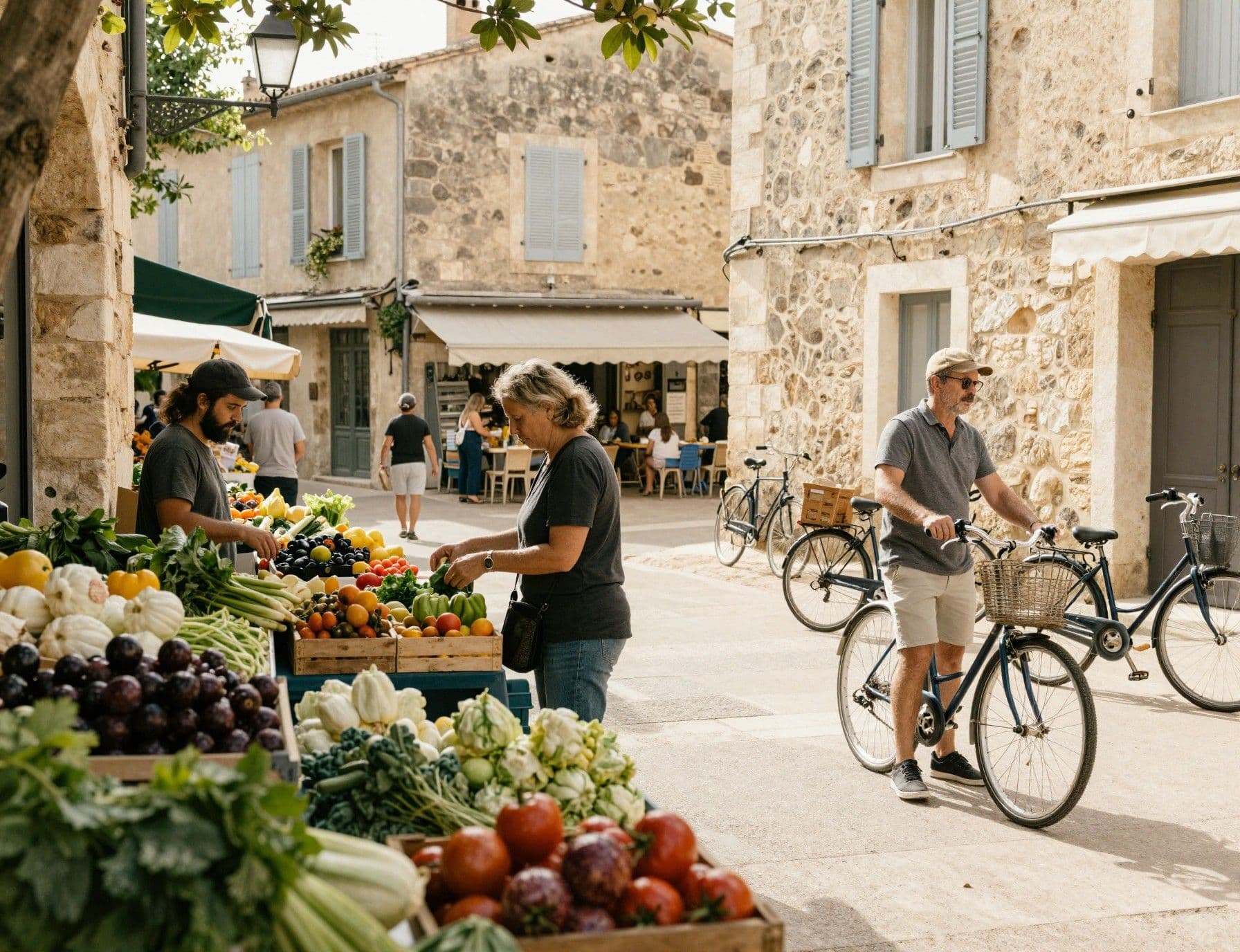
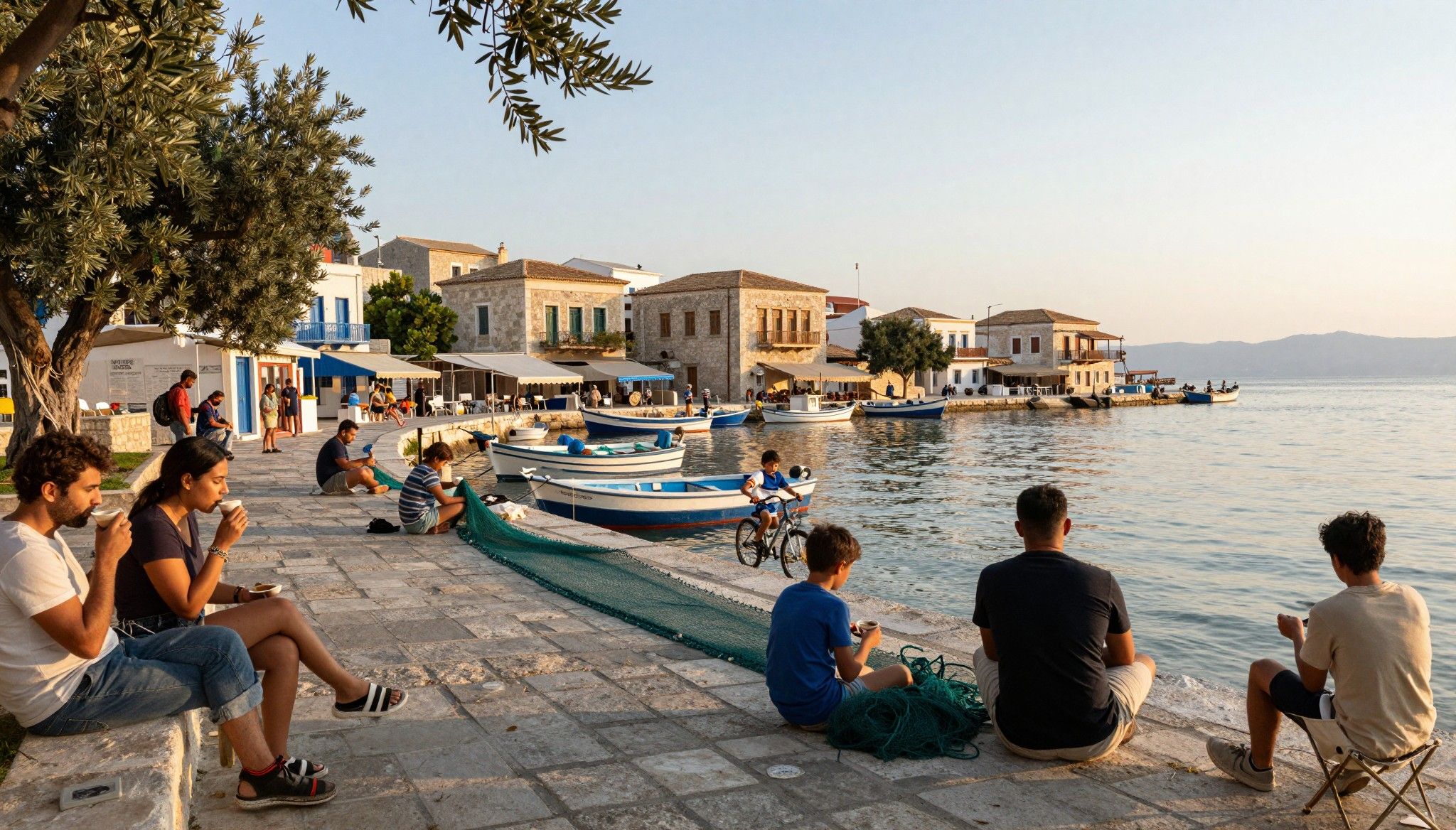
France is many lives at once: the slow, book‑lined days of the 6th arrondissement in Paris; the market mornings of Cours Mirabeau in Aix; the salted light on Boulevard de la Croisette in Cannes; the velocious alpine afternoons in Chamonix. For an international buyer the appeal is not only architecture and address, but the way neighbourhoods structure daily ritual — morning cafés, weekly marchés, evening promenades — and how those rituals in turn inform what type of property will suit you.
A neighbourhood picker: where everyday life matters
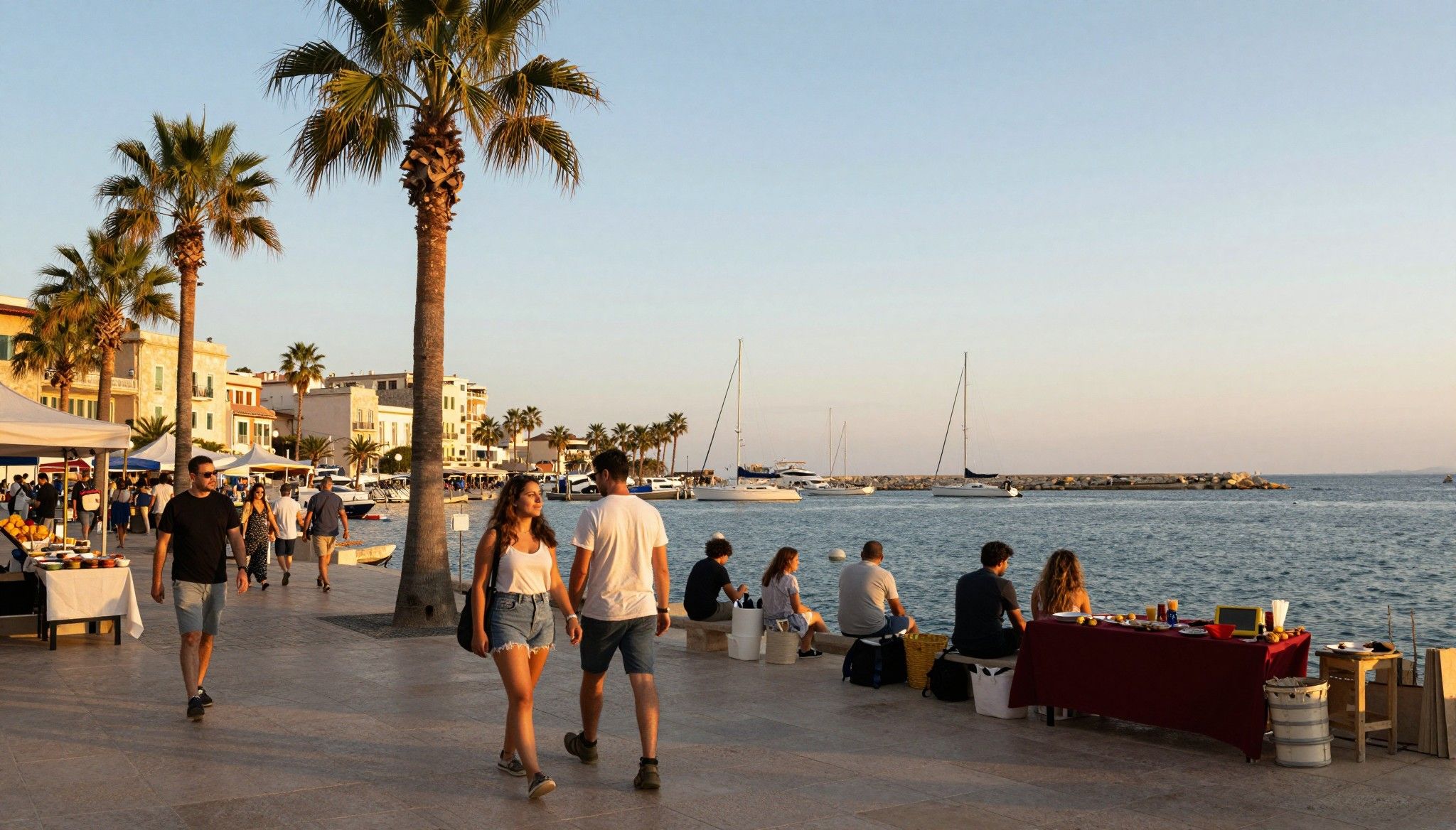
If you value bakery‑to‑table mornings, choose a rue with independent artisans — think Rue du Faubourg Saint‑Antoine (Paris) or Rue Gambetta (Biarritz). If you need daylight and green space, look to the western edge of Bordeaux or the terraces of Aix. For sea‑facing afternoons and a social calendar of yacht‑clubs and open‑air concerts, the Alpes‑Maritimes offers both the Mediterranean light and a discreet market for well‑maintained villas.
Food, ritual and provenance
French life is arranged around provenance: the market stall you patronise, the fromager who remembers your preference, the patissier whose croissant is reliably crisp. These small loyalties create durable neighbourhood value — a property close to a well‑curated marché or a celebrated boulangerie will remain desirable even when prices wobble. For buyers this is an intangible form of capital that often outperforms short‑term price plays.
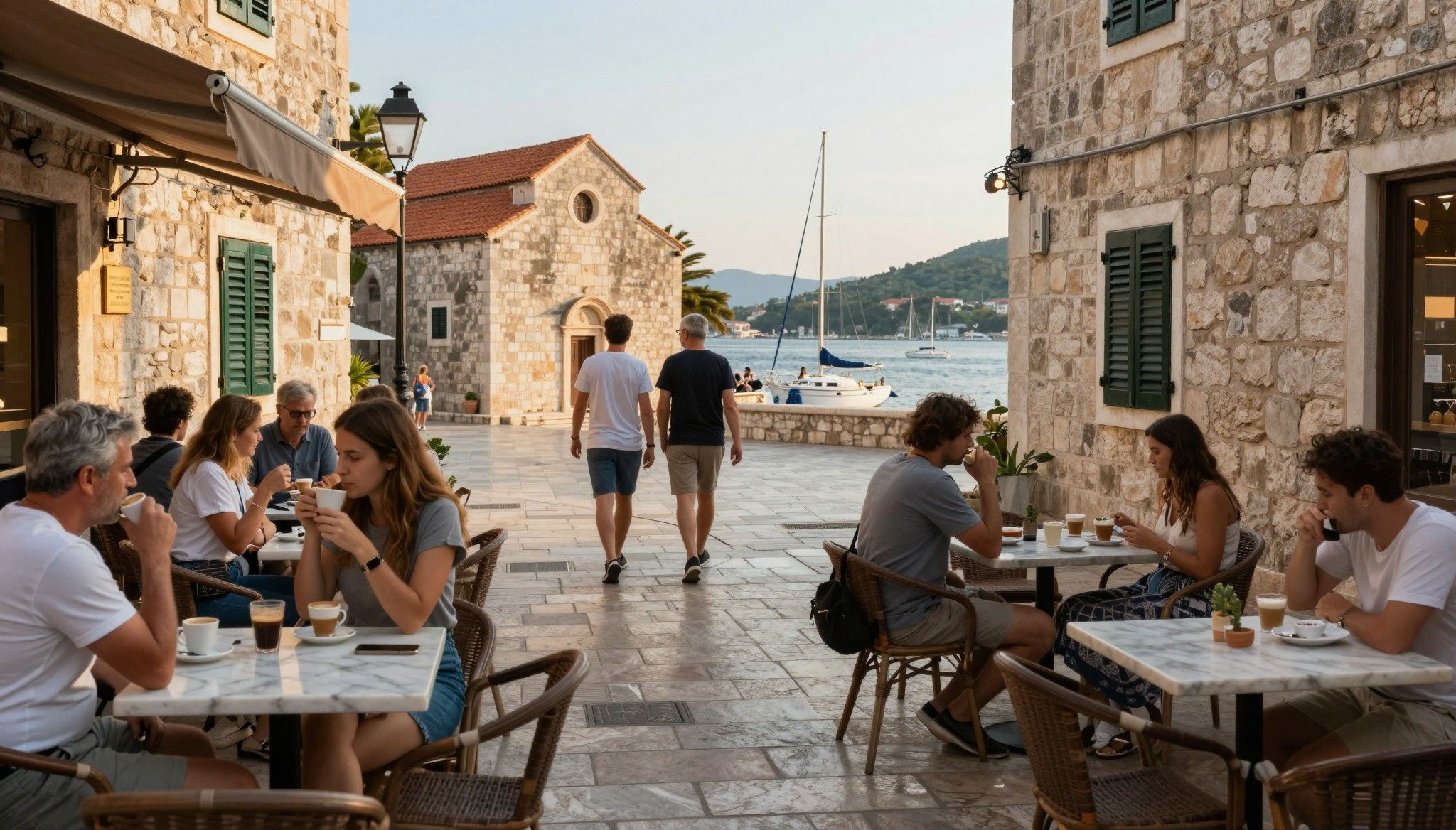
- Market‑day rhythms and lifestyle highlights: • Cours Mirabeau markets and café tables in Aix‑en‑Provence • Saint‑Germain‑des‑Prés bookshops and narrow courtyards in Paris • Vieux‑Nice morning flower market and coastal promenade • Rue Gambetta’s surf culture and local cafés in Biarritz
Making the move: how finance and fees shape lifestyle choices
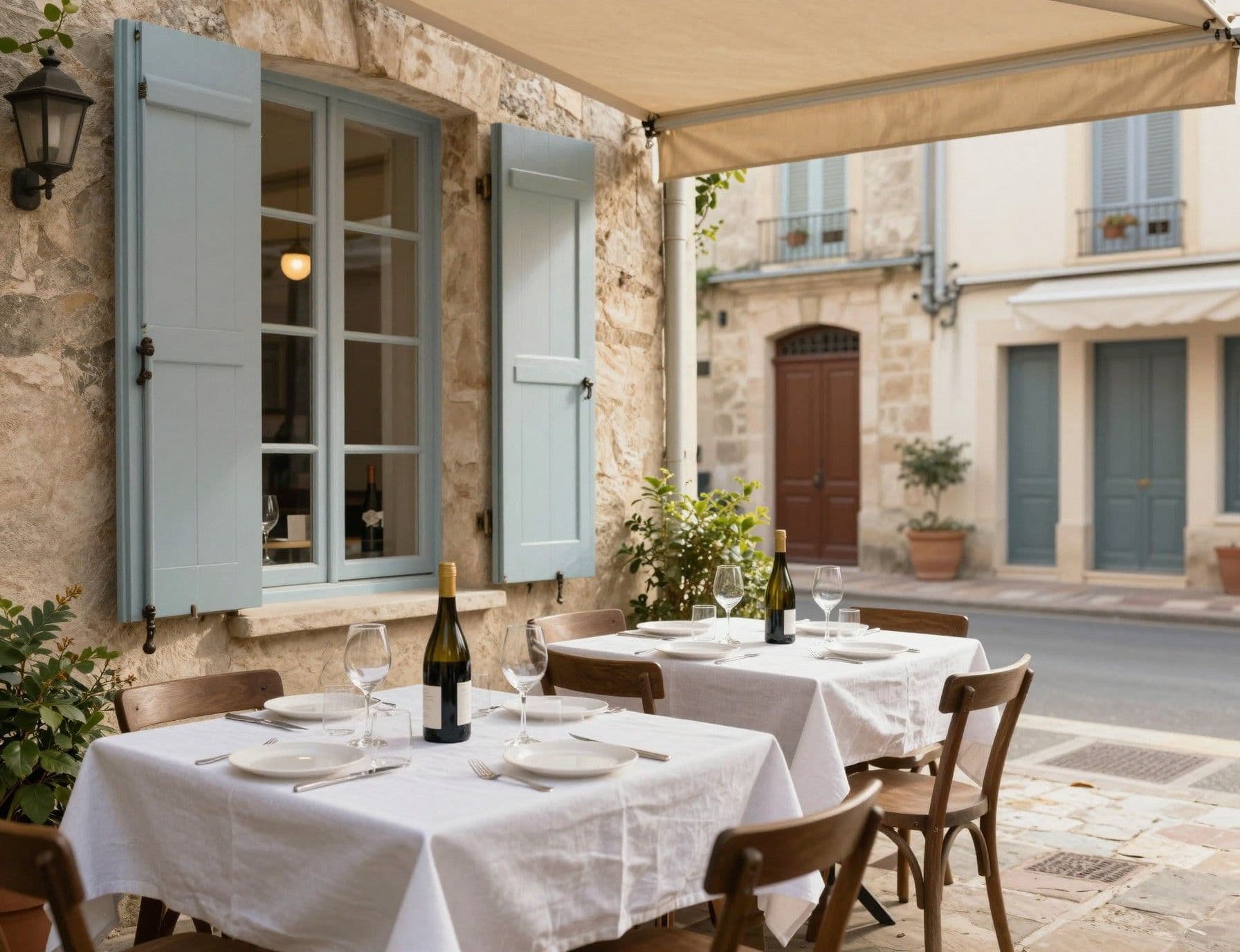
The atmosphere you seek is purchased through a practical ledger: mortgage terms, notaire costs and local taxes determine which addresses remain within reach. Recent official guidance from Notaires de France shows acquisition costs for older properties commonly total 7–8% of the purchase price, with new builds notably lower. Understanding these layers early will steer where you look and how you negotiate.
Property types and the lifestyle they afford
A town flat in Lyon gives immediate access to cafés and networks; a restored farmhouse in Dordogne buys land, quiet and privacy. Recent INSEE/Notaires indices indicate modest price recovery in 2025 — an important consideration if you plan to buy as both residence and long‑term stewardship. Match property typology to the life you intend: urban adjacency vs. rural seclusion.
Working with the local experts who preserve lifestyle
A French agent with experience in cross‑border transactions will not only find the right street but will anticipate finance questions: non‑resident mortgage availability, where notaire costs rise by department, and which local lenders offer competitive terms for expatriates. These specialists translate local ritual into a purchase strategy that preserves the lifestyle you want.
- Practical, lifestyle‑aware steps to finance a purchase in France: 1. Compile a lifestyle brief (neighbourhoods, daily rituals, schools) before lender discussions. 2. Obtain a mortgage‑in‑principle from a French bank or international lender familiar with non‑resident cases. 3. Budget for acquisition costs (typically 7–8% for older properties) and departmental variations in DMTO. 4. Ask your notaire about timing: fees apply to completion date, not reservation contract. 5. Reserve funds for immediate works that preserve habitability and character (artisan joinery, roof work).
Insider knowledge: what expats wish they’d known
Experienced buyers often say the surprise was not the tax rate itself but where it matters most: departmental choices on transfer duties, the occasional lender’s reluctance to accept foreign income, and the time needed to align renovation expectations with local artisans. These are logistical frictions that, when read as part of local life, point you towards the right neighbourhood rather than away from it.
Cultural integration and the quiet rules of living well
Learning the rituals — market days, local associations, and seasonal fêtes — accelerates social acceptance and protects your property’s perceived value. Language is less a barrier than a gesture: regular visits to the same café, attendance at municipal meetings and small restorations done with local craftspeople all convert a house into a home with provenance.
Long‑term stewardship: preserving value beyond price
Think like a custodian. Repair with sympathetic materials, maintain original features where possible, and choose upgrades that speak the language of the property — a restored stone hearth, lime‑rendered façades, period timberwork. Not only do these choices keep the house true to its place, they also preserve the lifestyle that attracted you in the first instance.
- Red flags and checks before you sign: • Unexplained departmental tax increases or local votes impacting DMTO • Lack of clear syndic accounts for co‑owned buildings • Lender unwillingness to accept foreign employment contracts without translation • Properties with inappropriate modernisation that erased provenance
Conclusion: Fall for the life first, then quantify it. Begin with the street, the market and the small pleasures that matter; then translate that brief into financing parameters — acceptable acquisition costs, lender appetite for non‑residents, and renovation budgets that respect provenance. A considered local agent and a frank conversation with a French notaire turn a romantic idea into a defensible investment and a home that endures.
Norwegian with years in Florence guiding clients across borders. I bridge Oslo and Tuscany, focusing on legal navigation, cultural context, and enduring craftsmanship.