Why Spring House‑Hunting in France Can Stretch Your Budget
Seasonality, departmental tax changes and lender rules in France alter affordability — plan for notary increases, realistic mortgage offers and winter viewings to gain leverage.
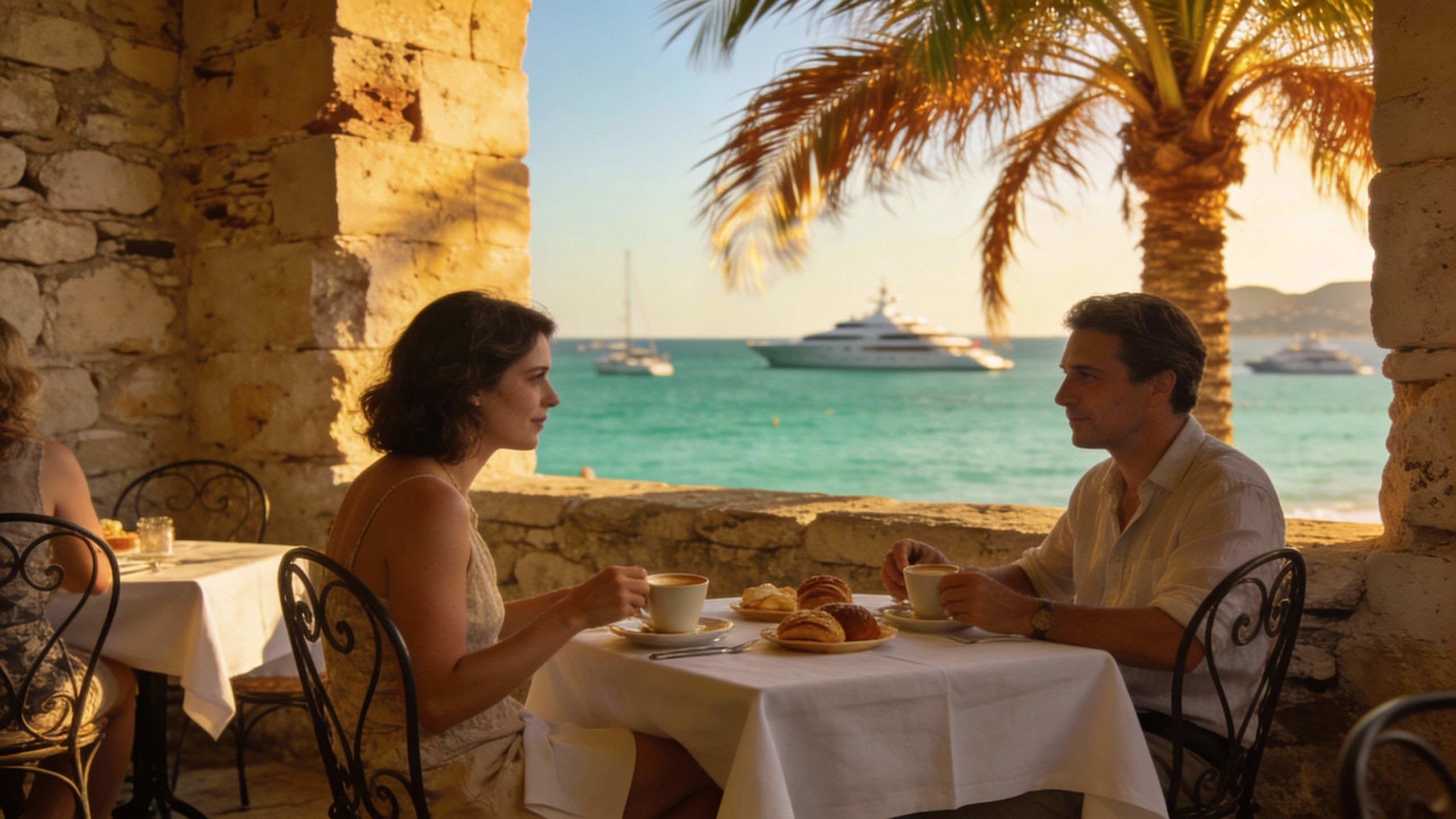
Imagine the morning bustle at Marché d'Aligre in Paris — stalls of citrus and cheese, a baker slicing warm baguette, the light tilting across Haussmannian facades. In France the quotidian is public and slow: cafés that ask you to linger, markets that set the week's rhythm, and villages whose churches still toll for the seasons. Yet this sensual, lived-in country also has surprising financial rhythms: seasonal demand, department-level taxes and bank lending rules that quietly alter what you can afford.
Living France: how daily life shapes what you buy

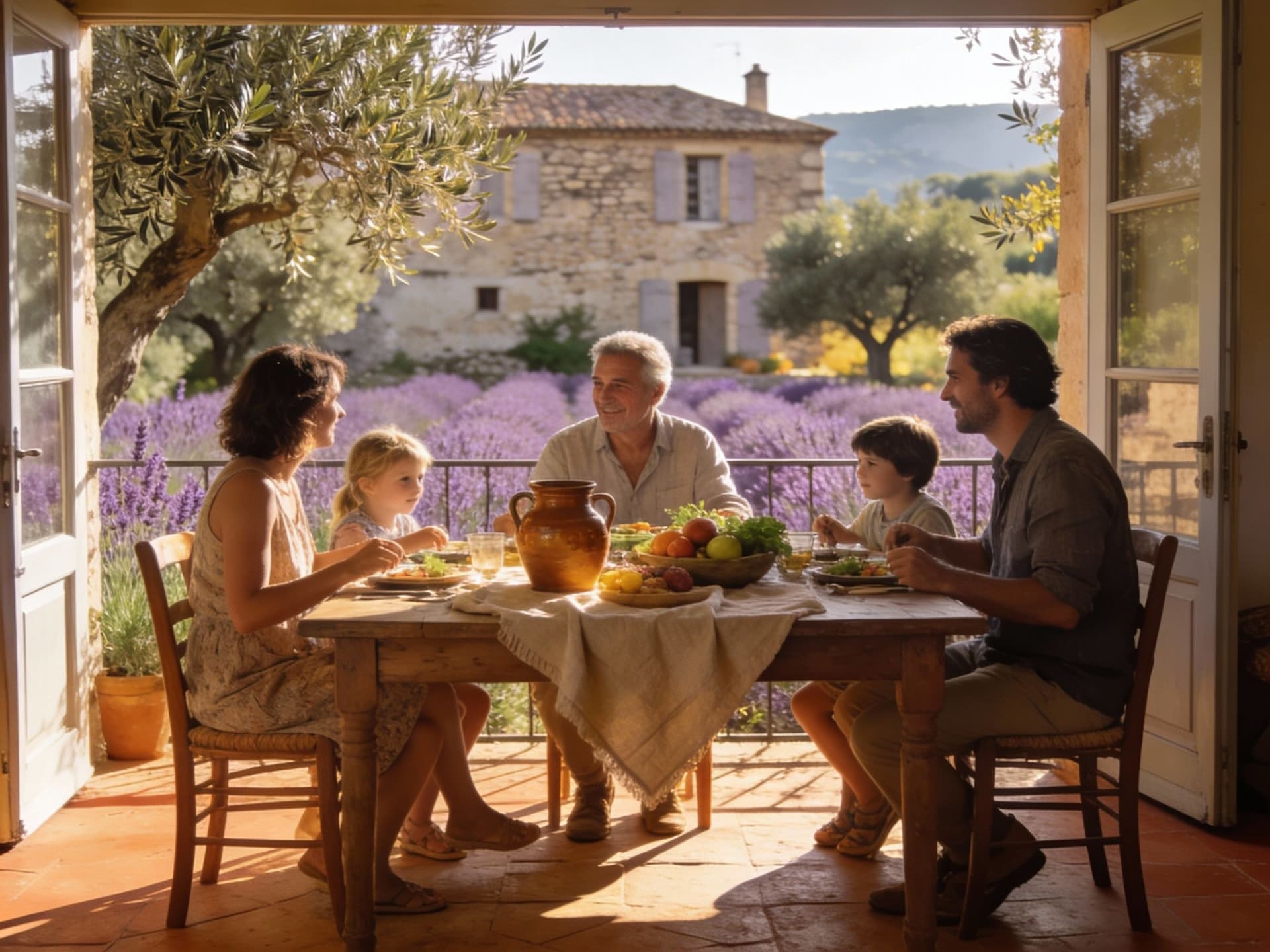
Life in France varies with scale and geography. In central Paris you buy into an urban ritual — morning espresso at Café de Flore, late walks along the Seine, and a small, impeccably tiled kitchen. On the Côte d'Azur the day begins with sea air and ends at a local bistro like La Petite Maison in Nice; Provençal mornings centre on markets such as Aix's Place Richelme. These rhythms determine the property type that fits: compact pied-à-terre, a sunlit town house with shaded courtyard, or a stone mas with lavender fields.
Paris: neighbourhood rituals and quiet trade‑offs
Choose Le Marais and life is measured in short walks to boutiques and quiet courtyards; choose the 16th and you stack privacy and embassies. Parisians often buy second homes in Provence or on the Atlantic coast, which skews weekend demand and creates price seasonality. The Financial Times notes how Parisian preferences shape regional markets and how infrastructure links — TGV times, direct flights — materially affect both price and desirability.
Provence & Riviera: seasonal living and credit timing
The sun and festivals bring buyers in bursts: jazz in Nice, truffle season in Périgord, Vendanges in Bordeaux. Those bursts concentrate viewings and can push offers in a short window; conversely, winter viewings often yield negotiation room. Le Monde and national notaries reported a post‑2024 rebound in transactions, reminding buyers that timing — not just taste — affects mortgage availability and negotiating leverage.
- Lifestyle highlights to test physically before bidding: strolls at Promenade des Anglais (Nice); weekday markets at Marché d'Aligre (Paris); an afternoon at Cours Mirabeau (Aix); oysters on the quai at La Rochelle; a Sunday morning at Marché des Capucins (Bordeaux).
Making the move: practical financing you won't see in brochures
Banks in France remain data-driven and conservative: mortgage rates eased in 2025 after earlier tightening, but final offers depend on residency, income documentation and the asset's use. Brokers and market barometers show competitive long-term fixed rates near the low‑3% range for strong borrowers; non‑residents may face different insurance and loan-to-value (LTV) terms. Knowing which numbers move your monthly payment — headline rate, assurance emprunteur (loan insurance), and notary costs — is essential.
Property styles and how they shape financing needs
Old stone houses and appartements anciens carry higher transfer taxes and therefore larger upfront cash needs; notary fees for existing homes can reach roughly 7–8% of price after recent departmental increases. New builds keep notary costs closer to 2–3%, improving initial liquidity. Factor these differences into loan sizing: lenders often expect borrowers to cover notary fees from own funds rather than rolling them into the mortgage.
Working with local experts who know both life and ledgers
- 1. Retain a French mortgage broker who regularly works with non‑resident clients; they translate bank appetite into realistic LTV and documentation checklists. 2. Ask your notaire early for an estimate of transfer duties in the département where you’re buying — a small percentage change alters upwards of thousands of euros. 3. Confirm loan insurance options: French lenders accept some foreign insurers, but domestic assurance emprunteur often yields better rates. 4. Test winter viewings: properties shown in low season often reveal maintenance issues and create negotiation leverage.
Insider knowledge: what expats wish they'd known before they signed
Expat buyers often underestimate two items: the cash needed at completion and how seasonality alters perceived value. A stone mas may look affordable in November; lenders, however, will underwrite its value partly on comparables created in high season. Local buyers know which quartiers soften in low demand and which hold firm year‑round. Anticipate a buffer for notary fees, renovation allowances and interim living costs.
Cultural considerations that affect finance and life
French lenders prize documented stability: long employment histories, income proof and clear tax filings. Language matters — contracts and bank discussions are frequently in French — so a bilingual adviser saves time and prevents costly misunderstandings. Social rhythms also affect cash flow: the extended summer pause for many artisans can delay small renovation works unless planned around local calendars.
- Practical red flags to spot before committing: sudden departmental tax changes; property described as ‘habitable’ without recent diagnostics; offers from lenders requiring unfamiliar foreign insurer clauses; properties with unclear copropriété (condominium) charges or pending syndic disputes.
Longer view: stewardship, resale and generational value
Buying in France is often less about flipping than stewardship: conserving stone, restoring timber, and respecting a village’s grain. That approach aligns with stable resale for properties with documented provenance and careful restoration. Finance decisions should therefore account for mid‑life maintenance costs rather than short-term yield fantasies; heritage informs both pleasure and prudence.
If the idea of morning markets and late dinners still feels like the future you want, begin with three practical steps: engage a bilingual mortgage broker for a pre‑approval tailored to non‑residents; ask a notaire for a département‑specific transfer duty estimate; and schedule at least one winter viewing to test negotiation space. An agency that understands local daily life will not only find the right address but also the financing structure that sustains it.
Relocating from London to Mallorca in 2014, I guide UK buyers through cross-border investment and tax considerations. I specialise in provenance, design integrity, and long-term value.