Non‑Resident Mortgages in France: Counterintuitive Advantages
How France’s regional market and recent fee changes shape mortgage options for resident and non‑resident buyers, with practical steps and local insights.

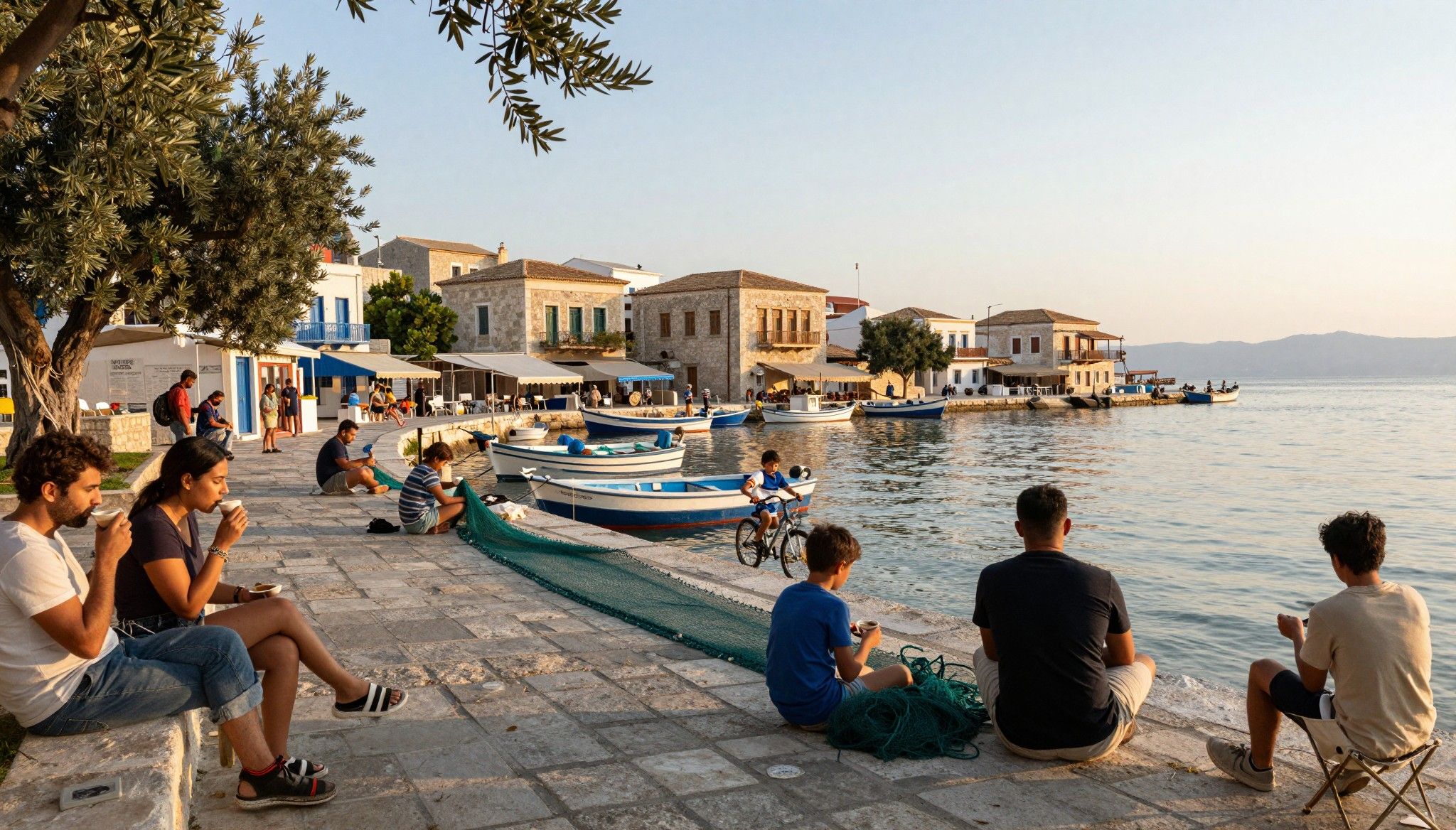
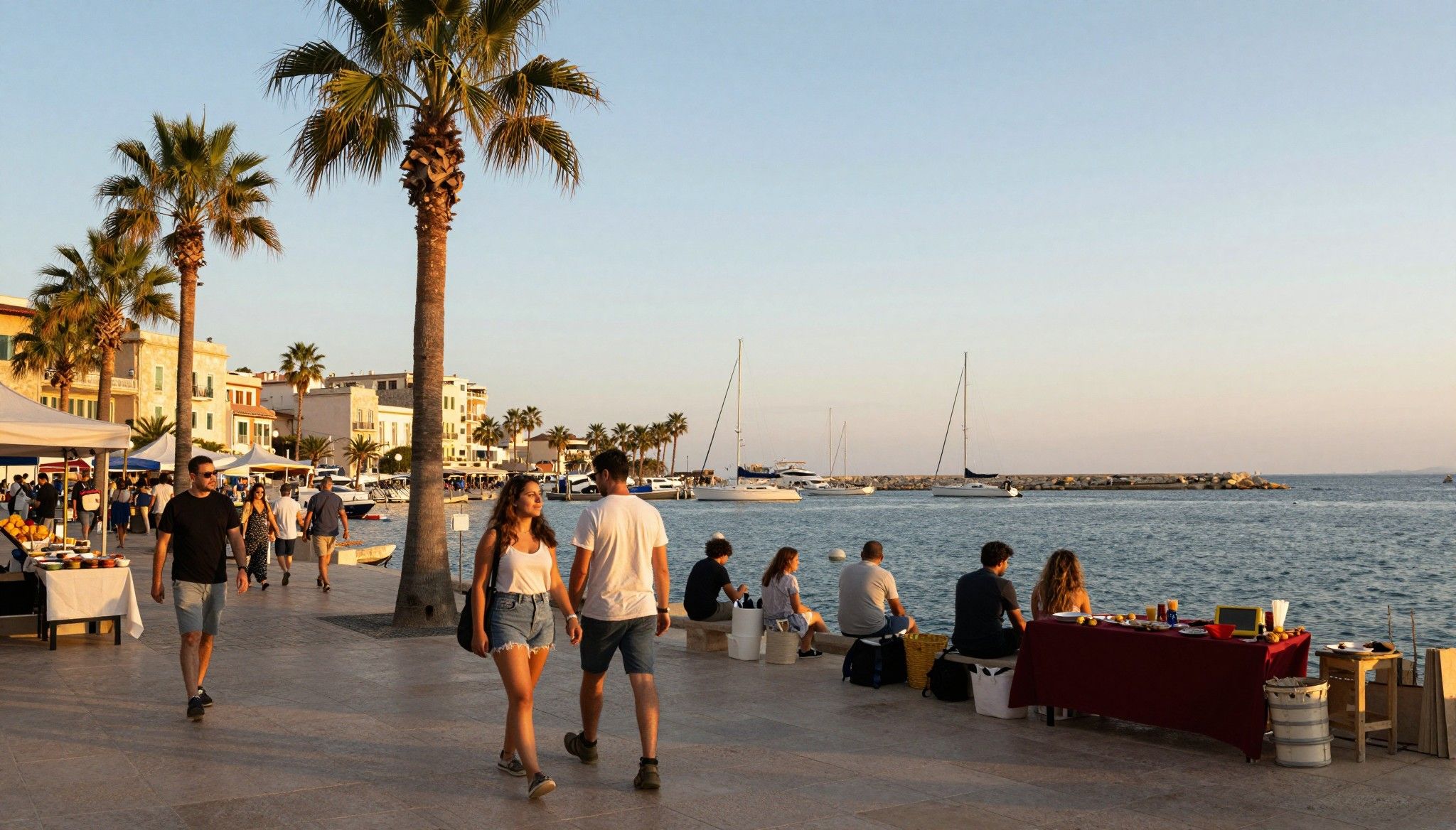
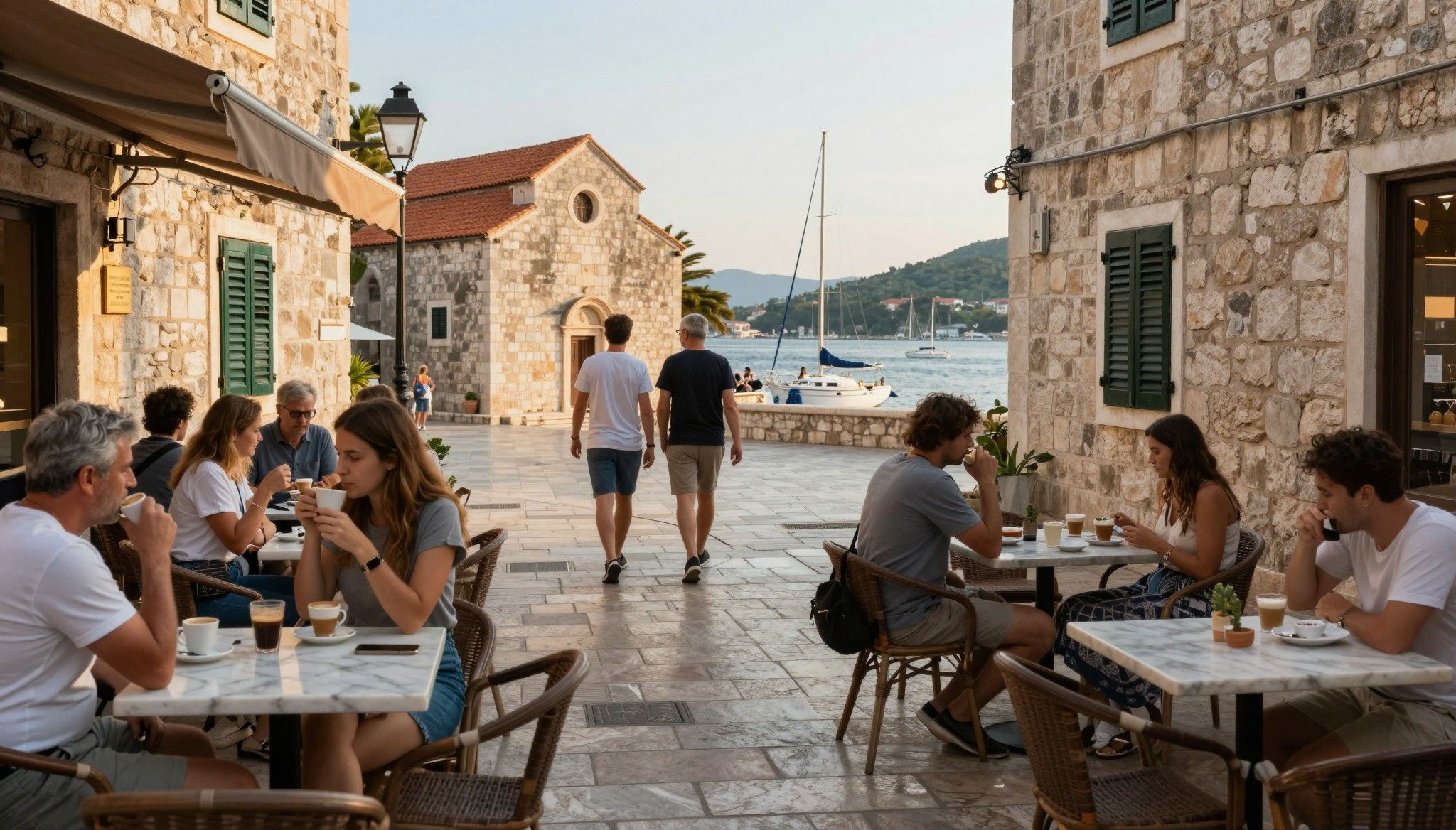
Imagine a weekday morning in Aix‑en‑Provence: a boulanger beside Cours Mirabeau, the light on limestone facades, and a neighbour carrying warm fougasse. That scene is the promise that brings many internationals to France — not merely a property but a daily life shaped by markets, meals, and municipal rhythms. Yet the path from that first postcard moment to signing a mortgage here often surprises buyers: financing in France blends conservative underwriting, regional nuance, and recent legislative shifts that quietly change deal economics. This piece looks at financing options for non‑resident and resident buyers in France, but it begins where buyers begin — with the life they want to lead.
Living the French life — and why it affects finance
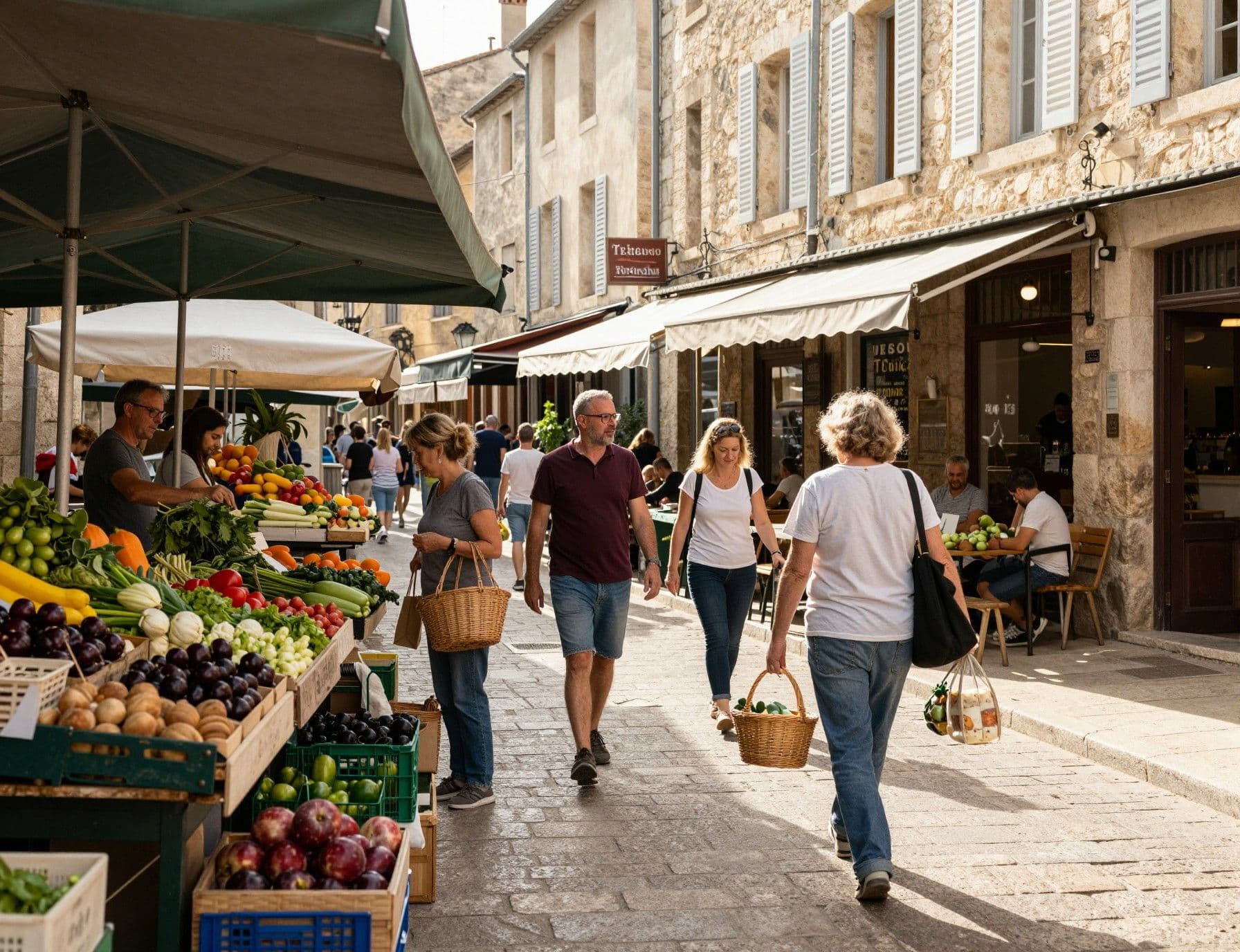
Lifestyle defines what you need from finance. A pied‑à‑terre in Le Marais requires different liquidity and loan tenor than a renovated ferme in Dordogne intended for year‑round living. French neighbourhoods — from the village market of Saint‑Rémy to the evening terraces of Vieux Nice — impose practical demands: proximity to services, winter heating costs in older stone houses, and seasonal rental potential if you plan to offset holding costs. Thinking like a steward — prioritising long‑term cashflow, preservation of materials, and modest leverage — changes how lenders view a file and what products are realistic.
Spotlight: Paris vs provincial life
Paris remains a distinct underwriting environment: dense, expensive, and with different rental dynamics than provincial towns. Lenders look at micro‑neighbourhood rents, local taxes, and the ease of re‑letting a flat; an Île‑de‑France apartment typically supports shorter loan terms at lower loan‑to‑value than a rural farmhouse. Provinces reward patience — restoration costs, seasonal markets and municipal constraints influence loan sizing and required reserves. Your finance plan should be written for the geography as much as the architecture.
Food, markets and cashflow: why everyday life matters
Market stalls, local artisans and the cadence of village life create tangible income and expense rhythms: seasonal rental income, winter heating bills for stone houses, and the occasional chalet insurance premium after a hard winter. These lifestyle elements show up on spreadsheets as variable income and maintenance reserves. Lenders will test your assumptions — show them realistic occupancy rates for your area and detailed maintenance budgets and they will be more likely to extend favourable terms.
- Lifestyle highlights that change financing needs: weekly market at Place du Lices (Saint‑Germain), Chemin des Peintres in Montmartre, winter ski‑season rental (Alpes), municipal heating charge in period buildings, and twinning with a local syndic for co‑owned apartments.
Making the move: practical financing considerations

France’s market is regional and measured — official indices show modest rebound after a period of stability, and lenders remain cautious with non‑resident loan profiles. Recent guidance from French authorities and notaires adjusts transaction costs in some departments, which directly changes required down payments and reserves for buyers. Practical concerns include: the real cost of 'frais de notaire', departmental variations in transfer taxes, stamp duty increases in some départements, and how those add to your upfront cash. Plan for these items early; they alter the effective LTV and can determine whether a bank will accept the file.
Property taxes, notaire fees and what changes mean for your cash needs
From 1 April 2025 some departments increased their share of transfer duties; impots.gouv.fr and notarial publications explain the mechanics and the resulting jump in upfront costs. For an older apartment the extra percentage points on droits de mutation can add several thousand euros — enough to change your down‑payment strategy. Lenders typically insist that fees and taxes not be rolled into the mortgage for non‑resident borrowers, so you must show capital for purchase costs beyond the property price. Early conversations with a notaire and a lender clarify these true cash requirements.
Working with French lenders and non‑resident options
- Practical steps for preparing a mortgage application in France: gather three years of tax returns translated into French where possible; produce bank statements showing the necessary deposit and contingency reserve; obtain a clear explanation of any foreign income including pension or dividends; ask for indicative LTV and tenure limits in writing before making offers; secure a pre‑approval that states conditions tied to the notaire’s title check.
Insider knowledge: myths, pitfalls and contrarian moves
There are three myths I hear repeatedly: that France is uniformly expensive, that non‑residents cannot borrow competitively, and that stamp‑duty is an immovable constant. Each is partly true and partly misleading — regional price dispersion is real, many banks will lend to international buyers with solid documentation, and departmental policy can shift fees. A contrarian but practical approach is to use seasonal demand to your advantage: make offers in quieter months in resort towns when vendors’ expectations soften, while demonstrating to lenders a stable plan for seasonality in income and maintenance.
What expats wish they'd known
Long‑term residents tell a common story: choose a property aligned to everyday life rather than the postcard image. They budget for ongoing restoration, accept slower permit processes for heritage work, and build a reserve for municipal fees and seasonal tax variations. From a financing perspective they secure conservative amortisation schedules and keep equity cushions to withstand short‑term rental lulls. That steadiness makes refinancing and estate planning simpler later.
- Red flags and unusual local factors to check before you commit: restrictive municipal preservation orders, recent department increases to DMTO (transfer duties), patchy broadband in rural communes, co‑ownership (copropriété) special levies, and absence of a clear rental market if you were counting on income.
Financing a home in France is as much about taste and temperament as it is about numbers. The most durable purchases are those where buyers married an aesthetic intent — a village life or an urban salon — with a rigorous financial plan. Begin with conversations: a notaire who understands local taxes, a lender experienced with non‑resident files, and an agent who knows that the right market is the one that sustains the life you envision. When those pieces align, the paperwork becomes the last, manageable chapter of a new life in France.
Next steps: schedule a notaire call to obtain an estimate of transfer taxes for the département you favour; request indicative mortgage terms from at least two French lenders and one international bank; quantify seasonal income assumptions if you plan to rent; and ask your chosen agent for three comparable sales in the precise street or village you love. Those five actions convert romantic intention into a solvable financial project.
Having moved from Stockholm to Marbella in 2018, I help Scandinavian buyers navigate Spanish property law, restoration quality, and value through authentic provenance.