France: Lifestyle‑First Financing and Local Tax Shifts
How France’s seasonal life and recent transfer‑tax shifts change which mortgages make sense — lifestyle‑first financing for international buyers.
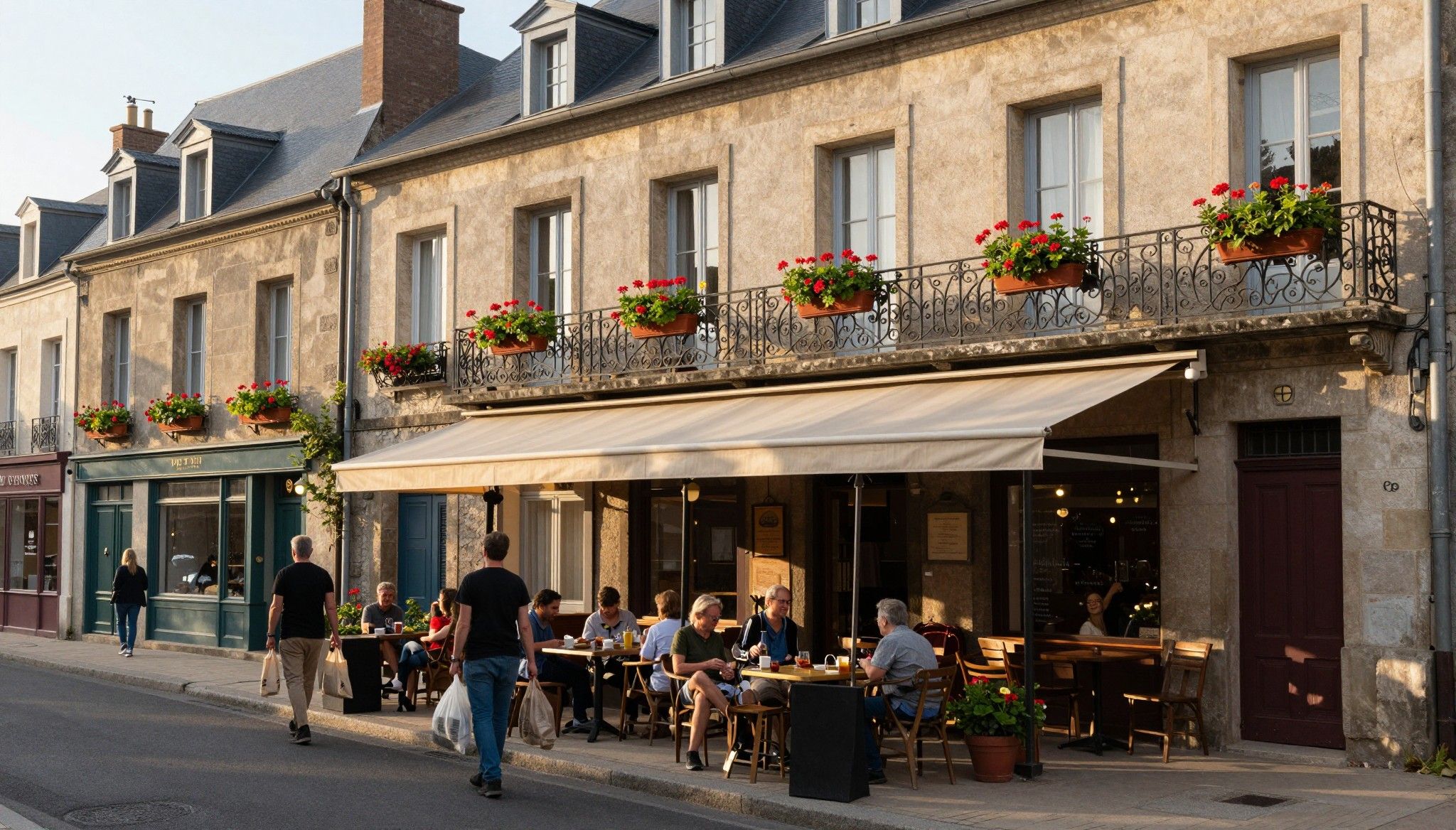
Imagine an early morning in Aix‑en‑Provence: a boulanger on Rue Gaston de Saporta pulls a tray of croissants from a wood‑fired oven, a retired architect reads the regional paper beneath plane trees, and across the street an elegant townhouse waits quietly for a new steward. For many international buyers, France begins as such a scene — textured, daily, and quietly exacting — and the decision to finance a French home should honour that sensibility. Recent market analysis shows subtle price recovery across metropolitan France; that matters when you decide how to fund a purchase and what kind of mortgage you seek. https://www.insee.fr/en/statistiques/8595552
Living the France lifestyle
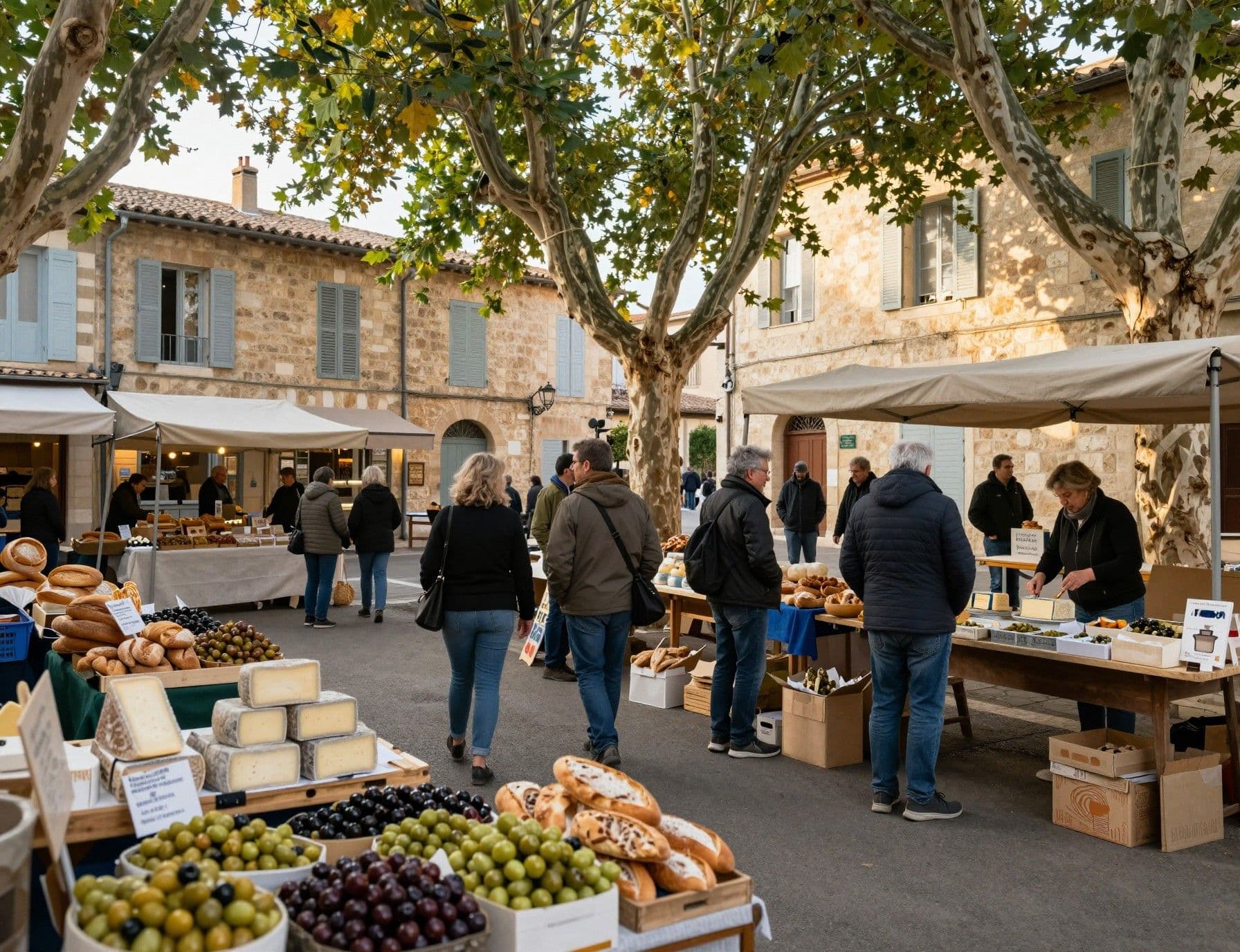
Living in France is a series of considered pleasures: markets that set the rhythm of the week, the hush of a village square on a summer afternoon, and neighbourhood cafés that double as civic rooms. Whether you seek a Haussmann apartment in the 7th arrondissement of Paris, a stone mas with limewash in Luberon, or a Belle Époque flat on Nice’s Promenade, daily life is about provenance — of food, of craft, and of place. Those details inform financing decisions: how long you will keep the home, whether you will rent seasonally, and how renovation needs alter loan terms.
Neighbourhoods that teach you how to live
In Paris, Saint‑Germain remains measured and bookish; on Rue Jacob you will find small art dealers and cafés where neighbours still discuss municipal plans. On the Côte d’Azur, the quiet streets behind Villefranche‑sur‑Mer offer sheltered terraces and morning markets on Quai Amiral Courbet, while the Old Port of Marseille reveals a rawer, lived‑in charm where craftsmen and chefs share space. Each street teaches a way of living — and each way of living has financing implications: proximity to services (which sustains resale), conservation zones (which restrict works), and local market liquidity.
Food, markets and the seasonal cadence
Weekends in France often begin at market: in Aix‑en‑Provence the Place Richelme bubbles with olive sellers and charcutiers; in Bordeaux, the Marché des Capucins hums beneath arcades. Seasonal rhythms matter when assessing property: a house by truffle country is distinct in winter but quieter in summer; a seaside villa near Bandol sings in July but moderates the rest of the year. These patterns affect rental potential, insurance needs, and the type of mortgage you choose.
- Lifestyle highlights to consider when choosing where to buy in France: • Morning market at Place Richelme (Aix) for weekly provisioning • Café terraces on Rue des Canettes (Paris 6ème) for neighbourhood life • Coastal walks from Cap‑Ferrat to Villefranche for understated Riviera living • Sunday brocantes in Luberon towns for provenance and furnishings • Local wine cooperatives around Bordeaux for those who value terroir • Small artisan boulangeries in coastal villages where daily bread is ritual
Making the move: practical considerations
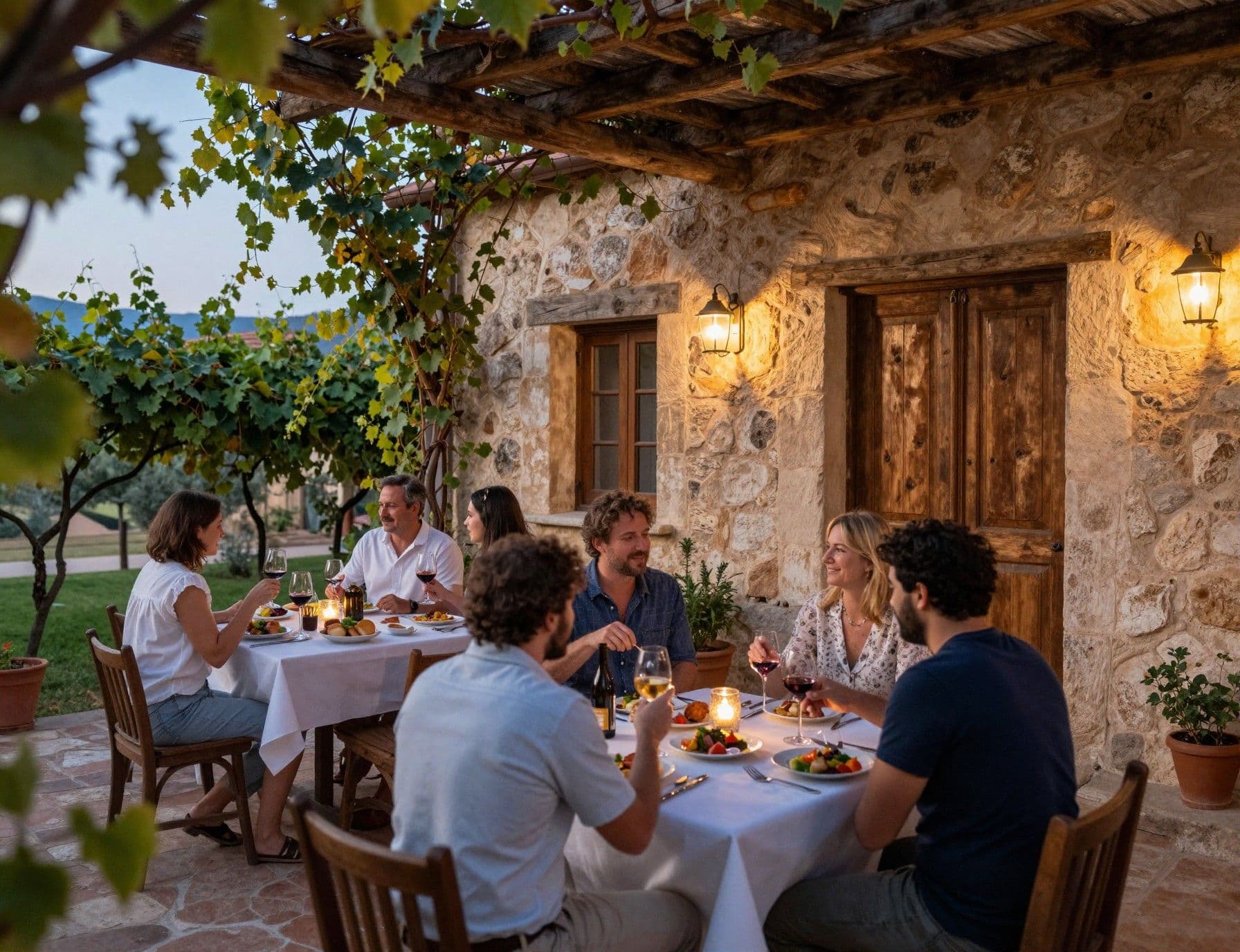
The romance of place quickly meets practicalities. From transfer taxes to loan availability, France has specific features that influence financing. Notaire fees — mostly composed of transfer taxes — became more variable after the April 2025 departmental changes that allow some départements to raise the droits de mutation by 0.5 percentage points. This legislative nuance created a rush in early 2025 and remains a real factor in budgeting for closing costs. https://www.lemonde.fr/argent/article/2025/04/01/ce-qui-change-le-1er-avril-pour-le-budget-des-menages-rsa-credits-immobiliers-frais-de-notaire-arrets-maladie-chomage-cheque-energie_6589133_1657007.html
Property types and what they mean for finance
A Haussmann flat, a renovated farmhouse, and a coastal villa present different lending profiles. Lenders look at collateral, renovation scope and intended use. Many French banks will lend to non‑residents but typically expect larger deposits — often 30–40 per cent for non‑EU buyers and more conservative loan‑to‑value (LTV) ratios — and may set minimum loan sizes. Work with a broker who understands how LTV, local taxation and future rental plans interplay. https://www.expatica.com/fr/housing/buying/your-guide-to-french-mortgages-102497/
Working with local experts who know both lifestyle and law
A local notaire, a francophone mortgage broker and an agency accustomed to international clients transform aspiration into a feasible plan. Notaires explain conservation area restrictions and historic classification that affect renovations; brokers translate your foreign income into the lender’s risk model; agencies source properties that match a desired daily life rather than simply meeting a price bracket. Choose advisors who can demonstrate specific regional experience and references.
- Steps that blend lifestyle choices with finance: 1. Visit your preferred neighbourhoods at different times (market morning, weekday evening) to test daily rhythms. 2. Have a pre‑approval or proof of funds from a French broker to show sellers you are serious. 3. Obtain a notaire’s statement of charges early to know transfer tax exposure. 4. Match mortgage length to your intended ownership horizon — shorter for renovation‑led flips, longer for succession planning. 5. Build a renovation contingency into your mortgage or a separate bridging facility.
Insider knowledge: what expats wish they'd known
Experienced buyers often say the same things in different words: budget beyond the asking price, accept that bureaucracy is detail‑driven, and find neighbours before you sign. The spread of transfer tax rates across departments created tangible differences in transaction cost; savvy buyers timed purchases or chose neighbouring communes where the effective rate remained at 4.5 per cent. Local knowledge translates directly into euros saved. https://www.connexionfrance.com/practical/list-the-french-departments-where-property-notaire-fees-have-risen-or-will-soon/716666
Cultural integration, language and social life
Language matters less for daily niceties than you might think: a boulanger will learn your name, and a mairie clerk will appreciate a polite attempt at French. For serious negotiation and contract work, however, fluent or professional translation is essential. Community life in smaller towns revolves around associations — from pétanque clubs to food co‑ops — which is where durable friendships form. These social anchors often determine whether a house becomes a home; they also influence rental demand and long‑term stewardship.
Long‑term lifestyle and stewardship
If you plan to keep a property for decades, consider mortgage structures that align with estate plans and heritage stewardship: fixed long‑term rates where available, provisions for inheritance tax, and attention to historic listing constraints that preserve character but limit alterations. Non‑resident financing options have expanded, yet lenders remain conservative about LTV and loan size — a factor to weigh against your desire to maintain provenance and undertake careful restorations. https://investropa.com/blogs/news/france-foreigner-rights
- Red flags and practical checks before you commit: • Unclear boundaries in rural properties — commission a géomètre to confirm land lines. • Conservation listing that prohibits modern windows or plumbing changes without permission. • Variable departmental transfer tax — confirm the rate with the notaire before budgeting. • Unusual rental history claims — ask for one year of authenticated accounts if income is a purchase driver. • Complex co‑ownership (copropriété) with large reserve deficits — request recent syndic reports.
In practice, the smartest purchases balance romance with rigor: they begin with morning light in a favoured neighbourhood and end with a notaire’s ledger that matches expectations. The life you imagine — long lunches, Saturday markets, a winter hearth — is fully possible when financed with care and counsel. Before you make an offer, secure tailored pre‑approval from a francophone broker, obtain detailed notaire estimates for your chosen département, and have a local agency introduce you to neighbouring owners. These steps preserve both the lifestyle and the value you seek.
- A concise financing checklist for international buyers: 1. Confirm likely LTV and deposit requirements with a French mortgage broker. 2. Ask the notaire for the exact current DMTO rate in the commune (these can vary since April 2025). 3. Factor in renovation scope and whether a bridging loan is necessary. 4. Align mortgage term with estate planning and potential rental seasons. 5. Build a buffer for exchange‑rate movement if your income is in another currency.
France rewards patience and attention. When you choose an advisor who understands both rue life and ledger lines, financing is not an obstacle but an exercise in stewardship. Visit a market, find a table under a plane tree, and picture the life you want to lead; then, with precise local counsel, structure the financing so the house becomes a preserved, lively place for years to come.
Former Copenhagen architect who relocated to Provence, offering relocation services, market analysis, and a curator’s eye for authentic regional design.