How French Life Shapes Your Financing Strategy
Fall in love with French daily life, then match it to financing realities: departmental transfer taxes, non‑resident deposit norms and lender expectations that shape where and when you buy.

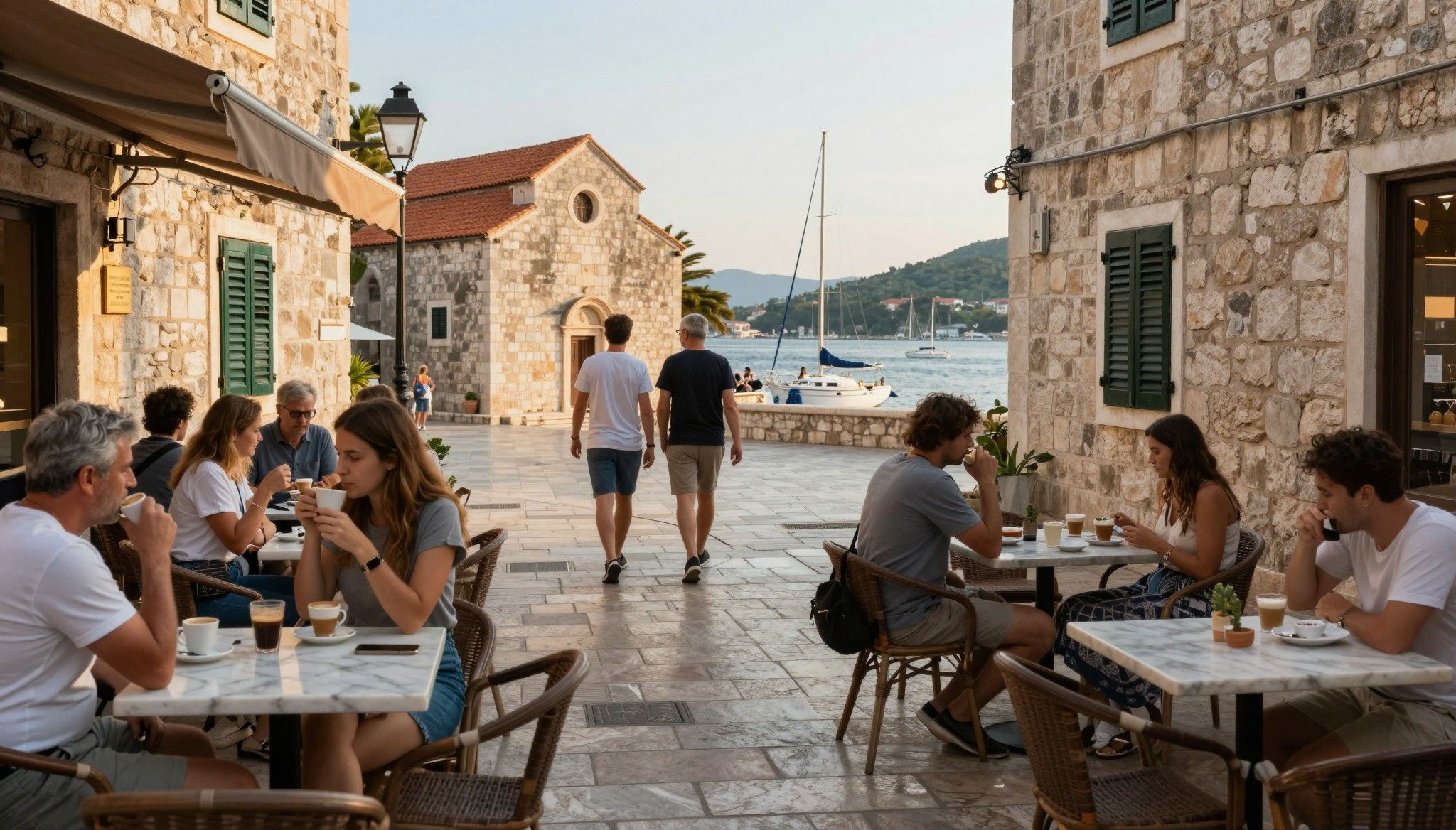
Imagine sipping an espresso on Rue Cler, the sound of market vendors arranging bouquets as sunlight slants across Haussmann stone. France offers that particular combination of lived history and everyday ease: boulangeries at dawn, terraces at dusk, and a housing stock that ranges from Loire châteaux to Provençal villas. Yet the dream collides with details — deposit rules, departmental transfer taxes and lender expectations — that shape when and where you can hold that scene in your name. This guide pairs life‑first description with the current financing realities international buyers must respect.
Living the French Life: Streets, Seasons, and Small Pleasures

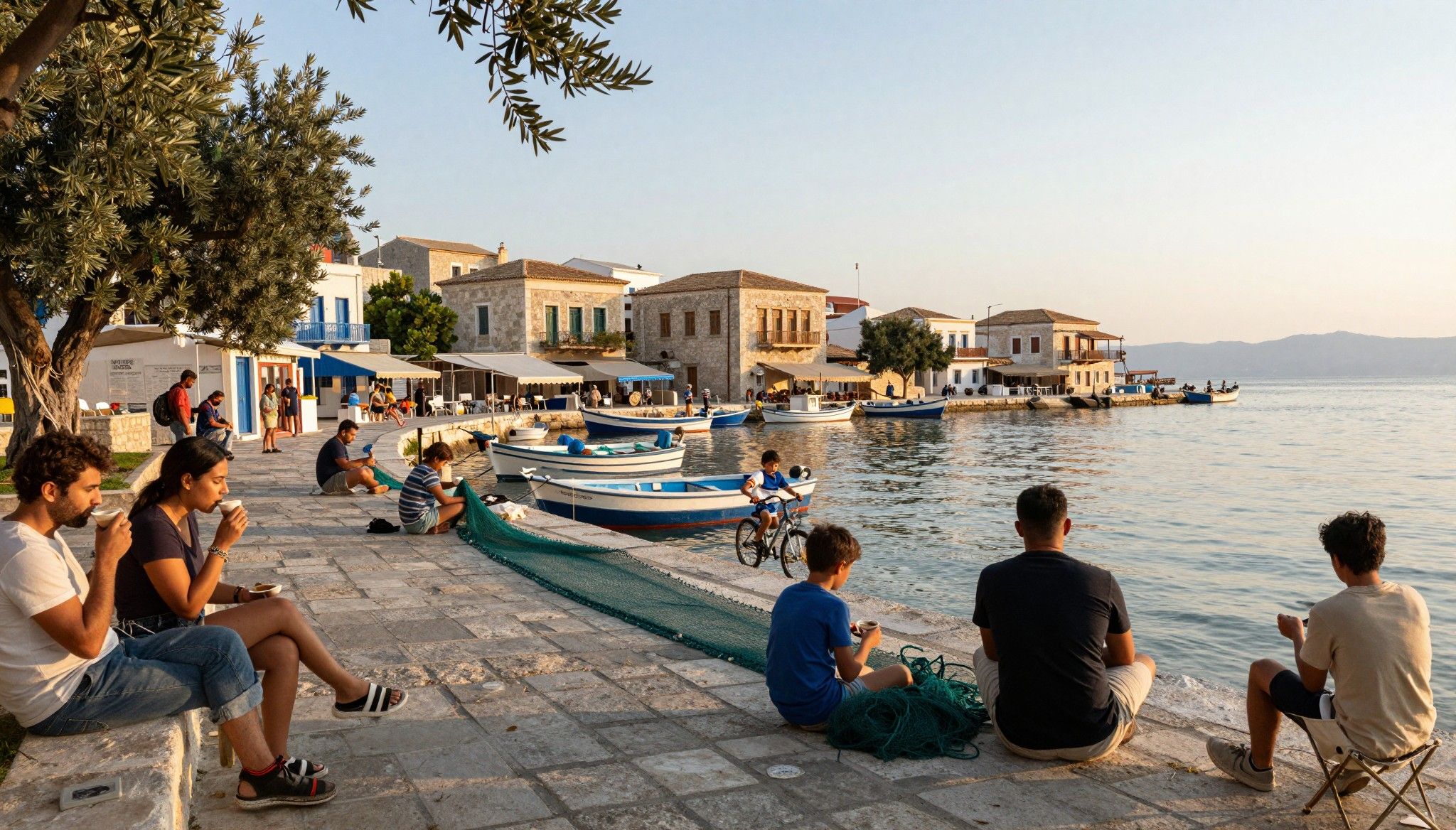
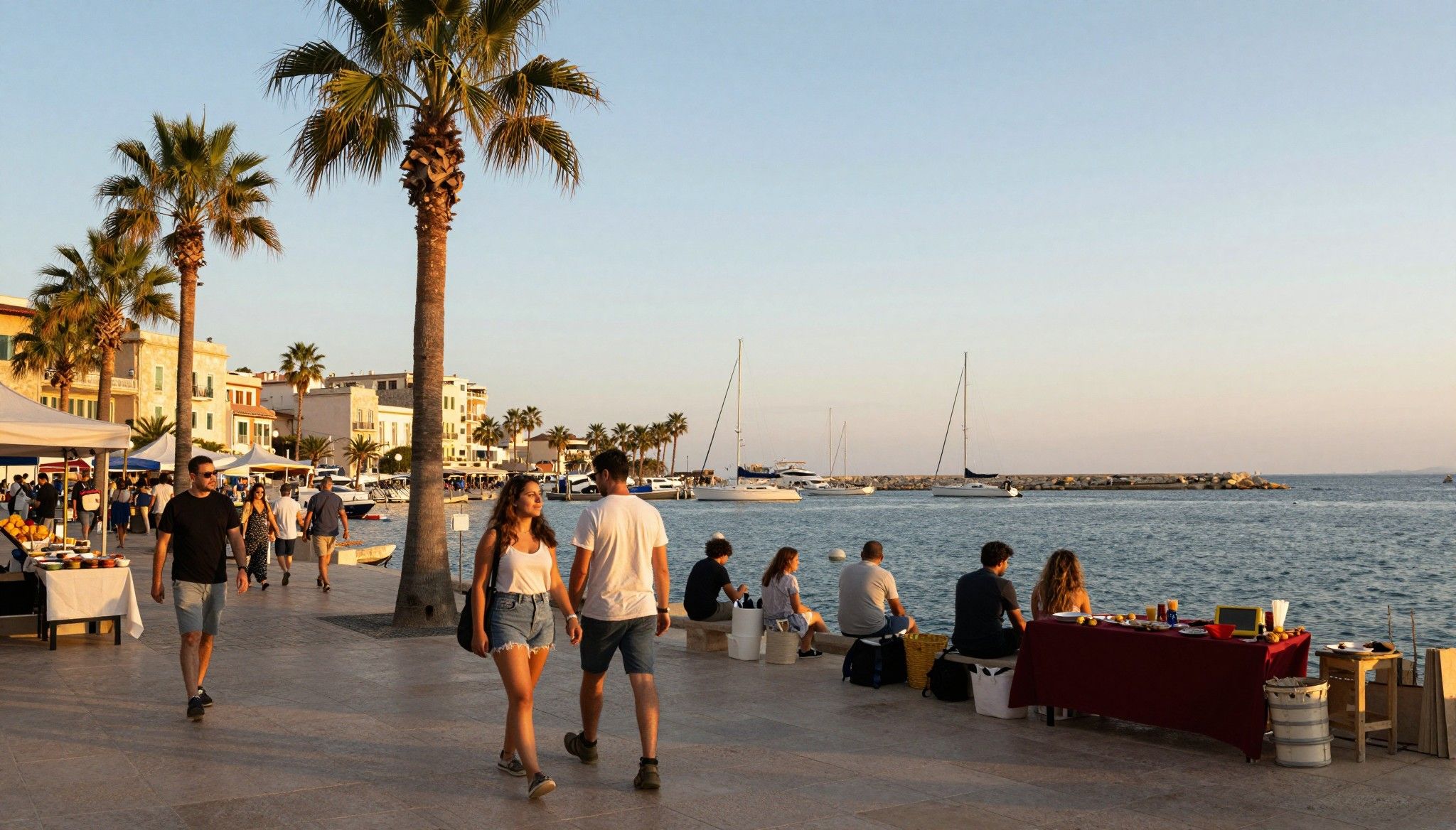
Daily life in France is an architecture of small rituals. In Paris districts such as Saint‑Germain‑des‑Prés or Le Marais, mornings begin with cafés filling steadily and bookstalls arranged like still lifes; on the Riviera, from Villefranche to Èze, afternoons are measured by light on the sea and outdoor lunching. Rural life in the Lot or Dordogne is built around markets, harvests and weekly communal rhythms; each region imposes its tempo on how a property will be used and maintained. Those rhythms should guide both the type of property you target and the financing strategy you adopt.
Parisian attention to detail — streets and small scales
Walk the Île Saint‑Louis at dusk and you will understand why many buyers prize compact apartments with high ceilings: light, proportion and finish matter as much as floor area. In inner‑city neighbourhoods the cost per square metre reflects provenance — period cornices, original parquet and discreet courtyards. If your priority is an apartment that feels like a Parisian story, plan for smaller loans, higher per‑square‑metre prices and a lending profile that values steady income and low debt ratios.
Provence and Côte d'Azur — outdoor life and seasonal use
Near Aix‑en‑Provence, Antibes and Bandol, house hunting is a study in outdoor rooms: shaded courtyards, terraces and pools that extend the usable year. Many buyers use these homes seasonally, which affects rental potential, insurance needs and lenders' willingness to accept projected rental income in affordability calculations. Finance choices should therefore reflect intended use: full‑time residence, seasonal retreat, or buy‑to‑let, because each has different tax and borrowing consequences.
Making the Move: Practical Financing Considerations in France
The romance of a façade belies the transactional specifics that determine whether you actually acquire it. Acquisition costs — the so‑called frais de notaire — and departmental transfer duties are material: for older properties they commonly total around 7–8% of the purchase price and can vary by department. Recent reforms gave departments scope to raise the transfer tax portion (DMTO) up to 5%, so region matters not only for lifestyle but for the final price you pay. Understanding these fees early prevents surprises when your mortgage offer arrives.
What lenders expect from international borrowers
French banks distinguish resident and non‑resident applicants. Non‑EU buyers often face higher deposit requirements — routinely 20–30% or more — and lenders scrutinise income stability, tax residency and existing liabilities. Some brokers and lenders list minimum loan amounts for non‑residents; others will accept smaller loans for strong profiles. If you prefer locking in a French mortgage to hedge currency risk, prepare thorough documentation and a realistic deposit plan.
Frais de notaire, DMTO and local variation
Transfer duties are set regionally. Since 2025 departments have the option to increase their share of the DMTO, leading to real differences of several thousand euros on mid‑range purchases. For buyers considering multiple regions, a department’s DMTO choice can justify or rule out neighbourhoods that otherwise match your lifestyle. Ask an agent or notaire for the precise applied rate before making an offer; it is a small data point that can reshape the economics of a purchase.
Practical financing and purchase tips
- Budget for 7–8% acquisition costs on older properties and about 2–3% on new builds; verify the DMTO for your chosen department.
- Expect non‑resident deposit requirements typically between 20–40% depending on nationality and lender; prepare certified financials well in advance.
- Consider a French mortgage to limit currency exposure if you plan to spend significant time in France or let the property in euros.
- Use a bilingual mortgage broker and a notaire early — both will identify regional quirks such as property covenants, urban planning restrictions and local tax rates.
Insider Knowledge: Misconceptions, Red Flags and Little Advantages
Experienced expats say the surprises are rarely legal; they are cultural and seasonal. A seaside maison that gleams in July can feel isolated in November; a village with one café will have extraordinary community in summer but sparse weekday life in winter. Small, repeatable facts — heating systems that rely on old oil boilers, properties within périmètre de restauration, or buildings subject to co‑propriété rules — alter running costs and lender appetite. Treat these as deal elements, not mere trivia.
Language, neighbourliness and the notaire relationship
The notaire in France is not just a form‑filler but the public officer who secures title and tax payments; cultivating clear communication with them reduces delays. Similarly, learning basic French opens doors in provincial markets where local sellers prize direct conversation and clear intent. An agent who reads local nuance — whether the municipal plan allows subdivision, or a neighbour holds unfettered right of way — saves weeks and unexpected costs.
Steps to reduce purchase friction
- Engage a bilingual mortgage broker six months before you intend to buy; obtain a pre‑approval or “principle” letter so offers are credible.
- Request a departmental DMTO confirmation from the notaire before signing a compromis de vente to lock in acquisition cost estimates.
- Have an independent diagnostic (diagnostics techniques) completed early — asbestos, termites, lead and energy performance issues affect valuations and lending decisions.
- If you intend to let, model rental yield net of taxe foncière and agency fees and ask whether a lender will accept projected rental income in your affordability calculation.
Longer View: Stewardship, Value and the Life You Buy
Buying in France is a commitment to stewardship as much as to investment. Older masonry homes reward patient restoration; successful buyers budget for conservation, suitable materials and the occasional artisan. In many regions the long‑term value rests on provenance and craftsmanship — an authentic façade, a documented restoration, or original joinery can distinguish a property across market cycles. Consider financing that allows modest renovation or reserve capital for maintenance: it is part of preserving the lifestyle you fell in love with.
When to act — and when to wait
If departmental DMTO increases or mortgage rates in France are rising, short windows of advantage may open for decisive buyers with paperwork in order. Conversely, if your profile requires a large deposit and lenders are cautious, waiting to strengthen your financial position often produces better terms. Local agents who monitor both market sentiment and regional tax decisions can tell you whether a particular town has momentum or is priced to stand still.
Conclusion: The life you imagine in France is realisable with careful financial choreography. Begin with a clear lifestyle brief — which neighbourhood rituals you value, which seasons you will occupy — and let that brief shape deposit, mortgage type and region. Work with a local notaire and a French‑speaking broker early, ask about departmental DMTO rates, and budget for conservation. Do this and the prospect of afternoon light on a stone terrace becomes not a fantasy but a plan.
Having moved from Stockholm to Marbella in 2018, I help Scandinavian buyers navigate Spanish property law, restoration quality, and value through authentic provenance.