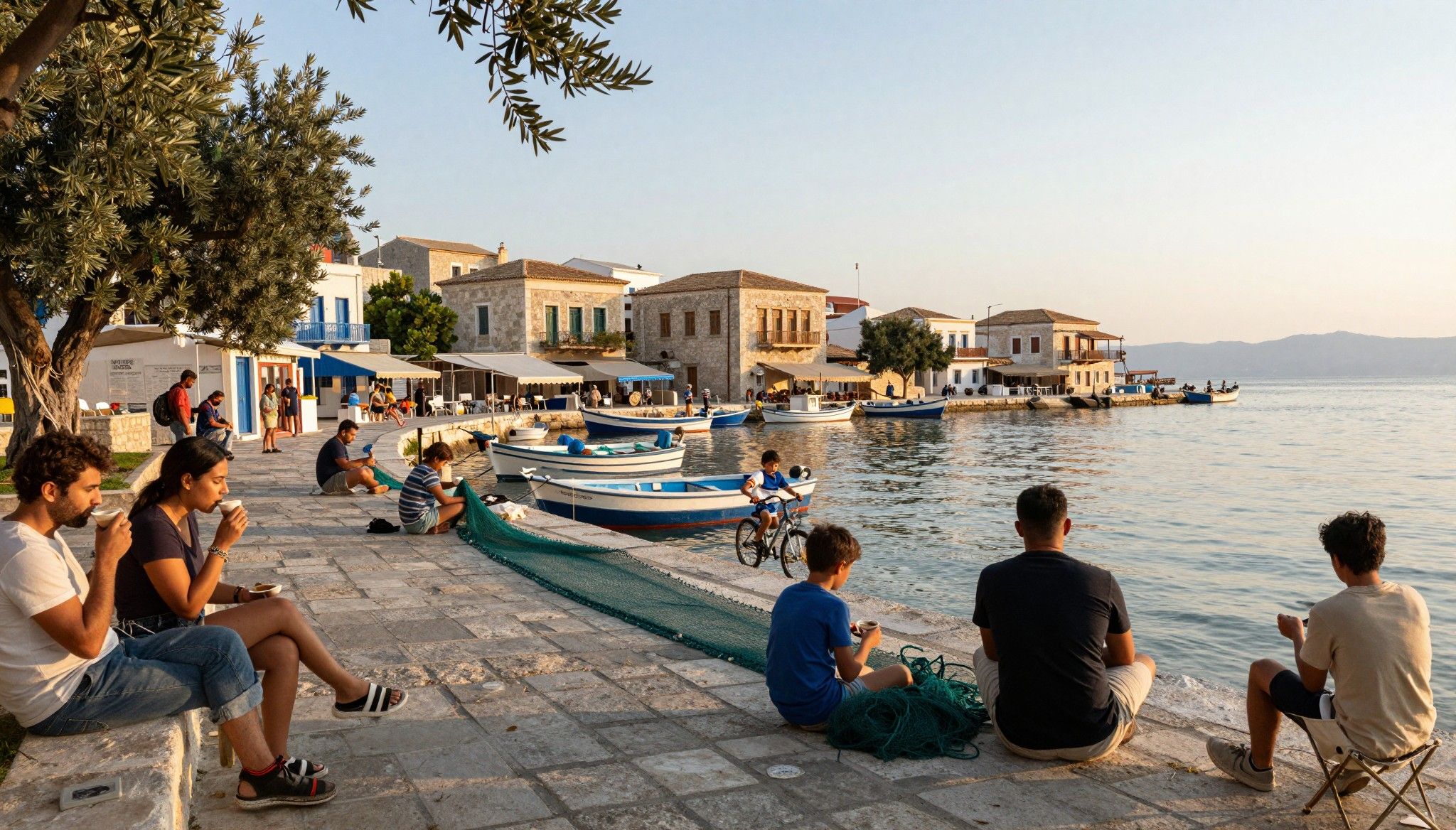
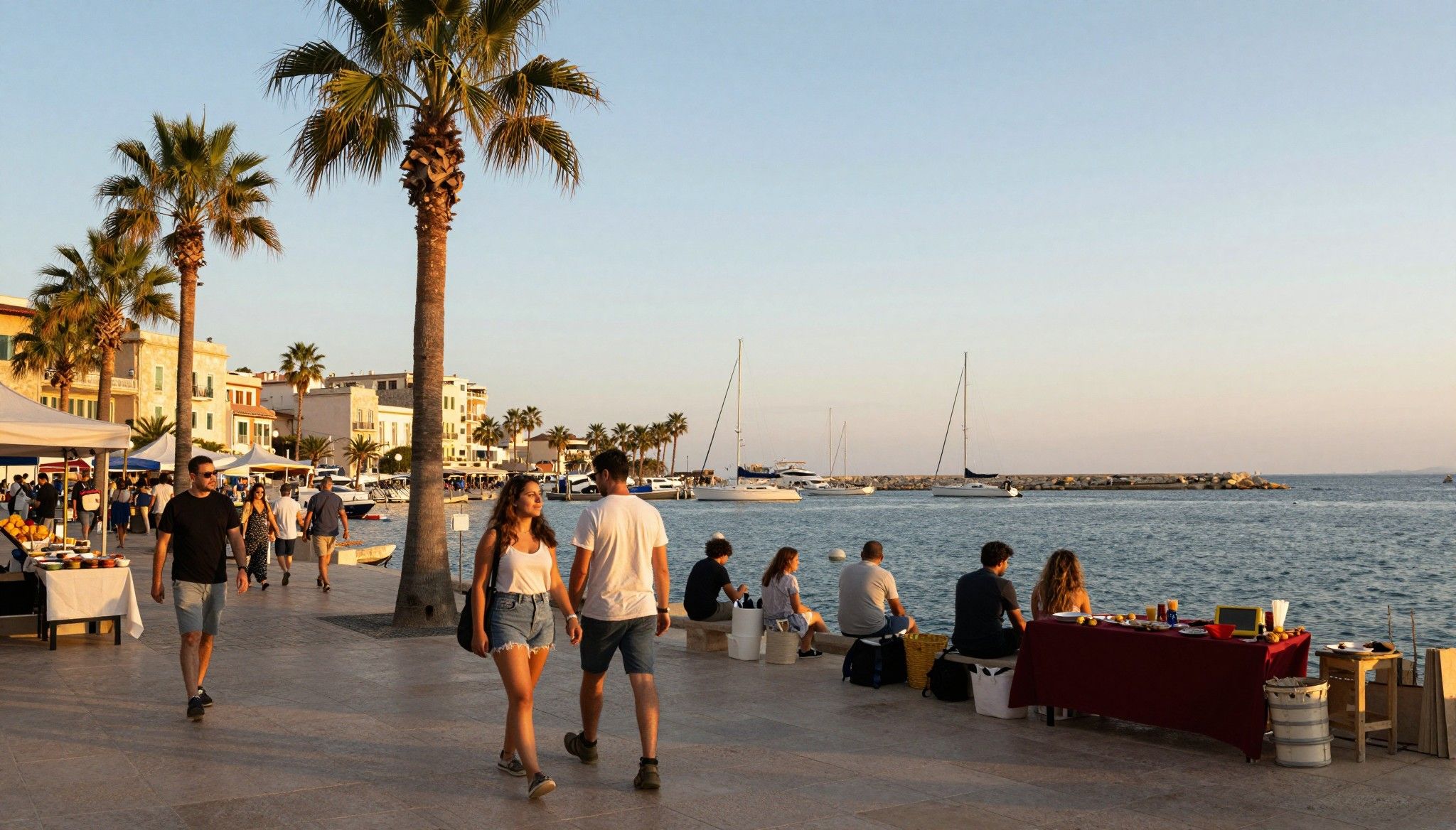
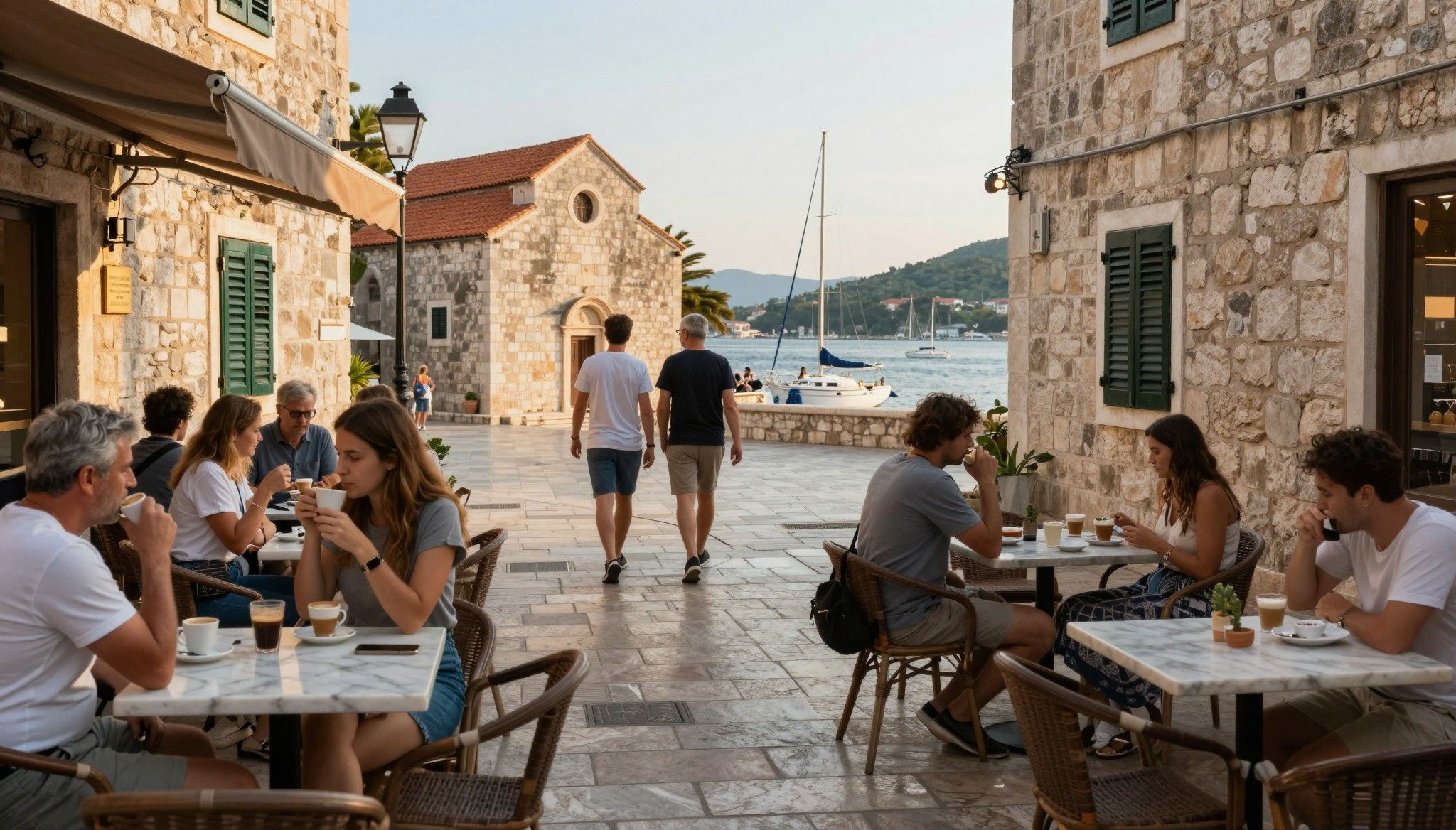
Buy in France in Quiet Months: Save on Price and Fees
Choose the quiet months: seasonal buying in France often yields better prices, clearer due diligence and access to motivated sellers—backed by notarial and market data.
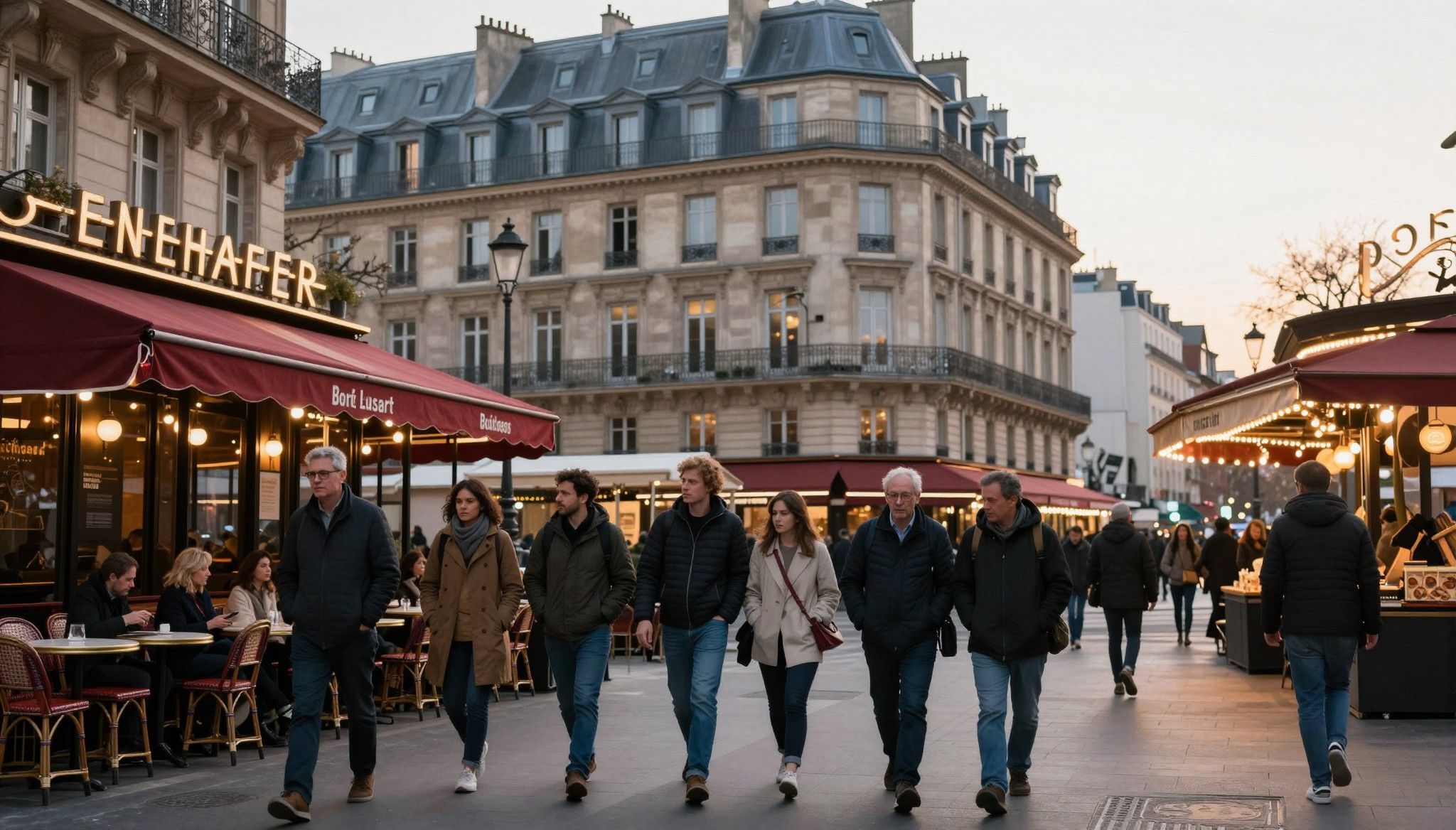
Imagine arriving in early November to a rue in Aix‑en‑Provence where the market has folded into a calmer rhythm: boulangeries still warm, the marché half full of late‑season figs, and fewer bidders at viewings. In those quiet weeks the pressure that defines high summer viewings—competing offers, rushed decisions and inflated asking prices—subsides. Recent market analysis suggests pockets of France are rebalancing after a period of volatility, which creates moments when experienced buyers can achieve both a better price and clearer due diligence. This guide explains the lesser‑known timing, financial mechanics and locally specific strategies that make off‑peak buying a practical choice for international buyers.
Living the French Life in Quiet Seasons
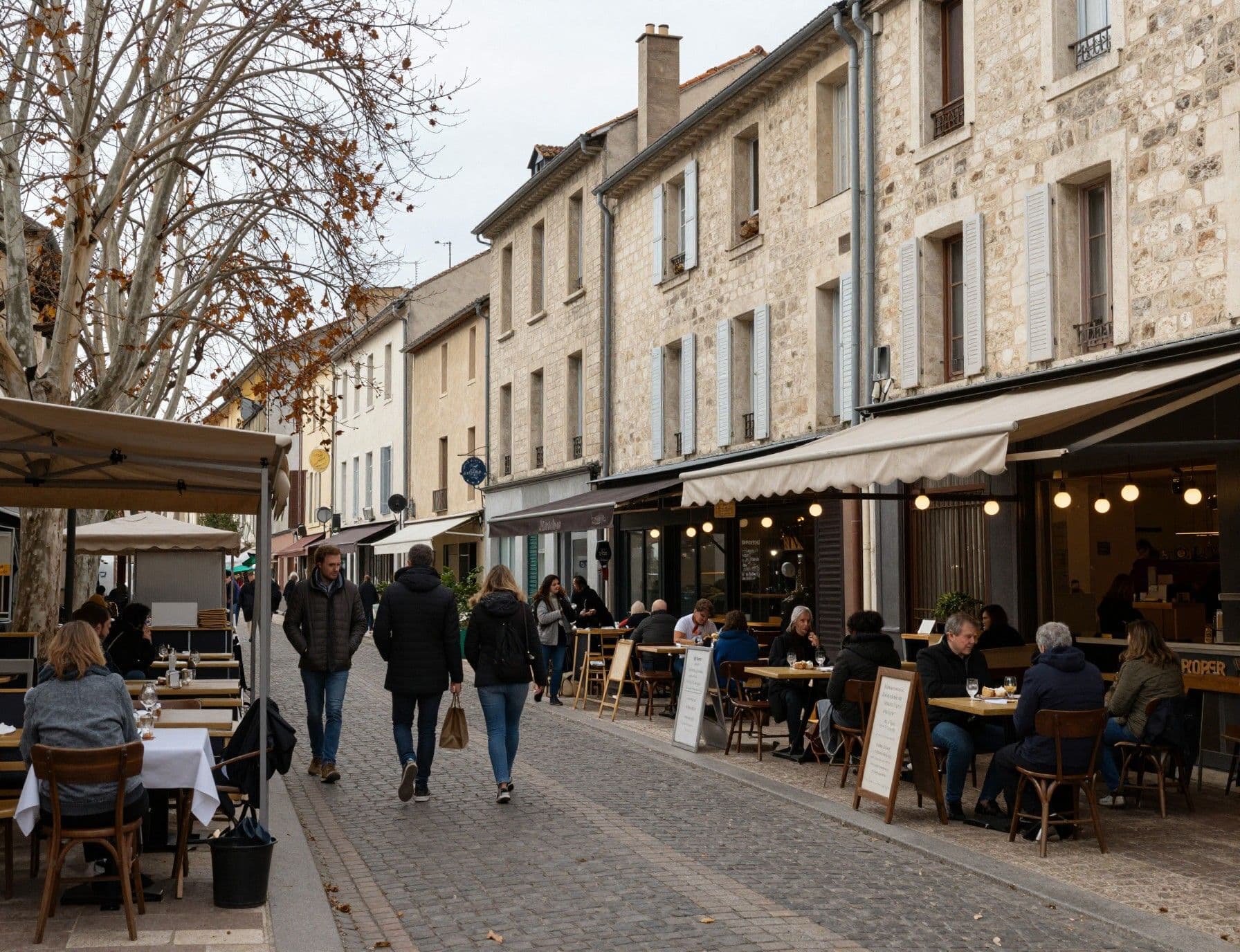
France is not a single rhythm but a chorus of seasonal lives. In Paris the morning is a disciplined study of espresso and métro cadence; in Provence the day slows around lunch and a sieste‑adjacent quiet; on the Atlantic coast the year is measured by tides and market days. Choosing when to look is therefore a lifestyle decision as much as a financial one: an autumn stroll beside the Quai Voltaire reveals a different pace—and different seller motivations—than a July weekend in Saint‑Tropez.
Neighborhood Spotlight: Marais, Aix and Biarritz
The Marais sustains a year‑round cultural hum; traders, galleries and cafés do not close for the season, which makes negotiating in autumn practical for buyers seeking immediate rental or pied‑à‑terre use. Aix‑en‑Provence, by contrast, breathes more softly outside summer: viewings in October or November often find motivated local sellers who prefer a discreet sale to the hectic summer market. Biarritz and the Basque coast show pronounced seasonality—buying in late autumn means fewer international second‑home buyers are present, which can reduce competition for well‑located properties.
Food, Markets and the Rhythm of Daily Life
Markets tell you more about a neighbourhood than any brochure. Picture Saturday at Marché des Enfants Rouges in Paris or an autumn marché in Nice where seasonal mushrooms and charcuterie replace summer strawberries—these are the moments when you meet locals, assess daily supply chains and judge whether a kitchen will be used year‑round. For buyers intent on an authentic life, off‑peak seasons reveal how infrastructure operates beyond the tourist calendar, a practical insight that should influence where you make an offer.
- Lifestyle highlights to scout in off‑peak months: explore local markets (Marché Victor Hugo, Toulouse), try weekday café life in smaller arrondissements, attend municipal council meetings to gauge local policy, walk the seafront out of season, and visit schools or clinics to test year‑round services.
Making the Move: Practical Considerations
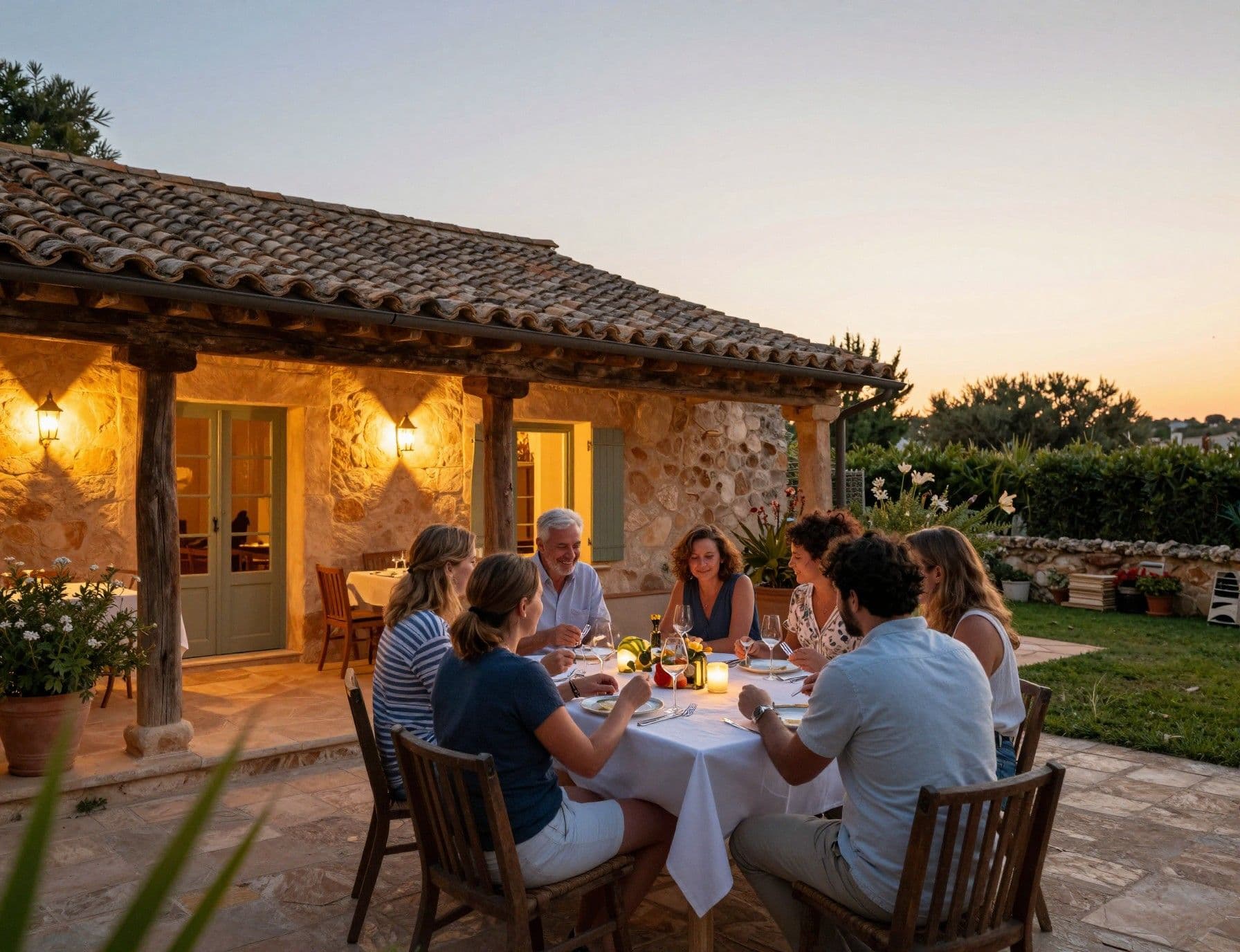
Translating a seasonal advantage into a secure purchase requires practical clarity. Transaction costs in France remain materially different from many other markets: notaire fees and taxes typically add several percentage points to acquisition costs and vary by department. Notaire offices also act as neutral officers guaranteeing the title, so timing your offer around slower administrative periods can make the process less pressured and reveal hidden encumbrances early.
Property types and what they mean for living
A haussmannien apartment in Paris offers volume and light but brings condo charges and co‑ownership rules that require careful reading of syndic minutes. A Maison de maître in Dordogne offers land and privacy but higher maintenance and heating costs through winter. Similarly, a renovated longère on the Atlantic coast suggests a casual indoor‑outdoor life but demands attention to coastal exposure and salt‑air maintenance. Match property typology to seasonality: if you intend year‑round occupancy, prioritise insulation, heating systems and nearby services.
Working with local experts who know the rhythm
- Steps to engage a professional team: 1) Retain a bilingual agent with proven off‑season sales; 2) Commission a local surveyor to inspect for season‑specific issues (damp, heating, roof integrity); 3) Ask a notaire to outline exact departmental fees and timing; 4) Consult a mortgage broker experienced with non‑resident lending and seasonal income patterns; 5) Prepare currency transfer and tax planning before making an offer.
Insider Knowledge: What Expats Wish They'd Known
Many expats assume the summer market is the only time to find choice properties; the wiser buyers we speak with instead treat seasons as a negotiating lever. Off‑peak buyers frequently encounter sellers balancing relocation, inheritance or tax timing—real motives that translate into negotiable terms rather than headline price cuts. Equally, administrative workflows slow in August and accelerate in late autumn; understanding these cadences avoids the mistake of forcing a closing on unrealistic timelines.
Cultural integration and the daily social scene
Local life in France is structured around weekly markets, communal fêtes and café conversation. Making friends often begins with regular appearances at the same café, a weekly pétanque game, or volunteering at a marché. Language matters; a modest effort in French opens doors, but many town halls and professionals will work in English when necessary. Consider off‑season presence as a way to learn the social calendar before committing to a purchase.
Long‑term lifestyle and financial sustainability
Think of a French property as a place that needs stewardship rather than a short‑term trophy. Heating, winterisation, roof and façade condition, and energy grading (DPE) influence running costs and resale appeal. Where departments have raised their share of transfer duties, transaction timing and the selection of department can materially change total purchase cost—an essential consideration for buyers balancing lifestyle aspirations with long‑term financial prudence.
- Red flags to spot in off‑season viewings: persistent damp or mould, outdated heating systems, evidence of deferred maintenance (peeling paint, sagging gutters), an unusually low number of recent neighbourhood transactions, and opaque co‑ownership accounts.
- A recommended checklist for an off‑peak purchase: 1) Visit the neighbourhood on both a weekday and a weekend; 2) Request recent syndic and tax notices; 3) Commission a season‑aware survey; 4) Secure a conditional offer with a realistic completion window; 5) Confirm notaire timing and departmental tax rates before signing.
Seasonal buying in France is less contrarian trick than considered strategy. Autumn and winter reveal how a place functions beyond a postcard season and often coincide with sellers who favour certainty over headline price. For the international buyer who values provenance, community and a home that works year‑round, timing your purchase to the quieter months can yield both lifestyle and financial advantages. Speak with a local notaire and an agent experienced in off‑season transactions to turn this seasonal insight into a confident purchase.
Relocating from London to Mallorca in 2014, I guide UK buyers through cross-border investment and tax considerations. I specialise in provenance, design integrity, and long-term value.