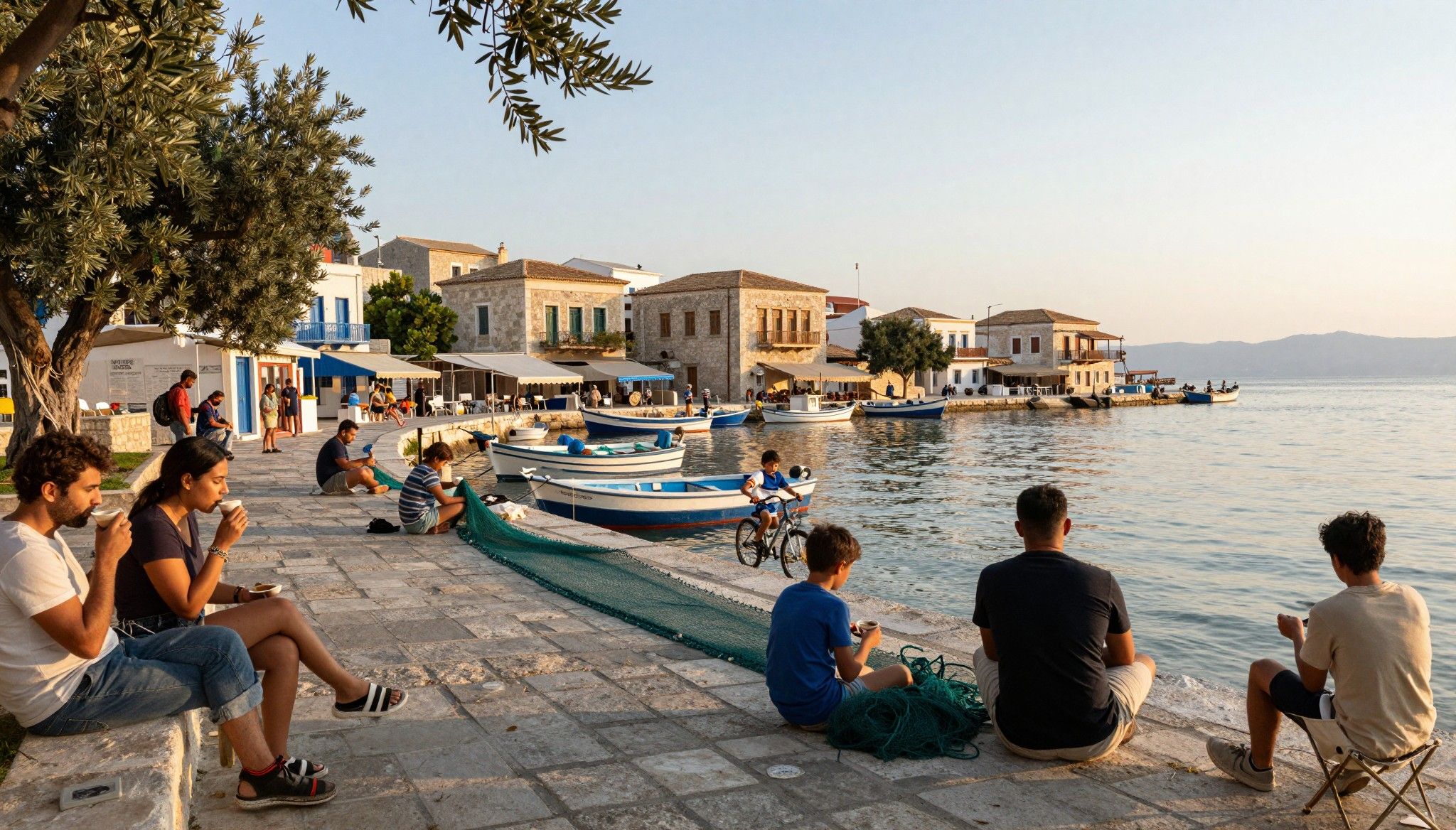
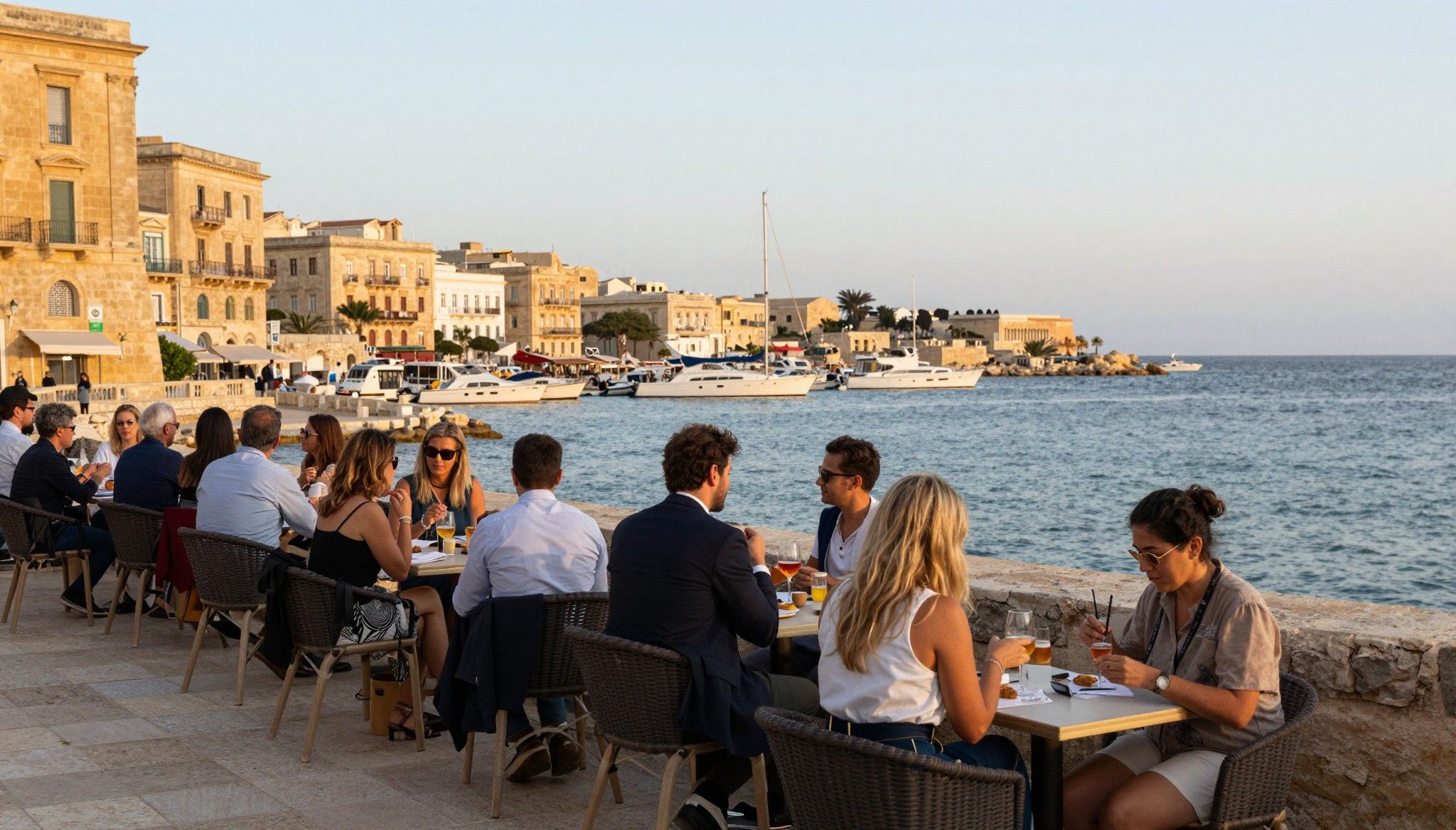
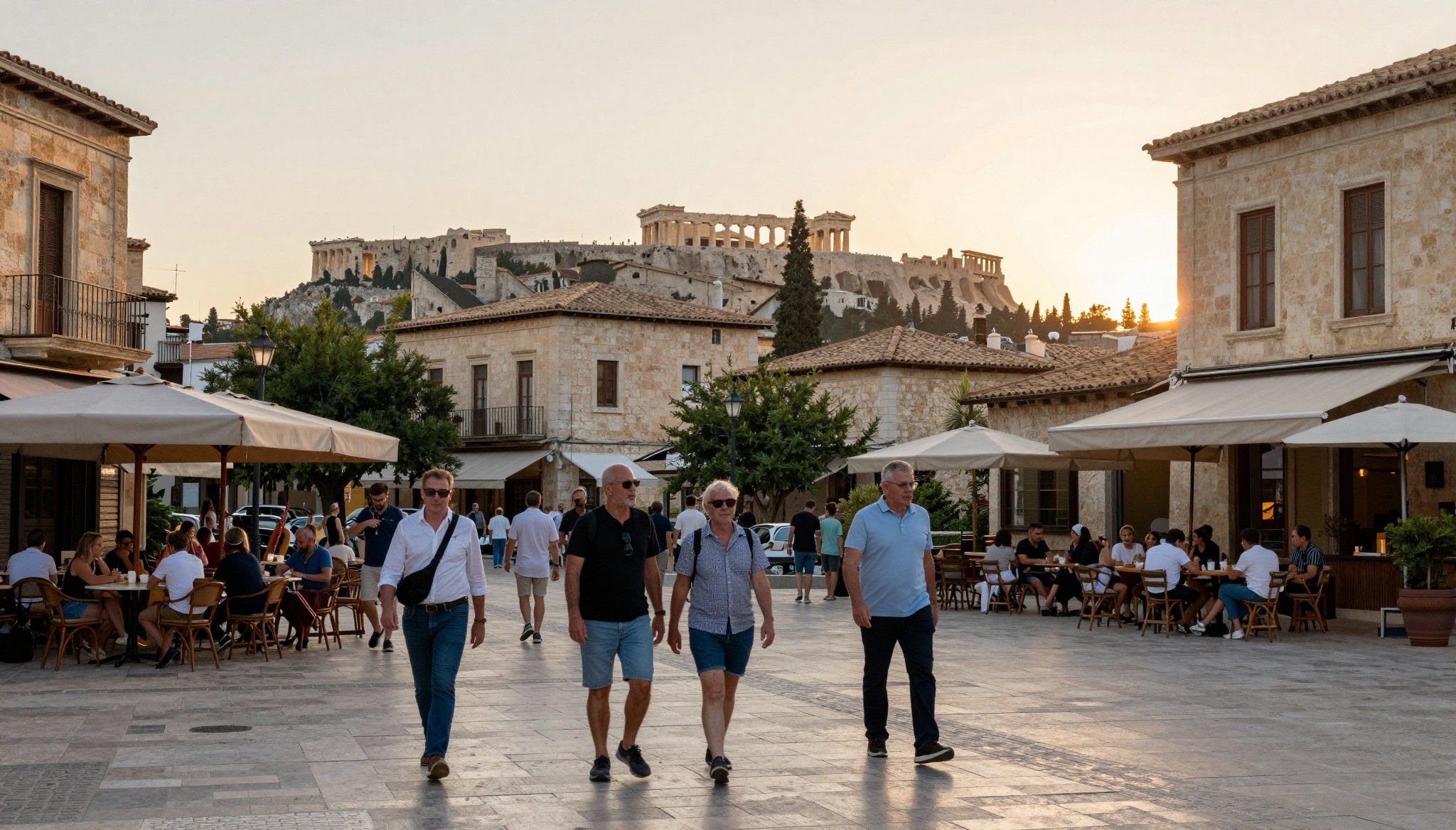
Where Italians Buy When Tourists Crowd the Coast
Discover the Italian neighbourhoods where daily life—not postcard views—creates lasting value, with practical steps and local market evidence for international buyers.
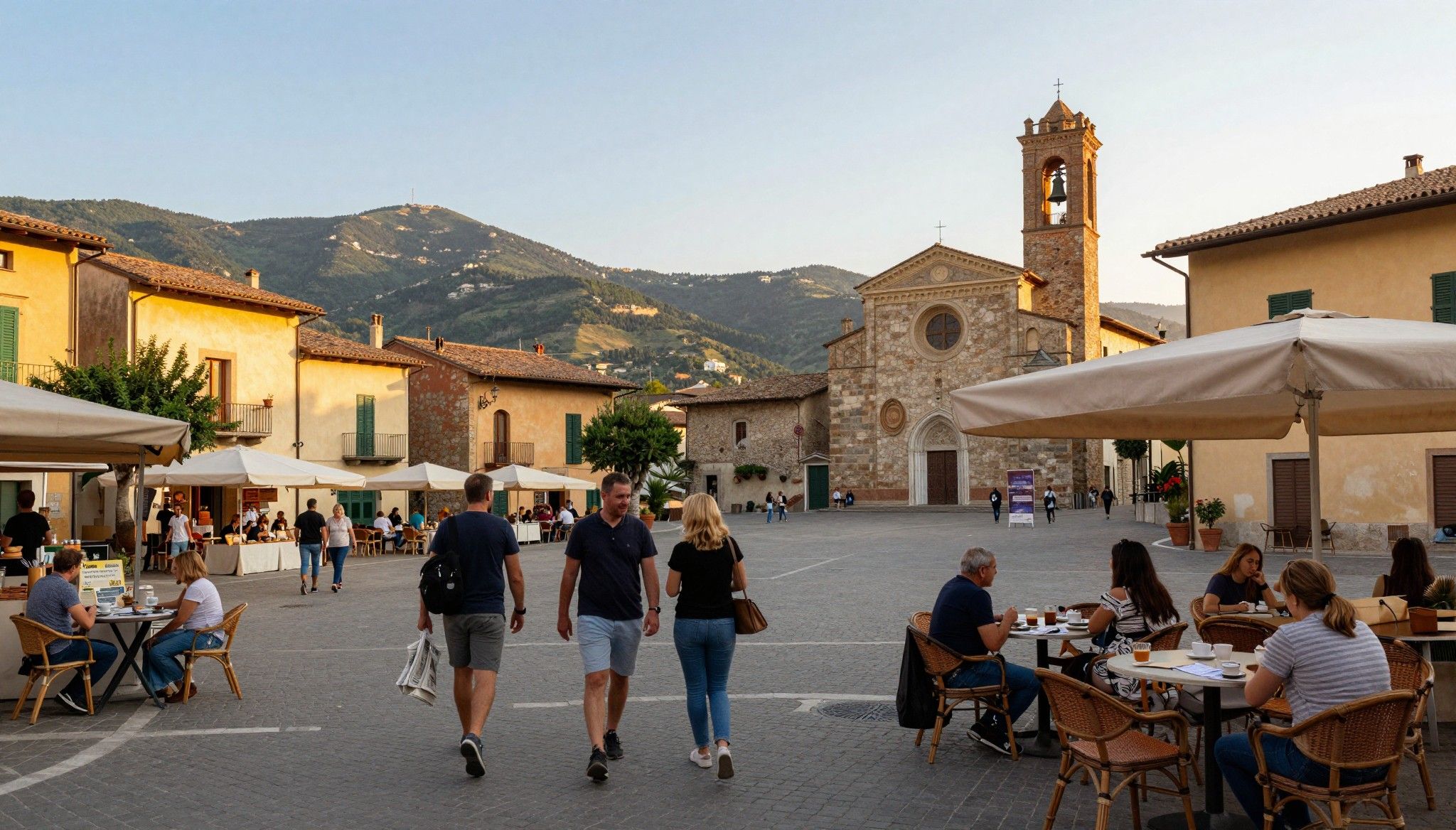
Imagine stepping out before dawn to buy the first ripe figs at Mercato di Sant’Ambrogio in Florence, then slipping into a corner bar on Via dei Neri for a short black that tastes of roasted almonds and sunlight. In Italy the day is organised around ritual—coffee at 09:00, mercato by 10:30, passeggiata at dusk—and that rhythm shapes where people choose to live. For international buyers the question is as much about these quotidian pleasures as it is about square metres: which streets will let you live the life you came for?
Living the Italian life: rhythm, address, and provenance
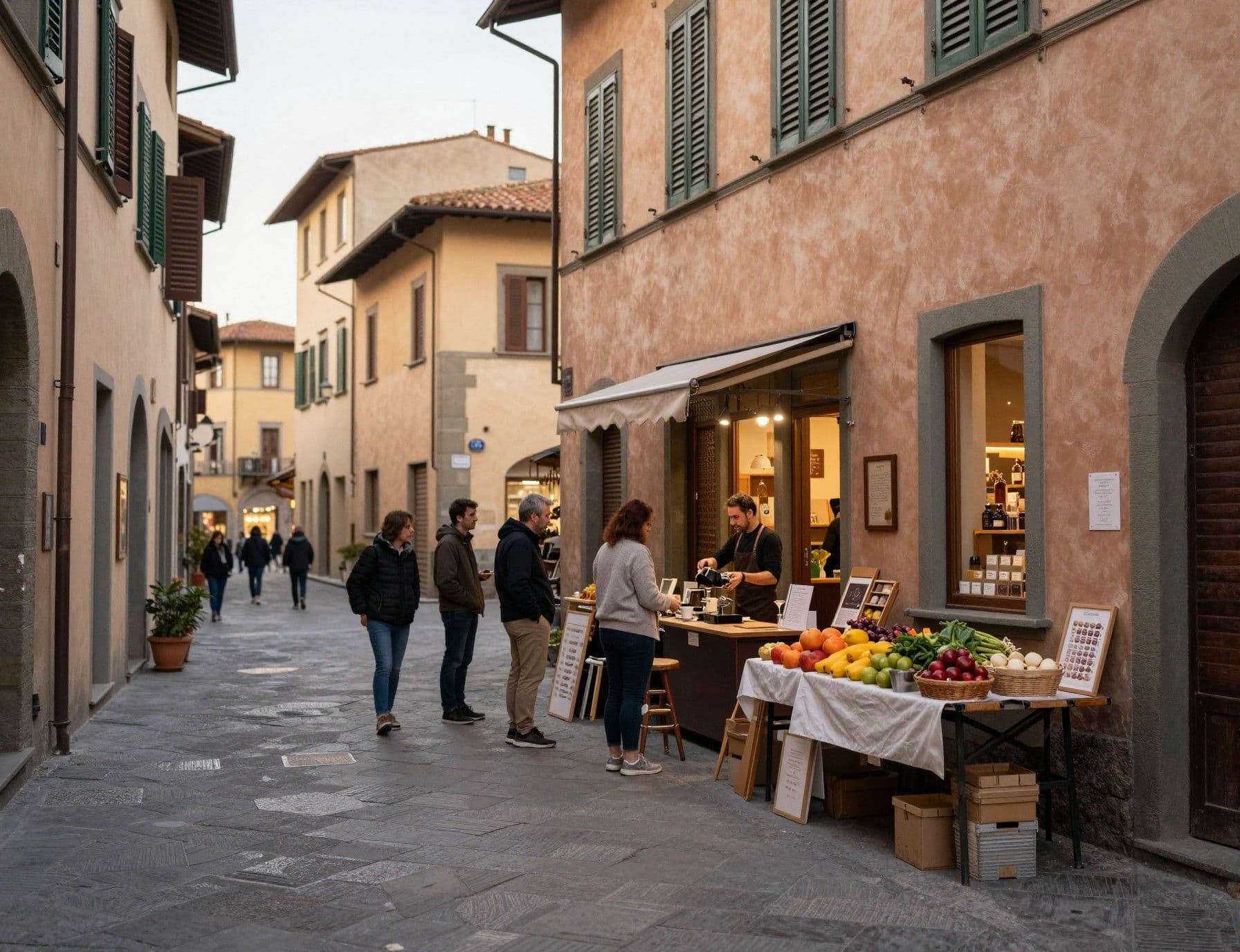
Italy’s appeal is granular: narrow lanes where shutters close at noon, piazzas that become living rooms, and hilltop lanes where stone dovecotes keep watch. International interest often concentrates on a few emblematic places—Lake Como, Tuscany’s Chianti and Val d’Orcia, Rome’s historic rioni—yet there is a subtle geography of daily life beneath that spotlight. Buying here means buying into ritual, neighbour networks and the provenance of an address.
Florence: artisans, markets and the quiet Oltrarno life
Picture the Oltrarno at weekday morning: sculptors polishing pietra serena, a barista who knows your order, a small bakery on Via Romana selling schiacciata. For buyers who prize craftsmanship and immediate access to ateliers, Oltrarno and Santa Croce offer apartments with generous ceiling heights and original cornices—properties that reward careful restoration and repay stewardship.
Lake Como & the Tuscan hills: country rooms that read as history
On Lake Como and in Tuscany the purchase is often as much about landscape as construction: a loggia facing the lake, a courtyard cloaked in wisteria, a restored farmhouse where the stone tells its own story. Savills and other market observers note that these locations remain disproportionately attractive to foreign buyers, and supply is limited—qualities that sustain long-term value.
- Lifestyle highlights: morning markets, late dinners, and landscape minutes from your door
- Mercato di Sant’Ambrogio, Florence — seasonal produce and a neighbourhood pulse
- Trastevere, Rome — narrow streets, trattorie, and an enduring local culture
- Bellagio/Cernobbio (Lake Como) — lakeside promenades and villa gardens
Making the move: lifestyle-led practicalities
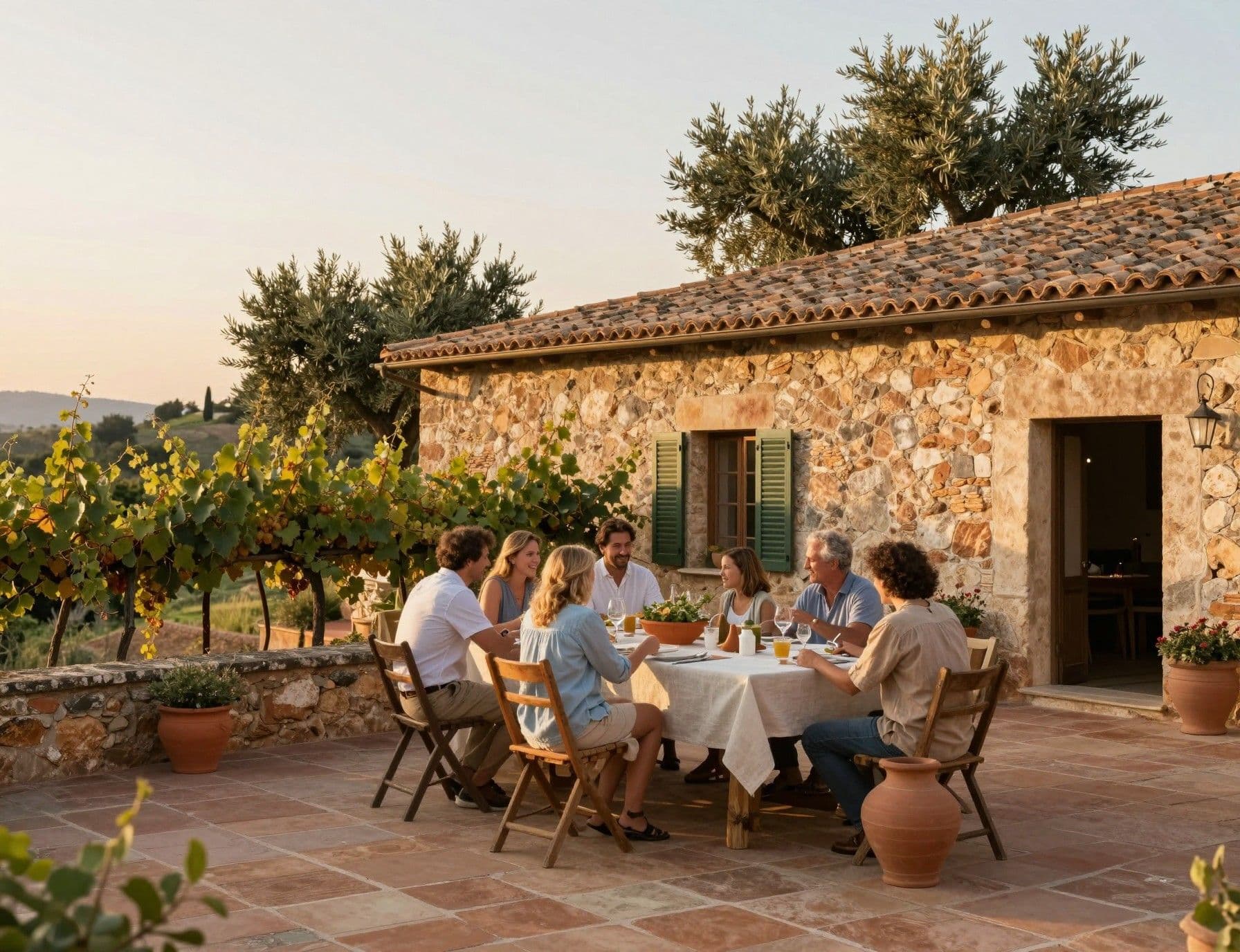
The dream of an Italian life collides with market realities: prices that vary sharply by micro‑location, a prime shortage in tourist favourites, and seasonal liquidity. ISTAT’s national indices and industry reports show modest but steady price growth in many prime pockets; familiarity with recent local comparables is indispensable when negotiating. Start with lifestyle priorities, then match them to realistic market data.
Property types that deliver the life you imagine
An apartment on a Florentine piano nobile gives you proximity and period detail; a restored casale in Tuscany gives you land, olive trees and privacy; a stone townhouse in an Umbrian hilltown is compact, communal and richly textured. Each offers different maintenance rhythms, seasonal costs and uses—choose according to how much time you will spend here and whether rental income matters.
Working with agents who speak life as well as law
A well‑chosen local agency translates neighbourhood nuance into opportunity: which street keeps a morning market, which palazzo has original beams, which villa’s orientation avoids the mistral. Seek agents with proven restoration networks—craftspeople, notai, engineers—and those who can show recent case studies that mirror your lifestyle brief.
- Steps to align lifestyle and purchase: 1) Define how you will live (full‑time, seasonally, rental); 2) Prioritise three non‑negotiable lifestyle elements (market, sea access, private garden); 3) Ask agents for on‑the‑ground comparables within those micro‑areas; 4) Include restoration and running costs in your offer; 5) Reserve time to live in the area before signing.
Insider knowledge: what expats wish they’d known
Real buyers tell the same quietly urgent truths: don’t be seduced solely by view or headline price; neighbourhood rhythm matters more than prestige; and supply in the most desirable pockets is tight. Idealista’s analysis shows foreign searches cluster in a handful of areas, creating competition; Savills highlights that limited supply in prime lakes and hill towns makes timing and local counsel decisive.
Language, community and the slow work of belonging
Learning a few phrases and attending local events—sagra del tartufo, festa patronale—opens doors. Expats who integrate with local associations (pro loco, parish groups) report faster access to trusted artisans and less friction with neighbours. The social capital you build often repays you more than a marginally lower purchase price.
Longer view: stewardship, restoration and generational value
Properties with architectural integrity—original cornices, surviving trabeation, artisan stonework—tend to preserve value. Restoration that respects materials and building traditions is both expensive and rewarding; it converts a purchased object into a legacy. Think like a steward rather than a flipper, and you will find Italy’s rewards accrue over decades.
- Red flags local agents will watch for: 1) Unresolved seismic compliance in older stone houses; 2) Water‑pressure issues in hillside villages; 3) Informal extensions lacking permits; 4) Unclear condominium minutes affecting common maintenance
- A suggested on‑the‑ground timetable: 1) Two visits in different seasons; 2) One week living like a local (rent a furnished apartment) to test daily routines; 3) Three months of due diligence with local professionals before offer.
Italy rewards buyers who begin with the life they want and then attend to the particulars. If your aim is ritual—market mornings, long dinners, a neighbour who knocks for olive oil—choose streets where those things already exist. If privacy and landscape are primary, accept the tradeoffs of distance from services. A careful agency can translate the pleasures of a place into a pragmatic acquisition plan.
Ready to see how your imagined days translate into addresses? Start by listing three daily rituals you can’t give up, then ask an agent to shortlist neighbourhoods where those rituals already occur. Visit in two seasons, insist on local comparables, and treat restoration budgets as part of your offer. In Italy, love of place and investment prudence are not opposed; they are the same work done in different registers.
Dutch former researcher who moved to Lisbon, specialising in investment strategy, heritage preservation, and cross-border portfolio stewardship.