Malta: Neighbourhood Life, Market Reality
A sensory tour of Malta’s neighbourhoods and a practical, data‑backed approach to translating seaside rituals and baroque streets into lasting property value.
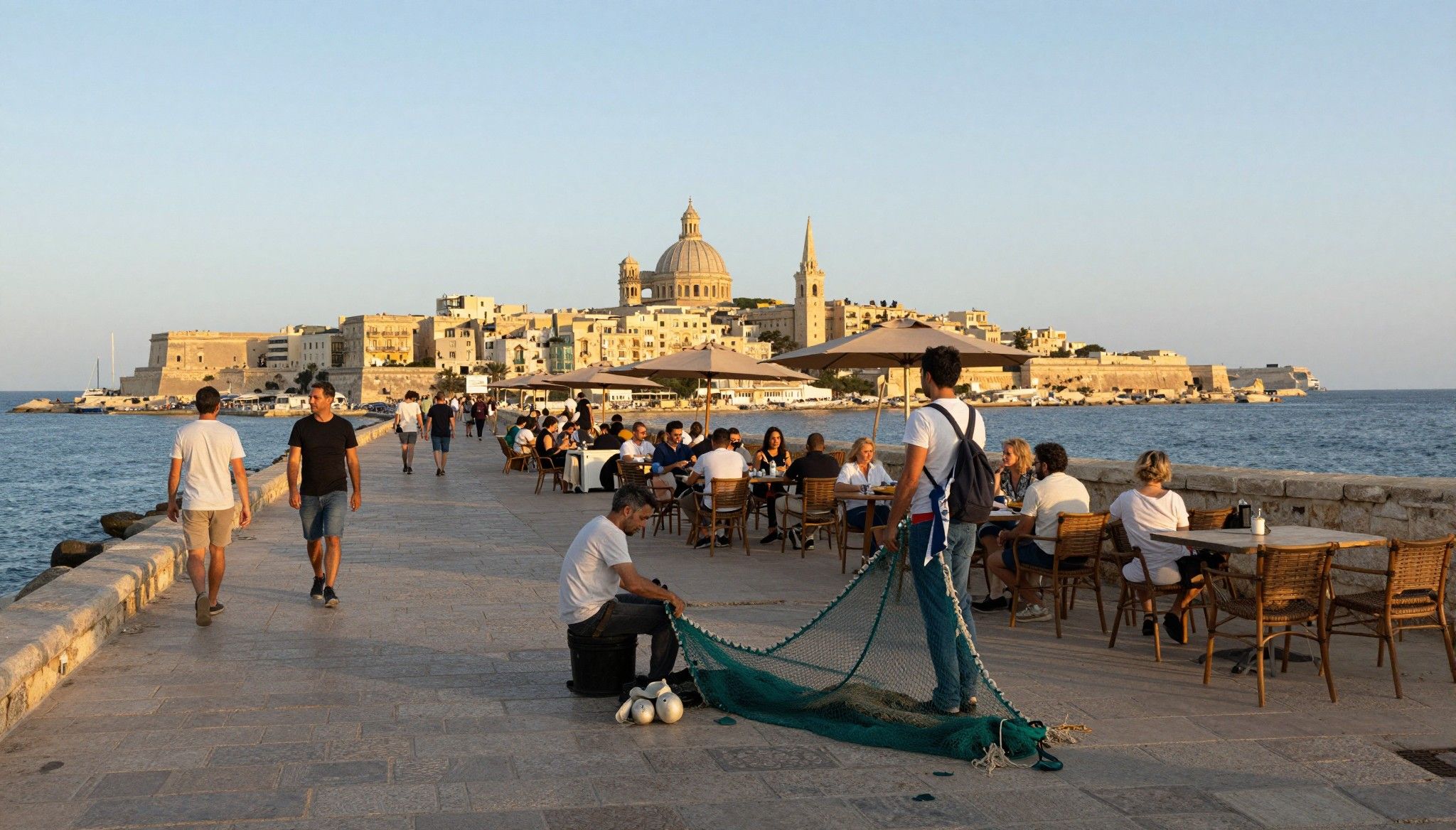
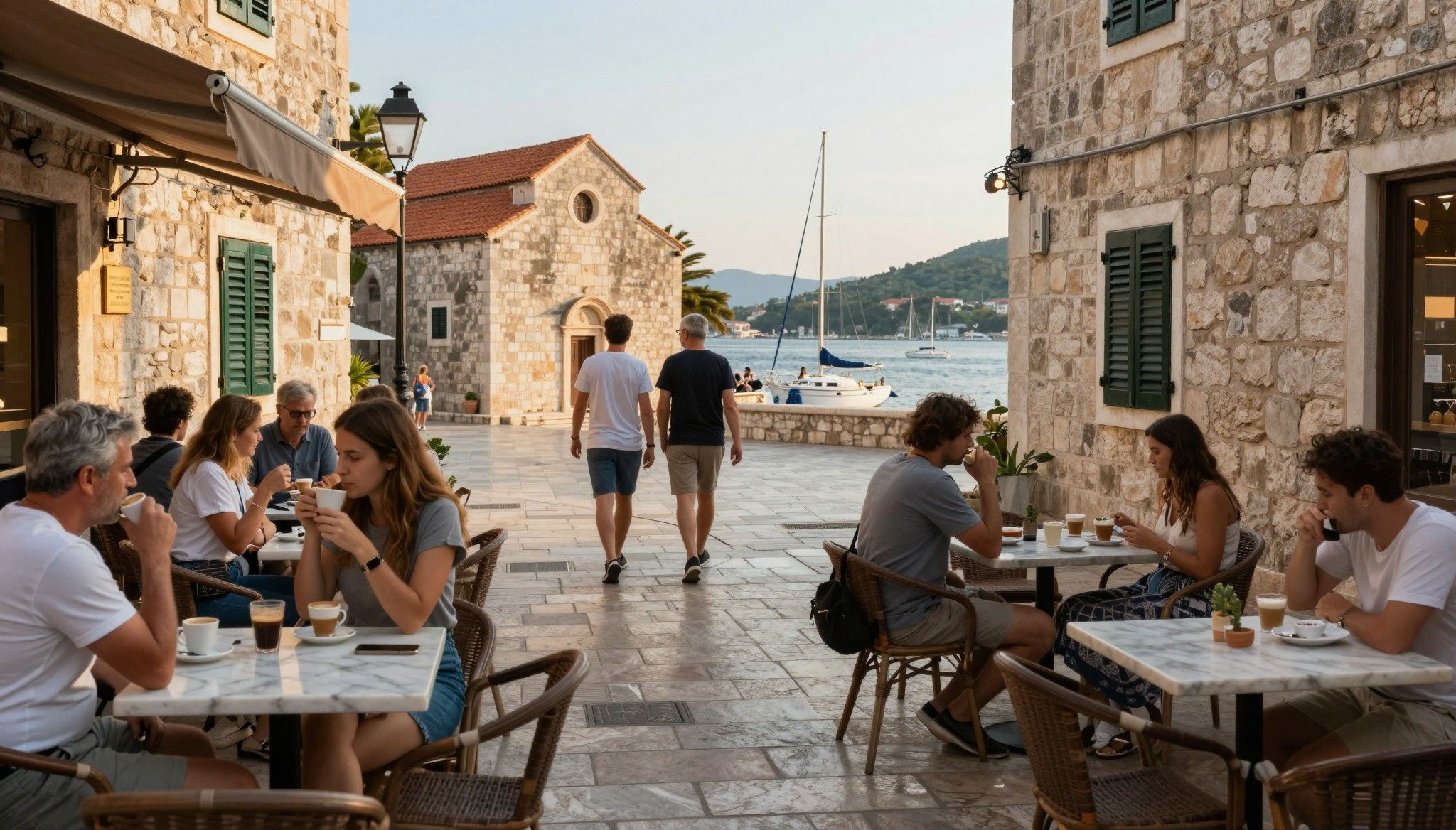
Imagine a late‑afternoon espresso at a small marble table on Merchants Street in Valletta, the limestone facades warm beneath a lowering sun and a fishing boat from Marsaxlokk glints in the harbour. This is the intimacy Malta sells: an island the size of a postage stamp where history and everyday life interlace, and where choosing the right neighbourhood shapes not only the view from your window but the rhythms of your day.
Living Maltese Days: Towns, Tides and Textures
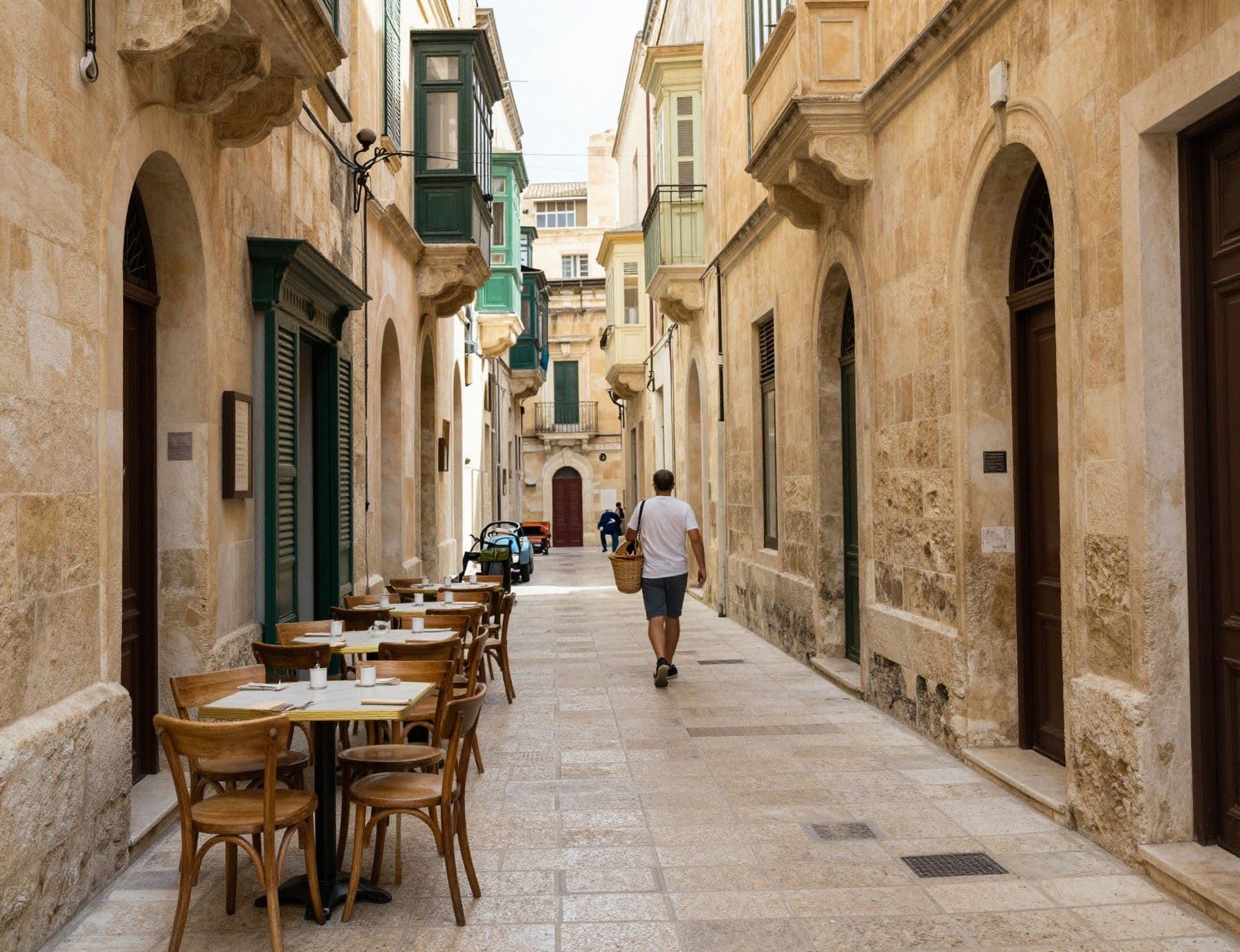
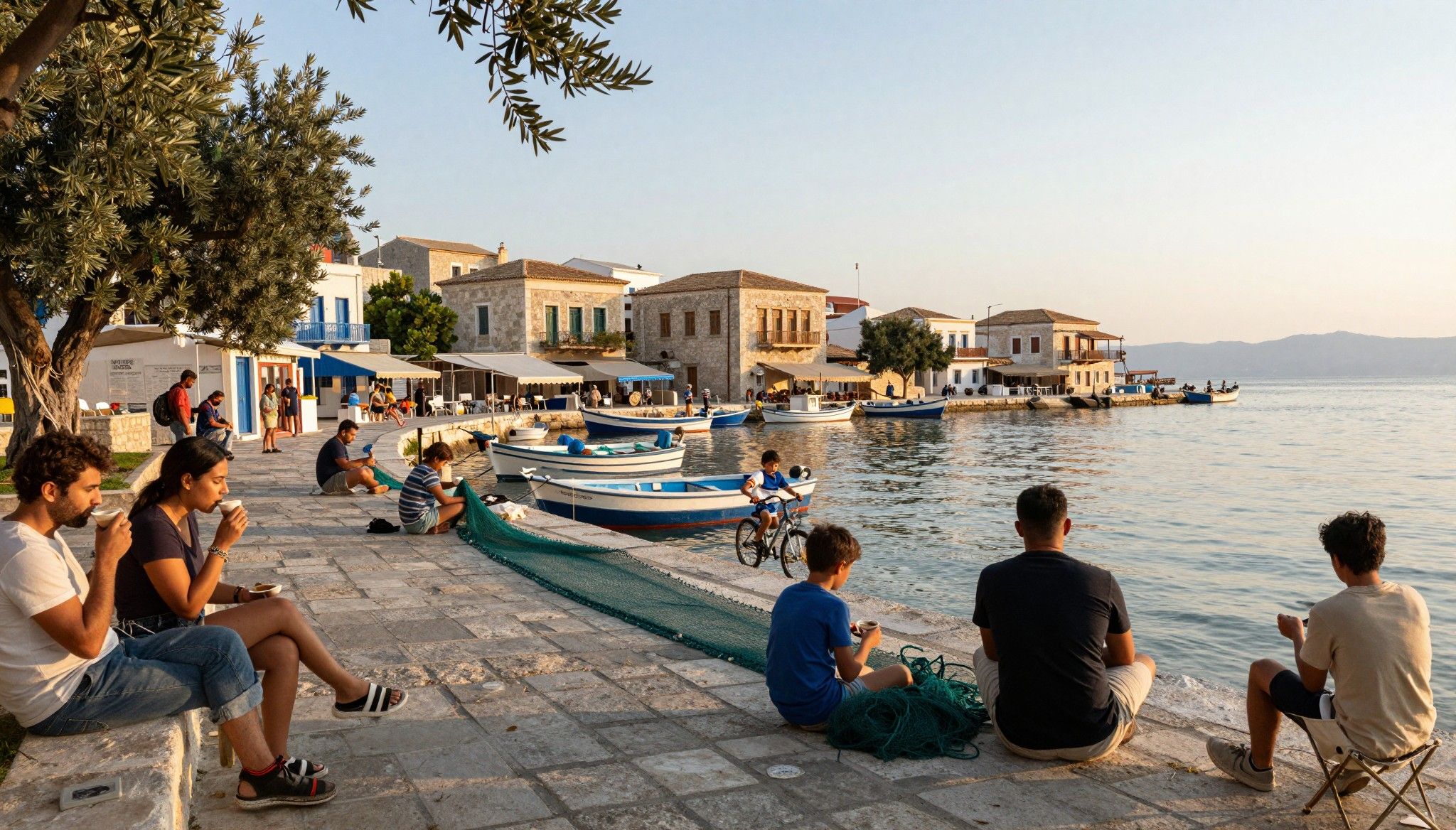
Malta is compact in scale and generous in variety. Valletta and the Three Cities offer measured formality — narrow streets, baroque doorways and evening promenades — while Sliema and St Julian’s speak of seafront cafés, ferries and a deliberate after‑work life. Inland villages such as Rabat and Żebbuġ bring quiet lanes, parish rhythms and a sense of generational continuity that far exceeds their size on the map.
Valletta & the Capital Fringe — day to dusk
Stroll from Republic Street into Mercanti and you feel the city’s original scale: pocket squares, letter‑carved lintels and cafés that open at sunrise. Neighbourhoods such as Manderaggio retain a lived‑in authenticity — they are not showpieces but places where bakers, shopkeepers and neighbours meet. For someone who prizes daily ritual and provenance, a townhouse here delivers history as a lived practice rather than a museum piece.
Sliema, St Julian’s & the Seafront Rhythm
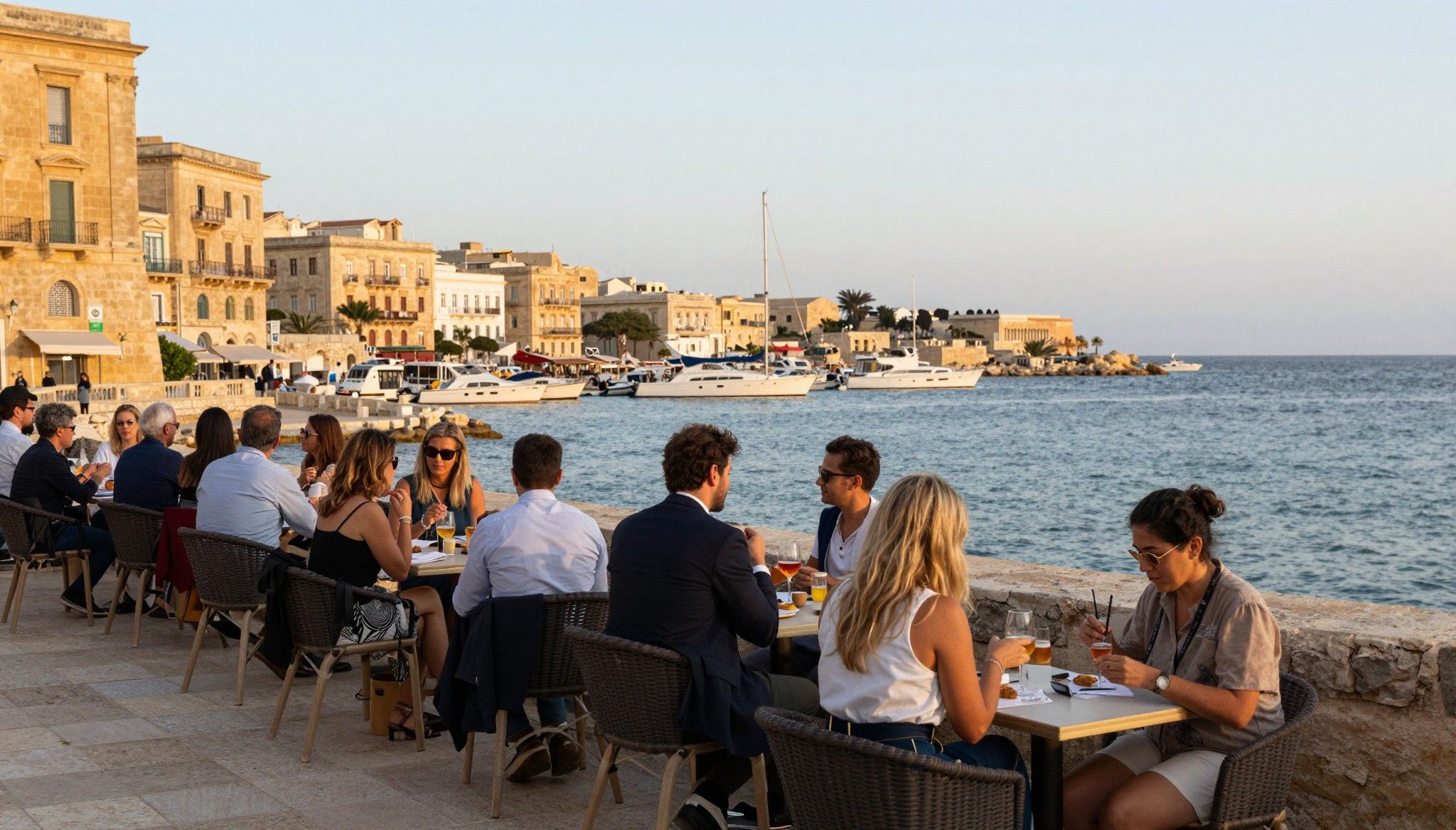
If your days favour promenades and late dinners, the Sliema–St Julian’s corridor rewards with cafés on stone promenades, shops that open late, and a cosmopolitan, English‑speaking expat presence. Expect apartment living, terraces that face the sea, and neighbourhoods that pulse with seasonal tourism yet settle into a quiet routine by October.
- Lifestyle highlights to try on for size
- Sunday fish market in Marsaxlokk; breakfast of lampuki pie, fishmonger conversations and harbour light.
- Evening passeggiata in Valletta followed by a quiet glass of ġbejniet‑paired wine in a tucked trattoria.
- A weekday swim from St George’s Bay, then a work‑from‑home afternoon on a shaded terrace in Gzira.
Making the Move: How Lifestyle Maps to Property Choices
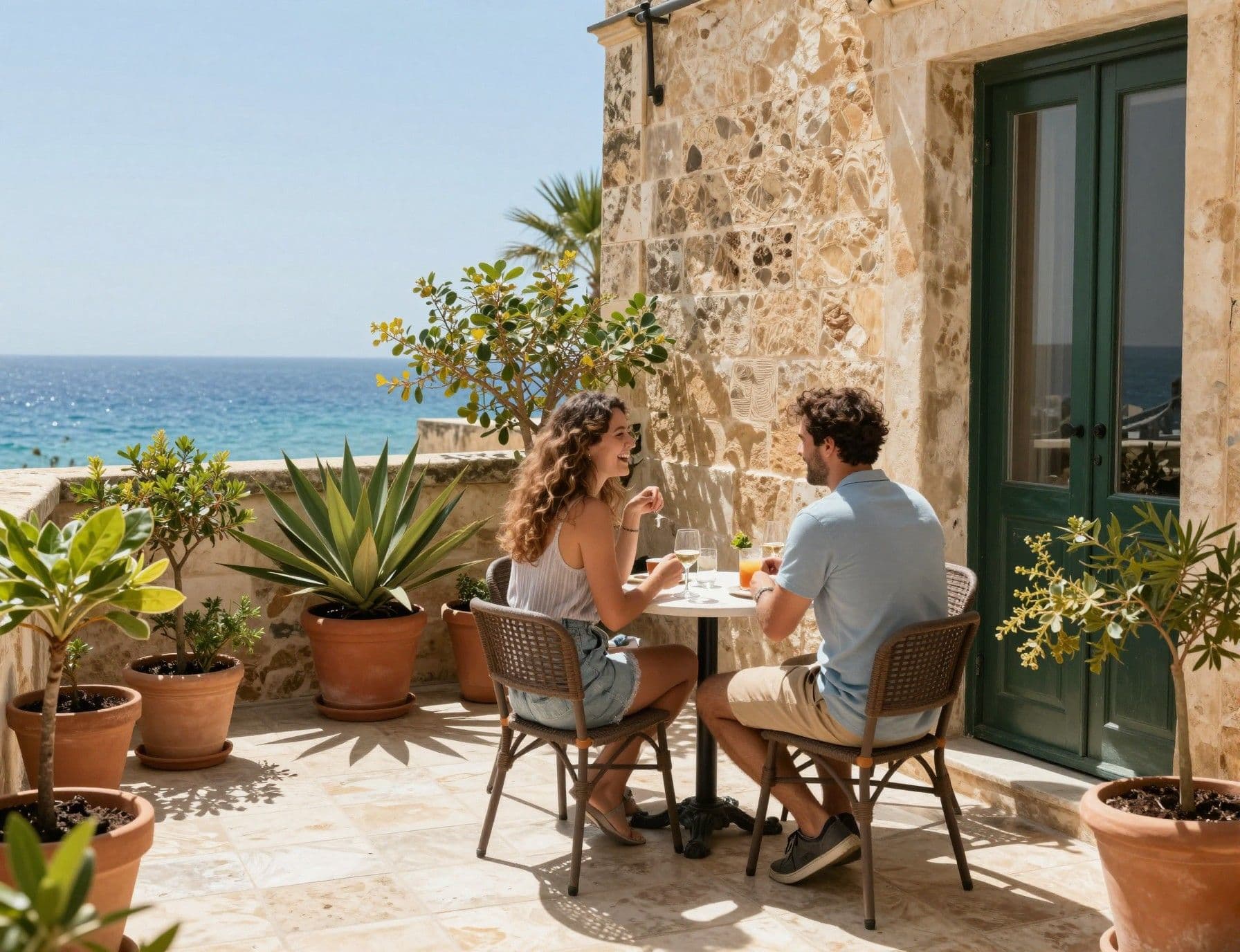
Pleasure and practicality meet the market. Official statistics show housing prices continue to rise modestly — a quality‑adjusted RPPI noted steady increases into 2024 — meaning lifestyle neighbourhoods command a premium but also offer durable demand. Translating a way of life into a property brief requires balancing street life, sun exposure and building fabric with transaction realities and permit timelines.
Property styles and what they mean for living
Traditional townhouses with internal courtyards offer cool summer retreats and rooms that read as sequential living — ideal for collectors of light and timber doors. Contemporary apartments, often with glazed balconies, provide seafront views and easier maintenance. If provenance and craftsmanship matter, look for restored palazzini where original cornices, Maltese limestone, and sash windows have been retained.
Working with local experts who know the rhythm
Local agents are not only gatekeepers to listings but interpreters of neighbourhood life. A broker familiar with Valletta’s conservation area rules will advise differently than one focused on Sliema redevelopment sites. Seek advisers who can read permits, explain the practicalities of repairing limestone façades and who have relationships with local architects, builders and notaries.
- Steps to translate lifestyle into a purchase
- Define non‑negotiables: façade, courtyard, sea‑view, proximity to ferry or market.
- Commission targeted viewings across neighbourhoods at different times—weekday morning, Saturday afternoon, and evening—to test rhythms.
- Engage an architect early for conservation advice and budgetary clarity on restoration works.
Insider Knowledge: What Expats Wish They’d Known
Expats often arrive charmed and then surprised. The charms are real — markets, festas and compact commutes — but so are seasonality and administrative rhythms. High summer brings a distinct tourist tempo that affects short‑let availability and street noise; winter, by contrast, exposes how quiet many neighbourhoods become and how important good heating and damp management are in older stone homes.
Cultural integration and daily life
English is an official language and eases many practicalities, but understanding local social codes — the centrality of family, the parish calendar, the small‑talk that greases transactions — will shape where you feel truly at home. Neighbourhood cafés and parish festas are where bonds form; make time to attend a local event and you will learn more about a place in an hour than months of online research can show.
Longer term, Malta’s market demonstrates resilience: transaction values rose in 2024 and rental pressures persist in several central districts. For owners, this means stewardship matters — a well‑executed restoration or sympathetic improvement can protect capital and preserve neighbourhood character, while ad‑hoc modernization can erode value in conservation areas.
- Red flags and practical checks before you sign
- Unresolved planning notices or conservation restrictions limiting works to façades or roof terraces.
- Ambiguous boundary descriptions in older deeds — confirm with a notary and a local surveyor.
- Short‑let density in neighbourhoods where you expect residential calm; check local council statements and recent permit history.
A final practical note: recent public reports emphasise that while prices have risen, Malta’s small size means supply constraints and local policy shifts quickly change market dynamics. Work with advisers who reference NSO data and recent market reports so your assumptions about price, rental yield, and seasonality reflect the most current picture.
If you can imagine beginning a day with a pastry in a quiet Valletta courtyard, and ending it with a short ferry to a restaurant in the Three Cities, Malta will reward that attention to daily life. Approach the market the same way: let lifestyle define the brief, and let careful local expertise translate that brief into a property with provenance, quiet dignity and lasting value.
Dutch former researcher who moved to Lisbon, specialising in investment strategy, heritage preservation, and cross-border portfolio stewardship.