Malta: Lifestyle First, Stewardship Second
Malta’s compact charm masks a tightly localised property market—buy for lifestyle first, then layer in survey, local expertise and conservation foresight.
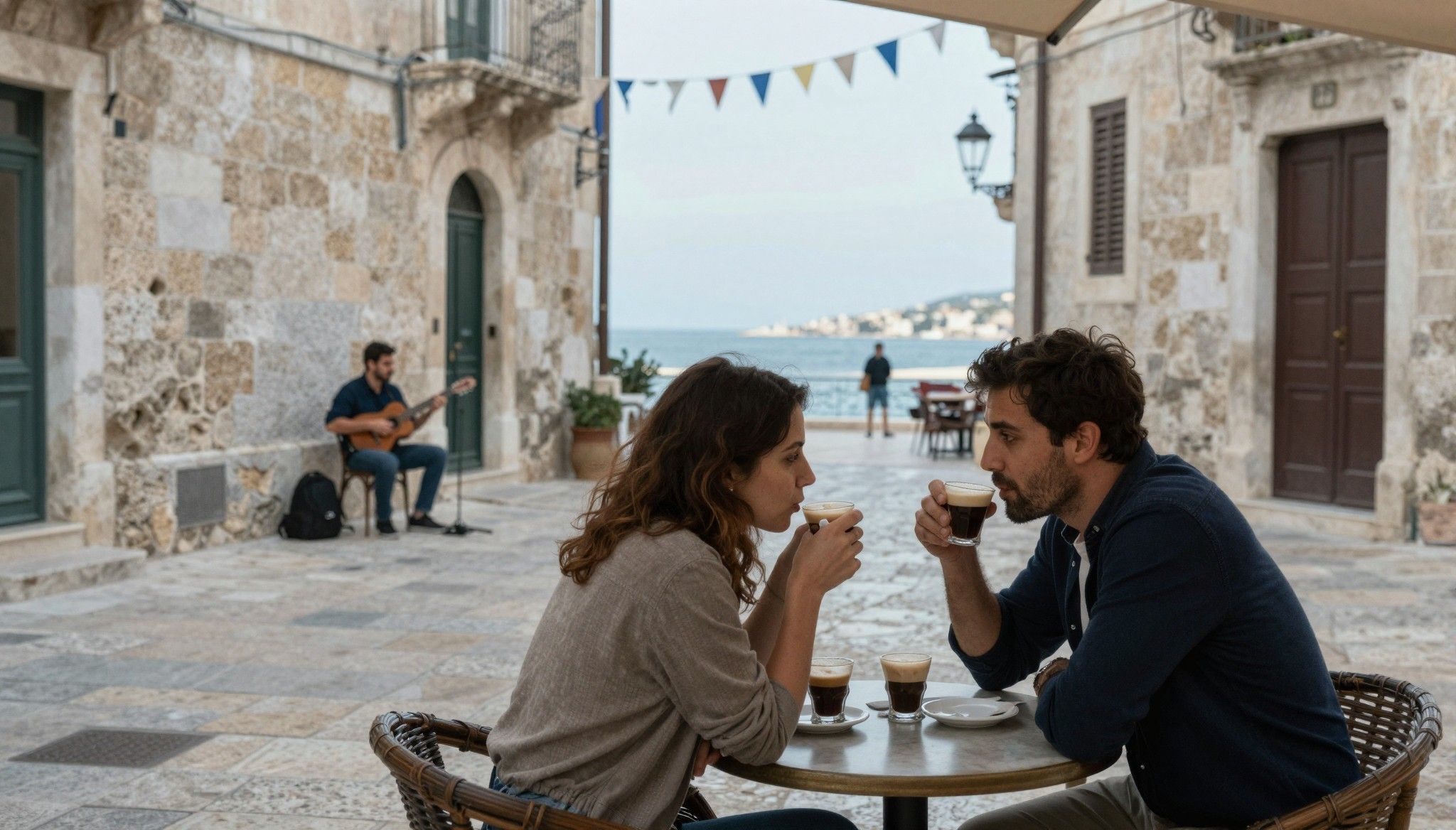
Imagine stepping out at dawn on Triq il-Merkanti in Valletta: coffee steam curling in a narrow limestone street, a tradesman unlocking an old timber door, and the sea a pale strip beyond the rooftops. That compact, lived-in intimacy — civic squares, neighbourhood bakeries, a terrace that feels like an extension of your living room — is the reason people fall for Malta. Yet falling in love with a place and buying there are separate acts. This piece pairs the island’s everyday charms with the practical realities international buyers must know before making a move.
Living the Maltese Life
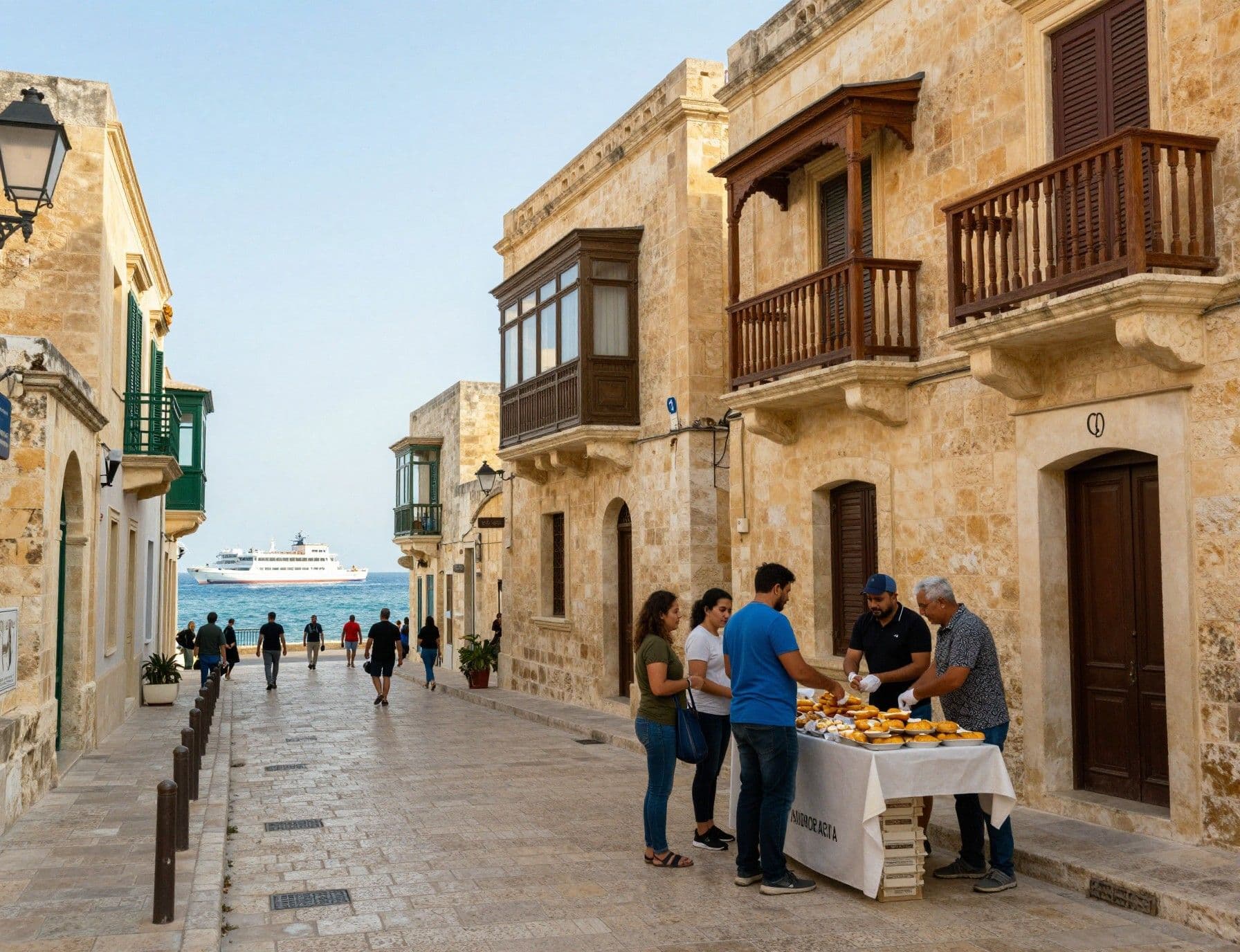
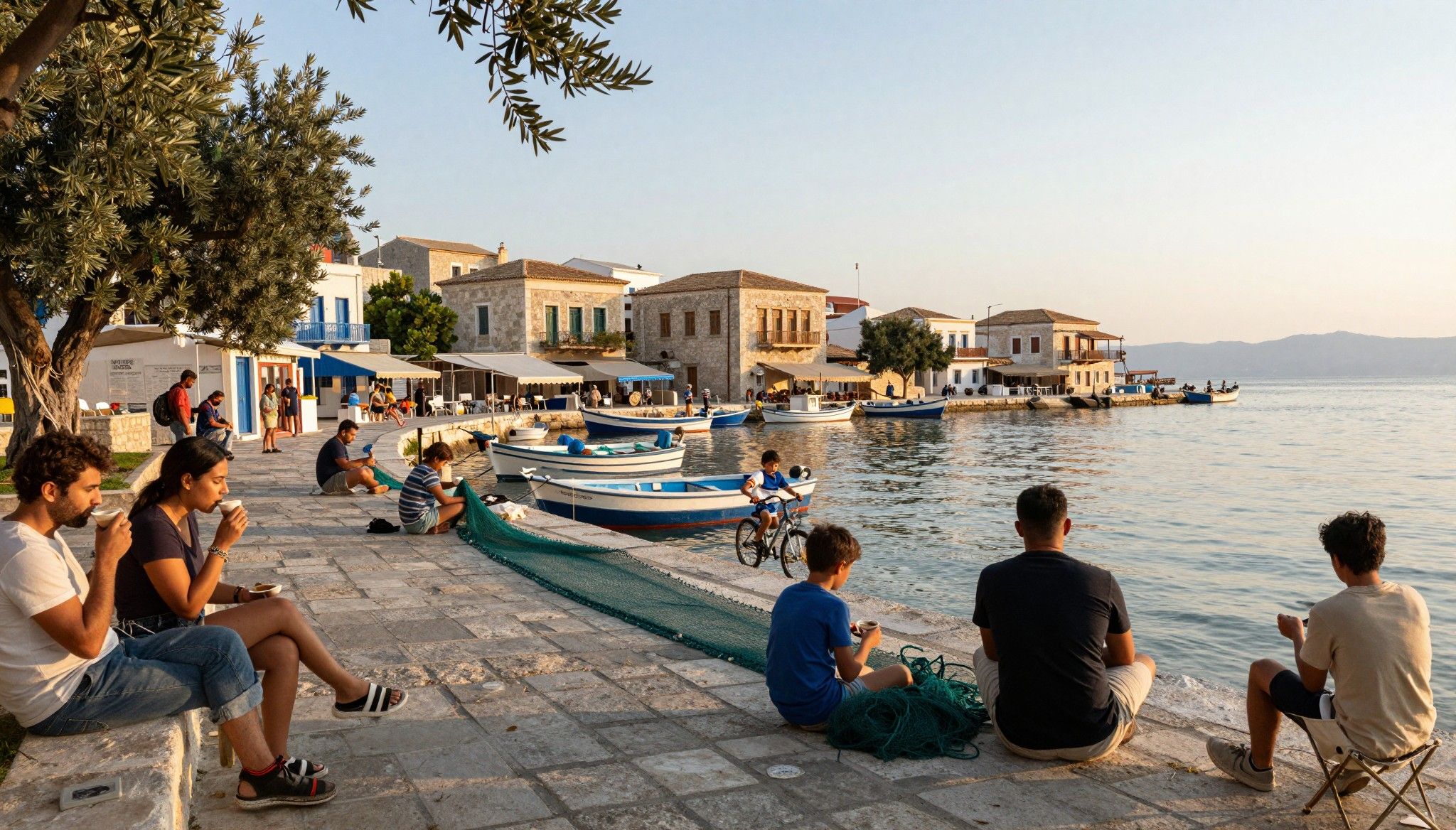
Malta is compact in the best sense: everything arrives quickly, not least the sensory pleasures — morning markets in Marsaxlokk, evening passeggiata along Sliema’s seafront, the echo of festas in village squares. That compactness shapes daily life: social rituals are largely public and clustered, and neighbourhoods retain distinct rhythms. It also explains why market movement here often feels concentrated and locally specific; official figures show residential prices continued to rise in recent quarters, underlining persistent buyer demand and limited supply.
Valletta, the urban collector’s address
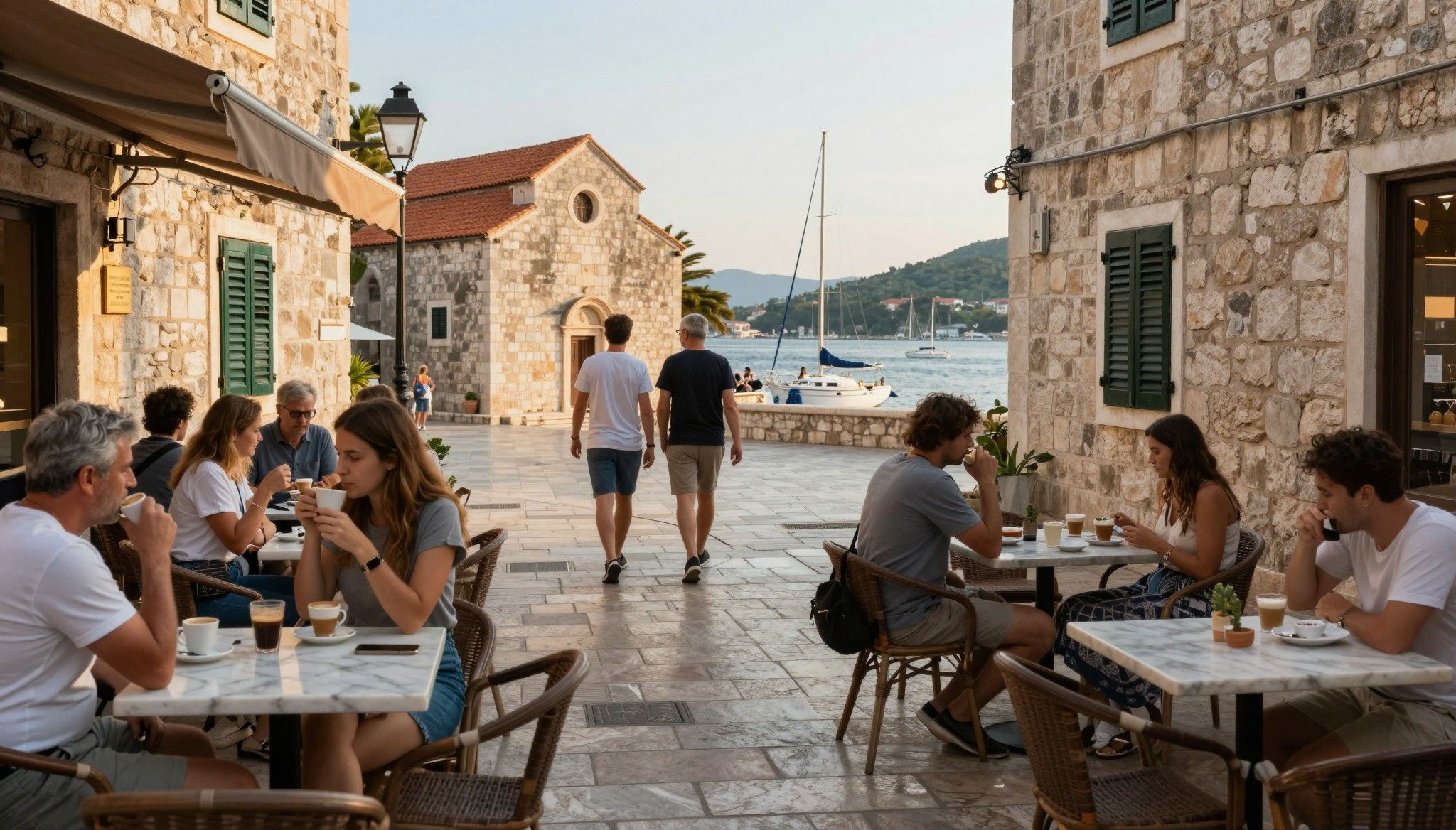
Valletta is not a suburb; it is a living museum whose narrow streets conceal gracious palazzos, timber balconies and tightly stitched communities. Morning espresso is taken in pocket cafés near Republic Street; evenings are for classical concerts at St James Cavalier or a glass of local Ġellewża in a courtyard. For a buyer who prizes provenance, a well‑restored 18th‑century maisonette here is less a pied‑à‑terre and more a stewardship obligation — high on character, low on garden square metres, and deeply connected to civic life.
Sliema & St Julian’s: refined seaside tempo
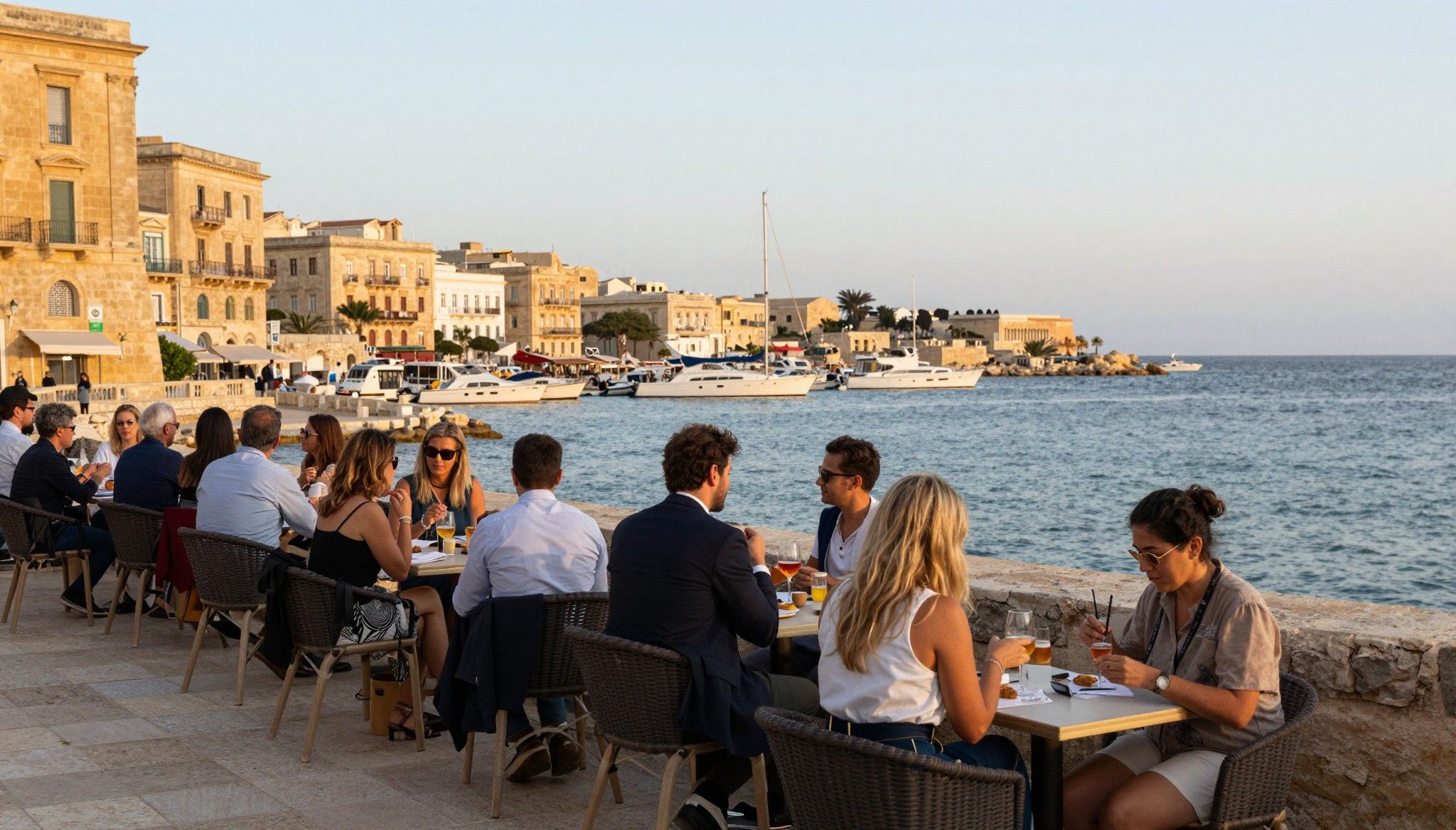
If you prefer a measured seaside routine — promenade cafés, ferries to Valletta, contemporary apartments with terraces — Sliema and St Julian’s deliver. Here the rhythm is daytime cafés and late evenings at understated seafood bistros; properties range from converted period homes to modern penthouses. Expect higher advertised asking prices but also the convenience of international schools, private medical facilities and more active rental markets for short‑term or corporate lets.
Rural Malta: Mdina, Dingli cliffs and hidden courtyards
Beyond the towns, villages such as Rabat and areas near Dingli present a different cadence: olive groves, high limestone walls, and houses with larger footprints. Mdina, the ‘Silent City’, sells a particular kind of quiet — restored stone houses with vaulted ceilings and private terraces overlooking the island’s interior. These properties trade proximity for privacy and often appeal to buyers seeking a restorative retreat rather than a bustling coastal lifestyle.
- Lifestyle highlights: morning markets in Marsaxlokk; aperitivi at Fort Tigné; Sunday strolls along Balluta Bay; festas in Rabat and Żebbuġ; hidden rooftop gardens in Valletta; small‑batch bakeries on Triq is‑Saqwi.
Making the Move: Practical Considerations
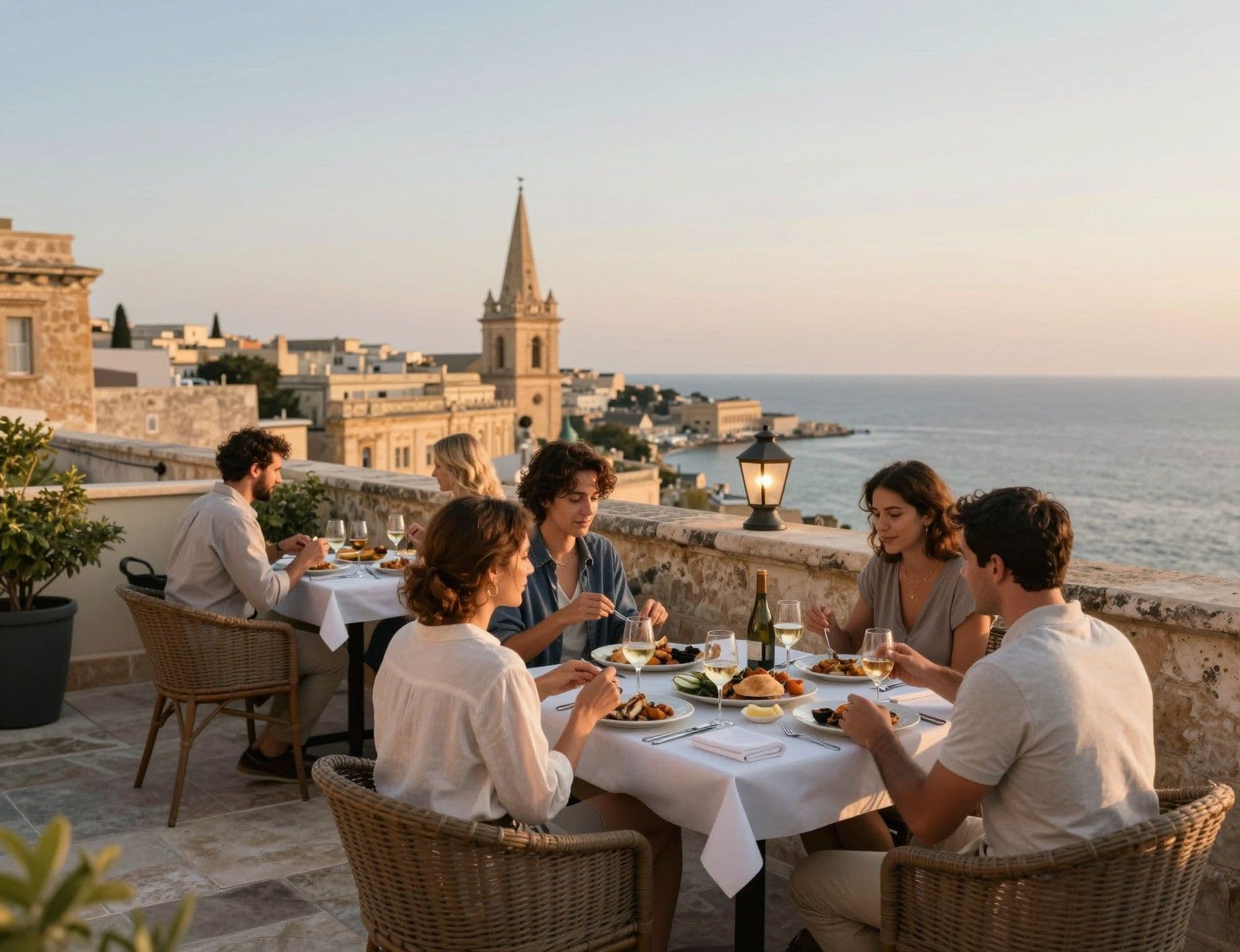
Romance must meet reality. Malta’s small size concentrates regulatory, supply and seasonal rental effects: legislation that affects short lets, planning constraints on conversions, and an island‑wide shortage of larger family houses. Recent industry analyses note steady transactional volumes and upward pressure on both asking and achieved prices, making early, local advice invaluable when translating a lifestyle wish‑list into a deliverable property brief.
Property types and what they mean for life
Maisonettes and apartments dominate the market; terraced houses and farmhouses are rarer and command a premium. An apartment in Sliema gives easy social access and seafront views; a farmhouse near Dingli offers outdoor space and a slower pace. Which you choose determines not only daily routine but also running costs, restoration needs and the type of professional expertise you should hire — an architect versed in limestone conservation versus an interior designer who understands compact Mediterranean plans.
Working with local experts who safeguard the lifestyle
Select agencies that can speak fluent lifestyle as well as law: agents who know which Valletta alleys hold quiet courtyards, which Sliema terraces catch the evening light, and which village houses require structural consolidation. For restoration projects, a team that includes a local architect, a quantity surveyor and an artisan mason will preserve character while controlling costs. Insist on neighbourhood references and recent comparable sales — Malta’s market is tightly localised and anecdotes matter as much as indices.
- Steps to translate lifestyle into purchase: 1. Visit neighbourhoods at different times (weekday mornings, festa evenings) to sense daily rhythms. 2. Commission a local surveyor early for older stone properties to uncover restoration scope. 3. Ask agents for three recent comparable deeds in the same street rather than broad area averages. 4. Factor in planning constraints and historic‑building permissions if you prize architectural originality. 5. Build a buffer for specialist conservation work rather than assuming modern finishes will suffice.
Insider Knowledge: What Expats Wish They’d Known
Expats often arrive enchanted and discover practical trade‑offs that reshape expectations. Rigid planning rules mean some desirable rooftop terraces are governed by strict height and privacy regulations. Short‑term rental rules have recently changed the calculus for investors who expected easy seasonal income. And because English is an official language, integration is easier — yet true community belonging will take time and presence, not only transactions.
Social integration, language and daily rituals
English functions everywhere from notary offices to cafés, yet Maltese social life rewards patience. Attend a village festa, join a neighbourhood bakery queue, learn a few Maltese phrases and you will be welcomed. For families, local schools and community clubs provide rapid social anchors; for professionals, co‑working cafés in Valletta and Sliema are reliable places to meet other internationals while remaining connected to the island’s rhythms.
Longer term, buyers should think in stewardship terms. Malta’s growth profile suggests continued demand, but returns vary by type and location: central Valletta or Sliema apartments may produce steady rental demand; restored village houses offer capital appreciation tied to provenance and limited supply. Recent industry commentary points to modest but persistent price growth, underscoring the importance of buying for lifestyle first and resale second.
- Common red flags and how to spot them: single legal title covering multiple units without clear subdivision; missing old planning permits for rooftop structures; unclear maintenance arrangements in traditional buildings; historical façades with recent, incompatible interior works; optimistic rental yield assumptions that don’t account for short‑let regulation.
If you’re ready to make a move, begin with place‑feeling rather than price‑fever. Spend time in the neighbourhoods you imagine living in. Ask an agent about mornings, not just meters. Commission technical checks before making emotional offers. And choose a local team who understands that on an island, lifestyle and stewardship are inseparable.
Next steps
Visit for two or more weeks across seasons, request recent deeds from any agent you consider, and brief a Malta‑registered architect before making an offer. Thoughtful buying in Malta is a collaboration between lived experience and technical diligence; the island rewards those who treat property as both a place to live and a piece of cultural inheritance.
Dutch former researcher who moved to Lisbon, specialising in investment strategy, heritage preservation, and cross-border portfolio stewardship.