Where to Buy in Italy: Neighbourhood Life, Not Just Price
Italy combines daily ritual and architectural provenance; modest market growth and local stewardship create opportunity for buyers who value neighbourhood and lasting design.
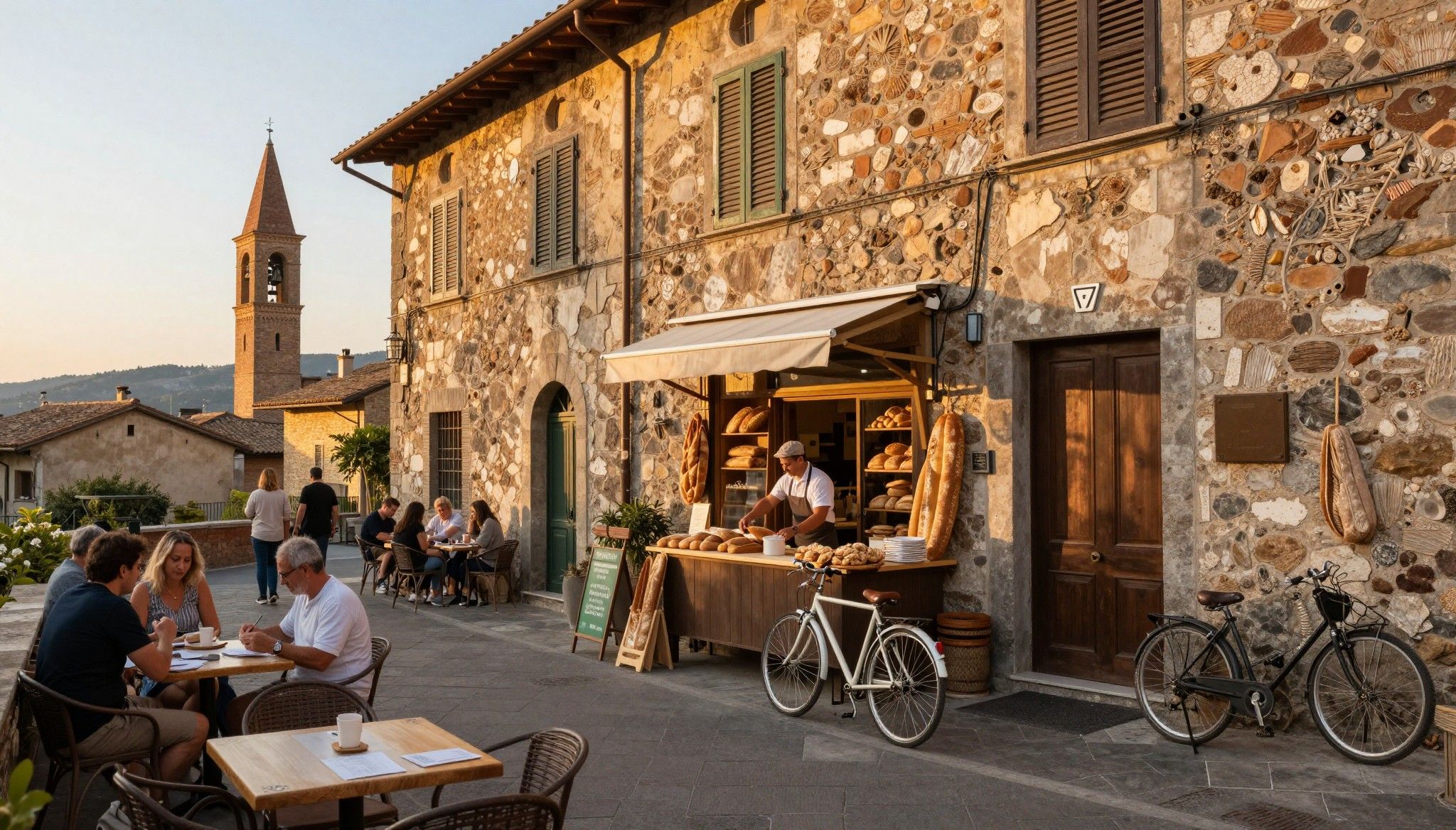
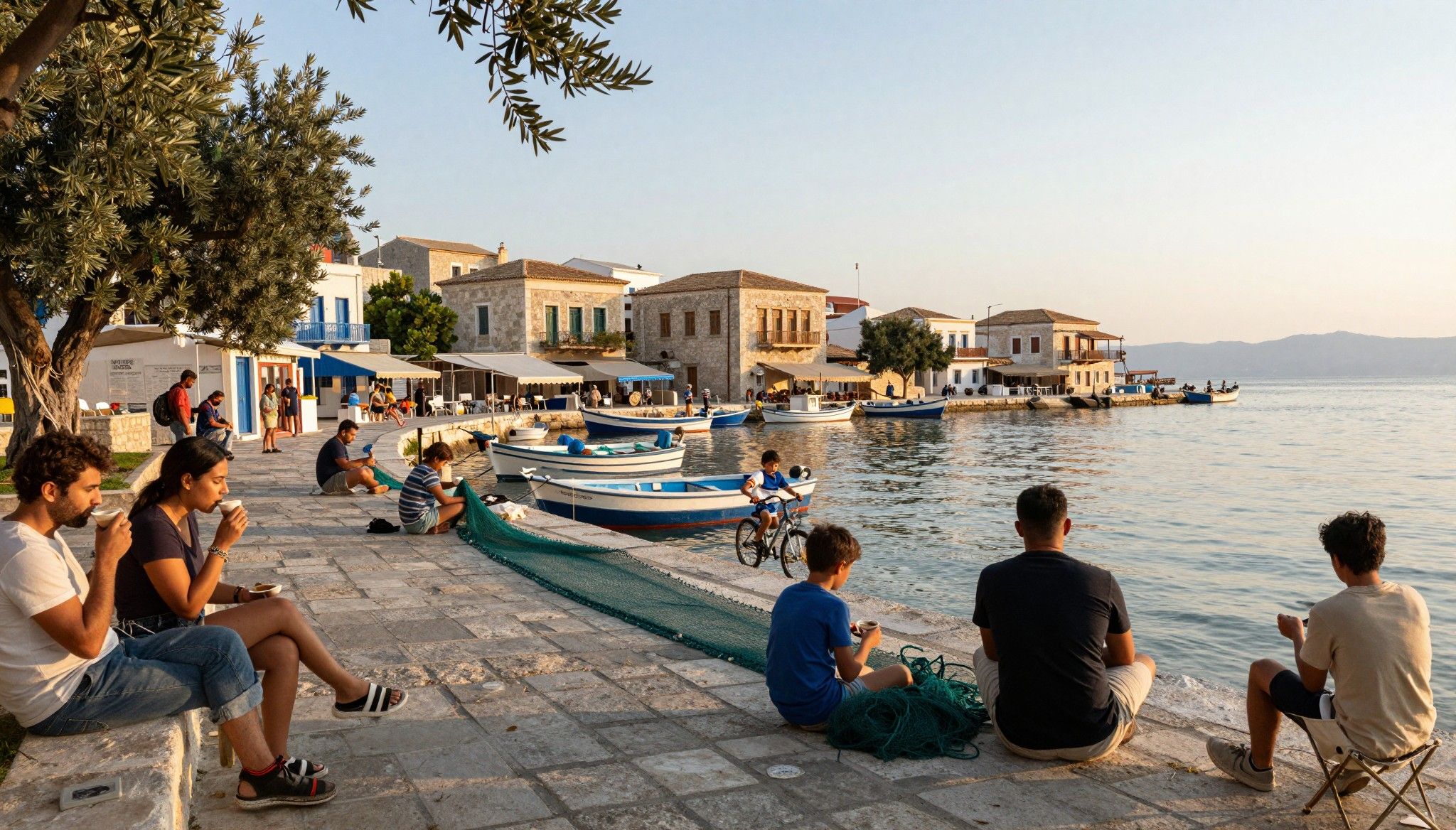
Imagine waking to a morning market in Florence’s Oltrarno, olives glistening on wooden stalls while a restaurateur pulls espresso for the neighbourhood. Picture late afternoons on a Ligurian terrace, sea light folding over hand‑laid stone and a neighbor offering the morning’s catch. Italy is not a single life but a collection of carefully held rituals — market rhythms, neighbourhood cafés, and villages where craftsmanship still sets the pace. For many international buyers, the attraction is both sensory and structural: lived culture paired with durable architectural value.
Living the Italian life: everyday scenes that shape choices
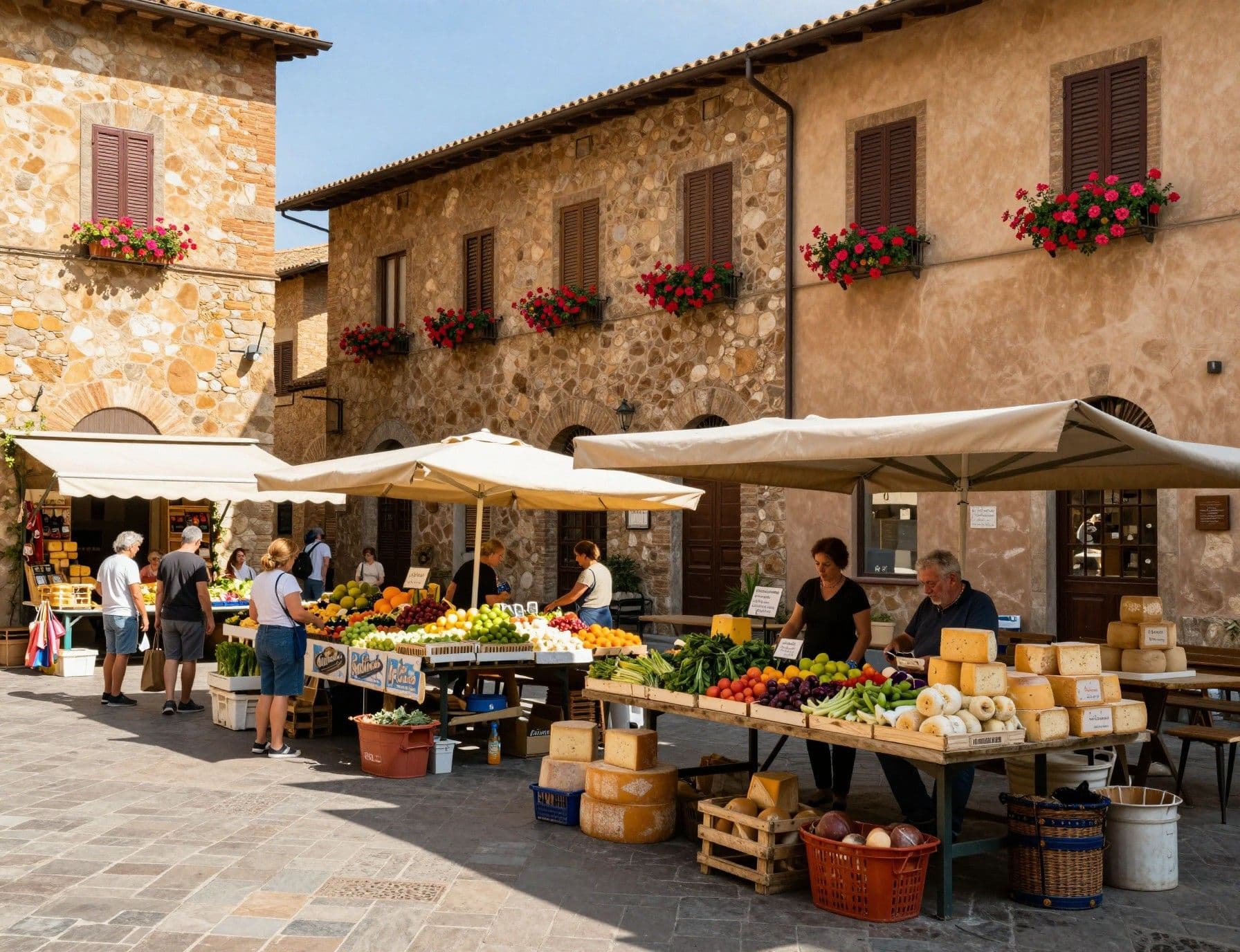
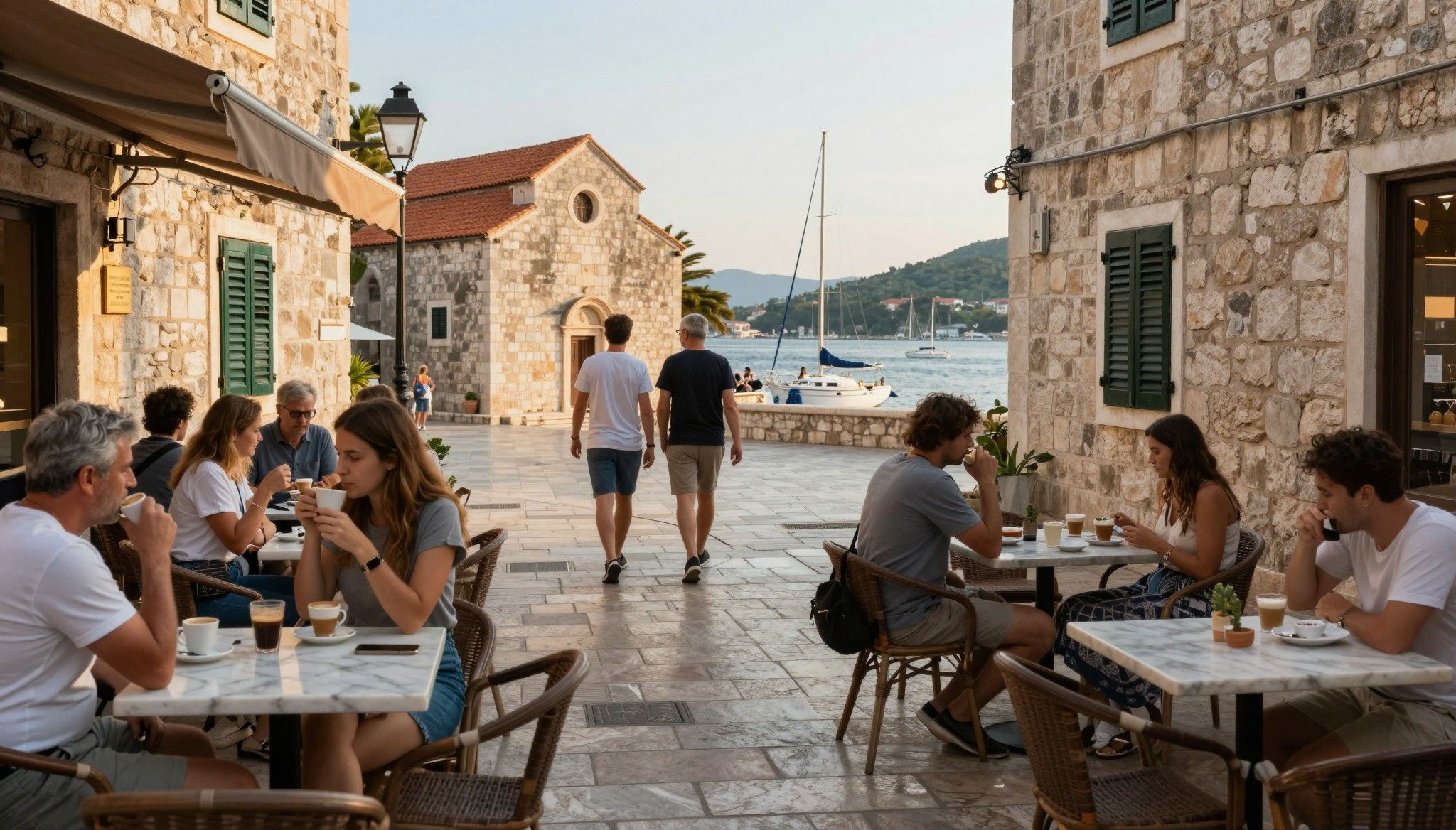
Living in Italy begins at street level. In Rome’s Prati you will find mornings defined by cornetti and the river’s light, while in Lecce Sundays are for long lunches shaded by baroque façades. These daily textures — the piazza where neighbors meet, the baker who knows your order, the seasonal market that defines a month — determine which property will truly feel like home. When choosing a neighbourhood, weigh the intangible rhythm as heavily as square metres.
Florence: art, workshops and riverside living
Florence’s Oltrarno and Santo Spirito retain artisan energy; small workshops, antique dealers and trattorie set a daily tempo. Streets such as Via Romana and Via dei Serragli offer a blend of restored palazzi and narrow terraces where light and social life meet. Buyers seeking provenance should prioritise buildings with documented restoration and original features — be it a coffered ceiling or restored pietra serena fireplace — which preserve both character and long‑term value.
Liguria & Amalfi: coastal rhythm and considered scale
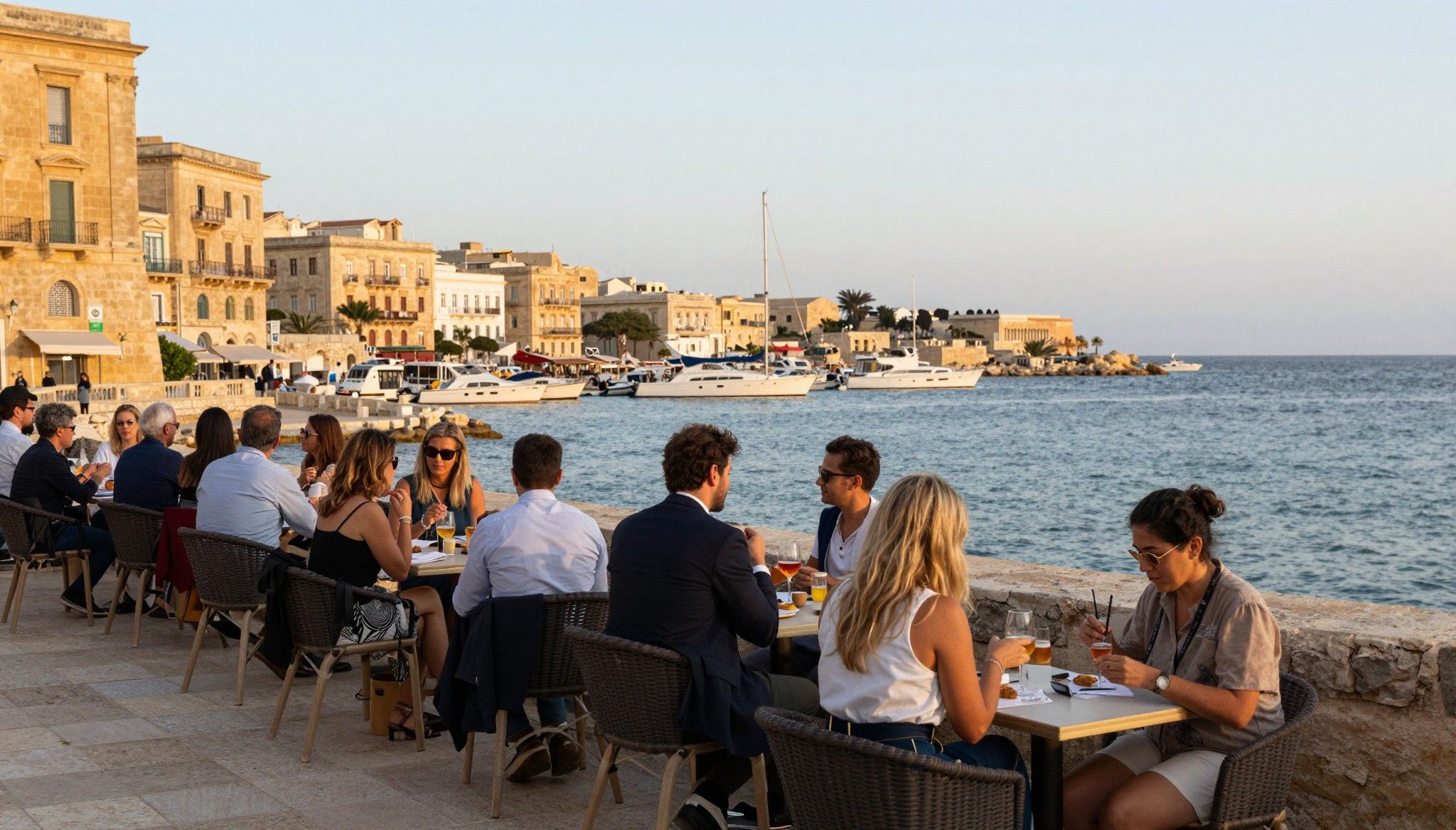
From Camogli to Positano, coastal towns reward those who prioritise light and access over flashy amenities. Streets like Via Roma in Camogli or the terraces above Praiano offer homes where sea views are crafted by modest scale and traditional materials. For buyers, the trade‑off is clear: coastal proximity often means maintenance and microclimate considerations, but the experiential return — dawn markets, fishermen at the quay, evening passeggiata — is immediate.
- Lifestyle highlights: local places and experiences to seek
- Visit Mercato Centrale (Florence) for morning produce and chef conversations
- Walk Viareggio’s promenade at dawn for quieter coastal life and restored liberty villas
- Spend an afternoon in a Tuscan borgo such as Pienza to understand scale and community
Making the move: practical considerations beneath the charm
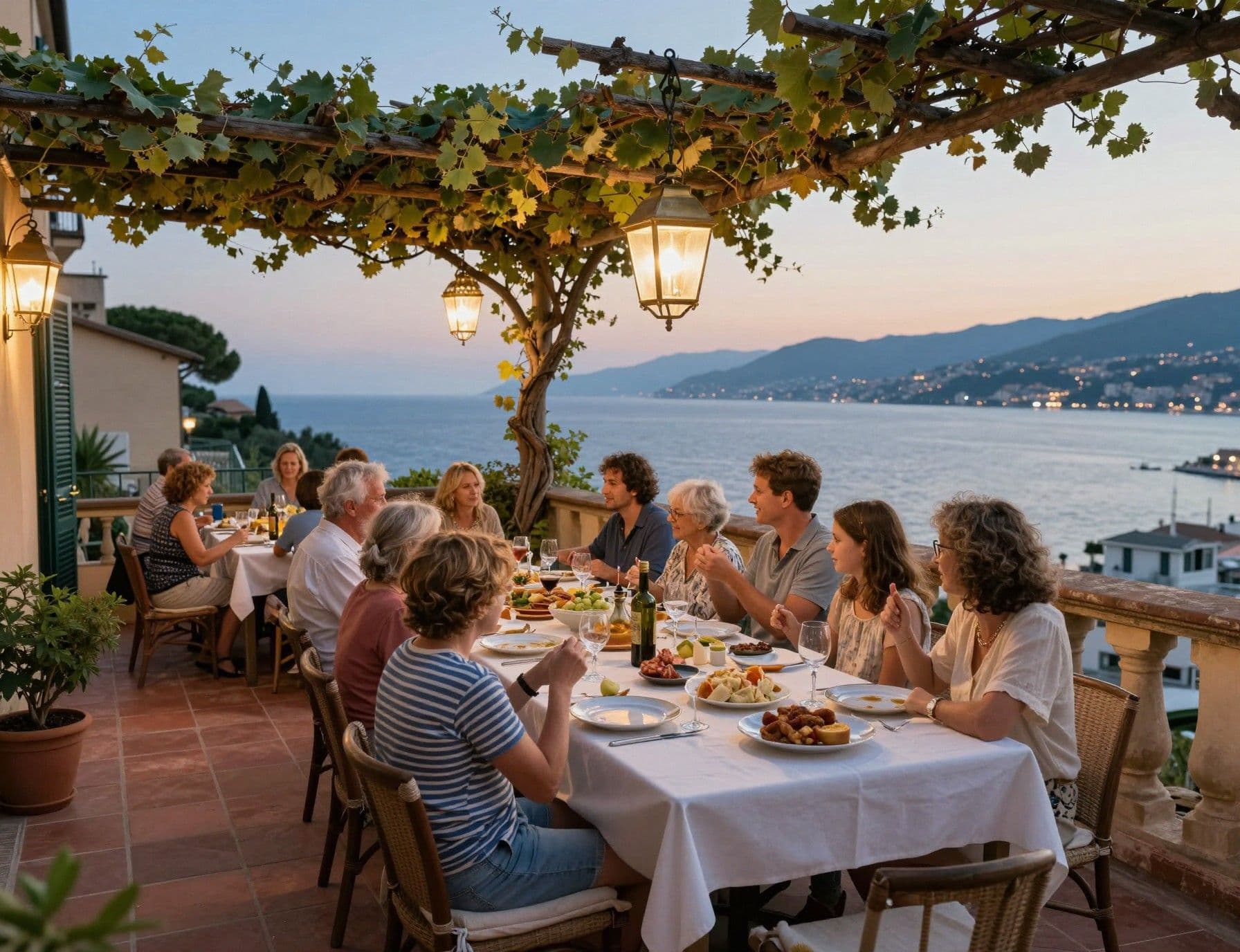
The romance of Italian life meets measurable market dynamics. Recent industry analysis from Nomisma anticipates modest price growth into 2026–27, while ISTAT’s Q1 2025 data shows a mid‑single‑digit year‑on‑year rise in the national house price index. These figures indicate a market that is recovering steadily rather than overheating. For the international buyer this means opportunity: selective purchases in well‑documented neighbourhoods can combine lifestyle return with cautious capital appreciation.
Property types: what suits the life you imagine
Choose according to lived priorities. A restored pied‑à‑terre in Milan’s Brera places you within cultural and dining circuits; a farmhouse in Chianti offers land, privacy and harvests; an apartment on Naples’ via Toledo gives immediate urban theatre. Consider how features — high ceilings, winter heating options, storage for seasonal goods — translate into daily comfort. The right property type should sustain the lifestyle, not merely stage it.
Working with local experts who understand place and precedent
- How to blend lifestyle and due diligence when you buy in Italy
- Commission a neighbourhood‑led inspection: include checks on moisture, thermal performance and historical preservation constraints.
- Request documented provenance for historic features (original cornices, stonework, terracotta floors) to protect cultural value and resale merit.
- Ask agencies for off‑market opportunities; many Italian sellers prefer discreet transactions and high‑quality buyers who appreciate stewardship.
Insider knowledge: what expats wish they’d known
Expats frequently tell the same story: the neighbourhood makes the house. They also note unexpected practicalities — seasonal heating bills in stone houses, the value of a local notary who understands heritage constraints, and the social capital of knowing a baker and a concierge. These realities reshape priorities once you live in Italy: convenience, community and careful conservation become central to satisfaction.
Language, community and social rhythms
You do not need fluency to live well, but you do need curiosity and local contacts. Enrol in a weekly cooking class, join the parish festa, or attend a municipal market day and you will find introductions that matter more than a zinc test or energy certificate. For long‑term life, these small investments yield more than convenience: they create roots.
Longer view: stewardship, community and resale
Beyond immediate pleasure, consider how a property will perform in ten years. Agenzia delle Entrate’s OMI data and regional planning rules influence resale and permitted changes, especially in historic centres. Stewardship — maintaining original fabric, recording restoration work and respecting local regulations — protects value for heirs and preserves the reasons you bought in the first place.
- Practical red flags to watch for
- Undefined property boundaries in rural areas — confirm cadastral maps and access rights
- Unrecorded renovations — require permits and completed‑works certificates
- Inadequate heating or insulation in stone properties — budget for upgrades if you plan year‑round living
Italy asks for a particular kind of buyer: one who values provenance and is prepared to be a steward. If that description fits, the country rewards with durable architecture, a convivial public life and rounds of seasonal pleasures that change the shape of each year. Begin with visits to the streets you think you like, commission local reports that reflect the neighbourhood’s rhythm, and work with an agency that pairs off‑market knowledge with conservation sensibility. In that way the purchase becomes not only a home but a measured, lasting investment.
Former Copenhagen architect who relocated to Provence, offering relocation services, market analysis, and a curator’s eye for authentic regional design.