Malta: Neighbourhood Rhythms, AIP Realities & Stewardship
Explore Malta’s neighbourhood rhythms — Valletta, Sliema, Gżira and inland towns — and learn how AIP rules, property types and local stewardship shape the life your purchase will enable.
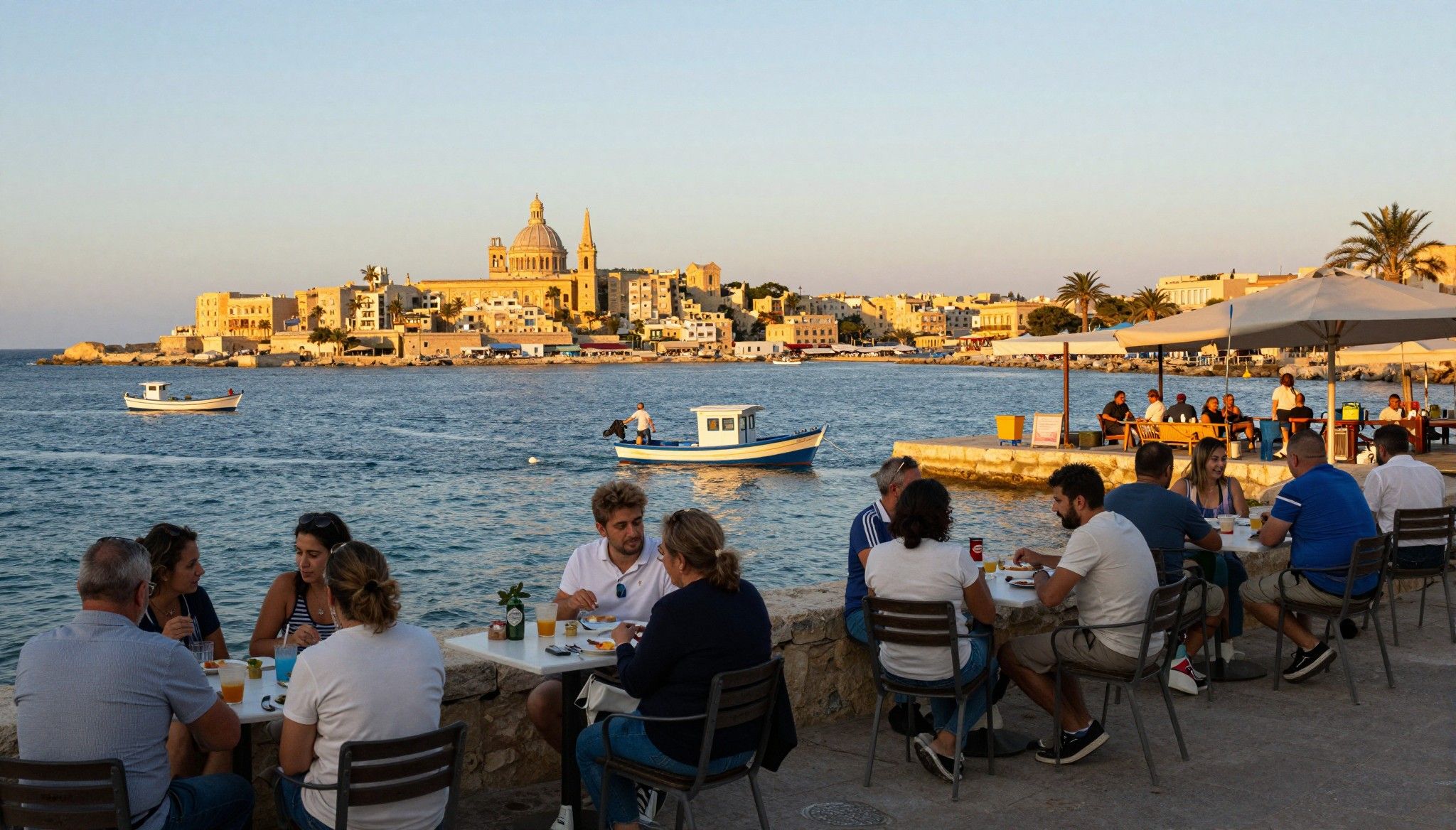
Imagine starting a morning in Malta with an espresso at Café Pjazza in Sliema, the limestone façades warmed by the low sun, ferries slipping across Marsamxett Harbour. Here the day unfurls slowly — markets, a church bell, lunch that stretches toward sunset — and the question many international buyers ask is not whether they like Malta, but where, exactly, to live so the day reads like this more often than not.
Living the Maltese Rhythm
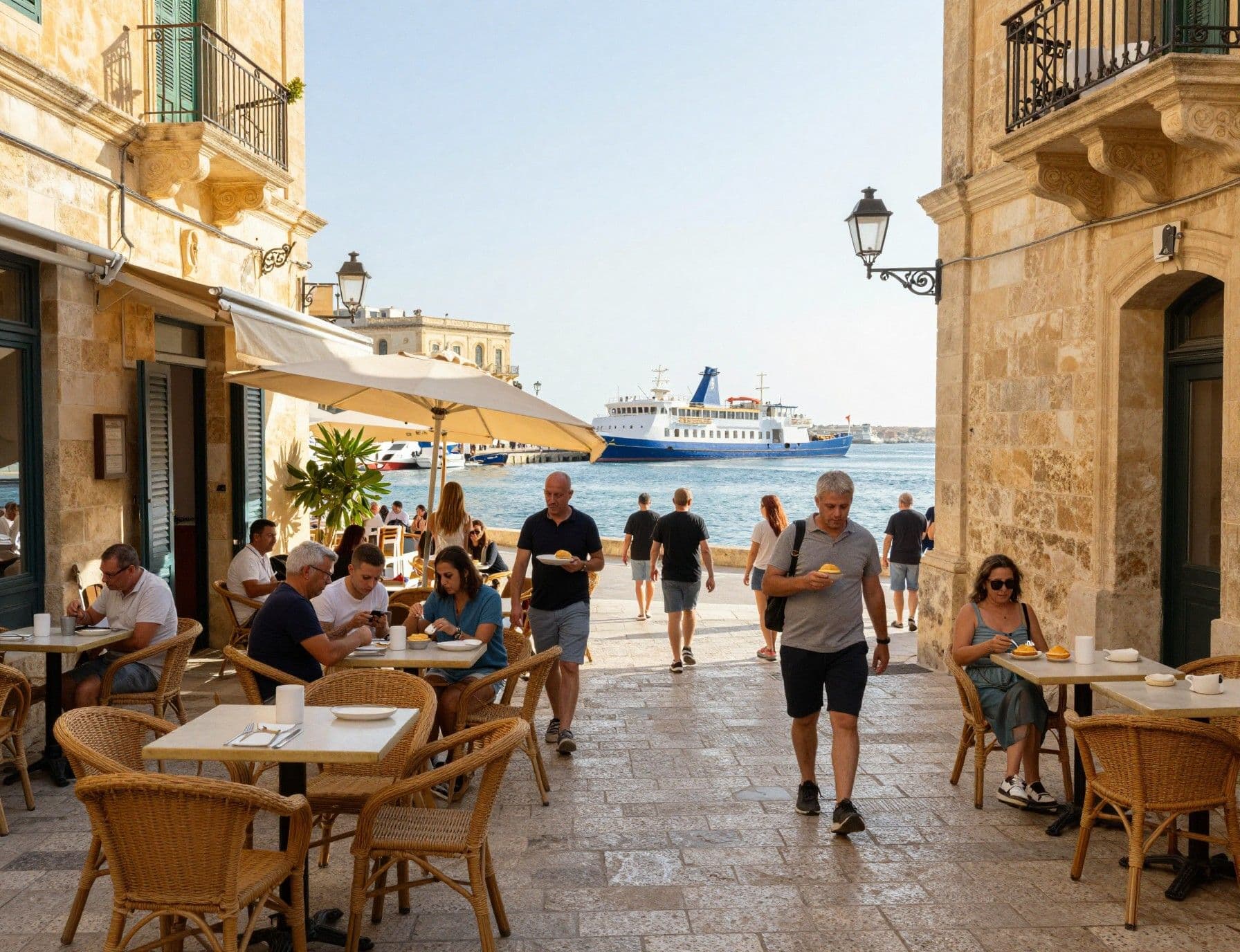
Malta’s compact geography concentrates life into distinct neighbourhood rhythms. Valletta moves at an urbane, cultural tempo; Sliema and Gżira feel cosmopolitan, waterfront and walkable; St Julian’s and Paceville trade on nightlife and service economy energy; inland towns like Naxxar and Attard offer domestic calm. Each pocket shapes daily routines — where you buy determines whether your Saturday begins with a city museum visit or a market morning in Marsaxlokk. These are not abstract differences: they are the scaffolding of how you will live.
Valletta and the cultural fringe
Valletta rewards those who prize provenance: baroque palazzos, narrow streets that open onto intimate squares, and an evening life of wine bars and theatre. Living here places you within a UNESCO-protected fabric where restoration quality and permission constraints matter — properties have character, and with that comes the responsibility of stewardship.
Sliema, Gżira and the waterfront routine
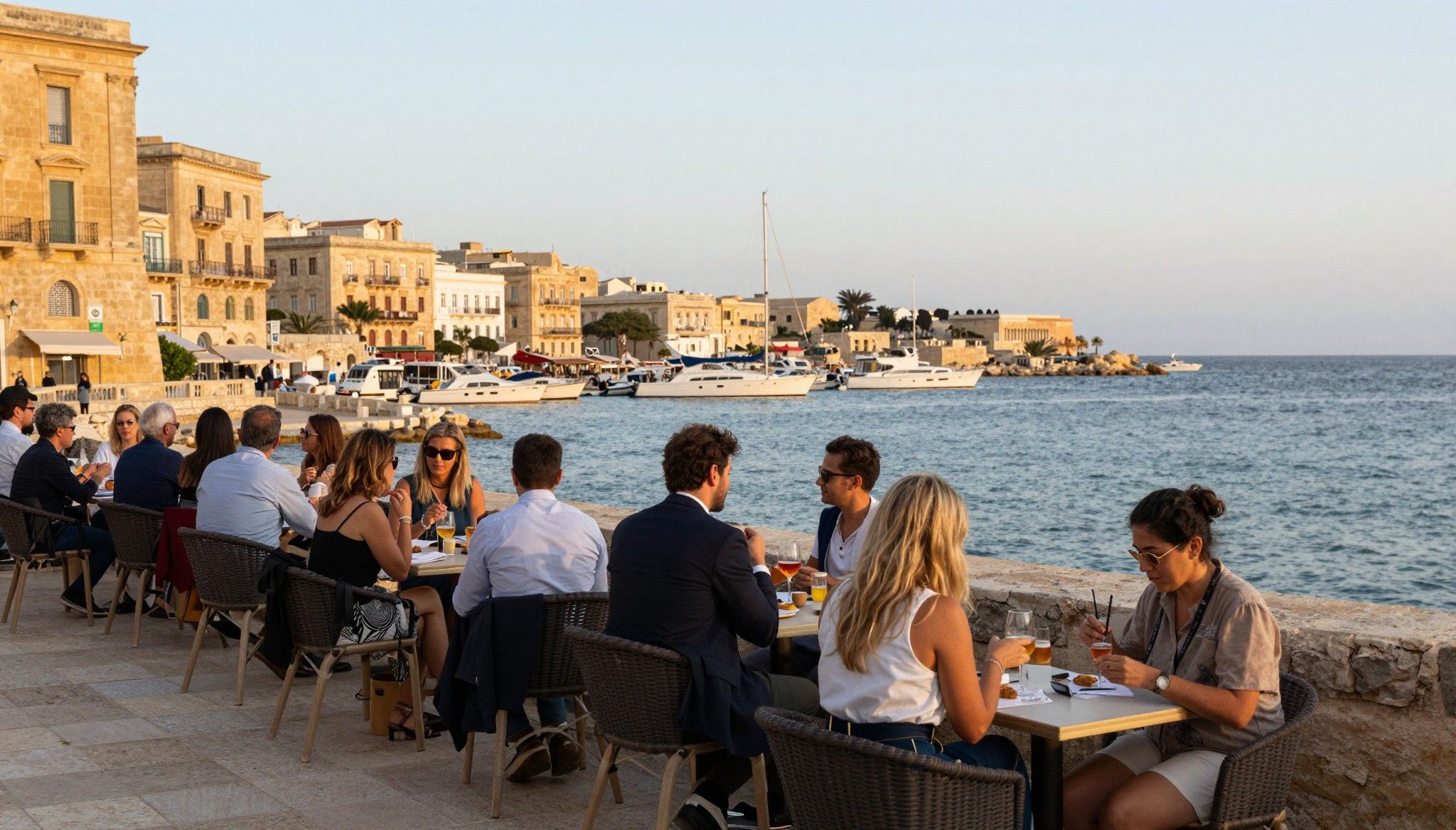
For daylight promenades and cafés that spill onto the seafront, Sliema and neighbouring Gżira are natural choices. They combine contemporary apartment living, short transfers to Valletta by ferry, and a concentration of boutique shops and cafés. The rhythm here is social and public: morning coffees, lunchtime passeggiata, and terraces that catch late light.
- Lifestyle highlights: Valletta theatre nights, Sliema waterfront promenades, Sunday fish market at Marsaxlokk, Mellieħa beaches, Ta’ Qali crafts and concerts, coffee at Café Jubilee in Rabat.
Making the Move: How Neighbourhoods Shape Practical Choices
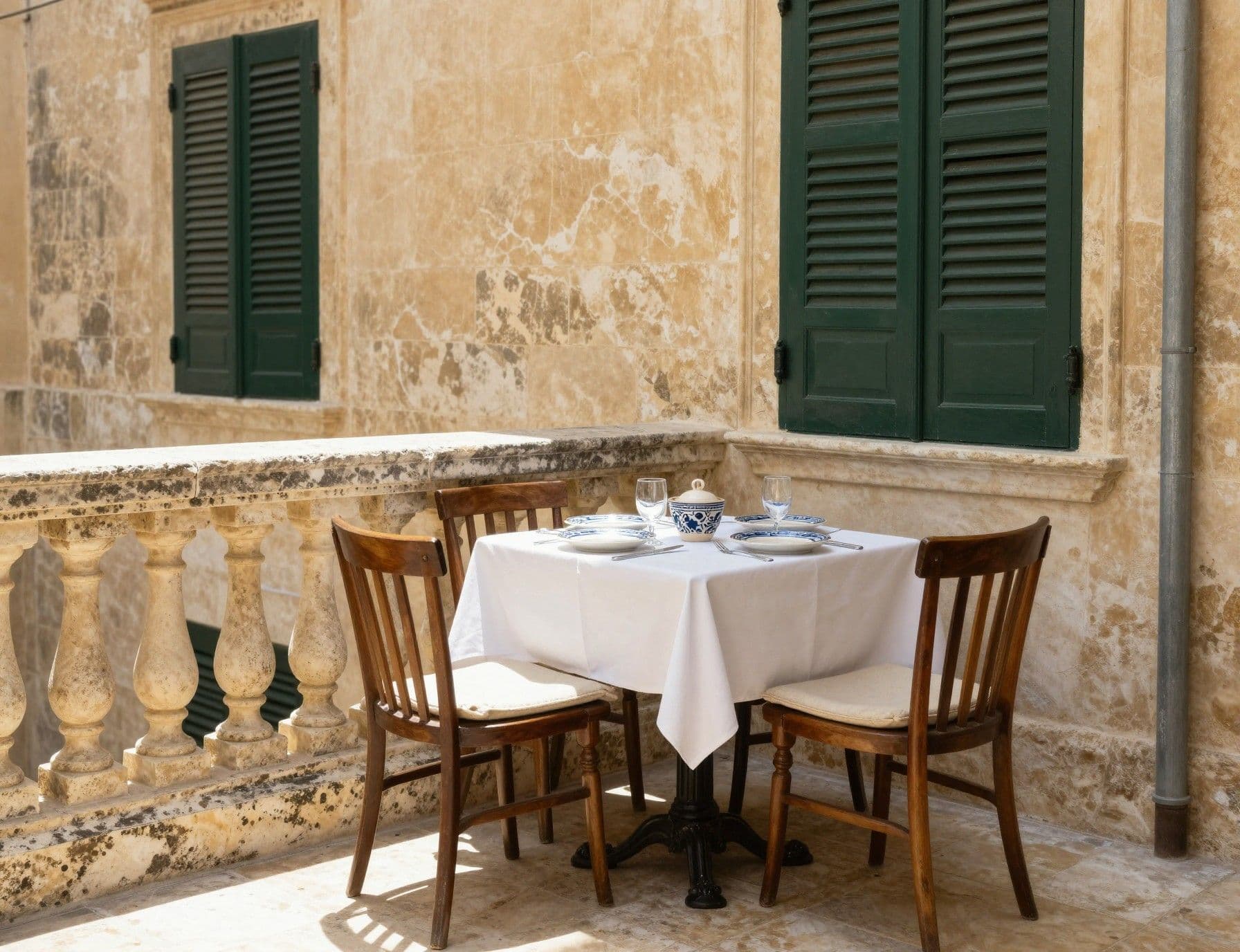
The pleasures of Maltese life are entwined with practical realities. Where you live will influence transport, schooling, the suitability of historic versus contemporary homes, and — importantly — the legal route to ownership if you are a non-resident. Knowing which neighbourhood fits the life you want prevents the common misstep of buying character without considering the routine of living there.
Property types and daily living
Terraced townhouses in the capital offer ornate ceilings and shallow courtyards; modern penthouses in Sliema prize light and views; village houses inland give gardens and space. Choose according to lived priorities: a restored townhouse rewards someone seeking provenance and walkability; a newer apartment suits a buyer who values ease, parking and lighter maintenance.
Working with agents who know life as well as law
A local agent should do more than show listings: they map rhythms. Ask for example itineraries — a week of living in a candidate street — and request references from buyers who moved for lifestyle reasons, not merely investment. The best advisors explain restrictions (AIP, SDAs) with neighbourhood-level impact in mind and introduce you to craftsmen, restorers and property managers who preserve value.
- Move-to-live checklist: 1. Visit mornings and evenings to assess noise and light. 2. Ask about permission history for restorations and listed protections. 3. Confirm transport time to schools or work by actual commute, not map time. 4. Verify AIP/SDA status before making offers. 5. Meet a local conservator or architect if buying a historic townhouse.
Insider Knowledge: What Expats Wish They’d Known
Beyond paperwork, expats often under‑estimate how much place shapes social life. Language is not a barrier — English is widely used — yet community invitation often flows from parish life, family networks and local clubs. Seasonality matters: July and August reveal Malta’s social peak; winter shows the island’s quieter, more authentic rhythm.
Cultural integration and daily belonging
Making Malta home is less about grand gestures and more about small rituals: a regular barista who knows your order, the festa route your neighbours follow, the market stall that remembers your taste. These are the social currencies that buy acceptance faster than language study alone.
Long-term lifestyle: stewardship, not speculation
For buyers who intend to keep a property for decades, consider heritage protections and maintenance commitments. A restored Valletta house may require specialised joinery and lime mortars; a modern apartment may demand sinking-fund discipline. Local stewardship preserves value and allows the home to age with dignity.
- Red flags locals notice: - Repeated reworks without planning approvals. - Water damage hidden behind recent paintwork. - Buildings where majority ownership is absentee and maintenance is deferred. - Properties in non‑SDA zones offered as short‑let investments to non‑residents.
Begin simply: choose a neighbourhood that reflects the life you wish to live, then assemble a small local team — agent, lawyer, architect — who share that sensibility. If you want the everyday of Malta to feel inevitable rather than aspirational, buy into the rhythm first and the view second.
Relocating from London to Mallorca in 2014, I guide UK buyers through cross-border investment and tax considerations. I specialise in provenance, design integrity, and long-term value.