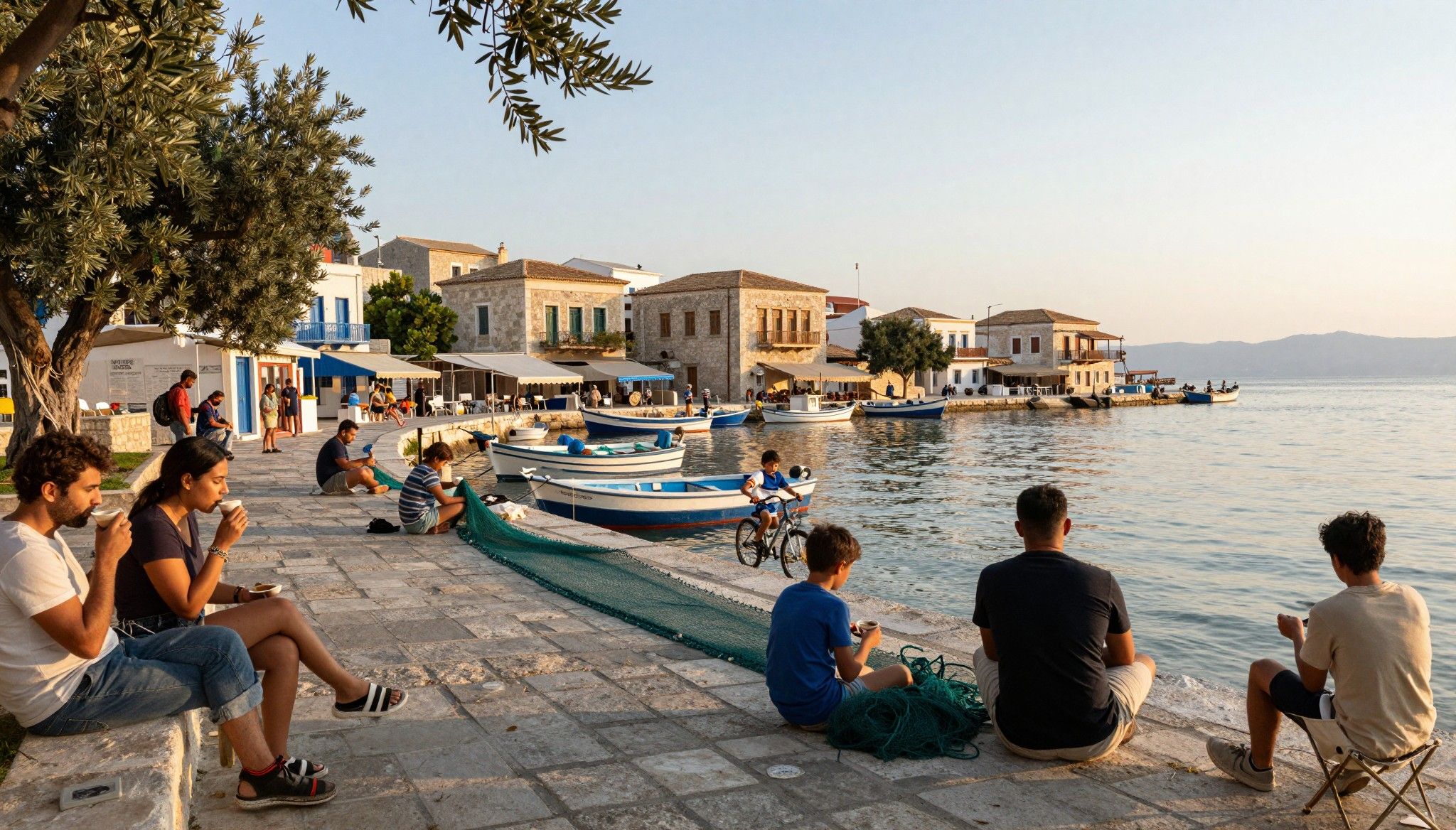
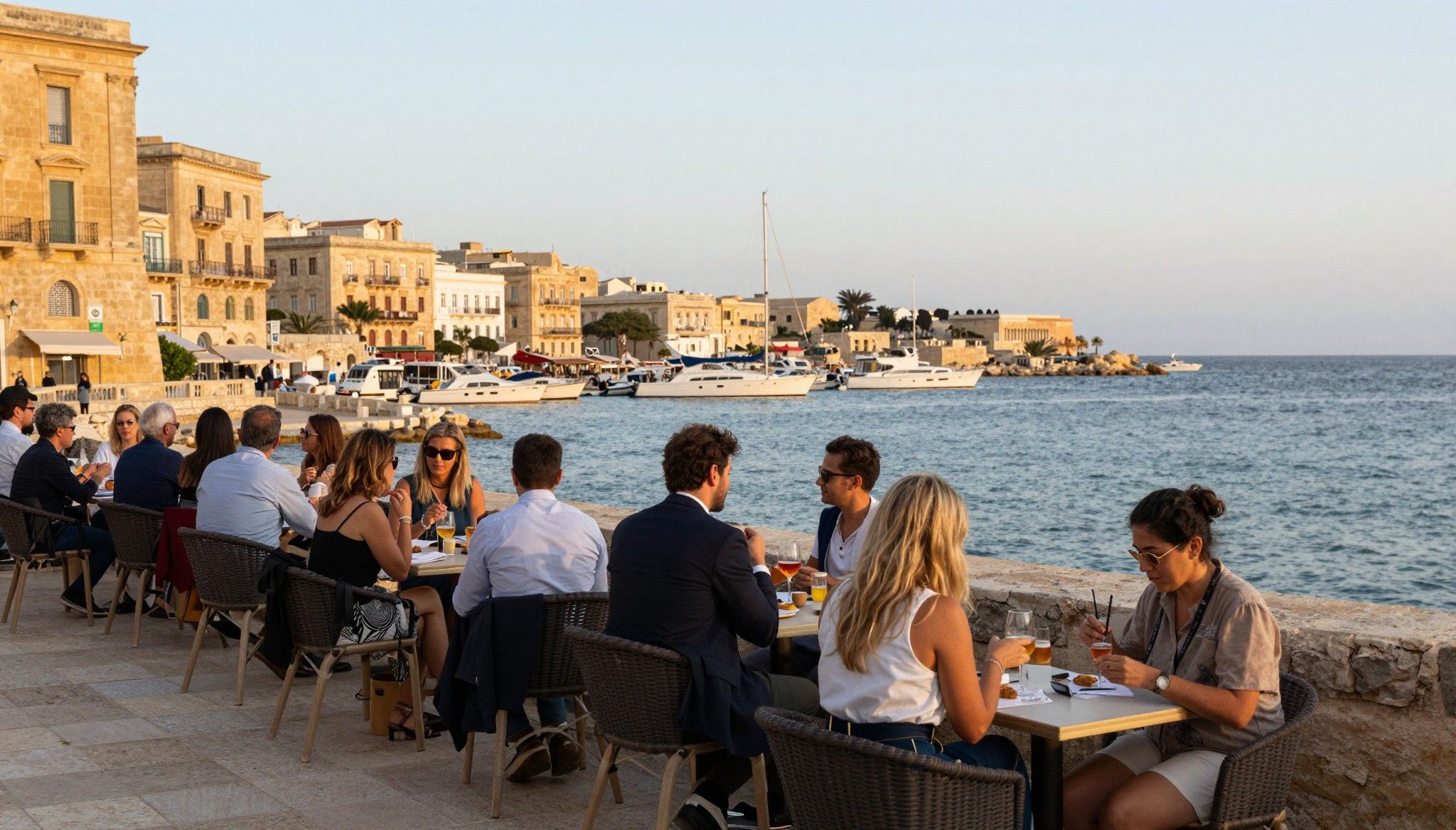
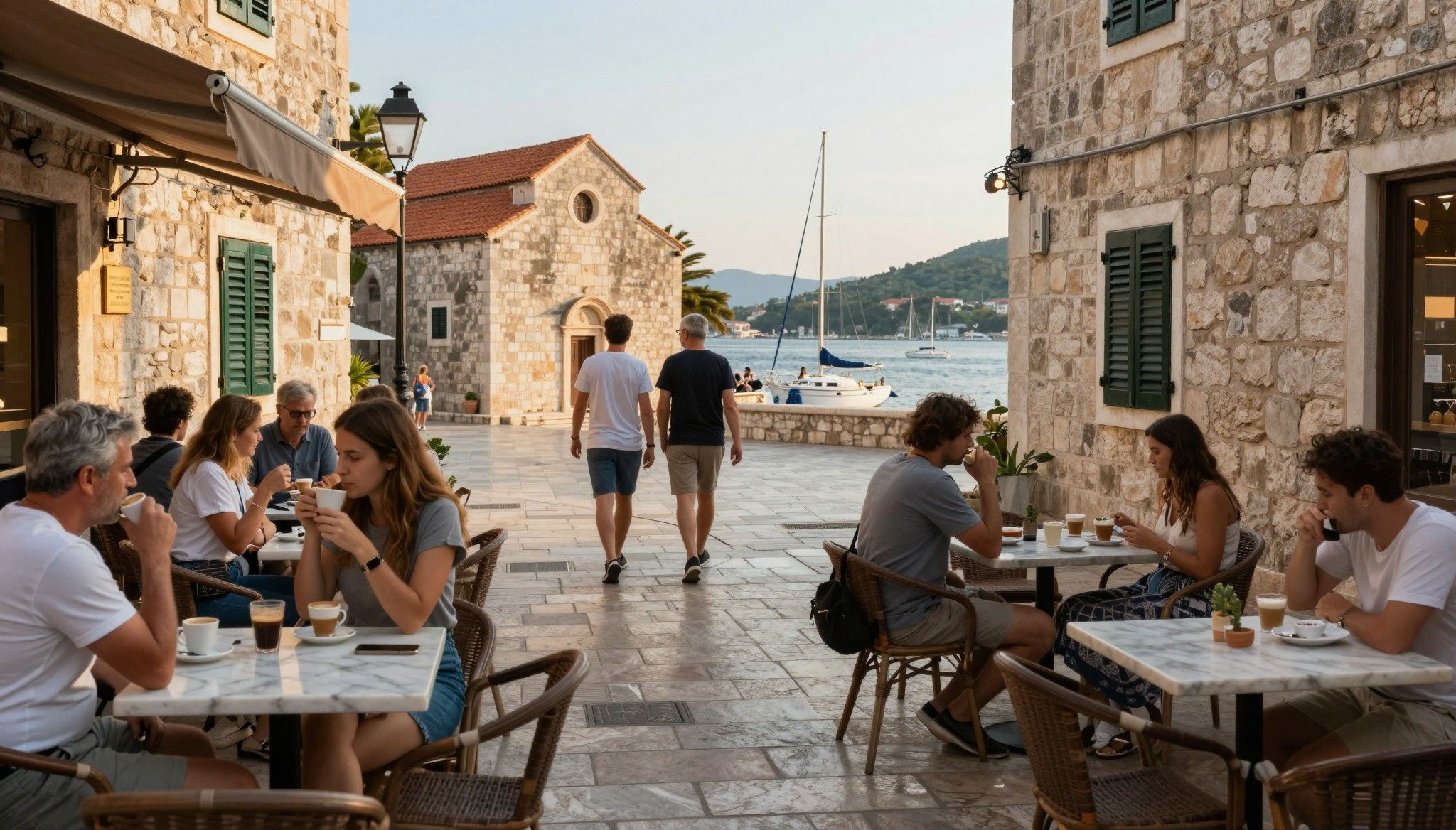
Italy: Neighbourhood Rhythms That Shape Value
Italy’s neighbourhoods trade on ritual and provenance; marry lifestyle desires with local regulation and seasonal reality for an enduring purchase.
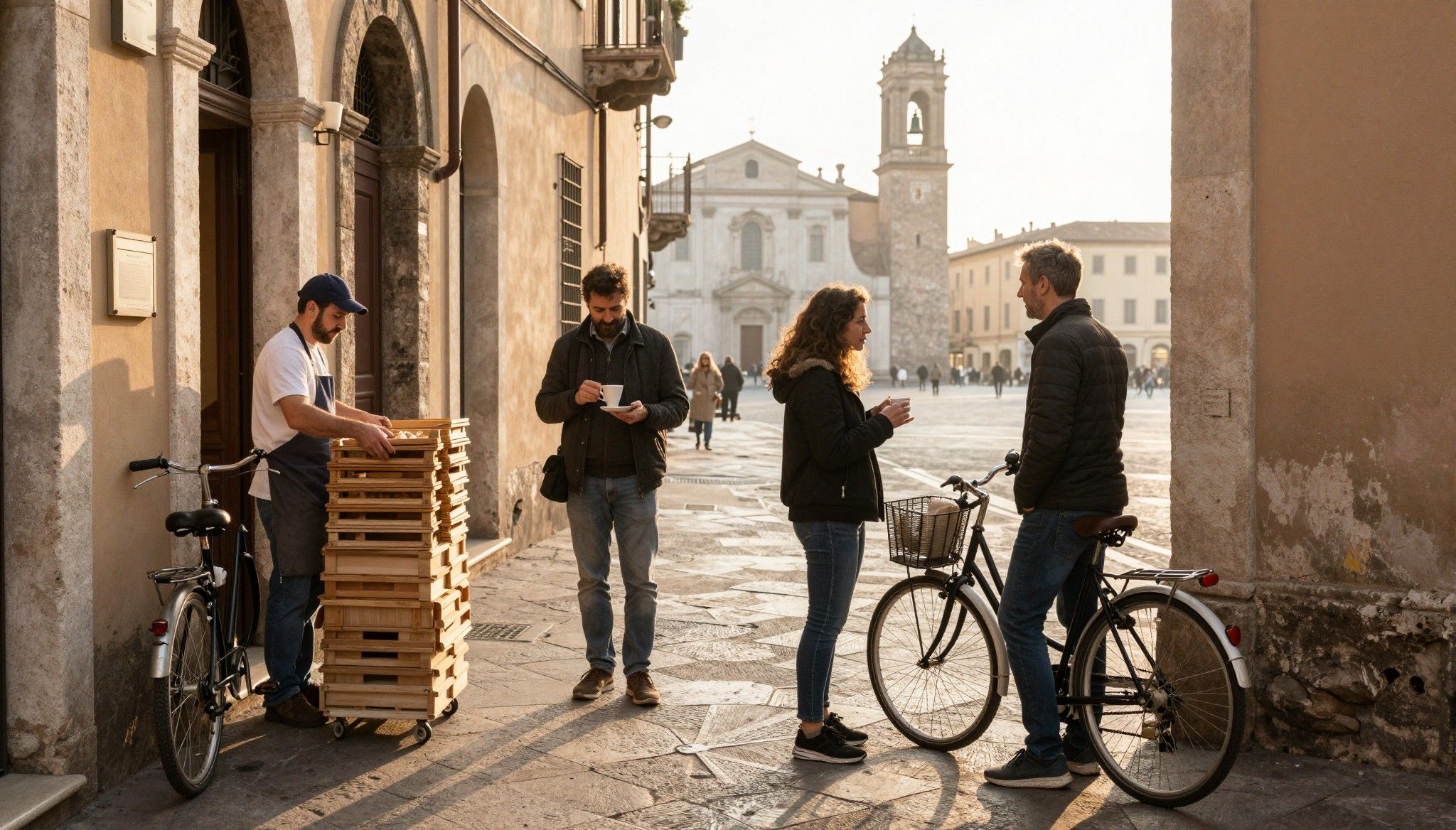
Imagine arriving on a narrow cobbled street at dawn: a baker slides out trays of cornetti, a barista polishes an espresso machine, and a pensioner reads the paper outside a piazza framed by limestone façades. That quiet morning habit — coffee standing, a short conversation, the sense that places accumulate history — is the particular appeal of Italy. For international buyers who prize provenance, craft and an everyday ritual of good living, Italy offers neighbourhoods where architecture and routine form a seamless life. Yet the choice of where to invest is not merely aesthetic: seasonality, short‑let regulation and micro‑market dynamics reshape value in ways many buyers underestimate.
Living the Italian Life: Rhythm, Streets and Senses
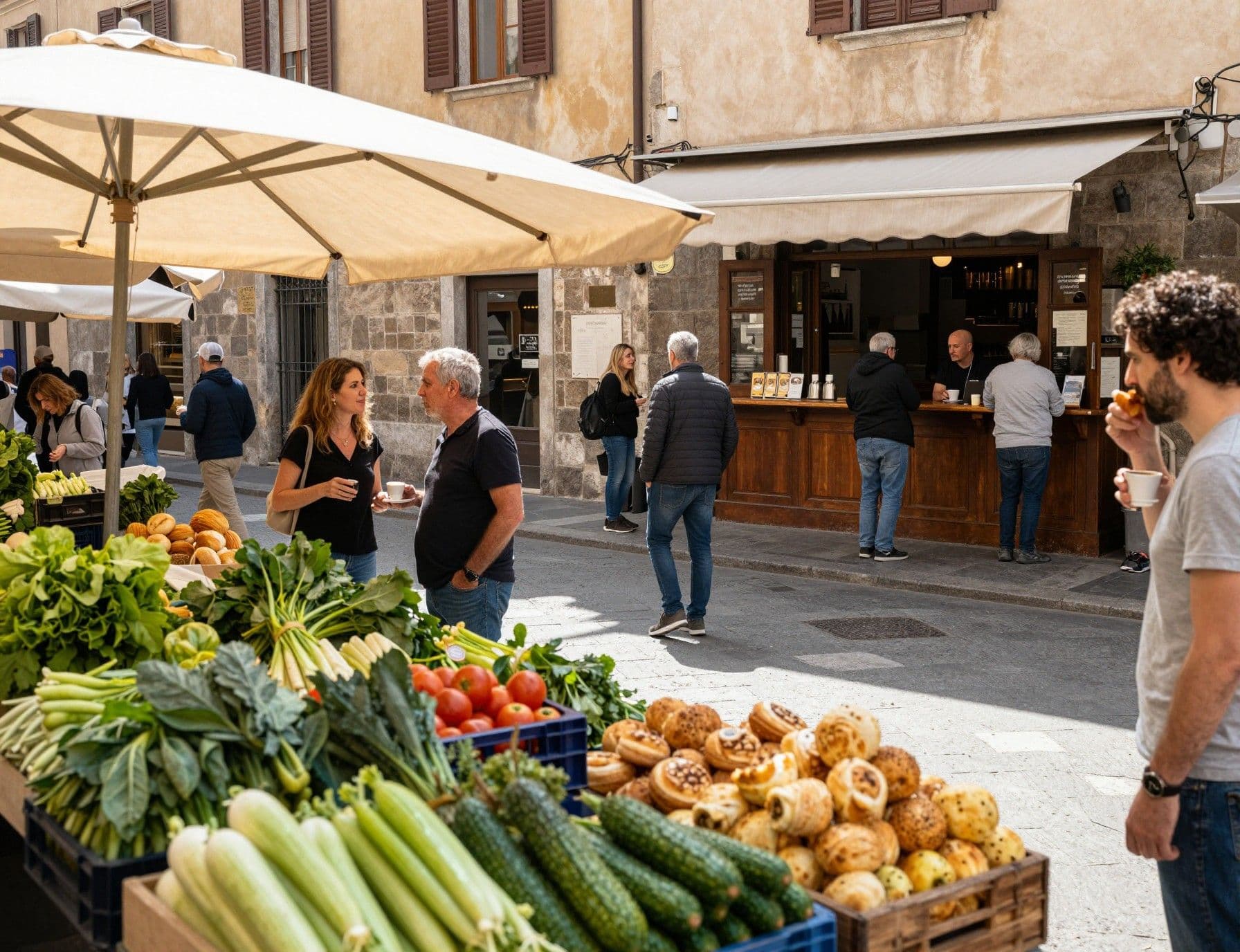
Life in Italy is paced by local rituals: morning espresso at a standing counter, a mid‑afternoon passeggiata, and long evening meals that fold into piazza conversation. In cities such as Rome or Milan that ritual sits alongside professional pace; in towns like Alberobello or Lucca it takes a gentler turn. The sensory constants are olive wood smoke on the breeze in rural Tuscany, salt and lemon in Amalfi, and the crystalline clink of glasses at aperitivo hour. These everyday textures should guide where you buy — near a market and a good bar in town; near a sheltered courtyard and morning sun in hill towns.
City centres vs. small towns: distinct daily shapes
A Roman rione like Trastevere hums at all hours with restaurants and neighbourhood artisans; a Venetian sestieri such as Dorsoduro is quieter at noon and dramatic at dusk when light hits canals. In Milan, Brera offers galleries and late cafés while Navigli remains lively into the night. For those who prefer measured calm, smaller centres — Orta San Giulio, Pienza, or towns across Le Marche — deliver a more intimate tempo and easier stewardship of period homes.
Food, markets and the architecture of daily life
Markets shape property life. Pescherie, forni and weekly mercato influence apartment layouts — proximity to a covered market often means weekday life without a car, while a terrace overlooking a piazza invites evening social life. Note, too, that cities with overtourism pressures (Florence, Venice) are altering their regulatory stance on short lets; this shifts both rental income prospects and neighbourhood composition over time. Local knowledge matters: the same central street can feel like a lived neighbourhood or a tourist thoroughfare depending on season and regulation.
- Market and lifestyle highlights to scout before bidding
- Morning market within a 10‑minute walk
- A reliable local bar with standing espresso
- Shaded public squares or gardens for afternoon respite
- Seasonal sun exposure for terraces and courtyards
Making the Move: Property Types, Timing and Local Advice
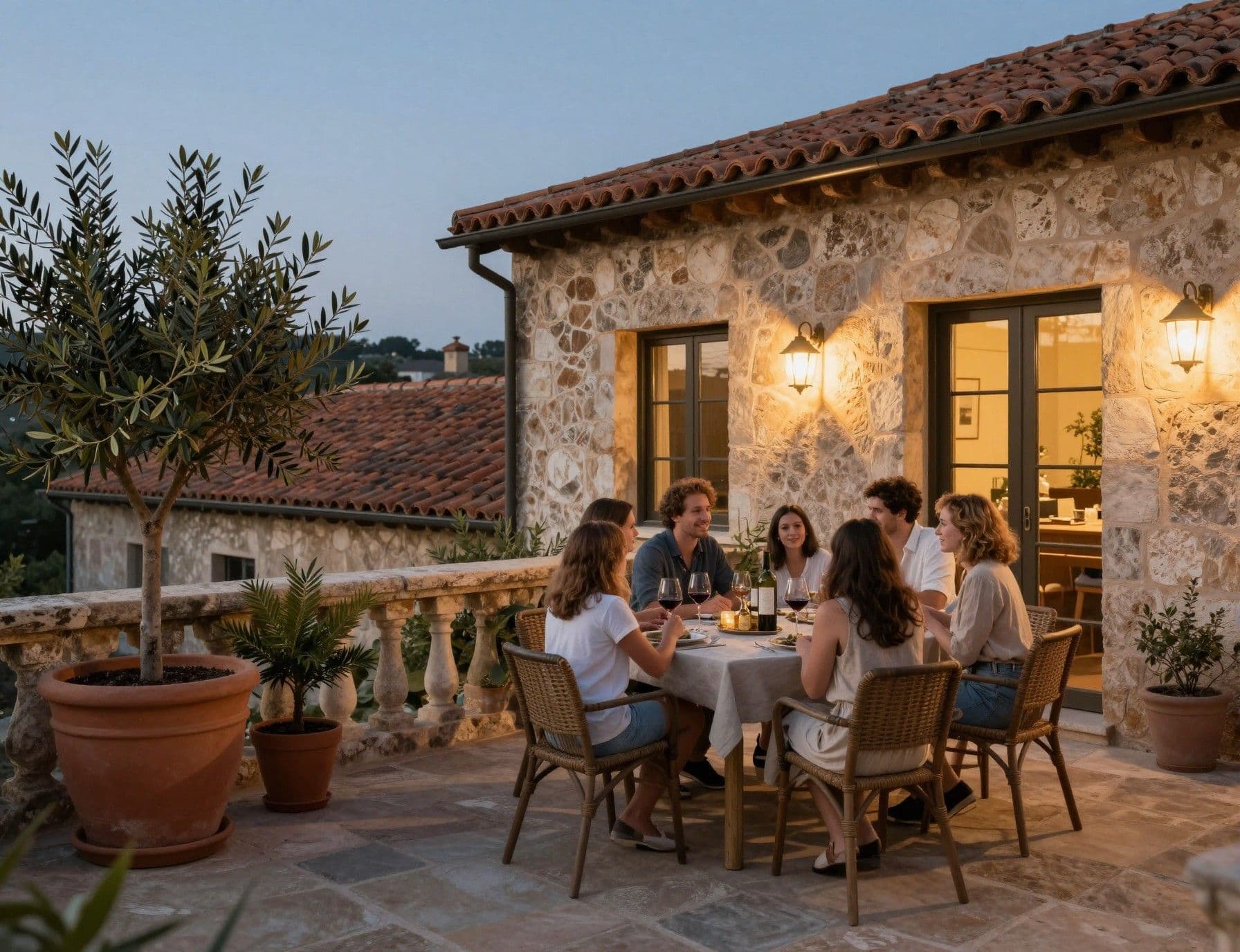
Translating the life you want into a property means matching architectural type to daily use. Whether a restored palazzo flat in Genoa, a terraced stone house in Puglia, or a contemporary apartment in Porta Romana, each property type prescribes routines: where you store groceries, how many stairs you accept, or whether a courtyard can host an annual festa. Market signals — ISTAT house‑price indices and specialist reports — show steady, regionally differentiated growth; for international buyers the choice of region matters more than headline national averages.
Architecture and everyday function
Historic apartments reward careful stewardship: thick walls, high ceilings and original tramezzature (partitioning) create luminous rooms but often demand bespoke heating and insulation solutions. Rural stone houses bring light and views but rarely have level access or modern services; plan for plumbing and seismic upgrades when purchasing outside urban centres. Newer developments in cities may offer convenience but less of the tactile charm that defines Italian provenance.
Working with local experts who know both law and lifestyle
An agent fluent in neighbourhood culture does more than list properties: they introduce you to artisans, advise on sunlight and noise at different times of year, and flag local planning rules that affect terraces and renovations. For buyers planning occasional rentals, seek advisors who can interpret municipal short‑let rules and recent national budget changes that impact withholding and taxation for platforms. A local notary and a surveyor with restoration experience are essential companions.
- Steps to marry lifestyle with a sound purchase
- List daily rituals you cannot do without (market, bar, school) and visit at those times to sense reality.
- Commission a local surveyor early to check structure, damp and seismic compliance before final offers.
- Ask an agent for recent comparables on the exact street rather than the neighbourhood average.
- Factor regulation: verify short‑let rules and tourist tax obligations if you plan occasional rentals.
Insider Knowledge: Cultural Quirks, Seasonal Reality and Expat Lessons
Expats often arrive charmed by idyllic images and then discover the practical textures: shop opening hours, municipal waste schedules, and the importance of local relationships. Integration is mostly small and everyday — learn the neighbour’s name, bring pastries on arrival, and you will unlock service and goodwill that smooth daily life. Seasonality transforms towns: coastal villages swell in July and empty by November; mountain towns are hushed outside ski season. Understanding these rhythms protects both lifestyle and investment expectations.
Language, community and the unspoken social code
Basic Italian opens doors. Beyond language, observe local patterns: in many towns shopkeepers value predictability — regular customers are treated differently to transient tourists. Introductory gestures (a handwritten card, learning a few regional phrases) matter. For families, proximity to a scuola elementare and its drop‑off rhythm should influence neighbourhood choice; for remote workers, check mobile coverage and the nearest coworking café.
Longer view: stewardship and generational thinking
Italy rewards buyers who think in decades. Well‑executed restorations and sensitive interventions preserve value; conversely, short‑term flips in hyper‑touristed pockets face regulatory and reputational risk. Look for properties with documented provenance, original details that can be conserved, and long‑term local demand drivers such as university presence, hospital proximity, or transport hubs.
- Red flags local agents will warn you about
- Unclear ownership history or missing building permits for past alterations
- Persistent moisture or smell of damp in basements and lower floors
- An unusually high short‑term rental concentration that signals touristification
- Lack of access to basic services (grocer, pharmacy, transport) within sensible walking distance
Conclusion: Italy invites a particular kind of commitment — to place, to craft and to the slow accretion of local life. Begin with the life you want: which café you savour, whether you prefer evening light on a piazza or morning mist over a vineyard. Then assemble a small local team: an agent who knows the streets, a surveyor who understands historic fabric, and a notary who moves with quiet efficiency. With that circle in place, an Italian home becomes not only an asset but the setting for a life that grows more interesting with each season.
Having moved from Stockholm to Marbella in 2018, I help Scandinavian buyers navigate Spanish property law, restoration quality, and value through authentic provenance.