Where Italy’s ‘Expensive’ Reputation Hides Opportunity
Italy is a study in lived provenance: learn which neighbourhood rhythms, property types and local data reveal value where price perception misleads.
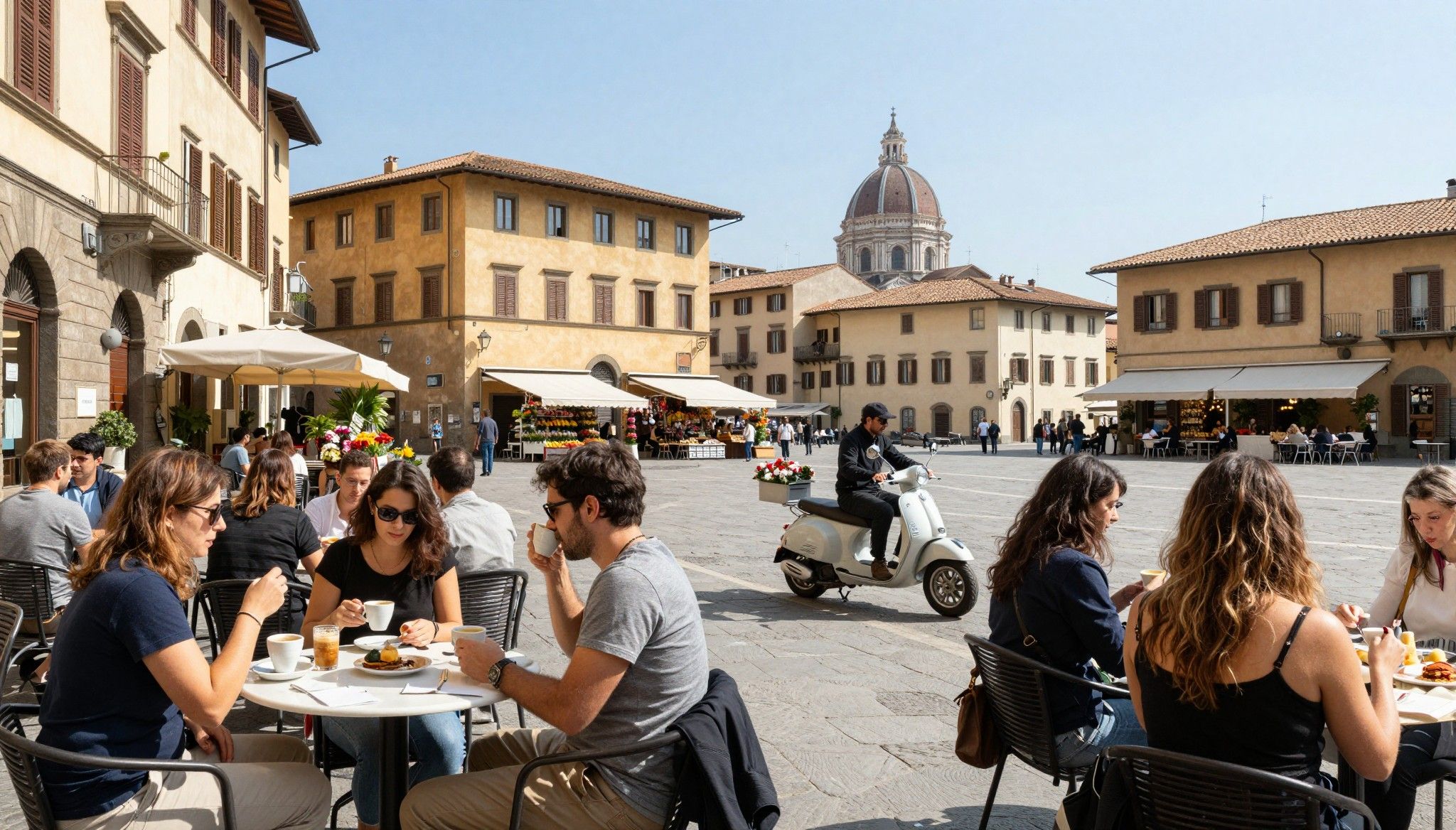
Imagine an early morning in Siena: a small espresso at Caffè Pasticceria Nannini, sunlight on terracotta roofs, a neighbour sweeping steps, and the slow music of market carts arriving in Piazza del Campo. That feeling—rhythmic, tactile, generous—explains why people buy in Italy. But behind the romance sit measurable regional differences that shape value and everyday life, and those differences are where astute buyers find opportunity.
Living the Italian rhythm
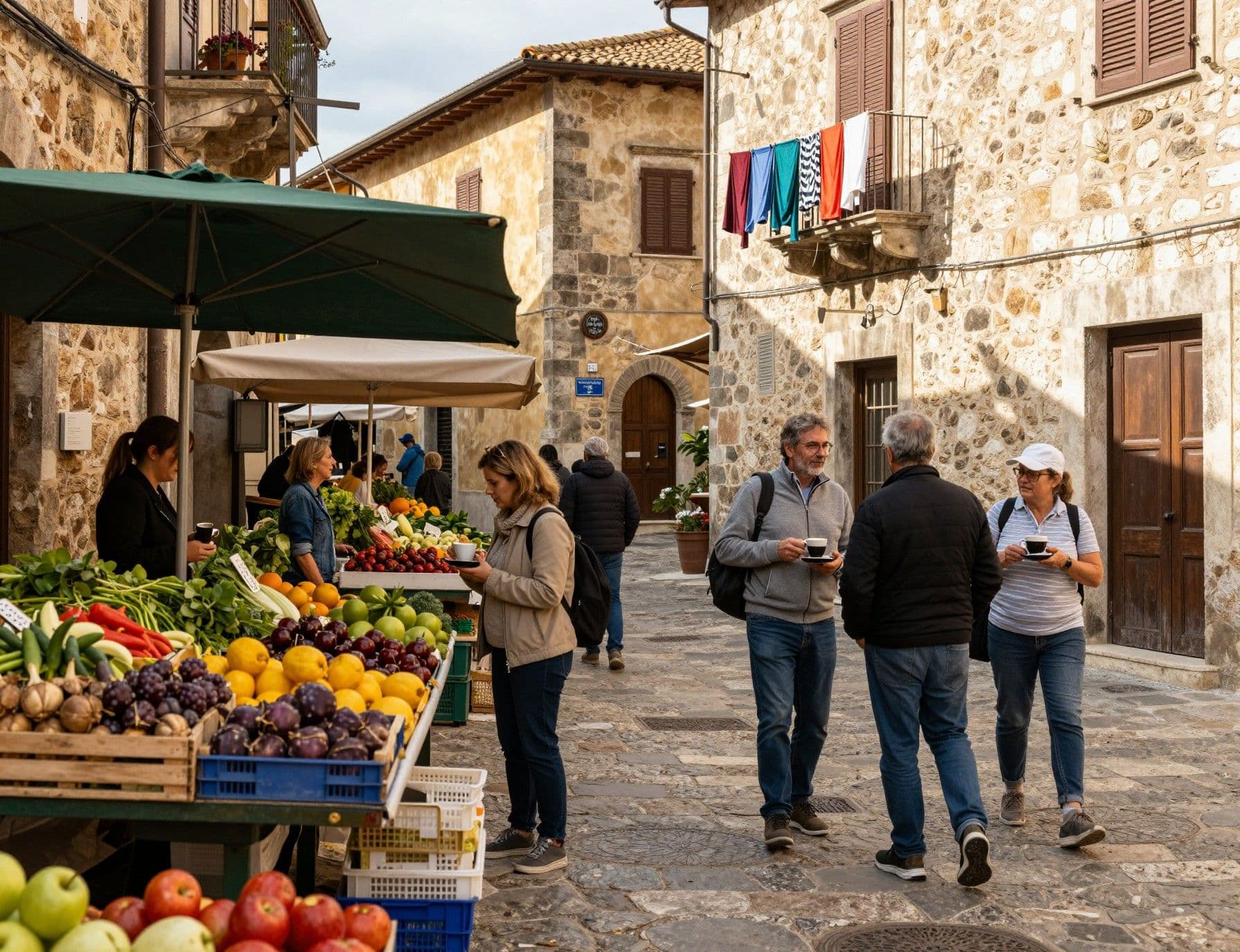
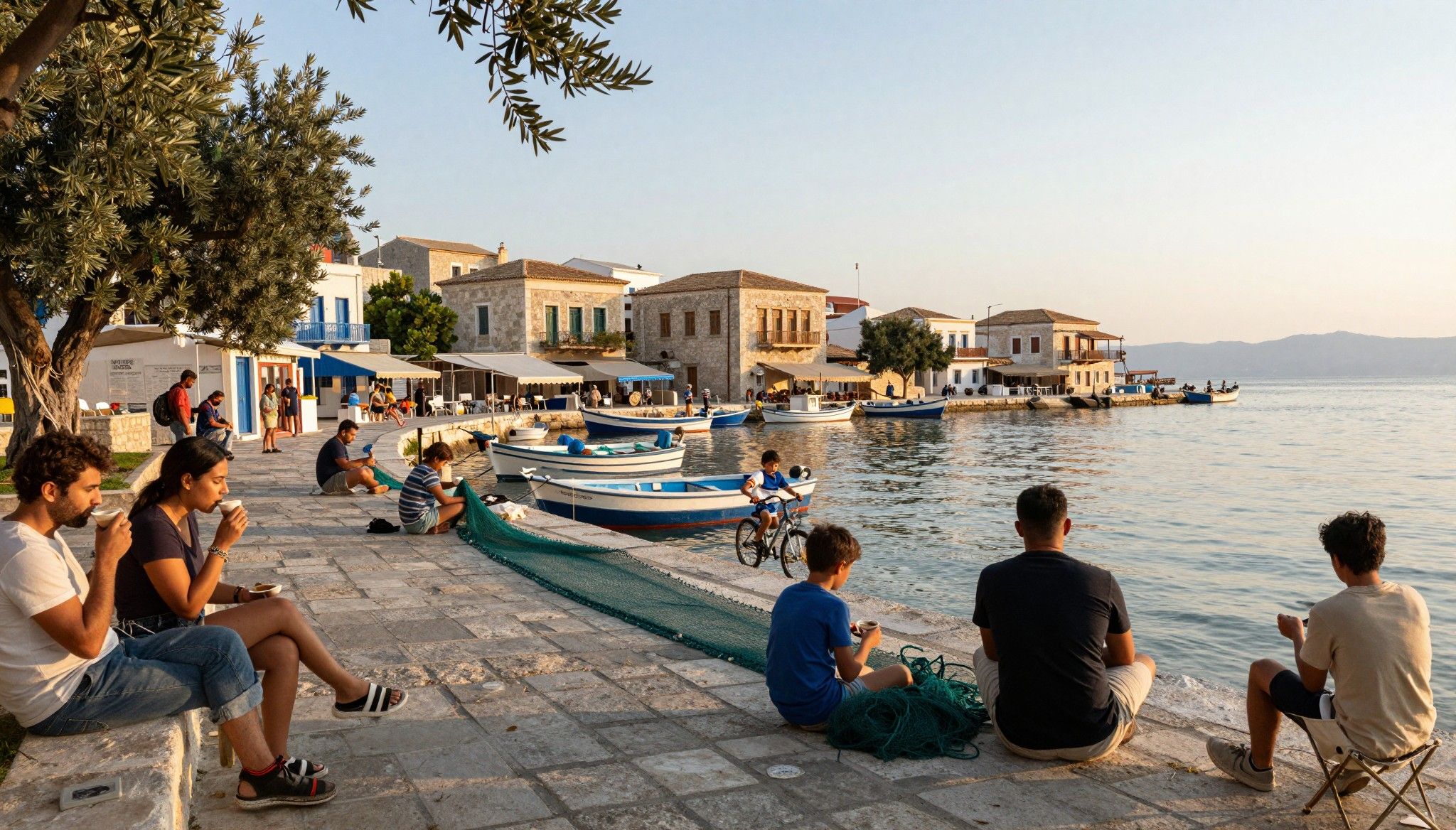
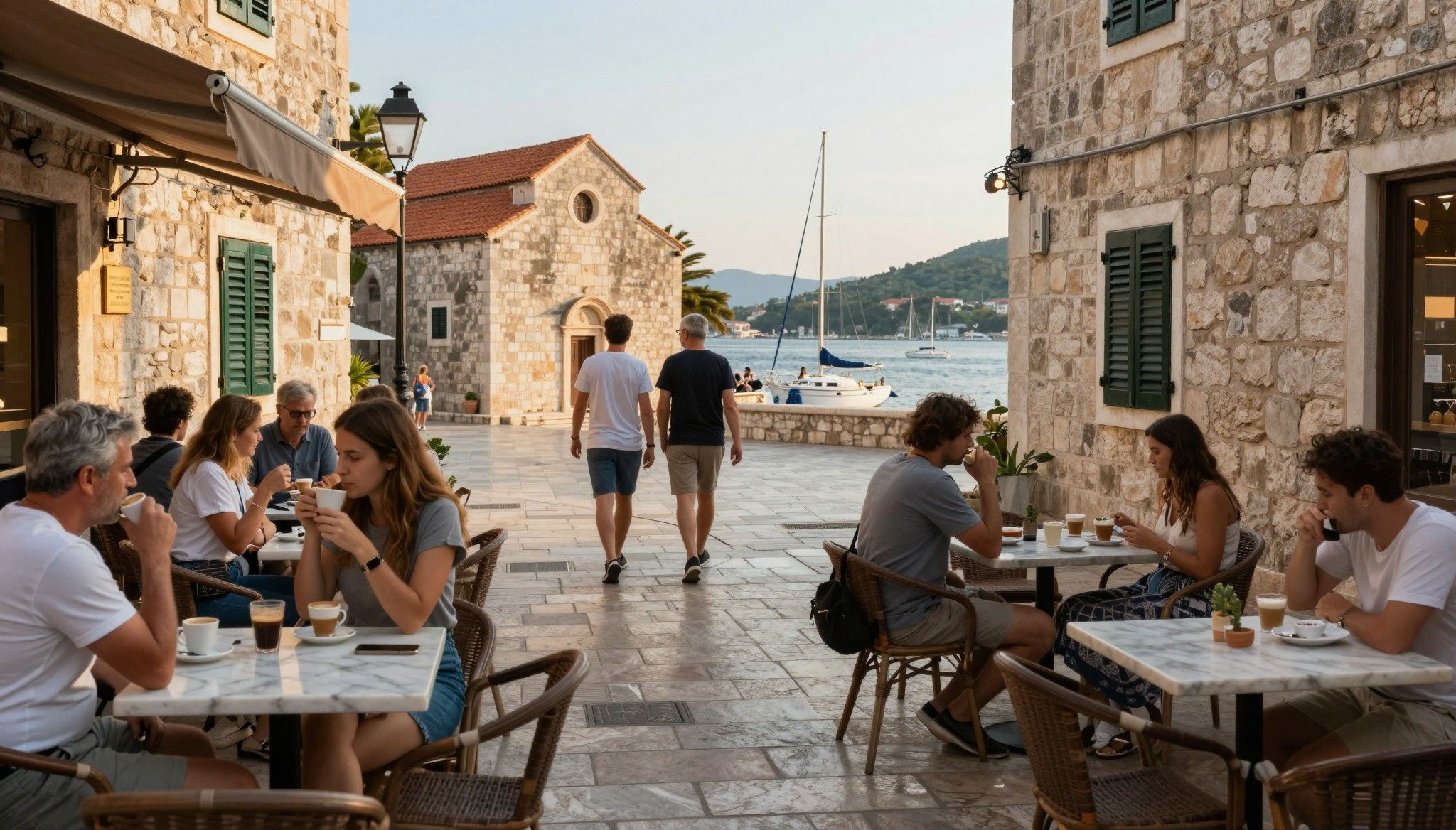
To live in Italy is to live by distinct daily cadences: morning markets and late aperitivi, a neighbourhood cafe that knows your order, and seasons that reshape how spaces are used. Urban residents trade wide boulevards and museums for neighbourhood trattorie and short walks; coastal buyers prize terraces and fresh breezes; those in hill towns prize stone, privacy and provenance. These rhythms matter because they determine what kind of property will feel like home and where resale demand is most resilient.
City quarters where life happens
Think of Florence’s Oltrarno, Palermo’s Kalsa, Naples’ Vomero or Milan’s Navigli: quarters defined by markets, craft workshops and convivial piazze. In these districts you buy not merely a floor plan but a way of life—an atelier nearby, a favourite rosticceria, evening passeggiata. For international buyers this translates to homes that perform both as lived-in places and as authentic short-stay rentals when desired, though supply constraints mean that well-located, characterful units command price premiums.
Coast and countryside: different measures of value
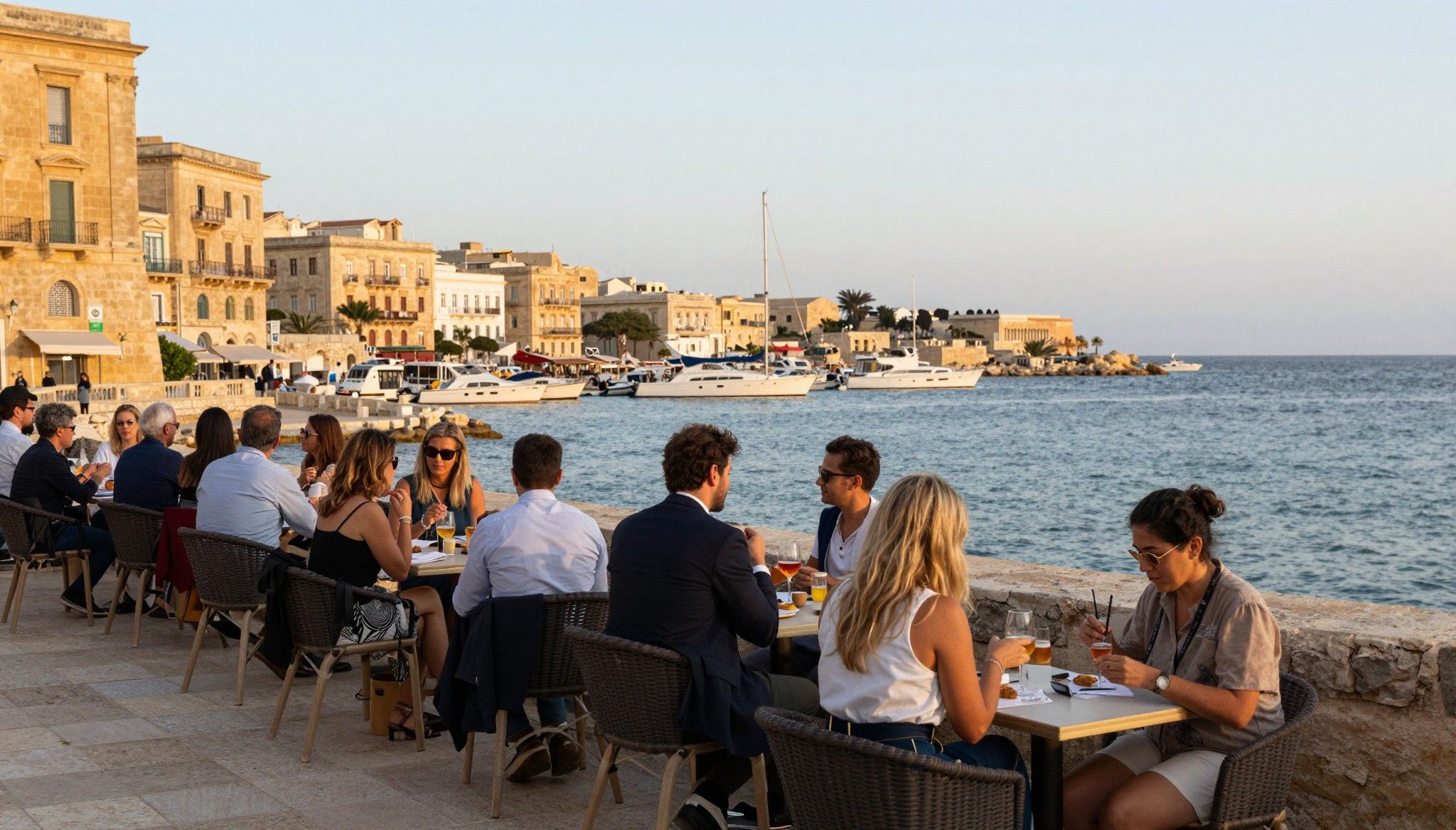
A seaside terrace in Positano is judged by views, solar orientation and outdoor rooms; a restored farmhouse in Val d'Orcia by land, olive groves and provenance. Seasonal demand flattens and rises prices in coastal resorts, while inland hill towns offer deeper discounts and a different pace of life. Understanding these trade-offs—view versus privacy, tourist season versus year‑round community—rewards buyers with properties that match both lifestyle and investment horizon.
- Lifestyle highlights to seek
- Daily market within a five-minute walk: fresh produce, fishmongers and a chance encounter with neighbours
- A neighbourhood café that doubles as a social hub—think historic baristas in Turin or Rome’s high streets
- Outdoor space suited to climate: covered loggias in Tuscany, wide shutters and cross‑ventilation in southern homes
- Proximity to transport for discreet travel: regional train lines, small airports and ferry connections for islands
Making the move: lifestyle meets market reality
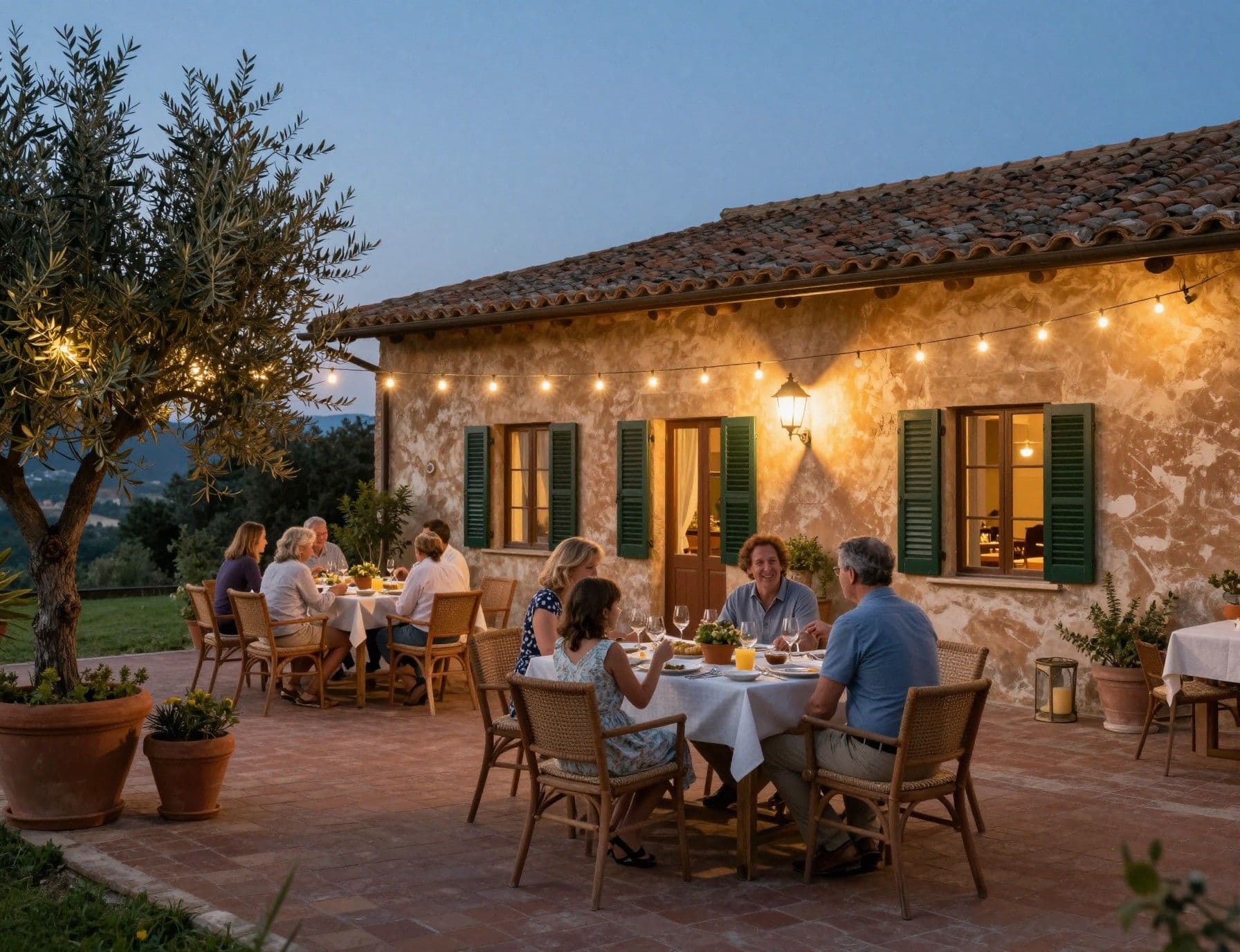
Romance does not exempt buyers from measurable market forces. National statistics and agency reports show modest but consistent growth in residential transactions and pockets of prime-value appreciation. Recent OMI data from the Italian Revenue Agency indicate a gradual recovery in transactions, while international demand concentrates on Tuscany, Lombardy and select coastal zones. Use these published datasets to temper expectation and to spot undervalued districts where lifestyle demand is growing but price narratives lag reality.
Property types that suit how you’ll live
A palazzo apartment offers high ceilings and formal rooms for entertaining; a rustic casa colonica gives land, autonomous living and room for restoration. New-build townhouses provide efficient systems but often lack the patina that defines Italian provenance. Choose by how you intend to live: host frequently and favour central apartments with formal dining; seek solitude and restoration potential and prioritise land, access and structural condition.
Working with experts who understand place
Local agents are indispensable for access to off‑market stock, negotiation nuances and provenance verification. Look for advisers who demonstrate knowledge of artisan restorations, sismabonus and local planning regulations, and who can connect you with conservators and notaries. Their role is less transactional and more curatorial: pairing a lifestyle brief with properties that bear cultural authenticity and future value.
- Practical steps that preserve lifestyle value 1. Define the daily life you want—markets, schools, or quiet terraces—and let it direct location choices. 2. Request comparables that show both seasonal peak prices and long‑run averages. 3. Insist on a structural survey with a restoration cost estimate if the property is historic. 4. Verify local building constraints and any protected‑status designations that affect renovation freedom.
Insider knowledge: what expats wish they’d known
Many international buyers arrive enchanted and learn, sometimes the hard way, that cultural habits shape everyday life as much as architecture does. Shops close for riposo in smaller towns; building consents can be slow; electricity and plumbing in older houses often require thoughtful upgrading. Such frictions affect living more than headline price per square metre, and accounting for them before purchase preserves both quality of life and value.
Language, community and social rhythm
Learning basic Italian opens doors to neighbourhood warmth and practical efficiency; it softens bureaucracy and engenders trust. Expat communities cluster in predictable places—Lucca, Lake Como, parts of Puglia and Tuscany—yet integration succeeds where buyers prioritise local rituals: attending sagra, buying from the same vendor and frequenting the same café. Those small investments repay in friendship and a truer sense of belonging.
Long-term stewardship and resale readiness
Consider a property as an heirloom rather than a short‑term flip. Restoration choices—materials, artisan craftsmen, reversible interventions—affect both authenticity and market desirability. Regular upkeep is paramount in Italy’s varied climates; salt air near the coast or freeze cycles inland create specific maintenance needs. Buyers who respect provenance and invest in careful materials preserve both lifestyle and capital.
- Red flags to note before you buy
- Unclear property title or incomplete historic records—insist on notarised chain of title
- Extensive deferred maintenance disguised by superficial cosmetic work
- Planning restrictions for heritage buildings that limit adaptation
- Properties reliant on seasonal tourism in locations with shrinking year‑round populations
A quick, pragmatic checklist helps bridge dream and deed: verify OMI price bands for the commune, commission a structural report, confirm local planning constraints with the comune, and secure a notary with local experience. These steps convert sensory enthusiasm into an informed purchase that honours both place and investment.
Recent transaction data reinforce a steady market: the volume of purchases recovered modestly in 2024 and early 2025, indicating both domestic resilience and ongoing international interest. Use these trends not as a signal to rush, but as context for negotiation: growth is measured and location-specific, giving discerning buyers room to seek value where sentiment still lags substance.
Picture the life you want—an olive-scented courtyard in spring, neighbourhood butchers you know by name, terraces that carry summer evenings—and then approach the market with questions that reflect that life. Ask about humidity in basements, solar orientation, the communale’s maintenance schedules and local festivals. Small details determine whether a house will become home.
If you are ready to explore, begin with a short list of neighbourhoods defined by the life you want and then work with an agent who can show both listed and off‑market possibilities. An agent who understands artisanal restoration, local planning, and seasonal markets will translate lifestyle desires into property choices that preserve cultural authenticity and long‑term value.
Italy offers the rare combination of daily grace and tangible patrimony. This is a market where sensory attachments intersect with legal and structural realities; attend to both and you acquire not just property but an enduring life. When you are ready, let local expertise curate options that speak to provenance, craft and the lived pleasures of place.
Dutch former researcher who moved to Lisbon, specialising in investment strategy, heritage preservation, and cross-border portfolio stewardship.