Greece’s Neighbourhoods: Lifestyle First, Market Second
Greece’s appeal is as much neighbourhood rhythm as it is sea view. Pair lifestyle scouting with local market data to buy for life, not just for season.
Imagine a late afternoon in Koukaki: a small taverna’s terrazzo tiles cooling beneath your feet, church bells marking the hour, and a neighbour bringing a tray of loukoumades from Psyrri. In Greece, the daily ritual — markets, coffee, a brief siesta, the slow pivot from daylight to lamp-lit streets — defines where you live as much as the property itself. For international buyers, understanding neighbourhood rhythm is the first step toward a purchase that feels like home rather than a transaction. Evidence of strong price momentum is real; buyers should pair that awareness with hyperlocal curiosity. (See Bank of Greece analysis.)
Living the Greece lifestyle
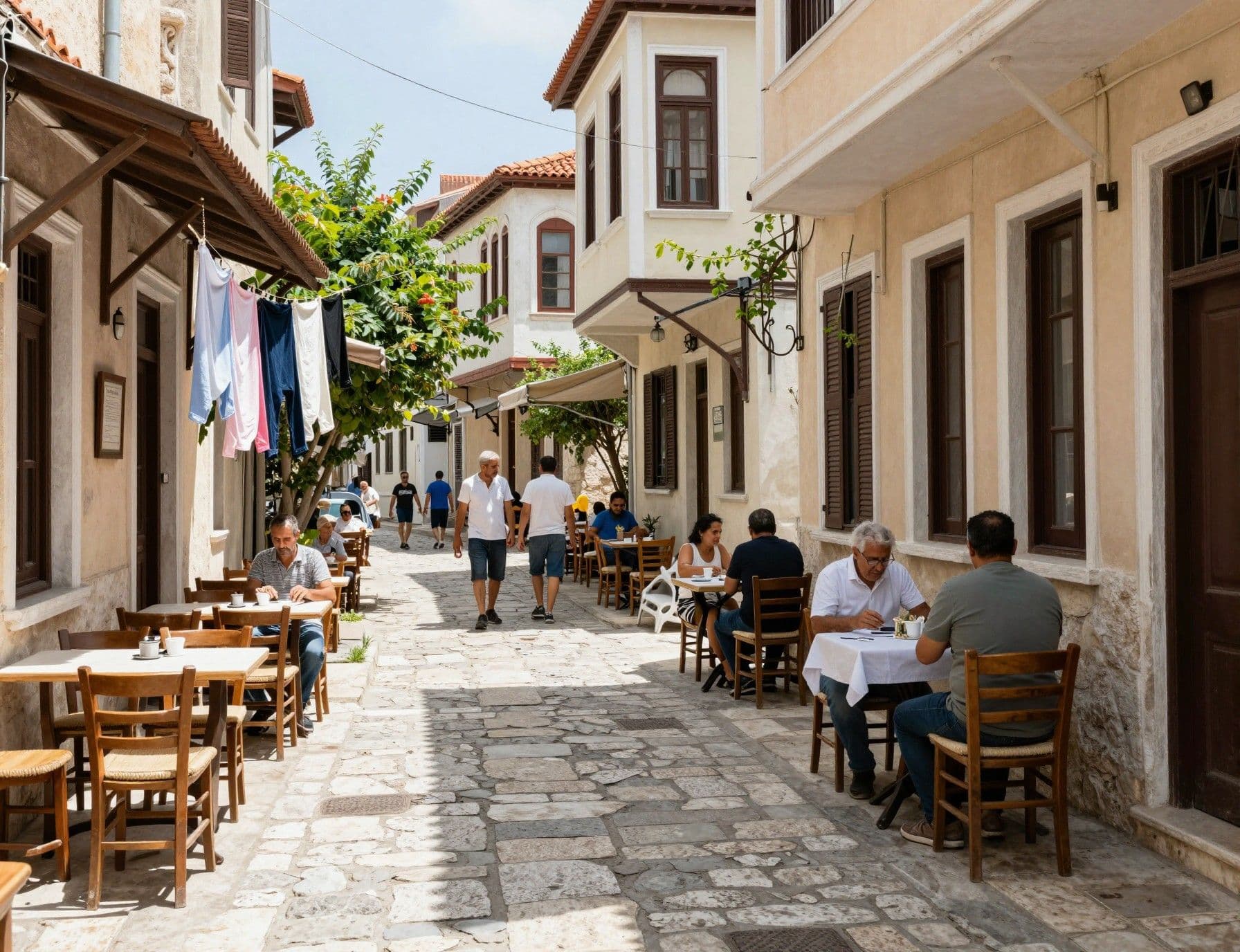
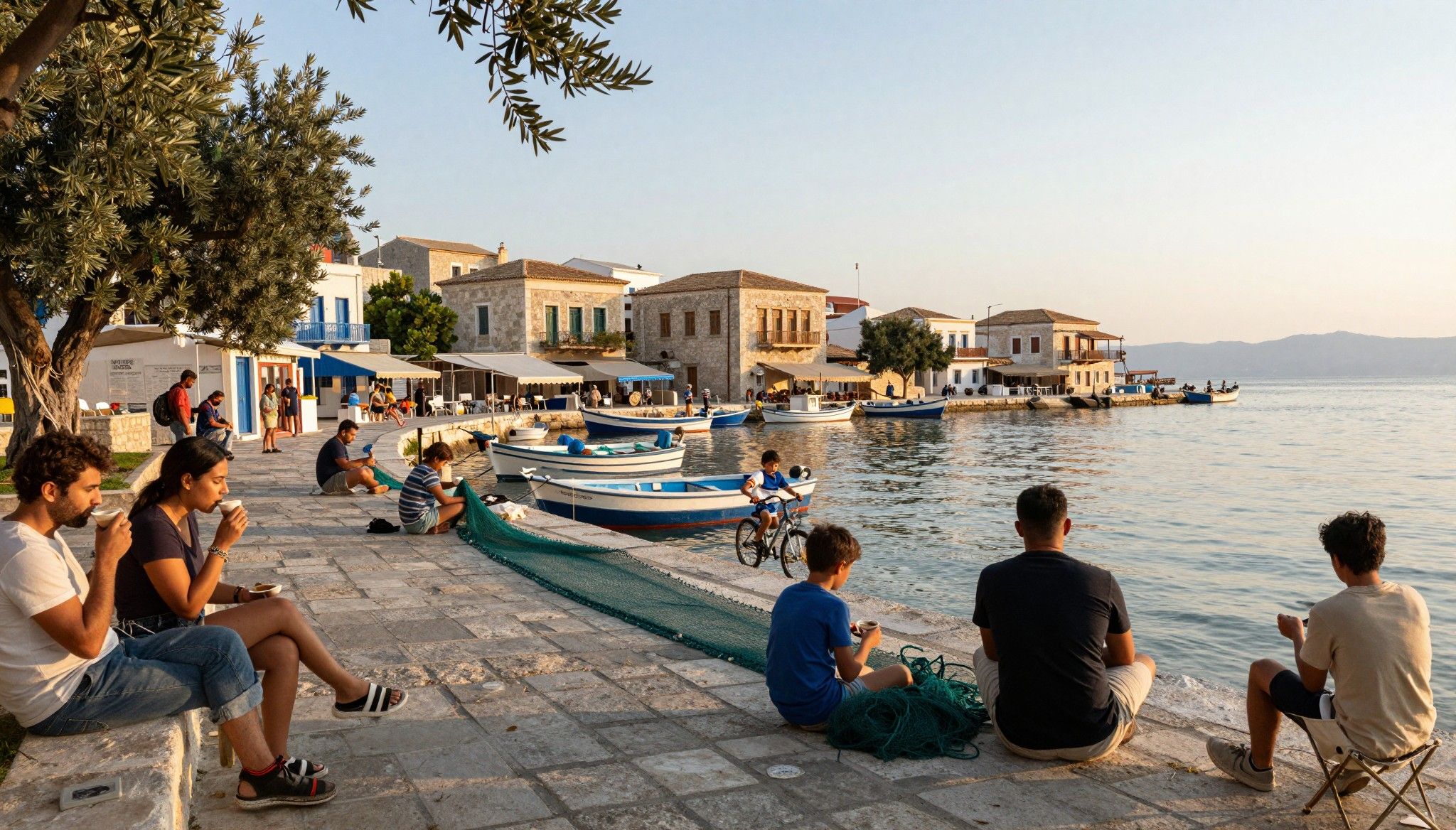
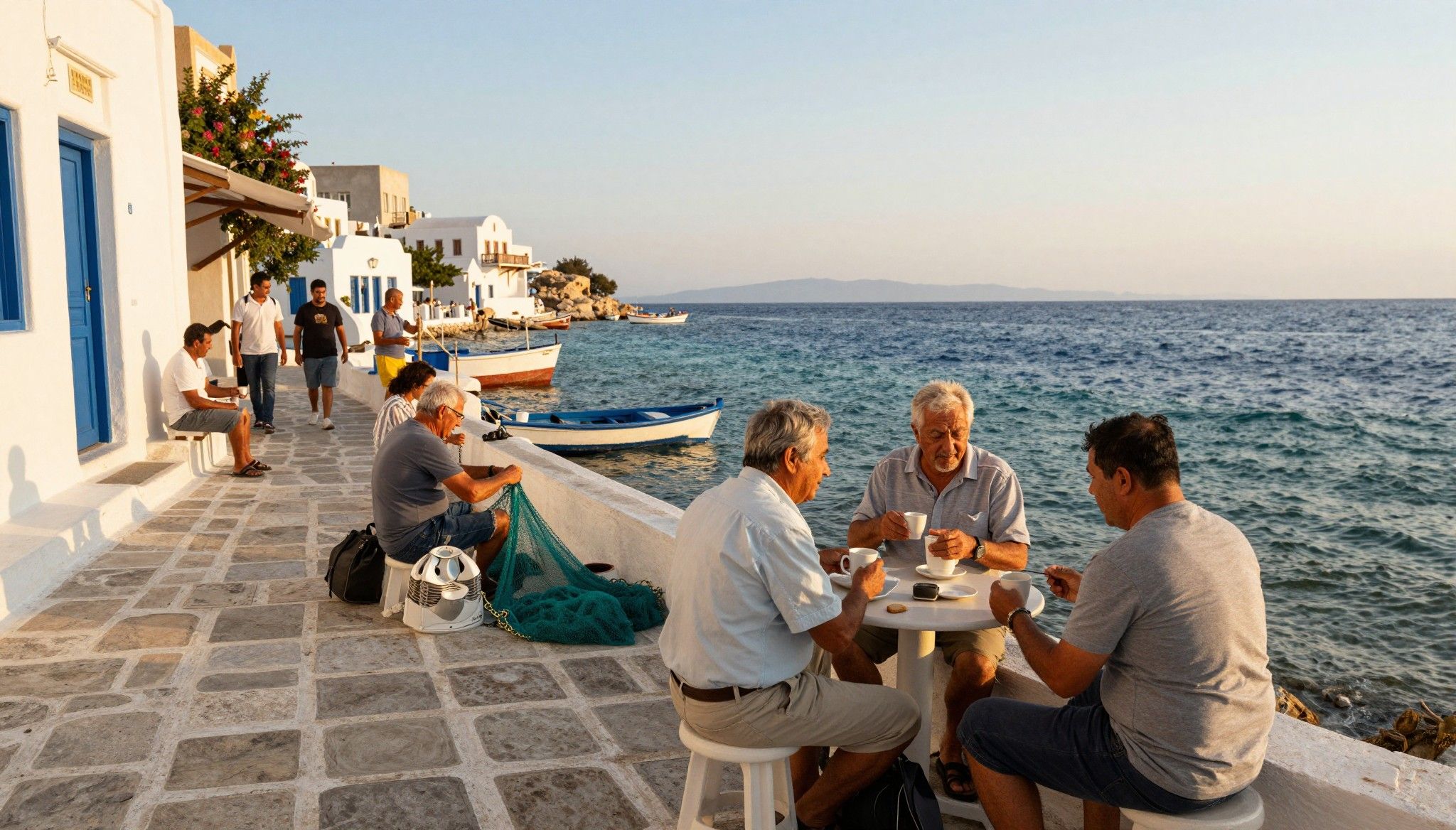
Greece is less a single lifestyle than a palette of local tempos: the urban cadence of Athens and Thessaloniki, the leisurely coastal life along the Athenian Riviera, and the seasonal pulse of the Cyclades. In Athens you will find morning espresso shops on Petralona’s narrow streets and late-night seafood around Glyfada; on Paros and Naxos, mornings begin with fishermen selling the day’s catch at harbour markets. Recent national indices confirm sustained price growth, but the lived experience — cafes, municipal markets, evening plateia life — is what determines neighbourhood appeal more than headline averages.
Athens: city intimacy and the Athenian Riviera
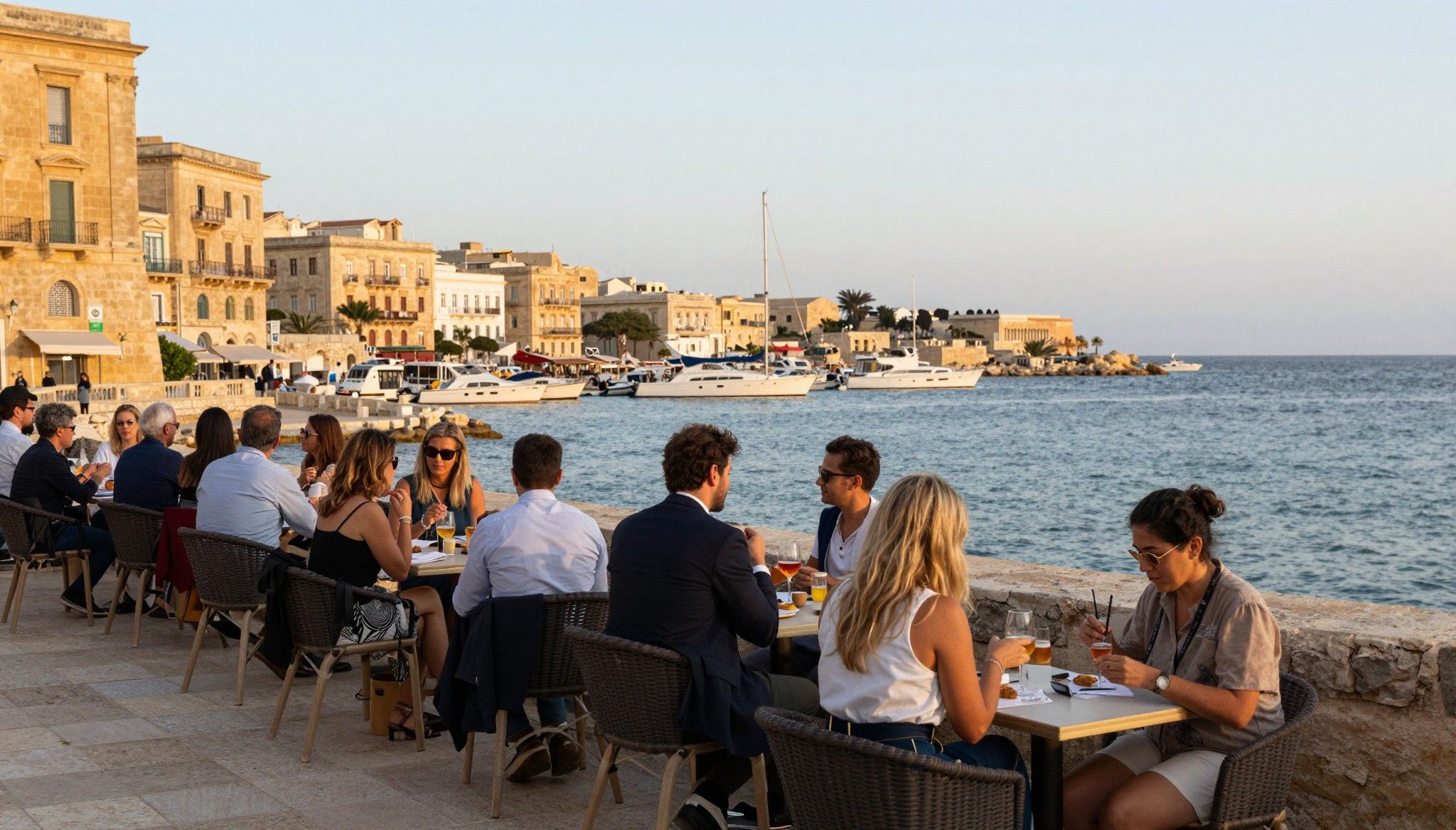
Walk from Kifisia’s tree-lined boulevards to Koukaki’s stone streets and you feel two different Athens. The Athenian Riviera — Voula, Vouliagmeni, and Glyfada — now draws families and professionals seeking sea-access with metropolitan services. Here, properties tend toward mid-century villas and refined neoclassical restorations with terraces that become summer living rooms. For those who prize both proximity to international schools and a private bay for weekend swimming, the Riviera offers a discreet mainland alternative to island life.
Islands: seasonal splendour and hidden trade-offs
The Cyclades — Mykonos, Santorini, Paros — offer unrivalled light, calcareous architecture, and a summer social calendar that elevates hospitality to theatre. Yet the same seasonality that creates luminous summers also creates stretched services in winter, fluctuating rental income, and local planning pressures. For a buyer enamoured with whitewashed courtyards and calmed sea views, it is essential to weigh the pleasure of peak months against quieter winters and infrastructure limits.
- Lifestyle highlights to scout in person
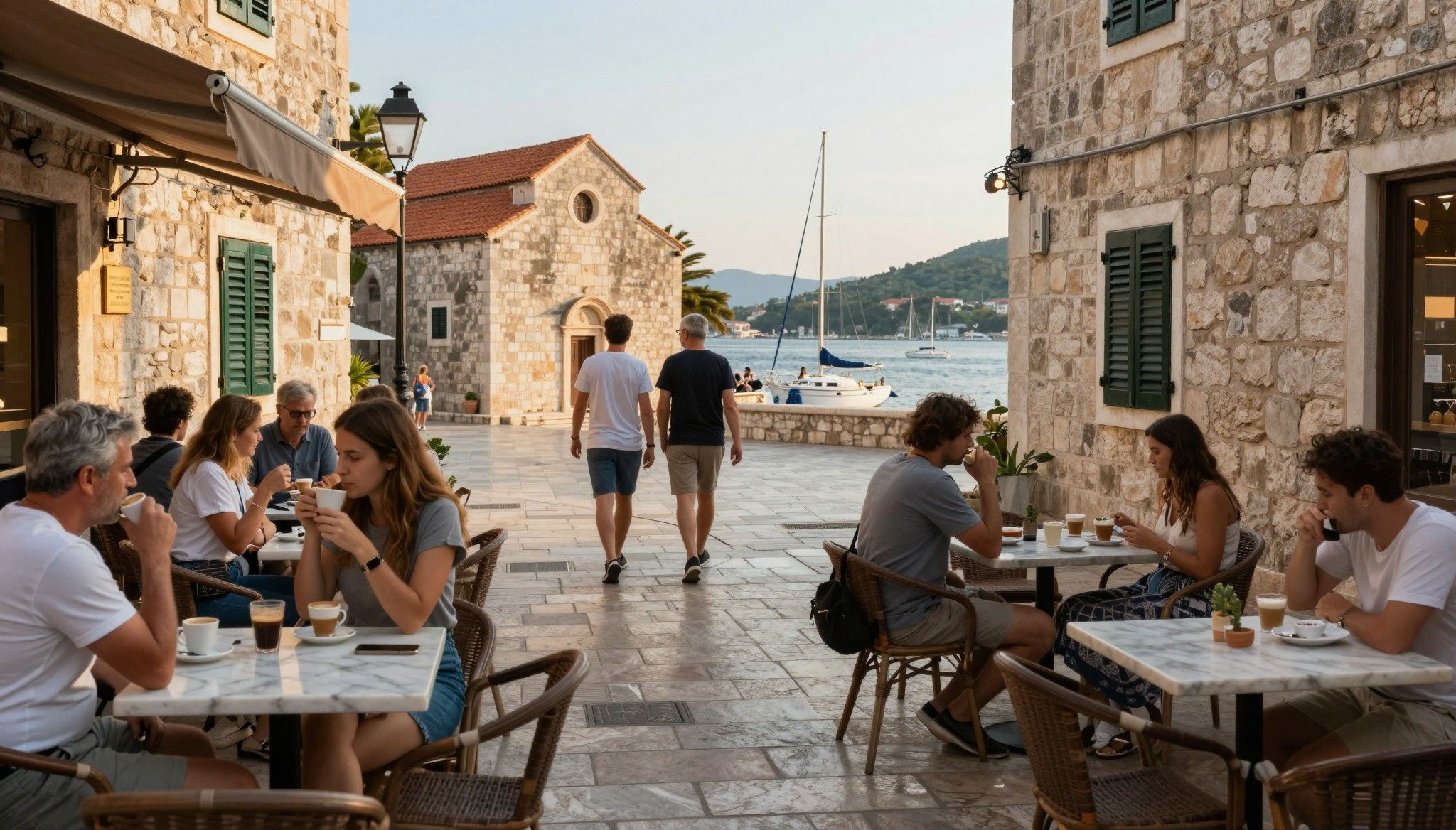
- Morning espresso culture: cafes on Adrianou (Plaka) and the boulangeries of Kifisia
- Neighbourhood markets: Varvakios Agora in central Athens; Chania’s municipal market on Crete
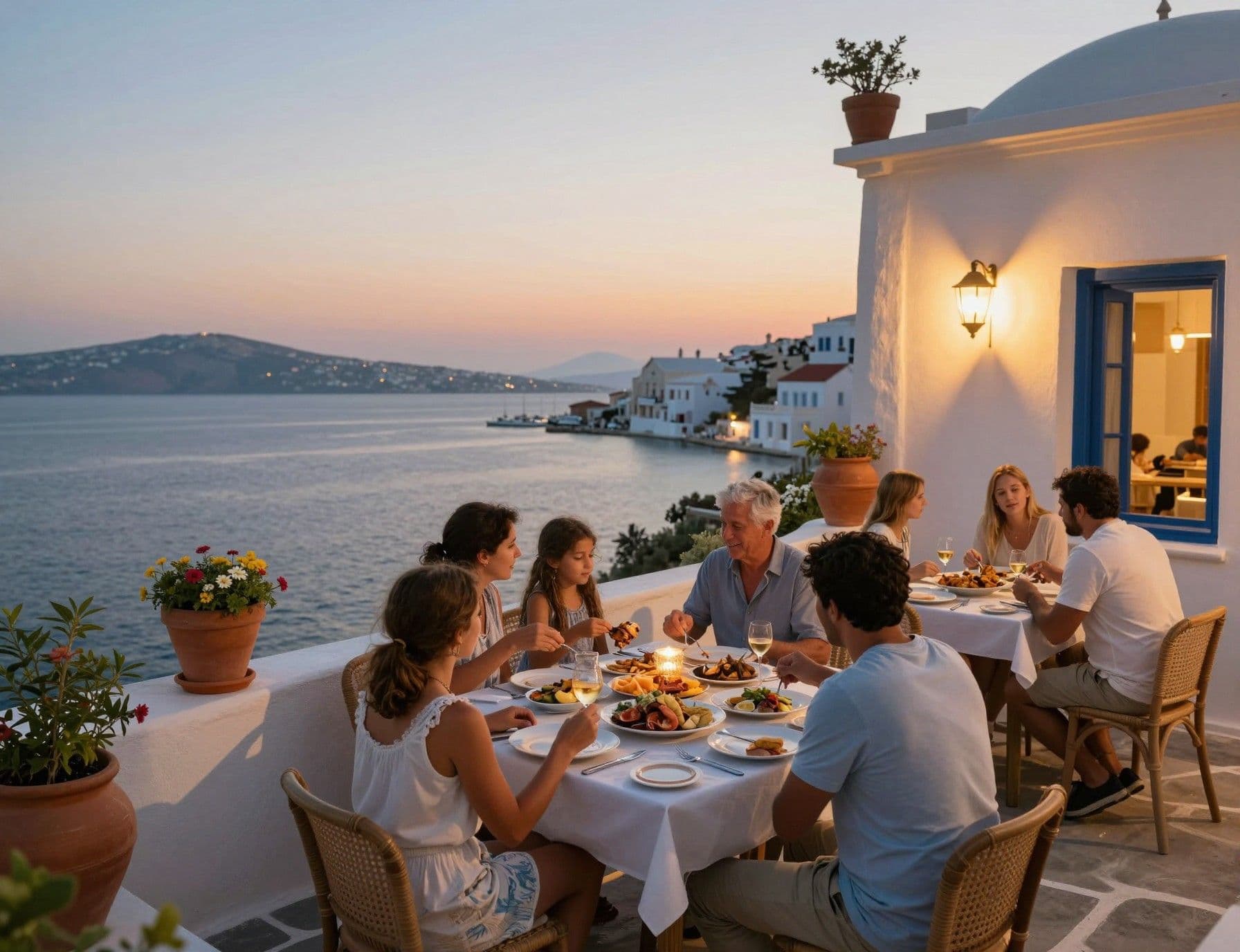
- Harbour life: Paros’ Naoussa for dinner by fishing boats; Glyfada for yacht access
- Evening plateia: local squares where neighbourhoods gather — Psyrri, Exarchia (outdoor, convivial), and many island squares
Making the move: practical considerations
The market’s recent acceleration — Bank of Greece data show notable annual increases across regions — means timing, comparables and local supply matter more than ever. That makes neighbourhood-level assessment essential: two adjacent streets in Athens can diverge materially in price, rental demand and restoration constraints. Begin with a day in each neighbourhood rather than a day of viewings; listen to traffic at dawn, note shop opening hours, and census the green space.
Property types and how they shape life
An Attic apartment on an Athenian neoclassical building offers vaulted ceilings and proximity to cafes but usually limited parking and steep staircases. A renovated stone house on Crete provides storage for provisioning and summer shade but may mean longer drives to hospitals or international schools. Match property typology to daily routines: if you value walkability and daily market trips, prioritise central neigbourhoods; if privacy and garden harvests matter, consider mainland towns or larger island plots.
Working with local experts who know both life and law
A local agent who understands seasonal occupancy, municipal restoration rules and the cadence of neighbourhood life is indispensable. They translate market indices into a living picture: which streets remain quiet in winter, where municipal plans permit extensions, and which properties possess authentic materials worth preserving. For international buyers, a bilingual notary and a local architect familiar with permitted interventions will save time and preserve value.
- Step-by-step viewings that reveal lifestyle fit
- Visit at three times of day: morning market hours, mid-afternoon quiet, and evening social life.
- Ask for service histories: water, septic, air-conditioning, and any restoration invoices.
- Request local comparables for the exact street — not just the neighbourhood — and check recent sale dates.
- Meet the neighbours: a brief conversation reveals maintenance norms and community rhythms.
Insider knowledge: what expats wish they’d known
Expats often arrive enchanted by sea views and quiet streets, then discover seasonal limits — fewer services in winter, stricter planning rules, and the reality of island logistics. A common regret is underestimating non-visible costs: well-detailed restoration work, private water reserves, and occasional freight for appliances. Conversely, those who integrate into local rhythms — learning neighbourhood names, frequenting the same vendors, supporting restoration craftsmen — find that house and community become inseparable.
Cultural integration, language and social scene
Greek social life is shaped by reciprocity: regular presence at neighbourhood cafes and markets builds trust more quickly than formal introductions. A few conversational phrases in Greek open doors, and participation in local festivals — name-day gatherings, Panigyria on islands — cements belonging. Where you buy determines the ease of this integration: a family in Glyfada with school-age children will find different networks than a retiree in Ano Syros.
Long-term lifestyle and stewardship
Properties in Greece reward stewardship. Respectful restoration, use of local materials, and a considered programme of maintenance preserve both value and the lived pleasure of a house. As markets mature, conservation-minded homes with verified provenance and documented upgrades stand out to discerning buyers. Think in decades rather than months: place and material speak to future owners as much as to you.
- Red flags to watch for on viewings
- Unexplained gaps in title history or missing building permits
- Evidence of poor waterproofing or persistent damp (smell, salt deposits on walls)
- Properties with multiple informal extensions lacking municipal approval
- Unclear access arrangements — private lane rights or shared driveways without written agreements
A final visit should feel like coming home. If the street’s rhythm — the bakery’s timetable, the playground noise at dusk, the way neighbours leave shutters open or closed — aligns with how you intend to live, you have chosen well. From the Athenian Riviera’s restrained seaside life to the islands’ seasonal theatre, Greece offers a range of lives to inhabit. Pair that choice with careful, neighbourhood-level inquiry and local expertise, and the purchase becomes a life well bought.
Dutch former researcher who moved to Lisbon, specialising in investment strategy, heritage preservation, and cross-border portfolio stewardship.