When Santorini Isn’t the Answer: Better Greek Options
Contrary to headline island prices, Greece’s best value often lies where daily life — markets, ferries, schools — meets steady infrastructure; buy the life first.
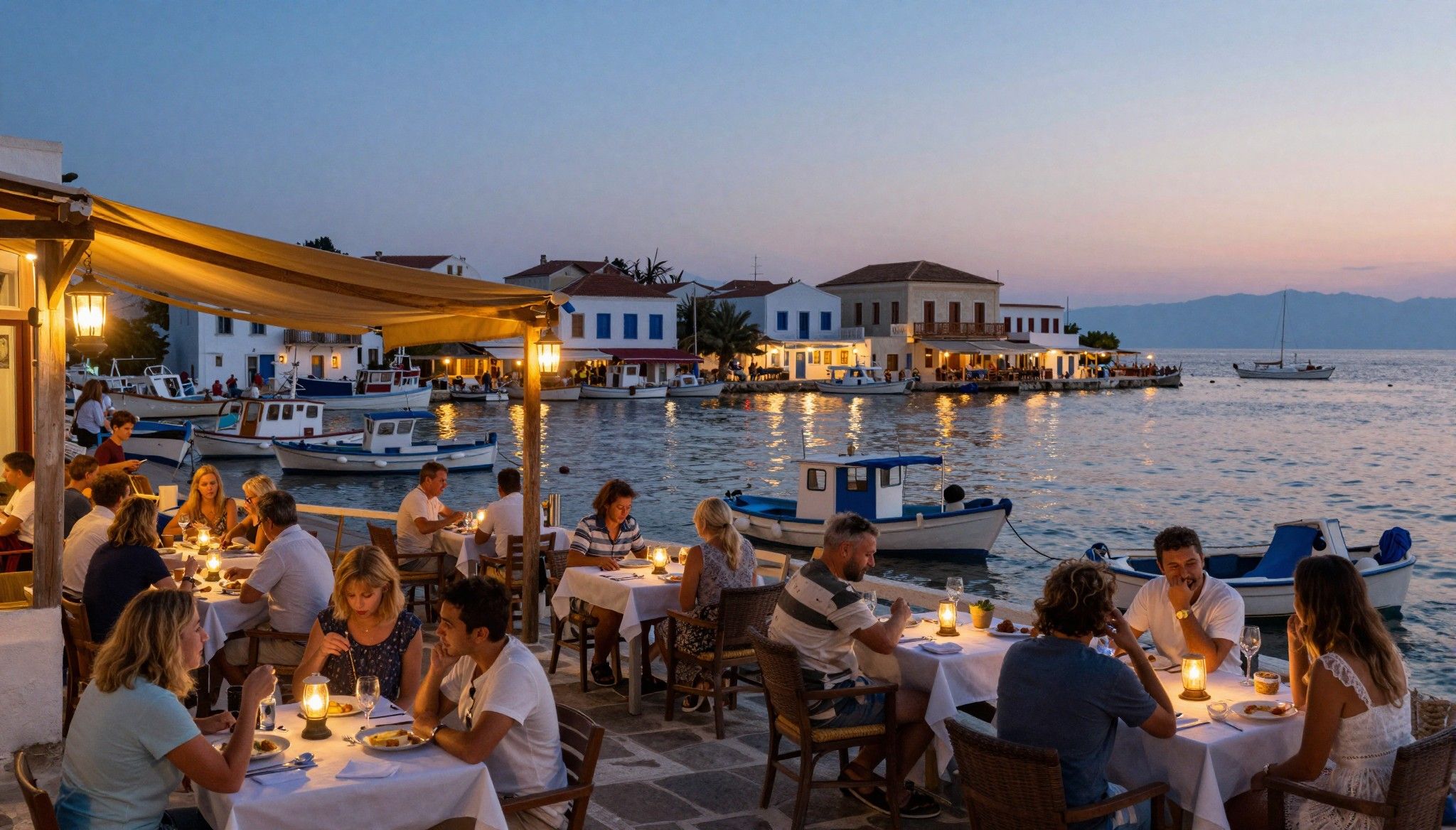
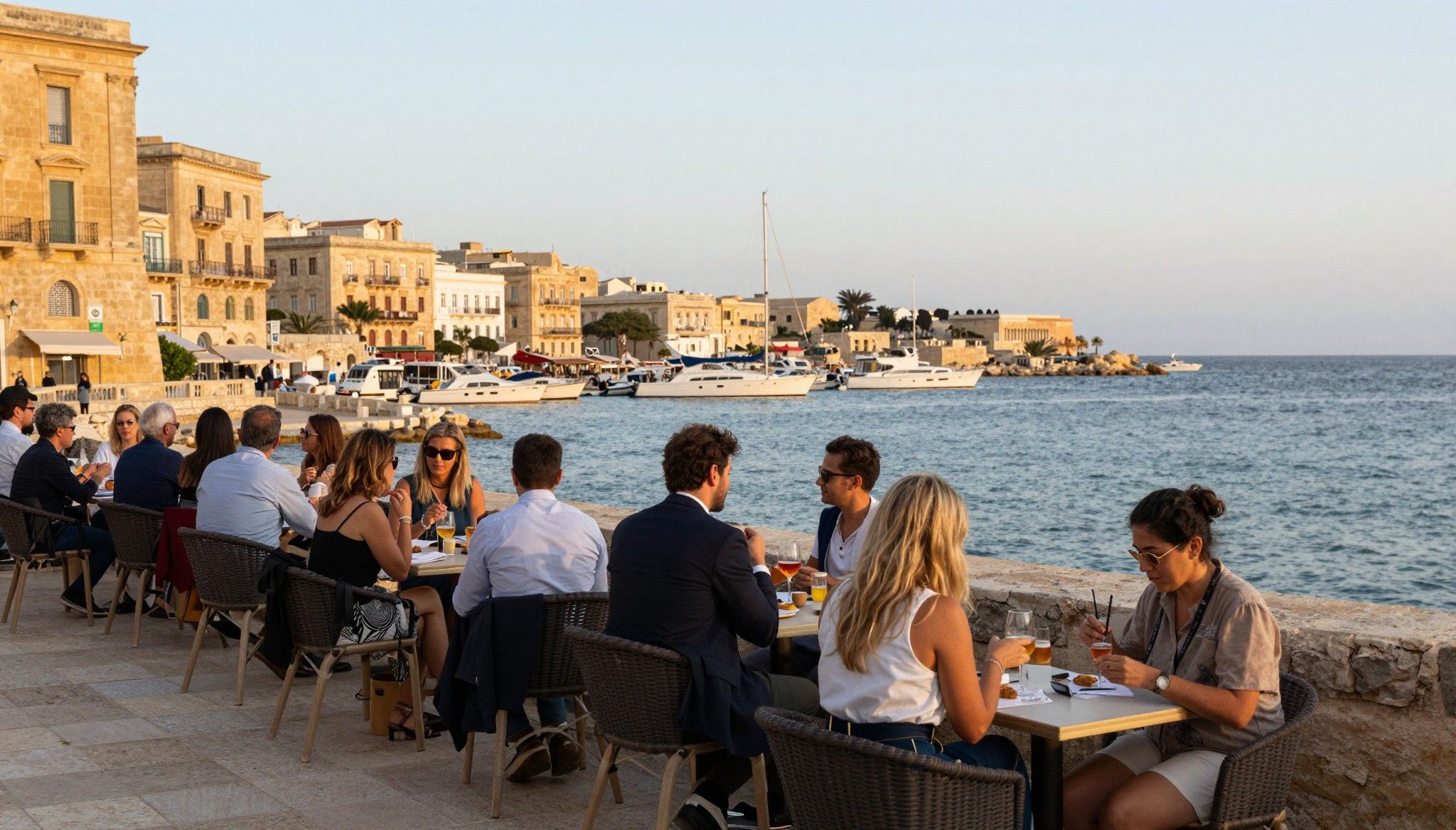
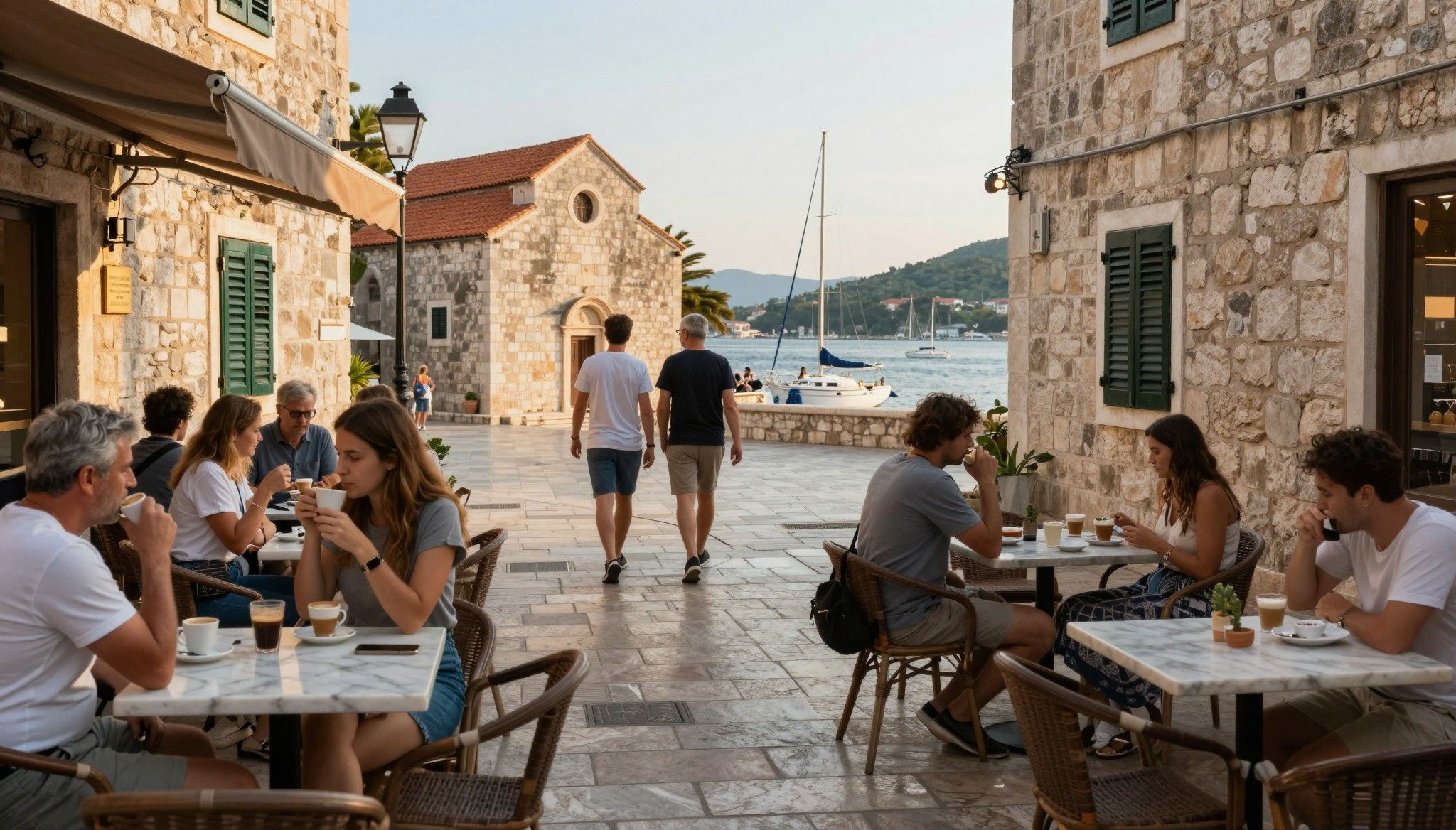
Imagine sitting at a marble table on a narrow Athenian lane as traffic hums in the distance, an espresso cooling beside a small plate of kataifi. Or picture a late afternoon on a Cycladic terrace where light dissolves the sea into silver. Greece sells itself through scenes like these — textured, seasonal, quietly theatrical — but the map of where life actually feels like this, and where property prices reflect it, is not what most guidebooks say.
Living the Greek life, practically
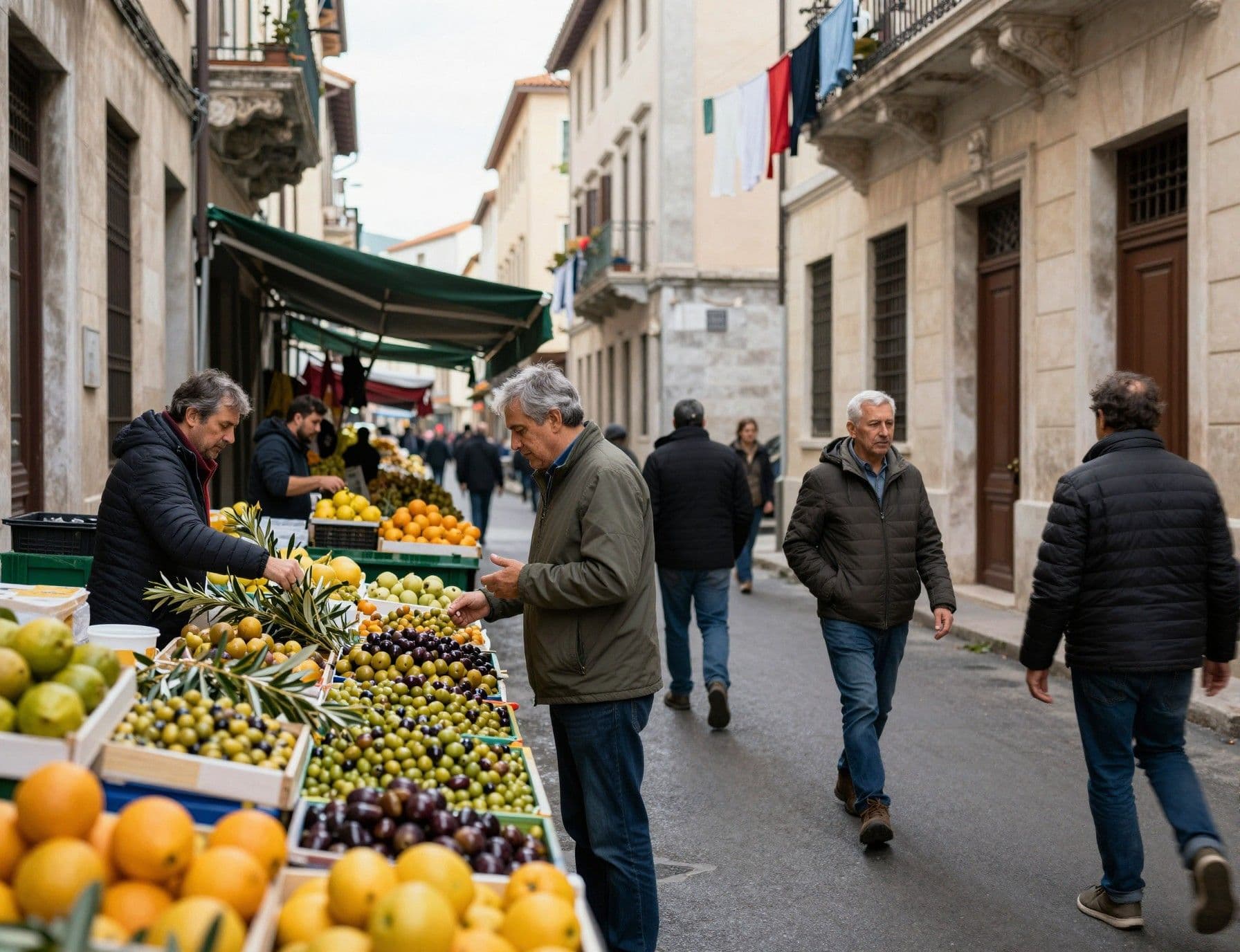
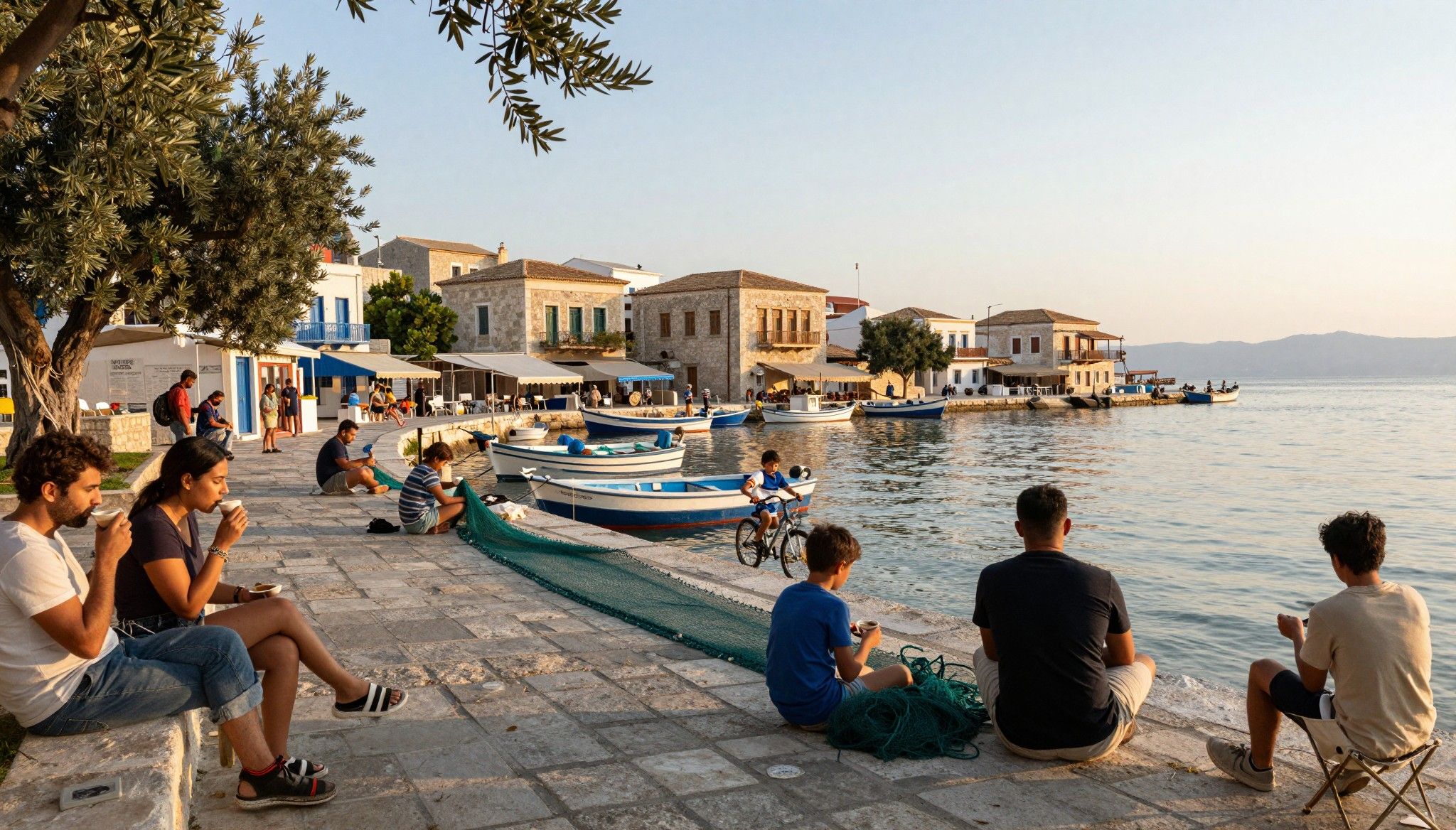
Daily life in Greece is arranged around rhythm: markets on weekday mornings, kafeneia (coffee houses) that spill into squares by noon, and small tavernas that lengthen an evening into conversation. These routines shape the desirability of neighbourhoods — the hilltop neoclassical streets of Plaka offer a different cadence than Koukaki’s bakeries and design ateliers, and both differ again from the nocturnal pulse of Gazi. Recent data shows price growth is moderating after a post‑pandemic surge, so lifestyle choices increasingly determine where value stabilises rather than broad market momentum.
Athenian neighbourhoods that feel like home
Plaka and Anafiotika keep one foot in classical Athens: narrow flights of stone, low-ceilinged shops, a permanence that rewards restoration. Koukaki and Pangrati read as lived‑in, with morning markets and family-run boulangeries; they are where young families and professionals find community. In contrast, Kolonaki offers era-layered apartment buildings and discreet services for collectors and long-stayers. Each quarter answers a different question of daily life — proximity to the sea, to museums, to elite schools — and that question should be your opening criteria, not the headline price per square metre.
Islands beyond folklore: how the real island life reads
The postcard islands — Santorini, Mykonos — remain headline-grabbers. Yet much of island life is quietly provincial: municipal rhythms, seasonal workforce cycles, and infrastructure limits that matter for year‑round living. Smaller islands and lesser-known Cyclades, Dodecanese or Ionian villages often deliver comparable light and sea with more reasonable entry prices and a stronger sense of community across seasons. For buyers who plan to live in Greece rather than merely visit, consider islands with local clinics, year‑round ferries and basic secondary schooling rather than the peak-summer glamour.
Making the move: how lifestyle should lead the search
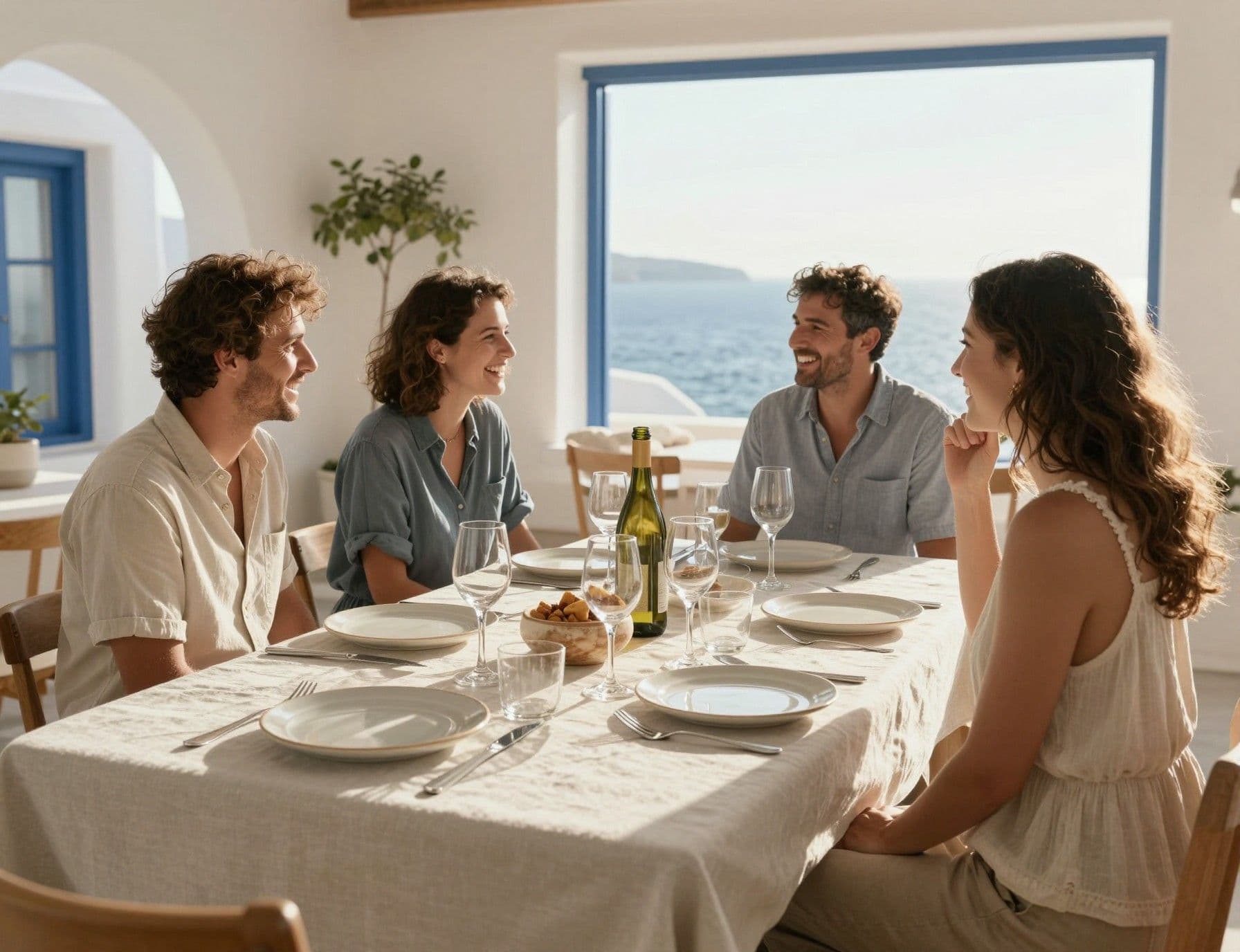
Transaction flows in recent years have been driven by foreign demand and residency schemes; that influence raises prices in tourist-favoured pockets but also creates overlooked opportunities elsewhere. Rather than start with a wish list of square metres or sea views, begin with the life you want in Greece: morning markets or solitude; a neighbourhood with a strong expat circle or one where you will integrate with local families. From that point practicalities — title searches, renovation standards, seasonal rental potential — fall into sensible order.
Property types and how they shape daily life
A neoclassical Athens apartment rewards stewardship and connects you to urban culture but often requires careful retrofitting for modern insulation and plumbing. A renovated stone house in Peloponnese offers garden privacy and slower seasons, while a contemporary build on an island may prioritise sun terraces and indoor–outdoor flow at the cost of local authenticity. Match construction type to how you intend to spend time: weekends of entertaining, everyday walking to shops, or long stretches of remote work.
How local experts translate lifestyle into value
An agent who knows where the neighbourhood bakers still trade, which street floods in strong meltemi, and which municipality enforces renovation permits will save you months of learning. Look for advisors who pair market data with lifestyle intelligence — they should be able to show recent comparable sales, seasonal occupancy patterns and introduce you to local craftsmen for sympathetic restorations. That depth converts a purchase into stewardship rather than a speculative token.
Lifestyle-led practical checklist
Decide which rhythm matters: daily markets, ferry cadence, school term rhythm, or festival seasons (Easter and August) that reshape neighbourhood life.
Prioritise infrastructure that supports the life you want: year‑round medical access, reliable ferries or regional airports, and broadband quality for work-from-Greece living.
Match property fabric to maintenance appetite: restored stone and timber mean ongoing care; new builds reduce immediate work but may lack provenance.
Ask an agent for a one‑week experience: stay in a neighbourhood off-season to sense true year‑round life before committing.
Insider knowledge: what expats tell us (and what they often miss)
Expats often arrive enchanted by sun and food but discover quickly that social integration and daily logistics determine whether a house becomes home. Seasonal rental demand can be lucrative, but it also alters neighbourhood character and raises rents for locals. Many regret buying in headline islands without checking winter connectivity, municipal services or the availability of trusted tradespeople. Others wish they had prioritised a strong local market over short-term rental yield.
Language, etiquette and the social ledger
Learning a few phrases and respecting local rhythms — shops that close for siesta hours, Sunday family lunches, or the deference shown at town festivals — opens doors. Social capital in Greece is local and earned; neighbours who know you will help find the best builder or care for your garden while you’re away. That network affects the lived value of a property far more than a marginal price difference in purchase.
Longer horizon thinking for stewardship and value
Consider lifecycle costs: maintenance, seasonal staffing, and the municipal rules that govern restorations and extensions.
Estimate realistic rental seasonality rather than headline yields; many properties have 8–12 peak weeks and a lower occupancy the rest of the year.
Budget for sympathetic restoration rather than cosmetic refreshes if the property has architectural merit; craftsmanship retains value.
In short, buy the life first and the property second. Vendors sell features; good advisers translate those features into lasting habits of living.
Concluding thought and what to do next
If Greece calls to you, answer with curiosity. Spend a season in a neighbourhood, speak to local shopkeepers, and commission an agent who can show not only comparables but the daily ledger of life there. Start with lifestyle questions — where will you eat breakfast, whose children will your own children know, and what sound wakes you in the morning — and the rest will fall into place with professional rigour and a steadier view of value.
Relocating from London to Mallorca in 2014, I guide UK buyers through cross-border investment and tax considerations. I specialise in provenance, design integrity, and long-term value.