Buy Where Maltese Live: Streets That Outperform Views
Malta’s enduring value lies in neighbourhood life, not headline sea‑views; focus on streets locals favour, building quality and community services for lasting return.
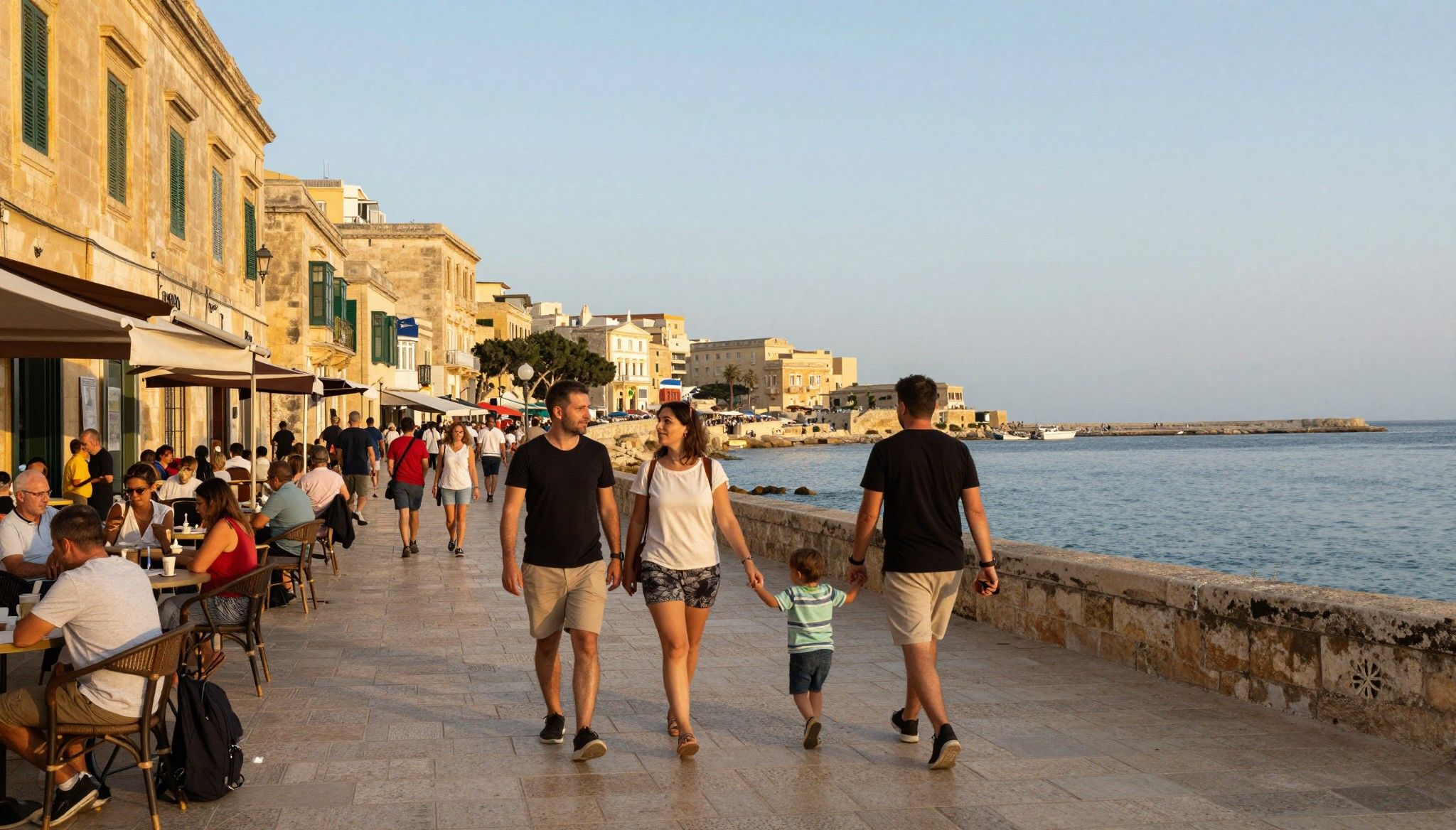
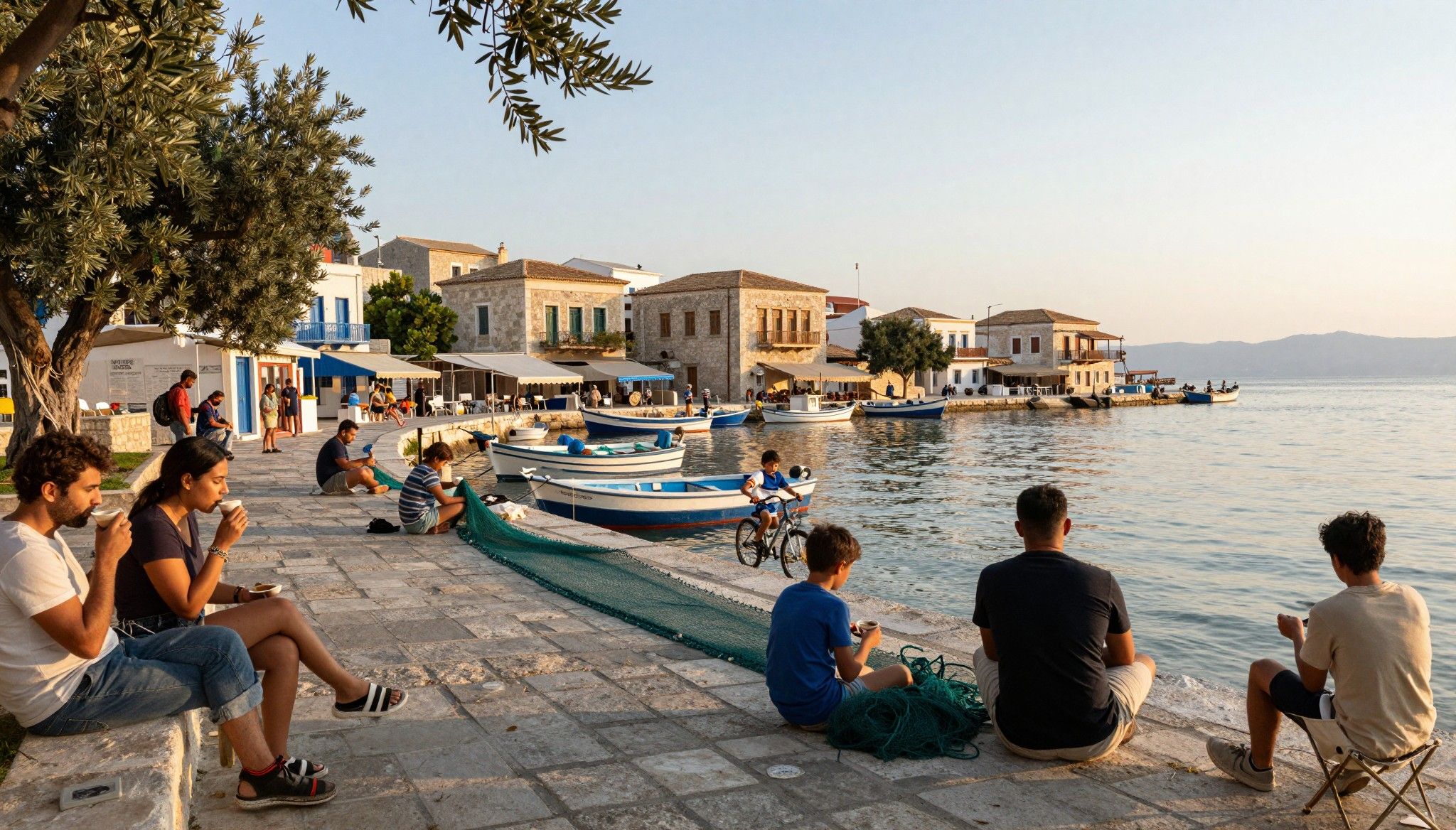
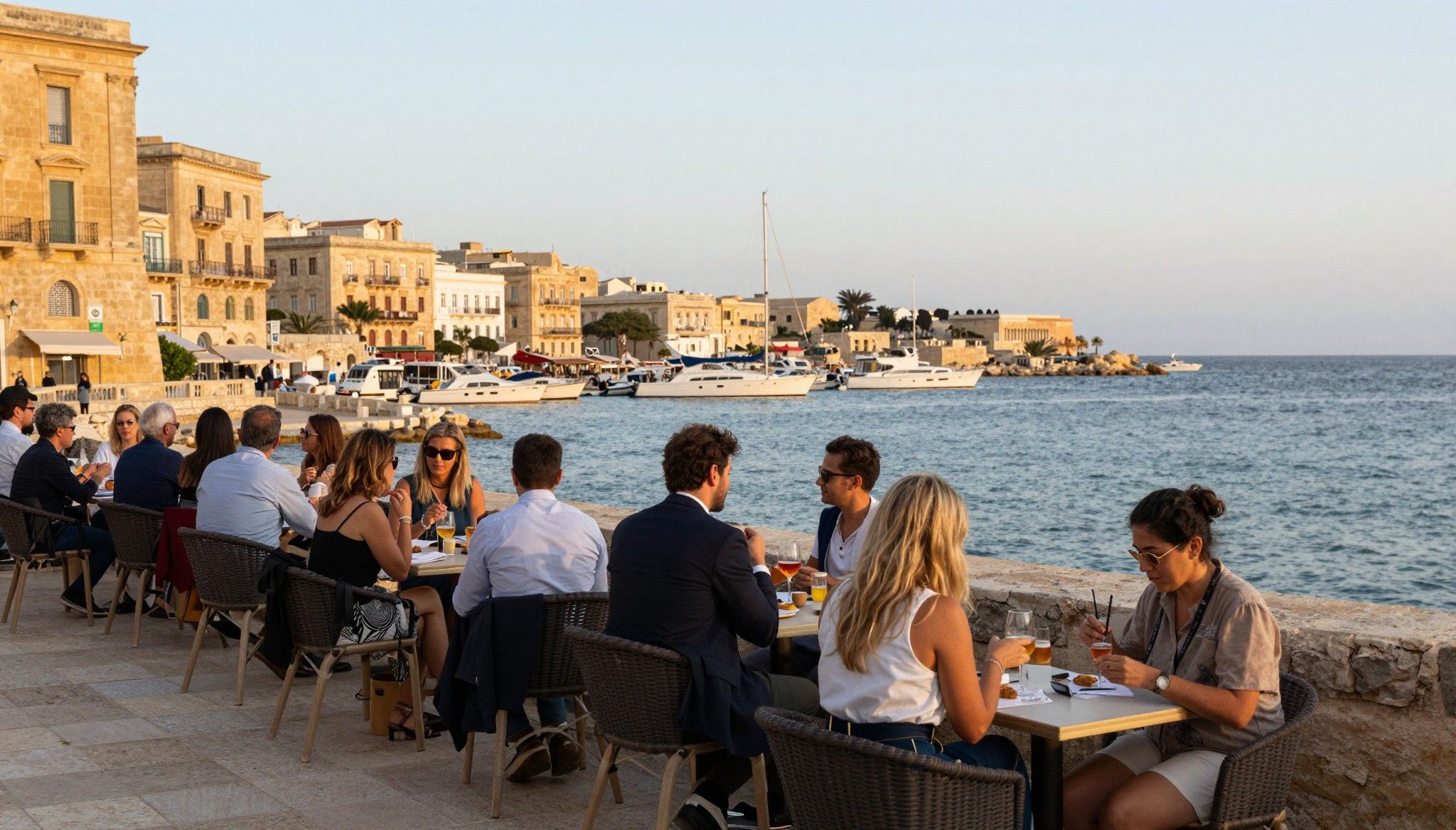
Imagine stepping out at dawn to buy warm ftira in Marsaxlokk, the salt wind on your face and limestone facades catching the pale light. In Malta, daily life prefers small rituals — morning coffee at a bay-side kiosk, an afternoon passeggiata in Mdina’s silent streets, aperitifs at Spinola Bay — and those rituals shape where locals choose to live more than the glossy sea‑view listings that catch headlines. Recent market data show steady, measured price growth, but the value that underpins enduring demand is rarely the waterfront panorama; it is the lived environment — proximate markets, quiet lanes, walkable services and architectural quality. For international buyers seeking a lasting home rather than a seasonal spectacle, noticing where Maltese live is the first lesson.
Living Maltese Life: the rhythm that determines value
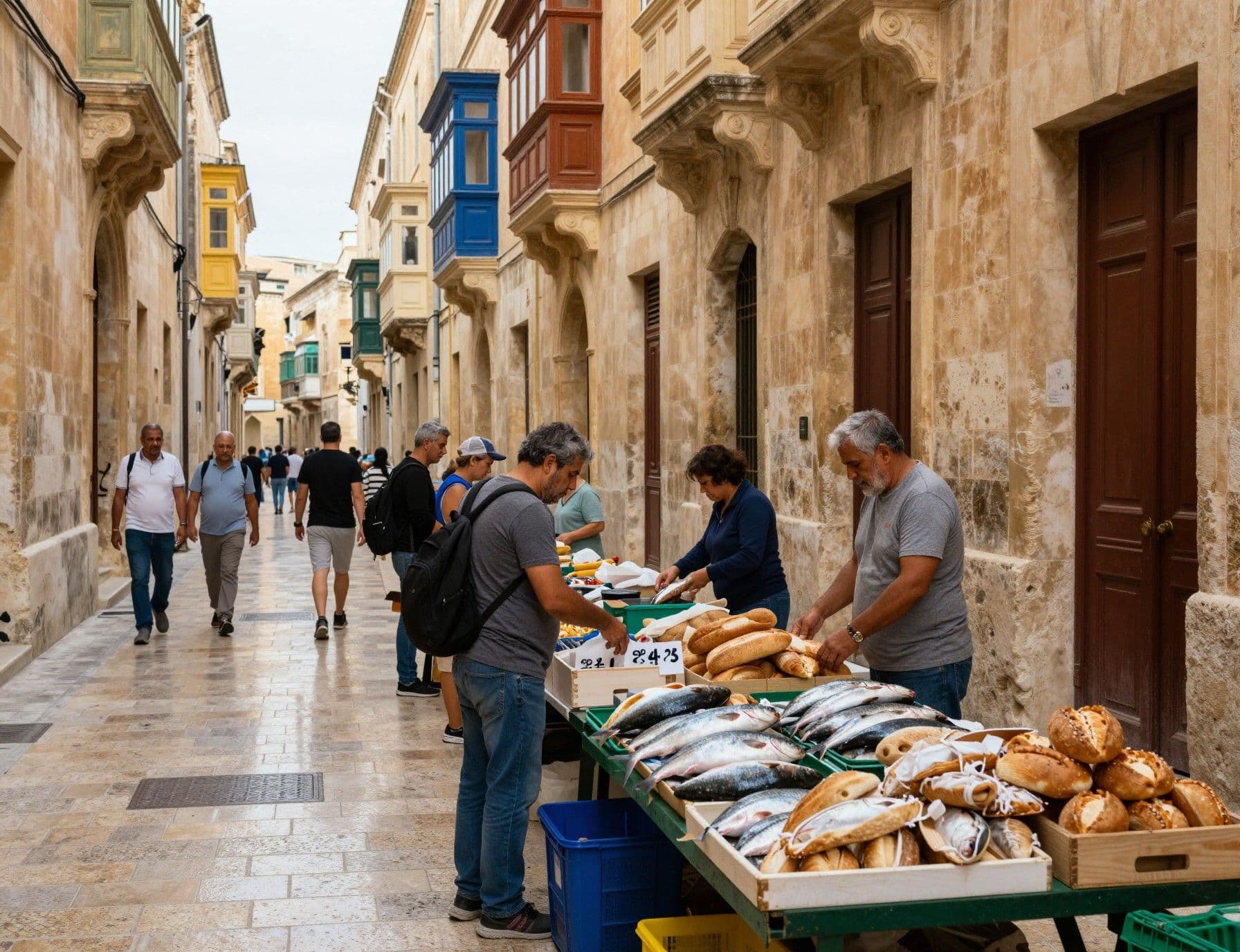
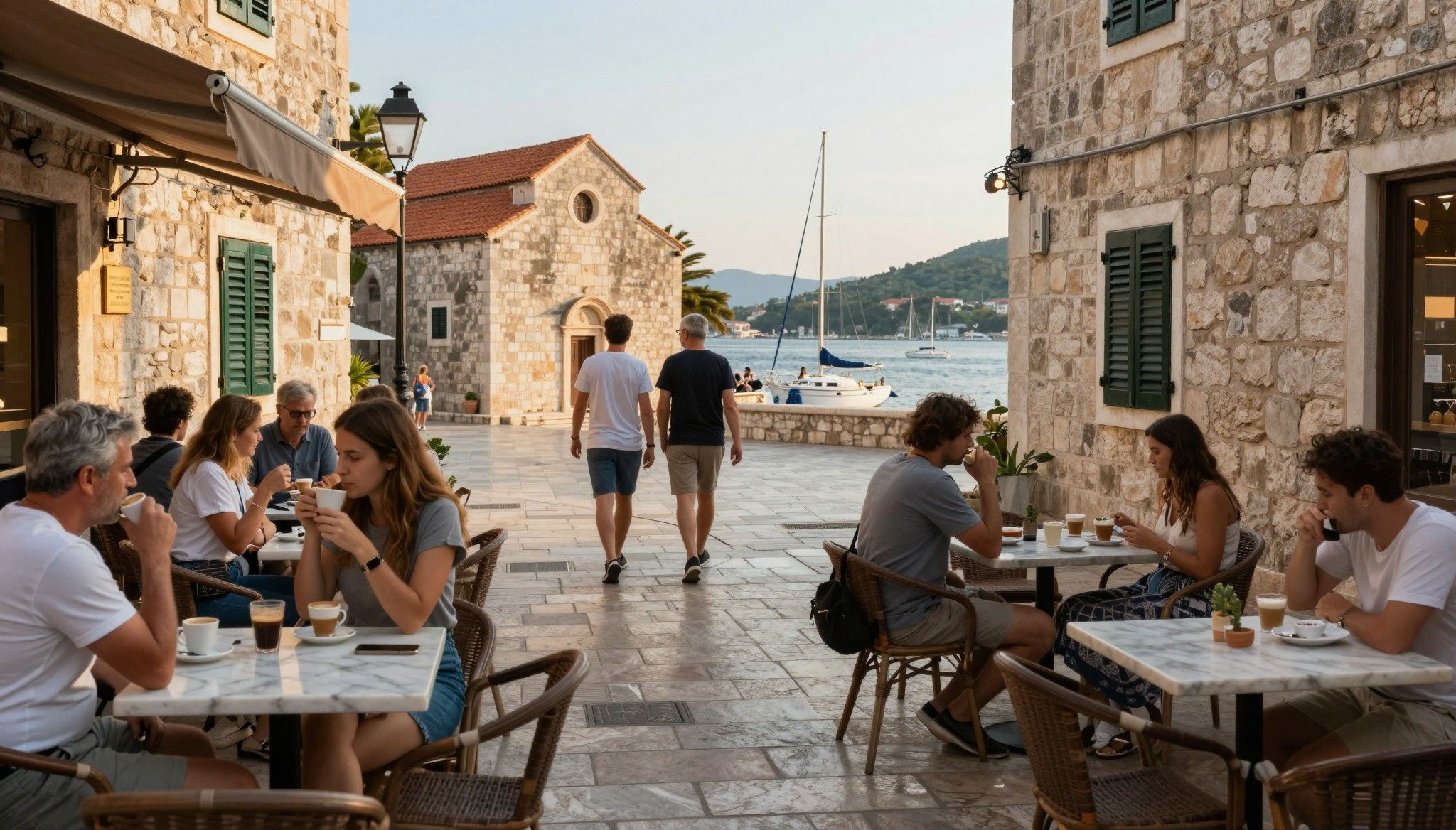
Daily life in Malta is compact and tactile. Valletta’s alleys are for morning errands and late‑night conversation in equal measure; Sliema and Gzira favour promenades and cafes where families meet over espresso; Gozo’s Victoria offers a quieter, storied pace with village markets and chapel bells. These patterns — not tourism footfall alone — sustain residential demand, particularly for proven apartment typologies and restored townhouses that balance indoor calm with an outward, neighbourhood life. Appreciating this rhythm clarifies why some interior streets outperform prime seafront in capital growth and long‑term desirability.
Valletta, Mdina and the interior: provenance over postcard views
Valletta is not merely a tourist magnet; it is a functioning city with small grocers, artisan workshops and a resident community that prizes heritage apartments with original timber beams and wrought‑iron balconies. Mdina’s palazzo living trades quiet grandeur and thick stone walls for seclusion and a rhythm shaped by local rituals rather than seasonal visitors. Properties here often require stewardship — careful restoration and sensitive systems upgrades — but buyers who value provenance and continuity find returns in both price resilience and quotidian pleasure.
Seaside towns: where the sea is a backdrop, not a guarantee
Sliema and St Julian’s offer unsurpassed convenience and a cosmopolitan social life, yet within those municipalities value diverges sharply between busy waterfront strips and quieter terraces one block inland. The Central Bank and local commentators note that price movements are often driven by limited supply of well‑located, well‑built stock rather than an abstract sea‑view premium. For buyers, a property that places you within a neighbourhood’s daily life — bakeries, schools, reliable transport — will often outperform a flashy apartment that is primarily marketed to short‑stay rental guests.
Practical market beneath the romance
Numbers matter. Malta’s Residential Property Price Index has recorded steady annual gains in recent years, reflecting constrained land supply, population growth and steady foreign demand. The IMF and national authorities point to persistent demand alongside a maturing market; growth remains measured rather than speculative, but affordability pressures are evident in younger cohorts. Knowing these dynamics changes buying strategy: one seeks properties with durable qualities — sound construction, adaptable layouts, good ventilation — rather than chasing ephemeral marketing angles.
Property types and how they suit life in Malta
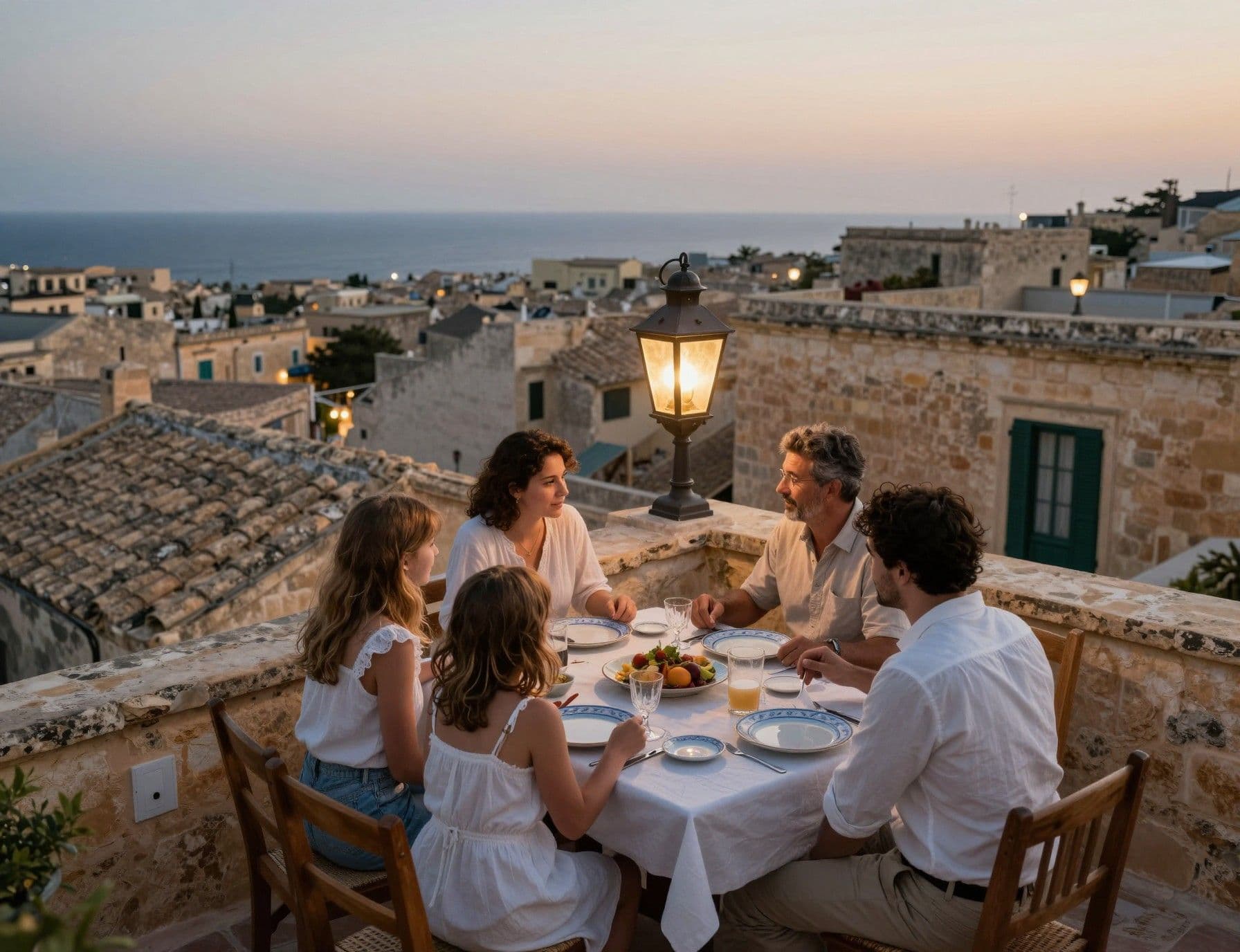
Maisonettes and traditional townhouses remain central to Maltese life — their thick limestone walls, internal courtyards and roof terraces promote a domestic rhythm of mornings indoors and evenings outside. Contemporary apartments deliver convenience but vary widely in build quality; buyer scrutiny of finishes, thermal performance and common areas is essential. In Gozo, terraced houses and converted farmhouses reward those seeking slower living, proximity to fields and a different social tempo. Match your property type to how you intend to spend your days, not only to expected capital appreciation.
- Steps to prioritise lifestyle when buying in Malta
1. Visit neighbourhoods at different times — mornings, market days and late evenings — to sense everyday life. 2. Inspect façades and communal circulation; ask about recent waterproofing, roof works and party‑wall history. 3. Confirm walk times to essential services (grocer, clinic, school) rather than headline distances. 4. Assess adaptability: can a rooftop be insulated or a courtyard winterised to extend seasonal use? These steps blend the dream of Maltese living with defensible investment choices.
Insider knowledge: what expats wish they’d been told
Expats regularly mention a handful of surprises: the sociability of small neighbourhoods, the centrality of local clubs and festas, and the importance of knowing the right tradespeople. Language rarely proves a barrier — English is in everyday use — but social integration often depends on small courtesies and patience with local rhythms. Those who succeed do so by attending local markets, learning to time services around festas, and accepting that stewardship of a Maltese house is often a multi‑year, artisanal endeavour.
Cultural notes that affect where you buy
• Festas and parish ties: lively local calendars that enliven streets but require tolerance for loud, short‑lived activity. • Multi‑generational households: homes with separate wings or adaptable layouts are in demand. • Practical outdoor life: roof terraces and courtyards materially extend usable space for most of the year. • Building paperwork matters: verified conservation approvals, cadastral clarity and documented maintenance history reduce future friction.
Longer view: where Malta’s lifestyle will create lasting value
Sustained demand for well‑located housing — especially stock that supports everyday life rather than short‑stay tourism — will likely continue to underpin Malta’s residential market. Official indices report annual gains but also signal a market that rewards stewardship and quality. For the discerning buyer, the practical takeaway is clear: seek neighbourhoods where community life is active and local services are durable; those are the streets where value, quietly and reliably, compounds.
Quick reference: market signals to watch • RPPI trends — annual changes indicate structural demand. • New supply pipeline — measure how much new stock targets short‑stay versus permanent residency. • Local planning decisions — conservation area listings preserve scarcity and often protect value. • Rental dynamics — steadier long‑term rentals typically point to resident demand over tourism spikes.
If Malta’s appeal for you is both a life and an investment, start by choosing the life you want: quiet morning markets in Marsaxlokk, library afternoons in Valletta, or the slow seasons of Gozo. Then work backwards — identify blocks that support that life, commission careful inspections, and partner with an agent who understands neighbourhood provenance, conservation nuances and which streets locals actually buy. That approach will deliver properties that repay not only financially but with the daily satisfactions that make a house a home.
Norwegian with years in Florence guiding clients across borders. I bridge Oslo and Tuscany, focusing on legal navigation, cultural context, and enduring craftsmanship.